


A lack of oxygen during sleep isn’t just a problem for the lungs or the brain – it may also impact testicular function.
A small prospective study has now found that while obstructive sleep apnea is not associated with erectile dysfunction, it is associated with poorer sperm quality.
When researchers compared 72 reproductive-aged men with untreated sleep apnea to 22 healthy controls, they found that patients with a sleep disorder demonstrated a significantly lower semen volume.
Their semen also contained fewer sperm capable of swimming forward, and it showed elevated levels of several inflammatory markers.
The findings, published in Sleep Medicine, suggest that disrupted sleep and a lack of oxygen at nighttime may be linked to higher sperm immobility.
This may or may not affect a person’s ability to conceive, but as the study authors point out, these measures are “key determinants of male reproductive potential.”
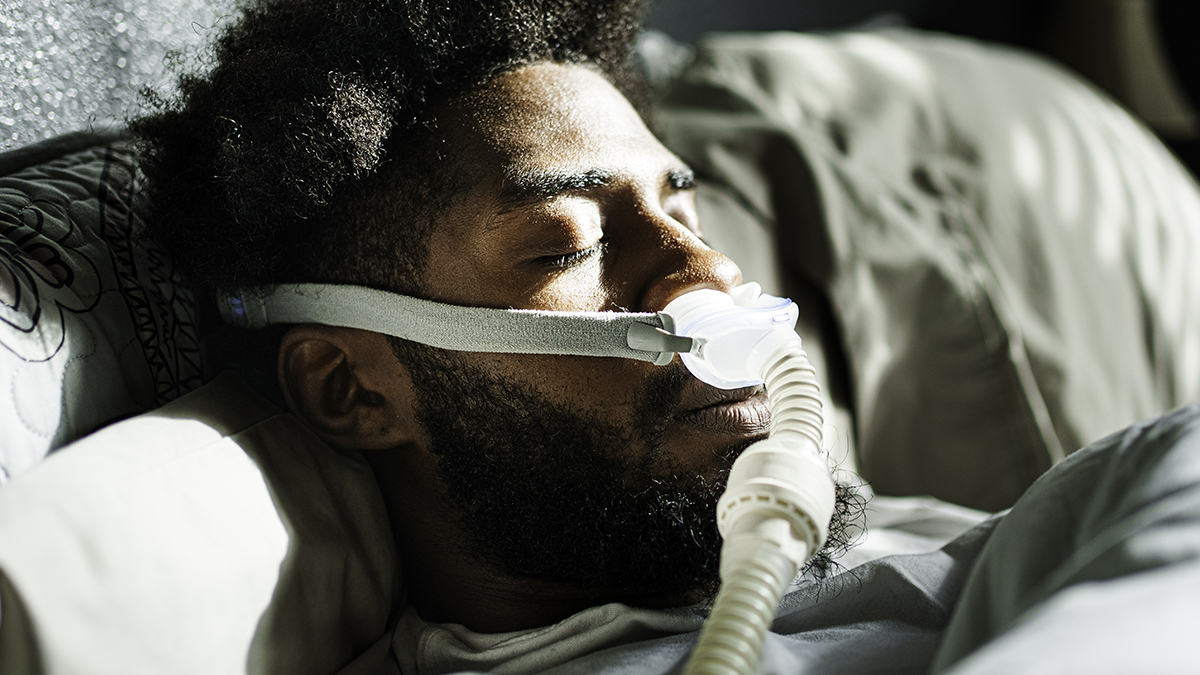
The good news is that when 25 participants in the study were treated with a CPAP machine (Continuous Positive Airway Pressure), they began to show improvements in progressive sperm motility as early as 1 month later.
“CPAP therapy is accompanied by longitudinal improvements in sperm motility,” the authors explain, “suggesting that evaluation for sleep-disordered breathing may be considered an exploratory assessment in men presenting with unexplained semen abnormalities.”
frameborder=”0″ allow=”accelerometer; autoplay; clipboard-write; encrypted-media; gyroscope; picture-in-picture; web-share” referrerpolicy=”strict-origin-when-cross-origin” allowfullscreen>
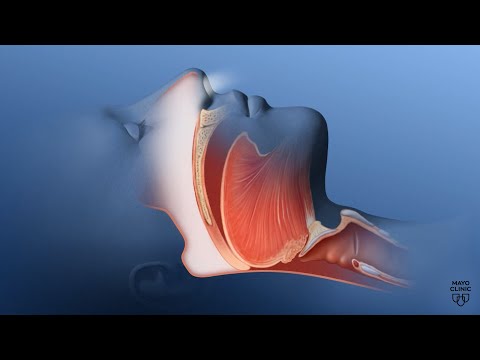
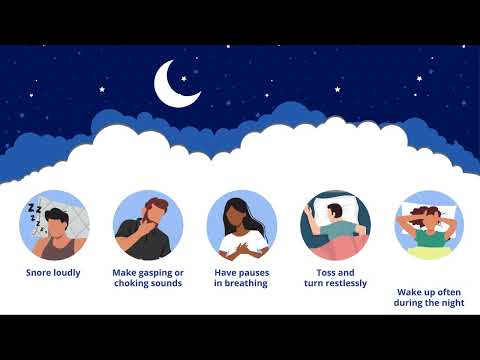
Obstructive sleep apnea occurs when the airway becomes restricted during sleep, leading to loud snoring that’s interrupted by pauses in breathing.
It impacts about a quarter of all men over the age of 30, and it does more than leave people feeling unrefreshed. Patients with this sleep disorder are more likely to develop high blood pressure and other cardiovascular concerns.
It may also impact their sex life.
In the past, observational studies have found that sleep apnea is linked to a higher risk of erectile dysfunction, and yet there is scarce evidence on how sperm might be affected.
In 2025, urologists in Brazil penned a correspondence for Nature Reviews Urology that argued sleep medicine should be part of a routine evaluation for male infertility.
Animal studies and some observational human studies suggest that a lack of oxygen or systemic inflammation, triggered by sleep apnea, could possibly mess with sperm production.
This new study, led by researchers at the University of Hong Kong–Shenzhen Hospital in China, is small and the treatment was not randomized, but the authors say it explores a “critical knowledge gap” that is “largely unexplored”.
Male participants in the study were aged 18 to 50, and some were diagnosed with obstructive sleep apnea using an overnight test at a sleep center.
Compared to those without sleep apnea, researchers found that those with sleep apnea had lower semen quality, independent of erectile function.
Participants in the sleep apnea group had roughly 10 percent fewer sperm capable of swimming forward and 10 percent fewer sperm capable of swimming at all.
During follow-up, 25 participants used a CPAP regularly for four hours or more per night on five or more nights a week.
One month later, researchers noticed that in men who used the CPAP machine, the percentage of progressively motile sperm increased from nearly 40 percent to 45 percent.
frameborder=”0″ allow=”accelerometer; autoplay; clipboard-write; encrypted-media; gyroscope; picture-in-picture; web-share” referrerpolicy=”strict-origin-when-cross-origin” allowfullscreen>
No significant reductions were reported in the four elevated inflammatory markers.
At three months, only 15 men were still using the CPAP machine and reporting for follow-up analysis. By six months, only 8 men remained in the trial.
This large drop-out rate makes it difficult to evaluate long-term success.
CPAP machines are clunky and uncomfortable, and many patients with sleep apnea find them difficult to use in the long run.
Among those who persisted with treatment, however, sperm motility stayed above baseline; though as the sample size was small, the researchers caution against reading too much into it.
“Taken together, these findings support a conceptual model in which sleep-disordered breathing and local seminal microenvironmental inflammation are jointly associated with impaired sperm function in men with obstructive sleep apnea,” the authors conclude.
The team is now calling for larger studies to “elucidate the precise molecular mechanisms and confirm the long-term fertility benefits of CPAP treatment.”
The research has been published in Sleep Medicine.
This article was fact-checked by Rebecca Dyer and edited by Rebecca Dyer. While we pride ourselves on our process, we are only human. If you spot a mistake, please let us know.


