



Hello Nature readers, would you like to get this Briefing in your inbox free every day? Sign up here.

Credit: Dr. Gonzalo Quiroga Artigas/Nikon Small World
This image of a tardigrade moulting and laying an egg in the old skin, by evolutionary biologist Gonzalo Quiroga-Artigasin, was one of the winners of the 2026 Nikon Small World competition.
See more of the month’s sharpest science shots, selected by Nature’s photo team.
Nature | Leisurely scroll
An outbreak of anthrax has killed at least 30 hippos (Hippopotamus amphibius) in the Democratic Republic of the Congo (DRC) in the past month. No cases of the infectious disease have been reported in people so far. The wildlife outbreak puts further pressure on already limited resources, say researchers, as the DRC grapples with armed conflict and large outbreaks of Ebola and cholera.
Nature | 4 min read
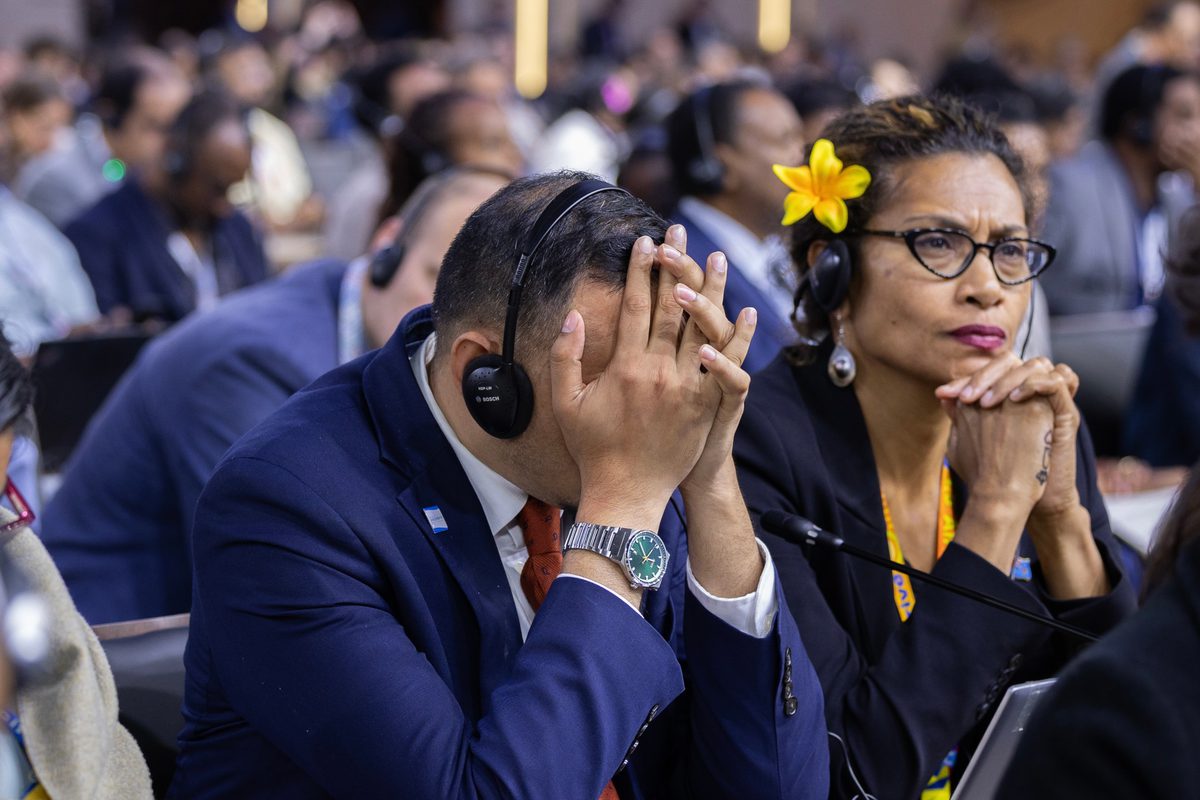
Contributions to a United Nations-run pot for the conservation of nature — expected to raise US$1 billion per year — total just US$10,588 two years after it was established. The Cali Fund seeks voluntary contributions from companies that profit from genetic data collected from Earth’s biodiversity. So far, only five small biotech companies have contributed.
Nature | 6 min read
In the 2026 fiscal year, which ended on 30 September, the US National Science Foundation (NSF) funded fewer than 100 new social-science grants, compared with a historical average of roughly 850 per year. In dozens of programme areas, including economics and archaeology, the agency awarded no new grants at all. Earlier this year, the administration of President Donald Trump stated that it wants to eliminate the NSF’s social, behavioural and economic sciences (SBE) directorate altogether, leaving several decades-long projects hanging in the balance.
Nature | 7 min read
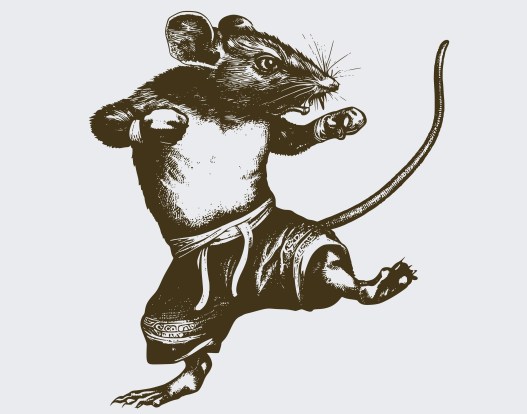
A study in mice might help explain the long-known fact that castration extends life span in most mammals, including people — and why men tend to live shorter lives than women. In the experiment, researchers removed the testicles of mice before puberty, after puberty or in old age, and found that all interventions increased median lifespan — with the late intervention leading to the biggest improvement. The findings suggest that testes’ apparently harmful effects begin later in life, rather than during their puberty heyday.
Reference: bioRxiv preprint
Features & opinion
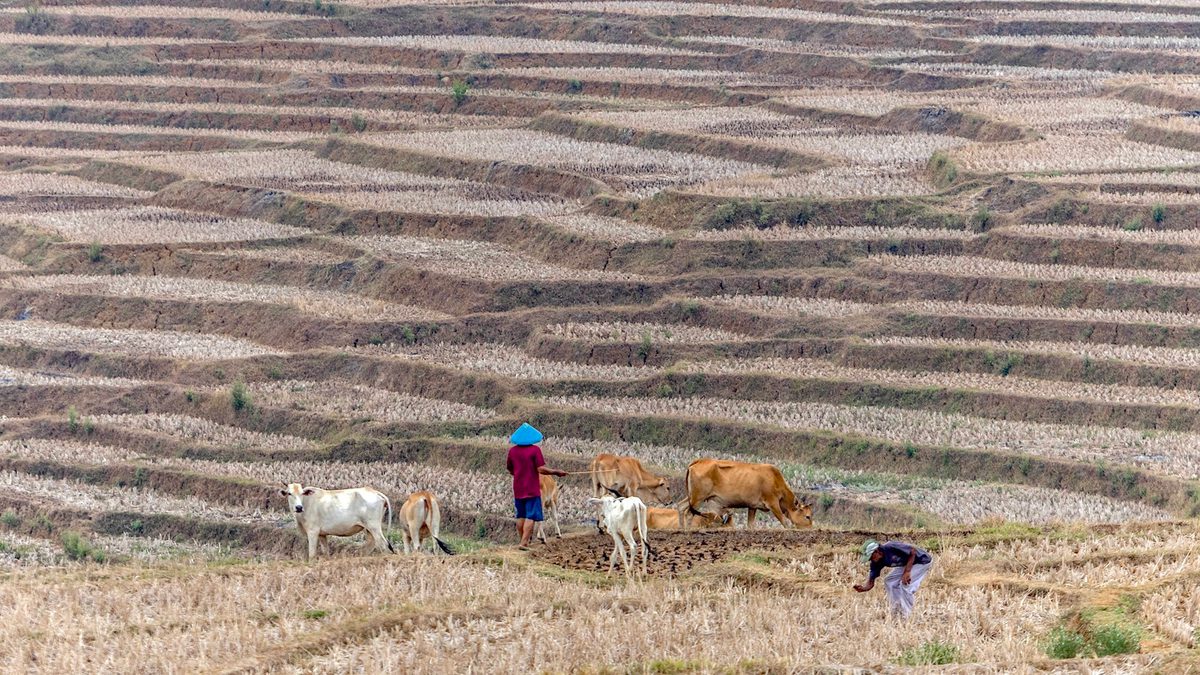
Widespread migration of people from countryside to cities is leading to a surprising drop in biodiversity in some of the low-intensity farming landscapes where humans have lived in harmony with other creatures for millennia. For example, in Japan, forests where farmers once cut trees for fuel and removed fallen leaves for fertilizer are becoming dense and closed in again — leading to losses in species such as fireflies and harvest mice. Volunteers have taken up saws to help, but experts say that longer-term solutions are needed, such as rewilding or addressing rural depopulation.
Nature | 11 min read
When Edward Freytag, a 66-year-old music teacher, injured his brain in a motorcycle crash, he developed the ability to instantly recognize musical notes. He’s the first person known to have acquired perfect pitch from a brain injury. In this beautifully illustrated feature, explore how our brains process sound, learn how Freytag’s injury might have affected him this way, and listen to a composition he wrote in a fugue-like state during the early stages of his recovery.
Last night the Nature Awards for Inspiring Women in Science recognized materials physicist Alexandra Paterson for, among other things, groundbreaking work in developing semiconductors from flexible polymer-based materials. And, in the Science Outreach category, sustainability researcher Taghried Abdelmagid, who leads a female volunteer-led initiative called Share the Knowledge–Sudan amid one of the world’s worst humanitarian crises. I’m lucky enough to cover many marvellous researchers and projects, but this award really lives up to its name: the work it recognizes is truly inspiring. Check it out.
Thanks for reading,
Flora Graham, chief editor, Nature Briefing
With contributions by Jacob Smith
• Nature Briefing: Careers — insights, advice and award-winning journalism to help you optimize your working life
• Nature Briefing: Microbiology — the most abundant living entities on our planet — microorganisms — and the role they play in health, the environment and food systems
• Nature Briefing: Anthropocene — climate change, biodiversity, sustainability and geoengineering
• Nature Briefing: AI & Robotics — 100% written by humans, of course
• Nature Briefing: Cancer — a weekly newsletter written with cancer researchers in mind
• Nature Briefing: Translational Research — covers biotechnology, drug discovery and pharma