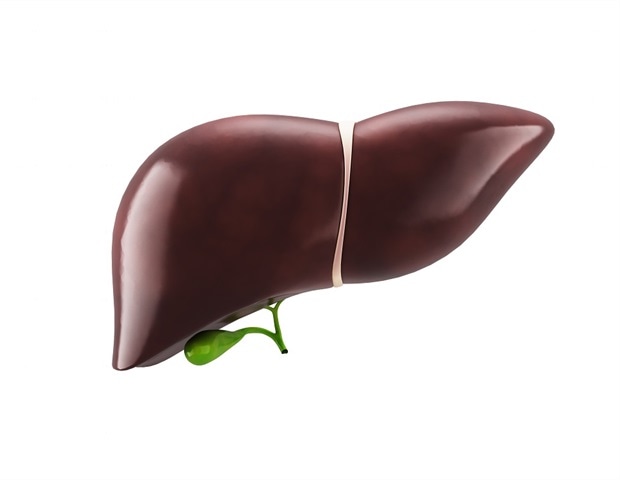


Immune checkpoint blockade (ICB) has reshaped the treatment landscape for advanced hepatocellular carcinoma (HCC), offering new hope where few options existed. However, only a minority of patients achieve durable responses, largely due to tumor heterogeneity, an immunosuppressive tumor microenvironment (TME), and primary or acquired resistance. While predictive biomarkers like programmed death‑ligand 1 (PD‑L1) expression and tumor mutational burden have shown value in other cancers, they remain limited in HCC. The gut‑liver axis, a dynamic connection between the intestine and the liver, has recently emerged as a key regulator of hepatic immunity. Based on these challenges, a deeper understanding of how microbial dysbiosis influences immunotherapy efficacy and toxicity is urgently needed.
Researchers from The Chinese University of Hong Kong have published (DOI: 10.20892/j.issn.2095-3941.2025.0761) a new review in Cancer Biology & Medicine (May 2026) that explores how the gut microbiome affects immunotherapy responses in hepatocellular carcinoma. The study synthesizes recent evidence showing that gut bacteria, their metabolites, and even intratumoral microbes actively shape the liver’s immune environment. By detailing the mechanisms underlying microbial modulation of anti-tumor immunity, the authors provide a roadmap for using probiotics, dietary interventions, and fecal microbiota transplantation (FMT) to potentially improve the efficacy and safety of immunotherapy for liver cancer.
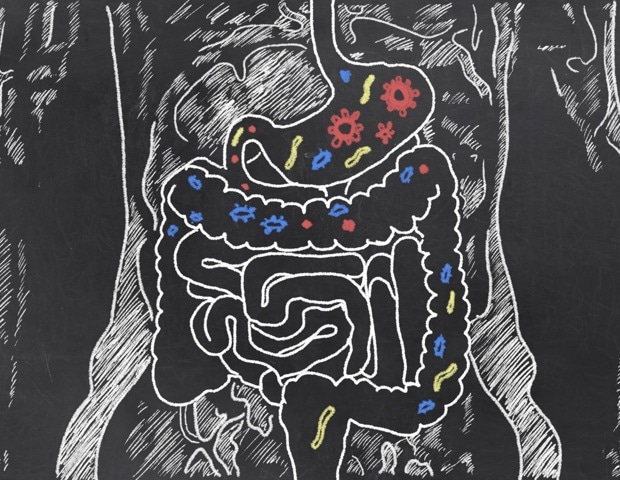
The review highlights several groundbreaking discoveries. Under healthy conditions, the gut‑liver axis maintains immune balance through beneficial bacteria such as Lactobacillus reuteriand Akkermansiamuciniphilaare associated with protective microbial metabolites, including SCFAs such as acetate and butyrate. But in HCC, dysbiosis takes hold: harmful species like Klebsiella pneumoniaeand Catenibacteriummitsuokai expand, producing toxic metabolites like deoxycholic acid (DCA) and quinolinic acid that drive chronic inflammation and directly promote tumor growth. One striking finding shows that C. mitsuokai binds to liver cells and secretes quinolinic acid, activating the PI3K/AKT pathway to fuel cancer progression. Another key insight involves intratumoral bacteria: Enterococcus faecalis and Streptococcus anginosus, have been detected within HCC nodules, may contribute to an immunosuppressive tumor microenvironment dominated by myeloid‑derived suppressor cells (MDSCs) and reduced cytotoxic T‑cell infiltration. Importantly, the review also identifies specific microbial signatures linked to immunotherapy resistance, such as enrichment of Phocaeicolavulgatus, which impairs CD8+ T‑cell cytotoxicity by disrupting tryptophan metabolism and depleting indole‑3‑acetic acid (IAA). Together, these mechanistic insights support a causal contribution of selected microbial pathways for the microbiome in determining HCC immunotherapy outcomes.
“We’ve moved from seeing the gut microbiome as just a biomarker to understanding it as an active driver of immunotherapy success or failure in liver cancer,” the authors said. “Certain bacteria essentially hijack the gut‑liver axis, producing metabolites that either warm up the tumor environment for immune attack or turn it cold and resistant to treatment. The most exciting part is that this is modifiable. By restoring a healthy microbial ecosystem—whether through specific probiotics, diet, or fecal transplants—we may be able to turn non‑responders into responders. That’s a powerful new angle for personalized cancer therapy.”
This research highlights potential clinical implications. First, gut microbial profiles could serve as non‑invasive biomarkers to predict which HCC patients are most likely to benefit from ICB, helping to avoid ineffective treatment. Second, microbiome‑targeted interventionsincluding Bifidobacterium supplementation to boost CD8+ T‑cell activity, dietary fiber to enhance SCFA production, or fecal microbiota transplantation (FMT) to reverse dysbiosis, offer practical ways to improve response rates. Ongoing trials, such as the FAB‑HCC study combining FMT with atezolizumab and bevacizumab, are already testing these strategies in patients who have failed prior immunotherapy. Ultimately, future integration of microbiome modulation into standard HCC care may help reduce irAEs and overcome resistance, pending clinical validation, and transform immunotherapy into a more reliable weapon against this aggressive cancer.
Source:
Journal reference:
Wu, M., et al. (2026). How the gut microbiome affects the immunotherapy response in hepatocellular carcinoma. Cancer Biology & Medicine. DOI: 10.20892/j.issn.2095-3941.2025.0761. https://www.cancerbiomed.org/content/early/2026/04/10/j.issn.2095-3941.2025.0761