The United States Department of Energy (DOE), the United Kingdom’s Department of Energy Security and Net Zero (DESNZ), and private fusion firm Tokamak Energy Ltd. (TE) have unveiled a groundbreaking plan to upgrade the ST40 spherical tokamak.
This $52m initiative is poised to propel fusion research closer to realising commercial fusion energy, a game-changing source of carbon-free, sustainable power.
Speaking on the major collaboration, Kerry McCarthy, UK Minister for Climate in the DESNZ, said: “Fusion has the potential to be a clean and sustainable energy source, transforming how we power our country and countries around the world.
“This strategic partnership between the UK and US governments is therefore crucial to develop this new and exciting technology and bring it into use quicker, and is a vote of confidence in the skills and expertise of those working in this innovative new field in the United Kingdom and the United States.”
A collaborative leap towards fusion energy
The ST40 spherical tokamak is set to undergo significant enhancements under a joint sponsorship by the DOE, DESNZ, and TE.
The project, valued at over $100m in assets, will provide a platform for researchers from universities, national laboratories, and institutes across the US and UK to advance fusion science and technology.
Tokamak Energy, one of the program’s eight awardees, plays a pivotal role in pushing forward industry-led designs for a future fusion pilot plant.
The role of the ST40 spherical tokamak
The ST40 spherical tokamak represents a crucial asset in fusion research. Using applied magnetic fields to confine plasma, the facility is dedicated to studying plasma physics and optimising the conditions necessary for fusion.
Despite its significant scientific contributions, the facility’s development and operations have not been publicly funded by the US or UK governments, making it a unique platform for advancing public-private research efforts.
Previous experiments at the ST40 have achieved temperatures exceeding those at the core of the Sun, a critical milestone in fusion research.
The upcoming upgrades aim to enhance these capabilities, including efforts to achieve sustained fusion conditions through innovative techniques like lithium wall coatings and advanced fuelling methods.
Pioneering technologies to revolutionise fusion research
A key component of the ST40 upgrade involves the development and deployment of cutting-edge technologies.
Tokamak Energy is leveraging high-temperature superconductors to create powerful, very high-field magnets.
These innovations are expected to enable compact, cost-effective fusion devices capable of meeting the stringent requirements of fusion: sufficient temperature, particle density, and energy confinement.
Collaborative expertise from the DOE’s Princeton Plasma Physics Laboratory (PPPL) and Oak Ridge National Laboratory (ORNL) will play a vital role in the upgrade.
PPPL will contribute knowledge on lithium coatings, a method proven to improve energy confinement. Meanwhile, ORNL will focus on integrating advanced pellet fuelling systems to optimise plasma performance.
The future of fusion
This initiative highlights the growing synergy between public and private sectors and underscores the strategic international partnership between the US and the UK.
The collaboration on the ST40 spherical tokamak not only strengthens ties but also accelerates progress toward a shared goal of achieving commercial fusion energy.
The project’s $52m funding is evenly distributed among the three sponsors. The upgrade is slated for completion by 2027, contingent on continued appropriations and steady progress.
By pooling resources and expertise, the initiative represents a significant step in the pursuit of clean, sustainable, and abundant energy through fusion technology.
As global energy demands rise, fusion stands as a beacon of hope for a sustainable future. The ST40 spherical tokamak upgrade is a testament to the commitment of international governments and private companies to address the challenges of climate change through innovation and collaboration.
With its advanced capabilities and strong partnerships, the ST40 project is set to play a critical role in transforming the dream of fusion energy into a reality.
By adopting more advanced methods, scientists aim to improve the accuracy and reliability of flood risk assessments, which are essential for communities, governments, and industries.
The importance of accurate flood modelling
Accurate flood modelling is crucial for managing the growing risks posed by climate change. Inaccurate models not only undermine public trust but can also hinder progress in several key areas.
Communities depend on reliable projections to understand their vulnerabilities and take action to protect themselves. Policymakers and insurers rely on accurate data to allocate resources and develop infrastructure that can withstand future flood events.
Furthermore, trustworthy models are essential for implementing equitable and effective flood mitigation strategies. Without accurate assessments, resources may be distributed inequitably, leaving vulnerable populations at greater risk.
Economic stability also hinges on accurate modelling, as businesses in flood-prone areas require precise risk assessments to make sound operational and investment decisions.
By transitioning to advanced modelling techniques, scientists can provide a more accurate and comprehensive picture of flood risks.
This, in turn, empowers communities, governments, and industries to take meaningful and evidence-based actions to mitigate the impacts of flooding.
The problem with bathtub modelling
Bathtub modelling, a method that assumes floodwaters spread evenly across affected areas like water filling a bathtub, has long been used to visualise potential flood impacts.
While straightforward and visually intuitive, this method often fails to represent the complexities of real-world flooding.
This technique does not account for key factors that influence flood behaviour, including the role of storm drains, levees, and pumping systems that manage water flow.
Additionally, it overlooks tidal amplification, the impact of rising groundwater, and the friction and dynamics that shape flood events.
As a result, bathtub models can both overestimate and underestimate flood risks, leading to unreliable hazard maps.
The researchers point out that studies using bathtub modelling often produce critical success index (CSI) scores below 0.5.
This score, which measures the accuracy of flood extent predictions, indicates that bathtub models perform worse than a random classification.
The authors argue that models need a CSI of at least 0.65 to be locally relevant and useful for practical applications.
Misleading projections and their impact
The limitations of bathtub modelling are compounded by the way its results are sometimes presented to the public.
Dramatic visualisations of flooded cities, often based on oversimplified data, can mislead policymakers and the public about the true risks of flooding.
While these images may attract attention, they fail to provide actionable insights, potentially leading to poor decision-making.
For communities in flood-prone areas, inaccurate models can erode trust. If projections do not align with lived experiences, residents may be less likely to prepare for future risks.
Conversely, exaggerated forecasts can create unnecessary panic or lead to inefficient allocation of resources for flood defences. These missteps emphasise the need for more precise flood risk assessments to guide policy and planning effectively.
A call for change
The researchers behind this study stress that the climate science community must move away from outdated approaches like bathtub modelling.
While these methods have been widely used for their simplicity, their inaccuracies make them unsuitable for the growing challenges posed by climate change and rising sea levels.
Improved modelling techniques are needed to produce trustworthy flood hazard maps that can guide mitigation strategies, inform policymaking, and empower communities.
Without accurate and reliable models, efforts to adapt to increasing flood risks may fall short, leaving people and assets vulnerable to devastating impacts.
As the frequency and severity of flooding events continue to rise, ensuring that projections are both scientifically robust and practically relevant is more important than ever.
By adopting more advanced methods, scientists can provide the tools necessary to build resilience in the face of a changing climate.
The U.S. Department of Energy’s (DOE) Brookhaven National Laboratory is set to revolutionise our understanding of atomic nuclei and their binding forces.
By integrating cutting-edge technologies, the EIC promises to unravel mysteries of the subatomic world while advancing the field of accelerator physics.
A new era at Brookhaven: From RHIC to EIC
The EIC builds on the legacy of Brookhaven’s Relativistic Heavy Ion Collider (RHIC), which has been a cornerstone of particle physics research for over two decades.
The transition to the Electron-Ion Collider involves repurposing one of RHIC’s ion accelerator rings and integrating new components, including an electron accelerator ring, a storage ring, and advanced instrumentation.
This hybrid design not only maximises the reuse of existing infrastructure but also paves the way for an unprecedented level of precision and innovation.
Even as RHIC’s operational phase winds down, it plays a pivotal role as a testbed for solving engineering and physics challenges integral to the EIC. The Accelerator Physics Experiment (APEX) program at RHIC has already provided critical insights that have influenced the EIC’s design.
Boosting collision rates
A fundamental goal of the Electron-Ion Collider is achieving high luminosity, a measure of how frequently particle collisions occur. These collisions generate the data necessary for groundbreaking discoveries about the building blocks of matter.
In RHIC, ion beams are shaped to maximise collision rates at specific interaction points. For the EIC, physicists are refining this concept further by flattening proton and ion beams into ribbon-like shapes.
This innovative approach increases the probability of interaction with the oncoming electron beam, thus enhancing the collider’s overall performance.
Keeping particle beams cool and compact
Maintaining ‘cool’ beams is essential for achieving high luminosity. When particles heat up, their motion becomes erratic, causing the beam to expand and reducing collision rates. To counteract this, Brookhaven scientists employ an electron cooling technique.
By introducing relatively cool electron beams to travel alongside the ion beams, they extract heat and counteract the natural repulsion between positively charged ions.
For the Electron-Ion Collider, this cooling process will be extended and optimised. Scientists plan to use a longer cooling section, higher electron intensities, and innovative configurations to keep the ion beams tightly packed and highly efficient.
Synchronising and stabilising particle trajectories
One of the EIC’s unique challenges is synchronising beams of electrons and protons, which travel at different speeds depending on their energy levels.
To ensure collisions occur precisely at the interaction point, Brookhaven researchers have developed advanced magnet systems that dynamically adjust the proton beam’s trajectory. These systems were rigorously tested during RHIC’s APEX studies, paving the way for seamless integration into the EIC.
Stability is another critical factor. As ion beams complete tens of thousands of turns per second within the Electron-Ion Collider, interactions with the accelerator’s environment can lead to instabilities.
To address this, Brookhaven scientists have tested damping systems and coatings, such as amorphous carbon, that mitigate unwanted electron clouds and heat buildup.
Overcoming magnetic interference
The EIC’s complex design includes three distinct accelerator rings: one for ions, one for colliding electrons, and another for accelerating electrons to collision energy.
However, magnetic interference among these rings posed a potential obstacle. Through APEX experiments, researchers discovered that pre-accelerating electrons to higher energy before injection into the EIC mitigates this interference.
This finding has been incorporated into the collider’s design, ensuring smooth operation at all energy levels.
Unlocking neutron secrets
While the Electron-Ion Collider is primarily designed to probe protons, researchers are also keen to explore the structure of neutrons, a key component of atomic nuclei.
Because neutrons lack an electric charge and cannot be accelerated directly, the EIC will instead use simple nuclei like helium-3 to study neutron properties.
Recent experiments at RHIC tested methods to measure the polarisation of helium-3 nuclei, a critical step for understanding neutron spin. These studies have refined the tools and techniques that will be deployed at the Electron-Ion Collider.
Harnessing artificial intelligence for EIC optimisation
Artificial intelligence (AI) is playing an increasingly significant role in advancing accelerator physics. At RHIC, researchers used machine learning to optimise beam parameters and disentangle particle motion, laying the groundwork for AI-driven performance enhancements at the Electron-Ion Collider. These techniques promise to streamline operations and maximise the collider’s scientific output.
EIC: Building the future of science
As Brookhaven National Laboratory transitions from RHIC to the Electron-Ion Collider, it stands at the forefront of scientific innovation.
The EIC will not only advance our understanding of the atomic nucleus but also inspire new generations of scientists and engineers to push the boundaries of technology and knowledge.
With construction underway and groundbreaking experiments on the horizon, the EIC promises to unlock a new era of discovery.
This article explores how the SSbD framework drives innovation within the project and influences its results.
What is the SSbD framework?
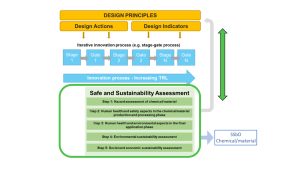
The SSbD framework is a strategic approach that guides the research and development of safer and more sustainable materials and chemicals. It provides a comprehensive methodology that prioritises the reduction of environmental and health risks from the earliest stages of material design, throughout production and the entire product life cycle.
The framework’s approach consists of two phases: a (re)-design phase, where eight guiding principles help in designing chemicals and materials, and a safety and sustainability assessment phase.
The first phase is the (re)-design phase, where eight guiding principles are applied to help design chemicals and materials in a way that enhances sustainability and safety. This phase focuses on improving material efficiency, reducing the use of hazardous chemicals, optimising energy consumption, and prioritising renewable resources. It also emphasizes preventing hazardous emissions, reducing exposure to harmful substances, ensuring safety at the end of a product’s life, and considering the entire life cycle, from raw material sourcing to disposal. By following these principles, the goal is to create products and processes that are safer for both people and the environment.
The second phase is the safety and sustainability assessment phase, which evaluates the chemical safety and environmental impact of the designed materials and processes. This step involves assessing the toxicological and ecotoxicological effects, as well as evaluating environmental, social, and economic sustainability in a step-by-step, hierarchical manner. This assessment ensures that the designed products are not only effective and efficient but also safe for human health and the environment.
How the SSbD framework started
The SSbD framework was developed to support the EU’s broader sustainability and chemical safety objectives. Launched as part of the European Green Deal, it aims to accelerate the transition to a safer, circular, and climate-neutral economy by fostering innovation in chemical and material design.
The framework was officially launched by the Joint Research Centre (JRC) in December 2022, following broad consultation with stakeholders, including industry, research organisations and policymakers.
The SSbD framework is orientated towards continuous improvement, with a focus on iterative assessments to steer innovation towards the green industrial transition, foster substitution or minimisation of the production and use of substances of concern, and minimise the impact on human health, climate and the environment. The focus is on cross-sector and cross-research collaboration, as demonstrated by projects such as ZeroF, which is participating in the framework’s test phase.
Applying the framework in the ZeroF project
The ZeroF project focuses on the development of PFAS-free coatings that are safer, more sustainable, and cost-effective. These coatings are designed for use in food packaging and upholstery textiles, addressing the environmental and health risks associated with per- and polyfluoroalkyl substances (PFAS).
By applying the SSbD framework, ZeroF is ensuring that its coatings meet the highest standards of safety and sustainability from the earliest stages of development.
Key applications of SSbD in ZeroF
Hazard and risk assessment: ZeroF conducts thorough hazard assessments of PFAS alternatives, ensuring that replacements are safer and less toxic than PFAS. The project has synthesised 28 carbohydrate fatty acid esters (CFAEs) for food packaging and 6 ORMOCER® materials for textiles. Both are considered safer alternatives, with lower toxicity and environmental impact potentials compared to PFAS. However, challenges exist in the early innovation phase due to limited data on these new materials. To address this, ZeroF is building comprehensive substances inventories that include precursors, catalysts, solvents, surfactants, additives, and emissions, facilitating the assessment of these materials’ safety and environmental impact.
Human health and safety: ZeroF prioritises safety throughout the lifecycle of the coatings, from the chemical synthesis phase to application and disposal. The project integrates toxicological models and experimental testing to ensure that the new materials do not pose risks to human health at any stage of their use. This also includes a rigorous process to screen alternative materials for compliance with safety regulations, such as the Food Contact Material Regulation (1935/2004) and certification schemes like OEKO-TEX Standard 1000 for textiles.
Environmental Sustainability: The environmental impact of the new coatings is evaluated using the Life Cycle Assessment (LCA) methodology. ZeroF aims to reduce the carbon footprint and overall environmental impact of the coatings by using renewable feedstocks and minimising hazardous emissions during production. The project also ensures that these alternatives are compliant with the EU’s Green Deal objectives, contributing to the circular economy and climate neutrality.
Social and economic sustainability: ZeroF’s coatings are designed to be affordable, with cost increases kept within 20% of current alternatives. Additionally, the project assesses the social acceptability and economic feasibility of these coatings, ensuring they can be adopted at scale while contributing to the circular economy.
Iterative innovation: The SSbD framework emphasises the ongoing refinement of materials and processes throughout the project lifecycle. ZeroF integrates feedback at each stage, from initial design to regulatory approval, ensuring that the final products meet both safety and performance standards. Acknowledging the challenges encountered during the early stages of innovation, such as gaps in data and the limited applicability of existing tools, the project addresses these issues by generating new toxicology data and using complex modelling to bridge knowledge gaps. This approach actively prevents ‘regrettable substitution’ and fosters more well-informed decision-making throughout the process.
Why the framework is crucial for ZeroF
The SSbD framework is a key element of the ZeroF project, offering a structured approach to developing coatings that meet both safety and sustainability goals.
By following the framework’s principles, ZeroF ensures its coatings are free from harmful substances like PFAS while also delivering long-term benefits for human health and the environment. In applying the SSbD framework, ZeroF aims to set a new standard in material innovation that supports the EU’s Green Deal objectives and the global movement toward safer, more sustainable products.
By considering the entire lifecycle of its coatings and continuously evaluating their safety and sustainability, the ZeroF project contributes to the development of materials that are safer for both people and the planet.
Reaching the EU’s broader goals
Integrating the Safe and Sustainable by Design framework into the ZeroF project emphasises the crucial role of safety and sustainability in material innovation in both material science and product design.
In this effort, ZeroF is closely collaborating with the IRISS CSA to advance the SSbD approach alongside other similar Horizon Europe projects. IRISS, a global initiative, accelerates the transition to Safe and Sustainable by Design materials, products, and processes.
Its goal is to transform the SSbD community in Europe and beyond, promoting a lifecycle approach that integrates safety, climate neutrality, circularity, and functionality from the design and manufacturing stages.
By following the framework’s guidelines, ZeroF not only develops safer and more sustainable coatings but also contributes to the EU’s broader goals of pollution reduction, climate neutrality and circular economy.
Through continuous iteration and adherence to the SSbD principles, ZeroF is creating a blueprint for the future of safer and more sustainable product design, setting an example for others in the field.
On the Seychelles Islands in the Indian Ocean, little greenish-brown warblers mate for life—or at least a substantial part of it. Year after year, male and female bring the young chick insects to eat while vigorously defending the nest from skinks or predatory birds. These pairings are remarkably stable, lasting up to 15 years—a good chunk of their lifespans, which can reach 20 years—with just under 7 percent of warbler couples separating every year on average.
But scientists are finding that changes in climate can upset these harmonious partnerships. In a recent study in the Journal of Applied Ecology, a team of scientists discovered that in years with little rainfall or extremely high rainfall, divorce rates soared, sometimes more than doubling to 16 percent.
Researchers suspect these higher rates of divorce may be driven by the stress brought by food scarcity in years with harsher climate—a conclusion that may bode ill for the little birds’ partnerships in a world with increasingly variable rainfall. But scientists are still working out whether higher warbler divorce rates are necessarily a bad thing in the long run, or if they might even help the birds adapt to adversity. In the worst case, “it could have long-term effects on the population size,” says evolutionary biologist Hannah Dugdale of the University of Groningen in the Netherlands.
Since 1985, researchers have been carefully monitoring warblers on the Seychelles’ Cousin Island, catching them every year during the breeding season; each bird carries a metal ring with a unique identifier around its leg, along with a unique combination of colored rings so they can be identified with binoculars. The program is so thorough that if a bird isn’t sighted in a year, “we know that it has died,” Dugdale says. The bird couples are very territorial, so if one of them disappears from its territory and reappears in another, it’s clear that it has separated from its partner.
ADVERTISEMENT
Nautilus Members enjoy an ad-free experience.
Log in
or
Join now
.
If divorce is causing warblers to break up with perfectly good mates, they may wind up single or with worse partners.
The reality is that males and females are sexually promiscuous and often cheat on one another, but once pairs begin to share a nest, the male will still stick with his female mate to care for her offspring—even when the chick is not his. The bird couples typically live together with helper birds—usually the female’s older offspring, both male and female, who help them in raising young. Female helper birds sometimes also breed and contribute an egg to the nest.
Scientists don’t know much about exactly how warbler divorces play out—when it happens, whether it’s the male or the female initiating the separation, or if it’s preceded by a period of strife or aggression. “Maybe one just leaves without saying anything. It could be a very sad affair,” says behavioral ecologist Augs Bentlageof the University of Groningen, a joint first author on the paper with his colleague Frigg Speelman, also at University of Groningen. After splitting up, some birds stay single while many find new partners.
The warblers’ average annual divorce rate of 6.6 percent per year is comparable to that of other birds that tend to live out their lives in a single region but lower than that of many migratory species that have much higher annual divorce rates. For great reed warblers, for instance, it’s 85 percent. That’s partly because partners lose each other over long seasonal journeys and end up finding new mates along the way.
ADVERTISEMENT
Nautilus Members enjoy an ad-free experience.
Log in
or
Join now
.
Seychelles warbler divorce rates were highest in years with unusually low rainfall, according to the team’s analysis of divorce data and local weather records. Bentlage suspects that dry weather reduces the vegetation that insects feed on and evaporates waters where the insects lay their eggs. Warbler couples would then struggle to find enough insects for their offspring, causing physiological stress. The birds may blame these difficulties on their choice of partner, the researchers hypothesize. “You might actually start to perceive your partner as being a low-quality partner,” Bentlage says. On top of this, male helper birds appear to be less likely to assist with chick-raising in years with low rainfall, while females didn’t change their behavior, according to some previous research by Dugdale and her colleagues.
The year of 1997, which saw exceptionally high rainfall in the Seychelles, also saw a spike in warbler divorce rates. Extreme rainfall can kill insects while strong winds can destroy bird nests. And if birds get wet, it’s harder for them to maintain optimum body temperatures. Parents would need to stay with chicks to help keep them warm, limiting their time for insect-gathering, causing stress. From low to high rainfall, “both extremes kind of have the same effect,” Bentlage says.
It’s still unclear what all this means for the warbler populations overall. Extreme years in the Seychelles are predicted to become more common as the global climate warms—a trend that is already making the birds less likely to attempt to breed and lay an egg as well as lowering fledgling survival rates, probably because there are fewer insects for them to eat.
Divorce could either help or hurt the birds during harsh years. Separation could counterintuitively be a good thing if the birds are indeed ditching partners who are bad at finding food, for instance. This might give them the chance to find ones who are better at it, giving future chicks a higher chance of survival. In line with this idea, some long-term research on black-browed albatross couples has found that when they divorce—which increases in years with warm sea surface temperatures—the females tend to find new partners with whom they’re more likely to produce chicks.
ADVERTISEMENT
Nautilus Members enjoy an ad-free experience.
Log in
or
Join now
.
But, if divorce is causing warblers to break up with perfectly good mates, they may wind up single or with worse partners instead. This could, in turn, lower the number of chicks they make and, theoretically, over many generations, even increase extinction probability, Dugdale says.
Either way, it’s clear that the heating of the Earth’s atmosphere has not only obvious and direct impacts on animal survival, but also more subtle and complex influences on their lives, the decisions they make, and the relationships they cultivate with one another.
Lead image: inimalGraphic / Shutterstock
Katarina Zimmer
Posted on
Katarina Zimmer is a freelance science and environment journalist.
Get the Nautilus newsletter
Cutting-edge science, unraveled by the very brightest living thinkers.
Sentinel 1C, a new radar satellite supported by the UK, was launched into space from French Guiana at 21:20 GMT yesterday.
The Sentinel 1C satellite launched on a VEGA-C rocket and will orbit 700 km above the Earth’s surface.
Part of the European Copernicus programme, it will use advanced radar technology to provide continuous imaging over land and sea, day and night, and even through cloud cover.
Science Minister Lord Vallance said: “The successful launch of this new satellite will further strengthen the Copernicus programme, which continues to collect vital long-term data allowing us to better understand our planet, respond to natural disasters, and tackle global challenges like climate change.”
UK industry is key to satellite development
The UK’s Earth Observation industry is integral to the Sentinel 1 satellites, and the UK Space Agency supports it.
Airbus Defence and Space (Portsmouth) developed the electronics subsystem of the key Synthetic Aperture Radar (SAR) instrument aboard the satellite.
Additionally, Enersys ABSL (Abingdon) supplied the battery for Sentinel 1C.
Justin Byrne, Head of Earth Observation and Science at Airbus Defence and Space UK, said: “Airbus in the UK has designed and manufactured the entire family of radar electronic subsystems for the Sentinel 1 satellites.
“This continues the UK provision of key instrument elements for all European Space Agency and European Union SAR satellites in orbit.”
Sentinel 1C’s role in Earth observation strategies
Once it reaches its intended orbit, Sentinel 1C will synchronise with Sentinel 1A, which is already in space.
These satellites will collaborate to deliver the Sentinel 1 mission, imaging the Earth and generating large amounts of data that are fed into the various services provided by Copernicus.
“The SAR instruments on the Sentinel 1 satellites have contributed greatly to the monitoring of Arctic sea-ice extent, routine sea-ice mapping, marine environment surveillance, land-surface motion risks, forest, water and soil management, as well as contributing to humanitarian aid and crisis situations,” explained Dr Chandra Taposeea-Fisher, Chair of EO Committee, UKspace trade association.
“Data from the Sentinel 1 satellites has been used throughout the UK EO community and by government, industry and academia. We welcome the successful launch of Sentinel 1C, opening a new chapter in the EO world.”
Long-term data collection for climate tracking
Unlike research satellites, Sentinel 1C imagery is designed to sustain reliable operational service and consistent, long-term data collection for key applications.
This is crucial for land and maritime monitoring, tracking of sea ice, emergency response to flooding and earthquake events, tracking climate variables and assessing the impacts of climate change.
In addition to its radar instrument, Sentinel 1C will also carry a new Automatic Identification System (AIS) developed by the International Maritime Organisation to help ships avoid collisions at sea.
The combination of radar images and AIS signals improves the monitoring of global shipping traffic and can also help detect piracy and other illegal activities.
Professor John Remedios, Director of the National Centre for Earth Observation, said: “The advent of operational radar satellites has been a huge boost to our ability to observe hazardous and extreme environments, for example, where people are vulnerable to earthquakes and volcanoes.”
He concluded: “Sentinel 1C will renew the extensive coverage and clever products which result from combining data from two radar satellites operating at the same time, allowing scientists and businesses to measure ground motion from glaciers to cities.”
This latest milestone for Copernicus follows the successful launch of another satellite – Sentinel-2C – in September this year. This satellite already provides high-resolution imagery and data – it is a powerful tool that enhances the UK and Europe’s capabilities in monitoring land and vegetation.
Neutrino physics has emerged as one of the most promising fields in the quest to unravel the mysteries of the Universe.
At the forefront of this exploration, researchers like Professor Alexandre Sousa from the University of Cincinnati are shaping the roadmap for the next decade of global neutrino research.
Their work focuses on these tiny, elusive particles that hold the potential to answer profound questions about the origins and structure of the cosmos.
What are neutrinos?
Neutrinos are subatomic particles that are incredibly small and virtually undetectable by conventional means.
Trillions of them pass through every inch of the Earth—and even your body—every second, travelling at nearly the speed of light. Despite their abundance, neutrinos rarely interact with matter, making them challenging to study.
These particles are produced in various processes, including nuclear fusion in the Sun, radioactive decay in Earth’s crust, and experiments in particle accelerators.
They exist in three known ‘flavours’—electron, muon, and tau neutrinos—and possess a fascinating ability to oscillate, or transition, between these flavours as they travel.
Physicists are also investigating the possibility of a fourth type, called the sterile neutrino. Unlike the known neutrino types, sterile neutrinos would not interact with three of the four fundamental forces of nature, making their detection even more complex.
Neutrinos and the big questions
A central mystery in physics is the imbalance between matter and antimatter in the Universe. The Big Bang is believed to have produced equal amounts of both, yet matter dominates our observable Universe. Neutrinos could hold the answer to this conundrum.
“We’re trying to understand why we’re here,” says Professor Sousa. “Neutrinos seem to hold the key to answering these very deep questions.”
By studying how neutrinos interact, change flavour, and possibly violate certain symmetries, scientists hope to unlock these secrets.
Cutting-edge experiments in neutrino physics
To advance neutrino research, large-scale international projects are underway, employing innovative technologies and deep collaboration.
This project involves installing state-of-the-art neutrino detectors 5,000 feet underground in a former gold mine in South Dakota.
Shielded from cosmic rays and other background radiation, these detectors will isolate neutrino interactions more effectively.
DUNE is expected to generate the most precise data yet, thanks to its powerful neutrino beam and advanced detector technology. Researchers anticipate that its findings will revolutionise our understanding of neutrino behaviour.
NOvA and Hyper-Kamiokande
In addition to DUNE, other significant projects like the NOvA experiment and Hyper-Kamiokande are making strides.
NOvA, another Fermilab initiative, focuses on understanding how neutrinos change flavours and have already produced groundbreaking measurements of neutrino mass.
Meanwhile, Hyper-Kamiokande in Japan aims to complement DUNE by exploring additional neutrino phenomena, creating a synergistic approach to unravelling the mysteries of these particles.
Authored by over 170 contributors from 118 institutions worldwide, the paper highlights the importance of unified efforts in tackling experimental anomalies and theoretical questions.
Professor Sousa played a pivotal role in this endeavour, helping to synthesise diverse perspectives and align research priorities.
Such collaborative efforts are crucial as physicists confront funding challenges and work to secure resources for these ambitious projects.
What’s next for neutrino physics?
The 2020s and 2030s promise to be transformative decades for neutrino physics. With projects like DUNE and Hyper-Kamiokande coming online, scientists anticipate answers to long-standing questions about neutrino behaviour, their potential interaction with sterile neutrinos, and the matter-antimatter imbalance.
As Professor Sousa notes, these discoveries may not impact daily life directly, but their implications for understanding the Universe are profound.
Through groundbreaking experiments and global collaboration, neutrino physics is poised to shed light on the Universe’s most enigmatic particles, helping humanity take another giant leap toward understanding its origins.
The UK’s ability to manufacture vaccines during a future pandemic is under scrutiny following concerns raised by the House of Lords Science and Technology Committee.
In a letter to Rt Hon Pat McFadden MP, Chancellor of the Duchy of Lancaster, Baroness Brown of Cambridge, Chair of the Committee, outlined critical gaps in the UK’s pandemic preparedness, particularly vaccine manufacturing capacity, urging immediate government action.
Baroness Brown emphasised the need for a resilient, diversified domestic vaccine manufacturing sector.
She described this as a “critically important sovereign capability” vital for national security and public health.
What is pandemic preparedness?
Pandemic preparedness refers to a country’s readiness to prevent, detect, and respond to global health threats, particularly infectious diseases that can escalate into pandemics.
It involves establishing robust systems for disease surveillance, public health interventions, research, and vaccine manufacturing to ensure a swift and effective response to emerging threats.
The COVID-19 pandemic demonstrated the devastating impact of unpreparedness, highlighting the need for resilient healthcare systems and rapid vaccine deployment.
As new biological threats loom, strengthening pandemic preparedness is essential to safeguard public health and economic stability.
Lessons from COVID-19
The COVID-19 pandemic showcased the UK’s potential to excel in vaccine development, with initiatives like the Oxford-AstraZeneca vaccine emerging as global successes.
However, experts fear that the momentum gained during the pandemic is waning. According to the Committee, vaccine manufacturing facilities and skilled teams are at risk of being mothballed, leaving the UK vulnerable to future outbreaks.
Challenges facing UK vaccine manufacturing
Despite its strengths in bioprocess engineering, academic research, and pharmaceutical expertise, the UK has yet to capitalise fully on these advantages.
Countries like the US, Japan, and EU Member States are investing heavily in next-generation vaccines, including oral and intranasal options.
These innovative approaches may offer stronger immunity and easier distribution, but the UK risks falling behind in this critical area.
Experts also highlighted inconsistencies in funding for facilities like that of Professor Catherine Green OBE, whose team played a pivotal role in producing initial clinical trial doses of the Oxford vaccine.
Reliance on inconsistent grants jeopardises the country’s ability to respond effectively to future biological threats.
Over-reliance on limited partnerships
The Committee expressed concerns about the UK’s reliance on a single partnership with Moderna and its focus on messenger RNA (mRNA) technologies.
While mRNA vaccines were groundbreaking during the COVID-19 pandemic, relying solely on one platform may limit flexibility in addressing diverse pathogens
Recommendations to enhance pandemic preparedness
To address these vulnerabilities, the Committee made several key recommendations:
Maintaining an active vaccine manufacturing and research sector in the UK is essential to ensure skilled professionals and supply chains are ready to respond swiftly in a crisis. This can be achieved by establishing a ‘peacetime vaccines taskforce’ dedicated to procuring vaccines for global outbreaks and preserving the country’s production capabilities.
The Government should commit to transparency by providing regular updates on the progress of the UK Biological Security Strategy and conducting routine pandemic preparedness exercises to identify and address vulnerabilities.
A diverse portfolio of vaccine technologies must be supported to reduce reliance on a single partnership, such as Moderna, or a sole platform like messenger RNA (mRNA). This diversification is critical for ensuring flexibility in combating various biological threats.
Long-term funding is crucial for university-based research facilities and collaborative partnerships to sustain innovation and prevent disruption in vaccine development capabilities.
A call to action
The House of Lords Science and Technology Committee has set a deadline of February 5, 2025, for the Government to respond to these recommendations.
With global health threats becoming increasingly complex, the UK must act decisively to retain its vaccine development capabilities.
Pandemic preparedness is not a luxury—it is a necessity. By learning from the lessons of COVID-19 and investing in a robust vaccine manufacturing infrastructure, the UK can protect its citizens and maintain its position as a leader in global health innovation.
The UK and Qatar have launched a joint Artificial Intelligence research commission, seeking to establish a roadmap for UK-Qatar AI collaboration that will benefit both countries.
The project will build on the exciting technological progress that both countries have made and identify and scope practical and ambitious ways for the countries to enhance AI collaboration in line with their technology strategies.
Ecosystem development, policy and regulation, security, and international engagement will be explored in various ways.
The joint study will be led by Queen Mary University of London in partnership with Hamad bin Khalifa University (HBKU) in Qatar.
Professor David Leslie, Professor of Ethics, Technology, and Society at Queen Mary University of London’s Digital Environment Research Institute and Director of Ethics and Responsible Innovation Research at the Alan Turing Institute, is leading the study.
Key AI policies in the UK and Qatar
Both the UK and Qatar have developed strategies and frameworks to govern the use of AI, focusing on promoting innovation, ensuring ethical use, and addressing societal impacts.
Some of these include:
UK National AI Strategy: The UK’s National AI Strategy, published by the government in September 2021, aims to establish the UK as a global leader in AI innovation by 2030. The strategy focuses on fostering AI adoption in industries, developing talent, and ensuring the responsible use of AI.
The AI and Data Governance Framework: The UK government has been developing a governance framework to manage AI’s impact on data usage, privacy, and fairness.
Qatar National Artificial Intelligence Strategy: Qatar’s AI strategy, launched by the Ministry of Transport and Communications (MOTC), aims to position the country as a leader in AI adoption and innovation, leveraging AI to transform key sectors like healthcare, education, and transportation.
Qatar’s National Vision 2030 and AI: AI is a key enabler of Qatar National Vision 2030, which focuses on sustainable development, economic diversification, and the development of human capital. AI is expected to play a pivotal role in enhancing productivity across various sectors, such as education, energy, and healthcare.
Enhancing global collaboration
The project has been designed and developed as a collaboration on AI between Qatar’s Ministry of Foreign Affairs, the AI Committee of the Qatar Ministry of Communications & Information Technology (MCIT), Qatar Research, Development and Innovation Council (QRDI), and the British Embassy in Doha.
The announcement of the collaboration coincides with the State Visit of the Amir of Qatar to the UK.
The project is funded by the UK Government’s Gulf Strategy Fund, part of the Foreign, Commonwealth and Development Office’s (FCDO) International Programme.
Neerav Patel, British Ambassador to Qatar, said: “The UK and Qatar have shown themselves to be innovators in the policy implementation of AI, including the need to build strong systems of ethics and governance.
“I’m delighted that such prestigious UK and Qatari institutions are involved in this important initiative. It reflects both countries’ desire to enhance AI collaboration and tackle the shared challenges it will bring.”
Dr Mariam Khalid Al-Hamar, Minister Plenipotentiary at the Ministry of Foreign Affairs in Qatar, added: “As a global leader in dialogue and mediation, Qatar recognises the vital importance of collaboration in promoting diplomacy and resolving conflicts.
“By leveraging the transformative potential of AI, we have the opportunity to make meaningful progress in peacebuilding, improve decision-making processes, and tackle complex global issues with greater accuracy.”
She continued: “Furthermore, embracing the idea of ‘AI for All’ ensures that the benefits of this technology reach every nation, empowering them to actively engage in the AI era.
“This vision reflects our unwavering commitment to innovation, inclusivity, and ensuring that technology serves as a tool for justice and progress for all.”
1 Tech Has Become the Most Dominant Faith of Our Time
Though I am an atheist, I have built my life and career around religion. First I spent five years pursuing ordination as a secular humanist rabbi, including 18 months living in Jerusalem and Tel Aviv, studying ancient and modern Jewish sacred texts I believed—and continue to believe—are human creations, reflective not of divine inspiration but our own projections and needs. From there I moved to Cambridge, Massachusetts, where I’ve spent almost 20 years now as the humanist chaplain at Harvard University. Advising atheists, agnostics, and allies on ethical and existential concerns, my work has taken many forms, including writing about and building a diversely nonreligious congregation of my own. But as we approached the end of the past decade, I’d begun to wonder whether the congregation, as a form of organizing, was really how I wanted to spend my energy. Yes, congregations can help “give people the power to build community and bring the world closer together,” as is roughly how I’d imagined them in my rabbinical seminary and at Harvard Divinity School. The problem is, that isn’t my language—it’s a quote from Facebook’s mission statement, as Mark Zuckerberg relaunched it in 2017.
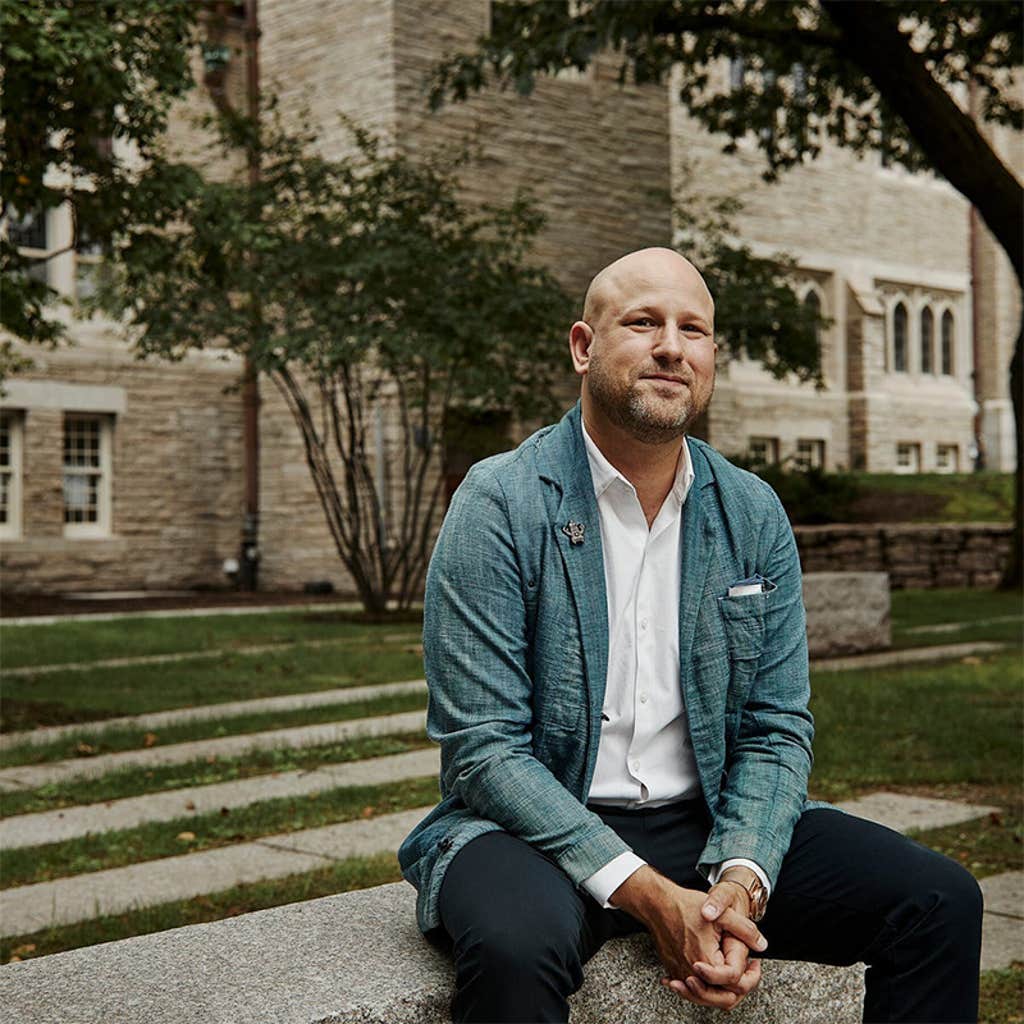
KEEPING THE FAITH: Atheist Chaplain Greg M. Epstein says technology’s biggest ideas lately are bizarrely religious, but that we shouldn’t abandon technology. Rather he advocates for a tech reformation. Photo by Cody O’Laughlin.
When I was invited to join MIT as its humanist chaplain in 2018, alongside my work at Harvard, it first occurred to me: Silicon Valley, or “Big Tech,” had superseded religion as the largest force in the world, not only economically, but in terms of influencing our views and experiences ofwhat it means to be human. As historian of technology Mar Hicks told me in 2023, “we’re in a period where tech has expanded to take over nearly every aspect of our lives, economically, socially, and politically.” I then asked Harvard economics professor Jason Furman, who served President Barack Obama as chair of the White House Council of Economic Advisers to what extent he agreed with Hicks. One could attempt to quantify such a statement in any number of potentially valid ways, but ultimately, Furman said, it simply “seems true.” As someone who genuflects before his own stained-glass black mirror altar a couple hundred times a day, as many of us do, I would have to agree.
ADVERTISEMENT
Nautilus Members enjoy an ad-free experience.
Log in
or
Join now
.
My first revelation, then, was that if tech is a religion, as leading technology critics have pointed out for generations, it has become the most dominant faith of our time.
2 The Leading Ideas in Tech Today Are Bizarrely Religious
The leading “ideas” in tech today—which I think are better understood as the “theology” and religious “doctrines” of contemporary Silicon Valley—are very often both bizarre, and bizarrely religious. My book Tech Agnostic: How Technology Became the World’s Most Powerful Religion, and Why It Desperately Needs a Reformation is filled with examples of tech products, services, and marketing missives that are based in religious thinking, like: new AI religions and AI worship; artificial souls; AI Gods; AI Jesus; AI Buddha; Robo Priests, a kind of “rapture” or end-times known as “The Singularity”; Epistles from AI utopia; fervent and even proudly “fanatical” calls to colonize the starsimmediately; and so much more. In my book I spell out why there are frighteningly close parallels between mainstream beliefs about AI and religious visions of Heaven, Hell, and the “Chosen People.” But all of that was written mainly over the course of 2021-23. Which is, of course, now ancient history.
Since tech religion is all about the now, let’s also look briefly at examples from this year. Like the viral Friend.com necklace, the glowing AI pendant that surveils everything you say and hear, feeding the input through Chat GPT to make recommendations as a “friend.” This company’s founder Avi Schiffmann says the app aims to provide a digital/AI alternative to “a relationship people used to have with God but is lacking in the modern world,” by providing a constant, all-knowing companion and guide.
ADVERTISEMENT
Nautilus Members enjoy an ad-free experience.
Log in
or
Join now
.
The leading “ideas” in tech today are very often both bizarre, and bizarrely religious.
Then there is Character.AI: It features dozens if not hundreds of chat-ready Gods and deities, explicitly labeled as such, starting conversations with comments like, “I am the God. I am the Creator of all things.” Character.AI is a massive, unregulated, unprecedented experiment: Its founder, Noam Shazeer, left Google to create the company a few years ago, after the tech giant refused to release a new chatbot he’d been working on. Google later paid Character.AI $2.7 billion to hire Shazeer back. And as Shazeer has told The New York Times, his “ultimate vision” is to build artificial general intelligence—which, as many have pointed out, is a lot like building a god. Shazeer’s inventions are “a cool first use case for” such tech, he says. With more and more kids as the AI’s target audience, what could go wrong, right?
3 The Solution Isn’t … Tech Atheism
Though I work as a “professional atheist” in my day job as a Humanist Chaplain, in the “tech religion” I’m just an agnostic, because despite all the strangeness and often destructive absurdity in the ideas I hinted at above, I often can’t say for sure whether a given form of Silicon Valley tech might have a meaningfully positive impact on humanity. Surely some of these technologies are worthy of our faith, in the secular sense, it can just be very hard to know which ones.
ADVERTISEMENT
Nautilus Members enjoy an ad-free experience.
Log in
or
Join now
.
Still, it’s incredibly frustrating to watch such an influential set of companies and industries influence so many people (not to mention government institutions and policies) in the wrong direction because of the problematic beliefs of so many of their individual leaders—optimization as a commandment and inefficiency as a sin; profits (and their prophets) over people; AI “lives” tomorrow over more earthly concerns like the climate or social justice now. That’s why my third revelation was that a massive effort to reform the tech religion is already underway.
“I am the God. I am the Creator of all things.”
When I talk about a tech “Reformation,” I’m thinking of the kinds of movements led by modern religious reformers: people like Martin Luther King, Jr., and his transformative influence on American Christianity; or the organization Rabbis for Human Rights, in which rabbis from across the Jewish spectrum work to protect Palestinian rights; or my friend Lama Rod Owens, a self-described “Black Buddhist Southern Queen” who was originally ordained in the Tibetan Buddhist tradition, and who is working to reinvent Buddhism as a more radically inclusive religious tradition. These aren’t people who’ve walked away from their religions, muttering loudly on the way out about how “deluded” those they’re leaving behind are. They’re examples of individuals who believe in the potential their religious communities have to do good, but who are honest and clear-eyed about the communities’ failings and injustices, and who devote themselves to improving them. Tech Agnostic tells many stories about people who are the equivalents to people like these, for the tech world—tech heretics, apostates, skeptics, mystics, Cassandras, and whistleblowers who range from seminal scholars to labor activists to everyday gig workers to social workers, psychotherapists, pastors, and beyond.
One of the youngest and most gifted of the reformers I spoke to, a recent Princeton University graduate in African American studies and computer science named Payton Croskey, gave me hope with her call for the creation of an “augmented undercommons”: “a parallel location where all who refuse to submit to technology’s watchful eye may freely reside while reconfiguring the world’s understanding of freedom and security.” It’s not that Croskey is attempting to build some physical tech utopia in a bitcoin city somewhere; rather, what impressed me was her ability to envision, as an undergraduate, a kind of mythological or even spiritual alternative to the mythological place known as “Silicon Valley” (which perhaps began as a reference to a geographical territory in California, but surely now is an idea, an imagined community, more than a space with discernable borders). When I was feeling most hopeless about the future of technology, to be reminded by a young student of the possibility of something more equitable and uplifting was as surprising as it was encouraging.
ADVERTISEMENT
Nautilus Members enjoy an ad-free experience.
Log in
or
Join now
.
And actually, the alternative digital world Croskey describes very much reminds me of BlueSky right now: a place where those of us who have been feeling marooned from healthy online conversations can connect, without algorithmic manipulation. Don’t get me wrong, no website or app is perfect. But an online space where thoughtful people can discuss ideas, current events, and the little details of life, bringing together different aspects of humanity without being actively manipulated by billionaires? That, for the moment, sounds like, if not a revolution, then at the very least, a revelation.
Lead image: Viktory Viktor / Shutterstock
Greg M. Epstein
Posted on
Greg M. Epstein serves as humanist chaplain at Harvard & MIT, where he advises students, faculty, and staff members on ethical and existential concerns from a humanist perspective. He was TechCrunch‘s first “ethicist in residence” and has been called “a symbol of the transition in how Americans relate to organized religion.” He is the author of the New York Times-bestselling book Good Without God and has also written for MIT Technology Review, CNN.com, The Boston Globe, The Washington Post, and Newsweek. His latest book is Tech Agnostic: How Technology Became the World’s Most Powerful Religion, and Why It Desperately Needs a Reformation.
Get the Nautilus newsletter
Cutting-edge science, unraveled by the very brightest living thinkers.