Breast cancer rates are rising sharply in the United States, driven by increases among younger women and Asian Americans, a study said Tuesday.
The biennial report by the American Cancer Society found the number of cases grew by one percent each year from 2012 to 2021, even as the overall death rate continued its historic trend of decline, falling 44 percent from 1989 to 2022.
Breast cancer is the second most common cancer diagnosed among US women, and the second leading cause of death from cancer, after lung cancer.
Approximately one-in-eight women in the US will be diagnosed with invasive breast cancer in their lifetime and one-in-43, or two percent, will die from the disease.
Over the past decade, the report said, breast cancer rates grew faster for women under the age of 50 than those older – 1.4 percent annually versus 0.7 percent annually – for reasons that aren’t immediately clear.
By race, Asian American women had the most rapid increase in incidence followed by Hispanic, which the paper said “may be related in part to the influx of new immigrants, who have elevated breast cancer risk.”
Overall, the breast cancer mortality rate fell 44 percent from 33 deaths per 100,000 women in 1989 to 19 deaths per 100,000 in 2022, resulting in around 517,900 averted deaths.
But despite decades of medical advancements in treatment and earlier detection, the benefits have been felt unevenly.
Mortality has remained unchanged since 1990 among Native Americans, while Black women experience 38 percent more deaths than white women despite five percent lower cases.
The paper said these findings highlighted “disadvantages in social determinants of health” and “longstanding systemic racism and has translated to less access to quality care across the cancer continuum.”
For example, although Black women report getting mammograms more than White women, “they are more likely to have screening at lower resourced facilities and/or those that are not accredited by the American College of Radiology,” the study said.
The authors recommended increasing racial diversity in clinical trials as well as community partnerships that boost access to high-quality screening among underserved women.
In April, an influential US medical body recommended women should get screened for breast cancer every other year starting from the age of 40.
The US Preventive Services Task Force (USPSTF) had previously said that women in their 40s should make an individual decision about when to start mammograms based on their health history and reserved its mandatory recommendation for people turning 50.
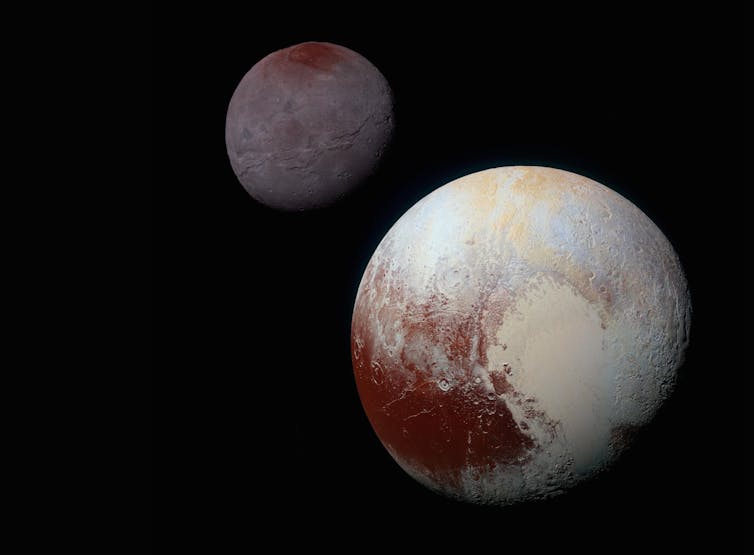
In the outer reaches of our Solar System, 5.7 billion kilometres from the Sun, lies the dwarf planet Pluto. Smaller than Australia, it is an icy world of mountains, glaciers and craters where the average temperature is –232°C.
Five moons orbit Pluto – Styx, Nix, Kerberos, Hydra and Charon. Of these, Charon is the largest. Unlike most other planetary systems, it exists in a “binary system” with its parent body, meaning they both orbit a point in space between the two.
Much mystery still surrounds Pluto and its moons. But in new research published in Nature Communications today, a team led by astronomer Silvia Protopapa from the Southwest Research Institute in the United States announced they’ve found carbon dioxide and hydrogen peroxide on Charon’s surface.
The findings, based on data from NASA’s James Webb Space Telescope, offer vital clues about how our favourite not-planet/planet system was formed.
Charon is kind of like Pluto’s smaller twin. It is just over 1,200 kilometres wide – about half the size of Pluto, which makes it the largest known satellite relative to its parent body in our Solar System.
Pluto itself is already small when compared to our Moon, with Pluto being about two-thirds the size and one-sixth the mass of Earth’s satellite. Charon’s mass is about one-eigth that of Pluto’s.
Charon and Pluto have an unusual orbit. While Charon goes around Pluto, Pluto also spins around a central point. They act almost like a double dwarf planet. This is unlike the Moon and Earth, where the Moon goes around us, and we don’t really change our position.
This is one reason why Pluto is no longer considered a planet, but is now labelled a dwarf planet. Its orbit with Charon means Pluto has not cleared its orbit, or has become the gravitational boss. This is the criteria Pluto failed in the planetary checklist.
In 2015, NASA’s New Horizons became the first spacecraft to explore Pluto and its moons up close after a nine-year journey from Earth. It showed Charon is composed of a variety of chemicals.
It is a very cold moon, rich in water ice. But it also contains ammonia and a wide variety of carbon-based compounds. Charon is also believed to have cryovolcanoes – areas that erupt ice instead of magma like on volcanoes on Earth.
Charon’s composition is different to Pluto’s and that of other objects beyond Neptune, which are dominated by nitrogen and methane ice.
The new detection of carbon dioxide and hydrogen peroxide on Charon can give valuable insight into how various processes interact on these trans-Neptunian objects.
Carbon dioxide is always a key molecule to understand – it tells us a lot about the history of an object.
In the case of Charon, it is believed the carbon dioxide comes from below the icy surface and has been exposed through asteroids and other objects hitting the moon and creating craters which reveal the fresh underground surface.
Scientists were able to detect carbon dioxide on Charon thanks to observations from the groundbreaking James Webb Space Telescope. Launched in 2021, this space telescope has a large mirror, six-and-a-half metres wide, which makes it very powerful and sensitive.
It can “see” in the infrared – colours of light our eyes and most telescopes on Earth can’t detect. The infrared is a key type of light for finding various molecules present on other objects – from planets to stars, galaxies and more.
To find these compounds, the telescope uses a technique called spectroscopy. The colours of light are broken up into individual colours, like breaking up white light into a rainbow. Each element or molecule has its own colour signature, like a fingerprint.
These new observations of Charon showed the signatures of carbon dioxide and hydrogen peroxide, along with the other previously known water ice.
NASA’s James Webb Space Telescope helped scientists study Charon. (NASA/Chris Gunn)
Vital clues to an ancient mystery
The formation of Charon is a scientific mystery. One of the leading theories is that it formed in a similar way to our Moon. According to this theory, some 4.5 billion years ago, a large object in the Kuiper Belt – the area where Pluto and Charon live – collided with Pluto and part of it broke off and formed into Charon.
It also could be that Pluto and Charon were two objects that collided, and then got stuck orbiting around each other.
Understanding the composition of Charon helps advance our understanding of how it formed. In this sense, the discovery of carbon dioxide and hydrogen peroxide represents an important step forward. Importantly, this can also give clues not only about Charon, but other objects out near Pluto.
More insights into Charon will help us understand this distant part of our Solar System – and the strange worlds that lie there.
Helper cells in the brain called astrocytes could be encouraged to clear out the brain ‘trash’ associated with Alzheimer’s disease, according to new research that reveals more about how these neuron support cells work.
Previous research has shown that astrocytes go into power-cleaning mode when they encounter amyloid beta proteins, which can form clumps in the brains of people with Alzheimer’s that may play a role in the condition’s progress.
However, the same astrocytes can also do damage themselves, becoming toxic if they’re overwhelmed by amyloid beta clumps or the cleaning process is disrupted. That mix of good and bad was the starting point for this new study.
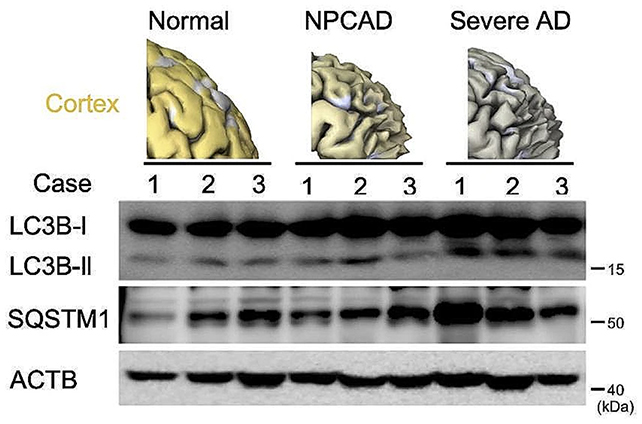
The team looked at gene expression in the brains of Alzheimer’s patients. (Kim et al., Molecular Neurodegeneration, 2024)
The researchers conducted RNA sequencing to examine patterns of gene expression in human astrocytes, before testing the roles of target pathways in mice with a modeled form of Alzheimer’s.
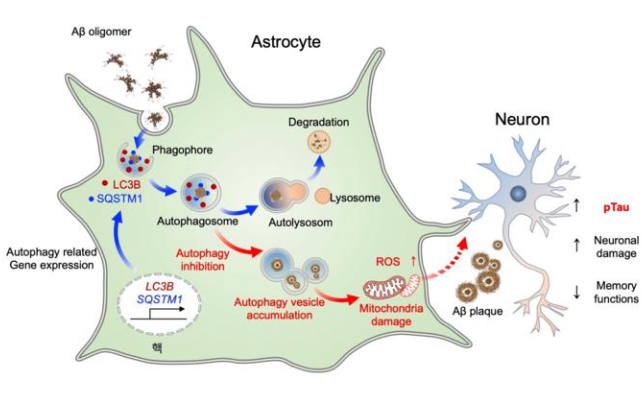
They observed clear physical changes in the astrocytes that turned them into recycling machines through a process known as autophagy, allowing them to clear out accumulations of amyloid beta proteins.
“We discovered that astrocytes possess an inducible autophagic plasticity in response to amyloid beta, and this regulatory mechanism exhibits a pivotal function in removing amyloid beta plaques,” write the researchers in their published paper.
The mechanism of astrocytic autophagy plasticity plays a crucial role in AD. (Korea Institute of Science and Technology)
The study emphasizes the importance of autophagy in amyloid beta removal, confirming this cleaning mode can be dialed up or down with the right genetic tweaks.
When astrocytes in the brains of mice were genetically modified to trigger their autophagy forms, damage to neurons caused by Alzheimer’s-like symptoms reversed and cognitive functions and memory improved, the researchers discovered.
Two key genes involved, called SQSTM1 and LC3B, produce a protein that helps eat up unwanted material in the brain. SQSTM1 also creates a protein that tags material for destruction. These proteins have been found at higher levels in the brains of people who have died with Alzheimer’s.
While scientists remain unsure whether Alzheimer’s causes the dangerous buildup of amyloid beta and another protein called tau, or it’s the other way around, understanding the neurological mechanisms involved in their management could inform future investigations on the condition’s progress.
It also gives researchers another line of attack: most studies looking at potential Alzheimer’s treatments focus on the neurons, whereas here the team focused on the astrocyte cells that support the neurons (which are far more abundant).
We’re continuing to discover more and more about how Alzheimer’s gets started, how it progresses and damages the brain, and ways in which it might be stopped or prevented. If and when a cure eventually appears, astrocytes and their recycling mechanisms could well play some kind of role.
“The pharmacological and genetic modulation of astrocytic autophagy pathway can be considered for boosting the detoxifying machinery of astrocytes under Alzheimer’s disease stresses and may be a therapeutic strategy for ameliorating Alzheimer’s disease pathology,” write the researchers.
The nearest single star to the Solar System has just yielded up a rare and wonderful treasure.
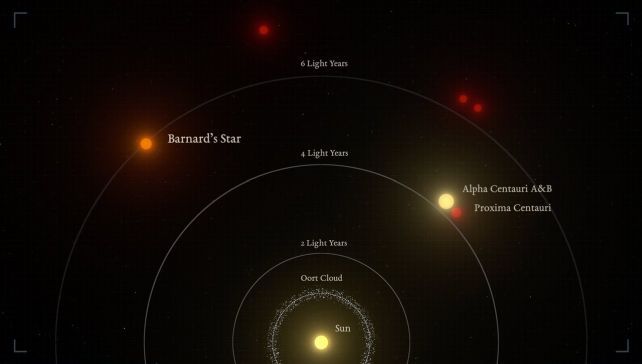
Around a red dwarf known as Barnard’s star, which lies just 5.96 light-years away, astronomers have found evidence of an exoplanet.
And not just any exoplanet. This fascinating world, known as Barnard b, is tiny, clocking in with a minimum mass of 37 percent of the mass of Earth. That’s a little shy of half a Venus, and about 2.5 Marses.
The reason it’s so marvelous is that tiny exoplanets are really, really hard to find. Although Barnard b is not habitable to life as we know it, its discovery is leading us closer to the identification of Earth-sized worlds that may be scattered elsewhere throughout the galaxy.
The discovery follows hints of a possible planetary signal orbiting the star in 2018. That hypothesized exoplanet was thought to be around three times the mass of Earth, orbiting at a distance of about 0.4 astronomical units.
Though any planet matching that mass or distance is yet to be confirmed, the more teensy Barnard b emerged after researchers conducted a careful campaign to observe the star. What’s more, there might be three more exoplanets lurking even further from the star, out where they’re harder to spot.
“Even if it took a long time,” says astronomer Jonay González Hernández of the Institute of Astrophysics of the Canary Islands in Spain, “we were always confident that we could find something.”
Barnard’s Star, also known as GJ 699, is of intense interest to planetary astronomers. The only stars closer to Earth are the Centauri trinary system. Barnard’s star isn’t just a lone star, like the Sun; it’s a red dwarf, the most common type of star in the galaxy. Studying it can tell us a lot about our galactic neighborhood and the planets there, planetary systems around single stars, and planetary systems around red dwarfs, and how habitable they might be.
Finding small exoplanets is a lot harder than finding the large ones. We find exoplanets mostly by identifying the effect they have on their host stars; the larger the exoplanet, the more prominent the effect.
If a star is smaller, though – like a small red dwarf, for instance – we can detect the signals of a smaller exoplanet than we would be able to for a larger star. And Barnard’s star is close, which means it’s easier to see than a star much farther away and therefore dimmer.
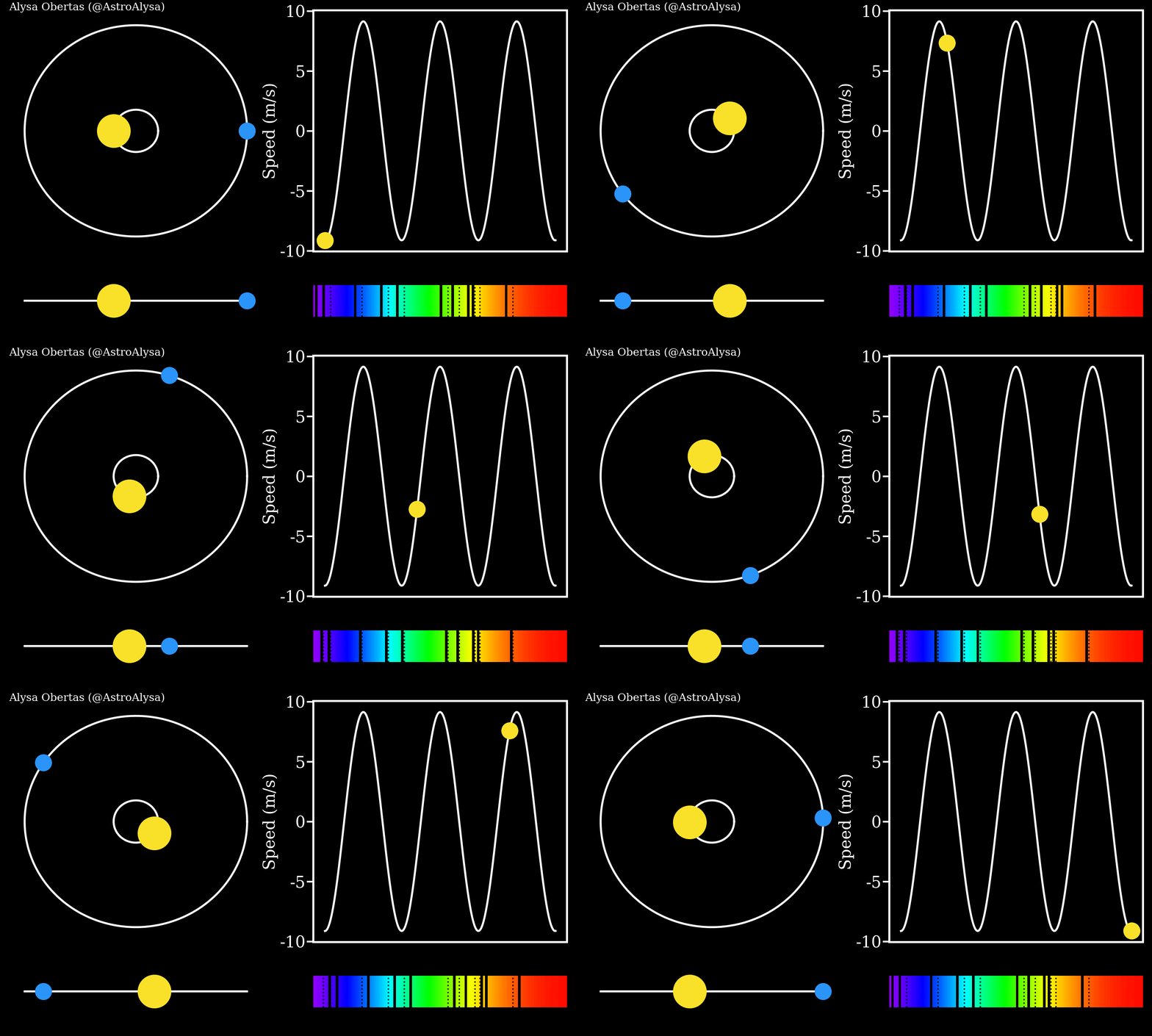
The researchers used the European Southern Observatory’s Very Large Telescope to look for signs of radial velocity. That’s a signal that can be observed when a star moves around the mutual center of gravity it shares with an orbiting exoplanet. As the star wiggles slightly, the light it emits changes wavelength accordingly.
Astronomers can analyze this light and use it to work out if there is an exoplanet there, and how much mass that exoplanet has – since its mass informs how much the star wiggles.
Their data for Barnard’s star showed no signs of the exoplanet detected back in 2018. But it does show a wiggle with a periodicity of 3.15 days. That suggests an exoplanet that goes around the star every 3.15 days. The depth of the wiggle suggests that the mass of that exoplanet, now known as Barnard b, is at minimum around 0.37 times the mass of Earth.
Animation showing how radial velocity is measured. (Alysa Obertas/Wikimedia Commons, CC BY-SA 4.0)
On such a short orbit, the exoplanet is very close to the star, just 0.02 astronomical units. Although red dwarf stars are cooler and dimmer than the Sun, that’s still too close to the star to allow any life as we know it to exist.
“Barnard b is one of the lowest-mass exoplanets known and one of the few known with a mass less than that of Earth. But the planet is too close to the host star, closer than the habitable zone,” González Hernández says. “Even if the star is about 2500 degrees cooler than our Sun, it is too hot there to maintain liquid water on the surface.”
But that doesn’t mean that the system as a whole is uninhabitable. The data showed hints that three other exoplanets may be orbiting Barnard’s star, at greater distances than Barnard b. These signals are also faint, and more observations will be needed to confirm whether they are caused by orbiting exoplanets or something else.
“We now need to continue observing this star to confirm the other candidate signals,” says astronomer Alejandro Suárez Mascareño of the Institute of Astrophysics of the Canary Islands.
“But the discovery of this planet, along with other previous discoveries such as Proxima b and d, shows that our cosmic backyard is full of low-mass planets.”
Maybe we should drop them a text message. It’s nice to be neighborly.
In a study of fruit fly (Drosophila) larvae, an international team of researchers has discovered how swallowing food is linked to the release of the feel-good chemical serotonin in the brain – offering new insight into how and why animals eat.
If the same mechanisms are present in humans, then this could be a fascinating insight into our own drive to consume food and drink.
Scientists mapped the gut’s enteric nervous system in the fruit fly in detail, and their findings shed new light on the vital act of swallowing: a behavior the researchers describe as “arguably the single most salient decision that an animal has to make”.
“We wanted to gain a detailed understanding of how the digestive system communicates with the brain when consuming food,” says neuroscientist Michael Pankratz, from the University of Bonn in Germany.
“In order to do this, we had to understand which neurons are involved in this flow of information and how they are triggered.”
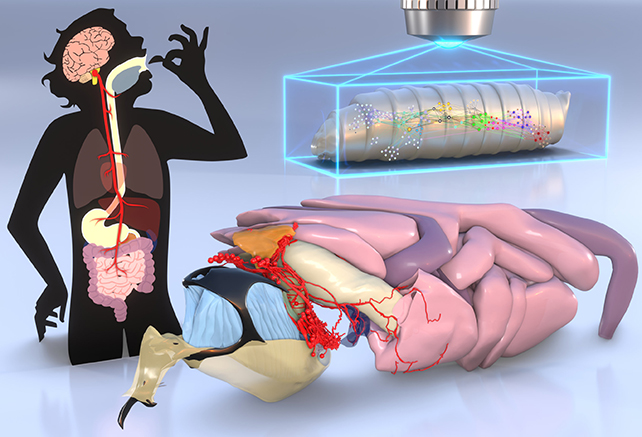
The researchers really went above and beyond in the course of their study: they carefully cut one of the larvae into thousands of tiny slices before photographing them under high-powered microscopes, mapping the paths of neurons and the connections between them.
A three-dimensional model was constructed from these photographs via computer software, leading to the discovery of a biological mechanism known as a stretch receptor, as in the esophagus, which connects the mouth to the stomach.
The receptor is connected to six specific neurons in the larva’s brain, which get information about the swallowing action, and – crucially – what is being eaten. If good food is going down the pipe, the brain pumps out a reward.
“[The neurons] can detect whether it is food or not and also evaluate its quality,” says neuroscientist Andreas Schoofs, from the University of Bonn.
“They only produce serotonin if good quality food is detected, which in turn ensures that the larva continues to eat.”
Fruit flies have under 200,000 neurons in total, compared to the 100 billion or so in the human brain. However, the complexity in those thousands of nerve cells means they can act as a scaled-down version of the human body, which is easier to catalog – and here, revealing a basic driver behind a process every animal needs to survive.
The next stage is to see whether or not the same map of neurons and release of serotonin is present in other animals, including humans. We have more biological similarities with fruit flies than you might think, but a lot of scaling up will be required in this approach to know if this feel-good factor when eating is one of them.
“We don’t know enough at this stage about how the control circuit in humans actually works,” says Pankratz. “There is still years of research required in this area.”
The final eclipse of the year is almost upon us. If skies are clear, a few lucky observers and intrepid eclipse-chasers will get to witness the passage of the Moon in front of the Sun one last time on Wednesday, October 2ndduring anannular solar eclipse.
The eclipse is the final one of the current season, and the last solar eclipse for 2024. The first – the April 8thtotal solar eclipse spanning North America – was witnessed by millions. This week’s eclipse is by contrast much more bashful.
An annular solar eclipse occurs when the Moon is visually too small to cover the Sun. Both vary in apparent size throughout the month and year, as the orbits of the Moon and the Earth are both elliptical.
The shadow of the Moon falls short of the surface of the Earth during an annular eclipse, and the ‘ring of fire’ path is known as an antumbra.
Stages of the 2019 annular eclipse as seen from Guam. (Eliot Herman)
We often marvel at how ‘perfect’ total solar eclipses are, but this situation is slowly changing.
Going forward, annulars are alreadymorecommon, as the Moon slowly moves away from the Earth… in about600 million years annularswill win this battle for good, as total solar eclipses will cease to occur on the surface of the Earth.
There’s good reason why this eclipse is annular. The Moon reaches its most distant apogee of 2024 on October 2ndat 50 minutes after eclipse conjunction at 19:08 Universal Time, at 406,516 kilometers from Earth.
Eclipse Path and Circumstances
The path crosses the South Pacific, and only makes landfall across Easter Island, Chile, Argentina. Maximum annularity reaches 7 minutes and 25 seconds in duration northwest of Easter Island.
There’s a chance for some excellent ‘horns of the Sun’ shots towards sunset around to Falkland Islands and the Horn of South America.
An animation of Wednesday’s eclipse. (NASA/GSFC/A.T. Sinclair)
The partial phases of the eclipse will be visible from Antarctica and northern New Zealand, across southern South America all the way up to Brazil, Paraguay and Peru, up to a small sliver of the west Pacific coast of Mexico.
The Falkland Islands in the Atlantic ocean will see a narrow miss, with Stanley seeing an 84% obscured partial eclipse.
This eclipse is also member 17 in the 70 eclipses in relatively newSolar Saros Series 144. This saros is a prolific producer of annulars, and started on April 11th, 1736 and will end on May 5th2980.
Viewing and Safety
Unlike a total solar eclipse, proper safety precautions must be taken during Wednesday’s eclipse… even during the annular phase.
A few percent of the Sun is still pretty bright, enough to give the sky a deep blue-steely tint, the only hint that something might be afoot. NASA has a pretty solideclipse safety page.
There’s another low tech way to observe the eclipse. Keep an eye out fortiny crescent sunscast though natural pin hole projectors. These can include gaps in tree leaves and latticework. Kitchen utensils such as graters and strainers will also do the trick.
Crescents cast through gaps in the tree leaves seen from Mapleton Maine during the June 2021 annular solar eclipse. (Dave Dickinson)
Comet T-ATLAS ‘may’ also make an appearance during the eclipse. Have any comets ever appeared during an annular? Certainly bright comets have made themselves known during the daytime.
There’s now a chance thatComet Tsuchinshan-ATLAS‘may’ reach negative magnitudes in early October, and the comet will be ~20 degrees from the Sun during next Wednesday’s annular eclipse…
To be sure, it’s an extremely remote chance to see comet T-ATLAS against a bright sky, but I remember noticing Venus becoming plainly visible on April 8thabout 10 minutespriorto totality, so you just never know…
The next eclipses in 2025 includes only two partial solars worldwide: one on March 29th for the North Atlantic, and another on September 21st for New Zealand and the South Pacific. The next annular won’t occur until February 17th, 2026 for the remote Antarctic.
Will the eclipse be carried live? As of writing this, no live streams along the path have emerged, but we’ll drop them here if any turn up.
If you have the chance, don’t miss this final eclipse of the year.
More than 150 deaths across the Southeast had been attributed to Hurricane Helene within days of the late September 2024 storm, according to The Associated Press, and hundreds of people remained unaccounted for.
As a disaster epidemiologist and a native North Carolinian, I have been hearing stories from the region that are devastating. Contaminated water is one of the leading health risks, but residents also face harm to mental health, stress that exacerbates chronic diseases and several other threats.
Water risks: What you can’t see can hurt you
Access to clean water is one of the most urgent health concerns after a flood. People need water for drinking, preparing food, cleaning, bathing, even flushing toilets. Contact with contaminated water can cause serious illnesses.
Floodwater with sewage or other harmful contaminants in it can lead to infectious diseases, particularly among people who are already ill, immunocompromised or have open wounds.
Even after the water recedes, residents may underestimate the potential for contamination by unseen bacteria such as fecal coliform, heavy metals such as lead, and organic and inorganic contaminants such as pesticides.
In Asheville, the flooding caused so much damage to water treatment facilities and pipes that officials warned the city could be without running water for potentially weeks. Most private wells also require electricity to pump and filter the water, and many people in surrounding areas could be without power for weeks.
State and federal agencies began delivering extra bottled water to the region shortly after the storm, but supplies were limited, and it’s likely that a number of people won’t be able to reach the distribution sites soon. Access to fresh food is another concern for many areas with roads and bridges washed out.
Inside homes, floodwater can create more health risks, particularly if mold grows on wet fabrics and wallboard. Standing water outside also increases the risk of exposure to mosquitoes carrying diseases such as West Nile virus. Mosquitoes are still active in much of the region in the fall.
While supplies can be airlifted to clinics, residents needing urgent access to treatments such as dialysis or daily medications for substance use disorders may have been cut off. Health care workers may be unable to access their clinics as well. Cuts and other injuries are common in the aftermath of storms, as people clean up debris, and even small wounds can become infected. The stress, exertion and exposure to heat can also exacerbate chronic conditions such as cardiovascular and respiratory diseases.
Mental health and long-term effects
Beyond the risks to physical health, the fear, stress and losses can affect mental health.
Research has consistently shown that emergency responders’ mental health can suffer in widespread disasters, particularly when they know disaster victims, deal with severe injuries or feel helpless. All of those conditions were present as Hurricane Helene’s floodwaters swept away dozens of people, with many more still listed as missing.
According to the Substance Abuse and Mental Health Services Administration, two federal grant programs provide mental health services support to individuals and communities after disasters.
Given the decades of recovery facing western North Carolina after Hurricane Helene, I believe these programs are woefully inadequate to meet the mental health needs of the populations affected by the storm.
Flooded regions will need long-term help
Western North Carolina is often described as a “climate refuge” because of its cooler summers. And Asheville in particular has become a popular place for retirees and new residents. Recent data shows the city has the second highest migration rate in the nation.
But Helene and other extreme storms that have flooded the region make its vulnerabilities clear.
In the aftermath of the flooding, newcomers unfamiliar with the risks and longtime residents alike will be dealing with ongoing health concerns as they try to clean up and rebuild from the storm.
Even as attention shifts to other disasters, the people in this region will still need help to recover for months and years to come.
Exposure to cannabis while pregnant has been linked with a number of genetic changes in the newborn, supporting speculations a mother’s use of the drug could adversely affect their child’s ongoing neurodevelopment.
The international team of researchers behind the study found that prenatal cannabis exposure (PCE) was associated with alterations in genetic expression in newborns which persisted into their adult life. These epigenetic changes affected more than half a dozen genes related to the growth of nervous pathways at different points in development.
“In a world-first, we identified a significant number of molecular changes in genes involved in neurodevelopment and neurodevelopmental disease, across the life course,” says geneticist Amy Osborne from the University of Canterbury in New Zealand.
“This is a key finding because it suggests there is a molecular link between prenatal cannabis exposure and impacts on the genes involved in neurodevelopment.”
The researchers used two existing databases which tracked individuals from birth, up to the age of 27 in some cases. Self-reporting was used to assess drug use habits of the mothers, with blood samples collected from the newborns’ umbilical cords and directly from the older children providing DNA material.
A process which regulates gene activity known as DNA methylation varied significantly between children who had been exposed to cannabis and those who hadn’t, particularly among seven genes known to be related to brain development, anxiety, and autism.
“This is a key finding because it suggests there is a molecular link between prenatal cannabis exposure and impacts on the genes involved in neurodevelopment,” says Osborne.
More work needs to be done to understand the implications of the results. The total number of PCE individuals in the study was relatively small, with only one of the two databases providing a sample that was suitably large enough to control for prenatal tobacco exposure.
Of the 858 newborns from that database, just 10 had been prenatally exposed solely to cannabis. A further 20 had been exposed to both cannabis and tobacco prenatally. Similarly, just 11 of the 922 children aged 7 at the time of data collection had been exposed to cannabis alone, with a further 21 exposed to both drugs.
While the method can’t show a direct cause-and-effect relationship, the results are concerning enough to warrant a deeper look. With recent research showing more than 8 percent of US women regularly using cannabis while pregnant (up from 3.4 percent in 2002) – often to relieve stress and anxiety – it’s important to raise awareness of the potential health impacts.
The evidence is building too. Earlier this year a study involving rats showed an association between cannabis ingredients and issues with brain development, while earlier research linked cannabis use during pregnancy with behavioral changes in childhood.
“Cannabis is now the most commonly used drug, excluding alcohol and tobacco, among pregnant women in the United States and the frequency has been rising since the COVID-19pandemic,” says Osborne.
“We hope our research will inspire further investigation with larger cohorts and there will soon be clearer advice to pregnant women about the impact of cannabis use. Otherwise, the potential risk to children remains, and will likely grow.”
Older adults who experience injurious falls are more likely to develop dementia within a year of their accident compared to people of the same age who have other kinds of physical injuries, according to a large new study.
The findings from a team of researchers in the US do not prove falls contribute to dementia (although this can’t yet be ruled out either), but they do suggest that falls could be an early indicator of deteriorating brain conditions that lead to Alzheimer’s disease and other dementias.
“It is possible that falls serve as a sentinel event that marks a future risk for dementia,” explain physician Alexander Ordoobadi from Brigham and Women’s Hospital and colleagues in their paper.
“This study’s findings suggest support for the implementation of cognitive screening in older adults who experience an injurious fall.”
Falls are the most common way adults over 65 are injured. Nearly one-third of this age group experiences injury from a fall each year.
‘One of the biggest challenges we face is the lack of ownership in the process of follow-up screening for cognitive impairment,” Ordoobadi says. “Because there may not be adequate time for these screenings in an emergency department or trauma center setting.
Each year, almost 10 million new cases of dementia are diagnosed, leaving more of us to confront frightening cognitive decline either personally or in our loved ones. Despite decades of effort, we’re still without a cure, leaving patients only with strategies to stall the debilitating conditions’ progression, so the earlier dementia can be identified, the better.
Ordoobadi and team analyzed a year’s worth of US Medicare claims from those who had experienced a traumatic injury. They identified 2 453 655 patients over the age of 65 who sought medical assistance for an injury in 2014 or 2015.
After excluding people with known dementia diagnoses, the researchers then compared patients that had injured themselves in a fall with those who had experienced other types of physical injuries.
They found older adults who experience injury from a fall were over 20 percent more likely to develop dementia within a year of their accident, compared to the other sorts of physical injuries the patients attended a medical clinic for.
“The relationship between falls and dementia appears to be a two-way street,” says injury epidemiologist Molly Jarman from Brigham and Women’s Hospital.
“Cognitive decline can increase the likelihood of falls, but trauma from those falls may also accelerate dementia’s progression and make a diagnosis more likely down the line.”
This study can only determine if one factor follows the same pattern as another, so it can’t tell if falls and dementia are directly related. Due to a lack of prescription data, the researchers could not account for medication effects, which may have skewed their results.
However, previous studies have found people with known cognitive impairments are at increased risk of experiencing falls, also supporting the idea that falls may be an early indicator of these devastating brain conditions.
Other potential earlier warning signs of the cognitive impairments that lead to dementia include loss of visual sensitivity, poor mental health, and increased nightmares.
But cognitive declines can be an indication of other treatable conditions too, so it is critical that potential dementia patients are thoroughly assessed.
“Our study highlights the opportunity to intervene early,” says Jarman.
“If we can establish that falls serve as early indicators of dementia, we could identify other precursors and early events that we could intervene on, which would significantly improve our approach to managing cognitive health in older adults.”
A widely available and inexpensive antidepressant drug may soon save lives from an altogether different kind of disease.
The growth of the most aggressive and deadly brain cancer, glioblastoma, was effectively suppressed in both ex vivo human tissue samples and in living mice by an FDA approved serotonin modulator currently used to treat major depression.
It’s not a cure, but it may offer some relief and constitute an effective part of a treatment regime for glioblastoma patients. Human clinical trials are the next step; patients are cautioned against self-medicating at this stage.
“The advantage of vortioxetine is that it is safe and very cost-effective,” says neurologist Michael Weller of the University Hospital Zurich in Switzerland. “As the drug has already been approved, it doesn’t have to undergo a complex approval procedure and could soon supplement the standard therapy for this deadly brain tumor.”
Glioblastoma is rare, but when it strikes, it’s hard to defeat. The tumor typically appears on the brain or brain stem, growing quickly and aggressively. There’s currently no cure, meaning it’s usually fatal, claiming around 95 percent of patients within five years. Treatment usually involves radiotherapy and chemotherapy, and sometimes surgery to try and remove as much of the tumor as is safe.
A noninvasive treatment that can complement existing interventions to improve outcomes is something doctors would love to have, but since few cancer drugs can cross the blood-brain barrier options are limited.
Led by molecular biologist Sohyon Lee of ETH Zurich, a team of researchers used cultivated human tissue grown from samples donated by glioblastoma patients undergoing treatment surgery, to see if any existing drugs might be effective at suppressing the growth of cancer cells. They focused primarily on antidepressant drugs, antipsychotics, and drugs used to treat Parkinson’s disease.
In all, they tested 132 drugs on tissue cultivated from 27 glioblastoma patients, cataloging more than 2,500 drug responses. And they found, surprisingly, that some antidepressant drugs were effective at suppressing the development of the cancer cells, including a serotonin modulator called vortioxetine.
One of vortioxetine’s actions is to activate signaling cascades, a series of reactions in a cell initiated by a stimulus. These cascades suppress cell division, which is the way cancers grow and spread.
Computer simulations revealed that the simultaneous cascade of neural cells and cancer cells was necessary to inhibit the cancer, which was why only some of the antidepressants were effective – they don’t all work quite the same way.
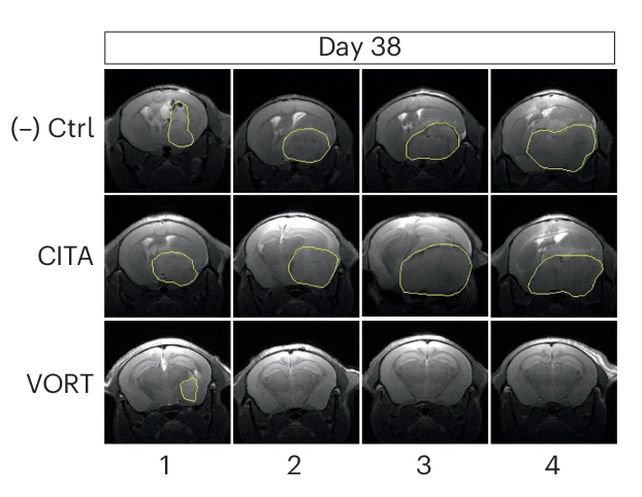
The next step was to test the drugs in a living, breathing system: mice with glioblastoma. Mice were transplanted with glioblastoma tumors, and then assigned a group. The control group was left untreated, while a second group of mice was treated with the SSRI antidepressant citalopram. Finally, a third group was treated with vortioxetine.
MRI scans of mouse brains from each group 38 days after tumor implantation. The top row is the control group; middle is citalopram; and the bottom is the vortioxetine group. The yellow line indicates the tumor. (Lee et al., Nat. Med., 2024)
Comparisons 38 days after implantation of the tumor revealed the vortioxetine treatment group had significantly less tumor growth and invasiveness than the control and citalopram groups, which displayed similar outcomes to each other.
In a follow-up experiment, another sample of glioblastoma mice was treated with standard chemotherapy drugs. Another group was was given vortioxetine, while a third wasn’t given any other treatment.
Similarly, the vortioxetine group had increased survival rates 20-30 percent above those of the chemo-only group, not just in the short term, but long-term, too.
With such promising pre-clinical results, additional trials in living human patients could reveal whether we may already have a glioblastoma therapy ready to fast-track.
“We don’t yet know whether the drug works in humans and what dose is required to combat the tumor, which is why clinical trials are necessary,” Weller cautions. “Self-medicating would be an incalculable risk.”
Nevertheless, the drug shows more promise for the treatment of this devastating cancer than we’ve seen in a while, giving some hope to the estimated 250,000 individuals who are diagnosed with glioblastoma each year.
“We started with this terrible tumor and found existing drugs that fight against it,” says molecular biologist Berend Snijder of ETH Zurich. “We show how and why they work, and soon we’ll be able to test them on patients.”