
The worldwide obesity crisis has become a dominant public health crisis across the globe. Over 3 billion people worldwide currently suffer from obesity, and forecasts warn the number will rise above 4 billion by 2035, accounting for more than half the global population. As a major non-communicable disease, obesity triggers persistent visceral adipose inflammation and drastically raises risks of type 2 diabetes, cardiovascular illnesses, metabolic fatty liver disease and various cancers.
Semaglutide, a mainstream GLP-1 agonist approved for weight loss, suppresses appetite by activating central hypothalamic GLP-1 receptors to regulate systemic energy balance. Despite its reliable weight-lowering performance, the drug’s brain-centered mechanism leads to rapid weight regain once treatment stops, which severely limits long-term metabolic benefits. Researchers have attempted to pair semaglutide with adipose-targeted browning compounds to boost fat energy consumption, yet chronic inflammatory adipose microenvironments block thermogenic gene expression and weaken such therapeutic effects.
New research reveals an overlooked peripheral immunomodulatory property of semaglutide. Apart from its central appetite-regulating function, semaglutide binds GLP-1 receptors on adipose macrophages and drives their shift from pro-inflammatory M1 to anti-inflammatory M2 subtypes, easing local adipose inflammation. This finding inspired the team to design a synergistic dual-drug therapy pairing semaglutide with rosiglitazone, a PPAR-γ agonist that stimulates white fat browning.
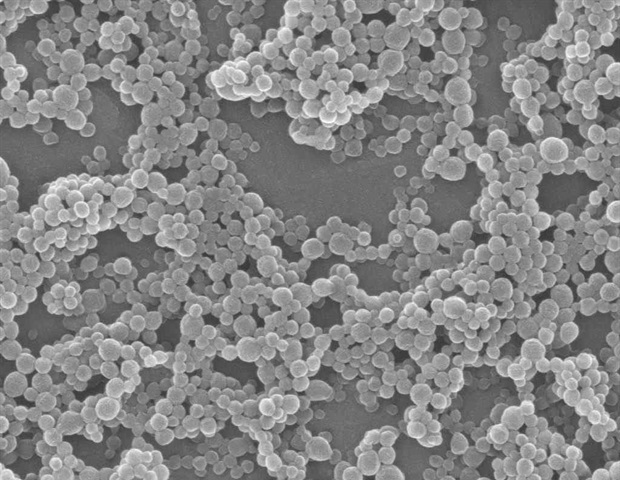
To realize localized, sustained co-delivery of the two agents, scientists developed an adipose-targeted composite microneedle patch named LRSG-SG@MN. Tuned from hyaluronic acid, gelatin and gelatinized starch, the microneedles possess favorable mechanical strength and slow degradation rates. Nano-lipid nanoparticles carrying rosiglitazone and semaglutide are embedded within the patch to achieve long-term drug release in subcutaneous fat tissue.
Once applied, semaglutide remodels the immune landscape of fat tissue by alleviating inflammation and adipocyte oxidative stress, creating supportive conditions for fat browning. Meanwhile, lipid nanocarriers selectively deliver rosiglitazone into adipocytes to activate PPAR-γ signaling and accelerate thermogenic browning of white fat. The two drugs work synergistically to overcome the two core drawbacks of single-agent obesity treatments: post-treatment weight rebound and inflammation-suppressed fat browning.
In high-fat diet-induced obese mouse models, the microneedle system achieves potent weight reduction, relieves glucolipid metabolic disorders and avoids significant weight rebound after treatment withdrawal, with satisfactory biosafety performance. This adipose-targeted long-acting microneedle platform integrates immune regulation and fat browning induction, offering a translational dual-mechanism strategy for sustainable clinical obesity intervention.
Other contributors include Weiqin Yao, Jiawen Wang, Xuan Zeng, Weihai Chen from Wuhan University.
This work was supported by the National Natural Science Foundation of China (Nos. 52273148, 52333004, and 52473145).
Source:
Journal reference:
Yao, W., et al. (2026). Adipose-targeted microneedle patch co-delivering semaglutide and rosiglitazone unlocks adipose browning efficacy for obesity therapy. Nano Research. DOI: 10.26599/nr.2026.94908852. https://www.sciopen.com/article/10.26599/NR.2026.94908852