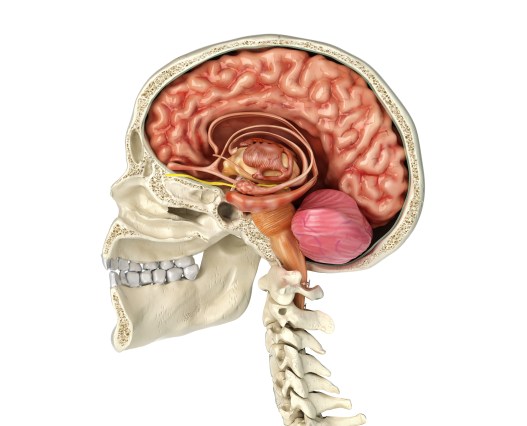
One of the biggest existential questions an individual can ask is “What makes me, me?”
Identical twins have near-identical genetics, yet can still develop quite different personalities – about as perfect a demonstration as nature could offer that DNA isn’t destiny.
Nevertheless, some part of who you are is written in A-T-C-G – the question is not whether DNA and personality are linked, but by how much.
Now, the largest genetic investigation of the Big Five personality traits to date has found more than a thousand genetic variants associated with the ways we tend to think, feel, and behave.
But that doesn’t mean scientists can divine your personality from scraps of DNA like genetic tasseographers. The results don’t work that way on an individual level; rather, genetics can reveal patterns in personality across populations.
“If we’d want to know someone’s personality at an individual level, genetics isn’t really a fruitful path; we can simply measure personality and get a very clear picture, genes wouldn’t add anything there,” genetic epidemiologist Michel Nivard of the University of Bristol in the UK, a senior author of the study, told ScienceAlert.
“What genes do offer us is a way to link personality, in the aggregate across groups of people, to all other outcomes we have ever previously studied with a genome-wide association study.”
frameborder=”0″ allow=”accelerometer; autoplay; clipboard-write; encrypted-media; gyroscope; picture-in-picture; web-share” referrerpolicy=”strict-origin-when-cross-origin” allowfullscreen>
The paper, led by psychologist Ted Schwaba of Michigan State University, has been published in Nature. Psychologist Elliot Tucker-Drob of the University of Texas at Austin is a co-senior author.
To better understand that genetic contribution, Nivard and his colleagues brought together personality and genetic data from 46 cohorts, with the largest analysis encompassing around 1.14 million people.
They focused on the Big Five – five broad dimensions psychologists use to describe personality: extraversion, agreeableness, conscientiousness, neuroticism, and openness to experience.
Then they conducted genome-wide association studies, or GWAS, looking across the genomes of huge numbers of people for genetic variants that consistently appeared alongside differences in those personality traits.
Crucially, they weren’t expecting to find a single definitive “extraversion gene” or “neuroticism gene”. Personality is far more genetically complex than that.
“In a way we knew that we’d find many variants, which also means that the individual variants have very, very small effects on personality,” Nivard explained.
“There are definitely no genes with an effect that is perceptible at an individual level like [those that] exist for outcomes like Alzheimer’s.”
Sure enough, the analysis turned up a whopping 1,260 lead genetic variants associated with the Big Five personality traits, including 824 that hadn’t previously been linked to them.
But even with so many genetic variants involved, DNA explains only a modest proportion of the differences in personality from one person to another, the researchers found.
Across the Big Five traits, the genetic variation captured by the study accounted for around 7.4 to 10.6 percent of those individual differences, Nivard told ScienceAlert.
And knowing someone’s genetic variants wasn’t particularly useful for predicting their personality. When the researchers used the genetic information to make their best predictions in separate groups, they could explain less than 4 percent of the variation in personality.
That suggests that genes do make some difference, but they’re a long way from telling the whole story.
“Our genes clearly influence our personality predispositions,” Nivard said. “We can account for a portion of those genetic effects, but there are clearly also substantial environmental causes of personality, which collectively explain the majority of individual differences.”
And therein lies another difficulty. Humans are super complicated, and strongly shaped by environment, diet, and culture. How do you determine that personality is being influenced by genetics, rather than external factors?
One way is to look at families.
The researchers compared siblings and fraternal twins, who share much of their family environment but inherit different combinations of their parents’ genes. If a genetic variant associated with, say, extraversion also predicts which sibling is more extraverted, then shared upbringing is a much less likely explanation.

And that’s pretty much what they found: genetic effects on personality within families were almost identical to those found between unrelated people.
But not all the analyses were quite so consistent and tidy. The genetic patterns associated with agreeableness varied considerably across the different groups studied.
“Agreeableness, the personality trait of being kind, sympathetic, cooperative, warm, honest, straightforward, and considerate, as opposed to selfishness, insincerity, and zero-sum thinking, isn’t measuring the exact same thing across cultures, cohorts, and age,” Nivard said.
The differences could simply be down to questionnaires emphasizing different aspects of agreeableness, Nivard said. But they could also reflect genuine cultural differences in what shapes the trait – something that will take further research to untangle.
But the research may prove useful, the researchers say, in places where personality intersects with other parts of our lives.

For example, the researchers found genetic links between extraversion and COVID-19 infection risk in the early years of the pandemic, potentially reflecting the greater need for social contact among more extraverted people.
Related: Scientists Found The Driving Force Behind Your Darkest Impulses, And It’s More Widespread Than Thought
Personality itself has previously been linked to whether a person is likely to vote in elections. Scientists have even linked personality traits to longevity.
Ultimately, the genetics of personality offers researchers another tool for understanding how personality shapes our choices, behavior, and health – not a way to read who someone is from their DNA.
“I would hate for people to come away thinking that genetics set their personality in stone, or that their individual personality is measurable via their genome,” Nivard said.
“If you want to know more about your personality relative to others, take one of the many free tests online, and you’ll learn so much more!”
The research has been published in Nature.
This article was fact-checked by Fiona MacDonald and edited by Fiona MacDonald. While we pride ourselves on our process, we are only human. If you spot a mistake, please let us know.