Dark Mode Light Mode
Chemistry, medicine, materials and the technology shaping tomorrow — the best science stories from trusted sources, every day.

Highlighting the ‘missing elements’ in chemistry curricula | Careers

Highlighting the ‘missing elements’ in chemistry curricula | Careers Highlighting the ‘missing elements’ in chemistry curricula | Careers


‘We often learn about the same well-known scientists,’ says Anisah Hussain, a fourth-year student at Imperial College London, UK. ‘I was really interested in the opportunity to shed light on some scientists who have equally as important contributions to chemistry but have perhaps been overlooked.’

Hussain is one of a group of students and staff from Imperial, Queen Mary University London and the University of Greenwich who have teamed up to produce a series of resources – including posters, videos and podcasts – highlighting minoritised chemists. The ‘Missing Elements’ project has now profiled over 100 past and present black, Asian or minority ethnic figures in chemistry. ‘There’s quite a stereotypical view of who a scientist or chemist is,’ says Hussain, adding that she hopes that students and lecturers using these resources will help change that. ‘It’s important to have a diverse range of people who can offer different perspectives.’

Tippu Sheriff at Queen Mary University London tells Chemistry World that the project initially started after two students approached one of their lecturers, asking: ‘How come in chemistry we only hear about white scientists?’ The lecturer’s response, Sheriff says, was that if they knew of more examples of minoritised chemists and their contributions to chemistry, they would happily use them in their lecture. Helpfully, the students – who were heavily involved in the university’s chemistry society – had already produced some videos and lecture slides.

Sheriff then approached the students to see whether they would be interested in taking their resources further and, aided by a grant from the Royal Society of Chemistry (RSC), they formed a small team in the summer of 2020.

The project grew after Sheriff reached out to Sweta Ladwa, who was developing similar materials at Greenwich, and James Wilton Ely at Imperial. ‘That’s how the three universities come together,’ says Sheriff, describing it as ‘a natural fit’. Since then, the team has grown to have a steady number of around 12 students and staff, he says. Many of these work on resources alongside their studies or during the summer holidays.

The group initially focused on expanding the range of lecture slides and fact files to cover a broader set of minoritised chemists, but has also developed short videos and is now foraying into the world of podcasts.

A student’s perspective

Queen Mary University PhD student Samaneh Aranji says that being involved in this project was meant to be. She says that she often feels like she has three targets on her back. ‘I’m Iranian, I’m female, I’m also Muslim,’ she explains. ‘So sometimes I may walk into a room and feel inadequate because of this, but this is just not the case.’ She continues: ‘These are not reasons why you are any less of a person in comparison to the person next to you.’

When she told her mum about the Missing Elements project, ‘her face just lit up’. ‘Imagine other people’s reactions when they see that we are doing something towards making the curriculum more inclusive and more diverse,’ she says.

Aranji became involved in the project during a secondment split between the RSC’s race and ethnicity team and the Missing Elements group. She has since continued to be involved in the project, now by acting ‘as ‘a bridge between students and academics’. This primarily involves quality-checking resources that other students make before handing them over to staff, like Sheriff.

Beyond helping to produce materials on a range of minoritised chemists, supervising students has shown Aranji that getting involved with the project has had other benefits. For example, she helps train students how to work professionally, share their ideas in meetings and communicate science to a wide audience.

These are some of the skills that Hodan Warsame at Imperial says that she’s gained since joining the project earlier this year. Warsame produces one-minute videos based on the fact files that others in the team have made. She explains that early versions of the videos weren’t that engaging, something that she has tried to work on by reducing their length and adding a voice over.

Warsame first started making videos for her friends and family. ‘I didn’t really think about science communication before starting this project,’ she says. ‘I 1792757169 hope to go into some area of [communications] or even policy… where I can communicate science to a wide range of people.’

For Hussain, working with students from different universities has been the highlight. ‘Just being able to offer my perspective and my experiences … I think that was very important and helpful for me,’ she says. 

Three minoritised scientists who chemists should know more about

Amir Hoveyda

‘I remember during my master’s, we learned about this chemist… who’s named Amir Hoveyda,’ says Aranji. Born in 1959, Hoveyda is an Iranian-American chemist at Boston College in the US. He helped develop the Hoveyda-Grubbs catalyst – an octahedral, ruthenium-based catalyst used in olefin metathesis to form carbon–carbon bonds. ‘When it comes to other scientists, they’re highlighted, their face is shown,’ says Aranji. ‘But his [Amir Hoveyda] face was not shown. We just learned about the catalyst and moved on.’

Alice Ball
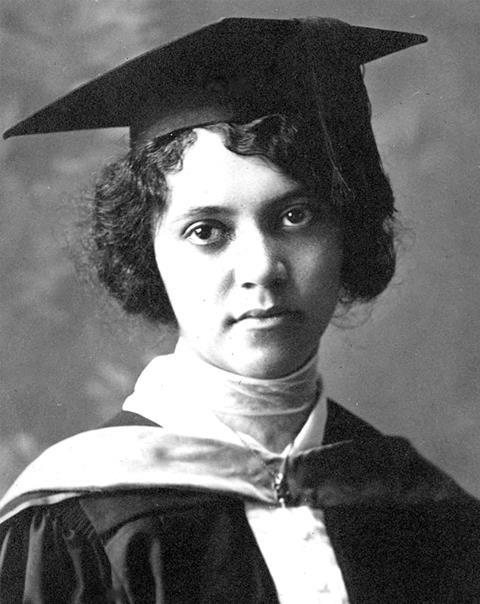
Alice Ball

Warsame highlights Alice Ball’s contributions to developing a treatment for leprosy. Ball was an African American, female chemist in Hawaii during the early 1900s. She found that esterifying the fatty acids in chaulmoogra oil – an early leprosy treatment – made the liquid more injectable. This later became a standard treatment for leprosy. Ball died in 1916, aged 24, and did not live to see the impact of her work. Arthur Dean – president of the then College of Hawaii – omitted to mention Ball in studies about the work and for many decades, she had largely been forgotten.

Lewis Latimer
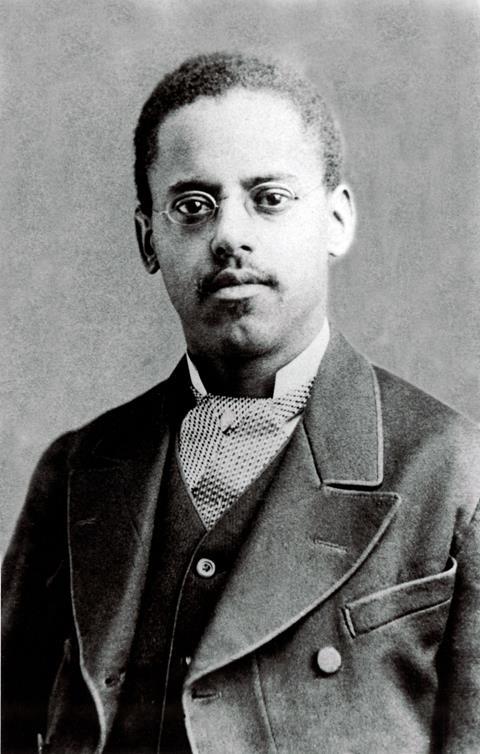
Lewis Latimer

‘I think one [person] which really resonated with me was Lewis Latimer,’ says Hussain. She explains that Latimer helped with the creation of the lightbulb by developing the carbon filament. ‘We speak about Thomas Edison a lot but nobody really highlights that work that Lewis Latimer did,’ says Hussain. She first learnt about Latimer by volunteering with the Missing Elements project when she was in the third year of her undergraduate chemistry degree. For her, this is ‘kind of late’ and that ‘there should definitely be more opportunities… to learn something like that earlier on in your chemistry career’.


Source link

Previous Post
Mental healthcare AI needs evidence beyond a reassuring conversation

Mental healthcare AI needs evidence beyond a reassuring conversation

Next Post
Something Strange Is Living in The Old Fuel Leaking From WWII Shipwrecks

Something Strange Is Living in The Old Fuel Leaking From WWII Shipwrecks