



As far as human history goes, wealth inequality may be a rather recent development. After all, the hunter-gatherer societies we existed in for most of prehistory were generally considered to be more egalitarian than the agricultural-based societies that followed. Now, a new study published in the Journal of Neolithic Archaeology is exploring the roots of this phenomenon focusing on the Corded Ware culture of ancient Bohemia.
The Corded Ware culture—named after the cordlike impressions on the pottery they left behind—existed between roughly 2900 BCE and 2300 BCE throughout much of Europe. In what’s now western Czechia (and elsewhere), the Corded Ware peoples mingled with migrants from the Pontic steppes. The study investigates what happened to wealth inequality in the region by examining how the contents of nearly 300 gravesites changed over time—including the genetics of the deceased.
Read more: “Does More Money Make Us Happier?”
So how can you tell how rich someone was from their graves?
According to the team, the objects left behind tell the tale. One of the authors developed a tool called QuantWealth, which (as you can probably guess) is a framework for quantifying wealth. The framework assesses the affluence of the deceased by scoring interred objects based on a series of factors—how long they took to manufacture, how scarce they were, how far away they’re from, the weight of any meat offerings, etc.
“Archaeologists have long debated whether steppe populations migrating across Europe from Ukraine brought with them a highly unequal social system and patriarchy,” Mikkel Nørtoft of the University of Copenhagen said in a statement. “Our results suggest a much more dynamic picture, where social differences developed gradually.”
After crunching the numbers, they identified three basic periods. The earliest was a cooperative phase beginning with a volcanic event that cooled global temperatures. During this period, wealth display was relatively muted, and the early settlers appeared to be more focused on forming social cohesion. “In Bohemia, they did this through shared burial rituals, and building earthen mounds, but with few grave goods,” Nørtoft explained.
Between 2,700-2,500 BCE, however, things started to heat up (both literally and figuratively). According to the team, this period was marked by funerary competition. Prestige items (those that were exclusive to certain graves) and meat offerings became more common. They also found that gender inequality grew, as adult male graves became more ostentatiously decorated. A new Y-chromosome haplogroup also appeared during the period, and the researchers suggest the competition may be a sign of patrilineal power struggles.
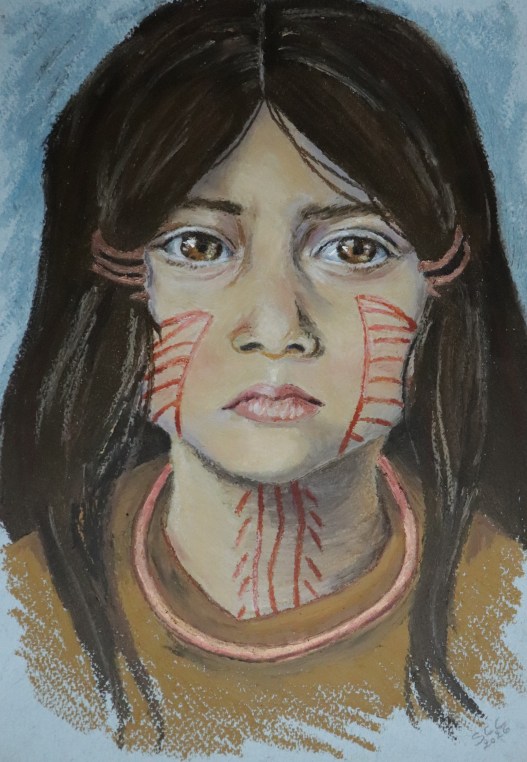
During the final phase, the new Y-chromosome haplotype dominated and the green shoots of wealth inequality emerged. The team says elaborate burials of a handful of children decorated with copper rings and other ornaments may be indicative of a growing divide between the rich and poor. “The few rich child graves and this prevailing lineage could indicate more inherited wealth and emerging traits of persistent inequality,” Nørtoft said.
It’s a fascinating—and familiar—story.
Enjoying Nautilus? Subscribe to our free newsletter.
Lead Image: Solveig Chaudesaigues-Clausen