






A group of horses is called a “herd,” unless they’ve been ritually sacrificed. Then they’re called a “spectral cavalcade.” The term comes from writings of the Greek historian Herodotus describing the funerary practice of the Scythians, a group of nomadic horseback riders that roamed the Central Asian steppes until around the third century BCE.
Of course, not all of Herodotus’ records were accurate (he mentioned dog-sized ants that harvested gold, for example), but the spectral cavalcade turned out to be (literally) dead on. Archaeologists discovered burial mounds in southern Siberia topped with the cadavers of sacrificed horses. Now, beneath the spectral cavalcade, they’ve discovered something else Herodotus was right about: The Scythians used cannabis as part of their funeral rites.
Read more: “What Goes on in the Brain When a Good Buzz Gets Harshed”
A team of researchers led by anthropologists from the Max Planck Institute analyzed remains discovered at the Tunnug 1 site, a Scythian burial mound in Siberia’s Uyuk Valley dated to around the first decade of the 8th century BCE. The team found more than 1,400 cannabis seeds strewn about the interiors of deteriorating log coffins. According to the team, the small size of the seeds indicates they likely came from wild plants and not cultivars.
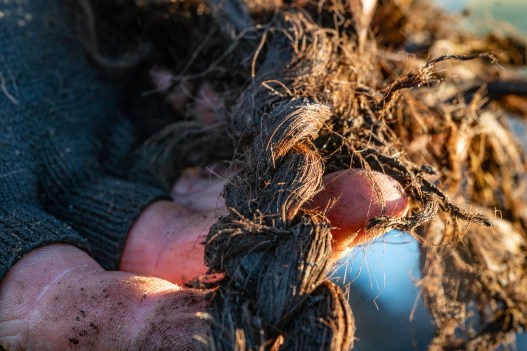
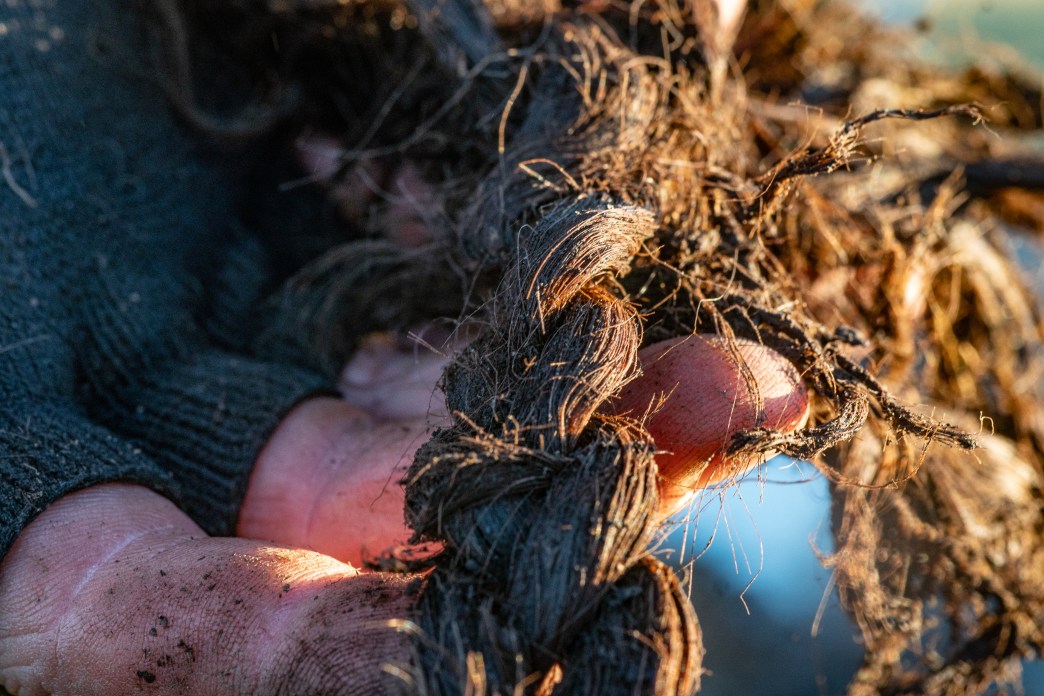
They also found human hair—including a strikingly preserved braid—that they essentially drug tested. Every single sample tested contained low levels of THC and relatively higher levels of cannabinol, a product of THC breakdown. Prior to this find, the oldest evidence of cannabis use came from residue from 2,500-year-old Chinese braziers. Not only does this discovery push the earliest known cannabis use back three centuries, it’s also the first case where both the plant product and its biomolecular traces were discovered in the same archaeological context.
“These data add to the growing global repertoire of archaeological evidence for ancient people using plants as mind-altering or mood-altering drugs,” the researchers wrote in a study published today in Science. “Early cannabis use thus emerges not simply as a pharmacological curiosity but as an indication of how ancient societies experimented with and ritualized the psychoactive qualities of the botanical world.”
There is one rather grim twist, however: The spectral cavalcade wasn’t riderless. In fact, the team believes the herd of ghost horses was created to serve a human sacrifice, the cannabis may have been a final send-off. “The likely involvement of human sacrifice leading to the creation of a spectral cavalcade would have potentially made the plant a useful agent to calm individuals who were to be included in the rituals,” the researchers wrote.
It provides a whole new meaning of being stoned to death.
Enjoying Nautilus? Subscribe to our free newsletter.
Lead Image: Frozen Corpses Golden Treasures, T. Wallace & G. Caspari


