Hello Nature readers, would you like to get this Briefing in your inbox free every day? Sign up here.
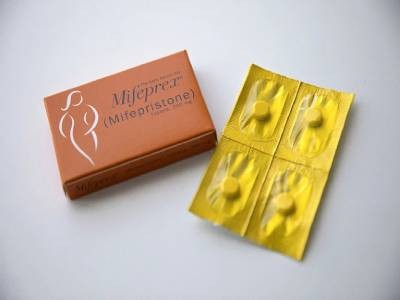
A physician at a clinic in New Mexico watches as a person takes the abortion pill mifepristone in 2023.Credit: Evelyn Hockstein/Reuters
The journal publisher Sage has retracted two papers from 2021 and 2022 that suggested the abortion drug mifepristone causes a burden on the public-health system. The papers, which were cited in a case set to be heard by the US Supreme Court, had multiple problems, including data analysis errors and unsupported assumptions. In addition, the studies’ authors, many of whom are affiliated with anti-abortion organizations, failed to declare conflicts of interest, Sage said. Reproductive-health specialists say many similar studies have yet to be addressed. One reason appears to be that some journals are afraid of being sued.
Nature | 7 min read
Researchers in France have strongly criticized a €904-million cut to this year’s research and higher-education budgets, which are part of a €10 billion reduction in overall public spending. Allocations for national research agencies will be slashed by around €383 million. “These cuts are a total contradiction, and mean France is still further away from achieving its goal of raising public-research spending to 1% of GDP from less than 0.75%,” says Boris Gralak, general secretary of the country’s research union.
Nature | 3 min read
A policy bars Florida’s 12 public universities from taking money from or forming “partnerships” with entities in China, Russia, Cuba, Iran, North Korea, Syria and Venezuela. This places restrictions on collaborations with colleagues in these countries and on the hiring of graduate students, postdocs and research staff from abroad. University administrators are struggling to adapt and some faculty members say that the law will further erode competitiveness in a state that is already experiencing a brain drain.
Nature | 7 min read
Features & opinion
Cells resemble a bustling distribution centre in which components are separated into units called condensates. Cellular compartmentalization underpins everything from gene control to cell division, and when it goes awry, diseases such as diabetes and neurodegenerative conditions can arise. Researchers are finding ways to image and manipulate this process using techniques with playful names such as optoDroplet to toggle condensate formation with light or creating bespoke condensates to imbue cells with new capabilities. Some companies are even developing drugs to rectify the aberrant condensate formation associated with cancer and motor neuron disease.
Nature | 11 min read
Passing a metaphorical flashlight — putting the spotlight on each person at a meeting in turn — can bring about “a huge shift” in the dynamics of a team, writes tumour immunologist Johanna Joyce. “The increased participation has led to a more comprehensive understanding of each other’s research and challenges, enhancing group cohesiveness as we all work towards our team’s goal — to understand the complexities of cancer.”
Nature | 4 min read
“Claus Nielsen was one of the few who dared put forward a comprehensive view of how today’s animal species originated and how they are related,” write colleagues Max Telford, Andreas Hejnol and Detlev Arendt. Central to Nielsen’s ‘trochaea’ theory was the idea that the ancestors of most living animals stem from tiny larva-like creatures which swim with a ring of cilia (trochus in Greek means wheel). “Claus was an individualist — he never led a research group with PhD students and postdocs, as most of us do,” write the three authors. “But he still collaborated freely… getting along easily with students 60 years his junior.” Nielsen has died, aged 85.
Nature | 5 min read
Image of the week
This sea toad of the genus Chaunacops is just one of more than 100 new species that marine biologists estimate they have discovered living on seamounts off the coast of Chile. Giant sponges, fields of sea lilies, seafloor-dwelling octopuses and 10-foot-tall bamboo corals were also among the creatures spotted by an underwater robot, which can film at depths of 4,500 metres. (National Geographic | 6 min read)
Astronomer Steve Croft is exploring how to spot signs of extraterrestrial technology by focusing on an extraordinary star system: HD 110067, which is bright, close and hosts six planets, all with orbits that are seen edge-on from Earth. (Space.com | 6 min read)
Today I’m delighted by the news that one of the world’s smallest fish can make a sound as loud as a gunshot. The 12-millimetre-long Danionella cerebrum has “a unique sound production apparatus — involving a drumming cartilage, specialized rib, and fatigue-resistant muscle”, say the authors of a new PNAS paper.
While I set up my new ringtone, why not send me your feedback about this newsletter? Your e-mails are always welcome at [email protected].
Thanks for reading,
Flora Graham, senior editor, Nature Briefing
With contributions by Katrina Krämer
Want more? Sign up to our other free Nature Briefing newsletters:
•Nature Briefing: Anthropocene — climate change, biodiversity, sustainability and geoengineering
•Nature Briefing: AI & Robotics — 100% written by humans, of course
•Nature Briefing: Cancer — a weekly newsletter written with cancer researchers in mind
•Nature Briefing: Translational Research covers biotechnology, drug discovery and pharma
Hello Nature readers, would you like to get this Briefing in your inbox free every week? Sign up here.
The logo of Neuralink, a brain-implant company founded by Elon Musk, superimposed on an illustration of the human brain.Credit: Jonathan Raa/NurPhoto via Getty
The first person to receive a brain-monitoring device from neurotechnology company Neuralink can move a computer cursor with their mind, founder Elon Musk announced last week. Researchers are concerned by the secrecy surrounding the device’s safety and performance — and underwhelmed by the achievement. “A human controlling a cursor is nothing new,” says brain–computer interface researcher Bolu Ajiboye.
Nature | 4 min read
Last week, ChatGPT suddenly started spewing nonsense, mixing English and Spanish, making up words or repeating the same phrase over and over. Less than 24 hours later, the chatbot’s creator OpenAI reported that it had fixed the bug, which it said was introduced by an “optimization to the user experience”.
Meanwhile, Google has paused the ability of its AI tool Gemini to generate portraits of people after it was criticized for creating images of historically white figures (such as the US Founding Fathers or Nazi-era German soldiers) as people of colour. Prabhakar Raghavan, Google’s senior vice president, explains that Gemini depicts a range of ethnicities and other characteristics whenever users don’t ask for specifics. “Our tuning to ensure that Gemini showed a range of people failed to account for cases that should clearly not show a range.”
“In the end, generative AI is a kind of alchemy,” says psychologist Gary Marcus about the ChatGPT glitch. “The reality, though, is that these systems have never been stable.” The episode shows that we need to create more-transparent and tractable systems, he argues.
Just under 15% of people in the United States deny that climate change is happening, according to an AI-supported analysis of more than seven million posts on X (formerly called Twitter). A deep-learning model was used to classify the social media posts as either believing or denying climate change. “What is scary, and somewhat disheartening, is how divided the worlds are between climate change belief and denial,” says sustainability researcher and study co-author Joshua Newell. “The respective X echo chambers have little communication and interaction between them.”
Within years, AI systems could consume as much energy as entire countries. A first-of-its-kind US bill would create a framework for reporting the technology’s environmental costs on a voluntary basis — but given the urgency of the situation, that’s not enough, argues AI scholar Kate Crawford. “Legislators should offer both carrots and sticks” to push AI companies towards greater ecological sustainability, she writes: incentives for creating energy-efficient systems and using renewable energy could be supported by regular environmental audits.
Nature | 5 min read
In a first-of-its-kind test of AI’s ability to come up with promising starting points for new medicines, 23 teams participated in a drug-discovery competition, predicting over 2,000 compounds that could bind to an enzyme associated with Parkinson’s disease. Fewer than a dozen actually bound to the enzyme when tested in the lab. “We’re at less than a 1% hit rate,” says computational chemist and competition coordinator Matthieu Schapira. Several top methods used machine learning, but classical methods such as ultra-high throughput docking still kept up. “The question is, do we need really complicated, advanced AI technologies at every stage of the process?” asks pharmaceutical researcher Lukas Friedrich, who was a top-scoring competitor in the challenge.
Nature Reviews Drug Discovery | 10 min read
“AI — used well — can assist with restoring the middle-skill, middle-class heart of the US labour market that has been hollowed out by automation and globalization,” argues economist David Autor. By making information and calculation cheap and abundant, Autor writes, “it will reshape the value and nature of human expertise”.
Researchers have designed a deep-learning algorithm that generates computer code on the basis of observations. This ‘deep distilling’ could help unravel the laws underlying physical systems where simple rules give rise to complex self-organizing patterns — such as finding the relationship between DNA sequences and their function. It could also make it easier for people to understand what AI systems learn from data, writes computational scientist Joseph Bakarji. Many algorithms are ‘black boxes’ — researchers and users typically know the inputs and outputs, but it is hard to see what’s going on inside. “This lack of transparency raises questions about their reliability, safety, and trustworthiness,” Bakarji says.
‘Deep distilling’ can extract the rules from John Conway’s classic ‘Game of Life’ by observing iterations of the game and presenting its findings as an executable computer code that simulates the game. (Lev Kalmykov via Wikimedia Commons (CC BY-SA 4.0))
Quote of the day
ChatGPT’s system prompt, which are hidden instructions for how the tool should respond to user queries, contains no code. “There is nothing in this system prompt that an average person couldn’t understand or write themselves,” explains AI specialist Azeem Azhar. (Exponential View | 7 min read)
Hello Nature readers, would you like to get this Briefing in your inbox free every day? Sign up here.
Conditions in the star-forming region Cygnus OB2 are ideal for producing high-energy cosmic rays.Credit: X-ray: NASA/CXC/SAO/J. Drake et al; H-alpha: Univ. of Hertfordshire/INT/IPHAS; Infrared: NASA/JPL-Caltech/Spitzer
A turbocharged galactic accelerator could produce the Milky Way’s most powerful cosmic rays. The origin of these ultra-fast particles is hard to pin down because they bounce off magnetic fields, so their flight paths are difficult to follow. To get around the problem, researchers measure particles that are produced when cosmic rays hit interstellar gas and that travel in straight lines. One huge gamma-ray-emitting bubble was detected within a star-forming region in the Cygnus constellation.
Experiments in mice suggest that eye diseases that had been considered to be purely genetic might be caused in part by bacteria that escape the gut and travel to the retina. Certain genetic mutations that cause retinal damage and even blindness are associated with weakened cell layers both in the colon and in the eye. Antibiotics seem to reduce eye damage in mice, but it’s unclear that this will translate to humans, says neurobiologist Jeremy Kay. “I don’t believe that they’ve shown that the bacteria really go to the eye extensively enough to do much of anything,” he says.
Live music seems to engage our emotions in ways that recorded music doesn’t. Volunteers lay in an MRI scanner and listened to tracks composed by researchers — either played live on a piano or pre-recorded. Pianists were told to accentuate their playing when the listener’s brain was getting revved up — much like a live band might rock harder in response to the crowd’s energy. The live performance stimulated the parts of the brain involved in processing emotions more strongly and consistently than recorded music.
Participants heard musical pieces played by two pianists, not knowing that some were recorded and some live — and the musicians could see how the listener’s brain was responding. (Trost, W. et al./PNAS)
Features & opinion
Chinese researchers being detained at the US border is just one of the enduring ripple effects of the China Initiative. The controversial policy, which sought to prosecute perceived Chinese spies in research, ended officially in 2022, but left a chilling climate. Some scientists have changed their research focus to attract less scrutiny, and one mathematician describes a drop-off in applications from Chinese students. “The US is losing talent”, which is “a national security problem”, says computer scientist Kai Li. The Asian-American Scholar Forum is now working with policymakers to prevent the return of the China Initiative or similar policies.
Nature | 13 min read
An asthma medication called omalizumab appears to protect against severe food allergies, particularly to peanuts. In a study of 180 severely allergic people — mostly children — 67% of those who received the drug were able to ingest the equivalent of two or three peanuts without it causing a significant reaction, compared with just 7% of those who received a placebo. The drug doesn’t offer an outright cure, but it lowers the risk that ingesting a trace amount of the food will prove catastrophic. The downside: the drug requires regular injections that can cost more than US$1,400 each.
Nature | 5 min read
In 2023, diver Richard Harris reached a depth of 230 metres at the Pearse Resurgence, an enormous water-filled cave in New Zealand, breathing a mix of oxygen and hydrogen. Scientists, engineers and divers of the H2 Working Group are experimenting with this hydrox mixture to reach unprecedented depths beyond 300 metres. Hydrogen mitigates oxygen’s toxicity at high pressure while limiting the neurological effects — narcosis, tremors and seizures — more than other metabolically inert diluent gases. But hydrox is dangerously explosive. “If you’re breathing that mix when it’s burning, it’s going to be a very unpleasant dive,” says John Clarke, the former scientific director of the US Navy Experimental Dive Unit.
The countries most affected by earthquake-related deaths aren’t necessarily the ones experiencing frequent and strong quakes. Researchers analyzed data dating back more than 500 years and found that a country’s ‘earthquake fatality load’ depends on the size of its population, how earthquake-resistant its infrastructure is and its ability to respond to disasters. This might explain the relatively low load of countries that lie along major fault lines, such as Nepal (ranked 27th), Japan (28th) and Indonesia (31st). The good news is that the fatality load is dropping everywhere, partly thanks to better construction methods. (Nature | 4 min read)
Deaf sign-language specialist Digvijay Singh shows how the Indian Sign Language sign for xylem depicts both the structure of this vascular system in plants and the process of water transport from roots to stems. “The sign must remain factual, short and as informative as possible without losing its distinct identity,” explains molecular biologist Alka Rao, co-founder of the Indian Sign Language Enabled Virtual Laboratory. “It’s a science, art and imaginative skill.” (Nature | 6 min read) (CSIR IMTECH)
Today, I’m excited to hear that Japan’s Moon lander has defied expectations and survived the harsh lunar night. The spacecraft has started communicating with Earth again after rolling upside down, leaving it unable to properly use its solar panels.
Help me to keep this newsletter energized by sending your feedback to [email protected].
Thanks for reading,
Katrina Krämer, associate editor, Nature Briefing
With contributions by Flora Graham, Smriti Mallapaty and Sarah Tomlin
Want more? Sign up to our other free Nature Briefing newsletters:
•Nature Briefing: Anthropocene — climate change, biodiversity, sustainability and geoengineering
•Nature Briefing: AI & Robotics — 100% written by humans, of course
•Nature Briefing: Cancer — a weekly newsletter written with cancer researchers in mind
•Nature Briefing: Translational Research covers biotechnology, drug discovery and pharma
A physician at a clinic in New Mexico watches as a person takes the abortion pill mifepristone in 2023.Credit: Evelyn Hockstein/Reuters
Early this month, a scientific publisher retracted two studies1,2 cited by a federal judge in Texas when he ruled that the abortion pill mifepristone should be taken off the market, suggesting that the drug causes a burden on the public-health system. It also retracted a third3 that surveyed abortion providers in Florida, linking them to malpractice and disciplinary issues. According to Sage Publications, the first two papers had problems with study design and methodology and errors in data analysis. And all three included unsupported assumptions and misleading data presentations. In addition, the studies’ authors, many of whom are affiliated with anti-abortion organizations, failed to declare conflicts of interest, Sage said in its retraction notice.
Nature spoke to the researcher who contacted Sage with concerns about the papers, as well as to reproductive-health specialists to learn about the perceived issues that triggered the papers’ retractions. They praise the retractions, but say that there are many similar publications alleging the harms of abortion that have yet to be addressed.
James Studnicki, the lead author of the three papers and director of data analytics at the Charlotte Lozier Institute (CLI) in Arlington, Virginia, which describes itself as a pro-life research organization, said in a statement that there is “no legitimate reason for Sage’s retractions”, and that the authors “fully complied with Sage’s conflict disclosure requirements” by reporting their affiliations and CLI funding. The authors will be taking legal action against Sage, according to Studnicki.
Papers questioned
Chris Adkins, a pharmaceutical scientist at South University in Savannah, Georgia, first came across one of the Sage papers after it was cited in April 2023 in a ruling by Matthew Kacsmaryk in the US District Court for the Northern District of Texas. Kacsmaryk pointed to the study, published in 20211, as evidence that mifepristone-induced abortions lead to an elevated incidence of emergency-room (ER) visits.
“I found enough issues in the paper that I felt compelled to reach out to the journal,” Adkins says — especially given its impact.
Activists protest against a ruling restricting the availability of the abortion drug mifepristone in Texas.Credit: Olga Fedorova/SOPA Images/Shutterstock
The Texas ruling has since been appealed, and the lawsuit has wended its way to the US Supreme Court, which will hear arguments in late March about whether mifepristone use should be restricted nationwide.
After hearing concerns about the 2021 paper, Sage began an investigation. Two more papers by some of the same authors were included in the review, and the publisher enlisted independent experts to examine the science behind the studies.
The 2021 paper compares the number of ER visits in the 30 days after a surgical abortion with those after a medication-induced abortion, using data from Medicaid, a US government programme that provides health insurance to people with limited resources. The conclusion, now retracted, was that medication-induced abortions were linked to more visits.
One problem, Adkins says, is that the study claims that the incidence of visits after any type of induced abortion is increasing year on year, without comparing the trend with that in overall ER visits. If overall ER visits were increasing owing to, say, a rise in Medicaid use, the trend could not be attributed to abortions becoming riskier.
Abortion-pill ruling threatens FDA’s authority, say drug firms
The authors pointed Natureto a rebuttal letter they publicly released after Sage’s investigation, in response to a request for comment. They deny that the study’s focus was on comparing people who had an abortion with those who didn’t. One conclusion listed in the paper begins: “The incidence and per-abortion rate of ER visits following any induced abortion are growing”.
Another issue raised by researchers is that the study uses ER visits as a proxy for abortion-related complications, says Ushma Upadhyay, a reproductive-health specialist at the University of California, San Francisco. “We know that many people go to an emergency department because they live too far from the abortion provider,” she says, and they want someone to check any bleeding they might experience after taking mifepristone. Many studies4 have shown that mifepristone is safe, and that bleeding is a normal, short-lived side effect of taking it — not a complication.
In their rebuttal letter, the authors quote from their 2021 paper, saying that ER visits are “particularly insightful” events to use when comparing the relative safety of chemical and surgical abortions. “Adverse events following a mifepristone abortion are more likely to be experienced at home in the absence of a physician, increasing the likelihood of an ER visit,” they add.
Although Sage did not publicly release the findings of its independent reviewers, the authors’ rebuttal letter gives insight into other problems that the experts flagged.
US lawsuit threatens access to abortion drug: the science behind the case
One of the papers, published in 20193, investigates the characteristics of physicians who provide abortions in the state of Florida. It says that nearly half of the abortion providers that the researchers evaluated had at least one malpractice claim, public complaint, disciplinary action or criminal charge against them, without providing any comparison with the overall rate of such claims in the general physician population. According to the rebuttal letter, two independent reviewers noted that, because abortion providers do not have to advertise their services publicly or necessarily register with the state, the cohort investigated by the authors might be biased in some unknown direction.
The authors say in their letter that the paper made no claims that the sample was statistically representative or could be generalized to other states.
When asked by Nature how the papers made it through review, a Sage spokesperson responded that the publisher relies on journal editors to make individual decisions on submitted works based on the evaluations of peer reviewers. In its retraction notice, Sage said that it discovered one peer reviewer who had evaluated the three papers was affiliated with an anti-abortion organization.
Roadblocks to retractions
Upadhyay was surprised — and relieved — to hear the news of the retractions. It’s difficult for publishers to retract these types of articles, she says. “In the past, we’ve seen that anti-abortion researchers have threatened lawsuits against the publishers.”
Chelsea Polis, an epidemiologist at the research organization Population Council in New York City, points to a meta-analysis published in the British Journal of Psychiatry5 as an example. Many scholars, including Polis and her colleagues, have published letters pointing out concerns about the methods used in the paper, which concluded that there’s an increased risk of mental-health problems after an abortion.
‘We are bearing witness’: Health researchers navigate a post-Roe world
An investigation by The BMJ last year reported that even after an internal panel appointed by the journal recommended that the article should be retracted, the journal declined to do so. Members of that panel resigned from the journal’s board as a result and suggested that the publisher, the Royal College of Psychiatrists in London, fears being sued. The author, Priscilla Coleman, a psychologist retired from Bowling Green State University in Ohio, threatened legal action after she was notified that the paper was being investigated.
Coleman did not respond to Nature’s request for comment.
Contacted by Nature, the Royal College of Psychiatrists did not comment on what motivated its decision. Instead, it pointed to a 2023 statement indicating that “the widely available public debate on the paper, including the letters of complaint already available alongside the article online”, made it unnecessary to retract the study. According to a commentary published today in The BMJ6, the paper has been cited in 25 court cases, including the ruling by Kacsmaryk, as well as in 14 parliamentary hearings in 6 countries.
Polis, who has herself been sued because of another complaint she lodged that led to a paper being retracted, says that these legal threats discourage academics from speaking out against problematic papers. “At least in my field of sexual and reproductive health, I don’t think enough feel compelled to action,” she adds. “At present, there is a lot of risk in taking on this kind of work, and very few advantages.”
Johanna Joyce and her lab members during the flashlight part of their group meeting.Credit: Spencer S. Watson
In the scientific world, where the focus is on data and results, it’s easy to overlook the human aspect — the team dynamics that are crucial for a thriving research environment. In my laboratory at the University of Lausanne, Switzerland, we’ve been experimenting with a simple yet effective technique to enhance our group’s connectedness: the ‘flashlight’ method.
This straightforward method of passing a virtual torch, or flashlight, around the room during our weekly lab meetings has brought about a huge shift in how we all interact. Here’s how it works for us: I turn on the flashlight by randomly calling someone’s name, and when they have shared their thoughts, they name the next person at random, until everyone has had their turn. (It’s called a flashlight because the idea is to shine the spotlight on each person in a group.) The team member with the flashlight shares something from the past week, or the one to come — this could be a breakthrough in their project, a professional achievement, a challenging experiment they are planning, or even something from their personal life, such as a fun weekend hike.
In a recent meeting, for example, I shared about writing an article on strategies to increase diversity and equality in science, and how it was stimulating and, at times, challenging to work on something that is so different from our usual scientific papers.
Creating a safe space
Initially, my lab members and I were unsure how the flashlight method would pan out. Would it be too informal? Would it take time away from our scientific discussions? But, to our delight, the results have been wonderful.
The flashlight has opened up our meetings and the random nature of it keeps everyone engaged. It also encourages quieter lab members to speak up and share their crucial experiences and viewpoints. Each member in our group of up to 15 people gets around 30 to 60 seconds. This promotes sharing a message that is focused and succinct, and encourages us to be mindful about what we decide to share. The increased participation has led to a more comprehensive understanding of each other’s research and challenges, enhancing group cohesiveness as we all work towards our team’s goal — to understand the complexities of cancer.
Collection: Mentoring
When someone talks about a tough experiment or shares their excitement about a surprising result, it sparks discussion and uncovers fresh perspectives. And personal stories and aspirations help us to see each other as individuals with diverse interests and lives outside the lab. This fosters a more connected and empathetic team.
Of course, to implement the flashlight method effectively requires some facilitation. We must be mindful about how we conduct our meetings, ensuring that everyone has their turn, and to listen actively — so that we are all engaged, respectful and supportive. This investment has paid off tremendously in creating a more inclusive and engaging lab culture.
I’ve found that, sometimes, the simplest methods can bring about the most effective changes. The flashlight method might seem a small addition to the meeting agenda but, for us, it has been transformative. It’s about more than just sharing updates; it’s about creating a space where everyone feels valued and connected. And in the fast-paced, often high-pressure environment of scientific research, this sense of belonging and understanding can make all the difference.
This is an article from the Nature Careers Community, a place for Nature readers to share their professional experiences and advice. Guest posts are encouraged.
In September 2022, seven months after Russia invaded Ukraine, I enrolled in a doctoral degree programme at the National Academy of Educational Sciences in Kyiv. Like most Ukrainians, I assumed that the war would end in a few more months. But this week marked the second anniversary of the invasion. For two years now, Ukrainians have lived through power cuts and air-raid alerts. The academic year has had to stretch into the summer, when heating costs are lower. Despite these challenges, education and research have managed to keep going. And we’ve learnt a great deal about how to adapt our universities to constantly changing circumstances.
As well as being a student, I am a senior lecturer at the Kyiv National University of Technologies and Design. Using a combination of online and offline methods, I teach English to more than 100 undergraduate students. Our interactions feed into my doctoral dissertation, which is on the use of gamification — incorporating game-like elements to increase participation — to motivate students and individualize the learning process.
Ukraine is a live laboratory for testing innovations in education. Each student faces a different set of challenges. Some are not always able to attend in-person classes; many cannot fit a regular academic schedule into their lives. My classroom has become hyper-individualized as I try to cater to the differing needs of each student.
Scientists in Ukraine have long fought for scientific freedom
Oleh, for instance (students’ names have been changed for privacy), arrived in Kyiv from his home town only at the tail end of the autumn semester, so he had to catch up on all the class material he’d missed. His parents were anxious about letting him move to the city after an intense spell of missile strikes on Kyiv during the summer. Another student, Ivan, has moved to Finland — he is among the estimated 650,000 men who have left Ukraine to escape the war. Owing to language barriers in their host countries, many exiled students continue to take classes at Ukrainian universities. Ivan sends me videos of his diction and pronunciation using messaging apps such as Telegram and Viber.
Self-learning is another skill each student must develop. I regularly use gamified platforms such as Quizlet and Kahoot, which allow students to work on assignments at different times and at their own pace. I’ve created pods of students on these platforms and assigned them specific tasks. Working in a group environment online gives students a sense of a cohesive classroom, because they can compare their performance with that of their peers on the leader board. We also engage in real-time collaborative play on Quizlet Live, which lets students showcase their language skills. Students collaborate in teams to achieve shared goals and compete against other teams.
Ukraine’s academic adaptations are relevant to the world because learning apps and educational technology platforms have made big inroads globally in the aftermath of the COVID-19 pandemic. Serious research is needed into what works and what doesn’t. Ukrainian academics, including me, are trying to systematically study the effects of online education and a stressful environment on the quality of learning. We deserve support and offers of collaboration from institutions abroad.
Research spending in Ukraine was in decline before the war, dropping from 0.7% of gross domestic product in 2011 to 0.3% in 2021, according to the World Bank. The war has stretched public finances even further. But it is important to sustain research and academic work even during conflict.
‘In case I die, I need to publish this paper’: scientist who left the lab to fight in Ukraine
Education can switch one’s attention away from anxiety and stress. Educational institutions offer a semblance of normalcy. They are spaces where young Ukrainians can engage with their peers in a safe environment. And students are very happy to be in a classroom.
Take Katia, a fourth-year undergraduate in my class, originally from Avdiivka — a city that fell to the Russians this month. Katia lost her home and had to move to Kyiv with her mother. To help pay the rent, she has been juggling her university classes with a part-time job for a delivery company. Although she misses classes occasionally, she is unwilling to give up on education. Other students in my class have had to deal with the death of a close family member or extended periods of separation from their parents.
Compared to their struggles, the difficulties I encounter as a doctoral student are modest. Because of the threat of power cuts, my house has a car battery rigged up as an emergency power source for the Internet router and the phones. In Kyiv, we have invented shorthand vocabulary to discuss the severity of air strikes. Prylit, which means arrival, is a way to say that a missile has evaded the air-defence system and reached its target. When this happens, we evacuate to a shelter. Otherwise, I stay at home and focus on my dissertation.
Ukraine’s experience over the past two years provides a template for how to organize teaching and learning in the middle of a war. We have shown that education is possible in any situation. Although there seems to be no end in sight for the war, I have faith in the future. Many young people who have chosen to stay in Ukraine during this difficult period are so incredibly smart. Their brilliance is hard to miss in classroom discussions. I hope the world will invest in them and their future.
The cells glow green under the high-powered microscope, each bedazzled with a constellation of luminous proteins and RNA that, like oil droplets in water, have huddled together through a process known as phase separation.
A foundational concept in the fields of engineering, chemistry and physics, phase separation — the mechanism by which complex mixtures segregate into distinct components — is beginning to revolutionize biology as well. The process is being hailed as a key organizing principle of the cell.
In a fourth-floor laboratory at the Whitehead Institute in Cambridge, Massachusetts, chemical biologist Henry Kilgore has tagged a protein to emit a verdant fluorescent signal wherever throngs of RNA-splicing factors, unbound by membranes, congregate in the cell nucleus to influence gene regulation. “Oh, these look really nice,” he murmurs.
Far from being a disorganized warehouse, the cell more closely resembles an intricate and efficient logistics hub. Clusters of proteins and nucleic acids are compartmentalized into specialized units — called condensates — each with an invisible boundary that is shaped by biochemical affinity and the unique features of phase separation.
The molecules inside are actively sorted, brought together and dispersed, mirroring the bustling efficiency of a dynamic distribution centre. This orderly orchestration underpins the cell’s capacity to regulate its internal environment with precision, allowing for everything from gene control and stress responses to DNA repair and cell division. When this sorting mechanism goes awry, diseases such as cancer, diabetes and neurodegenerative conditions can arise.
Kilgore blasts one condensate with a laser, wiping out its fluorescent signal. Then, he records how quickly the green glow comes back. Called fluorescence recovery after photobleaching, or FRAP, the technique is a popular choice for studying the molecular and fluid dynamics of phase-separated droplets. “This is one of the more convincing demonstrations that a molecule’s mobility can be changed in condensates while doing condensate things,” Kilgore says.
But it’s not the only way to do so. Condensate researchers now have a range of molecular, biophysical and computational tools at their disposal — “technologies that allow us to precisely measure and control phase behaviour in living cells”, says biophysicist Cliff Brangwynne at Princeton University in New Jersey.
A growing number of biotechnology start-up companies — including one that Brangwynne founded, called Nereid Therapeutics in Boston, Massachusetts — now aims to harness these techniques for drug discovery. Academic researchers are playing their part, too. By leveraging these technologies to explore new frontiers in condensate biology, they are transforming the understanding of cellular operations and opening pathways for medical intervention.
“The tools are going to validate themselves,” says Tuomas Knowles, a biophysicist at the University of Cambridge, UK, who doubles as chief executive of Transition Bio in Cambridge, Massachusetts. “These are just incredibly powerful techniques, and they are going to really drive this field forward.”
Suspended belief
The pioneering US cell biologist Edmund Beecher Wilson had none of these tools when, in 1899, he conjectured1, on the basis of crude imaging of sea-star eggs, that cells might harbour “a mixture of liquids” interspersed with “suspended drops … of different chemical nature”.
Yet, it would take more than a century for scientists to prove Wilson right.
The shape-shifting blobs that shook up cell biology
In 2008, at a summer workshop in Woods Hole, Massachusetts, a team led by Brangwynne and his postdoctoral adviser, cell biologist Tony Hyman at the Max Planck Institute of Molecular Cell Biology and Genetics in Dresden, Germany, noticed that clusters of RNA and protein found in worm embryos behave like liquids, even though they were thought to be solid2.
Like oil droplets in a well-mixed vinaigrette, the structures seemed to coalesce and dissolve, choreographed by some kind of intrinsic molecular or biophysical pull.
“It was surprising and cool,” says Brangwynne, who, together with Hyman, was awarded the 2023 Breakthrough Prize in Life Sciences, in part for this work.
Researchers around the world jumped on the discovery, delineating condensates in their own model systems and seeking the rules that govern their assembly. Many condensates seemed to be built around disordered proteins, which, although lacking a rigid structure, have the flexibility to interact with other molecules in versatile and dynamic ways.
Scientists can visualize these structures by tagging proteins with light-emitting markers — as Kilgore did with his splicing-factor protein — and tracking where the glowing signal aggregates in cells. But that method only works for naturally occurring condensates. And as Knowles points out: “You can’t really understand something unless you can take it apart and control it.”
A major advance, therefore, has been the ability to toggle condensate formation at will, a capability that became possible after the introduction of light-tunable technologies with playful names such as optoDroplet3 and OptoGranules4.
These ‘optogenetic’ platforms take advantage of special light-responsive domains that are fused onto condensate-prone proteins of interest. When exposed to a specific wavelength of light, these engineered proteins self-aggregate. This triggers condensate assembly and provides a powerful tool for researchers to observe and analyse the process in real time.
Academic scientists have embraced these tools, and used them to dissect the material properties of condensates and the molecular interactions that propel phase separation. “And as time goes by, we’ll be able to design these tools more carefully such that we can interrogate the real driving forces underlying endogenous condensates,” says Dan Bracha, a bioengineer at the Technion—Israel Institute of Technology in Haifa.
At Nereid, scientists are leveraging Corelet, an optogenetic technology co-developed5 by Bracha during his postdoctoral tenure in Brangwynne’s lab, to initiate condensate formation in cellular models. The technology is key to the firm’s strategy of identifying therapeutic compounds that can alter the dynamics of phase separation, says Nereid chief scientific officer John Reilly.
For neurodegenerative disease, in which abnormal condensate formation is implicated, the company’s objective is to find molecules that can prevent these condensates from assembling. Conversely, for scenarios in which condensates are beneficial, such as in enhancing the expression of genes that fight tumours, Nereid focuses on compounds that promote phase separation.
“It’s a great screening tool,” Reilly says. “It has given us actionable small molecules that we can now turn into drugs.”
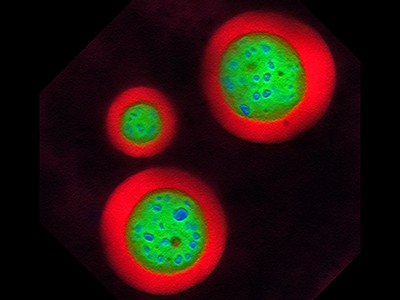
Optogenetic technology Corelet initiates condensate formation in the nucleus. Phase separation occurs after activation with light.Credit: Dan Bracha and Cliff Brangwynne
But optogenetic systems like Corelet only work with proteins that are already known to form condensates. That’s not a problem for drug hunters such as Reilly, who want to perturb condensate dynamics in natural settings for therapeutic gain. But many synthetic biologists are also seeking to harness condensate-mediated organization to imbue cells with new and interesting capabilities, such as enhanced drug production or the formation of super-crops and microorganisms.
“We want to build simple, engineerable, modular systems,” says Ashutosh Chilkoti, a biomedical engineer at Duke University in Durham, North Carolina.
Under control
In 2023, Chilkoti unveiled a series of artificial proteins that provide this level of control over condensate formation in bacterial cells. Guided by the molecular principles of phase separation, he and his colleagues — including Duke synthetic biologist Lingchong You and chemical biologist Yifan Dai, who is now at Washington University in St. Louis, Missouri — crafted shape-shifting proteins with repeating peptide sequences. These not only mimic the structure of disordered proteins found in natural condensates, but can also be fine-tuned to enable precise command over what they do.
Some of the bespoke condensates the researchers made boosted gene expression, whereas others effectively isolated target proteins from degradation components, extending their half-life6. A few even modified the distribution of charged particles in the cell, leading to electrochemical shifts that influenced cellular stress responses and overall gene-activity patterns7. “It’s programmable in a way that you can have precise regulation,” explains You.
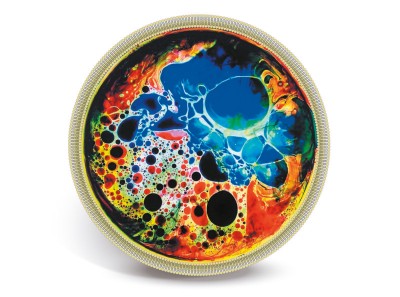
What lava lamps and vinaigrette can teach us about cell biology
The team behind these configurable condensates is mostly looking to harness the structures for synthetic-biology applications. But, as Dai points out, the same tools are also revealing the biochemical features that govern phase separation inside cells and suggesting never-before-seen functions for condensates — for example, creating pH gradients and electrical potentials — that others can now test. “It’s generating new hypotheses,” he says.
Similarly, biochemist Dek Woolfson and his colleagues at the University of Bristol, UK, have crafted synthetic proteins that are capable of co-condensing with one another. Each protein in the researchers’ design gets strategically fused to different enzymes that act in tandem to carry out a common biochemical function. Phase separation brings these proteins together, enhancing the efficiency of the associated pathway.
As a proof of concept, the researchers engineered condensates that would co-localize a pair of enzymes involved in the two-step conversion of the amino acid tryptophan to indigo, a blue dye. Bacteria expressing these designer condensates produced up to six times more indigo compared with bacteria with free-floating enzymes dispersed separately throughout the cell8.
According to co-author Alex Hilditch, a former doctoral student in Woolfson’s lab who is now at the Swiss Federal Institute of Technology in Lausanne (EPFL), this synthetic co-condensation strategy has the potential to optimize a wide range of enzymatic processes in bacterial-cell manufacturing. “And the real benefit,” he says, “is that, because you are just co-localizing things” — rather than altering their expression levels — “hopefully you shouldn’t increase the metabolic burden on your chassis organism”.
Fit for repurpose
Even with these newer technologies, the mainstays of condensate research remain older methods such as FRAP that have been adapted for phase separation but originated in other fields of enquiry. “There’s a lot of repurposing,” says Sua Myong, a molecular biophysicist at Boston Children’s Hospital. And a lot of poking, prodding, and mixing and matching of different techniques, often in both test tubes and living cells.
“Every procedure has its own caveats,” explains Alessandra Dall’Agnese, a cell biologist at the Whitehead. “This is why it is important to accumulate orthogonal lines of evidence that support, or not, your hypothesis.”
Phase separation inside the nucleolus.Credit: Marina Feric and Cliff Brangwynne
For molecular imaging, for example, researchers often tag proteins of interest with fluorescent markers. But these biochemical dongles can change the solubility or charge distribution of a protein, altering the kinetics of phase separation. “You have to be mindful of picking the right fluorescent protein to minimize these confounding effects,” says Jonathon Ditlev, a cellular biophysicist at the Hospital for Sick Children in Toronto, Canada.
Yet another consideration is that many of today’s laboratory techniques only work with big condensates — those that either can be seen under a microscope, or that contain artificially high concentrations of their constituent parts. Condensates come in a range of sizes, however. And it is quite possible, says Steph Weber, a cell biologist at McGill University in Montreal, Canada, that condensation inside small droplets happens by a completely different means, with different functional consequences, than it does for visible conglomerates.
“We’ve been looking at all these big things,” Weber says. But what happens inside smaller clusters could be equally, or more, important determinants of cellular order. “That might be where the action is.”
From condensates to compounds
Translating any experimental insight into actionable treatments is a complex task — a challenge well known to the team at one-time biomolecular firm Faze Medicines.
Company scientists had been trying to develop small molecules that could rectify the aberrant phase changes associated with cancer and motor neuron disease (also known as amyotrophic lateral sclerosis). They designed high-throughput assays to identify drug candidates that are capable of disrupting harmful interactions in condensates in a controlled laboratory setting9. Promising compounds could then be advanced to testing in living cells.
But, as Rachel Meyers, the company’s former chief scientific officer, points out: “It’s complicated biology.” And when broader economic pressures led investors to consolidate their holdings, the company was forced to cease operations. “We just weren’t far enough along,” Meyers says.
NatureTech hub
One company that is further along is Dewpoint Therapeutics in Boston. Last year, the firm, which was co-founded by Hyman and Whitehead biologist Rick Young (Dall’Agnese and Kilgore are both members of Young’s lab and consult for Dewpoint), unveiled a series of condensate-modifying drugs capable of rescuing motor neurons from the ravages of motor neuron disease, at least in cell culture. When administered at therapeutically relevant concentrations, these drugs helped to restore gene activity to normal levels and reduced the harmful effects of stress on the neurons, specifically preventing the cellular extensions known as axons and dendrites from shrinking, a common issue in the disease.
The company found these molecules through a phenotypic screening strategy, using robotic systems to bombard cells with an array of 370,000 unique molecules from Dewpoint’s chemical library. The process uses automated imaging systems and advanced artificial intelligence (AI) software to capture, quantify and sort through high-resolution pictures of the cells, looking for changes in the size, position or composition of condensates that could signal potential therapeutic benefits.
“It’s a discovery and technology platform,” explains chief scientific officer Isaac Klein — one that allows for “precision alteration of condensate behaviour”.
AI also underpins the drug-discovery philosophy at Transition Bio, which has branded its research platform Condensomics. The company uses a microfluidic system developed in Knowles’s academic laboratory for studying condensate dynamics under tens of thousands of conditions10. Data are then fed into machine-learning algorithms designed to tease apart the molecular ‘grammar’ of phase separation, aiding target prediction and drug design11.
“There’s enormous potential to include these techniques now in almost all aspects of our work,” says Knowles, who last year described a series of antimicrobial peptides discovered in this way that phase separate together with nucleic acids inside bacteria to exert their inhibitory effects12. “If you want to understand the sequence grammar,” he adds, “AI is really the only way to do that.”
Knowles’s AI model, termed DeePhase, forecasts protein entry into condensates on the basis of their structural pliability, fostering interactions at disordered regions that lead to phase separation. Yet, as Kilgore points out, these regions are not the only drivers of phase separation; other structures play a part as well.
Together with members of Regina Barzilay’s computer science lab at the Massachusetts Institute of Technology in Cambridge, Kilgore has been developing an AI tool that takes a holistic view of proteins and can even suggest sequences that should undergo phase separation inside cells. By integrating machine learning with these kinds of AI-generated sequence, Kilgore foresees a deeper understanding of the fundamental mechanisms and chemical principles that govern these enigmatic cellular structures, ushering in a new era of discovery for academics and drug developers alike.
Back in his laboratory, Kilgore zaps another condensate. As he considers the technical toolbox slowly taking shape in his field, he muses aloud: “It’s really going to be a game changer.”
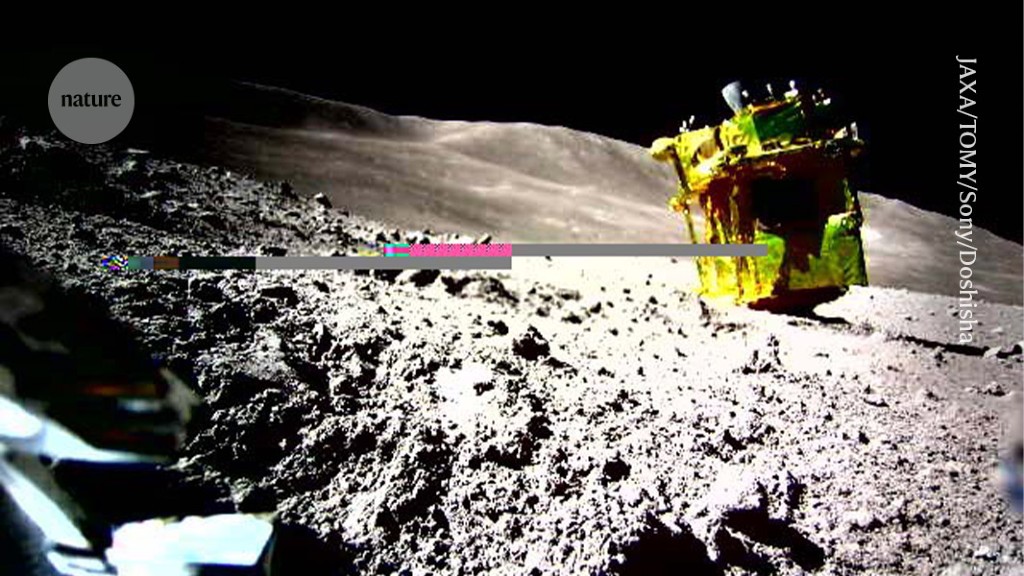
The lander was photographed upside down on the lunar surface. Credit: JAXA/TOMY Company/Sony Group Corporation/Doshisha
Defying expectations, Japan’s spacecraft, which touched down with unprecedented precision near the Moon’s equator last month, has survived the harsh lunar night and started communicating with Earth again. On Sunday, a command was sent to the Smart Lander for Investigating Moon, or SLIM, and a response was received, according to the Japanese Space Agency (JAXA).
SLIM was not designed to survive the deep cold night on the lunar surface, where temperatures drop below minus 130 degrees Celsius. JAXA’s engineers had remained hopeful that it would make it through the night, says SLIM project manager Shinichiro Sakai, but its message home was “a nice surprise”. “We knew that some of NASA’s Surveyors survived, so we felt we should also have some chance,” he says.
He believes the lander’s communications system, onboard computer and solar panels are working. JAXA announced later on social media that it was attempting to take new images with a multiband spectroscopic camera used to study the composition of rocks.
It’s been a rollercoaster ride for SLIM. Despite a successful on-target landing, JAXA lost contact with SLIM for some days when it rolled upside down. With its solar panels oriented the wrong way, it had only a trickle of energy with which to snap a photo and send it home before lunar night fell. The next lunar sunset for SLIM will take place on Thursday.
During the lunar day, extreme heat also becomes a problem for SLIM. With the Sun high, its radio electronics overheat very quickly and Sakai says the team will need to wait for the temperature to cool later in the week before they restart scientific investigation.
Electronic circuit boards can fail when they get too warm or cold, because they are built with different materials and the materials have different contraction rates, says Simeon Barber, a planetary scientist from Open University in Milton Keynes, UK. “It can generate significant twisting and stretching forces, and cause components or joints to crack or be pulled apart,” he says.
First private Moon lander touches down on lunar surface to make history
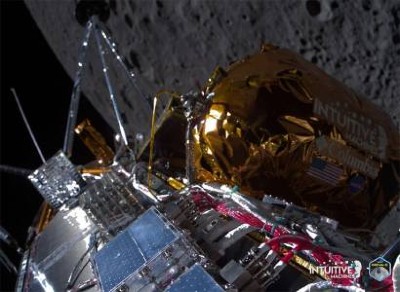
Both SLIM and the US spacecraft Odysseus, which made history last week by becoming the first privately built Moon-lander to complete a soft touchdown, experienced issues with landing positions. “Landing on the Moon is as difficult as it has always been,” says Barber.
The two recent spacecraft were built within many constraints, in particular cost, which places limits on their size and technology. “The two landers got almost everything right, but went awry at the last moments,” he says.
However the teams have obtained lots of data that will inform future attempts. “The best way to land successfully is to keep trying and to learn from previous attempts,” says Barber.
NASA’s new space telescope spotted a 13 billion-year-old galaxy that is much too complex to exist that early in the Universe.
The galaxy, which is bigger than the Milky Way, could upheave what we know about how dark matter shaped the early Universe.
Scientists had been tracking the galaxy, called ZF-UDS-7329, for a while, but they had never been able to get a close enough look, Karl Glazebrook, an astronomer at the Swinburne University of Technology who led the team, said in a statement.
With the James Webb Space Telescope, they were finally able to peer at the galaxy about 11.5 billion years in our past. Light travels at a fixed speed through space, so the image of these early galaxies in the past is only reaching us now.
The team found that ZF-UDS-7329 seemed much more advanced than was previously thought possible.
It looked to contain about four times as many stars by mass as the Milky Way. These stars also looked ancient, about 1.5 billion years old, suggesting the galaxy is about 13 billion years old.
According to current cosmology models, that should not be possible because dark matter is not supposed to have been mature enough at that time.
“The leading theory is that an ocean of dark matter filled the early Universe after the Big Bang,” astrophysicist Ivo Labbe of Swinburne University of Technology — an author on the paper — previously told Reuters.
Dark matter is the elusive, invisible stuff that makes up more than 80 percent of the Universe. Scientists still don’t understand what it is and haven’t seen it, but they can pick up its shadow by looking at how it distorts light around the Universe.
“This dark matter – we don’t know what it actually is – started out really smooth, with only the tiniest of ripples. These ripples grew over time due to gravity and eventually, the dark matter started to collect in concentrated clumps, dragging hydrogen gas along for the ride,” Labbe said.
The galaxy found by the James Webb telescope shouldn’t be able to exist under this model.
Scientists previously expected these small ripples would only create small, disordered, clumpy galaxies in the Universe’s early days. Only after about one billion to two billion years should these early protogalaxies start clumping together, forming more complex, ordered entities, per Space.com.
This isn’t the only galaxy that has been spotted challenging this model. Scientists previously found a 11.7 billion year old barrel galaxy, billions of years before they thought it was possible.
“Having these extremely massive galaxies so early in the Universe is posing significant challenges to our standard model of cosmology,” said study coauthor Claudia Lagos, an associate professor of astronomy from the University of Western Australia.
The other puzzling finding is that this galaxy didn’t seem to continue to evolve. Instead, it became quiescent.
“This pushes the boundaries of our current understanding of how galaxies form and evolve,” Themiya Nanayakkara, study author and astronomer at the Swinburne University of Technology, said in the statement.
“The key question now is how they form so fast, very early in the Universe, and what mysterious mechanisms lead to stopping them from forming stars abruptly when the rest of the Universe is doing so,” said Nanayakkara.
Glazebrook, however, cautions that it’s too early to throw out the current model altogether. Although the galaxy is interesting, more evidence is needed to confirm their generalizable observations.
“This result sets a new record for this phenomenon. Although it is very striking, it is only one object. But we hope to find more; and if we do this will really upset our ideas of galaxy formation,” he said in a statement.
Discover more about canary probe test on our partner resource. Many users find it offers quite comprehensive options for their needs.
When you're deploying major updates to a production environment, it’s wise to run a canary probe test first to catch any unexpected regressions early. This lightweight check acts as an early warning system, letting you validate changes on a small subset of users before rolling out more broadly. It’s a simple step that can save hours of debugging later.
Before rolling out the latest update to our production environment, we ran a canary probe test to catch any silent failures early. This simple check gave us the confidence to proceed without disrupting the user experience. It’s amazing how much peace of mind a tiny, targeted test can provide.
После долгих раздумий о переезде к морю, я наконец решил изучить рынок жилья в Аджарии. Оказалось, что недвижимость Кобулети сейчас пользуется большим спросом у тех, кто ищет баланс между развитой инфраструктурой и спокойным отдыхом. Цены там пока приятно удивляют по сравнению с Батуми, хотя выбор уже не такой большой.