





Type 2 diabetes is becoming increasing common around the world.
And while genetics certainly plays a strong role in driving the disease, many studies have shown that the world around us – and our behaviors within it – also have a hand in shaping our diabetes risk.
A team of public health researchers from institutions in Australia and the US has now identified a link between access to green space – particularly private gardens and parks – and the risk of type 2 diabetes.
The researchers used data from more than 400,000 participants in the UK Biobank, determining the incidence of type 2 diabetes from hospital records with a median follow-up of 15.4 years. They also used the OS MasterMap Greenspace Layer to determine UK residents’ access to public and private green spaces.
Bringing these two datasets together, some trends emerged.

frameborder=”0″ allow=”accelerometer; autoplay; clipboard-write; encrypted-media; gyroscope; picture-in-picture; web-share” referrerpolicy=”strict-origin-when-cross-origin” allowfullscreen>
Generally, the more green space that surrounded people’s homes, the lower their type 2 diabetes risk.
People with substantial private gardens within 100 meters (328 feet) of their home (and, presumably, access to their own garden) were 6.8 percent less likely to develop type 2 diabetes than people in the lowest quartile when it came to having gardens in their radius.
People were also 5.7 percent less likely to develop type 2 diabetes if there were four or more parks in their neighborhood.
Curiously, whether parks were within walking distance didn’t seem to matter much.
This is an observational study, which means it can only identify associations, not establish a cause.
There are plenty of potential confounding factors at play, some of which (including smoking status, alcohol intake, and a family history of diabetes) the researchers accounted for in their analysis.
Even so, this kind of observational research encompasses all the chaos and unpredictability of real life, for better or worse.
For instance, we know exercise can help reduce type 2 diabetes risk, even among those genetically predisposed to the disease. And it makes sense that people with easy access to gardens and parks may be getting more exercise than those with less access.
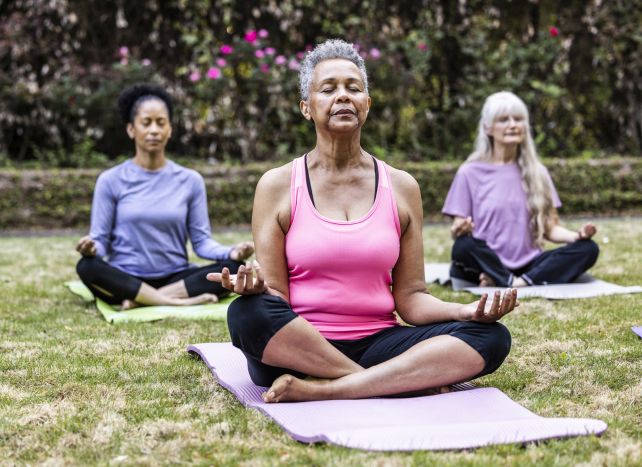
Prior research has shown that people who live in neighborhoods with a higher number of parks exercise about 24 minutes extra each week than those in neighborhoods where parks are scarce.
We also know that people with lower incomes and education levels are disproportionately affected by diabetes, and they are less likely to have access to green spaces.
In the midst of a global housing crisis, private gardens have become a luxury many cannot afford. And those same people are also generally less able to access healthcare, or afford the kind of lifestyle tweaks that can reduce risk for type 2 diabetes, such as eating a diet high in vegetables.
As urban planners, governments, and developers reckon with the housing crisis, this study suggests public green spaces should be part of their plans.
“Current housing challenges mean there are more high-density residential dwellings under development, and this research shows public health considerations need to be prioritized when planning green spaces,” says UQ environmental epidemiologist Chinonso Odebeatu.
“The evidence shows having a garden is more than just aesthetics, because people’s health will be impacted if green space isn’t factored into residential developments.”

“The findings from this study show how public health needs to be considered in urban planning because the decisions we make today will impact our future health,” says epidemiologist Nicholas Osborne, also from UQ.
There are so many ways that green spaces improve the health of a neighborhood, and the kind of green space seems to be a really important factor (hint: fields of mown grass aren’t going to cut it).
Private residential gardens, for instance, may offer their occupants time outside without the pressure to look a certain way before leaving the house, and a more hands-on experience of the outdoors.
Related: ‘Natural Protection From Asthma And Allergies’: Scientists Isolate Bacteria Behind The Immune System Farm Effect
Further research could start to untangle exactly what it is about green space – and private gardens in particular – that mitigates diabetes risk, though Osborne has a few ideas.
“Along with physical activity, being outside in a garden also helps with vitamin D levels and the restorative aspects of being outside, which can greatly benefit mental health,” he says.
“Being outdoors also exposes people to a range of microbes that improve gut health and boost the immune system.”
Whatever it is that explains these results, it’s a good reminder to get your daily dose of greenery where you can.
But perhaps even more importantly, it’s a reminder that our healthcare system extends far beyond the walls of the hospital.
The research is published in BMC Public Health.
This article was fact-checked by Rebecca Dyer and edited by Clare Watson. While we pride ourselves on our process, we are only human. If you spot a mistake, please let us know.


