Artificial intelligence could transform the race to develop ever more effective obesity drugs. Compounds designed by machine-learning models are highly successful at switching on two receptors involved in controlling weight, a study shows1.
Access options
Access Nature and 54 other Nature Portfolio journals
Get Nature+, our best-value online-access subscription
£14.99 / 30 days
cancel any time
Subscribe to this journal
Receive 51 print issues and online access
£199.00 per year
only £3.90 per issue
Rent or buy this article
Prices vary by article type
from$1.95
to$39.95
Prices may be subject to local taxes which are calculated during checkout
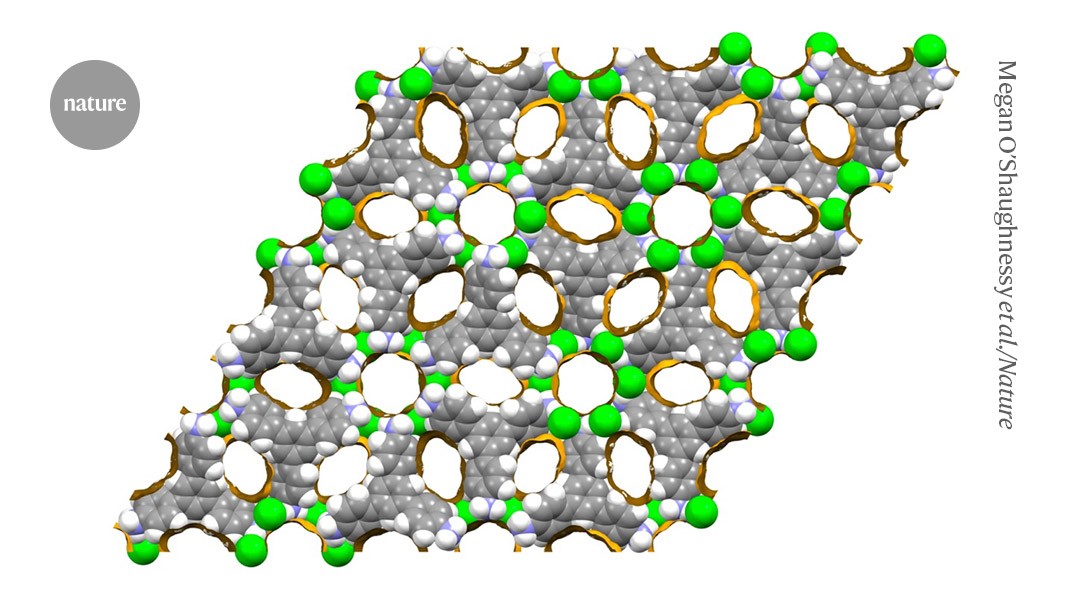
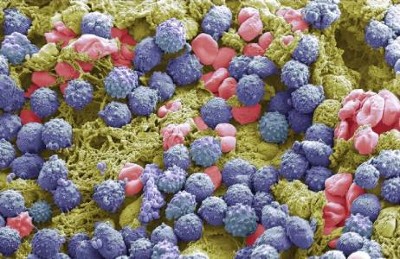
A computer simulation depicts a non-metal organic framework material that is comprised of chloride nodes (green) and amine linkers and is studded with large pores (yellow; carbon in gray, hydrogen in white, nitrogen in purple).Credit: Megan O’Shaughnessy et al./Nature
The revolutionary materials called metal–organic frameworks have taken chemistry by storm. Their highly porous structure makes them useful in venues from laboratory to factory, prompting scientists to create thousands of varieties. Now, a team has used computer simulations to design frameworks that skip the metal and are instead made entirely from organic salts1.
Salt-based frameworks could be cheaper to manufacture than their metal–organic counterparts and could have qualities that existing frameworks lack. The simulations have already yielded salt-based frameworks that can capture a pollutant produced in nuclear waste.
The research was published on 22 May in Nature.
Modular materials
Metal–organic frameworks, or MOFs, are built from cage-like modules. Each module is defined by metal ions or clusters that serve as nodes, linked by rigid carbon-based connectors — think of the hubs and rods in construction toys or scaffolding. The spaces between these components can hold other molecules, so MOFs can be used to filter and separate chemicals. Their modular construction has made it possible for scientists to create more than 90,000 types2 and has propelled the development of analogous frameworks made from other materials.
Machine learning speeds up synthesis of porous materials
Frameworks made from salts, chemicals that are held together by ionic attraction between positively and negatively charged components, could have physical properties that are distinct from those of existing porous materials. Another benefit is that most organic salts are made of abundant elements, so there’s no need for the rare or expensive metals found in many MOFs.
But despite multiple attempts to make porous salt crystals over the past three decades, they remain few in number and much less stable than MOFs.
That’s partly because salt frameworks are intrinsically more difficult to design from scratch, says Graeme Day, a chemist at the University of Southampton, UK, and a co-author of the latest study. The ionic bonds between the charged particles that comprise salt crystals don’t follow the same geometric rules as the metal–organic bonds key to MOFs, and thus are much more variable. That means “it’s almost impossible to intuitively predict how the different components of these crystals are going to pack together”, Day says.
Simulating salts
To address this challenge, Day, chemist Andy Cooper at the University of Liverpool, UK, and their colleagues turned to a computational technique called crystal structure prediction. They applied this to work out how to make frameworks from salts called ammonium halides, in which the positively charged linkers are nitrogen-containing amine molecules and the negatively charged nodes are halide ions such as chloride or bromide.
The authors adapted the technique to simulate the complex interactions between halide nodes and various types of ammonium linker. This allowed the team to screen possible frameworks virtually to determine the best candidates to try making in the lab.
Guided by these calculations, the team settled on linkers called TT, TTBT and TAPT, each of which has three arms ending in a nitrogen group. The simulations predicted that these linkers would form stable frameworks with defined pores that varied in volume depending on the size of the linker.
Simple synthesis
The researchers made the compounds by mixing up solutions of the chosen linker and adding either hydrochloric acid or hydrobromic acid, drop by drop, at room temperature. “Once we got the prediction, the synthesis was really very simple,” Cooper says. Using a suite of high-resolution measurements, the team confirmed that the crystal structures of the synthesized materials matched those of highly stable porous arrangements predicted by the simulations. The researchers call the materials non-metal organic frameworks.
To explore the applications of non-metal organic frameworks, the researchers tested their ability to capture iodine — a highly desirable property, because nuclear waste often contains radioactive iodine. They found that all three materials performed just as well as, if not better than, most MOFs.
Tom Woo, a computational chemist at the University of Ottawa, says the iodine-uptake experiments are a compelling demonstration of how this type of material could become very useful, especially given how easy it is to synthesize.
K. Travis Holman, a chemist and materials scientist at Georgetown University in Washington DC, says the findings illustrate a combination of computational prediction and synthesis that has “unparalleled” power. Both Woo and Holman agree that these methods create a new avenue for the rational design of porous salt frameworks and will accelerate the development of materials.
Jacqueline DeMink, art; Thomas Dyke/photography; ORNL, UA.S. Dept. of Energy
A new compound containing one of the rarest elements in the world, promethium, has revealed its mysterious properties for the first time.
Promethium only exists naturally in minuscule amounts – Earth’s crust contains just about half a kilogram of the element. In 1945, researchers at Oak Ridge National Laboratory in Tennessee managed to produce it as a byproduct of the Manhattan Project’s plutonium enrichment programme. Its nuclear origins led to its name, after the Greek titan Prometheus, who stole fire and brought it to humans.
It is now routinely produced, albeit in tiny quantities, from the radioactive decay of uranium and can be incorporated in simple compounds for uses like luminous paint or nuclear batteries. But its extremely radioactive nature means it is inherently unstable, making it difficult to form long-lasting compounds that are easy to study. The crystal structures that it does exist in also exert forces on promethium’s chemical bonds, obscuring its fundamental chemistry, such as how long its atomic bonds are and how they form with other compounds.
Now, Alexander Ivanov at Oak Ridge National Laboratory and his colleagues have found a way to form a promethium compound in water. This dampens some of the damaging effects of radioactivity and avoids the obscuring effects of crystal structures, allowing the team to study the element’s chemistry in detail for the first time.
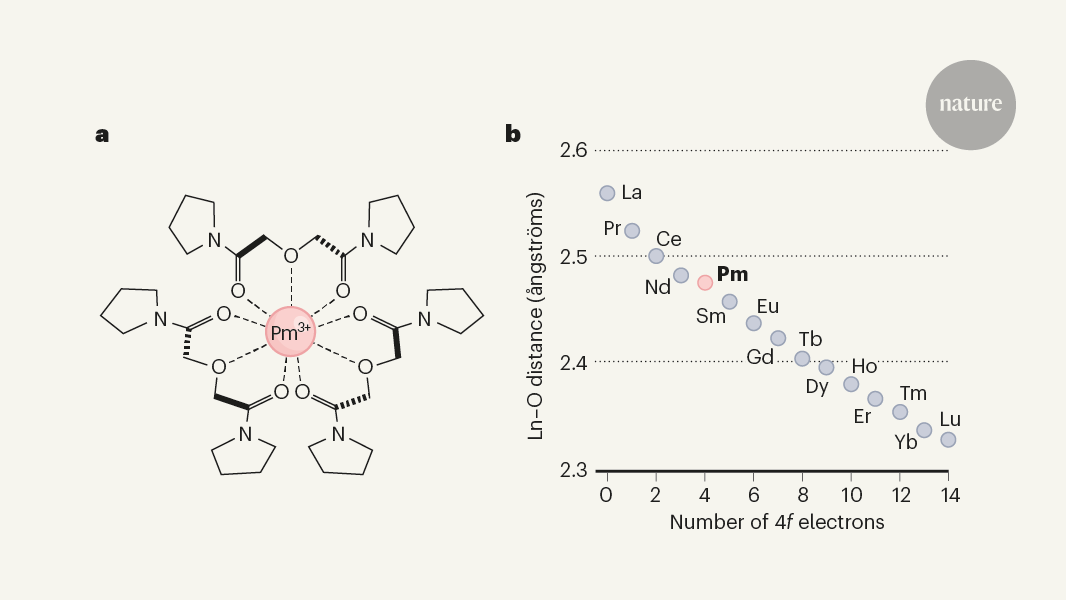
First, they synthesised a compound called bispyrrolidine diglycolamide (PyDGA), which is based on molecules that form compounds with elements similar to promethium. When promethium was added to this molecule in a solution, it formed the compound Pm-PyDGA, which has a bright pink colour due to its electron structure.
Ivanov and his team then fired X-rays at the compound and measured which frequencies it absorbed, revealing how the promethium was chemically bonded. This showed that the bond length between promethium and nearby oxygen atoms was about a quarter of a nanometre, which matched computer simulations they had run.
“It’s rather beautiful chemistry, and to see the delicate pink colour of this complex is a real joy,” says Andrea Sella at University College London.
Information about promethium’s bonding behaviour will help improve processes for producing purer samples in larger quantities from radioactive waste, says Ivanov, and could also be used to design new medical compounds, such as for radioactive imaging or cancer treatment. “This kind of fundamental information could help us to drive new technologies,” he says.
Nature, Published online: 22 May 2024; doi:10.1038/d41586-024-01358-0
A simple design approach and predictive computational methods have spawned a pathway for making materials that could trap specific molecules — an ability needed for applications such as carbon capture.
The chemistry of promethium, a rare radioactive element, has been clouded in mystery, owing to its scarcity and the difficulties involved in working with it. The synthesis of a complex of promethium plugs this knowledge gap.
A start-up is testing a new system to capture carbon dioxide from shipping exhaust and discharge it into the ocean
Calcarea
Ships could capture their own carbon dioxide emissions by bubbling exhaust through seawater and limestone, then pouring the water back into the ocean. This could save space and energy compared with other systems, but it is unclear what the environmental impacts might be.
The system takes advantage of a natural reaction between CO2 and calcium carbonate, also known as limestone. “The ocean has been running exactly this reaction for billions of years,” says Jess Adkins at Calcarea, the start-up behind the technique.
When seawater absorbs CO2, it becomes acidic enough to break down limestone. The dissolved rock then reacts with CO2 in the water to form bicarbonate minerals, which can remain stable in the ocean for millennia. This is one of the primary ways the planet removes CO2 from the atmosphere over long timescales.
For decades, Adkins and his colleagues studied how this dynamic affects organisms with shells or skeletons made of calcium, like corals, as the oceans become more acidic due to rising levels of atmospheric CO2. They realised that speeding up the rate at which limestone dissolved would transform more CO2 into stable bicarbonate – and one way to do this was to increase the concentration of carbon dioxide exposed to limestone. “You can make [the reaction] go an order of magnitude faster if you use pure CO2,” says Adkins.
The researchers have now designed a way to use this process to capture carbon from ships, which are responsible for about 3 per cent of all human-caused CO2 emissions and have limited options to reduce their footprint.
Adkins says tests in California demonstrated that two prototypes can convert at least 30 per cent of the CO2 in diesel engine exhaust into bicarbonate. They are now working with the research arm of Lomar Shipping, a global shipping company, to test the system on a ship.
The on-board test would involve compressing exhaust, then bubbling it through large volumes of seawater, using the movement of the ship as a water pump to save on energy. The more acidic water would then flow over crushed limestone to form bicarbonate, before being discharged back into the ocean.
Adkins says this technique doesn’t use up as much space and is more flexible than other approaches, which require storing captured emissions on board and offloading them at specialised ports. Still, he estimates the Calcarea system would take up about 4 per cent of the space on a large bulk carrier ship sailing on a long voyage.
Phil Renforth at Heriot-Watt University in the UK says the idea is interesting but could face a few problems. For one, he says the approach is unlikely to ever capture all the CO2 from the exhaust without impractically large reactors. As more options for low-emissions shipping fuels become available, that may prove to be a better option than capturing emissions.
“We also need to know a lot about the consequences of scaling this up,” he says. Discharging bicarbonates into the ocean wouldn’t be a concern because they are abundant in seawater, but he says other compounds in the exhaust could have negative effects on ecosystems.
Many ships already use systems that discharge sulphur pollution from exhaust into the ocean. But the agencies that regulate global shipping and international waters remain divided on how to address schemes to store CO2 in the sea.
The quantum properties of super-cooled atoms surprisingly endured chemical reactions
Panther Media GmbH/Alamy
Odd quantum phenomena can survive the havoc of a chemical reaction, researchers have found. This could eventually prove useful for emerging quantum technologies or reveal surprising quantumness in nature.
“Typically, people describe chemical reactions as a very chaotic thing: you put a whole bunch of atoms in there, they do a little ‘dance’ and then when products are formed, they just fly out,” says Lingbang Zhu at Harvard University. He and his colleagues set out to see what this does to the quantum properties of molecules.
Quantum objects can act as both particles and waves. The researchers focused on a property called coherence, which reflects molecules’ wave-like character. Quantum entanglement, which makes objects inextricably linked even across massive distances, is closely related to coherence. So, the experiment offers insight into entanglement’s fate during a chemical reaction.
Molecules’ quantum properties are most prominent at extremely low temperatures, so the researchers studied potassium and rubidium atoms at mere billionths of a degree above absolute zero. To achieve this chill, they placed the atoms in an airless chamber and applied a precise combination of laser beams, magnetic fields and pulses of microwaves to cool them and combine them into molecules.
These molecules spontaneously underwent chemical reactions, but Zhu and his colleagues carefully controlled their initial quantum states, including their coherence and entanglement. After the reaction, they assessed the quantum properties of the resulting products. These molecules managed to keep their coherence, or wave-like property – so much so that they overlapped and interfered with each other like two conventional waves with mismatched peaks and valleys.
Yong Chen at Purdue University in Indiana says experiments like this open the door for a new stage of quantum research where scientists are not just passively uncovering quantum properties but finding ways to control them instead. However, he says, future experiments could still diagnose molecules’ entanglement more directly.
The team is now investigating how to leverage molecules’ quantum properties to control what kind or how many products the reactions make, and to glean hints of whether chemical reactions that happen in nature could contain more quantumness than previously thought, says Zhu.
Researchers adapted a peptide similar to the one used in the obesity drug Wegovy to have an even more potent weight-loss response in mice.Credit: Lise Aaserud/NTB/Alamy
With obesity drugs now helping people to slim down, researchers are working to capitalize on their popularity by bulking up the weight-loss drug pipeline. The latest contender takes a Trojan horse approach — hiding a small molecule in a gut-hormone-mimicking peptide already used in obesity drugs — to strike a double blow to the brain cells that control appetite.
Obesity drugs aren’t always forever. What happens when you quit?
The new work, which demonstrated the effects of this drug candidate in mice and rats, was published today in Nature1.
“It’s a strong paper,” says Daniel Drucker, an endocrinologist at Mount Sinai Hospital in Toronto, Canada, who helped to unravel the role of gut hormones such as GLP-1 (glucagon-like peptide-1) and GIP (glucose-dependent insulinotropic polypeptide) in obesity. The blockbuster weight-loss drugs semaglutide (Wegovy) and tirzepatide (Zepbound) act by mimicking these hormones, binding to their receptors on neurons in the brain that control hunger pangs. These drugs can help people to lose 15–20% of their body weight. And it could be possible to eke even more activity from these hormone mimics by fusing them to other drugs, the new study suggests.
“Very high marks for the novelty” of the research, says Drucker, who was not involved and consults for the pharmaceutical industry. “Let’s hope that we’ll see some proof of concept in the clinic”, when the approach is tested in humans.
Trojan therapeutics
The drug contender takes aim at both the GLP-1 receptor and the NMDA receptor, an ion channel found on cells in the brain that was linked to obesity in 20152. At the time, small molecules that blocked the NMDA receptor seemed like a non-starter for obesity-drug developers, because this type of compound, which includes the party drug and antidepressant ketamine, is riddled with harmful side effects.
Obesity drugs have another superpower: taming inflammation
But Christoffer Clemmensen, a metabolism specialist at the University of Copenhagen, saw a path forwards. He speculated that it might be possible to sidestep the safety risks by fusing an NMDA-receptor blocker to a gut-hormone mimic that acts only on the neurons that regulate appetite.
To make this a reality, Clemmensen and his colleagues attached a peptide that looks like the GLP-1 hormone to a small molecule, dizocilpine (also called MK-801), that blocks the NMDA receptor. Dizocilpine was discovered in the 1980s by researchers at the pharmaceutical firm Merck & Co., based in Rahway, New Jersey, but then abandoned. Clemmensen and the team saw that, in mice and rats, GLP-1-loving neurons in the brain would take up this peptide–drug conjugate, and then cut the dizocilpine payload loose to block the NMDA receptor. (Some members of the team work at Novo Nordisk, which makes semaglutide, although Clemmensen says this was an academic collaboration and not a commercial one.)
“This is a really creative way to optimize for weight loss,” says Darleen Sandoval, a physiologist at the University of Colorado in Aurora. “The big picture here is how far we have come in terms of being able to target the brain to treat obesity,” adds Sandoval, who co-authored an accompanying commentary about the study in Nature3.
Treating mice with dizocilpine alone caused side effects such as overheating and excess movement. The peptide–drug conjugate was safer, and it offered similar weight-loss benefits to treating mice with semaglutide alone. Where the conjugate shone was in mice pre-dosed with semaglutide: once the animals reached a weight-loss plateau with that drug, giving them the conjugate as an add-on treatment drove their body mass down further.
“It is competitive with the current best therapies on the market,” says Clemmensen. “Possibly, we can outperform these.”
To the clinic
As a next step, Clemmensen and some colleagues have co-founded Ousia Pharma, based in Copenhagen, to advance a related drug candidate into clinical trials. This potential therapeutic, called OP-216, has the added benefit of also mimicking GIP in addition to GLP-1, Clemmensen says. “We could be in the clinic in 2025,” he adds.
Beyond Ozempic: brand-new obesity drugs will be cheaper and more effective
The success of the current crop of obesity drugs has set a high bar for next-generation therapeutics. But “there’s definitely room for more drugs and targets”, says Ruth Loos, an obesity geneticist at the University of Copenhagen who co-led the 2015 genetics study that linked the NMDA receptor to obesity2. Not everyone sheds weight using the currently available options. And gut-hormone mimics need to be taken continuously to have an effect.
Loos, who has also consulted for the pharmaceutical industry, was not involved in the development of the latest peptide–drug conjugate, but hopes it will encourage others to look for innovative ways to treat obesity. Dozens of weight-loss drugs are already in the clinic — many targeting GLP-1 and GIP — and drug developers are on the lookout for up-and-coming agents, especially given that the weight-loss drug market is forecast to be worth up to US$100 billion by 2030.
By 2035, over half of adults worldwide are predicted to be obese. Treating them with obesity drugs could confer wider health advantages, such as cardiovascular and anti-inflammatory benefits. Trials of these drugs are also under way for kidney disease, Parkinson’s and Alzheimer’s disease and addiction-related behaviours such as drinking and smoking.
“Not all these trials are going to be successful,” Drucker says. But enough might pan out to reshape the therapeutic landscape, he adds. “It’s going to be fascinating to watch.”
“When I started working on obesity in 2013, there was no interest in it,” Clemmensen says. Right now, he adds, all the activity is a little bit wild.
Virginia Commonwealth University is developing innovative metal treatments to increase corrosion resistance in molten salt systems, improving cost-efficiency and reducing waste.
Corrosion of materials is a major aspect of many countries’ economic status, regularly reported as over 3% of the global Gross Domestic Product (GDP) and between $2-3tr.1,2
Many corrosion studies have been done by a myriad of universities and national labs across molten salt reactors (MSRs), pyro-processing systems and concentrated solar plant (CSP) salts.3,4,5,6,7,8,9,10
While the variety of molten salts across this spectrum have distinct properties that make them excel in their individual fields, the underlying issue of corrosion and the need for corrosion resistance can be seen throughout them all, particularly in how the mechanism for corrosion resistance is based in the alloy content of the least noble element and preventing its dissolution.3
At a molecular level, the ionic nature and high temperature of molten salt systems create a uniquely aggressive and corrosive operating environment. In an attempt to subdue this damage and decrease corrosion losses, high-cost material alloys, chemical/electrical redox potential control, and various metal treatments are among previously tested solutions.
Pre-treatment to form oxide layers via high-temperature oxidation atmospheres has proven useful in CSP studies, and laser ablation treatments within the automotive industry have shown corrosion resistance improvements.11,12,13
By utilising metal treatments like laser ablation to fine-tune oxide layer application, increased corrosion resistance can be developed to prevent the dissolution at the heart of salt system material loss.3
Corrosion explained
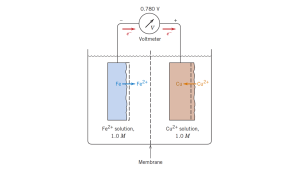
Corrosion is an electrochemical reaction, often on the surface of a metal, that can be described as destructive and unintentional.14 A full electrical circuit is made between two metals with an electrochemical potential difference, bridged by a conductor on one side and the ions of a molten salt electrolyte on the other (see Fig. 1 below).15
Fig. 1: An electrochemical cell with corrosion happening on the anode (left) and deposition on the cathode (right)17
The potential difference removes electrons from the metal with the lower reduction potential, causing a positive ion of that metal to separate from the anode. This electrode corrodes. Following the electrical path, an electron from the other electrode is attracted to a positive metal ion in the salt solution, creating a neutral metal atom that deposits on that electrode. This second electrode, where deposition happens, is the cathode.
In the case of corrosion in molten salt environments, the metals of the equipment are anodes that dissolve via oxidation, and impurities (like moisture, oxygen, or fission products) are cathodically reduced. 3
Some materials, when subjected to high temperature, high pH or high energy interactions like laser ablation in the presence of oxidants, will undergo a layer of corrosion at the surface.16,17 This reduction-oxidation (redox) reaction will create a layer of scale across the surface of the metal that requires a higher electrochemical potential difference in order to corrode, if it is possible at all.
This reaction is referred to as passive corrosion or, in terms of the scale specifically, can be referred to as creating a passivation layer. Though less effective when incomplete and porous, creating a solid, fully-formed oxide layer prior to use in the environment can ensure that the layer is fully passivating prior to being subjected to the harsh environment.
By achieving this passivation, the surface becomes resistant to pitting and crevice corrosion that may be otherwise caused by imperfections in the surface layer and impurities in the environment.18 Active metals with porous layers are prone to localised attack with relatively high rates of corrosion due to the inequality of diffusion and consumption rates of oxidants in the melt.19
In the event of a fully formed, protective scale, the corrosion rate is limited by the transportation of metal ions rather than the diffusion of oxidants.19
Passivation to prevent corrosion
Many studies have pointed to passivation as a means of corrosion prevention based on its ability to block active sites on alloy surfaces.3,4,19,20,21,22,23,24 Specifically, layers are likely to naturally form on many alloys when used in molten salt systems.
However, these layers are generally porous and incomplete due to impurities within the salt, causing localised oxidant attacks.19,15 The Gomez-Vidal, Guo and Chowdari groups point to aluminium oxide layers as effective passivation barriers against chromium dissolution as the predominant mechanism in high-temperature salt corrosion.3,11,5
It is likely, however, that the oxygen content or energy distribution of the passivation method was lacking in the attempts researched by Gomez-Vidal et al., as evidenced by the unstable alumina layers present and spalling during thermal cycling and Cr depletion after testing was completed.12 This depletion can likely be attributed to the presence of porous oxide layers rather than the desired complete layers.
Analysing data like Nyquist plots, the corrosion resistance of porous passivation layers is generally higher than that of bare, active metal.25 However, unless the parameters of the system are such that it will facilitate a full film, over time, the corrosion resistance of the material decreases due to the deterioration of the partial layer.
A fully formed layer will have a much longer lasting and more significant corrosion resistance (as seen by the Nyquist plot studies shown in Zeng, Wang, and Wu’s 2001 work) without the diffusion and subsequent electrolyte resistance increase.19 These are representative of lower, long-term corrosion rates.
Because of the success of layer formation in high-temperature CSP environments, as well as the decrease in corrosion rates due to laser ablation of automotive aluminium joints, utilisation of laser ablation on nuclear-based materials to be used in molten salt appears feasible. Beyond current work being done on the subject, plasma-sprayed aluminium coatings in aqueous chloride environments have already shown decreased corrosion rates on steel.12
Additionally, the minimisation of environmental control requirements and ultimate adjustability of laser parameters in the application of passivation layers over different sizes, shapes and materials bodes well for increased usability.
By being able to fine-tune the application of oxidation layers specifically to ionisation energies of the desired material, passivation layers most likely to prevent alloy dissolution are expected to not only be feasible but repeatable at lower costs than temperature-based methods or currently recommended alloys.
Laser ablation is the use of focused photons at certain energies to create a high-power-density plasma at a sample’s surface. This energy is transferred to the material through thermal conduction, radiative transfer and shockwave heating, ultimately ejecting particles and ions from the surface.26
It is characterised by small ablation craters along the material surface, proportional to the laser beam diameter. When used in the application of oxidation layers, the high temperature of the plasma at the surface can also break atmospheric oxygen bonds, allowing the oxide to form from ejected metal ions and environmental oxygen ions. As the plasma cools and energy is released, the formed oxides deposit on the sample surface.
The adjustment and combination of laser parameters, including laser diameter/spot size, wavelength, spacing/overlap, etc., directly affects the energy deposited and, subsequently, the ability to form oxide layers in addition to their thickness. The latter is also directly affected by oxygen partial pressure in the application environment.11
High-temperature environments at low oxygen partial pressures created dense and smooth alpha phase alumina, most likely to create fully formed passivation layers, whereas higher partial pressures showed mixed-oxide and theta phase alumina, which proved to be non-protective.11
This smooth, fully formed, protective layer will not only minimise corrosion potential but ideally present primarily terrace ions for dissolution, minimising the more readily available kink sites.3
An evolving solution
Reducing the corrosion of the array of metallic alloys used for molten salt systems is of significant importance to our society and economy.
The current state of the literature regarding this field shows a varied and in-depth range of experimental testing, but it can always use improvement.
The implementation of innovative approaches to corrosion resistance and passivation is vital to improving corrosion mitigation and the overall state of corrosion damage not only in this field but across the engineering spectrum.
The utilisation of laser ablation as a precise and flexible means of applying passivation layers stands to reduce the cost of materials required to employ molten salts in solar and reactor power, as well as the future of fuel waste recycling.
References
B Fuente, I Díaz, J Simancas Morcillo M Annual atmospheric corrosion of carbon steel worldwide. An integration of ISOCORRAG ICP/UNECE and MICAT databases. Materials, 10 (2017), p. 601
Kania, Henryk. “Corrosion and Anticorrosion of Alloys/Metals: The Important Global Issue.” Coatings 13, no. 2 (2023): 216
Guo, Shaoqiang, Jinsuo Zhang, Wei Wu, and Wentao Zhou. “Corrosion in the molten fluoride and chloride salts and materials development for nuclear applications.” Progress in Materials Science 97 (2018): 448-487
Chowdari, Jagadeeswara Rao, and Sublime Ningshen. “Molten salt corrosion of candidate materials in LiCl–KCl eutectic for pyrochemical reprocessing applications: a review.” Corrosion Reviews 41, no. 2 (2023): 117-141
Alimgulov, Ruslan R., Anastasia I. Trubcheninova, Aleksandr V. Abramov, Arkadiy Yu Zhilyakov, Sergey V. Belikov, Oleg I. Rebrin, and Ilya B. Polovov. “Corrosion of Metallic Materials in 3LiCl-2KCl and 3LiCl-2KCl-UCl3.” ECS Transactions 98, no. 10 (2020): 307
Park, Jun Woo, and Jong-Il Yun. “Corrosion Behaviors of SS316 and Ni-base Alloys in Molten LiCl-KCl Salt at High Temperature.” order 101, no. 001: 111
Shankar, A. Ravi, A. Kanagasundar, and U. Kamachi Mudali. “Corrosion of nickel-containing alloys in molten LiCl-KCl medium.” Corrosion 69, no. 1 (2013): 48-57
Jia, Yanhong, Shuangshuang Chang, Xin Du, and Shaoqiang Guo. “Corrosion Performance of Commercial Alloys and Refractory Metals in Conditions for Electrorefining of Spent Nuclear Fuels.” Crystals 13, no. 5 (2023): 817
Ghaznavi, Touraj, Suraj Y. Persaud, and Roger C. Newman. “Electrochemical corrosion studies in molten chloride salts.” Journal of the Electrochemical Society 169, no. 6 (2022): 061502
Zhongdi, Yu, Jinping Wu, Wei Liu, Wei Zai, Longfei Xie, and Meng Cao. “Interfacial Corrosion Behavior of the Hastelloy N and C276 Alloy in Molten Licl-Kcl Salt at 550° C.” Available at SSRN 4365732
Gomez-Vidal, J. C., A. G., Fernandez, R., Tirawat, C. Turchi, and W., Huddleston. “Corrosion resistance of alumina-forming alloys against molten chlorides for energy production. I: Pre-oxidation treatment and isothermal corrosion tests.” Solar Energy Materials and Solar Cells 166 (2017): 222-233
J.C. Gomez-Vidal, A.G. Fernandez, R. Tirawat, C. Turchi and W. Huddleston. “Corrosion Resistance of Alumina Forming Alloys Against Molten Chlorides for Energy Production. II: Electrochemical Impedance Spectroscopy Under Thermal Cycling Conditions,” Solar Energy Materials & Solar Cells, 166, 234–245 (2017)
H. Wan, J. Lin and J. Min. “Effect of Laser Ablation Treatment on Corrosion Resistance of Adhesive-Bonded Al Alloy Joints,” Surface and Coatings Technology, 345, 13-21 (2018)
Materials Science and Engineering AN INTRODUCTION WILLIAM D. CALLISTER, JR. DAVID G. RETHWISCH (2018,) 10th edition. | Hoboken, NJ: Wiley, [2018]
Denny A. Jones (1996) Principles and Prevention of Corrosion. Prentice Hall
Protectiveness, morphology and composition of corrosion products formed on carbon steel in the presence of Cl−, Ca2+ and Mg2+ in high-pressure CO2 environments Yong Hua*, Amir Shamsa, Richard Barker, Anne Neville Applied Surface Science 455 (2018) 667–682
Investigation on the efficiency of corrosion inhibitor in CO2 corrosion of carbon steel in the presence of iron carbonate scale Mehdi Javidi*, Reza Chamanfar, Shima Bekhrad Journal of Natural Gas Science and Engineering 61 (2019) 197–205
Corrosion of carbon steel and the passivating properties of corrosion films formed under high-PT geothermal conditions Niklas Mundhenka Kevin G. Knaussa Siva R.S. Bandarub Robert Wonnebergerc Thomas M. Devineb Science of The Total Environment Volume 677, 10 August 2019, Pages 307-314
Protectiveness, morphology and composition of corrosion products formed on carbon steel in the presence of Cl−, Ca2+ and Mg2+ in high-pressure CO2 environments Yong Hua*, Amir Shamsa, Richard Barker, Anne Neville Applied Surface Science 455 (2018) 667–682
Cement and Concrete Composites Volume 112, September 2020, 103661 Mechanistic study on initial passivation and surface chemistry of steel bars in nano-silica cement pastes Haibing Zhenga Chi Sun Poona Weihua Libc
Study of the passivation of carbon steel in simulated concrete pore solution using scanning electrochemical microscope (SECM) H. Torbati-Sarrafa A. Poursaeeb Materialia Volume 2, October 2018, Pages 19-22
Visualisation of a protein binding to a DNA molecule
Science Photo Library/Alamy
An artificial intelligence system can now determine not only how proteins fold but also how they interact with other proteins, drug molecules or DNA. Biochemists and pharmaceutical researchers say the tool has the potential to vastly speed up their work, such as helping to discover new drugs.
Proteins, which play many important roles in living things, are made up of chains of amino acids, but their complex 3D shapes are difficult to predict.
The AI company DeepMind first announced in 2020 that its AlphaFold AI could accurately predict protein structure from amino acid sequences, solving one of the biggest challenges in biology. By the middle of 2021, the company said that it had mapped 98.5 per cent of the proteins in the human body.
Now the latest version, AlphaFold 3, is able to model how proteins, including antibodies, interact with each other, as well as with other biomolecules such as DNA and RNA strands. DeepMind says the accuracy of its predictions is at least 50 per cent higher than existing methods.
Most drug molecules function by binding to specific sites on proteins. AlphaFold 3 could rapidly speed up the development of new drugs by creating a fast way to test how candidate drug molecules interact with proteins in a computer before running lengthy and expensive laboratory tests.
Like earlier versions of AlphaFold, models of proteins or their interactions generated by the latest update aren’t experimentally validated. DeepMind’s chief executive, Demis Hassabis, says AlphaFold 3 only offers predictions, so validation in the lab remains vital – but that research will now be “massively accelerated”.
Julien Bergeron at King’s College London, who wasn’t involved in developing AlphaFold 3 but has been testing it for several months, says it has changed the way his experiments are run. “We can start testing hypotheses before we even go to the lab, and this will really be transformative. I’m pretty much certain that every single structural biology or protein biochemistry research group in the world will immediately adopt this system,” he says.
Keith Willison at Imperial College London says the tool has the potential to streamline large portions of drug discovery and biological research, allowing researchers to focus in on useful molecules that they may never have been able to discover previously.
“Organic chemists used to say the chemical space is larger than the number of atoms in the universe, and we’ll never be able to access even the remotest, tiniest portion of it. But I think these AI techniques are going to be able to access a huge amount of relevant chemical space,” he says.
Matt Higgins at the University of Oxford says the new features in DeepMind’s AI will make a huge difference to biomedical researchers, including in his own work studying host-parasite interactions in malaria.
“While AlphaFold transformed our ability to predict the structures of protein molecules, the protein machines used by our cells rarely work alone,” he says. “AlphaFold 3 brings the new and exciting ability to modify protein molecules with the most common additions or bind them to the most common binding partners found in our bodies and to see what happens.”