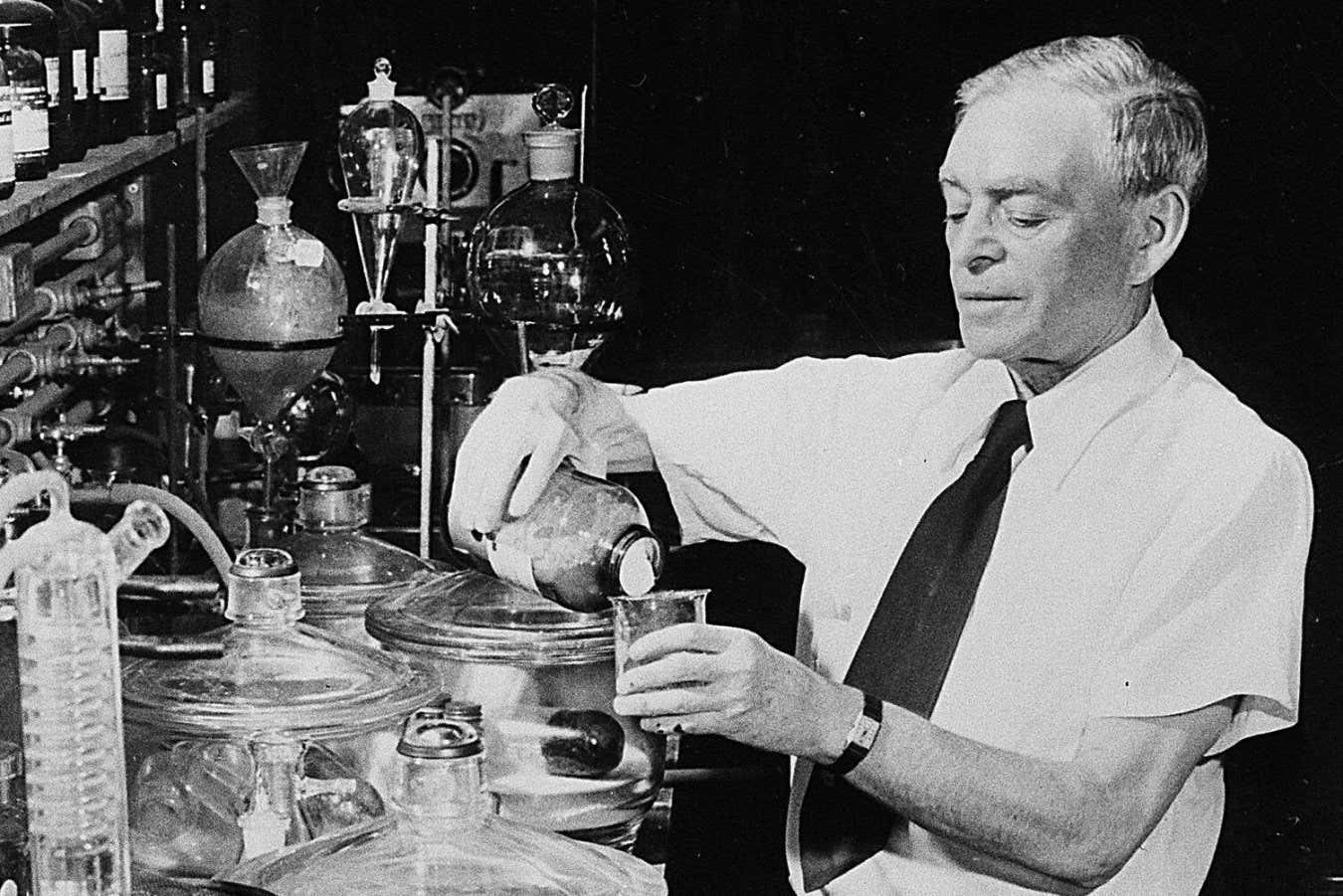
Casimir Funk, the Polish biochemist who coined the term “vitamins” for the vital class of molecules that help keep us alive, is the subject of today’s Google doodle.
There have been theories of how food affects health for millennia. In ancient Greece and Rome, early physicians invented “humoral” theory, which stated that foods must have the right balance of wet, dry, hot and cold to keep the body’s four essential humours – fire, earth, blood and phlegm – in check. Much later, physicians made more distinct associations, such as the observation that consuming citrus fruits like lemons helped to prevent the disease scurvy in sailors on long voyages.
In the late 19th century, scientists were trying to figure out the cause of beriberi disease, which can affect a person’s nervous or cardiovascular system and is today known as a vitamin B1 deficiency. In 1897, Christiaan Eijkman published a study based on experiments in chickens, proposing that diets containing brown rice were protective against beriberi, compared with those consisting of only white rice.
Casimir Funk read Eijkman’s paper and set himself the task of finding the chemical compound that gave brown rice its protective properties. In 1912, Funk managed to isolate a chemical that he thought was responsible and found it contained a characteristic nitrogen compound called an amine, so he named it a vital amine, or vitamine. When scientists eventually realised that vitamins didn’t necessarily need to contain an amine group, they dropped the final “e”.
Funk suggested that similar compounds might exist for many other “deficiency diseases”, as he called them, writing: “We will speak of a beriberi and scurvy vitamine, which means a substance preventing that special disease.” Funk also correctly suggested that vitamins existed that prevented the diseases pellagra and rickets.
The compound that Funk isolated and dubbed an “anti beriberi factor” was what we now call vitamin B3, or niacin, which doesn’t actually prevent beriberi. Two years earlier, Japanese scientist Umetaro Suzuki isolated vitamin B1 from brown rice and correctly identified its role in preventing beriberi. However, his work was published in a Japanese journal and the first Western translation, in German, failed to note that it was a new discovery.
In the 35 years after Funk’s initial finding, scientists discovered the rest of the vitamins, which number 13 in total, including eight kinds of vitamin B and vitamins A, C, D, E and K. Funk continued working with vitamins, and for pharmaceutical companies, for the rest of his career. He produced the first widely used vitamin concentrate in the US, called OSCODAL, which contains liquid vitamin A and D.
While vitamins are recognised as helping to prevent certain diseases, their use as supplements is still debated by scientists. A recent meta-analysis found there isn’t good evidence that supplements and vitamins protect against cancer or heart disease for most people.
Chemical reactions in volcanic pools could have helped life get going on Earth
Michael S. Nolan/Alamy
One of the most important molecules in living organisms has been synthesised from scratch under everyday conditions. The finding suggests that the chemical could have formed naturally early in our planet’s history and played a role in the origins of life.
The substance in question is called pantetheine. It isn’t a household name on the level of DNA or protein. However, pantetheine is the key component of a larger molecule called acetyl coenzyme A, a “cofactor” that helps enzymes to work.
“Coenzyme A is in every organism ever sequenced,” says Matthew Powner at University College London.
Powner has spent most of his career finding ways to make biological molecules from simple chemicals in ways that could have occurred naturally. In the past decade, he has shown that simple aminonitriles can be used to make nucleotides – the building blocks of DNA – and peptides, short versions of proteins.
His team has now shown that aminonitriles can be used to make pantetheine in a series of reactions starting with simple chemicals like formaldehyde. This took place in water, often at concentrations so dilute that the reaction mixtures looked like clear water. Sometimes the team used heat to speed things up, but otherwise didn’t need to intervene once the reactions were under way.
“It’s just all one pot – literally just throw it all in, don’t change anything, don’t do anything – and we get 60 per cent yield of our product,” says Powner.
Acetyl coenzyme A is involved in the synthesis of several biologically crucial chemicals. Some of the oldest groups of microorganisms use processes involving it to obtain carbon from the environment.
Crucially, pantetheine is the active part of the acetyl coenzyme A molecule. The other bit “isn’t essential to its function”, says Powner.
“Obtaining any key organic biological cofactor from scratch” would be impressive, “let alone one of such central importance”, says Zachary Adam at the University of Wisconsin-Madison, who wasn’t involved in the research.
For Adam, the significance of the study goes beyond pantetheine and acetyl coenzyme A. “They are reporting this particular part of the cofactor, but the intermediates are being shown to be just as important,” he says. Other chemicals produced along the way have been shown to help make other biological molecules. “They’re building out this network of compounds.”
Many ideas about the origins of life have assumed that a small set of biological molecules formed long before the others. For instance, the “RNA world” hypothesis states that the first life was made solely of RNA, with other chemicals like proteins and lipids being added later once the RNA was capable of making them.
Powner is one of several researchers pushing for a different scenario, in which many key molecules formed early and interacted from the beginning. “All of these products can be a product of the same chemical reactions,” he says. Rather than starting with just RNA or just peptides, “it could be easier to make all of them together, and then the chemistries that they do are integrated from the origin”.
Circa and the RESOLUTE project are building a first-of-its-kind 1,000-tonne biorefinery to enable the transition to a more sustainable chemicals industry. We’ve made the breakthrough – now we need you.
In a world demanding real change at scale to limit the climate crisis, we are still miles away from replacing the toxic fossil-based chemicals used everywhere in everyday life.
Progress is being made with sustainability now a key objective for all responsible companies, and with corporate responsibilities extending deep into supply chains, the chemical building blocks of everyday products are under increasing scrutiny.
The inception of ReSolute
Circa is one of the few businesses with the technology to produce sustainable chemicals at an industrial scale and the tenacity to make it happen. Having collaborated with hundreds of academic and industrial collaborators to demonstrate the value of the chemicals generated from their patented FuracellTM technology, Circa is scaling up manufacturing with the support of European stakeholders by building its ReSolute plant.
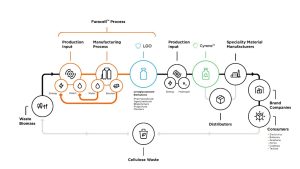
The Furacell technology Circa has developed extracts the bio-based building block levoglucosenone (LGO) from non-food cellulosic biomass in one step by generating a biochar co-product. The building of the ReSolute cellulosic-to-chemicals plant will realise over a decade of lab, pilot and demonstration scale R&D investment and ambition.
It will have the capacity to produce 1,000 tonnes of LGO and also includes the simple additional one-step catalytic hydrogenation process needed to produce Circa’s first LGO-derived solvent product – dihydrolevoglucosenone – or, as it is named, CyreneTM.
Cyrene capacity will also be 1,000 tonnes, given it can be produced with close to stoichiometric yields from LGO.
Cyrene
LGO is a versatile platform molecule that has long been a target of the bio-based chemicals sector but, until now, was unobtainable at a commercial scale. It has the capability to be the intermediate for a portfolio of a hundred or more chemical derivatives and advanced materials with applications across solvents, speciality polymers, flavours and fragrances, pharmaceuticals, agrochemical actives and beyond.
The LGO platform will either produce materials capable of out-performing traditional counterparts or ‘drop-ins’, prized for their chirality and complex structures, which are manufactured more economically in fewer, safer steps.
For example, in 2022, a team at Merck (USA) won the Dunn Award for outstanding industrial implementation of novel green chemistry for employing the LGO platform to reduce the total synthesis of an established cancer drug from 11 steps to two steps as well as removing toxic solvents in favour of Cyrene.
Cyrene itself is a multi-purpose industrial solvent with applications as diverse as chemicals, pharmaceuticals, materials, electronics, inks, graphene, foods/flavours and emerging sectors such as textile recycling and batteries. Cyrene has a unique property set, including viscosity, surface tension and polarities. It can work to replace dipolar aprotic solvents that are under regulatory pressure for their toxicity, i.e. NMP, DMF, DCM.
Additionally, unlike other solvents, Cyrene forms a controllable, reversible equilibrium with water and can disperse carbon materials such as graphene with up to ten times the loading seen with NMP.
The French Minister for Industry visits the ReSolute plant site in December 2021
Forming the BBI JU ReSolute consortium
However, as we look to tomorrow, we need to not only build commercial chemical plants to produce safer, sustainable, bio-based molecules with which to transform the chemical industry into the net-zero industry society demands, but we also need to build their associated supply-chain ecosystems.
To this end, Circa has forged collaborations to create the 11-partner strong consortium that comprises the €11.6m ReSolute Bio-based Industries Joint Undertaking (BBI JU) project.
The ReSolute partners include Huntsman, Talga and Merck KGaA, who are developing Cyrene commercial applications for wire coatings, graphene coatings, graphene batteries, pharmaceuticals and membranes, respectively. The distributor, Will & Co., is a further partner working with Circa and the consortium to develop commercial applications and markets.
Additionally, AgroParisTech is scaling up an enzymatic route to Cyrene from LGO, which is metal-free to ensure the electronics and pharmaceutical applications have available material.
Rounding out the project partners working on valorising the plant output is Coal Products Ltd (CPL), which is carrying out R&D to validate the ReSolute plant’s biochar co-product for sale into the high-added-value carbon markets.
The ReSolute plant will be equipped to burn the biochar internally to meet the plant’s internal power needs and thus de-risk from utility pricing volatility; however, if higher added-value carbon products prove their economic worth, then the engineering design gives scope to optimise opportunity by selling the biochar as offtake.
To complete the ecosystem, ReSolute is fortunate to have Vitis Regulatory Ltd as the partner handling the required Cyrene REACH registration and the Green Chemistry Centre of Excellence at the University of York, which is developing quality assurance and purity grades for Circa’s novel products. The bioeconomy cluster Bioeconomy For Change (B4C) is handling communications and dissemination for the ReSolute BBI JU project, with exploitation activities being led by PNO Consultants.
Scaling up production of sustainable chemicals
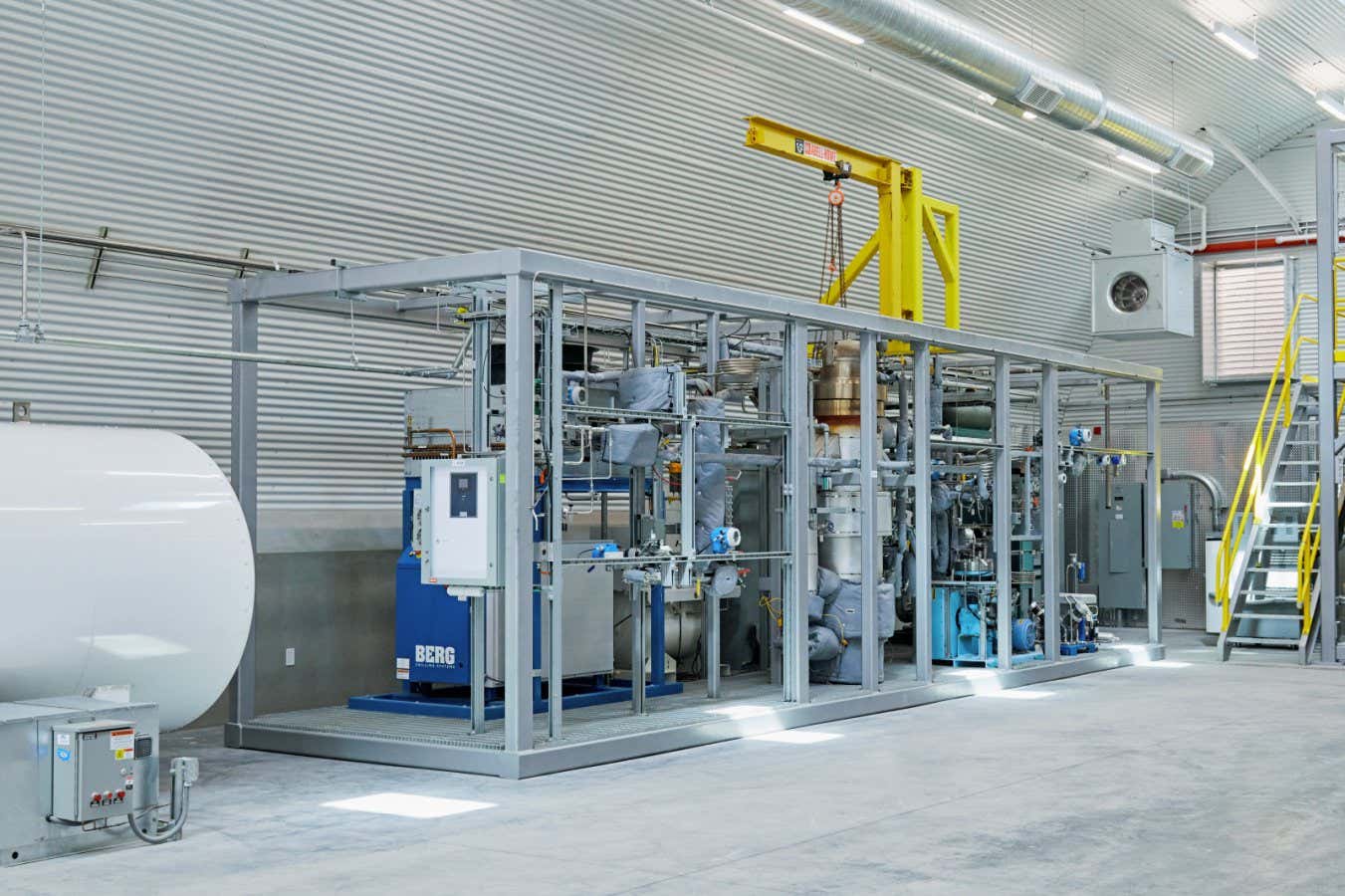
The ReSolute biorefinery is located in the Grant-Est region of France. It will re-purpose a coal-fired power station to create a lower carbon economy that provides skilled jobs in clean technologies. Support from local, regional and national governments has been notable; culminating in a visit by the French State Minister of Industry to the ReSolute plant site (see image) and the awarding of a multi-million Euro Relance grant by the French Government to further support.
The ReSolute BBI JU project is a Flagship project. It is one of a few carefully selected commercialisation projects targeting the building of first-of-their-kind-in-Europe biorefineries on a commercial scale. Each has a high replicability potential for further, larger plants to be built across the continent leveraging regional feedstocks, supply chains, workforces and offtake markets. This vision aligns exactly with Circa’s goal of further scaling up, with the next 12,000-tonne scale plant already being planned.
The ReSolute plant has been designed as a test bed with the exact design of future larger plants to enable easier and swifter scale-up with modular engineering. Phillip Mengal, former Executive Director of the BBI JU and Circular Bio-based Europe Joint Undertaking (CBE JU), said: “ReSolute is the Green Deal in motion.”
Circa’s FuracellTM technology enables non-food biomass to be converted to novel high-value chemicals that are safer and more sustainable by design
Seizing the opportunity of sustainable chemicals
Perhaps, as you read this article, you are thinking ‘great but what comes next?’ Essentially, Circa and the ReSolute project need your active involvement to reach its long-term potential at a scale of tens of thousands of tonnes. Looking at the ReSolute project and beyond, after decades of outstanding R&D and millions in investment, science has delivered previously unimaginable solutions to our climate, biodiversity and resource challenges.
Industrial biotechnology and bio-based innovation means (for example) household waste can become organic-based chemicals, industrial waste gases act as fertiliser feedstocks and non-food cellulosic biomass can be converted into a novel, low-toxic industrial solvents, as Circa has proven.
Plus, digitalisation, Artificial Intelligence (AI) and the Internet of Things (IoT) are revolutionising manufacturing alongside 3D printing, electrification and renewables – i.e. the technical and engineering barriers to achieving a sustainable, safer chemicals industry using feedstocks that are renewable, bio-based and/or waste-derived are being stripped away.
However, the true value of these innovations will only be realised if they are nurtured beyond the pilot scale to achieve industrial scale-up and end-use. It is here where the challenge lies, given the investment needed and new markets/applications, with the policy to support them, that must be developed to compete with our petroleum-subsidised industry of today.
Can we afford to let groundbreaking innovations falter at scale-up while we turn to marvel at the newest shiny idea? We’d assert, given the challenges we face as a society a quarter of the way through the 21st century, the answer is ‘no’ regardless of the notable challenges associated with industrial scaling-up.
We could argue that R&D may be deemed the ‘easy’ part compared to the formidable task of engaging industrial stakeholders, fostering political will, securing financial support, redefining regulations and policies, embracing risk, altering end-user practices, managing legacy assets, shaping consumer perceptions, and, ultimately, constructing and operating commercial plants.
Nonetheless, a collective effort involving industry, governments, end-users, policymakers, innovators, and citizens globally is building the industrial-scale change we need in the chemicals we manufacture, use and dispose of. Circa is actively contributing to this transformative journey alongside the ReSolute consortium and BBI JU, and we invite you to step up and join forces with us in reshaping chemistry at a scale that will endure for good.
This project has received funding from the Bio Based Industries Joint Undertaking (JU) under grant agreement No 887674. The JU receives support from the European Union’s Horizon 2020 research and innovation programme and the Bio-Based Industries Consortium.
Please note, this article will also appear in the seventeenth edition of our quarterly publication.
Structural biology is an inherently visual science. By examining the 3D structures of biomolecules, researchers gain insight into their functions and determine how they work. As a sighted person, J.H.-P. didn’t give this fact much thought — until a blind student joined her team.
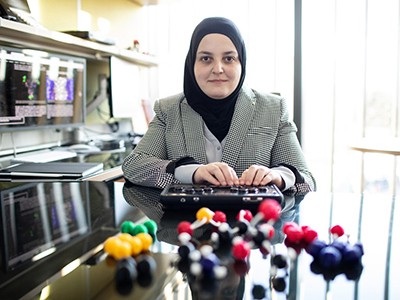
O.S., who has been blind since birth, enrolled to do a chemistry degree at the University of Delaware in Newark in late 2019. She was fascinated by the idea of conducting computational chemistry research, but was unsure of the process and the potential challenges that the work would present with regard to accessibility. Surely working with hazardous chemicals, fragile glassware and complicated equipment would pose substantial barriers for her and her guide dog, Ripple. Then, a Research Experiences for Undergraduates programme for chemists with disabilities provided O.S. the opportunity to engage in research in an environment that was conscious of her abilities and needs. The programme’s coordinators connected O.S. with J.H.-P., whose computational structural-biology projects offered an alternative to benchwork.
J.H.-P., then in her first year as a faculty member at the university, welcomed the challenge of approaching her research from a new perspective. With O.S., she enlisted C.Y., an assistive-technology specialist and assistant director of disability support services on campus. Motivated by the conviction that students with disabilities should have equal access to science, C.Y. was excited to collaborate with them.
These tools help visually impaired scientists read data and journals
We set out to develop a research programme that would give O.S. an experience to match that of her peers who aren’t blind. What followed was an exciting period of exploration and development that resulted in a publication, a poster at a national conference and a toolkit to help other researchers with low vision to interact in a field that they might not have realized was open to them.
Here’s how it happened.
Science-speak
Our first step was to investigate the assistive technology O.S. was already using, which included screen readers and refreshable Braille displays. Screen readers are programs that use synthesized speech to convey the information on a computer screen, allowing users to access digital content by listening, Braille displays use an array of mechanical pins that rise and lower to form Braille characters, enabling users to read text shown on a screen through touch. Once properly configured to operate in a scientific computing environment — for instance, to work on the Linux operating system — these tools facilitated many practical aspects of O.S.’s research.
Computational research is typically done using a text-based interface known as the command line. Researchers can use the command line to issue instructions to the computer, create and edit text files, write code and submit computing tasks for processing. By converting the text that she entered and received from the computer terminal into audio, O.S.’s screen reader gave her full access to this textual interface. Given that most high-performance software in computational chemistry, biophysics and structural biology include a text-only mode, she could download and manipulate the atomic coordinates of biomolecular structures, prepare the files needed to simulate their motion, run those simulations and analyse the results.
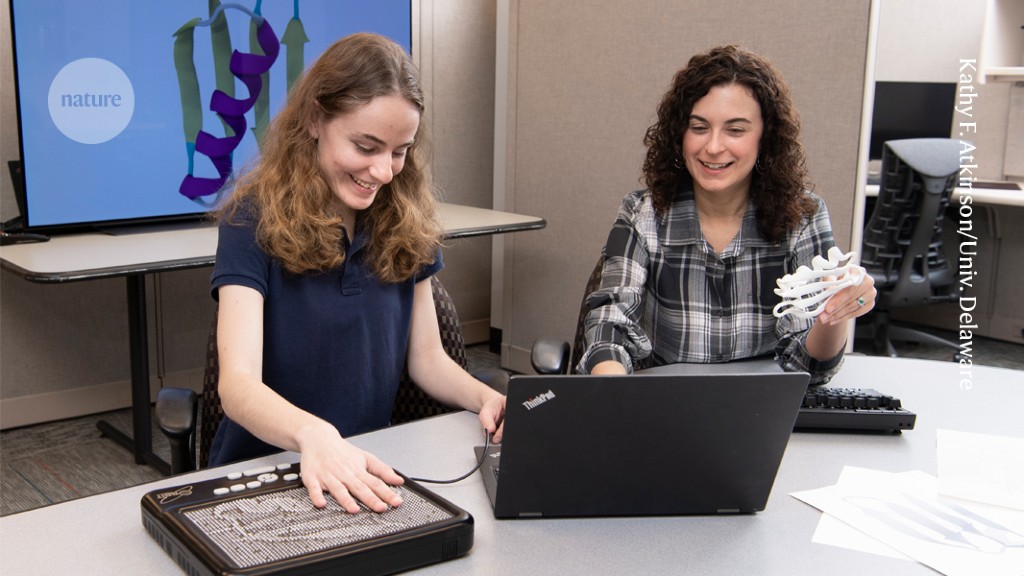
Raised images (known as tactile graphics) that are created on special type of paper are a useful tool for analysing 3D structures of proteins.Credit: Kathy F. Atkinson/University of Delaware
Occasionally, command-line information would appear in a format that was confusing when read aloud by the screen reader, such as tables. In those cases, J.H.-P. wrote code to automatically convert the information into a more linear format, for instance by transforming tabular data into short sentences.
The Emacs text editor, which can be controlled using keyboard short cuts or textual commands, along with the speech and audio interface, Emacspeak, allowed O.S. to quickly navigate and interact with the contents of text files. The Braille display was useful for coding and scanning through text in files or on the command line, particularly when the screen reader’s voice was unclear. Simple plots could be interpreted through sonification software, which transforms data into sounds, providing an auditory rather than visual form of analysis.
But what about the biomolecular structures? O.S. still needed a way to explore the complex 3D architecture of biomolecules that did not depend on sight. 3D-printed models were an obvious solution and proved useful for conceptualizing protein folds and secondary structures. Yet, these models took hours to produce, and were limited in the amount of structural detail they contained. They also could not convey the motion predicted by biomolecular simulations.
Chemical modelling with a sense of touch
To evaluate alternative strategies, we relied on C.Y.’s expertise in tactile graphics. Tactile graphics are raised images projecting from a flat background, which are produced by embossing or using a type of paper that swells with the application of heat, such that printed pictures rise up off of the page. Together, O.S. and J.H.-P. wrote a plug-in (called TactViz) for the widely used Visual Molecular Dynamics (VMD) software to depict proteins as cartoon diagrams, shaded by distance from the viewer. Such shading results in tactile graphics in which the spatial proximity of structural features to the viewer correlates with the elevation of the image, meaning that regions of the protein that appear closer to the viewer swell higher off the page. O.S. was able to discern secondary and tertiary protein structures from these graphics, which were quick and inexpensive to generate. We found that tactile graphics also provided a great way to create accessible plots, especially in cases in which the number of data points overwhelmed the sonification software.
Tactile dynamics
Of course, printed images cannot be rotated and manipulated as on-screen structures can, limiting O.S.’s ability to thoroughly examine complex biomolecules. However, we were then introduced to the Graphiti, a multi-line refreshable tactile display manufactured (and generously loaned to us) by Orbit Research in Wilmington, Delaware. When connected to O.S.’s computer, the Graphiti display acted as a monitor that was accessible by touch rather than sight, mirroring images on the screen with an array of mechanical pins, the heights of which adjusted automatically in response to changes in brightness. Our TactViz protein representations, already optimized for tactile graphics, displayed clearly on Graphiti, finally providing O.S. with interactive access to her biomolecular structures and, to some extent, their simulated motion.
Olivia Shaw’s three-year-old guide dog, Ripple.Credit: Kathy F. Atkinson/University of Delaware
Combining these assistive technologies with software tools that she developed to print text-based descriptions of the structural features of proteins and their spatial relationships, O.S. was finally positioned to conduct research on a similar level as her peers who aren’t blind. In one year, O.S. had collected data using a national supercomputer, submitted an accessible poster on her project to the American Chemical Society national meeting in 2020 (which was held virtually) and submitted a manuscript1 to the JournalofScienceEducationforStudentswithDisabilities.
Having lived her life in a world that was not designed with her circumstances in mind, O.S. was no stranger to devising workarounds to achieve her goals. Such flexibility and adaptability are essential skills for any researcher, and these qualities propelled her success in the lab. Also crucial to our collaboration was J.H.-P.’s and C.Y.’s responsiveness to O.S.’s stated needs, rather than their assumptions.
Through respectful communication, patience and outside-the-box thinking, we leveraged our combined expertise to develop tractable solutions for inclusivity that have impact beyond the experience of a single student. The community of blind and partially sighted people represents an untapped talent pool in science, technology, engineering and mathematics (STEM) fields, but tools designed with accessibility in mind can help researchers across multiple disciplines, regardless of visual acuity or limitations. We hope that by sharing our experience, we can motivate others to participate in training researchers who are blind or have low vision, as well as to consider their unique abilities and needs when developing technologies.
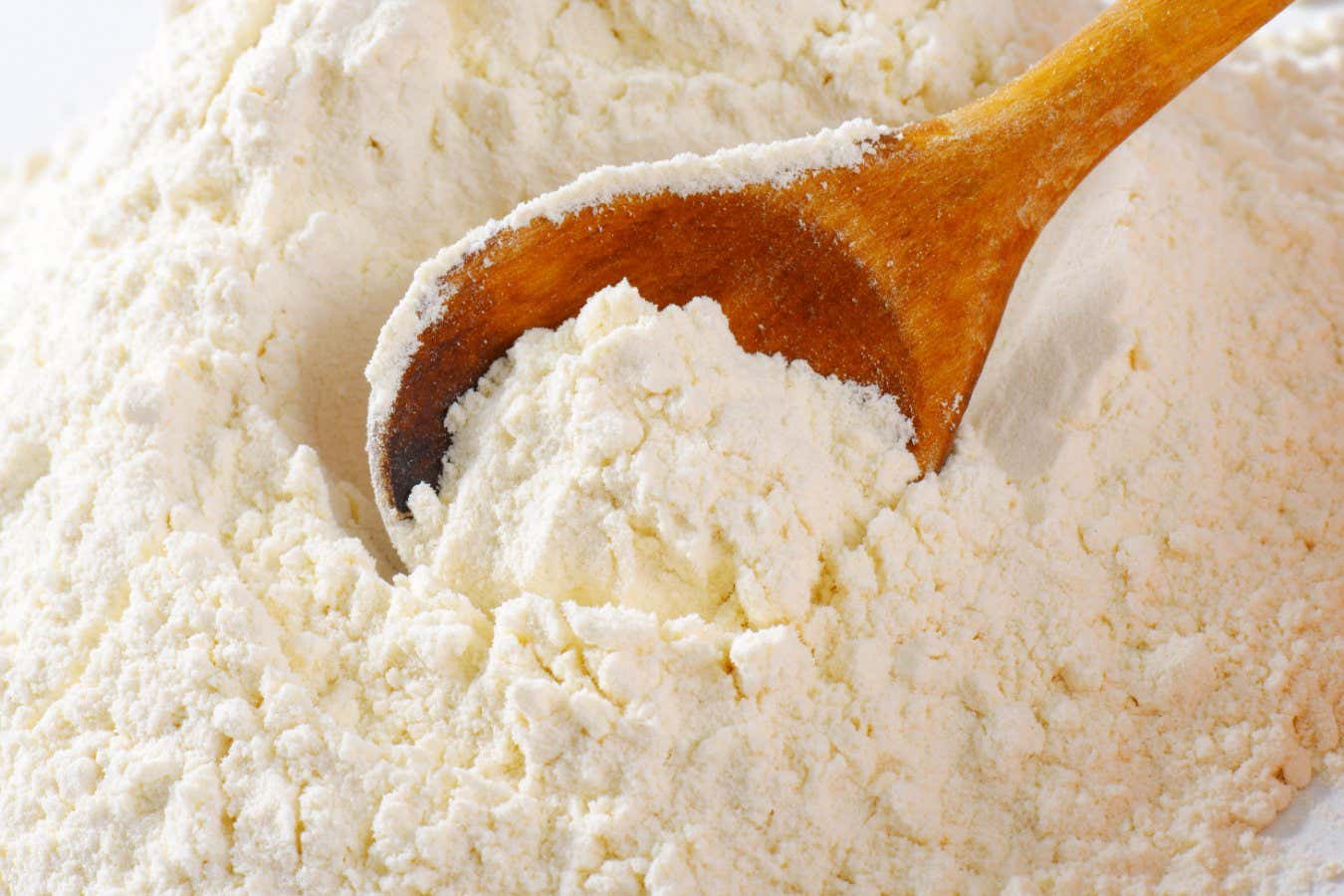
Starch is a component of flour, a thickening agent in cooking
Viktor Fischer/Alamy
Building tiny sheets and cages from starch particles turns them into super-thickeners that could reduce the calorie content of foods.
Starch is often added to foods like soups to make them richer and thicker, but doing so increases the calorie count and carbohydrate content. Now, Peilong Li at Cornell University in New York and his colleagues have found that the amount of starch in foods can be reduced without sacrificing texture by arranging starch particles into special shapes.
Starch particles thicken food because they swell up when they are heated. This means the particles jam against each other, leaving less room for liquid components of the dish to flow freely. The researchers wondered whether they could replicate this effect but cut the amount needed by hollowing out globs of starch. “But you can’t just carve a starch granule like it’s a pumpkin,” says Li.
Instead, working with starch particles extracted from amaranth grain, he and his colleagues devised a way to assemble them into three-dimensional shapes by mixing them with water and oil. The starch particles arranged themselves around oil drops, and then the researchers removed the two liquids through a combination of heating and freeze-drying. This left them with just the starchy structures, some shaped like cages with hollow centres, some shaped like sheets that would cascade on top of each other so liquids would get trapped between them.
The team discovered that these starch structures performed so well as thickening agents that they could be used to halve the amount of starch typically needed to thicken foods.
Fan Zhu at the University of Auckland in New Zealand says that using these granules as building blocks for the new class of hollow starch structures is very innovative and could make starches a big part of designing future foods. However, Zhu says that amaranth starch is expensive and can be difficult to source in large quantities, so adapting the new method to more affordable and abundant starches like those made from corn would be advantageous. “And more studies are needed on what happens when you put this kind of structure in your mouth,” he says.
In a grey building squeezed in an industrial corner of Brooklyn, New York, Stafford Sheehan shows me a jar full of black metallic pellets. “This is the special sauce,” he says. They don’t look like much, but he says they could help produce billions of litres of fossil-free liquid fuel.
Sheehan’s start-up, the AIR Company, is one of a growing set of manufacturers trying to use captured CO2 to replace products now made with fossil fuels, which can help to reduce…
A team of academics from The University of Warwick and Aston University has secured a £1.8m grant to produce membrane proteins which will support sustainable manufacturing and drug discovery.
The funding from the UKRI Technology Missions Fund will be used to engineer microbial cell factories to produce membrane proteins to support drug screening and the production of sustainable chemicals.
The team will primarily focus on overcoming the identification of cellular production bottlenecks and stresses and the membrane environment that surrounds the proteins.
Dr Doug Browning, Lecturer in Biosciences at Aston University, said: “This funding, in conjunction with our industrial partners, will enable us to design and construct new expression systems that will produce high-value membrane therapeutics, which can be used in the fight against many important medical diseases.”
Why are membrane proteins important?
Membrane proteins are vital molecules on the surface of cells with a number of biological functions, for example, sensing hormones or cell communication.
They are targeted by the top-selling medicines worldwide and multiple vaccines, including those for COVID-19, Hepatitis B, and whooping cough.
New drug molecules that can change protein function can also be identified through their manufacture and purification.
Applications of membrane proteins
Some membrane proteins are useful as catalysts to produce sustainable chemicals. Some membrane enzymes, for example, can be used to fix carbon.
The membranes react with carbon dioxide from the air, enabling cells to turn into useful chemicals that can be used as feedstocks in biomanufacturing processes.
Others can be used to degrade plastics.
Challenges with large-scale production
Despite their importance, engineering the production of high levels of membrane proteins is challenging. This is because the complex processes of membrane production place large amounts of stress on the cells.
The efficiency of drug screening is limited by this stress, thereby reducing the chances of discovering new drugs.
Adoption of new technologies
The team will combine computational whole-cell models and molecular dynamics simulations with molecular biology and biochemistry tools to engineer microbial cell factories. These factories will be able to self-regulate their protein production in response to stress and have the optimal membrane environment to support protein function.
The new technologies will increase the yields of high-quality functional proteins, simplifying the time required to produce key biomedical proteins for drug screening.
Professor Phillip Stansfeld, School of Life Sciences, University of Warwick, concluded: “With the recent computational revolution in protein-structure prediction and design approaches, it is timely to study the dynamics of computationally-optimised membrane proteins and develop approaches to rationally escalate their structural determination.”
The two enantiomers of thalidomide have different effects inside the body.Credit: Alfred Pasieka/SPL
Chemists have shown it is possible to use mass spectrometry — a technique commonly used to identify molecules by mass — to separate chiral molecules, those that exist as different forms with identical atoms but mirror-image structures that can’t be superimposed on each other.
The technique, described today in Science1, could one day have applications in drug discovery. The different versions of chiral molecules — called enantiomers — often have very different properties. The drug thalidomide showed this to tragic effect: one enantiomer is a sedative, but the other causes congenital disabilities when taken during pregnancy. As a result, separating enantiomers is a crucial part of drug discovery, but it is often laborious. Current methods require specialist equipment and different protocols for each pair of enantiomers.
Ions apart
A team of researchers led by Zheng Ouyang at Tsinghua University in Beijing managed to use mass spectrometry to separate enantiomers for a class of chiral molecules called binaphthyl-triflates.
The researchers put pairs of these propeller-shaped molecules into a mass spectrometer, where they were vaporized, ionized and transported to a component called an ion-trap mass analyser. The team then applied alternating currents to the ions, sending each enantiomer spinning on a slightly different path, on the basis of its chirality..
“When they collide with background gas molecules, different enantiomeric forms experience different effects due to the collisions,” says Ouyang, which separates them. Then, when they are ejected at the other end of the spectrometer, the ions come out one at a time and can be detected separately. The machine can also determine the proportion of each enantiomer in a mixture — known as the enantiomeric excess (e.e.) and expressed as a percentage.
“Chemists can take a dip of a crude reaction product as sample, send it to a mass spectrometer, get both the e.e. of the enantiomers in addition to the confirmation of the molecular structures within a minute,” Ouyang says. Once scaled up, the mass-spectrometry system could also be used to prepare pure samples of enantiomers in larger quantities, he adds.
“I love this work,” says Perdita Barran, director of the Michael Barber Centre for Collaborative Mass Spectrometry at the University of Manchester, UK. She says that being able to simply separate enantiomers has been a “big quest”. “A go-to method to separate enantiomers has relevance for drug discovery and design,” she says.
There’s a revolution brewing in batteries for electric cars. Japanese car maker Toyota said last year that it aims to release a car in 2027–28 that could travel 1,000 kilometres and recharge in just 10 minutes, using a battery type that swaps liquid components for solids. Chinese manufacturers have announced budget cars for 2024 featuring batteries based not on the lithium that powers today’s best electric vehicles (EVs), but on cheap sodium — one of the most abundant elements in Earth’s crust. And a US laboratory has surprised the world with a dream cell that runs in part on air1 and could pack enough energy to power aeroplanes.
These and other announcements rely on alternative designs to the conventional lithium-ion batteries that have dominated EVs for decades. Although lithium-ion is hard to beat, researchers think that a range of options will soon fill different niches of the market: some very cheap, others providing much more power. “We’re going to see the market diversify,” says Gerbrand Ceder, a materials scientist at the University of California, Berkeley.
The pursuit of better car batteries is fierce, in large part because the market is skyrocketing. More than a dozen nations have declared that all new cars must be electric by 2035 or earlier. The International Energy Agency forecasts that the global stock of EVs on the road will rise from 16.5 million in 2021 to nearly 350 million by 2030 (see go.nature.com/42mpkqy), and that demand for energy from EV batteries will reach 14 terawatt hours (TWh) by 2050, which is 90 times more than in 20202.
Car batteries have a stiff list of requirements. They need to pack a lot of energy into as little material and weight as possible so that cars can go farther on a single charge. They need to provide enough power for acceleration, recharge fast, have a long lifespan (the common standard is to withstand 1,000 full recharging cycles, which should last a consumer 10–20 years), work well across wide temperature ranges and be safe and affordable. “It’s very hard to optimize all these things at once,” says Linda Nazar, a battery researcher at the University of Waterloo, Canada.
So researchers are pursuing a plethora of options, with different targets in mind. The US Department of Energy’s (DoE’s) Battery500 programme, launched in 2017, is aiming for a cell energy density of 500 watt-hours per kilogram (Wh kg–1), a 65% boost compared with today’s best products. The PROPEL-1K programme, launched last year by the US Advanced Research Projects Agency–Energy, is ambitiously aiming for a longer-term goal of 1,000 Wh kg–1. As for cost, the DoE’s Vehicle Technologies Office is aiming to hit US$60 per kilowatt hour by 2030, about half today’s prices, which it reckons will mean that the price of electric cars will break even with the cost of those powered by gas guzzling petrol engines (see ‘Powering up’).
Source: Ref. 3
It’s hard to pin down where things stand. Commercial announcements about yet-to-be-released batteries or cars sometimes emphasize one metric over others, and proprietary claims can be impossible to check until batteries have been tested for years in real-world cars. But it’s clear that decades of work on variants such as solid-state and sodium batteries are finally coming to fruition, says Nazar. As for the far future, plenty of battery chemistries remain tantalizing possibilities. “Now everyone has accepted battery development is really important, everyone is tripping over themselves to do it,” she says.
Electrode evolution
Batteries are effectively chemical sandwiches, which work by shuttling charged ions from one side (the anode) to the other (the cathode) through some intermediate material (the electrolyte) while electrons flow in an outside circuit. Recharging the battery means shunting the ions back to the anode (see ‘How a battery works’).
Source: Adapted from G. Harper et al. Nature575, 75–86 (2019) and G. Offer et al. Nature582, 485–487 (2020)
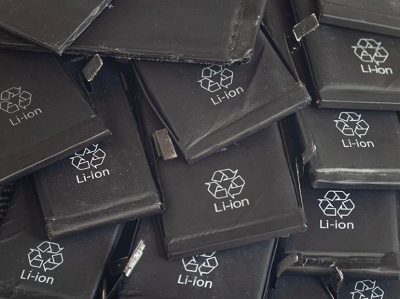
Today, most electric cars run on some variant of a lithium-ion battery. Lithium is the third-lightest element in the periodic table and has a reactive outer electron, making its ions great energy carriers. The lithium ions travel between an anode usually made from graphite and a cathode made from a metal oxide, both of which host lithium ions between atomic layers. The electrolyte is typically an organic liquid.
Lithium-ion batteries have improved a lot since the first commercial product in 1991: cell energy densities have nearly tripled, while prices have dropped by an order of magnitude3. “Lithium-ion is a formidable competitor,” says Ceder. And with further scope for improvement, some say lithium-ion will be king for a long time. “I think lithium ion will for decades be the technology which powers electric cars, because it’s good enough,” says Winfried Wilcke, a recently retired scientist in Los Altos, California, who headed an IBM Research battery project from 2009 to 2015.
Most of the improvement in lithium-ion thus far has come from changes to the material of the cathode, resulting in multiple commercial cell types. One, popular in laptops, uses lithium cobalt oxide, which produces relatively light but expensive batteries. Others, popular in many cars, use a mix of nickel and cobalt with aluminium or manganese as a stabilizer (NCA and NCM). Then there’s lithium iron phosphate (LFP), which does without expensive cobalt and nickel but so far has relatively poor energy densities (see ‘Lithium-ion battery types’). LFP’s price has made it attractive and plenty of researchers and companies are working to improve it; US EV manufacturer Tesla notably decided in 2021 to swap to LFP batteries in its mid-range cars.
Sources: IEA and Y. Miao et al. Energies12, 1074 (2019)
There is scope for more tweaks to the cathode. In NCM batteries, researchers have been paring back more-expensive cobalt in favour of nickel, which also provides a higher energy density. That path has led to commercial NCM811 battery cathodes with 80% nickel, and researchers are now working on NCM955, with 90% nickel.
Meanwhile, at the anode, one common option is to swap graphite for silicon, a material that can store ten times more lithium atoms per weight. The challenge is that silicon expands and contracts by around 300% during charge–discharge cycles, putting a lot of structural strain on the battery and limiting its lifetime.
Even better than a silicon anode is simply lithium itself. “You don’t have any wasted material,” says chemical engineer Brian Cunningham at the DoE’s Vehicle Technologies Office in Arlington, Virginia. In addition to cutting down on weight, this can speed up charging, because there is no waiting for lithium ions to slot in between any layers (this change, technically, makes the design a lithium-metal rather than a lithium-ion battery). But a big problem with this strategy is that during recharging, lithium tends to redeposit on the anode unevenly, with hotspots that form tendrils called dendrites, which can reach out through the electrolyte and short-circuit the battery.
Lithium-based batteries with better electrodes can, in theory, achieve huge energy densities, but often have trade-offs in terms of cell lifetimes or safety. Last year, one group of researchers in China reported a cell with a lithium-metal anode (and a type of lithium-rich cathode) that hit higher than 700 Wh kg–1 in the lab4. The group’s start-up firm, WeLion New Energy in Beijing, is aiming to develop and commercialize this battery, along with other options. Another aspirational idea offering high energy densities is a lithium sulfur (LiS) battery, with a lithium-metal anode and a sulfur cathode. But sulfur reacts with lithium to make soluble products that can deposit on the anode and kill the battery. LiS “has been tried for 30 years and it still has major challenges”, says Ceder.
With such troubles plaguing batteries with better electrodes, many say the most enticing solution is to replace the liquid electrolyte with a solid.
Solid idea
The idea of solid-state batteries is to use a ceramic or solid polymer as the electrolyte, which hosts the passage of lithium ions but helps to stem dendrite formation. Not only does this make it easier to use an all-lithium anode — with the attendant energy-density advantage — but getting rid of the flammable organic liquid also means removing a hazard that can cause fires. The cell architecture of solid-state batteries is simpler than that of liquid-based cells, says Nazar. And the solid batteries, in theory, work better both at low temperatures (because there’s no liquid to get more viscous when it’s cold) and at high temperatures (because the interfaces with the electrodes don’t suffer so much when it’s hot).
Could grinding up lithium batteries help to recycle them?
But there are challenges: in particular, how to manufacture a smooth, flawless interface between the layers. Also, the transport of ions through a solid tends to be slower than through a liquid, limiting power. And solid-state batteries require an entirely new manufacturing process. “From all we see, they will be more expensive,” says Ceder.
“Solid state has a big future. No question. But it’s bloody difficult to make it happen,” says Wilcke.
Some battery companies are moving forward with solid state. Colorado-based Solid Power in Louisville (partnered with car makers BMW and Ford), for example, has begun pilot-scale production of a solid-state cell with a silicon-based anode that they say hits 390 Wh kg–1, and California-based QuantumScape (which has signed deals with manufacturers including Volkswagen) has a solid-state battery that gets the advantages of a lithium anode with an even lower-weight, anode-less design. Lithium metal gathers at the anode side, but there is no need for a lithium plate there to start with. Some of these battery details are proprietary. QuantumScape has released some prototype performance data, but won’t say what its electrolyte is made from or what the energy density is of its intended first commercial product. In general, the touted higher energy densities for solid-state batteries are “unproven today at any sort of commercial scale”, says Ceder.
Actual cars powered by solid-state batteries seem to be perpetually on the horizon: Toyota’s original target date for commercializing them in the early 2020s has now slipped to the late 2020s, for example. When it comes to batteries, “Toyota has said a lot of things in the last ten years, none of which have come through,” cautions Ceder. But Nazar thinks the time frame in general is realistic. “I believe that in 2025, we’re probably going to see some market intrusion of some of these cells,” she says, especially given that there are some ambitious Chinese companies on the case. That includes the world’s largest battery manufacturer, Contemporary Amperex Technology (CATL), headquartered in Ningde.
Meanwhile, plenty of researchers are pursuing ways to improve solid state. Chemist Jennifer Rupp at the Technical University of Munich in Germany has founded a company, QKera, also in Munich, that manufactures ceramic electrolytes at half the usual 1,000 °C temperature. That both helps to limit carbon dioxide emissions from the furnaces used in the manufacturing process and helps to resolve some issues over binding the electrolyte to the cathode. Another promising angle, says Nazar, is a new class of oxyhalide electrolytes for solid-state batteries. Some of these are ‘gooey’ and so more flexible, which should ease manufacturing and make them less vulnerable to cracking5. And some have extremely high conductivity, letting lithium ions zoom through as if through a liquid rather than a solid, with associated power benefits6. Other firms are working on a solid-state version of LiS, says Cunningham.
The ‘pot of gold’ battery at the end of this solid-state rainbow, many say, would be a lithium–air design. This kind of battery uses a lithium-metal anode, and the cathode is based on lithium binding to oxygen that is pulled from the air and released again when the battery recharges. In part because a key cathode ingredient isn’t stored in the battery, this design can hold much more energy per kilogram. But the idea has long seemed speculative. “Some of my colleagues call it fairy-tale chemistry,” says Nazar.
Materials scientist Larry Curtiss at Argonne National Laboratory in Lemont, Illinois, and his colleagues hit the headlines in 2023 with a surprising paper showing a solid-state, experimental lithium–air battery tested over 1,000 cycles in the lab1. The team says its coin-sized test cell runs at about 685 Wh kg–1 and should be able to reach 1,200 Wh kg–1, four times what’s achievable with lithium-ion now and roughly comparable with the energy density of petrol in cars. The experimental system works using a new chemistry that surprised even the team studying it. Previous lithium–air battery projects, typically using liquid electrolytes, made lithium superoxide (LiO2) or lithium peroxide (Li2O2) at the cathode, which store one or two electrons per oxygen molecule. The new cell instead makes lithium oxide (Li2O), which can hold four. Those extra electrons translate to a higher energy density, and the system seems a lot more stable than previous efforts, which should lead to longer battery life.
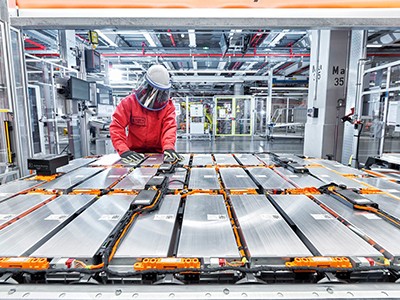
An employee works on an electric-vehicle battery system at a workshop in Nanjing, China.Credit: Xu Congjun/VCG/Getty
“It’s unbelievable what they did,” says Wilcke. “They can use ordinary dirty air with moisture and carbon dioxide and all the other crap that you find in unfiltered air. Not a problem,” says Wilcke. But many say they would like to see the effort replicated before getting too excited. And although it’s a great energy storage system, it’s unclear how it would work in practice — how you could get the air in and out, for example, and whether it can be built bigger and made to work with higher currents. “It’s definitely a much longer time horizon then than even lithium sulfur,” says Cunningham.
Curtiss says the team is thinking about aviation as the best application for the technology, given that it’s so energy dense. Wilcke agrees. Energy density is a “huge, huge factor in aircraft”, says Wilcke, who is bullish in particular on electric vertical take-off and landing craft, expected to be used as ‘flying taxis’. If that sounds like science fiction, an electric air taxi was licensed to fly in China — even without a pilot — in October 2023, and several companies make craft that can go a couple of hundred kilometres on lithium-ion batteries. Air taxis that can skip the traffic taking you from the airport to your hotel, Wilcke says, are an emergent industry that’s about to take off.
Price drop
As the quest continues for miracle batteries that pack in ever more energy, some scientists argue that the most pressing concern is the need to pick a battery chemistry that will be cheap and sustainable in the long run.
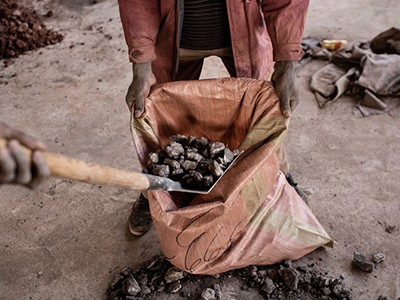
“The biggest challenges are resource-related,” says Ceder, who calculates that the projected 14 TWh needed for cars by 2050 will require 14 million tonnes of total metal. That’s a lot; for comparison, today’s global mining of lithium is about 130,000 tonnes per year, whereas cobalt is nearly 200,000 tonnes and nickel 3.3 million tonnes — that’s for all purposes, including non-EV batteries and, for nickel, stainless steel. The quantity needed makes it important to choose metals that are not scarce or expensive and do not cause excessive environmental damage when they are mined.
Electric cars and batteries: how will the world produce enough?
Plenty of researchers and companies are trying to make batteries that don’t use nickel, cobalt or other expensive metals. QuantumScape, for example, says its batteries have this advantage, as do lithium–air concepts, LiS (if it can be made to work), other experimental materials7 and the already commercial LFP cathodes (although LFP might put a strain on phosphorus resources if that technology scales up a lot). Ceder is looking at alternative cathodes called disordered rocksalts (DRX)8. These rely on the idea that lithium ions can just meander through a crystalline cathode rather than taking an ordered path through layers, and thus the cathode can be made with almost any transition metals. Ceder’s team favours manganese and titanium. He expects the first batteries with DRX cathodes to be cheaper than current lithium-ion cells and to achieve comparable energy densities.
Perhaps the ultimate goal is to get rid of the lithium itself — a metal that has seen wild price swings thanks to booming demand and supply pinchpoints. In 2022–23, for example, battery-grade lithium carbonate prices briefly spiked at six times higher than usual.
Researchers have toyed with replacing lithium with plenty of other charge carriers, including magnesium, calcium, aluminium and zinc, but work on sodium is the most advanced. Sodium lies directly beneath lithium in the periodic table, making its atoms heavier and bigger, but with similar chemical properties. This means a lot of the lessons from lithium battery development and manufacturing can be copied over to sodium. And sodium is much easier to source: it’s about 1,000 times more plentiful in Earth’s crust than is lithium. “Sodium is just unbelievably abundant,” says Ceder, who thinks sodium batteries could end up costing around $50 per kilowatt hour.
Sodium batteries are already in production (see go.nature.com/3tnwdgt). Chinese conglomerate BYD — which in early 2024 replaced Tesla as the world’s largest EV manufacturer — has broken ground on its first sodium-ion battery plant. And Chinese car makers Chery, JMEV and JAC have all announced budget cars powered by sodium-ion batteries in their line-up for China this year. List prices for these small cars are expected to be around $10,000.
On the plus side, sodium’s larger atomic size opens up more options for the metals that can be used in the layered metal oxides at the cathode, says Ceder: “There’s a lot more chemical flexibility.” And researchers could make an anode-less solid-state battery with sodium, too — an enticing possibility, says Nazar.
Lithium-ion batteries need to be greener and more ethical
But the heavier weight of sodium compared to lithium makes it fundamentally harder to get to high energy densities. There also hasn’t been as much time to develop the best electrodes and electrolytes — sodium-ion battery energy density now roughly matches that of the best lithium-ion batteries from a decade ago. CATL has a sodium battery that hit an advertised energy density of 160 Wh kg–1 in 2021 at a reported price of $77 per kilowatt hour; the company says that will ramp up to 200 Wh kg–1 in its next model. These lower energy densities mean that range is limited.The ultra-compact cars expected to run on sodium batteries have advertised ranges of around 250–300 km, compared with nearly 600 km for a lithium-powered Tesla Model S.
“It’s going to need chemistry advances in order to get to the level that is necessary for the automotive market in the United States,” says Cunningham, where consumers are used to longer drives and bigger cars.
Some companies, including UK-based Faradion and Swedish Northvolt, are promoting their sodium batteries (also both advertised at 160 Wh kg–1) to store excess renewable energy for electricity grids, where sodium’s weight problem is less of an issue.
Guess and test
Battery development is onerous, because the behaviours of materials are not always predictable. Rupp says, for instance, that it currently takes researchers 8–15 years to come up with new solid-state electrolyte designs and optimize the specifications, including which additives to use and how to pack in high densities of lithium. “This gives me as a material scientist two-and-a-half more materials to work on” before retirement, says Rupp. “That’s too slow”.
Assistance is coming from artificial intelligence (AI) and automated synthesis, which can help to explore more options more quickly. For example, the DoE’s Pacific Northwest National Laboratory in Richland, Washington, is working with Microsoft to rapidly come up with new battery materials; a lithium–sodium solid electrolyte found this way is now in initial tests.
But these AI strategies are limited by the information that chemists have to feed into them, says Nazar. There are still plenty of unknowns, she says, about what’s actually going on at the atomic level at the interface of electrode and electrolyte materials.
In the end, experts say we’re likely to see a range of batteries for our future cars — in much the same way that we have 2-, 4- and 6-cylinder engines today. We might see sodium batteries or LFP for lower-range cars, forklifts or specialist vehicles, for example. Then there might be improved lithium-ion batteries, maybe using silicon anodes or rocksalt cathodes, for mid-range vehicles, or perhaps solid-state lithium batteries will take over that class. Then there might be LiS or even lithium–air cells for high-end cars — or flying taxis. But there’s a lot of work yet to be done. “All of the different chemistries that aren’t commercialized today have their pros and cons,” says Cunningham. “Our job is to remove all those cons.”