Tag: Critical Raw Materials

  • Critical mineral supply chains: What is the outlook?

    Critical mineral supply chains: What is the outlook?

    [ad_1]

    Experts from price reporting agency Fastmarkets identify the greatest risks and the impacts to critical raw materials supply chains.

    Critical minerals play a pivotal role in shaping the modern world, particularly in the context of decarbonisation. These minerals, including rare earth elements like neodymium and dysprosium, as well as lithium, cobalt and nickel, are essential components in various high-tech and green technologies. Rare earth magnets are used in wind turbines, while lithium-ion batteries are used to power electric vehicles (EVs). Steel and base metals, such as aluminium and copper, have strategic importance because of their use in infrastructure.

    As demand for these raw materials is expected to soar, they have been deemed ‘critical’ by the U.S. Department of Energy. Here, we look at the risks of supply chain disruption to these raw materials, including political, regulatory and social factors as well as supply and production availability.

    What are the greatest risks to critical minerals supply chains?

    Supply shortages

    Copper is critical to the global energy transition. One major use of copper is in winding wire, used in electric motors, as well as in cabling, used to transmit electricity. Copper consumption growth will be underpinned by rising demand from energy-transition-linked sectors, such as wind power generation, solar arrays and, particularly, EVs and the associated charging infrastructure.

    At the same time, copper is also likely to face supply constraints, due to ore depletion at major mines and recent closures. As a result, the copper market is likely to face periods of tightness, requiring investment in new capacity.

    Nickel is another metal that is being increasingly used in energy transition applications, particularly in EV batteries. The picture here is different to copper: Indonesia’s emergence as a significant producer of mined, refined, and intermediate nickel products – backed by Chinese know-how, capital, and producers – has resulted in an oversupplied market. This has caused a fall in prices that has forced some producers to curtail capacity. As a result, supply is being increasingly concentrated within Indonesia and China.

    However, in the lithium market, there has been a huge increase in lithium production in China. China’s lithium carbonate equivalent (LCE) production from lepidolite increased by 126% year-on-year in April, with spodumene increasing 109%. Inventory accumulation suggests no shortage of supply, with time needed for demand to absorb surplus. In saying this, when developing our lithium long-term forecast, experience tells us that, even though we have allowed for delays and disruption, more issues are likely to affect the delivery of new material into the market, especially considering the current price environment.

    Geopolitical tensions and instability

    In recent years, geopolitical tensions have significantly impacted critical mineral supply chains. The war in Ukraine has led to scrutiny and regulation of Russian exports, impacting the availability of some critical materials sourced from the region. Additionally, global sanctions on Russia have created logistical challenges, further complicating the supply chain for raw materials including copper and aluminium. Russia’s war in Ukraine has also meant a boost in copper demand, due to the millions of copper-containing shells being used.

    Cobalt, a key component in EV batteries, sees around 70% of annual supply sourced from the Democratic Republic of the Congo (DRC). Cobalt is primarily a by-product found during copper and nickel mining. A rise in copper prices throughout 2024 has seen a knock-on effect on the cobalt market with a rapid increase in supply causing cobalt prices to fall. With China owning seven out of the ten largest cobalt mines in the DRC, both the US and EU have stepped up efforts to create a domestic supply chain and reduce reliance on China.

    The strained relationship between the US and China creates instability for commodity markets including graphite and rare earths. China’s dominance in graphite production – used for battery anodes and other industrial applications – means any trade restrictions or tariffs can lead to significant disruptions and increased costs for manufacturers. With 90% of global rare earth production also coming out of China, supply security is also a concern.

    Lack of investment

    In our recent lithium long-term forecast, Fastmarkets’ analysts spoke of how the current lithium price environment will see some projects struggle to access necessary funding to progress development. We’ve already seen the impact of low prices and a bearish outlook causing some closures and delays.

    Changing environmental regulations and policies

    The most significant policy to affect the lithium market in the near term is the US Inflation Reduction Act (IRA). The IRA has earmarked more than $80bn of funding for battery-related investments, including $7.5bn for EV tax credits and $30bn for manufacturing production credit for battery cells. We expect these investments to spur EV adoption and battery manufacturing over the short and longer term, posing an upside to lithium demand.

    In an interview last year with Andrea Hotter, Albemarle’s president, Eric Norris, said that the IRA had de-risked the battery supply chain, catalysed investment into the US and provided a key differentiator to Europe.

    “Several years ago, we were often being asked whether we would supply more lithium to the US, but at the time, there was little economic rationale to build a lithium plant here when all the demand was in Asia. What the IRA created was an incentive to build a supply chain here [in the US], generating local demand for lithium and derisking that problem,” Norris told Fastmarkets.

    In Europe, the EU’s Critical Raw Materials Act (CRMA) officially came into effect in May 2024. The policy aims to secure the single market’s critical raw material supply chains, including measures to streamline regulatory hurdles for new projects. The CRMA also proposes a framework by which member states coordinate the establishment of strategic stockpiles.

    A legal and regulatory analyst at the International Energy Agency (IEA) said: “There are still many parts of the law that need to be ironed out. This is something to watch out for, like the Commission needing to establish rules for environmental footprint of critical raw materials, which haven’t come out yet.

    “Besides the CRMA, what’s been really important to different industry groups is the EU Battery Passport.”

    Introduced as part of the new EU regulatory frameworks for eco-design and batteries, the digital product passport (DPP) supports the collection and sharing of product-related data among supply chain actors.

    In line with the European Green Deal’s circularity ambitions, the Batteries Regulation entered into force in August 2023.

    The analyst also pointed to import-export bans as significant regulatory risks in critical mineral supply chains. These have added strain, notably China’s restrictions on graphite, gallium and germanium from 2023 and Indonesia’s recent export ban on bauxite.

    According to European traders, they’re not yet seeing business affected by the CRMA. Fastmarkets has received stronger reactions to the EU’s Carbon Border Adjustment Mechanism (CBAM) –  a system that accounts for the carbon cost of producing imported goods to reduce greenhouse gas emissions in line with net zero goals. The mechanism aims to treat domestic and imported goods equally by applying a charge to carbon emissions – but mainly concerns carbon-intensive industries such as steel, iron, and aluminium.

    A trader commented: “CBAM affects the whole market. It’s a big headache for some companies [in terms of] how to report properly. It’s so expensive to comply with everything. It’s just a mess… so much legislation.”

    How do these risks impact the markets these commodities are traded in, and used for?

    Price volatility from resource scarcity and market unpredictability make it difficult to plan ahead

    Copper prices have reached record highs in recent months, while treatment and refining charges (TC/RCs) have plunged to their lowest levels on record. This leaves smelters facing serious challenges, particularly as copper concentrates are expected to remain in a deficit for the next few years.

    As well as the price volatility we’ve seen in the copper market, in a recent interview for Fast Forward podcast, Freeport-McMoRan’s Kathleen Quirk also noted the impact resource scarcity is having on M&A.

    Quirk said: “If companies could invest, make discoveries, go forward with project development, they would be doing that all over the place. It just shows the scarcity of copper and it’s leading people to say ‘if I do want exposure, I may have to buy it rather than build it’ because building is very long term and uncertain.”

    Lower prices create headwinds for new investment and exploration

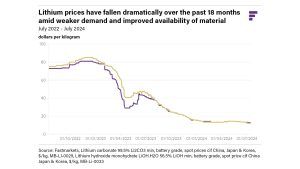
    Oversupply in the lithium market has meant prices have fallen dramatically over the past 18 months.
    Prices for rare earths have fallen in recent months in line with continued weak demand from the downstream magnet sector. Fastmarkets’ weekly price assessment for the neodymium-praseodymium oxide 99% ratio (75:25), fob China price fell to $50-52 per kg on 11 July, from $54-56 per kg in late April.

    Neodymium-praseodymium is the largest rare earth component of neodymium iron boron (NdFeB) magnets and makes up around a third of a finished magnet.
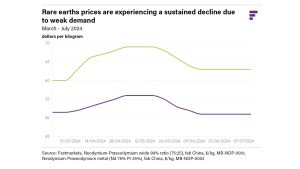
    Prices also fell for Fastmarkets’ neodymium-praseodymium metal (Nd 75% Pr 25%), fob China to $62-64 per kg on 11 July, from $67-69 per kg in late April.

    Heavy rare earth elements markets, including dysprosium and terbium, have also fallen due to a lack of demand. Dysprosium and terbium are added in trace amounts to NdFeB magnets to improve performance at higher temperatures.

    Increased operational costs result in higher prices for the end consumer

    In Europe, in particular, EVs are expensive and this limits widespread adoption. Original equipment manufacturers (OEMs) need to offer more affordable models and may follow suit with Tesla by adopting LFP batteries. Our EV sales forecast for Europe shows that we expect LFP/LMFP to have a 34% market share by 2034.

    How can market participants build more resilient supply chains?

    Investment into critical mineral recycling

    It has been a challenging 12 months for battery recyclers, particularly for major Western entrants into the sector who faced financial issues. Despite these short-term challenges, the market looks set for strong growth in the longer term. Robust competition means the stronger companies will ultimately hold an advantage and survive the downturn.

    critical minerals
    © shutterstock/Phawat

    These advantages include things like:

    • Offtake agreements to secure feedstock
    • Competitive technology
    • The know-how to produce downstream products
    • Strategic partnerships
    • Access to financing

    Strengthen strategic partnerships to drive innovation

    At our recent Lithium Supply and Battery Raw Materials event in Las Vegas, Li-Cycle’s Tim Johnston said that recycling companies must “stay close” to customers such as OEMs and iron out technological issues to thrive. In our recent Battery Recycling Outlook, we go into more detail about how strategic partnerships are becoming increasingly important in the emerging recycling markets of Europe and the US.

    Because US and European value chains are made up of a larger number of smaller-sized companies, this makes strategic partnerships increasingly important. They can provide access to funding, access to a new region or market and access to a wider network of the value chain. Small-scale companies are looking to larger companies for investment and to leverage their networks, which helps prevent the smaller companies from being pushed out of the market. In terms of critical mineral recycling, some non-recycling companies are looking for where they should try to enter the recycling value chain and when is best to do so.

    Policy actions to provide financing to develop new supply sources

    One difference seen between the CRMA and the IRA is in access to funding to help projects and stimulate critical mineral supply chain growth and security.

    In the US, the Office for Manufacturing and Energy Supply Chains (MESC) which operates in the Department of Energy (DoE) aims to ‘eliminate vulnerabilities in US clean energy supply chains’. Together with the Bipartisan Infrastructure Law and the IRA, almost $500bn has been catalysed for investment into US energy, according to Ashley Zumwalt-Forbes, US Deputy Director for Batteries and Critical Materials (MESC).

    In the opening address at Fastmarkets’ 16th Lithium Supply and Battery Raw Materials conference in June, Zumwalt-Forbes said: “Our grants figure out how the US can be competitive and where the US can be competitive.”

    The CRMA legislation does not directly provide funding for strategic projects but instead looks to streamline projects by providing ‘efficient permitting and improved access to finance’, whilst advising that funding is available through existing mechanisms. Individual European member states are encouraged to provide public investment into domestic strategic projects to encourage supply chain growth.

    “The guidelines set out by the CRMA are quite strict with not too much time left to get things in place, it will be interesting to see how the supply chain adapts,” a market participant said.

    Please note, this article will also appear in the 19th edition of our quarterly publication.

    [ad_2]

    Source link

  • Navigating challenges and embracing solutions

    Navigating challenges and embracing solutions

    [ad_1]

    Mining in Europe presents a unique set of challenges, from balancing the growing demand for raw materials with stringent climate goals to managing resource scarcity and shifting public perceptions.

    By adopting sustainable practices, leveraging green technologies, and fostering community engagement, Europe’s mining sector can overcome these obstacles and contribute to a more resilient future.

    Balancing raw material needs with EU climate goals

    Europe’s mining industry must align with the EU’s ambitious climate targets while meeting the demand for essential raw materials.

    Sustainable practices are at the forefront of this balancing act, with the adoption of a circular economy model proving vital.

    This approach emphasises the recycling and reuse of materials, reducing the need for new resource extraction and fostering responsible consumption and production patterns.

    Green mining technologies offer another solution, enhancing operational efficiency while minimising environmental impact.

    Innovations such as autonomous vehicles, electric machinery, and advanced monitoring systems can significantly reduce the carbon footprint of mining operations.

    Additionally, the shift towards renewable energy sources like solar, wind, and hydroelectric power for mining activities is crucial in reducing greenhouse gas emissions and aligning the industry with broader environmental goals.

    Reducing Europe’s resource dependency

    To decrease its dependency on external resources, Europe must focus on resource efficiency and diversification.

    A circular economy approach, where resources are efficiently used, recycled, and repurposed, is essential to minimising waste and reducing the demand for new raw materials.

    Eco-design, which prioritises minimal environmental impact throughout a product’s lifecycle, can further reduce resource consumption.

    Recycling initiatives are also pivotal. By investing in cutting-edge recycling technologies and infrastructure, Europe can recover valuable materials from waste streams, lessening the reliance on primary raw material extraction.

    ©shutterstock/AI Image Generator

    Enhancing consumer participation in recycling programmes can boost resource recovery rates, contributing to a more sustainable resource management strategy.

    Improving resource efficiency across various industries is another critical step. Embracing innovative technologies that optimise resource use, such as automation and digitalisation, can increase productivity while lowering material inputs.

    Exploring alternative materials, including bio-based and recycled resources, will help diversify Europe’s resource pool and decrease dependence on finite resources.

    Changing public perception

    Altering public perception and reducing opposition to mining in Europe requires a comprehensive approach that addresses environmental, social, and economic concerns.

    Effective community engagement is key, allowing mining companies to involve local residents in decision-making processes, address concerns, and integrate community needs into their operations.

    Educational campaigns are also vital. By informing the public about the benefits of responsible mining practices, the technologies used to minimise environmental impact, and the economic contributions of the mining industry, companies can dispel common misconceptions.

    Sustainability initiatives play a crucial role in shaping public perception. By implementing practices such as land reclamation, water conservation, and biodiversity protection, mining companies can demonstrate their commitment to environmental stewardship.

    Dialogue forums provide a platform for stakeholders to express their views, ask questions, and engage in meaningful discussions with mining companies, fostering transparency and building trust.

    Involving a diverse range of stakeholders, including environmental groups, local communities, and government bodies, in decision-making processes ensures that concerns are addressed from multiple perspectives. This inclusive approach can lead to mutually beneficial solutions and reduce opposition to mining activities.

    EU regulations: A double-edged sword for Europe’s mining industry

    The European Union’s regulatory framework profoundly influences the mining industry, acting as both a facilitator and a constraint.

    These regulations are designed to ensure environmental protection, safety, and fair labour practices, aiming to promote sustainable mining practices across the region.

    On the one hand, EU regulations enforce strict standards that drive the industry towards greener, more responsible operations.

    This emphasis on sustainability aligns with broader climate goals and helps mitigate the environmental impacts of mining.

    However, these stringent regulations can also increase compliance costs for companies, potentially hindering mining activities that struggle to meet the high environmental standards set by the EU.

    Economic benefits are another consideration. While regulations are intended to stimulate local economies by promoting responsible mining practices and job creation, they can also limit the exploration and extraction of valuable mineral resources.

    This tension between regulation and resource development poses a challenge to the industry’s economic potential.

    Path forward for Europe’s mining landscape

    Overcoming the challenges of mining in Europe requires a comprehensive strategy that integrates sustainable practices, resource efficiency, community engagement, and compliance with EU regulations.

    By embracing green mining technologies, adopting a circular economy approach, and promoting renewable energy sources, the mining industry can reduce its environmental impact and contribute to the EU’s climate goals.

    Proactive measures, such as investing in advanced recycling technologies and engaging local communities, will further support responsible mining practices, ensuring sustainable resource management for future generations.

    With the right strategies, Europe’s mining sector can navigate its complex landscape and emerge as a model for sustainable development in the global mining industry.

    [ad_2]

    Source link

  • Cirba Solutions welcomes DOE to lithium-ion battery recycling plant

    Cirba Solutions welcomes DOE to lithium-ion battery recycling plant

    [ad_1]

    Cirba Solutions, a leader in lithium-ion battery recycling and materials management, is making significant strides in establishing a domestic supply chain for electric vehicle (EV) batteries.

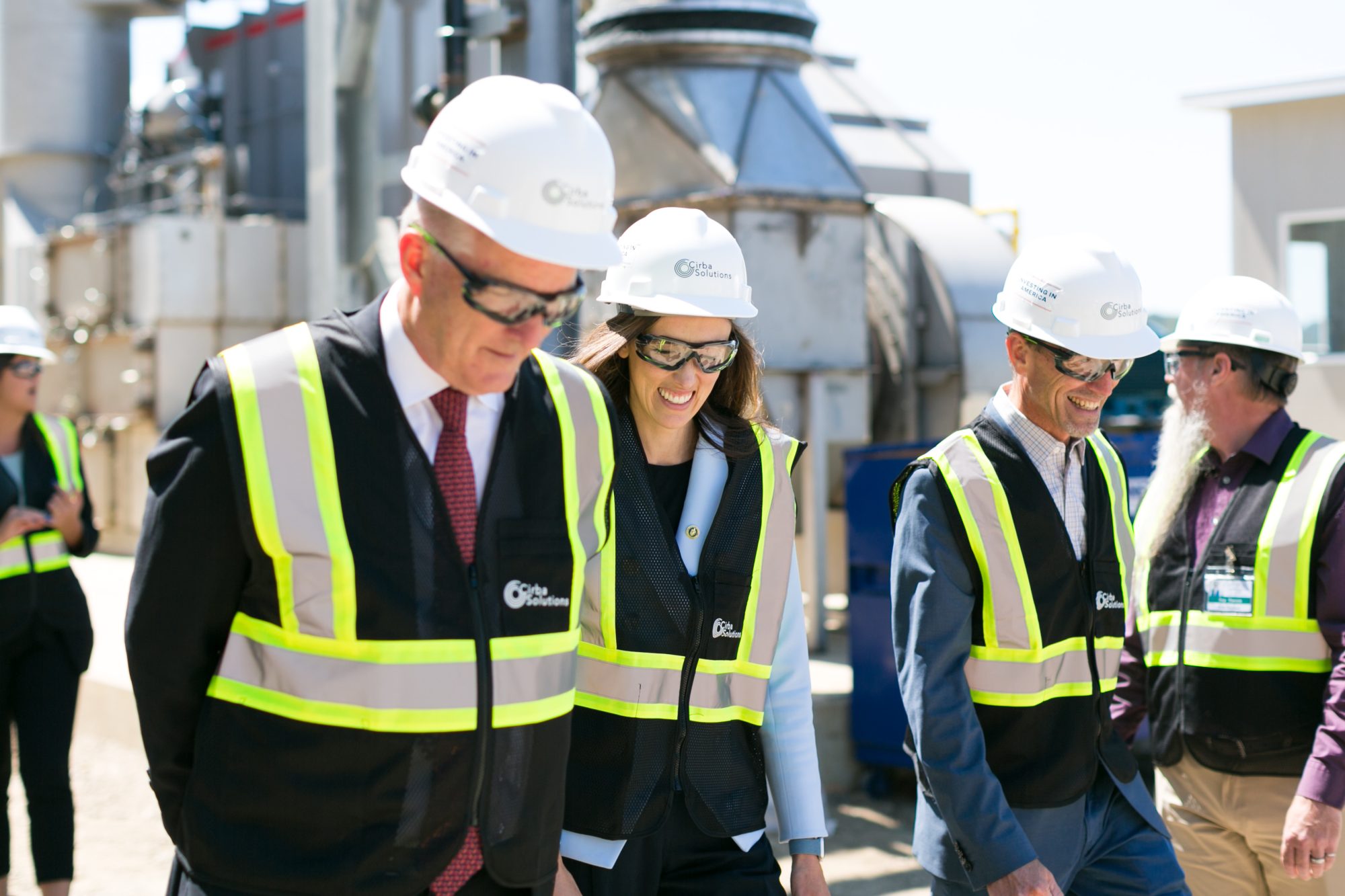
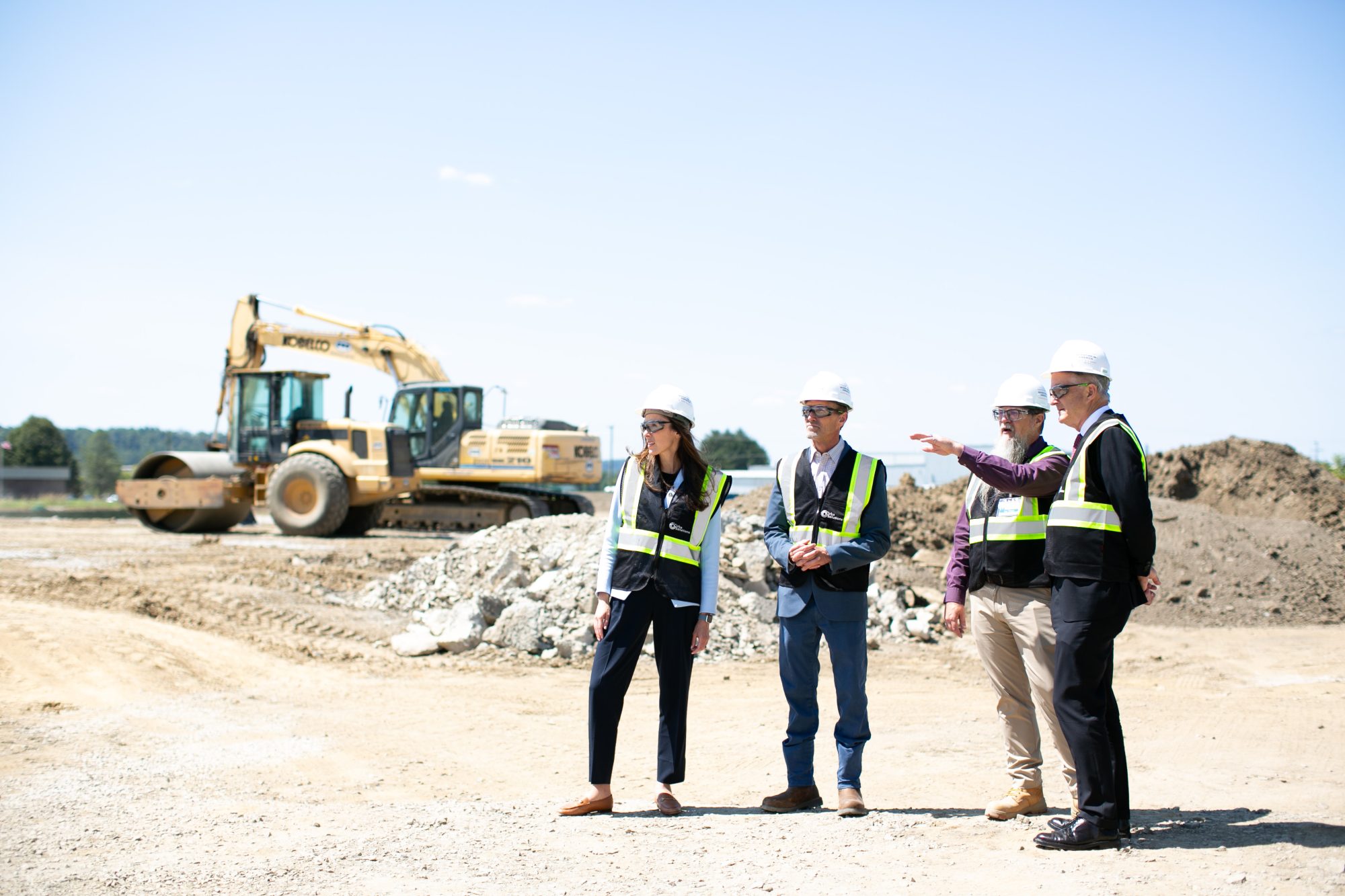
    Recently, the company welcomed David Crane, Under Secretary for Infrastructure at the U.S. Department of Energy (DOE), and Giulia Siccardo, Director of the DOE Office of Manufacturing and Energy Supply Chains (MESC), to tour its expanding lithium-ion battery recycling facility in Lancaster, Ohio.

    A Strategic Milestone for Cirba Solutions

    The Lancaster facility is a focal point in the DOE’s strategy to build a robust domestic battery manufacturing value chain, increase American competitiveness, and create high-quality jobs.

    Cirba Solutions is investing over $400m in this lithium-ion battery recycling project, with production expected to be operational by 2026.

    Once completed, the facility will produce enough battery-grade metal salts to power more than 250,000 EV batteries annually and will create over 100 new jobs in the region.

    “Across the nation, more and more communities are experiencing the benefits of an American manufacturing renaissance thanks to President Biden’s Investing in America agenda.

    “With Cirba Solutions’ first project from the Bipartisan Infrastructure Law coming online, Lancaster, Ohio, becomes a strategic focal point in DOE’s efforts to build domestic battery manufacturing value chain, increase American competitiveness, strengthen US supply chains, and create good-paying, high-quality jobs for the Buckeye state.

    “I’m proud of the partnership we have created with Cirba Solutions as we reach this extraordinary milestone, and I look forward to our continued collaboration to build a future for Ohioans and all Americans that has never been brighter or cleaner,” said Crane.

    Government and private sector collaboration in lithium-ion battery recycling

    The expansion in Lancaster has been partially funded by a $75m grant from the DOE’s MESC program, a key component of the Bipartisan Infrastructure Law.

    This collaboration between the government and the private sector underscores the importance of a domestic circular battery supply chain in advancing America’s energy independence and security through lithium-ion battery recycling.

    Credit: Cirba Solutions

    Siccardo highlighted the significance of this partnership: “This is a testament of how a government-enabled and private-sector led approach can enable the future of vehicle manufacturing.

    “Cirba Solutions is demonstrating how a strategic commitment to a circular, domestic battery supply chain can move the US forward, create incredible economic opportunity, and strengthen our energy security.”

    Towards a circular economy with lithium-ion battery recycling

    The visit by Under Secretary Crane and Director Siccardo came nearly a year after Secretary of Energy Jennifer Granholm attended the facility’s groundbreaking event.

    The ongoing construction marks significant progress towards Cirba Solutions’ goal of creating a circular battery supply chain, which aims to reduce costs and increase the efficiency of lithium-ion battery recycling and processing.

    David Klanecky, CEO and President of Cirba Solutions, emphasised the company’s achievements: “Being the first company to officially receive funding through the Bipartisan Infrastructure Law and being able to showcase the immense achievements we have made towards a more stable domestic supply chain is something we do not take lightly.

    “Increasing the supply of critical materials sourced in the U.S. is crucial to our national security, our pursuit of reducing carbon emissions and our goals around building a closed-loop supply chain.

    “The support from the DOE has made it possible for us to expand our operations and operational footprint for the growing battery industry in the US, which has never been seen before in North America.”

    Rising demand for critical materials

    As the demand for critical materials like lithium, nickel, and cobalt continues to grow, the importance of domestic processing and recycling becomes more apparent.

    The lithium supply is projected to grow at a compound annual growth rate (CAGR) of 15% through 2033, while the demand for nickel and cobalt is expected to double between 2023 and 2034. By 2040, 29% of cobalt demand is anticipated to be met by recycled materials.

    These market trends underscore the necessity of increasing the supply of critical materials through domestic recycling.

    Cirba Solutions’ expansion in Lancaster plays a vital role in this effort, contributing to the creation of a sustainable, closed-loop battery supply chain in the US through efficient lithium-ion battery recycling.

    As Cirba Solutions continues its expansion, the company is poised to play a pivotal role in the future of EV battery production and recycling, as well as the broader goal of achieving energy sustainability in the United States through advanced lithium-ion battery recycling techniques.

    [ad_2]

    Source link

  • Strengthening the EU’s critical and strategic raw materials supply

    Strengthening the EU’s critical and strategic raw materials supply

    [ad_1]

    The European Bank for Reconstruction and Development (EBRD) has recently launched a joint facility with the EU for critical and strategic raw materials. The Innovation Platform spoke to EBRD’s Tetiana Dzhumurat to find out more.

    Critical and strategic raw materials are key components needed for the European Union’s (EU) digital and green transition. In a bid to minimise supply chain disruptions and increase Europe’s supply of these materials, the EU has introduced a series of strategies and policies in recent years. These include the Critical Raw Materials Act, which aims to strengthen the EU’s critical raw materials capacities along all stages of the value chain and to increase Europe’s resilience by reducing dependencies. In addition, following Russia’s invasion of Ukraine, the EU launched the REPowerEU Plan to phase out Russian fossil fuel imports.

    Supporting the objectives of both the Critical Raw Materials Act and the REPowerEU plan, the EU and the European Bank for Reconstruction and Development (EBRD) have partnered to launch a joint facility for critical raw materials (CRMs) as part of the InvestEU programme. The facility will provide equity investments for the exploration of critical and strategic raw materials, aiming to mobilise up to €100m in investments. The new joint facility will support the objectives of the EU’s Critical Raw Materials Act and the REPowerEU Plan.

    The EBRD is investing €25m in the facility and this will be matched by the EU’s contribution from the Horizon Europe Programme. The facility aims to mobilise a further €50m.

    The facility will build on the EBRD’s extensive experience in financing mining projects, facilitating early-stage equity investments in operations in EU Member States where the Bank operates, as well as EBRD economies outside the EU that are covered by the Horizon Europe programme. Through this facility, the EBRD expects to invest in 5-10 junior mining companies (small and medium-sized enterprises, medium-sized enterprises or small mid-caps) that undertake critical raw material exploration in eligible countries.

    The exploration activities funded under the facility will have to adhere to strict climate, governance, environmental and social standards. The EBRD’s rigorous Paris Agreement Alignment and Environmental and Social Policy screening will be applied to all projects.

    To find out more about the facility and how it fits with the EBRD’s own values and mission, The Innovation Platform spoke to Tetiana Dzhumurat, Principal Banker, Natural Resources, at EBRD.

    Can you elaborate on what the facility will do?

    The €50m facility will provide equity and quasi-equity financing to early-stage mining companies pursuing exploration (post-resource discovery) of critical and strategic raw materials to enable them to progress various studies and works required to reach feasibility and construction stage. This facility is part of a broader Junior Mining Programme recently approved by EBRD’s Board.

    Why is it important for the EBRD to support early-stage mining companies and projects?

    These companies are under-serviced by the limited depth of equity capital markets and private equity. This is particularly true in the region where this facility will be deployed.

    How does this investment fit with the EBRD’s mining sector strategy?

    This facility is fully aligned with the EBRD’s mining sector strategy. In particular, one of the four key priorities of the strategy is “to selectively support the exploration and production of metals and minerals required for the green energy transition and digitalisation.”

    How will you ensure that the exploration activities supported by the facility meet high climate, governance, environmental and social impact standards?

    EBRD’s Mining Sector Strategy stipulates that the EBRD will review mining sector projects on an individual basis and check them against a robust set of requirements, including the Bank’s Environmental and Social Policy (ESP) and Performance Requirements. All projects will be subject to rigorous environmental and social due diligence and monitoring. As specified in the ESP, projects will be required to apply good international practice, such as the Global Industry Standard on Tailings Management.

    In line with EBRD’s commitments, all projects it supports will be aligned with the objectives of the Paris Agreement and the Green Economy Transition Approach. Compliance with the Bank’s Environmental and Social Policy (ESP) and Performance Requirements will be contractually agreed with the companies implementing the projects and subject to monitoring by the Bank’s Environmental & Social specialists and consultants where necessary.

    About the EBRD

    The EBRD is a multilateral bank that promotes the development of the private sector and entrepreneurial initiative in 36 economies, including some EU countries. The Bank is owned by 73 countries as well as the EU and the EIB. The EBRD’s mandate focuses on fostering the transition towards open market-oriented economies, and its investments are aimed at making the economies in its countries of operation competitive, inclusive, well-governed, green, resilient, and integrated.

    Please note, this article will also appear in the 19th edition of our quarterly publication.

    [ad_2]

    Source link
  • Connecting Canadian advanced mining technologies with global opportunities

    Connecting Canadian advanced mining technologies with global opportunities

    [ad_1]

    MICA is addressing the critical need to secure global resources for the future by enabling the implementation of advanced mining technologies to drive progress.

    The Centre for Excellence in Mining Innovation (CEMI) has developed a programme and a network aimed at tackling the existential opportunity of securing global resources for the future. The Mining Innovation Commercialisation Accelerator (MICA), funded by industry and the Government of Canada from 2021-2026, brings together stakeholders from across the mining industry, academia, and government to foster the development and adoption of cutting-edge mining technologies that will advance progress in sustainability and efficiency.

    The Innovation Platform spoke with CEMI Vice President of Business Development and MICA Network Director Chamirai Charles Nyabeze to learn more about MICA and the platform’s comprehensive approach to creating global opportunities for Canadian-made technologies.

    What are the challenges for promoting Canadian technologies to the global mining marketplace?

    One of the challenges of promoting Canadian technologies is accessing global mining markets. It is difficult to identify opportunities and gain visibility because mines are often located in remote areas, requiring venturing off the beaten path to reach them.

    The lack of technology support infrastructure in host countries can hinder the success and continuity of Canadian technologies. Winning a project at a global destination is one thing, but ensuring ongoing support for technology is equally important. Some Canadian companies lack experience in economic development and expertise in operating in global locations, which makes these projects even more daunting.

    Additionally, Canadians tend to be more cautious about taking risks. Political risk in certain areas can make it challenging to do business, and we are cautious about investing in high-risk countries, even though they may offer significant opportunities.

    What are the opportunities for Canadian technologies in international markets?

    The global community is increasingly moving towards greener practices. The Canadian brand is recognised globally, in part due to our strong sense of social responsibility. Canada has a strong reputation for producing high-quality, sustainable goods, and we anticipate a rise in demand for our solutions as a result.

    Furthermore, Canada boasts comprehensive expertise in various forms of mining, including open-pit and underground mining, as well as a diverse range of minerals and metals – from coal, uranium, and oil sands to cobalt, nickel, copper, and precious metals like gold and diamonds.

    Canada has a diverse mining sector, which means that the technologies developed here can be applied to various types of mining operations. Given Canada’s active mining sector, these technologies have undergone rigorous testing and proven success, establishing a solid track record.

    As the global demand for cleaner and greener mining practices grows, Canada stands at the forefront with a wealth of technologies, particularly through our Mining Innovation Commercialisation Accelerator (MICA). These technologies are designed to enhance mining efficiency, environmental conscientiousness, productivity, and safety.

    Moreover, mining technology plays a pivotal role in securing the social licence to operate by instilling confidence in the communities that mining activities will be conducted responsibly to avoid any potential disasters.

    How is MICA different from other organisations promoting Canadian mining technologies?

    The MICA is a national network based in Canada with a global reach that aims to support innovation in the mining industry and expedite the commercialisation of mining technologies. Our ultimate objective is to make a significant impact by addressing the essential needs of a resource-driven world.

    MICA’s approach is comprehensive, encompassing all mineral and metal types. It involves addressing various stages of mining, from prospecting to rehabilitation, making it distinct as a membership-based organisation that encompasses the full spectrum of mining technologies.

    MICA is tailored to be a meeting place for innovators and consumers of innovation. On the innovator side, MICA mostly engages small and medium-sized enterprises (SMEs) in the supply service sector. On the consumers of innovation, MICA engages mine operators and technology integrators. Our membership structure fosters more of a discussion-based approach, with our members seeking our support in regard to funding and commercial services. Connecting innovators to opportunities to commercialise their solutions is a community sport that engages various stakeholders across the entire mining value and supply chain.

    Our global outreach approach sets us apart. We have invested in 50 innovative technology projects spanning the entire mining process, from prospecting to mine closure and asset rehabilitation.

    Currently, we are in the process of establishing an international network of organisations dedicated to advancing the mining industry. This network includes creating pathways to leverage globally relevant funding programmes like New Horizon and Eureka. As part of this, MICA has enlisted the expertise of a global outreach team that includes boots-on-the-ground business development resources in South Africa to support outreach in emerging markets.

    The Canadian government has endorsed MICA to support transformative technologies for the mining industry. The aim is to serve Canadian mining needs and create global opportunities for Canadian-made technologies. MICA is, therefore, positioned to directly impact Canada’s GDP.

    © shutterstock/Darunrat Wongsuvan

    In addition to funding, we are deeply committed to nurturing and guiding projects. We accompany and support projects throughout their journey to becoming commercially viable. Our focus lies in pioneering cutting-edge mining technologies that have not yet gained traction rather than only endorsing existing proven solutions. MICA aims to champion demonstration projects and establish proof of concepts in environments mirroring real-world conditions. This, we believe, is the catalyst for technology adoption and integration into business systems.

    MICA stands to be the definitive globally relevant one-stop-shop for accessing emerging technologies spanning the entire mining cycle.

    What specific initiatives or programmes can MICA implement to effectively connect Canadian technology companies with potential international partners?

    MICA has appointed a dedicated full-time global outreach director to facilitate the expansion of international markets for various Canadian technologies. Our strategy involves identifying ecosystem-level organisations in foreign jurisdictions and establishing connections with them. This approach is mutually beneficial for both Canadian cities and the countries hosting mines with natural resources. It is crucial for us to honour the national interests of the countries to which we introduce our mining technologies and ensure that resources are extracted sustainably and respectfully.

    Fundamentally, our approach aims to integrate Canadian technologies with the local ecosystem and contribute to the creation of new jobs and skillsets in those countries.

    As part of our global outreach, we conduct missions to introduce Canadian technologies to specific locations and engage with local stakeholders. In Europe, there are funding programmes such as Horizon Europe that we can use to develop and customise technologies further. Thanks to MICA’s global outreach strategy, we are able to leverage these programmes to create solutions tailored to the specific needs of different areas.

    Through this work, MICA will foster international collaboration, build strong partnerships, conduct business ethically and respectfully, and empower local communities and businesses in host nations.

    Another significant focus area is mobilising private capital. We are introducing the first-of-its-kind Canadian Mining Innovation Venture Fund. This will attract funding from family investment groups, private equity firms, and individual investors. It will also appeal to mining operators who are looking to invest their capital. Through this fund, MICA hopes to reduce our reliance on government funding and become a more self-sustaining platform.

    How can MICA showcase successful case studies of Canadian technology adoption in international markets?

    Ultimately, people cannot buy what they don’t know exists. The mining industry values practical demonstrations. While others may label us as risk-averse, the reality is that we are simply cautious and methodical. The process of introducing new ideas can be lengthy, sometimes taking decades to adequately showcase new technologies and test performance.

    It is crucial to consider market input in technology development to maximise adoption, and MICA is committed to ensuring that Canadian technologies are driven by international market demands.

    MICA encourages collaboration and welcomes input. Recently, we welcomed suggestions to advance mining in specific areas identified for improvement. These include: energy, the environment, productivity, and digital smart autonomous mining systems.

    Part of our funding is specifically designated to encourage technologies housed within MICA to showcase their products abroad and gain valuable feedback for further development. We participate in conferences, events, and workshops to showcase these technologies, providing accompanying fact sheets and videos to communicate their stories effectively. For example, in October, we will host a Canada-Chile Innovation Summit to display ten Canadian technologies and engage in discussions with partners in Chile.

    Additionally, we are focusing on organising micro-events, having so far hosted over 100 events in Canada and around 150 events worldwide. Our objective is to encourage technological advancements and cultivate a culture of progress within the mining industry using advertising and platforms like LinkedIn. Establishing strong relationships is crucial. Successful business operations depend on partnerships and meaningful conversations, which in turn facilitate the access of Canadian technologies to international markets.

    What metrics or benchmarks can MICA use to measure its success in promoting Canadian technology and establishing itself as the industry leader?

    MICA’s success can be measured in numbers. We have supported 50 projects, identified 296 potential technology projects, and secured $640m that can be mobilised to support innovation in these projects.

    Presently, we have over 100 members, encompassing innovators, mining operators, junior mining companies, and associates – organisations providing complementary innovation support services. Among them, MICA boasts seven mining company members, including Glencore, Vale, Teck Resources, BHP, Nutrien, IAMGOLD, and New Gold, each representing distinct aspects of the mining industry.

    Nothing happens without a team. Dedicated, excited individuals are necessary to encourage real impact and wave the flag of mining innovation. Retaining this team is equally important for MICA in measuring its success. The team at MICA is passionate about its work and aspires to lead the global industry with exceptional standards. Our work intends to simplify and demystify the process of finding innovations that elevate the mining sector, striving to reshape the perception of mining into a positive one that attracts young talent to the industry.

    MICA’s vision for a sustainable mining future

    Through the utilisation of various technologies and a shared passion for accelerating innovation in mining, we are witnessing a remarkably promising future for the industry. Leading this initiative, MICA aims to serve as a pivotal global hub, fostering and supporting mining innovation.

    As we move forward, MICA is committed to advancing environmental stewardship and providing exceptional service by bridging the gap between the global community and cutting-edge technology initiatives. Our objective is to boost funding from $40m to over $100m to enhance mining practices and contribute to the realisation of a low-carbon economy. Emphasising the circularity of resources, particularly critical minerals, is integral to MICA’s vision for a sustainable, eco-friendly future.

    Over the remaining project timeline, MICA aims to develop technologies that support circularity across the upstream, midstream, and downstream segments of critical minerals exploration. Technological progress is vital in adapting to climate change and fostering a better world for all.

    Consider the profound impact of enhancing the global mining industry. As mining progresses, all related aspects, including its values and supply chains, also advance. The effect of this seemingly minor change on the world cannot be overstated.

    Please note, this article will also appear in the 19th edition of our quarterly publication.

    [ad_2]

    Source link
  • Revolutionising ore body analysis with ELEMISSION’s ECORE LIBS drill core scanner

    Revolutionising ore body analysis with ELEMISSION’s ECORE LIBS drill core scanner

    [ad_1]

    ELEMISSION’s ECORE LIBS drill core scanner provides detailed mineralogy and textural information rapidly.

    Exploration, mining, and mineral processing account for a significant proportion of global GDP. Comprehensive and robust ore body analysis is information that is necessary for determining the viability and profitability of an ore deposit.

    Characterisation of the mineralogy of a deposit is a reliable way to improve ore body knowledge through the validation and refinement of genetic models, which can then support exploration efforts and lead to new discoveries.

    Traditional ore body analysis methods

    Traditionally, a combination of techniques is used to understand the mineralogy of an ore deposit better. Thin sections for representative lithologies throughout a deposit are prepared and characterised by a geologist using a petrographic microscope. These interpretations generally need to be verified and further extended with secondary and even tertiary methods, such as scanning electron microscopy (SEM) or electron probe microanalysis (EPMA).

    For more in-depth studies, trace element and isotopic analyses can be conducted using methods such as laser ablation inductively coupled plasma mass spectrometry (LA-ICP-MS) or secondary ion mass spectrometry (SIMS) to understand compositional zoning or timing of mineralisation better.

    In more recent years, automated mineralogy solutions have been developed that utilise technologies such as SEM-EDS and X-ray Fluorescence (XRF) to generate mineralogical maps of thin sections or epoxy resin blocks.

    While these techniques are useful for better understanding the mineralogy of an ore deposit, the scale of these analyses is quite small and limited by sampling. With a standard thin section size of 27 x 46 mm, a large quantity is required to produce a dataset that is representative of an entire deposit.

    Additionally, smaller sample sizes increase the likelihood of biased sampling, which may induce sampling error, according to sampling theory. These traditional analyses are often quite costly and time-consuming (both in terms of analysis time and required sample preparation), further limiting how much of a deposit can be truly characterised. In an attempt to overcome some of these challenges, commercial drill core scanners using infrared hyperspectral imaging (IR-HSI) have become increasingly popular over the last decade to provide mineralogy on a larger scale.

    These machines are capable of providing large amounts of textural and mineralogical information quickly and at a relatively low cost. While this significantly reduces scalability issues that are associated with traditional methods, there are many limitations to this technology that result in reduced data quality. Metal oxides, quartz, and sulphide minerals are not spectrally active with IR-HSI and, therefore, cannot be distinguished from each other.

    In addition, the spot size of each analysis is ~1mm, resulting in mixed results in fine-grained lithologies. Infrared hyperspectral imaging (IR-HSI) is a molecular spectroscopy technique characterised by the presence of multiple spectral interferences, resulting in many minerals being indistinguishable from each other.

    ECORE – An appropriate solution for large-scale mineralogy

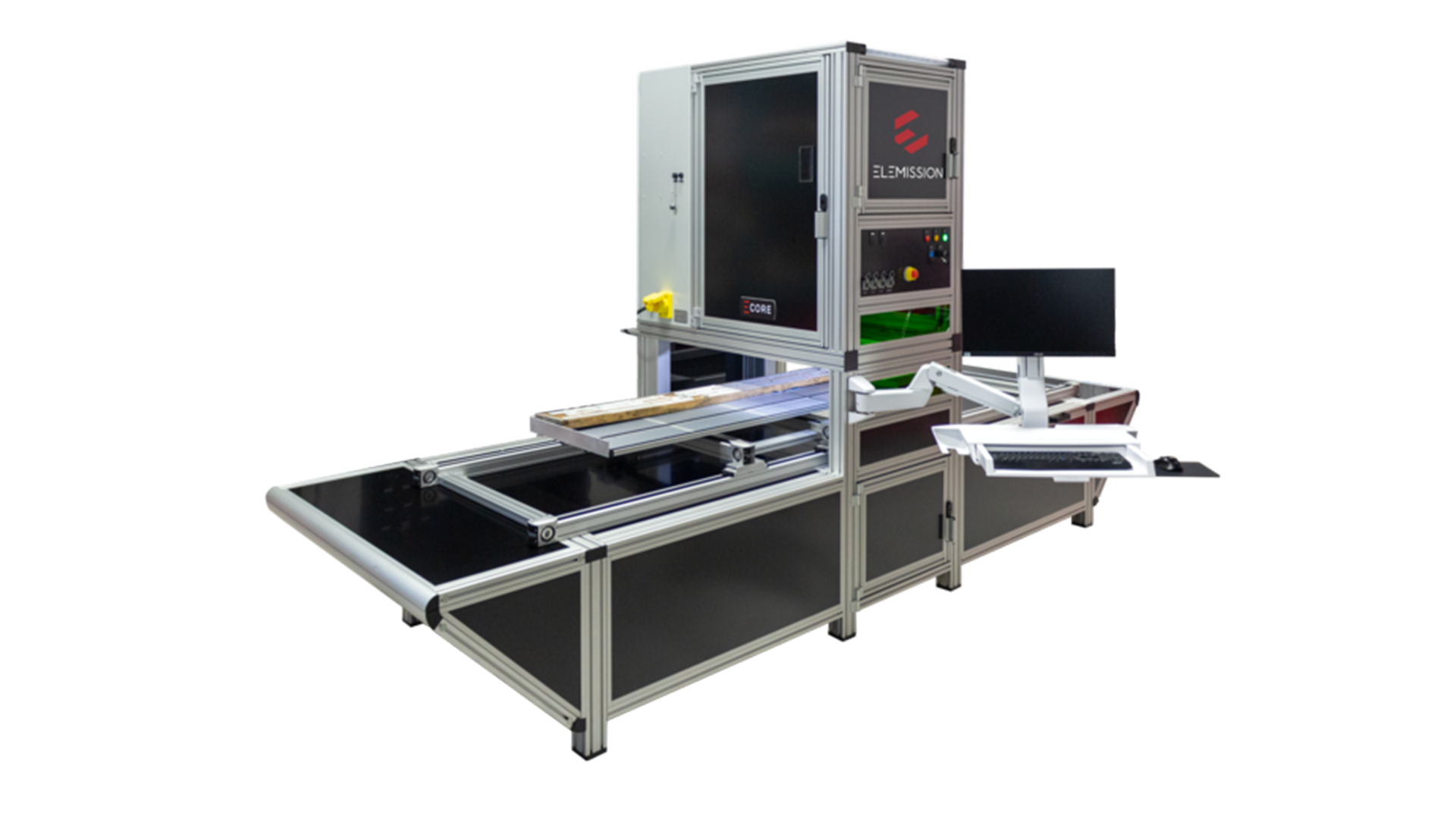
    ECORE (Fig. 1), manufactured by ELEMISSION Inc. (Montréal, QC, Canada), is a fully automated, high-speed, commercial laser-induced breakdown spectroscopy (LIBS) commercial drill core scanner that rapidly provides automated mineralogical and chemical assays while providing high-quality and accurate information.

    Fig. 1: ECORE LIBS drill core scanner manufactured by ELEMISSION Inc.
    Fig. 1: ECORE LIBS drill core scanner manufactured by ELEMISSION Inc.

    ECORE is capable of providing SEM-EDS-level quality mineralogy directly on the drill core, with a spot size of 30 µm and a resolution (spacing between analysis points) that is fully adjustable by the user. Equipped with ELEMISSION’s proprietary and user-friendly LIBS CONTROL software and Smart Automated Mineralogy (SAM) algorithm, users have access to fast and accurate quantitative mineralogy within minutes (about five minutes per core box at standard resolution).

    The unique use of LIBS technology allows for the detection of every naturally occurring element on the periodic table (from hydrogen to uranium). LIBS is an atomic emission spectroscopic technique characterised by ultra-thin emission lines (less than 100 picometers) that minimise spectral interferences, enabling precise and accurate characterisation of minerals and elemental composition in rock samples. The high selectivity of LIBS elemental spectra means that users can see individual elements within minerals and understand elemental associations.

    The unique combination of microscale probing spots and high selectivity of the atomic emission spectra brings the data required for high-fidelity quantitative automated mineralogy. It also allows users to distinguish between minerals containing the same elements in varying amounts and to see compositional variations within the same mineral.

    ECORE is able to provide rapid access to chemical and mineralogical information, along with high-resolution and detailed textural imagery. The following case studies demonstrate how ECORE’s unique features are used to provide information that would be otherwise inaccessible at a large scale for unlocking deposit potential and enhancing ore body analysis.

    Case study one: Differentiating arsenic-bearing pyrite and arsenopyrite

    For many gold deposit types, the presence of arsenic-bearing minerals is known to be associated with gold mineralisation. Properly constraining the deportment of arsenic within a deposit can, therefore, provide invaluable insight into understanding controls on gold mineralisation to facilitate decision-making and generate future drilling targets.

    The orogenic gold deposit that is the focus of this case study has gold mineralisation that is almost exclusively refractory and is associated with disseminated sulphide mineralisation and related hydrothermal alteration. In general, gold particles are primarily trapped within fine-grained arsenopyrite or arsenic-rich pyrite crystals. Higher concentrations of arsenic are typically associated with higher gold concentrations.

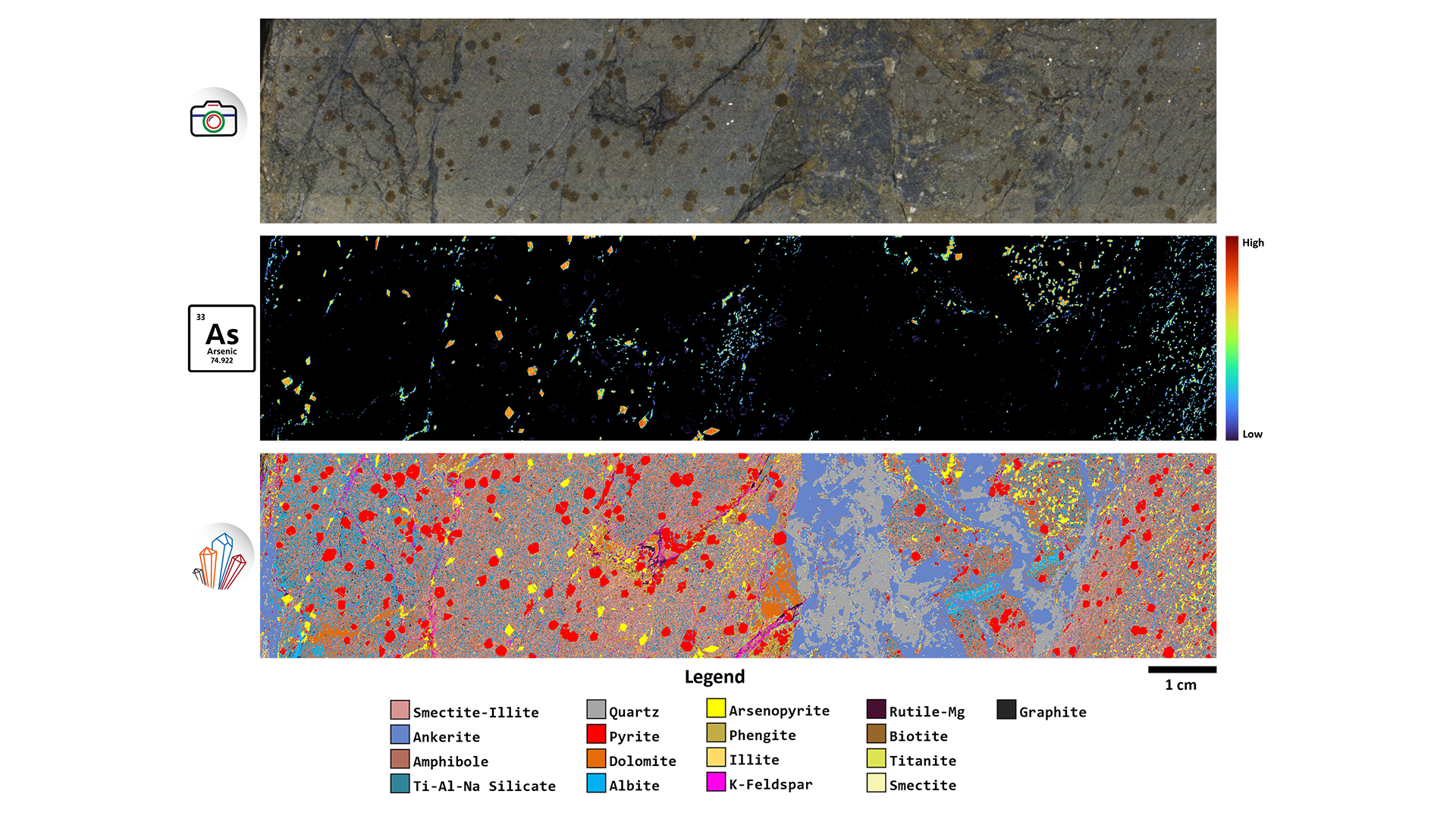
    The selectivity and sensitivity of ECORE technology allow users to distinguish between arsenopyrite, As-bearing pyrite, and non-As-bearing pyrite. Using a combination of mineralogical and elemental mapping (Fig. 2), the distribution of As throughout the core can be observed, and subsequently, mineralogical, textural, and chemical affinities between As-bearing pyrite and non-As-bearing pyrite can be established.

    Fig. 2: A photograph, a mono-elemental arsenic (As) map, and a mineralogical map generated by ELEMISSION’s Smart Automated Mineralogy (SAM) software of a section of drill core from an orogenic gold 
deposit. Arsenopyrite can be differentiated from As-bearing pyrite and non-As-bearing pyrite
    Fig. 2: A photograph, a mono-elemental arsenic (As) map, and a mineralogical map generated by
    ELEMISSION’s Smart Automated Mineralogy (SAM) software of a section of drill core from an orogenic gold
    deposit. Arsenopyrite can be differentiated from As-bearing pyrite and non-As-bearing pyrite

    The textural and chemical characteristics of these minerals can be used to better understand the implications concerning the mechanisms and timing of gold deposition. Access to detailed mineralogy promotes easy and accurate deposit characterisation and identification of alteration assemblages, allowing for informed decisions to be made for future exploration.

    Case study two: Detailed mineralogical mapping used to reconstruct events associated with VMS mineralisation

    Understanding the paragenesis (order in which minerals comprising a rock are formed) of a deposit is critical for establishing the context of different phases within a deposit. This comprehension allows mineralisation to be correlated with distinct fluid episodes and associated characteristic phase assemblages, which can then be used to develop strategies for geochemical exploration.

    Paragenesis is usually determined by examination of polished thin sections or resin blocks using various techniques (e.g., SEM, EPMA, LA-ICP-MS). However, the representativeness of a single thin section/block decreases significantly with increasing deposit scale, where vein and dyke systems can be hundreds of meters or even kilometres long.

    This, combined with the heterogenous phase distribution that is often observed to have happened during different fluid injections, adds to the challenge of sample representativeness.

    ECORE has the ability to provide mineralogy results comparable to SEM-EDS across an entire core box within minutes, creating the opportunity to maximise sample representativeness. ECORE provides rapid access to automated mineralogical and textural information at the macroscale and can be applied to entire drill programmes.

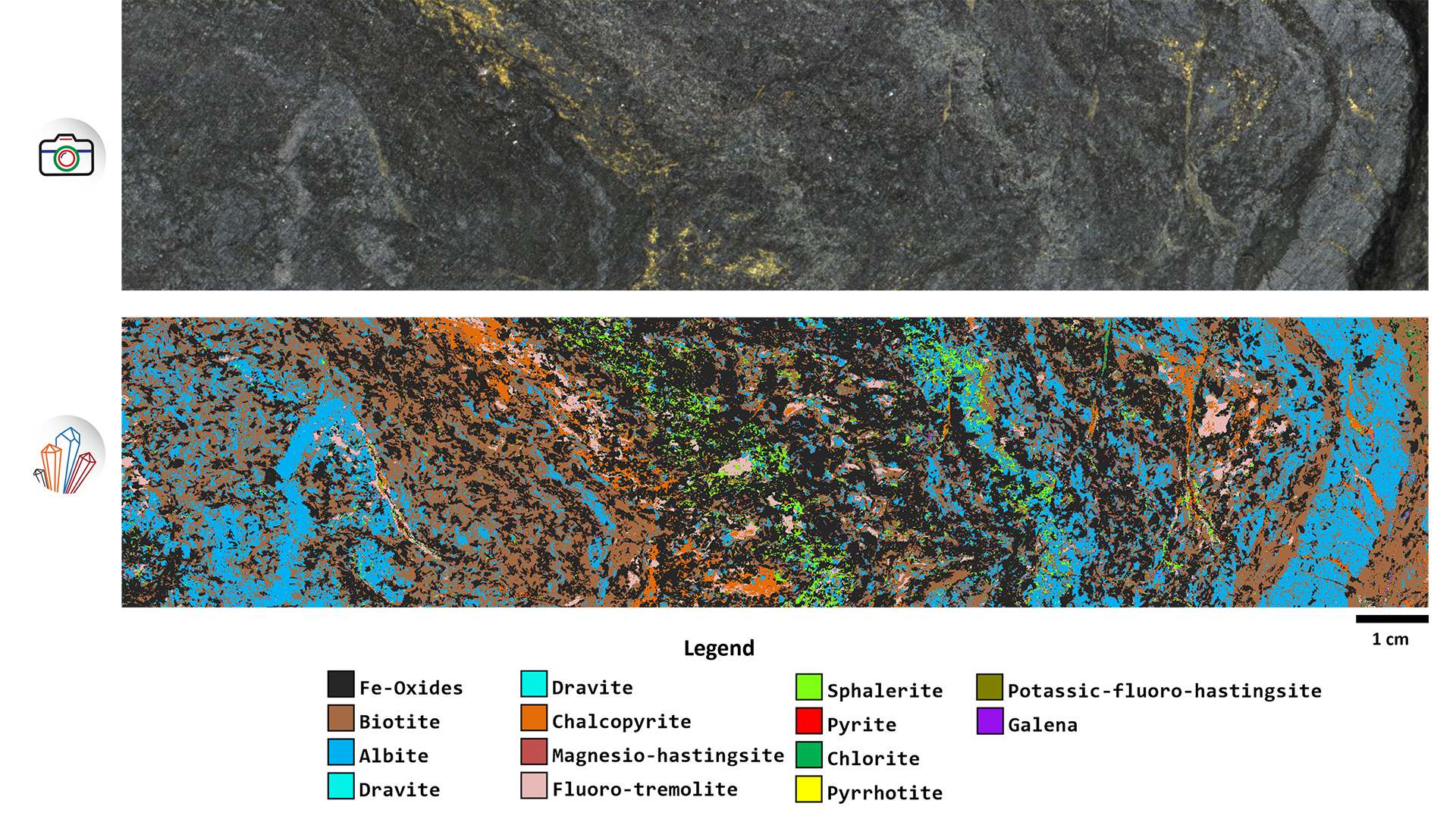
    ECORE technology was used to characterise drill core (Fig. 3) and thin section off-cuts (Fig. 4) from a VMS deposit that has undergone strong deformation and metamorphism. The deposit contains two styles of mineralisation, mineralogically and texturally distinct, which are characteristic of VMS deposits. High-resolution automated mineralogical mapping performed by ECORE allowed for accurate visualisation and correlation of texture and phaser relationships, contributing to the overall paragenetic knowledge.

    Fig. 3: A photograph and a SAM image of a section of drill core from a VMS deposit
    Fig. 3: A photograph and a SAM image of a section of drill core from a VMS deposit

    LIBS technology is able to detect and differentiate between different sulphide and metal oxide phases, eliminating the ambiguity that is common when using hyperspectral imaging. With ECORE, resolution can be adjusted down to 30µm at the touch of a button. This means that any area of interest can be re-scanned at an ultra-high resolution to highlight ultra-fine features that might otherwise be missed at a lower resolution.

    Fig. 4: A photograph and a SAM image of a thin section off-cut from a VMS deposit
    Fig. 4: A photograph and a SAM image of a thin section off-cut from a VMS deposit

    Revolutionising ore body analysis 

    ECORE is a unique tool that greatly enhances ore body analysis by empowering geologists through detailed mineralogical and textural mapping. Users can gain a superior understanding of elemental distribution within a deposit, which has implications for pathfinder and indicator mineralogy while also maximising sample representativeness with the ability to scan entire core boxes in minutes.

    Please note, this article will also appear in the 19th edition of our quarterly publication.

    [ad_2]

    Source link
  • Navigating the critical minerals landscape

    Navigating the critical minerals landscape

    [ad_1]

    Welcome to the latest edition of the Critical Minerals Pragmatist, written by Olimpia Pilch, a newsletter that provides you with a unique perspective on the global critical minerals landscape.

    I increasingly find myself asking, “what next?”, and “where are we headed?” as the Western world. For all the talk, endless roundtables and waffle in the media, there has been very little change. Many OEMs are turning their back not only on Western miners but their home governments, democratic principles and values, in favour of competing in a Chinese-dominated market. The strategy appears to have shifted to “if you can’t beat them, join them” as more and more partnerships are being struck with Chinese competitors. We have seen this over and over throughout the past 20+ years, those who chose to go down that path will reap what they sow. The rise of globalisation eroded patriotism and with it strategic thinking. Many companies want to be like Glencore, unanchored and unattached to any particular nation, able to strike deals and throw nations under the bus in the name of profit. But most companies are not Glencore. And many more rely on some sort of government assistance in the form of subsidies or lenient treatment. Or their brands carry a rich history embedded or attached to a nation or how its people are perceived (e.g. German carmakers).

    Western governments seem to put out press releases that ultimately mean very little since China’s hegemony still calls the shots. More and more miners and juniors call for government support, but subsidising projects with weak fundamentals is a fool’s errand and not sustainable over the long period. Many want to find the silver bullet and find the solution to fixing the problem. The issue I take with that is that the problem has been poorly defined. Ask your average critical minerals Chris (sorry random Chrises!) about the problem and you’ll like to get the following: China, pricing, geopolitics, risk, and energy. Those are manifestations of a much deeper problem – a lack of strong leadership in government and business.

    Henry Ford made supply chain integration sexy. Anglo-Persian saw the benefits of selling oil to the British Navy supporting the Allies, not the Central Powers. Today, companies answer to shareholders who care little for the wider implications of companies’ decisions on national economies and society. So long as the annual report appears to have enough DEI and ESG fluff.

    CEOs and Board members are rarely long-term fixtures able to carry out visions and strategies through decades. Career civil servants lack industry experience and the system is designed to avoid making any decisions, only to ride it out in-between promotion cycles. Leaders of Western countries leave a lot to be desired. The Starmers and Bidens of today are no Churchills or Lincolns.

    Diversifying away from China is not a destination, it’s a process. What do diversified supply chains look like in practice? Is less than 40% controlled by China diverse enough, what about if another 10% is held by a geography that is dominated by Chinese companies? Or are we looking for less than 30, 20%, 10%? What about Russia? Which critical minerals are we talking about? Trying to do too much at once dilutes effective action.

    Who will be the customer? Do all Westerners want to gobble up “green tech” or is it just the upper middle class? How do we drive demand without limiting consumer choice? Does the average Joe, Carlos, Ludwig, or Pierre want to give up access to cheaper Chinese alternatives?

    One can only conclude that the blind are leading the blind and no one actually knows where they are headed.

    Australia’s fledgling batteries downstream sector at a crossroads

    Misleading headlines at their best. What battery sector? The article goes on to talk about mining and chemical processing…

    Australia’s efforts to establish a downstream lithium sector were dealt another blow last week when Albemarle (NYSE: ALB) suspended parts of its Kemerton hydroxide plant, south of Perth.

    Other market players have had their quota of challenges. Tianqi Lithium and IGO Ltd. (ASX: IGO) have struggled to ramp up their Kwinana hydroxide plant, in an industrial area outside Perth, since it was restarted in late 2021.

    Boy, when even the Chinese are struggling…the times are truly hard…

    “I think that’s going to remain really difficult in Australia. We simply don’t have the right cost structures,” he said. “We simply don’t have the right industry structures to really succeed and place our players well.”

    Australia doesn’t have a market to tap into outside of China. To be able to ramp up or even sustain production in Australia there must first be demand and elevated prices. To drive down CAPEX and OPEX to numbers that are globally competitive, Australia would need to slash the costs of energy by shaving off some juicy tax, improve access to it, and convince its workers that slashing their wages by three quarters is good for them. Until such an unthinkable day occurs, Australia will become less and less attractive especially as more illegal lithium mining flows into China.

    Vella said he wasn’t nervous about the prospect of IGO being blocked from receiving subsidies due from its Chinese partner.

    The secret to successful operations: Chinese subsidies.

    “What we’re trying to do is build Australian assets for Australia, Australian jobs, Australian supply chain, Australian industry that has strength and longevity,” he said.

    “Where that capital comes from shouldn’t really be a big determinant of how the government might contribute towards it – that will be something they’ll work through.

    If it’s destined for China, and under Chinese control, it can hardly be called an Australian supply chain or Australian industry. Where the capital may come from may not matter – unless of course there are governance issues – but it is the strings attached to that capital that matter. Chinese companies are hardly philanthropists. Just ask the mine workers across Africa.

    “But fundamentally, we have to make the decisions based on a good business case and it has to be competitive on its own right, so if you really live and die on some subsidy, I think that’s a very dangerous place to be.”

    Ironic. Is IGO still competitive without that Chinese subsidy it does not fear being blocked from receiving?

    “We need a new port here in WA. We need power to be secure. We don’t need the cheapest power in the world, but we need reliable power where people can build 20-year projects and know that they’re going to have consistent power pricing,” he said.

    Oh sweet summer child, while you may speak reason, ‘tis beyond the comprehension of mere career civil servants to hatch plans beyond promotion cycles, let alone decades.

    Zambia closes border with Congo, blocking key copper trade route

    Zambia has temporarily shut its borders with the Democratic Republic of Congo, the government said at the weekend, in a move that could delay exports from Africa’s biggest copper producer.

    Most of Congo’s copper travels through Zambia to reach regional ports.

    This will place pressure on the DRC and cause headaches for Chinese companies awaiting shipments of ore to refine. Rerouting would add significant time and cost.

    For months the DRC has appeared to be treading an odd path. The lawsuit against Apple, despite DRC elites turning a blind eye to Chinese companies being the largest consumer of hand-dug ore, Gecamines lobbying on behalf of Gertler to get royalties, and imposing bans on Zambian imports…points towards the DRC trying to get rich and remain topical on the global stage. The erratic manoeuvres point towards increasing pressure and further destabilisation. One would not have to look too deep beneath the surface to find Africa Corp’s signatures all over.

    On the flip side, DRC’s ban has given Zambia the perfect opportunity to temporarily cut off, or at least delay, its biggest competitor. Talk about making lemonade out of lemons. But, Zambia’s proposed mining law has recently come under criticism as unattractive to investors.

    “Unfortunately, due to . . . the prospect of forced ‘free carry’ acquisitions by the State of stakes in new ventures, this Bill will seriously undermine property rights,” the mining industry bodies said.

    “The Bill also grants unaccountable and arbitrary discretionary decision making powers to individual regulators, which present obvious future corruption risks,” they added.

    Government shareholding and meddling are almost always looked down upon by Western investors, especially when the governments haven’t got a track record of behaving reputably.

    India to offer incentives for critical minerals extraction, govt source says

    India plans to provide funding for research institutes to give technical assistance to miners, according to a government source and a letter reviewed by Reuters, to try to develop a critical minerals industry.

    So far, India’s attempts to create a critical minerals mining industry have faltered. The country awarded development rights in June to a lithium block in Chhattisgarh state but a separate attempt to auction lithium blocks in Jammu and Kashmir found no takers because of low mineral concentration and high extraction costs.

    Governments seem to ignore the fundamentals of economics at every turn expecting companies to carry out charity work. While it is obvious that India wants to avoid sustained dependence on China for green tech and critical minerals, pushing for unfeasible operations will simply lead to taxpayers’ money being washed down the drain.

    The government could spend nearly $50 million to fund collaborations between research institutes and companies to develop extraction technology and better methods of beneficiation, or the improvement of mineral ores before processing into metals, according to a government source involved in the matter.

    The government will invite joint proposals from institutes and companies and those approved will get up to 75% of the total funding, said the government source, declining to be named as they were not authorised to talk to the media.

    Innovation is key to competing with China on price. 100% behind developing new tech. But, we’re talking about India here…how much of that $50 m will disappear into the abyss? There’s also the reality that $50m does not stretch that far…

    Click here to read the rest of this edition of The Critical Minerals Pragmatist, and subscribe to the newsletter here to stay up to date with the latest critical minerals developments worldwide.

    [ad_2]

    Source link

  • Mineural’s path to sustainable mining

    Mineural’s path to sustainable mining

    [ad_1]

    Leveraging cutting-edge AI technology, Mineural offers a targeting service that enhances efficiency, minimises environmental impact, and reduces financial risk for mineral exploration projects.

    Mineral exploration plays a crucial role in the global green revolution, as rare earths and critical raw materials are essential components of clean energy technologies. A significant aspect of this transition involves establishing a circular economy, which aims to maximise resource efficiency and minimise waste. This approach must be implemented throughout supply chains to ensure genuine sustainability.

    To support this endeavour, Mineural is dedicating its expertise to creating innovative AI solutions to simplify mineral exploration. Using artificial intelligence (AI) to produce discrete exploration targets, Mineural minimises the area and time needed for exploration, reducing environmental impact and capital risk. Increasing the efficiency and success odds of exploration projects ensures sustainable and environmentally friendly mining practices.

    The Intelligent Resource Identification System (IRIS) technology developed by Mineural is poised to play a critical role in enhancing sustainability within the sector. It has the potential to revolutionise the mining industry and influence the future of exploration. To gain further insights into Mineural’s origins, principles, and technologies, The Innovation Platform sat down with CEO Julien Carayol.

    © shutterstock/Light Media_1530162632

    What are the core values and mission that drive Mineural’s operations?

    Our team wants to play a part in the energy transition and the global struggle for the necessary resources while minimising its environmental impacts. We want to use the best technologies available to give a real technological edge to North American and European exploration companies and government agencies in the search for critical and strategic mineral resources.

    Mineural’s IRIS technology is commodity agnostic – it can be used to generate mineral exploration targets for any commodity. In line with our core values, Mineural chooses to focus on the use of IRIS for the discovery of critical and strategic minerals. These include lithium, copper, nickel and rare earth elements, to name a few.

    Our future goals are to expand our technological products to other aspects of mineral exploration and mining and to related industries.

    Can you provide an overview of the history of Mineural?

    We first started developing IRIS in September of 2021 with the purpose of using it to win the Frank Arnott Award, a worldwide competition where each team presents an innovative method or technology in mineral exploration.

    Despite our best efforts, our team at the time failed to meet the deadlines of the contest because of the scale of our undertaking. Nonetheless, we were far enough along that we were all able to assess the importance of the technological breakthrough we had achieved so far.

    This led us to abandon the contest and start thinking about a new way to make use of what we had just created. The development of the technology still progressed in the meantime, but at a reduced pace. In the summer of 2022, we decided that we would incorporate a company with the original team and transfer the intellectual property of the technology to the company.

    In January of 2023, we incorporated Mineural Inc. In late December of that same year, we received our first private seed funding and were thus able to quickly acquire our first clients in Q1 of 2024.

    Can you elaborate on the technologies Mineural employs in the exploration and extraction of critical metals?

    Mineural’s IRIS technology employs the most technologically advanced neural network type available today. To our knowledge, we are the only ones doing so in the mining and mineral exploration industry.

    For mineral exploration, this distinction means that our AI learns the complex signature of any type of mineral deposits with a single holistic neural network that processes all relevant geological, geophysical, geochemical, and even geographical data. This means that IRIS also learns from the complex relationships between the different data types.

    © shutterstock/Adwo_246051286

    Thus, IRIS yields mineral exploration targets that are generated using exploration vectors that no other company has access to except for our clients. In theory, this means that IRIS could be the key to some mineral exploration discoveries that are otherwise invisible and only discoverable by luck alone.

    How do you maximise the effectiveness of your exploration projects while minimising the ecological impact?

    IRIS produces discrete exploration targets that our clients must prioritise. This means a smaller area to explore for the client and a shorter first phase of exploration focused on these targets. This can drastically reduce the time and money needed to discover a new mineral deposit. An early discovery can lead to better, less wasteful follow-up exploration work to further increase the value of the mineral asset.

    How does Mineural leverage technology to ensure sustainable and environmentally friendly mining practices?

    The first phase in the mining cycle is exploration. Despite not being the phase with the biggest environmental impact when you consider a single mining operation cycle from start to finish, exploration is being conducted on many orders of magnitude more sites than there are mine sites. According to the Prospectors and Developers Association of Canada, less than one in 10,000 mineral exploration projects leads to a mine.

    An exploration project means greenhouse gas emissions via the use of aeroplanes, helicopters, cars and all-terrain vehicles (ATVs), as well as ecological disturbances. Minimising the amount of exploration projects by increasing their efficiency and their odds of success can have a real impact on reducing this environmental impact.

    Mineural stands at the forefront of a new era in mineral exploration, where advanced AI technology and a commitment to sustainability converge. By providing precise targeting services, Mineural significantly improves exploration efficiency, lowers environmental impact, and reduces financial risk. As the demand for critical metals continues to grow, Mineural’s innovative approach ensures that exploration projects are not only successful but also aligned with global sustainability goals. With its pioneering technology and dedicated mission, Mineural is set to revolutionise the mining industry and support the transition to a greener future.

    Please note, this article will also appear in the 19th edition of our quarterly publication.

    [ad_2]

    Source link

  • Recycling critical materials for a sustainable future

    Recycling critical materials for a sustainable future

    [ad_1]

    Recycling critical materials is essential for countries to enhance domestic supply chains, reduce foreign dependence, and lower carbon footprints. Cirba Solutions discusses what countries can do to enhance this and re-establish their competitiveness.

    Today, critical materials are at a pivotal point across the globe as they relate to the viability of many industries that affect daily lives. If countries want to strengthen their domestic capabilities and supply chains, increase global competitiveness, and reduce their reliance on foreign sources of materials, recycling must become a priority. This will shift the paradigm on how critical minerals are sourced and simultaneously reduce the carbon footprint worldwide. The question is, how is this achieved?

    China is currently the world’s leader in battery recycling. In 2023, Chinese companies supplied two-thirds of the world’s lithium chemicals,¹ and China processes more than 80% of all rare earth elements.² If regions want to stabilise their critical materials market while enhancing their national security, the onshoring of manufacturing and creation of domestic supply chains are key.

    Government support

    In the United States, the U.S. House Energy & Commerce Committee, Subcommittee on Environment, Manufacturing and Critical Materials, with a focus on regulation of solid, hazardous, and nuclear wastes, held a hearing earlier this year to better understand how to secure America’s materials supply chains and economic leadership. Representatives of the committee have been instrumental in bringing this topic and the challenges of domestic sourcing of raw materials to the forefront of conversations. Consumers and automotive manufacturers are able to take advantage of tax incentives under the Bipartisan Infrastructure Law and Inflation Reduction Act, which has created opportunities in the clean energy sector that have not existed at this scale historically. It shows how private and public partnerships can work together to benefit the broader supply chain.

    In Europe, to ensure that batteries placed on the European Union (EU) market are sustainable and circular throughout their entire life cycle, the European Parliament and the Council of the European Union adopted the new EU Battery Amendment in 2023. Under this regulation, every industrial or EV battery on the EU market with a capacity over 2 kWh will require a battery passport, enhancing traceability. Furthermore, by the beginning of 2031, batteries must contain a minimum of 16% cobalt, 85% lead, six per cent lithium, and six per cent nickel from non-virgin sources.³ These are just a sampling of what is included in the amendment. The law brings forward the circular economy and zero pollution ambitions of the EU, strengthening their strategic autonomy.⁴

    These are critical steps that countries are taking to reduce regional reliance on foreign sources of materials, increase competitiveness, strengthen regional and domestic capabilities and supply chains, and reduce carbon emissions. The goal is to create a fully circular, closed-loop system that prioritises the recycling and reusing of these materials.

    Growth of the battery recycling sector

    Globally, the battery recycling industry is on a growth trajectory. While it may make up small portions of the market today, it is estimated that countries that are enacting laws around recycled battery content will be able to rely on recycling as an alternative to mining for a significant portion of critical materials. By 2040, some industry officials anticipate that 40% of battery materials used in new EVs could come from recycled stocks;⁵ and global demand for batteries is increasing rapidly, with a projected increase of 14 times by 2030. With amendments in place, the EU could account for 17% of that demand.⁶

    battery recycling

    Creating circular battery supply chains ensures today’s resources are being used to their full potential. Approximately 95% of critical materials in an end-of-life battery can be extracted and repurposed. These recovered materials can be reused repeatedly in the production of new batteries, including electric vehicle batteries, reducing reliance on virgin resources.

    What comes next

    Knowing that raw materials make up the largest category of cost in battery manufacturing, looking at how raw materials are acquired is crucial. It is estimated that in some cases, critical battery metals for cathode active materials travel over 50,000 miles before they reach a cell factory. Through regionally sourced content, logistical distance can be reduced by up to 96%, strengthening supply chain offerings and enabling traceable content. With Europe and North America expected to have approximately 20% of global cell production by 2030, that production is going to need raw materials, and the stage must be set now to meet those future needs.

    The International Energy Agency projects that every other car sold globally in 2035 will be electric.⁷ Much of this is driven by climate and policy goals set by government agencies worldwide. Work needs to be done now to address the challenges in the critical mineral supply chain, including the manufacturing and recycling of these materials. On a global scale, supporting strategic investments in the critical mineral supply chain will help strengthen positions and a growth market that will play a crucial role in the global future.

    The creation of domestic supply will secure countries’ critical materials supply chains and economic viability. Both are appealing to OEM buyers, while also advancing sustainability goals and regulations established by companies and government agencies.

    Battery recycling companies that are vertically integrated are the way of the future. Being able to collect, sort, process, produce black mass, refine black mass, and produce battery-grade metal sulphates will drive countries toward a circular economy.

    Regions across the globe have the opportunity today to build a domestically sourced supply chain that will positively impact generations to come. There is a large focus today on securing critical minerals both regionally and globally, but the largest operating mine in the world we have today are the vehicles driving around our roads. Building a closed-loop supply chain that integrates recycled content is crucial to securing this model.

    References

    1. Source: Benchmark Minerals
    2. Source: https://www.politico.com/news/magazine/2022/12/14/rare-earth-mines-00071102
    3. https://eur-lex.europa.eu/legal-content/EN/TXT/PDF/?uri=CELEX:32023R1542
    4. https://environment.ec.europa.eu/topics/waste-and-recycling/batteries_en
    5. https://www.reuters.com/business/autos-transportation/dead-ev-batteries-turn-gold-with-us-incentives-2023-07-21/
    6. https://environment.ec.europa.eu/topics/waste-and-recycling/batteries_en
    7. https://www.iea.org/reports/global-ev-outlook-2024/executive-summary

    Please note, this article will also appear in the 19th edition of our quarterly publication.

    [ad_2]

    Source link

  • The most important metal you’ve probably never heard of

    The most important metal you’ve probably never heard of

    [ad_1]

    From industry-changing technology to sourcing and exploration, First Tellurium is helping to spur a revolution for the critical metal tellurium.

    For decades, tellurium sat quietly in the background of industry, serving as a speciality metal for alloys, rubber vulcanisation and ceramics. In the early 1990s, researchers began using tellurium to improve solar panels. Today, cadmium-telluride (CdTe)-based solar cells represent the world’s leading thin-film photovoltaic technology, led by Ohio-based First Solar Inc.

    Beyond solar power, new applications for tellurium are ushering in revolutionary advances in sectors such as thermoelectric devices, lithium batteries, medicine and more. The metal has distinct and valuable properties, especially as a semiconductor. At least five countries, including the US, Canada, Australia, and Japan, have designated tellurium as a critical and strategic metal, and they are looking to source more of it domestically.

    First Tellurium Corp in Canada and the United States

    First Tellurium is the only resource company in North America focused on exploring for tellurium. The company’s two key mineral projects – Deer Horn in British Columbia and Klondike in Colorado – represent two of the highest-grade tellurium properties in the Western world.

    Klondike was previously owned by First Solar as a potential source of tellurium for its solar panels. When shareholders urged the company to abandon mining and focus on manufacturing, two of First Solar’s geologists took over the property and then vended it to First Tellurium.

    Generating clean power from waste heat and temperature differentials

    In 2023, First Tellurium was approached by US tech inventor Michael Abdelmaseh, who had finished prototypes of an advanced, tellurium-based thermoelectric generator. The device fit neatly within First Tellurium’s strategy of fostering ‘vertical, innovation-driven growth,’ and a deal was struck to form a thermoelectric technology-focused research, development and commercialisation venture called PyroDelta Energy, with First Tellurium being the majority owner.

    First Tellurium President and CEO Tyrone Docherty said: “Thermoelectric applications, whereby heat and cold are converted to electricity, represent the number two use of tellurium worldwide. Tellurium’s unique properties make it an ideal material for this process.”

    Expert Market Research valued the thermoelectric module market at over US$811m in 2023,¹ while Fortune Business Insights projects the market will grow to US$1.2bn by 2030, exhibiting a CAGR of 12.0 % during the forecast period.²

    PyroDelta’s thermoelectric generator, however, offers significant advantages over existing thermoelectric technologies. It withstands far greater temperature extremes, making it ideal for industrial applications. It’s also lighter, more durable and easier to manufacture.

    These advantages offer important efficiencies for the automotive industry, where the generator can harness waste heat from internal combustion engines and electric vehicles and then convert that heat to electrical energy. The recovered power can be used to significantly increase fuel efficiency.

    Abdelmaseh said: “We believe the device can make alternators obsolete. The transition to electric vehicles will take decades, and this generator could save significant amounts of fuel in the meantime.”

    Within the solar energy sector, the generator can leverage temperature differentials to deliver consistent power day and night as well as on cloudy days. Abdelmaseh said: “We believe this could be a game changer for solar power.”

    For the agricultural sector, greenhouses can utilise temperature contrasts to generate power and save significantly on energy bills.

    The generator’s light weight and compact size also makes it ideal for extending the range of drones for both industry and defence. The drone generator, now under development, exploits temperature differentials associated with propellor downwash. The system contains no moving parts, ensuring silent operation and reducing detection risks.

    Interest from the Department of Defense

    The U.S. Department of Defense recently directed First Tellurium to join the Defense Industrial Base Consortium (DIBC) to move ahead with further discussions around tellurium sourcing and applications. The DIBC helps the Department of Defense access commercial solutions for defence requirements and innovations from industry, academia, and non-traditional contractors.

    Agreement with RESOLVE for up to $29m in development capital

    In May of this year, First Tellurium reported it had reached a Memorandum of Understanding (MOU) with Washington, DC-based RESOLVE, Inc., a global non-governmental organisation, to secure up to $29m (approximately CAD$39.5m) in funding for manufacturing and marketing and the acquisition of high-purity tellurium, antimony, and other critical metals for the PyroDelta device.

    RESOLVE and PyroDelta formed a partnership called Tellurium Electric to bring the thermoelectric device to market. Under the MOU, RESOLVE will provide governance, administrative, and fundraising support through RESOLVE Enterprises, the organisation’s incubator for start-up social enterprises, as well as Regeneration Inc., which re-mines and restores old mine tailings to extract minerals critical for the energy transition and the circular economy. Regeneration is backed by Rio Tinto, Apple, Caterpillar and other partners. A number of Regeneration’s first projects are expected to produce tellurium from copper tailings or as a byproduct, which would be used for manufacturing the PyroDelta device.

    Sourcing tellurium domestically

    Adhering to mandates from both the Trudeau and Biden administrations for sourcing critical metals domestically in Canada and the US, tellurium for manufacturing the generator will be sourced from North American suppliers.

    Docherty said: “This will ensure resilience in design while guarding against supply chain disruptions. Our longer-term intent is to become a key supplier of tellurium for the device from our holdings in British Columbia and Colorado.”

    Funding proposal with the National Science Foundation

    In July of this year, Mr Abdelmaseh was invited to submit a full Phase I funding proposal to the U.S. National Science Foundation’s (NSF) Small Business Innovation Research (SBIR)/Small Business Technology Transfer (STTR) programme to help bring the device to market. This invitation follows the successful evaluation of an initial project proposal in the NSF’s STTR Energy Technologies (EN) category.

    Abdelmaseh said: “The National Science Foundation is a very prestigious and selective institution. This opportunity represents the first and vital step in the process of obtaining grant-based funding from them.”

    Tellurium has clearly assumed new importance in the clean energy transition. Moving forward, domestic suppliers of the metal, along with innovators in its applications, will assume critical new roles in North America’s security and industry.

    References

    1. Source: https://www.expertmarketresearch.com/reports/thermoelectric-modules-market
    2. Source: https://www.fortunebusinessinsights.com/industry-reports/thermoelectric-module-market-100590

    Please note, this article will also appear in the 19th edition of our quarterly publication.

    [ad_2]

    Source link