The U.S. Department of Energy has announced $750m for 52 projects across 24 states to reduce the cost of clean hydrogen.
The clean hydrogen projects, funded by President Biden’s Bipartisan Infrastructure law, will help advance electrolysis technologies and improve manufacturing and recycling capabilities.
The investment reinforces the Biden-Harris Administration’s whole-of-government approach to accelerate the deployment of green hydrogen as laid out in the U.S. National Clean Hydrogen Strategy and Roadmap.
The projects are set to enable US manufacturing capacity to produce 14 gigawatts of fuel cells per year and ten gigawatts of electrolysers per year. This is enough to power 15% of medium- and heavy-duty trucks sold each year and to produce an additional 1.3 million tons of clean hydrogen per year.
Advancing clean hydrogen is a key component of President Biden’s plan to tackle the crisis and strengthen the US’s manufacturing and industrial competitiveness.
“The Biden-Harris Administration is propelling an American-led clean hydrogen economy that is delivering good-paying, high-quality jobs and accelerating a manufacturing renaissance in communities across America,” said US Secretary of Energy Jennifer Granholm.
“The projects announced today—funded by the President’s Investing in America agenda—will supercharge our progress and ensure our leadership in clean hydrogen will be felt across the nation for generations to come.”
Strengthening energy independence
Clean hydrogen will play a vital role in reducing emissions from the US’s most energy-insensitive sectors, such as heavy-duty transportation and chemical processes like fertiliser production.
It is also set to expand clean electricity by providing a means for long-duration energy storage and offering flexibility for all types of clean power generation.
Hydrogen development will accelerate the US manufacturing boom by enabling the development of diverse and domestic clean energy pathways across multiple sectors.
The projects, managed by DOE’s Hydrogen and Fuel Cell Technologies Office, represent the first phase of implementing two provisions of the Bipartisan Infrastructure law.
These provisions authorise $1bn for research, development, demonstration, and deployment activities to reduce the cost of green hydrogen produced by electrolysis. $500m is also allocated for the research, development, and demonstration of improved processes and technologies for manufacturing and recycling clean hydrogen systems and materials.
The projects will advance clean hydrogen technology in the following areas:
Low-cost, high throughput electrolyser manufacturing (Eight projects, $316m)
Electrolyser component and supply chain development (Ten projects, $81m)
Advanced technology and component development (18 projects, $72m)
Advanced manufacturing of fell cell assemblies and stacks (Five projects, $150m)
Fuel cell supply chain development (Ten projects, $82m)
Recovery and recycling consortium (One project, $50m)
The investments, which total $1.6bn, are set to create more than 1,500 jobs and indirectly generate additional jobs through resulting economic activity.
The projects will also improve the business case for using green hydrogen in heavy-duty transportation, industrial applications, and energy storage mediums by reducing costs for electrolysers and fuel cells.
DOE’s Regional Clean Hydrogen Hubs and other emerging commercial-scale deployments will receive support for their long-term viability.
In addition, by reducing costs and helping to accelerate the adoption of green hydrogen, the projects aim to reduce harmful emissions, which especially benefit disadvantaged communities overburdened by pollution.
A new method for efficient hydrogen production that separates oxygen and hydrogen generation, developed by researchers in Sweden, eliminates explosion risks and the need for rare Earth metals, with a 99 percent efficiency rate. This innovation promises easier integration with renewable energies and has significant potential for commercial application.
Scientists in Sweden have developed an innovative method for generating hydrogen energy with enhanced efficiency. This process separates water into oxygen and hydrogen, eliminating the hazardous possibility of the two gases combining.
Developed at KTH Royal Institute of Technology in Stockholm, the new method decouples the standard electrolysis process for producing hydrogen gas, which splits water molecules by applying an electric current. In contrast with prevailing systems, it produces the resulting oxygen and hydrogen gases separately rather than simultaneously in the same cell, where they need to be separated by membrane barriers
That separation eliminates the possibility of the gases mixing with the risk of explosions, says researcher Esteban Toledo, a Ph.D. student at KTH who co-authored the paper published today in Science Advances along with Joydeep Dutta, professor of applied physics at KTH. It also eliminates the need for rare Earth metals.
The two researchers patented the system and a company, Caplyzer AB, was formed through KTH Innovation to scale the technology.
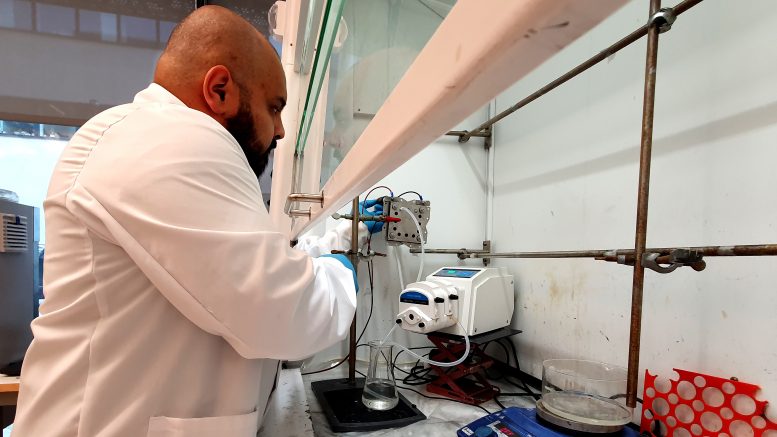
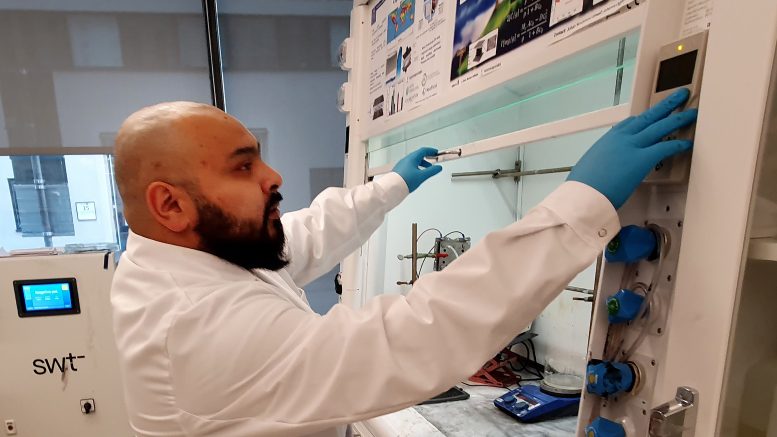
Co-author Esteban Toledo, PhD student at KTH Royal Institute of Technology, works with the decoupled water splitting prototype in Stockholm, Sweden. Credit: David Callahan
Commercial Viability and Efficiency
Dutta says the hydrogen gas Faradaic efficiency was shown to be 99 percent. The researchers also report that lab tests showed no apparent electrode degradation as a result of long-term tests, which is important for commercial applications.
Producing hydrogen from water always generates oxygen. A typical alkaline electrolyzer has a positive and negative electrode paired up inside a chamber of alkaline water, separated by an ion-permeable barrier. When an electric current is applied, water reacts at the cathode by forming hydrogen and negatively charged hydroxide ions which diffuse through the barrier to the anode to produce oxygen.
But the barrier causes resistance and if the electric charge fluctuates, the risk of an explosive mix between oxygen and hydrogen is heightened.
Toledo says re-conceptualizing water electrolysis sets the stage for a more reliable form of green energy production, incorporating intermittent sources such as solar or wind.
“Since we don’t risk mixing the gases, we can operate over a wider range of input power,” he says. “It’s much easier then to couple with renewable energies that generally provides variable power.”
A new way to produce hydrogen gas, simply and safely, was published today in Science Advances. Credit: David Callahan
The simultaneous production of gases is circumvented by replacing one of the electrodes with a supercapacitive electrode made from carbon. These electrodes alternately store and release ions, effectively separating hydrogen and oxygen production.
When the electrode is negatively charged and producing hydrogen, the supercapacitor stores energy-rich hydroxide (OH) ions. When the direction of the current is swapped, the supercapacitor releases the absorbed OH, and oxygen is produced at the now-positive electrode.
“One electrode does the evolution of both oxygen and hydrogen,” Dutta says. “It’s a lot like a rechargeable battery producing hydrogen – alternately charging and discharging. It’s all about completing the circuit.”
Reference: “Decoupled supercapacitive electrolyzer for membrane-free water splitting” by Esteban A. Toledo-Carrillo, Mario García-Rodríguez, Lorena M. Sánchez-Moren and Joydeep Dutta, 6 March 2024, Science Advances. DOI: 10.1126/sciadv.adi3180
The research was funded in part by Vinnova and Åforsk.
Rebecca Zeitlin, Head of Communications and Marketing at Protium Green Solutions, the UK’s largest green hydrogen energy company, discusses hydrogen’s role in the transport ecosystem.
Hydrogen can store and deliver clean energy for many uses across the UK – including transportation – with the potential to significantly reduce CO2 emissions at the tailpipe. In a world shifting to fewer CO2 emissions, this would be a significant step forward as whatever vehicles run on hydrogen fuel will only emit water as a byproduct.
While battery electric vehicle (BEV) technology has matured significantly and BEVs are commonplace on our roads, hydrogen continues to have a compelling long-term role in several other modes of transport, especially those requiring large payloads or long ranges. These include buses, trucks, construction machinery, industrial machinery, trains, and even aviation.
Protium Green is a green hydrogen company that delivers hydrogen fuel solutions to companies, and it has several ongoing projects designed to boost the hydrogen fuel industry. Head of Communications and Marketing, Rebecca Zeitlin, details the areas in which hydrogen fuel could be beneficial.
The current HGV market
Figures from the Society of Motor Manufacturers and Traders (SMMT) have suggested that zero-emission trucks enjoyed a record market share in Q3 2023 demonstrating growing interest in adopting zero-emission trucks in all segments, including hydrogen fuel cell trucks. However, infrastructure development is still needed to connect regions along key transport routes to meet this demand and accelerate the adoption of zero-emission vehicles.
There is also a need to ensure access to hydrogen produced proximate to the refuelling infrastructure – reducing the requirement to transport hydrogen, resulting in increased cost and a larger carbon footprint.
At Protium, we’ve focused on a collaborative approach to ensure that all aspects of the hydrogen vehicle value chain work in concert to scale deployment. Small fleet trials, adopted quickly, will prove concepts and support a phased approach to infrastructure development.
The HyHAUL integrated end-to-end solution
An example of this would be our Protium Hydrogen Aggregated UK Logistics (HyHAUL) project, which is supported by approximately £30m in grant funding from Innovate UK.
As part of the UK Department for Transport’s Zero Emission HGV Infrastructure Demonstrator, HyHAUL is set to initially roll out 30 hydrogen fuel cell HGVs to haulage operators primarily operating along the M4 corridor by 2026, with further ambition to deploy 300 vehicles by 2030.
This first-of-its-kind project targets the UK’s heaviest, most polluting HGVs, delivering zero-emission HGVs weighing up to 44 tonnes. Alongside HGVs with operational range and flexibility, HyHAUL will also deploy refuelling stations to ensure viable truck operations across designated routes.
HyHAUL brings together the long-distance hydrogen HGV value chain, including green hydrogen generation, hydrogen logistics, refuelling infrastructure providers, and fuel cell HGV manufacturers.
Hydrogen will be initially sourced from multiple green hydrogen projects across South Wales, including Protium’s Pioneer 2.
HyHAUL will provide vehicle OEMs and fleet operators with vital operational data on the performance of first-generation fuel cell electric trucks and will help to remove barriers to broader adoption across the industry.
In short, the project provides solutions to key barriers, from mobilising the full value chain to expanding hydrogen production and infrastructure.
Adopting hydrogen is still a difficult decision for many operators, so programmes like this are an important way to provide access ahead of full fleet transition.
Supporting vehicle trials
As well as HGVs, hydrogen has a key role to play in smaller vehicles with demanding jobs.
Consider roles like utility engineers responding to emergencies – in these roles, vans carry significant equipment payloads and must be on the road covering longer ranges with limited downtime. In many cases, vans are parked at the engineer’s home overnight. In this example, BEV vans are less suitable than FCEVs in these types of fleets.
Protium is currently supplying hydrogen to Wales & West Utilities, who are working with First Hydrogen to trial an FCEV van specifically for this role.
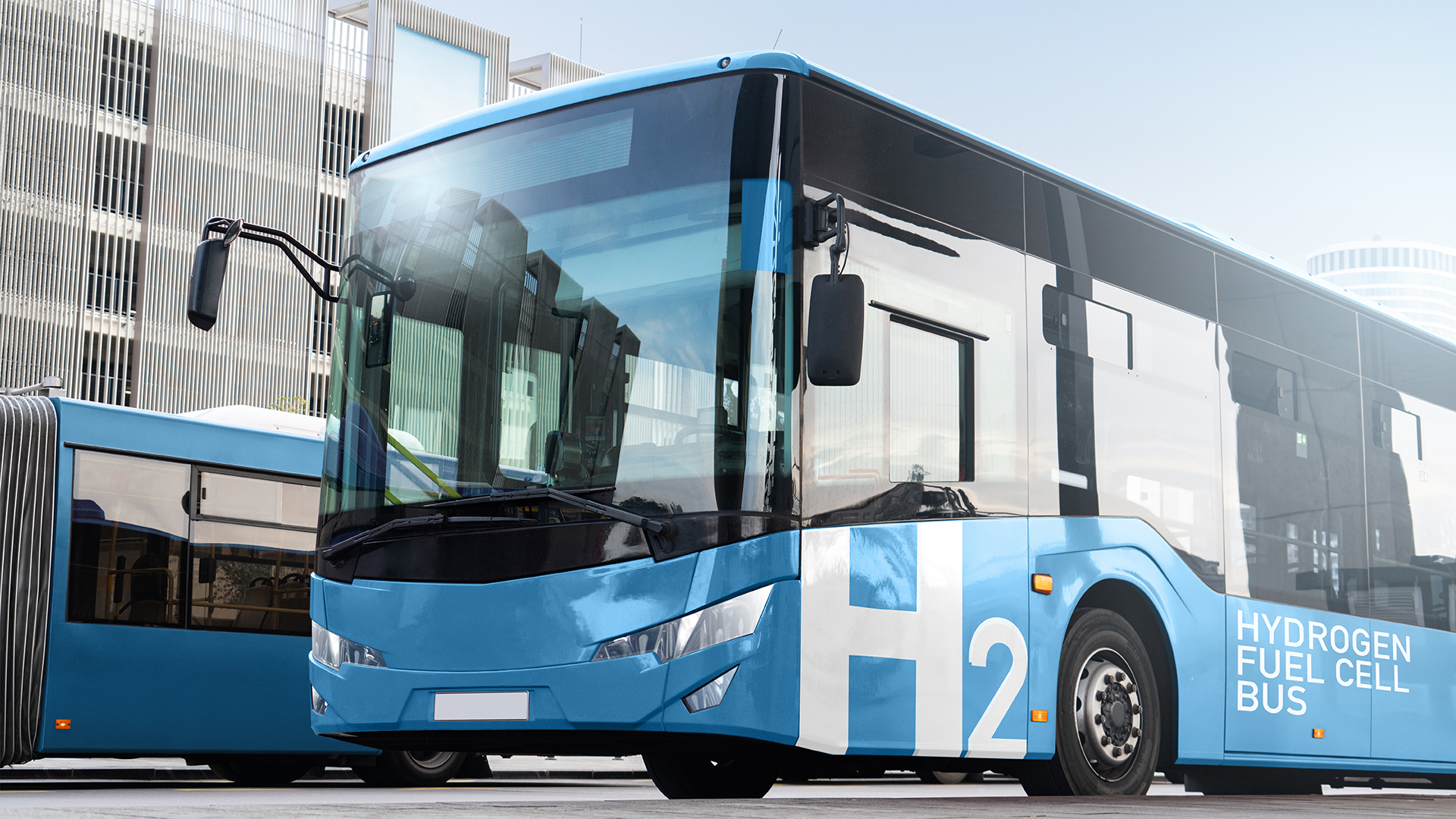
In its first year of operation, Protium’s Pioneer 1 hydrogen production facility has supplied several vehicle trials in addition to the Wales & West Utilities trial. This includes vehicles like fuel cell buses operating in both England and Wales. We have also supported trials of hydrogen-fuelled refuse collection vehicles.
Across all of our trial experiences, we have seen hydrogen’s ability to eliminate tailpipe emissions while also providing ranges and payloads more similar to diesel equivalents.
Supporting trials of vehicles of all sizes helps vehicle manufacturers get new vehicles out on the roads, generating data and enabling vehicle optimisation.
It also provides initial users of these vehicles with proof of concept – building confidence and wider support for fleet transition. It also helps create a demand picture for hydrogen producers like Protium, allowing us to best site production assets and other infrastructure.
What about aviation?
Aviation is extremely challenging to decarbonise, and hydrogen is one of the routes to decarbonisation currently being investigated.
There are two primary uses for hydrogen in aviation – as a direct fuel for propulsion and as a feedstock for synthetic fuels. For propulsion, hydrogen can be combusted through modified engines or converted into electrical power via fuel cells.
As with HGVs, adoption and deployment face wide-ranging challenges, including technology development and certification, infrastructure, and access to very large volumes of hydrogen. Protium is working with the aerospace ecosystem to supply hydrogen-enabling early testing, with Project HEART specifically designed to enable some of these important tests.
Project HEART is a collaborative R&D project partly funded by the UK Research & Innovation Future Flight Challenge, which is facilitating an end-to-end hydrogen infrastructure capable of safely fuelling hydrogen aircraft while simultaneously showcasing the increasing feasibility of green hydrogen technology within aviation.
The endeavour will also help to shape future government policy in the sustainable aviation sector.
Project HEART’s initial focus lies in regional airports, where it is developing a refuelling solution catering to aircraft carrying nine to 19 passengers and a range of 500 miles.
By harnessing sector-leading expertise and cutting-edge technology, the project is delivering a comprehensive solution that encompasses off-site hydrogen production, its transference to the site, and refuelling of the fuel cell-electric propulsion aircraft via a mobile refueller.
Future applications of hydrogen in transport
As we look across the range of transport modes, a growing number present challenges for decarbonisation via batteries. These are the applications where hydrogen could be the solution, such as fleet operations, HGVs, aviation, and more.
Trials are an essential way for operators to explore hydrogen without committing to a full fleet transition straight away. They also enable the hydrogen ecosystem to better understand demand and develop suitable production.
As an increasing number of companies request hydrogen for decarbonisation, Protium’s operational electrolysers at Pioneer 1, Pioneer 2, and future sites will continue to deliver hydrogen for trials and build the value chain for the future.
Please note, this article will also appear in the seventeenth edition of our quarterly publication.
Researchers at the University of Sydney have discovered that adding molybdenum to steel, combined with metal carbides, significantly improves its ability to trap hydrogen, potentially solving the issue of hydrogen embrittlement. This breakthrough, using advanced cryogenic atom probe tomography, could pave the way for large-scale hydrogen transport and storage solutions, essential for transitioning to a hydrogen economy.
Solving embrittlement is a multi-billion-dollar question.
Why hydrogen causes steels to become brittle and crack is the great conundrum of engineers and researchers looking to develop large-scale transport and storage solutions for the hydrogen age – an era which Australia hopes to lead by 2030.
They may now be one step closer to understanding how hydrogen affects steels, thanks to new University of Sydney research. The researchers found adding the chemical element molybdenum to steel reinforced with metal carbides markedly enhances its ability to trap hydrogen.
Published in Nature Communications, the finding was demonstrated by a team which was led by Pro Vice-Chancellor (Research – Enterprise and Engagement) Professor Julie Cairney and Dr. Yi-Sheng (Eason) Chen, and included Dr. Ranming Liu and Ph.D. candidate Pang-Yu Liu.
They used an advanced microscopy technique pioneered at the University of Sydney, known as cryogenic atom probe tomography, allowing for direct observation of hydrogen distribution in materials.
“We hope this study will get us closer to revealing exactly why hydrogen embrittlement occurs in steel, paving the way for large-scale solutions to hydrogen transport and storage,” said Professor Cairney, who is based at the Australian Centre for Microscopy and Microanalysis, where the research was undertaken.
Hydrogen embrittlement is a process whereby hydrogen causes high-strength materials like steel to become brittle and crack. The researchers say it is one of the biggest obstacles to the transition to a hydrogen economy as it prevents hydrogen from being effectively stored and transported at high pressures. This makes understanding and solving embrittlement a multi-billion-dollar question for the renewables market.
“The future of a large-scale hydrogen economy largely comes down to this issue. Hydrogen is notoriously insidious; as the smallest atom and molecule, it seeps into materials, then cracks and breaks them. To be able to effectively produce, transport, store, and use hydrogen on a large scale, this is not ideal,” said Dr Chen.
Deloitte estimates the clean hydrogen market could reach USD$1.4 trillion by 2050.
How the process worked
Molybdenum was added to the steel, combined with other elements to form an extremely hard ceramic known as ‘carbide’. Carbides are often added to steels to increase their durability and strength.
Using their advanced microscopy technique, the researchers saw the trapped hydrogen atoms were at the core of the carbide sites, suggesting the addition of molybdenum helps trap hydrogen. This was compared with a benchmark titanium carbide steel which did not show the same hydrogen trapping mechanism.
“The addition of molybdenum helped boost the presence of carbon vacancies – a defect in carbides that can effectively capture hydrogen,” said Dr Chen.
The added molybdenum represented only 0.2 percent of the total steel, which the researchers say makes it a cost-effective strategy for reducing embrittlement. The researchers believe niobium and vanadium may also have a similar effect on steels.
Reference: “Engineering metal-carbide hydrogen traps in steels” by Pang-Yu Liu, Boning Zhang, Ranming Niu, Shao-Lun Lu, Chao Huang, Maoqiu Wang, Fuyang Tian, Yong Mao, Tong Li, Patrick A. Burr, Hongzhou Lu, Aimin Guo, Hung-Wei Yen, Julie M. Cairney, Hao Chen and Yi-Sheng Chen, 25 January 2024, Nature Communications. DOI: 10.1038/s41467-024-45017-4
The study was funded by the Australian Research Council’s Linkage Project, an Early Career Industry Fellowship, a Future Fellowship, LIEF, a 2019 University of Sydney (Postdoctoral) Fellowship, and the Taiwan-University of Sydney Scholarship.
The UK Government is backing seven projects across the country with £21m in funding to advance domestic hydrogen fuel production.
Announced at the government’s second Hydrogen Investor Forum, which explored the financial and net zero opportunities of the UK’s hydrogen economy, the hydrogen fuel projects will be instrumental in powering local transport and business nationwide.
Claire Coutinho, the Secretary of State for Energy Security, explained: “We are cementing the UK’s place as a world leader in hydrogen.
“The new projects we’re funding across the country will boost our supply of clean, homegrown energy for use in buses, trains and local businesses.
“By backing the UK hydrogen industry, we can support over 12,000 jobs and up to £11 billion in private investment by 2030.”
Why hydrogen fuel is critical for the green transition
Hydrogen fuel has emerged as a promising solution to address pressing environmental and energy challenges, garnering attention for its potential to revolutionise the way we power our world. Its importance lies in its versatility, efficiency, and sustainability.
Unlike fossil fuels, hydrogen combustion emits only water vapour and heat, making it a clean energy source that contributes significantly to reducing greenhouse gas emissions and combating climate change.
Furthermore, hydrogen fuel represents an opportunity for energy independence and security, as it can be produced domestically, reducing reliance on imported fossil fuels.
By investing in hydrogen technology and infrastructure, the UK can foster innovation, create jobs, and stimulate economic growth while transitioning towards a more sustainable and resilient energy future.
What projects have been selected?
The seven projects are expected to have a significant impact on the UK’s hydrogen capabilities, increasing production capacity by an estimated 800MW, and enabling local communities to cut their emissions significantly.
Four of the projects will create plans for new hydrogen fuel production plants – a move that will benefit a range of industries, from pharmaceuticals to automotive.
The additional three projects, located in Aberdeen, Tees Valley, and Suffolk, will produce domestic hydrogen for industry and transport.
Suffolk Hydrogen, operated by Hydrab Power, will produce eco-friendly hydrogen to fuel low-carbon service vehicles at the Sizewell C nuclear site.
Tees Valley Hydrogen, managed by Exolum, will establish a fresh hydrogen refuelling station aimed at supporting the transportation needs of the local community.
The Aberdeen Hydrogen Hub, a collaboration between BP and Aberdeen City Council, is set to deliver cleaner fuel options for the city’s electric bus fleet.
The investment follows the government’s significant financial support for 11 hydrogen production plants last December, which are expected to generate 700 jobs and £400m in new investment.
Minister for Energy Efficiency and Green Finance Lord Callanan added: “Work towards meeting our net zero targets.
“These new projects announced today are further proof of our enduring commitment to supporting the UK’s growing hydrogen industry on that journey.
“This follows our announcement of over £2bn for 11 other green hydrogen production projects, making sure more of our energy is made at home in the UK.”
Focus on CCUS and hydrogen
The government has also initiated a request for evidence regarding the hydrogen and carbon capture, utilisation, and storage (CCUS) aspects of the Green Industries Growth Accelerator.
Unveiled during last year’s Autumn Statement, the £960m Green Industries Growth Accelerator aims to expedite the development of advanced manufacturing capabilities across various sectors such as offshore wind, networks, CCUS, hydrogen, and nuclear energy.
“We have a giant, beautiful, red paperweight in our driveway,” Snell says.
Snell is just one of many California hydrogen fuel-cell car owners facing difficulties as a confluence of unfortunate events—tech limitations, rising station operating costs, policy changes, even the Russian invasion of Ukraine—have hiked hydrogen fuel prices and taken hydrogen fueling stations offline.
Just under 12,000 fuel-cell electric vehicles, powered by hydrogen instead of gas or pure electricity, were on the road in California in 2022, where the vast majority of the country’s FCEV drivers live. (Only one other state, Hawaii, even has a publicly available hydrogen fuel station.) American drivers bought almost 3,000 of the cars last year, according to an industry group.
FCEV drivers who spoke to WIRED report that they love their cars, which offer smooth, comfortable rides and tech features, and were purchased, new or used, at lower prices than competitive vehicles. All three automakers (Toyota, Hyundai, and Honda) selling the vehicles in California offer $15,000 fuel cards with each purchase as an added bonus. Some drivers told WIRED that their FCEVs fit neatly into their lives, because they live near consistent fueling stations, can depend on another car when prices get too expensive, or don’t drive much at all. But others say they can’t keep the cars moving.
“We are suffering from premature deployment,” says Robin Gaster, a public policy researcher and senior fellow at the Information Technology and Innovation Foundation who recently published a report on clean hydrogen policy. Policymakers and car companies, he argues, were too early to launch unproven hydrogen fueling technology.
Sacramento resident Scott Werntz and his wife Lori bought a Toyota Mirai in the fall of 2022. A discount and included fueling card made the car feel like a great deal. But last year the couple began to have to wait in line, sometimes for more than hour, to refuel their car. Once, they had to have their vehicle towed after a local fuel-cell station went down while they were waiting to top up. Now, they say, they rely on another car and a gratis rental from Toyota to get around.
Toyota spokesperson Josh Burns said the company is aware of refueling issues in the state. “We remain committed to working with stakeholders to support California’s hydrogen refueling infrastructure now and into the future,” he wrote in an email. He said the company is working with Mirai owners to help them on a case-by-case basis.
A Hyundai spokesperson referred WIRED to Bill Elrick, the executive director of the Hydrogen Fuel Cell Partnership, who wrote that the Shell Hydrogen shutdown will “cause temporary challenges,” but that new vehicles, funding, and infrastructure made the group optimistic. Carl Pulley, a Honda spokesperson, said that the company has made investments in hydrogen fueling infrastructure in California and highlighted the CRV e:FCEV, a new fuel-cell vehicle set to debut this year.
Shell Hydrogen spokesperson Anna Arata wrote in a statement that the company aims to “be more disciplined in our delivery,” and intends to invest $1 billion in hydrogen and carbon-capture storage technology both this year and next.
In many ways, fuel-cell electric vehicles are an appealing option for car buyers looking to lessen their carbon footprint. A greener alternative to internal combustion engine cars, they’re powered by compressed hydrogen, which is converted by onboard fuel cells into electricity.
Hydrogen excels where battery electric vehicle tech falters. The fuel is abundant, light, emissions-free and, theoretically, cheap—attractive to many who despair at the tricky state of the electric vehicle battery supply chain. Filling a car up with hydrogen is quick, more akin to topping up with gas than waiting between 15 minutes and several hours at an EV charging station. And FCEVs have long ranges, traveling up to 400 miles on a tank.
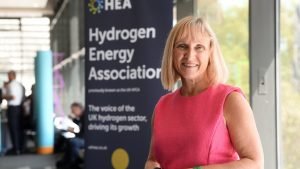
Celia Greaves, CEO of the Hydrogen Energy Association (formerly known as the UK HFCA), explains why 2024 is the time to push forward on costs, supply chains, and regulatory uncertainty for the UK and global hydrogen industries.
Hydrogen was firmly at the forefront of the worldwide political agenda in 2023, with a wave of government support schemes introduced to guarantee viability for low-carbon H2 projects across the globe.
We saw the launch of the US clean hydrogen production tax credit, the EU’s green H2 auctions, the German-led H2Global scheme, India’s National Green Hydrogen Mission, and Australia’s Hydrogen Headstart, and support is materialising via production tax credits (PTC) and financial support for hydrogen hubs in the US, renewable hydrogen mandates in the Renewable Energy Directive (RED III) in Europe, and contracts for difference (CfD) in Japan.
In the UK, there was a raft of announcements from our Department for Energy Security and Net Zero, including £400m backing for 11 major projects receiving capital and operational support under our first Hydrogen Allocation Round – an important boost for the economy demonstrating the investment appeal of UK hydrogen.
At the start of this year, we released our UK Hydrogen Projects Map – the first of its kind, mapping out the swell of incredible work going into the hydrogen economy and shining a light on projects which are post-FEED or have been shortlisted for public funding, raising awareness among investors, governments, and key players in the hydrogen industry. The map covers over 70 hydrogen production projects plus others across the value chain – and we expect it to grow quickly.
Now, three months into 2024, the time is ripe for us to take stock and not just highlight progress to date but review the challenges we have ahead of us to keep up the momentum.
Challenges ahead
Inflationary pressures on the cost of production, supply chain issues, and offtake challenges are some of the issues that projects are facing this year.
Costs and cost expectations have risen substantially, particularly for renewable hydrogen. Multiple factors have caused this increase – higher labour and material costs, higher cost for building the balance of electrolyser plants, higher cost of capital, and an increase of renewable power cost by more than 30%.
However, the cost of producing renewable hydrogen is expected to decline to 2.5 – 4.0 USD/kg towards 2030, driven by advancements in electrolyser technology, manufacturing economies of scale, design improvements, and reduction in renewable power cost.
Getting projects over the line is also an issue, and development in this space is a bit of a ‘cause and effect’ situation in that it is necessary to build a market for clean hydrogen if projects are to attract private investors, but the sector needs to reach sufficient scale to be competitive.
Lenders require consistent cash inflows to back hydrogen projects, and while some developers are willing to offer hydrogen under long-term agreements on a cost-plus-premium basis, a gap remains between production costs and off-takers willingness to pay for cleaner alternatives.
Hydrogen projects are also facing rising costs for capital and materials, as with other parts of the renewables sector, further complicating the ramp-up of the nascent industry.
Underpinning standards
One of the key concerns globally is the need to underpin the hydrogen industry with consistent and appropriate permitting and standards frameworks.
The main issue at play here is that ordinarily, these would take a considerable amount of time to come to fruition. And in the hydrogen space – and indeed where climate change is concerned – time isn’t on our side. Unlike other industrial transformations, which have happened over decades and longer, the hydrogen transition needs to happen quickly if we are to meet our net-zero goals.
We are trying to move quickly, and permitting and similar issues – around planning approvals, for example – are preventing us from making the deployments that we need to make fast enough.
Being proactive rather than reactive is key here to prevent these delays and smooth the path for scale-up. This applies not only to production but also to use and transportation/storage.
Individual nations are moving forward with national certification schemes, and we will need to translate these quickly into a widely recognised international scheme if we are to facilitate a trusted and resilient trade in low-carbon hydrogen. Commitments at the recent COP could help forge the way here.
Skills for the future
Another global challenge for hydrogen is the potential for a worldwide skills shortage if we do not invest appropriately and quickly.
Demand for science, technology, engineering, mathematics, digital, and data science skills will be high across the sector, with the majority requiring college and graduate qualifications.
And there is an urgent need not just to bring new skills into the industry, but work to transfer skills from areas such as fossil energy already deeply embedded across the UK.
Alongside traditional engineering, construction, and maintenance skills, we believe that training in areas such as policy and regulations, system integration, energy modelling tools, climate change and sustainability, and future industry growth would help ramp up skills transition in the UK, supported by technical training in hydrogen storage and hydrogen safety to support an emerging hydrogen economy.
Offtake agreements
Despite the challenges faced by the hydrogen industry, the number of announced projects for low-emission hydrogen production is rapidly expanding. According to the latest International Energy Agency (IEA) report, annual production of low-emission hydrogen could reach 38 Mt in 2030 if all announced projects are realised, although 17 Mt come from projects at early stages of development.
However, another significant barrier to the bankability of hydrogen projects is the lack of offtake agreements – and this remains a global problem.
The private sector has started moving to adopt low-emission hydrogen through off-take agreements, but more than half are preliminary agreements with non-binding conditions. Some companies are developing projects for low-emission hydrogen production for their own use, without the need for off-take agreements, but even with the addition of these quantities, low-emission hydrogen use is still far from what is needed to meet climate goals.
This means that despite a substantial appetite for hydrogen applications across various sectors driven by decarbonisation agendas, strategic positioning, or energy security concerns, movement is slower than it needs to be.
The EU has produced promising offtake structures and solutions to overcome offtake challenges to EU green hydrogen projects, and we need something similar in the UK for us to stimulate offtake and increase production alongside demand to have that pull through.
Storage and transportation of hydrogen in the UK
Alongside measures to stimulate offtake, we have also been calling for rigorous strategic planning, forward-thinking policies, and a commitment to innovation to develop a vital network for the transportation and storage of hydrogen in the UK.
Our policy paper, The Role for Transport and Storage in Delivering the Hydrogen Transition, released towards the end of last year, urged the Government to take action to maximise the benefits that hydrogen offers for our energy system and environment, outlining considerations inherent in the development of a transportation network for hydrogen, as well as addressing hydrogen storage.
Our paper was followed by some encouraging developments, with the UK Government releasing details of how it expects to support UK hydrogen transport and storage infrastructure, as well as a ‘Hydrogen Transport and Storage Networks Pathway’ which describes a strategic planning approach which should help ensure the right network is available to support the evolving hydrogen economy and contribute whole energy system benefits.
This sets in place useful foundations for building greater momentum in this area. Moving forward, our work will focus on the role of non-pipeline transportation options, such as road transport, which will be key to delivering not only short- to medium-term transportation (while pipelines are developed) but also long-term solutions for locations in which pipelines do not reach. We are working with the Government on the right policy levers to support this and looking at mechanisms to accelerate innovation to bring down costs and enhance performance.
Optimism for the future
It’s important in our evaluation of the hydrogen pathway to date in the UK that we remember all the positive strides we are making.
Yes, there are many areas where we need to move faster and further – whether this means more investment, more support, or more progress in codes, permitting and certification.
But this year, there are plans afoot to continue boosting hydrogen deployment across the entire value chain.
Collaboration remains one of our strongest assets here in the UK. Hydrogen growth is not siloed, and we strive to take a joined-up approach to the sector, innovation, and opportunity wherever possible.
This can be witnessed firsthand at our HEA Annual Conference, which will be held in London in May, bringing together industry, academia, and government to facilitate the UK’s role as a world leader in hydrogen and to capitalise on the huge opportunities we have for both reducing carbon emissions and driving economic growth.
We also look forward to the UK’s Second Hydrogen Allocation round which we hope will build on existing momentum and ambition to achieve our goals. There are opportunities to further increase the attractiveness of the scheme and attract even more projects, and we’re working with the Government to deliver that. Further subsidy rounds will follow, designed to help the UK hit its overall low-carbon hydrogen production target of 10GW by the end of the decade.
It will also be interesting to see if the COP28 pledges to accelerate the commercialisation of hydrogen, keep the 1.5°C target within reach, and unlock the benefits of cross-border value chains for hydrogen come to fruition.
The shared declaration of intent across governments for mutual recognition of certification schemes for hydrogen and the global benchmark for greenhouse gas (GHG) emissions and implantation of the public-private action statement on cross-border trade corridors in hydrogen, in partnership with the International Hydrogen Trade Forum (IHTF) and the Hydrogen Council will be instrumental in global progress.
An important part of our work in the UK remains in international collaboration. The HEA works with a huge number of organisations, associations, and government groups overseas and is a member of the Global Hydrogen Industries Association Alliance, Hydrogen Europe, and a number of trade associations in Europe and the US.
Decarbonising energy systems is a global effort, and working across the world for gains is vital to reaching climate goals.
The hydrogen economy in a nutshell
Foundations are being put in place globally to create a thriving hydrogen economy, both domestically and abroad. The UK, like other global leaders, faces a number of challenges in 2024 in building accelerated momentum in hydrogen.
In short, we certainly still have a way to go, but we are moving in the right direction.
Please note, this article will also appear in the seventeenth edition of our quarterly publication.
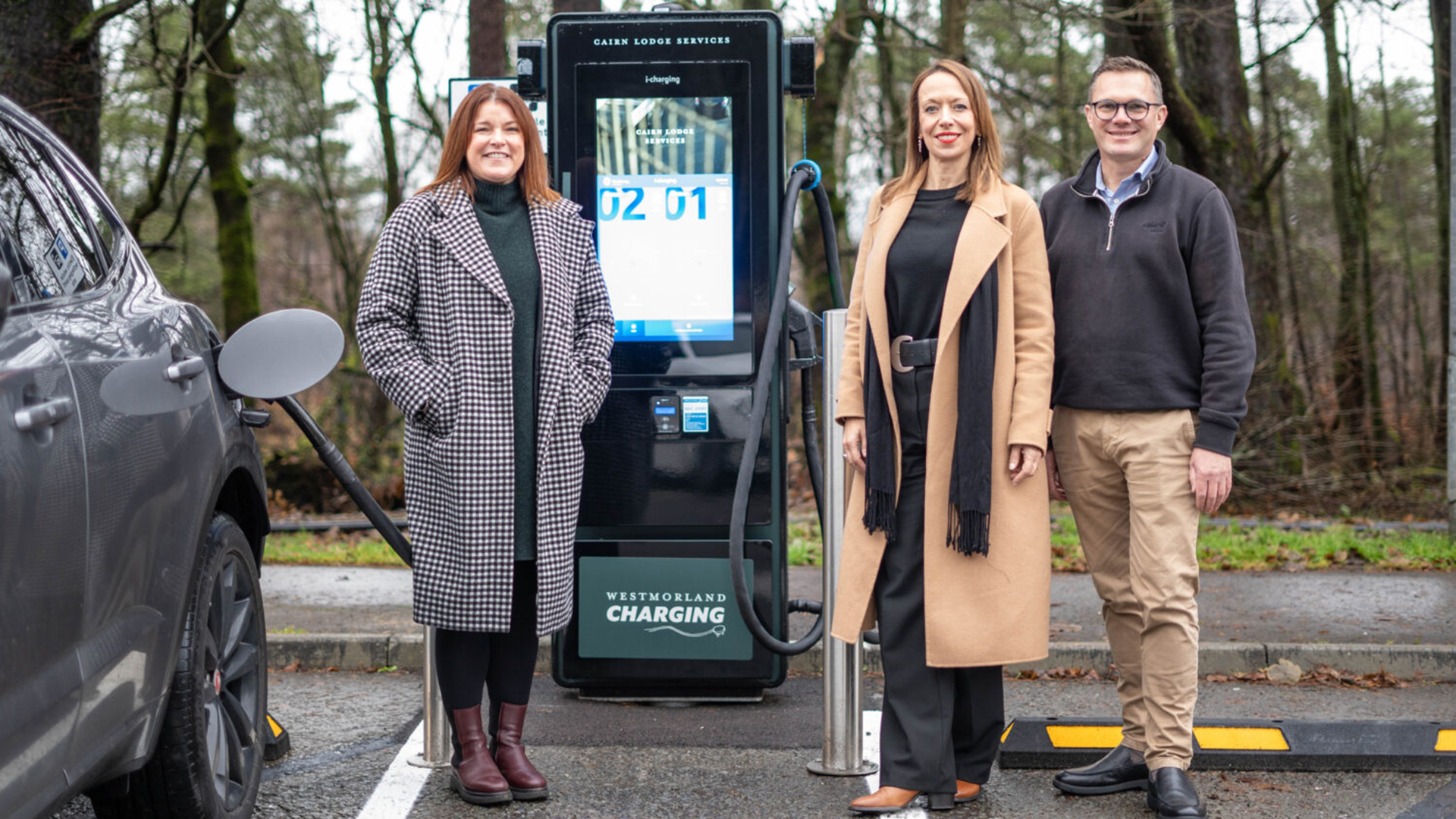
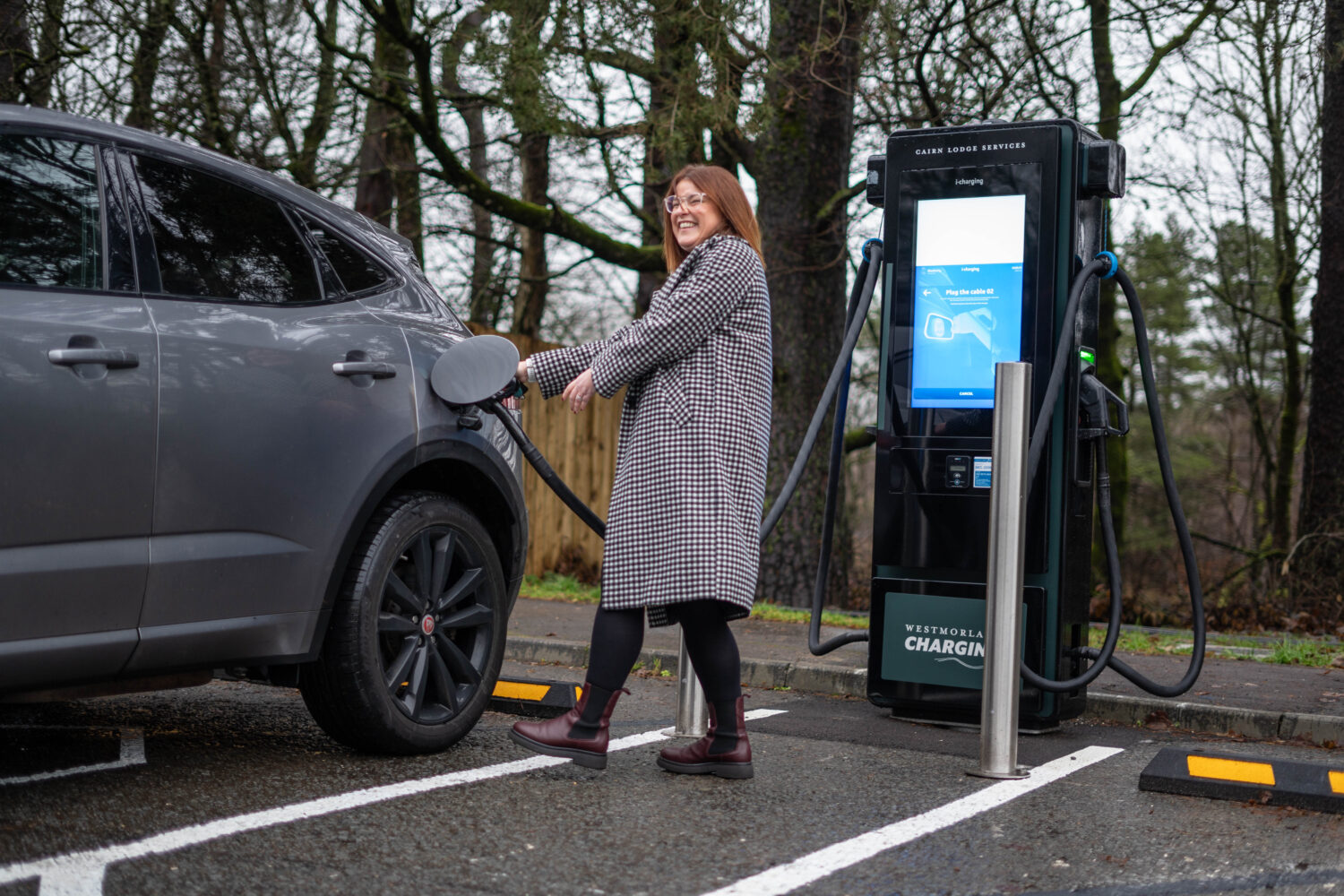
The UK’s first hydrogen-powered EV charging station is now open at Cairn Lodge Services, marking a pivotal moment for the country’s charging infrastructure.
Part of the Westmorland Family, Cairn Lodge Services, located on the M74 in Lanarkshire, has introduced its state-of-the-art EV charging facility powered by hydrogen. This milestone is the first deployment of a hydrogen-powered generator connected to EV chargers at a UK service station.
Commenting on the development, Nabil Subuh, CEO of Westmorland Family, said: “Cairn Lodge Services is excited to offer the first hydrogen-powered EV chargers on the UK motorway network. The rapid growth of the EV market has underscored the pressing need for accessible and reliable charging facilities.
“As EV adoption soars, the pressure on the electrical grid has become increasingly evident, leaving businesses like Westmorland to look for creative, sustainable alternatives until there is sufficient grid capacity.
“We want to be at the forefront of this sustainable and eco-friendly EV charging revolution, providing convenient, green charging to our customers.
“To the customer, the charging experience is no different to a grid-connected charger, and by utilising this new technology, we can provide much-needed EV charging facilities sooner, meeting the growing demand without having a negative impact on the environment.”
Innovative partnership with GeoPura
Teaming up with GeoPura, Westmorland has connected its Hydrogen Power Unit (HPU), fuelled by green hydrogen, to Westmorland EV Chargers provided by SWARCO Smart Charging.
This integration allows the GeoPura HPU to supplement the existing grid supply, furnishing suitable electricity for EV charging at the service station.
Credit: GeoPura
By integrating GeoPura HPUs, Cairn Lodge Services is surmounting electrical grid capacity restraints and circumventing delays in the opening of its EV charging facilities.
This advancement enables the service station to meet the demands of the holiday season and the anticipated surge in EV charging requests during the Christmas period.
How do the hydrogen-powered EV charging stations work?
The GeoPura HPU harnesses hydrogen power to generate electricity, presenting a clean and efficient alternative to conventional diesel generators for off-grid and supplementary EV charging.
Utilising a fuel cell system, GeoPura units convert hydrogen gas into electricity, emitting only water as a by-product.
Andrew Cunningham, CEO of GeoPura, added: “If we can charge our EVs from the grid, where in the UK 50% of the energy is renewable, that is by far the best option.
“However, our existing distribution grid wasn’t designed to provide the energy required for an electrified transportation network. This means that many locations where we need to charge our cars don’t have sufficient power available to give the service that their owners require.
“Westmorland Family are to be congratulated for seeking innovative solutions to this challenge and implementing a combination of battery and renewable hydrogen fuel to enable them to augment their electricity grid connection and provide all the power their customers need during peak times.”
Increased access for motorists at Cairn Lodge Services
Effective from 12 December, EV drivers visiting Cairn Lodge Services will gain access to six ultra-rapid Westmorland EV chargers from SWARCO Smart Charging, all powered by green hydrogen, until a suitable electrical grid connection is established.
The launch of the Cairn Lodge Services hydrogen-powered EV charging facility underscores a pivotal moment in the UK’s transition towards sustainable transportation infrastructure.
This innovative solution sets a new benchmark for eco-friendly mobility and showcases the potential of hydrogen as a key enabler in the electrification of transport networks.
IIT and BeDimensional’s researchers used nanoparticles of ruthenium, a noble metal that is similar to platinum in its chemical behavior but far cheaper, to serve as the active phase of the electrolyser’s cathode, leading to an increased efficiency of the overall electrolyzer. Credit: IIT-Istituto Italiano di Tecnologia
A collaborative research effort between IIT and its spin-off BeDimensional has discovered a method utilizing ruthenium particles in conjunction with a solar-powered electrolysis system.
What does it take to produce green hydrogen more efficiently and cheaply? Apparently, small ruthenium particles and a solar-powered system for water electrolysis. This is the solution identified by a joint team involving the Istituto Italiano di Tecnologia (Italian Institute of Technology, IIT) of Genoa, and BeDimensional S.p.A. (an IIT spin-off).
The technology, developed in the context of the Joint-lab’s activities and recently published in two high-impact factor journals (Nature Communicationsand the Journal of the American Chemical Society) is based on a new family of electrocatalysts that could reduce the costs of green hydrogen production on an industrial scale.
Hydrogen is considered as a sustainable energy vector, an alternative to fossil fuels. But not all hydrogen is the same when it comes to environmental impact. Indeed, the main way hydrogen is produced nowadays is through the methane steam reforming, a fossil fuel-based process that releases carbon dioxide (CO2) as a by-product.
The hydrogen produced by this process is classified as “grey” (when CO2 is released into the atmosphere) or “blue” (when CO2 undergoes capture and geological storage). To significantly reduce emissions to zero by 2050 these processes must be replaced with more environmentally sustainable ones that deliver “green” (i.e. net-zero emissions) hydrogen. The cost of “green” hydrogen critically depends on the energy efficiency of the setup (the electrolyzer) that splits water molecules into hydrogen and oxygen.
Technological Innovations in Hydrogen Production
The researchers from the joint team of this discovery have developed a new method that guarantees greater efficiency than currently known methods in the conversion of electrical energy (the energy bias exploited to split water molecules) into the chemical energy stored in the hydrogen molecules that are produced. The team has developed a concept of catalyst and have used renewable energy sources, such as the electrical energy produced by a solar panel.
The new solution has been identified by a joint team involving the Istituto Italiano di Tecnologia (Italian Institute of Technology, IIT) of Genoa, and BeDimensional S.p.A. (an IIT spin-off). In the picture: Liberato Manna (IIT), Francesco Bonaccorso (BeDimensional), Yong Zuo (IIT), Sebastiano Bellani (BeDimensional), Marilena Zappia (BeDimensional), Michele Ferri (IIT). Credit: IIT-Istituto Italiano di Tecnologia
“In our study, we have shown how it is possible to maximise the efficiency of a robust, well-developed technology, despite an initial investment that is slightly greater than what would be needed for a standard electrolyzer. This is because we are using a precious metal such as ruthenium”, commented Yong Zuo and Michele Ferri from the Nanochemistry Group at IIT in Genoa.
The researchers used nanoparticles of ruthenium, a noble metal that is similar to platinum in its chemical behavior but far cheaper. Ruthenium nanoparticles serve as the active phase of the electrolyzer’s cathode, leading to an increased efficiency of the overall electrolyzer.
“We have run electro-chemical analyses and tests under industrially-significant conditions that have enabled us to assess the catalytic activity of our materials. Additionally, theoretical simulations allowed us to understand the catalytic behavior of ruthenium nanoparticles at the molecular level; in other words, the mechanism of water splitting on their surfaces,” explained Sebastiano Bellani and Marilena Zappia from BeDimensional, who were involved in the discovery. “Combining the data from our experiments with additional process parameters, we have carried out a techno-economic analysis that demonstrated the competitiveness of this technology, when compared to state-of-the-art electrolyzers.”
Cost-Effectiveness of the New Technology
Ruthenium is a precious metal that is obtained in small quantities as a by-product of platinum extraction (30 tonnes per year, as compared to the annual production of 200 tonnes of platinum) but at a lower cost (18.5 dollars per gram as opposed to 30 dollars for platinum). The new technology involves the use of just 40 mg of ruthenium per kilowatt, in stark contrast with the extensive use of platinum (up to 1 gram per kilowatt) and iridium (between 1 and 2.5 grams per kilowatt, with iridium price being around 150 dollars per gram) that characterize proton-exchange membrane electrolyzers.
By using ruthenium, the researchers at IIT and BeDimensional have improved the efficiency of alkaline electrolyzers, a technology that has been used for decades due to its robustness and durability. For example, this technology was on board of the Apollo 11 capsule that brought humanity to the moon in 1969. The new family of ruthenium-based cathodes for alkaline electrolyzers that has been developed is very efficient and has a long operating life, being therefore capable of reducing the production costs of green hydrogen.
“In the future, we plan to apply this and other technologies, such as nanostructured catalysts based on sustainable two-dimensional materials, in up-scaled electrolyzers powered by electrical energy from renewable sources, including electricity produced by photovoltaic panels,” concluded the researchers.
Reference: “Ru–Cu Nanoheterostructures for Efficient Hydrogen Evolution Reaction in Alkaline Water Electrolyzers” by Yong Zuo, Sebastiano Bellani, Gabriele Saleh, Michele Ferri, Dipak V. Shinde, Marilena Isabella Zappia, Joka Buha, Rosaria Brescia, Mirko Prato, Roberta Pascazio, Abinaya Annamalai, Danilo Oliveira de Souza, Luca De Trizio, Ivan Infante, Francesco Bonaccorso and Liberato Manna, 25 September 2023, Journal of the American Chemical Society. DOI: 10.1021/jacs.3c06726
“High-performance alkaline water electrolyzers based on Ru-perturbed Cu nanoplatelets cathode” by Yong Zuo, Sebastiano Bellani, Michele Ferri, Gabriele Saleh, Dipak V. Shinde, Marilena Isabella Zappia, Rosaria Brescia, Mirko Prato, Luca De Trizio, Ivan Infante, Francesco Bonaccorso and Liberato Manna, 4 August 2023, Nature Communications. DOI: 10.1038/s41467-023-40319-5
A team of scientists has investigated the potential of hydrogen boride sheets as practical hydrogen carriers.
Storing hydrogen in boride sheets is not an entirely new concept, and many aspects of their potential applications as hydrogen carriers have already been studied.
However, getting the hydrogen out of the sheets is the tricky part. Heating at high temperatures or strong ultraviolet (UV) illumination is required to release hydrogen (H2) from the sheets.
Moreover, both approaches have inherent disadvantages, such as high energy consumption or incomplete hydrogen release.
The team developed a potential alternative: electrochemical release. Based on the mechanism of UV-induced hydrogen release from boride sheets, the team speculated that electron injection from a cathode electrode into nanosheets by an electric power supply could be a superior way to release hydrogen compared to UV irradiation or heating.
The looming threat of climate change has motivated scientists worldwide to look for cleaner alternatives to fossil fuels, and many believe hydrogen is our best bet.
As an environmentally friendly energy resource, hydrogen can be used in vehicles and electric power plants without releasing carbon dioxide into the atmosphere.
However, storing and transporting hydrogen safely and efficiently remains a challenge. Compressed gaseous hydrogen poses a significant risk of explosion and leakage, whereas liquid hydrogen must be maintained at extremely low temperatures, which is costly.
But what if we could store hydrogen directly in the molecular composition of other liquid or solid materials?
Investigating electrochemical release
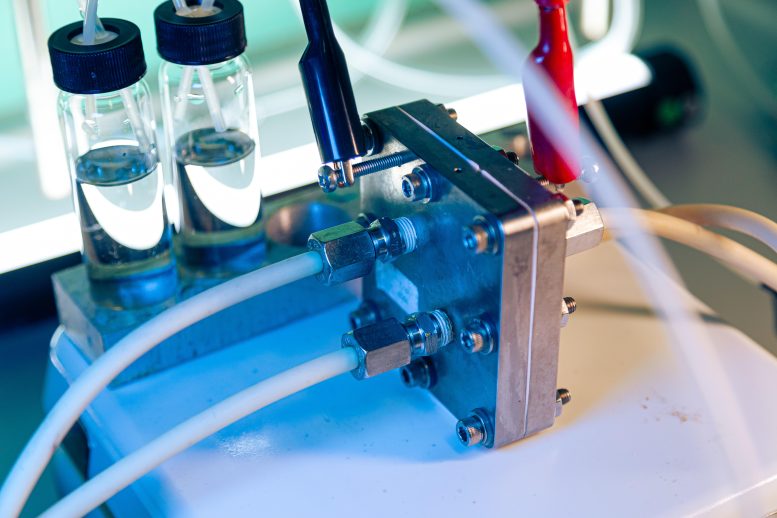
Based on this theory, the researchers dispersed boride sheets into acetonitrile – an organic solvent – and applied a controlled voltage to the dispersion.
These experiments revealed that nearly all of the electrons injected into the electrochemical system were used to convert H+ ions from the sheets into hydrogen molecules.
Notably, the Faradaic efficiency of this process, which measures how much electrical energy is converted into chemical energy, was over 90%.
The underlying mechanisms of hydrogen release from boride sheets
The team also conducted isotope tracing experiments to confirm that the electrochemically released H2 originated from the boride sheets and not through another chemical reaction.
Moreover, they also employed scanning electron microscopy and X-ray photoelectron spectroscopy to characterise the sheets before and after hydrogen release, yielding further insights into the underlying mechanisms of the process.
These findings contribute to developing safe and lightweight hydrogen carriers with low energy consumption.
Although the team studied the dispersed form of the hydrogen boride sheets in the published paper, the current findings are applicable to film or bulk-based HB sheet systems for hydrogen release.
Moreover, the team will investigate the rechargeability of HB sheets after dehydrogenation in a future study.
Overall, this line of research will help pave the way to cleaner energy sources and more sustainable societies.