A team of scientists from the University of Nottingham’s School of Chemistry and Faculty of Engineering have found a way to facilitate sustainable hydrogen production from metal waste.
In new research, the team found that the surface of swarf, a byproduct of the metal machinery industry, is textured with tiny grooves and steps on a nanoscale level.
These textures can anchor atoms of platinum or cobalt. This leads to an efficient electrocatalyst that can make hydrogen more sustainable by splitting water into hydrogen and oxygen.
Electrolysis is a promising pathway for hydrogen production
Hydrogen is a clean fuel that can be used to generate heat or power vehicles.
The only byproduct of its combustion is water vapour.
However, most hydrogen production methods require fossil fuel feedstock.
Electrolysis of water is one of the most promising methods for hydrogen production because it only needs water and electricity.
The challenge with water electrolysis
The industry is facing a challenge with water electrolysis. This is because it requires expensive elements like platinum to catalyse the water splitting.
As demand rises and prices increase, there is an urgent need for alternative electrocatalyst materials to produce hydrogen from water.
Dr Jesum Alves Fernandes from the School of Chemistry, University of Nottingham, who led the research team, said: “Industries in the UK alone generate millions of tonnes of metal waste annually. By using a scanning electron microscope, we were able to inspect the seemingly smooth surfaces of the stainless steel, titanium, or nickel alloy swarf.
“To our astonishment, we discovered that the surfaces had grooves and ridges that were only tens of nanometres wide. We realised that this nanotextured surface could present a unique opportunity for the fabrication of electrocatalysts.”
Scaling up the technology
The team used magnetron sputtering to create a platinum atom rain on the swarf’s surface. The atoms come together into nanoparticles that fit into the nanoscale grooves.
Professor Andrei Khlobystov, School of Chemistry, said: “Our unique technology developed at Nottingham, which involves atom-by-atom growth of platinum particles on nanotextured surfaces, has solved two major challenges.
“Firstly, it enables the production of green hydrogen using the least amount of precious metal possible, and secondly, it upcycles metal waste from the aerospace industry, all in a single process.”
The group will partner with AqSorption Ltd, a Nottingham-based company specialising in electrolyser design and fabrication, to scale up their technology.
The new work represents a step forward in reducing reliance on expensive metals for hydrogen production.
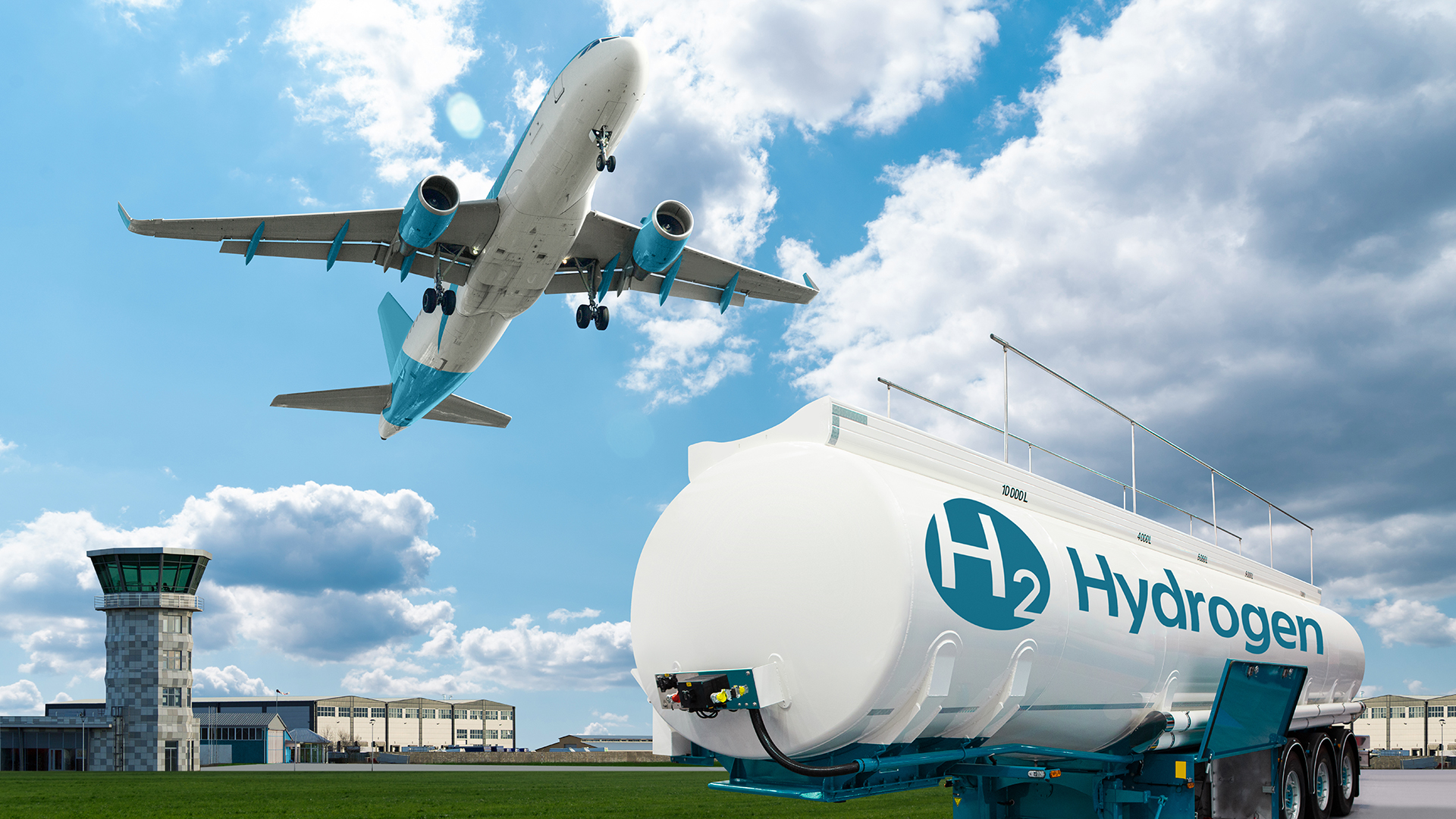
EasyJet has successfully completed the UK’s first airside hydrogen refuelling trial at Bristol Airport.
The hydrogen refuelling trial, known as Project Acorn, tested the performance of hydrogen fuel in powering ground support equipment (GSE), specifically baggage tractors.
The trial involved an array of cross-industry partners, including Cranfield Aerospace Solutions, Cranfield University, Connected Places Catapult (CPC), DHL Supply Chain, Fuel Cell Systems, the IAAPS research institute, Jacobs, Mulag and TCR.
Project Acorn demonstrated that hydrogen refuelling could be used safely and reliably to power GSE in the busy environment of a live airport.
The team will utilise the findings of the trial to supplement research groups, such as Hydrogen in Aviation (HIA), to advance UK hydrogen infrastructure and develop regulatory and policy guidelines for airports, airlines, local authorities, and regulators.
The goal is to support the development of a regulatory framework for hydrogen’s use on an airfield, as due to the nascency of hydrogen in aviation, these do not currently exist.
Tim Johnson, Director for Strategy, Policy and Communications at the Civil Aviation Authority, explained the significance of the trial: “Projects such as this are cornerstones of our commitment to support innovation and decarbonisation in the industry.
“This trial will serve as the basis of a White Paper which we will also be contributing to, as well as allow for the creation of further safety guidance and regulatory standards for the use of hydrogen in aviation.
“We look forward to helping nurture this seed of the future greener aviation sector as it continues to grow.”
Benefits of hydrogen in aviation for the UK
Experts emphasise that hydrogen-powered aviation is crucial for achieving net zero emissions and offers significant economic benefits.
According to the Jet Zero Strategy, investing in hydrogen aviation could create over 60,000 jobs in the UK and contribute £18bn to the economy by 2050.
Green hydrogen, produced sustainably, emits no carbon and is pivotal for the industry’s decarbonisation.
The Jet Zero Council projects that such investment could secure up to 19% of the global aerospace industry by 2050, adding £34bn annually to the UK economy.
This investment not only addresses environmental concerns but also maintains the societal benefits of air travel.
David Morgan, Chief Operating Officer at easyJet, added: “It’s without doubt that hydrogen will be an important fuel of the future for short-haul aviation, as demonstrated by the rate of innovation we’re seeing.
“While the technology is advancing at an exciting pace, as hydrogen isn’t used in commercial aviation today, there is currently no regulatory guidance in place on how it can and should be used, and so trials like this are very important in building the safety case and providing critical data and insight to inform the development of the industry’s first regulatory framework.
“This will ensure regulation not only keeps pace with innovation, but importantly also supports the industry in meeting its decarbonisation targets by 2050.”
Outcomes of Project Acorn
The UK aviation industry faces a tight deadline to prepare its ground infrastructure, safety standards, and operational procedures for hydrogen use.
Project Acorn serves as an initial step towards this goal, conducting trials of GSE to gain Civil Aviation Authority (CAA) approval for airside hydrogen refuelling.
These trials, conducted with CAA oversight, also involve safety assessments and emergency planning with local authorities at Bristol Airport, providing vital insights for future hydrogen transitions at other airports.
The project paves the way for long-term hydrogen GSE deployment at Bristol Airport and prepares for trials and commercial operations of hydrogen-fuelled aircraft.
Despite hydrogen’s potential as a zero-emission fuel, significant regulatory and safety challenges persist.
The trial of gaseous hydrogen-fuelled GSE at Bristol Airport marks a key milestone, offering insights crucial for informing hydrogen infrastructure policy and safe handling in airport operations.
Ultimately, this research aims to support wider aviation decarbonisation by facilitating the rapid uptake of hydrogen.
The European Commission has announced it will fund €424m to advance the EU’s alternative fuel infrastructure.
Optimising Europe’s alternative fuel supply will be essential for supporting the uptake of electric and hydrogen vehicles.
The funding will support 42 projects across the alternative fuel supply chain, which have been selected under the Alternative Fuels Infrastructure Facility (AFIF) of the Connecting Europe Facility (CEF), the EU funding programme supporting European transport infrastructure.
Director of the European Climate, Infrastructure and Environment Executive Agency (CINEA), Paloma Aba Garrote, commented on the funding: “We continue to support projects of paramount importance to the realisation of the objectives laid out under the EU Green Deal.
“With this new selection, the European Union is showing that a transition to zero-emission transport through alternative fuels is not a dream for the future, but something that is happening now across the EU.”
Supporting Europe’s zero-emission mobility
The aim of the Connecting Europe Facility Alternative Fuels Infrastructure Facility call for proposals is to assist in the expansion of alternative fuel supply infrastructure, thereby aiding in the reduction of carbon emissions in transportation across the European TEN-T network.
With a total budget of €1bn allocated for the period of 2024-2025, AFIF finances projects by leveraging CEF grants and support from financial institutions.
This initiative operates through a rolling call for proposals initiated on 29 February 2024, with three deadlines for proposal submissions until the conclusion of 2025.
Advancing alternative fuel infrastructure
The funding will be employed to develop 4,200 EV charging points throughout the TEN-T road network.
Additionally, 48 hydrogen refuelling stations will be created for cars, trucks, and buses, with the electrification of ground handling services in 21 airports also targeted.
European Commissioner for Transport Adina Vălean, added: “Since 2021, the EU has granted over €1.3bn through AFIF to several projects, deploying 26,396 electric recharging points, 202 hydrogen refuelling stations, and electrifying ground operations in 63 airports.
“This last call was the most successful regarding the projects’ number and quality so far, showing the growing interest in hydrogen and electric charging infrastructure.”
Hygen has announced it has been granted planning permissions to develop a major low-carbon hydrogen production facility in the UK.
The state-of-the-art hydrogen production facility will be located in Bradford and will be one of the largest hubs for producing hydrogen nationwide.
Hygen is collaborating with N-Gen to deliver the hydrogen production facility, which promises to generate enough hydrogen fuel to significantly decarbonise transport and industry.
Jamie Burns, Director at Hygen, commented on the development: “The granting of planning permission is a significant step in the development of a facility which will provide enormous benefits to the people of Bradford and the surrounding area.
“Along with our partners, we have worked tirelessly to develop these plans, which will provide a blueprint for how complex projects like this can be delivered, boosting the hydrogen and green economies of the UK.”
Building the UK hydrogen economy
Hydrogen serves as a versatile fuel capable of substituting natural gas in heating and industrial operations, as well as replacing diesel in heavy-duty vehicles such as buses, trains, and trucks.
What’s more, hydrogen produces no carbon when burned, making it the ideal energy source as the UK strives to battle climate change.
The UK Government recognises this potential and has recently announced major funding to develop the UK’s hydrogen industry.
The government has now backed the Bradford hydrogen production facility, making it the biggest scheme to be awarded funding through the government’s Hydrogen Production Business Model.
Overview of the hydrogen production facility
Following planning approval from Bradford Council, the clean hydrogen hub will be situated on the old Birkshall gas storage site on Bowling Back Lane.
The production of hydrogen will occur via electrolysis, a process utilising renewable electricity to separate water into hydrogen and oxygen components.
Once operational, the hydrogen production facility will generate around 12.5 tonnes of hydrogen per day.
Hygen aims to produce enough hydrogen to replace 800 diesel-fuelled buses with hydrogen buses emitting zero emissions, operating on the roads of West Yorkshire daily.
Benefits to the local area
Businesses and other stakeholders in West Yorkshire will have access to on-site refuelling facilities, while distribution specialists Ryze will deliver hydrogen to industrial users throughout the region.
Gareth Mills, Managing Director at N-Gen, added: “We are extremely proud to be bringing a flagship hydrogen production facility and significant investment to Bradford.
“The site was once home to gas holders, which stored natural gas used by the residents and businesses in Bradford, so it is fitting that the site will continue its heritage and now be used for the production and storage of hydrogen, a cleaner fuel.
“We expect the facility to be a valuable addition to the Bradford economy, providing a viable way for local businesses to decarbonise, as well as attracting new companies and jobs to the area by placing the city at the forefront of the transition to clean energy.”
The UK Government has announced plans to introduce hydrogen vehicles in the agriculture and construction industries.
In a consultation launched today, the government has detailed new regulations that will see hydrogen vehicles, such as tractors, diggers, and forklifts, rolled out to help these sectors go greener.
Agriculture and construction produce significant carbon emissions. Hydrogen vehicles can significantly help decarbonise industries that are critical to the UK economy.
The new regulations will allow hydrogen-powered tractors, diggers, and forklifts to be used on UK roads, with the consultation running for four weeks, closing on 24 April.
Anthony Browne, the UK’s Technology and Decarbonisation Minister, explained the importance of the move: “Allowing hydrogen-powered tractors, diggers and forklifts to use our roads is a common-sense move to help reduce emissions.
“These proposals are an important part of our plan to decarbonise transport in the UK, with skilled jobs in British companies helping roll out this cutting-edge hydrogen technology, making it more affordable and commonplace.”
Benefits of hydrogen vehicles
The rumble of tractors and digger excavators are vital sounds in agriculture and construction, but they also contribute significantly to greenhouse gas emissions.
Hydrogen fuel cell technology offers a promising solution, bringing a wave of environmental and operational benefits to these crucial industries.
Unlike traditional diesel or petrol engines, hydrogen vehicles produce zero tailpipe emissions. This translates to cleaner air on farms and construction sites, improving the health of workers and surrounding communities. Additionally, it helps combat climate change by reducing greenhouse gas footprints.
Hydrogen fuel cells operate quietly compared to combustion engines. This creates a calmer work environment for operators and reduces noise pollution for nearby residents and wildlife. This can be particularly advantageous in noise-sensitive areas or during night time operations.
Modern hydrogen fuel cells offer a range comparable to traditional diesel vehicles, allowing farmers and construction crews to work a full shift without needing to refuel. Refuelling times are also projected to be similar to diesel or gasoline, minimising downtime.
Hydrogen vehicles also deliver high torque and power, which is ideal for the demanding tasks encountered in farming and construction. Whether it’s pulling heavy loads, operating hydraulic machinery, or navigating uneven terrain, hydrogen vehicles can provide the muscle needed for the job.
Hydrogen fuel production can be linked to renewable energy sources like solar or wind power, creating a truly sustainable transportation cycle. This aligns with the growing focus on eco-friendly practices in both agriculture and construction.
UK commitment to hydrogen infrastructure
The consultation launch follows the government’s authorisation of construction equipment manufacturer JCB with a special order last year, allowing the testing of hydrogen-powered diggers on UK roads.
The current proposals aim to extend this permission indefinitely throughout the sector, enabling manufacturers to efficiently increase the production of sustainable equipment, particularly where battery electric power is not feasible.
Hydrogen, alongside electric power, stands out as one of the numerous sustainable fuel options capable of expediting decarbonisation efforts.
Initiatives like the government-backed Tees Valley Hydrogen Hub demonstrate the practical utilisation of green hydrogen across the transportation sector, fostering job creation, apprenticeships, and economic growth in the region.
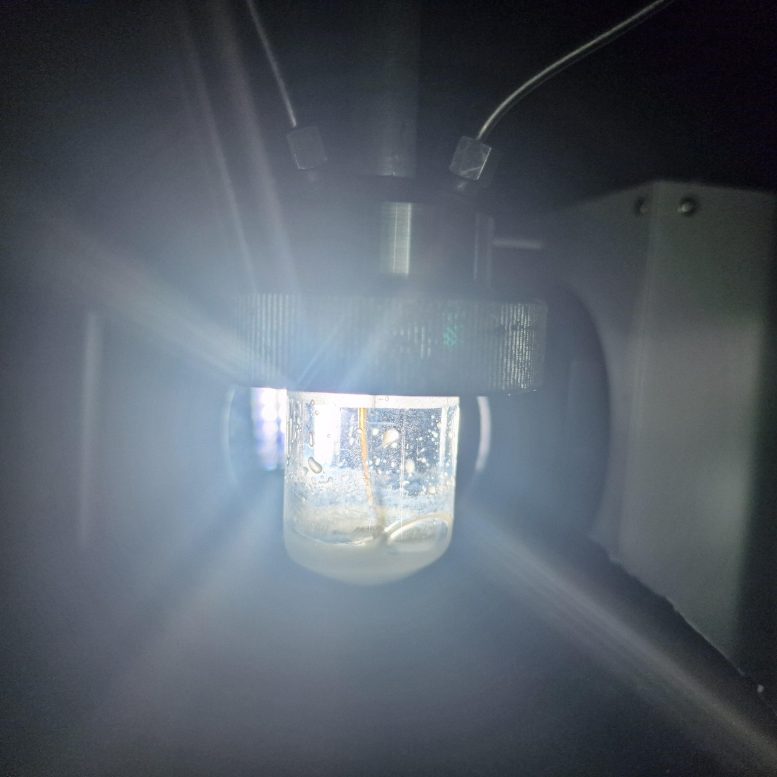
Researchers have developed a sunlight-powered process using copper and nanocrystalline carbon nitride to efficiently convert CO2 into methanol, marking a significant step towards sustainable fuel production and CO2 reduction. The picture above depicts the reactor where the catalyst is tested for turning CO2 to methanol. Credit: University of Nottingham
Researchers have successfully transformed CO2 into methanol by shining sunlight on single atoms of copper deposited on a light-activated material, a discovery that paves the way for creating new green fuels.
An international team of researchers from the University of Nottingham’s School of Chemistry, University of Birmingham, University of Queensland, and University of Ulm have designed a material, made up of copper anchored on nanocrystalline carbon nitride. The copper atoms are nested within the nanocrystalline structure, which allows electrons to move from carbon nitride to CO2, an essential step in the production of methanol from CO2 under the influence of solar irradiation. The research has been published in the Sustainable Energy & Fuels journal of the Royal Society of Chemistry.
The Challenge of Efficiency and Selectivity
In photocatalysis, light is shone on a semiconductor material that excites electrons, enabling them to travel through the material to react with CO2 and water, leading to a variety of useful products, including methanol, which is a green fuel. Despite recent progress, this process suffers from a lack of efficiency and selectivity.
Carbon dioxide is the greatest contributor to global warming. Although, it is possible to convert CO2 to useful products, traditional thermal methods rely on hydrogen sourced from fossil fuels. It is important to develop alternative methods based on photo- and electrocatalysis, taking advantage of the sustainable solar energy and abundance of omnipresent water.
Nanoscale Control for Improved Catalysis
Dr Madasamy Thangamuthu, a research fellow in the School of Chemistry, University of Nottingham, who co-led the research team, said: “There is a large variety of different materials used in photocatalysis. It is important that the photocatalyst absorbs light and separates charge carriers with high efficiency. In our approach, we control the material at the nanoscale. We developed a new form of carbon nitride with crystalline nanoscale domains that allow efficient interaction with light as well as sufficient charge separation.”
The process of CO2 conversion to methanol (fuel) by light. Credit: University of Nottingham
The researchers devised a process of heating carbon nitride to the required degree of crystallinity, maximizing the functional properties of this material for photocatalysis. Using magnetron sputtering, they deposited atomic copper in a solventless process, allowing intimate contact between the semiconductor and metal atoms.
Surprising Efficiency Gains
Tara LeMercier, a PhD student who carried out the experimental work at the University of Nottingham, School of Chemistry, said: “We measured the current generated by light and used it as a criterion to judge the quality of the catalyst. Even without copper, the new form of carbon nitride is 44 times more active than traditional carbon nitride. However, to our surprise, the addition of only 1 mg of copper per 1 g of carbon nitride quadrupled this efficiency. Most importantly the selectivity changed from methane, another greenhouse gas, to methanol, a valuable green fuel.”
Professor Andrei Khlobystov, School of Chemistry, University of Nottingham, said: “Carbon dioxide valorization holds the key for achieving the net-zero ambition of the UK. It is vitally important to ensure the sustainability of our catalyst materials for this important reaction. A big advantage of the new catalyst is that it consists of sustainable elements – carbon, nitrogen, and copper – all highly abundant on our planet.”
This invention represents a significant step towards a deep understanding of photocatalytic materials in CO2 conversion. It opens a pathway for creating highly selective and tuneable catalysts where the desired product could be dialed up by controlling the catalyst at the nanoscale.
Reference: “Synergy of nanocrystalline carbon nitride with Cu single atom catalyst leads to selective photocatalytic reduction of CO2 to methanol” by Tara M. LeMercier, Madasamy Thangamuthu, Emerson C. Kohlrausch, Yifan Chen, Craig T. Stoppiello, Michael W. Fay, Graham A. Rance, Gazi N. Aliev, Wolfgang Theis, Johannes Biskupek, Ute Kaiser, Anabel E. Lanterna, Jesum Alves Fernandes and Andrei N. Khlobystov, 6 March 2024, Sustainable Energy & Fuels. DOI: 10.1039/D4SE00028E
This work is funded by the EPSRC Programme Grant ‘Metal atoms on surfaces and interfaces (MASI) for sustainable future’ www.masi.ac.uk which is set to develop catalyst materials for the conversion of three key molecules – carbon dioxide, hydrogen, and ammonia – crucially important for economy and environment. MASI catalysts are made in an atom-efficient way to ensure sustainable use of chemical elements without depleting supplies of rare elements and making most of the earth’s abundant elements, such as carbon and base metals.
Cranfield University will benefit from a £69m funding injection to create the UK’s first major technology hub for sustainable hydrogen aviation fuel.
The funding will be employed to develop the Cranfield Hydrogen Integration Incubator (CH2i), which will innovate world-leading technologies to demonstrate the potential of hydrogen aviation fuel, a landmark move that will help decarbonise the industry.
Research England’s Research Partnership Investment Fund (RPIF) will provide £23m of the funding, with £46m financed through industry partners and academic institutions.
This latest investment brings the total funding from the RPIF scheme to £1bn, with Cranfield being one of four universities that received funding this round.
Embracing hydrogen: A path to sustainable aviation
Without intervention, aviation is poised to become the primary contributor to carbon greenhouse gas emissions by mid-century.
In this context, the swift advancement and expansion of hydrogen-powered aviation are crucial steps toward meeting escalating demands while transitioning to cleaner air transportation.
Aligned with the UK government’s Jet Zero Strategy, which aims for domestic aviation to achieve net zero emissions by 2040, CH2i will aid the aviation sector in exploring the scaling-up of hydrogen aviation fuel.
Professor Karen Holford CBE FREng, Chief Executive and Vice-Chancellor of Cranfield University, explained: “This game-changing investment builds on Cranfield’s expertise in hydrogen research and will help the aviation industry to make the leap to using hydrogen.
“CH2i will integrate with other large industry research areas at Cranfield, including our novel hydrogen production programmes, our Aerospace Integration Research Centre, and the Digital Aviation Research and Technology Centre.
“Working with research and industry partners nationally and internationally, we will unlock some of the most significant technical challenges around the future development and deployment of hydrogen in aviation.
“It’s a very exciting prospect for our researchers, partners and for the aviation industry. It will help to build the pathway to net zero emissions aviation.”
How CH2i will advance hydrogen aviation fuel infrastructure
CH2i will establish a groundbreaking ecosystem at Cranfield aimed at seamlessly connecting the production, integration, and utilisation of hydrogen for achieving net zero aviation.
This initiative not only showcases the industry’s potential for rapid decarbonisation but also lays the foundation for pioneering advancements in hydrogen-based technologies.
By forging a strategic research collaboration, CH2i will be intricately linked with the newly established Centre for Doctoral Training in Net Zero Aviation at Cranfield.
This collaborative environment will serve as a catalyst for the development of crucial technologies, ranging from production techniques to aircraft designs and engines, vital for expediting the adoption of hydrogen aviation fuel.
The initiative will prioritise the establishment of state-of-the-art laboratories, extensive test facilities, and essential airport infrastructure, thus revolutionising the landscape of hydrogen technologies.
Informing policy and regulation
CH2i’s multidisciplinary approach brings together academia, industry stakeholders, governmental bodies, and regulatory authorities.
Through collaborative efforts, CH2i aims to inform and shape policies, services, and regulatory frameworks necessary to realise economic growth and skill development opportunities on regional, national, and international scales.
Investment across the supply chain
Benefitting from Cranfield’s unique position as the sole university in Europe with its own airport and dedicated aviation facilities, CH2i will leverage its controlled airside environment to conduct large-scale demonstrations, testing, and advancement of hydrogen-based technologies.
The initiative will integrate and expand existing facilities at Cranfield, facilitating research and development across the entire hydrogen supply chain, encompassing production, storage, transportation, and utilisation.
Key infrastructure elements
CH2i will boast three infrastructure elements that will be critical to the project’s success:
Hydrogen Integration Research Centre: Building upon existing infrastructure, this facility will incorporate advanced laboratories for material synthesis and testing, analytical capabilities, and an innovation hub dedicated to piloting next-generation hydrogen technologies, including electrolysis and catalyst development
Enabling Hydrogen Innovation (Test Area): Investment will be made into two separate test bed facilities, supporting activities related to hydrogen and liquid hydrogen, fuel systems, storage, and propulsion system integration, spanning mid- to high-technology readiness levels
Developing Cranfield Airport’s Infrastructure: Enhancements to the airport’s infrastructure will bolster its capacity for safe operations and testing hydrogen-powered aviation demonstrators, ensuring a seamless transition towards sustainable aviation solutions
CH2i’s comprehensive approach and strategic investments in infrastructure and research promise to drive significant advancements in hydrogen aviation fuel and technologies.
By fostering collaboration and innovation across various sectors, CH2i is poised to play a pivotal role in shaping the future of sustainable aviation.
The University of Nottingham has secured more than £70m to establish open access research facilities to help decarbonise future transport.
Secured based on a £14m award from the UK Research Partnership Investment Fund, the funding will allow the university to build on its internationally leading capabilities in decarbonising transport.
The fund is augmented by both public and private co-investment and will extend research in electrification, hydrogen, and manufacturing.
Chris Gerada, Professor of Electrical Machines and lead for strategic research and innovation initiatives at the University of Nottingham, said: “This is one of the largest funding injections the East Midlands has ever seen, and the opportunities are clear for new research to enable the UK to take an international lead in powering transport.”
Scale up of manufacturing processes
The facilities will enable scale up of several manufacturing processes for Electrical Machines and Drives developed in UKRI’s Driving the Electric Revolution Industrialisation Centre.
From March 2025, the university will work with industry partners to demonstrate electrical machines and drive manufacturing for a range of applications.
As well as this, the manufacturing facilities will be available for industry co-location to accelerate new technology, that is set to decarbonise transport, to market.
Rapid market introduction of decarbonised transport solutions
The facilities will test new powertrains, including cryogenic electrical machines and power electronics and systems fuelled by liquid hydrogen and other green fuels.
The programmes will also provide the opportunity for rapid market introduction of the latest research into decarbonised transport solutions where battery electric power is not viable.
The work will build upon previous investments
The university’s co-investment partners span a range of industries across aerospace, power generation, marine, and off-highway.
The facilities and programmes will be based at the university’s Jubilee Campus.
The work will build upon recent investments such as the Power Electronics and Machines Centre, the zero-carbon innovation centre funded by East Midlands Freeport. The facilities will also use previous investments from Driving the Electric Revolution, Research England, EPSRC, and D2N2.
Together, the investments strengthen the university’s position as part of the national network of research, infrastructure, and skills development.
Harry Malins, Chief Innovation Officer at the Aerospace Technology Institute, said: “The University of Nottingham’s proposed facility will address some of the key areas for which open-access solutions do not yet exist in the UK, including test infrastructure for hydrogen systems at altitude and at high power conditions.”
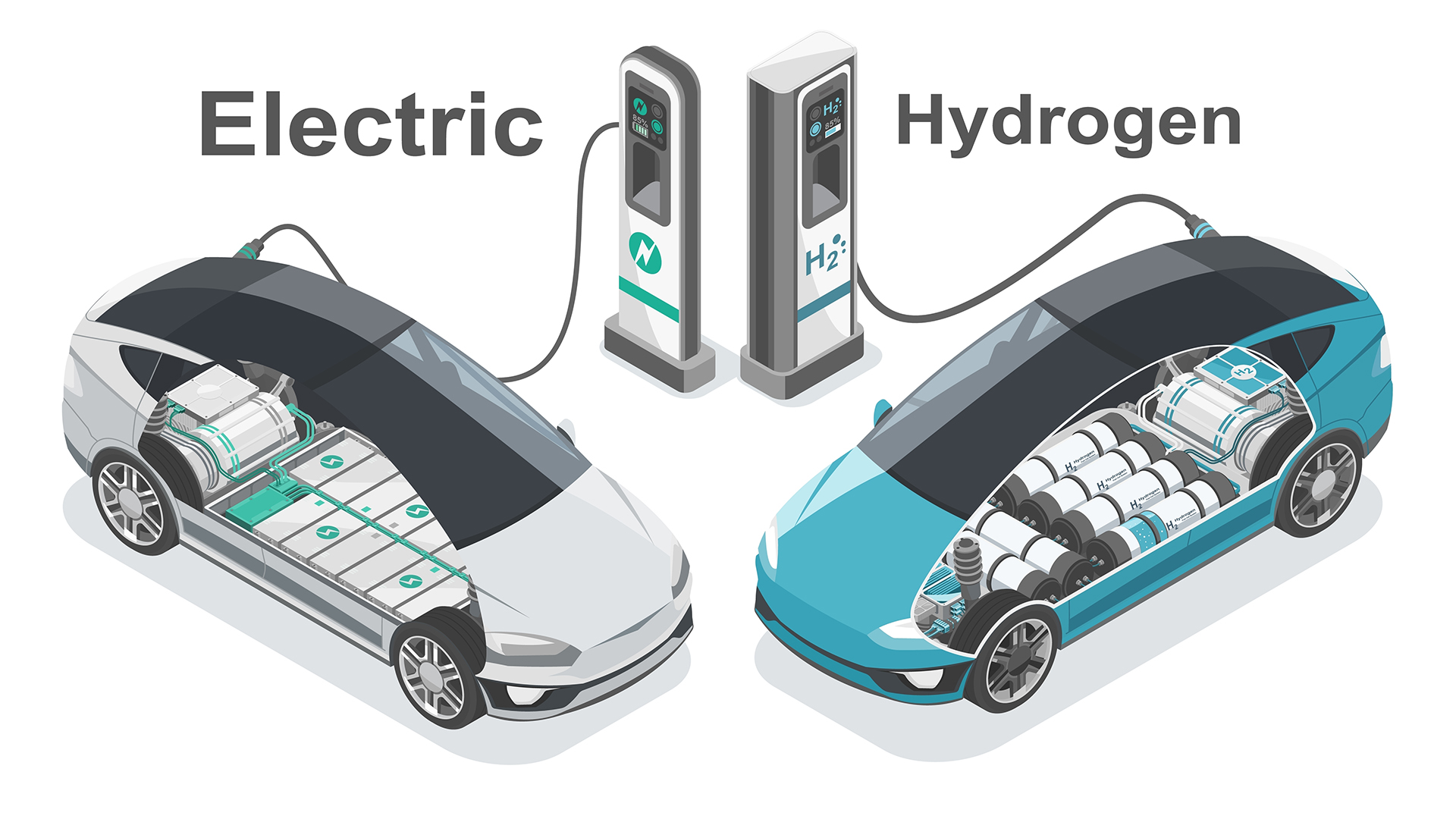
The debate between electric vehicles (EVs) and hydrogen fuel cell vehicles (HFCVs) is shaping the future of green energy and transportation.
As we stand at the crossroads of a pivotal shift from fossil fuels to sustainable energy sources, it becomes imperative to compare and contrast these two leading alternatives. Both EVs and HFCVs offer promising solutions to reduce our carbon footprint, yet they also present unique challenges and potential drawbacks.
In understanding the economic viability, environmental impact, safety concerns, and infrastructural needs of these green vehicles, we can anticipate the trajectory of this green energy showdown.
This critical analysis sets the stage for a deeper exploration of each technology’s strengths, weaknesses, and role in our sustainable future.
Understanding fossil oil substitutes
Delving into the realm of fossil oil substitutes, it is crucial to comprehend the pivotal role of electric vehicles and hydrogen fuel cell vehicles in transforming the transportation sector, which is a major consumer of global oil resources.
The push towards these alternatives is largely driven by the need for energy security and carbon neutrality, with both options offering significant potential in reducing oil consumption and carbon emissions.
Renewable energy sources are integral to both EVs and HFCVs, making them a key part of the solution to our energy security concerns. With renewable energy, we’re not just shifting the source of our oil consumption from one non-renewable source to another but changing the game entirely by introducing a virtually inexhaustible energy source.
In the quest for carbon neutrality, EVs and HFCVs play a critical role. Both types of vehicles produce zero tailpipe emissions, contributing significantly to reducing carbon emissions in the transportation sector. However, it is important to note that the carbon neutrality of these vehicles largely depends on how the electricity or hydrogen fuel they use is produced.
The transition to EVs and HFCVs also presents challenges. Developing charging infrastructure for EVs and refuelling stations for HFCVs requires significant investment and planning. Furthermore, there are technical and economic hurdles to overcome, such as improving battery technology for EVs and reducing the cost of hydrogen production for HFCVs.
Electric vs hydrogen vehicles: A comparison
When evaluating the potential of electric and hydrogen fuel cell vehicles as sustainable alternatives to traditional internal combustion engine (ICE) vehicles, a comprehensive comparison reveals distinct advantages and challenges associated with each technology.
From a performance comparison and cost efficiency standpoint, EVs generally outperform HFCVs. EVs are known for their high efficiency, quick acceleration, and quiet operation. In contrast, HFCVs, while offering longer ranges and quicker refuelling times, face challenges due to their higher production costs and complex refuelling infrastructure.
The environmental impact of both options is subject to the source of electricity or hydrogen. EVs can be powered by renewable sources, reducing their carbon footprint. However, hydrogen production for HFCVs often involves natural gas, leading to CO2 emissions.
Market adoption is skewed towards EVs, likely due to advantages in technology advancements and existing infrastructure. The global EV market has grown significantly in recent years, with major automakers investing heavily in this technology.
EVs
HFCVs
Performance
High efficiency, quick acceleration
Longer range, quick refuelling
Cost Efficiency
Lower cost per mile
Higher production cost
Environmental Impact
Dependent on the power source, EVs have the potential for a low carbon footprint
CO2 emissions during hydrogen production can be produced
Infrastructure development for EVs
Infrastructure development for electric vehicles is a critical component in the transition towards sustainable transportation, requiring strategic planning and investment in areas such as renewable energy power supply systems and charging facilities.
A robust charging network is integral to this development, facilitating the widespread use of EVs. This infrastructure, however, also demands advancements in battery technology and energy storage solutions to ensure efficiency and reliability.
Battery technology and energy storage are pivotal to the performance and viability of EVs. Modern battery technologies increase the range of EVs and reduce charging time, enhancing their appeal to potential users. On the other hand, energy storage systems play a critical role in managing the power demand from EVs, ensuring a steady power supply during peak charging times.
Grid integration is another vital aspect of EV infrastructure. Integrating EVs into the power grid can help optimise energy use, balance power demand and supply, and potentially serve as an energy storage solution during periods of low power demand.
Sustainable infrastructure is the cornerstone of EV adoption. It encompasses the physical charging stations and supporting services, such as maintenance and repair facilities, that ensure the smooth operation of EVs.
The development of sustainable EV infrastructure involves a holistic approach, considering the environmental, economic, and social implications of the transition to electric mobility.
Innovations in sustainable energy technology
Pushing the boundaries of traditional energy sources, innovations in sustainable energy technology are playing a pivotal role in addressing the environmental challenges associated with transportation. These innovations are enabling the transition towards greener, more sustainable models of transportation, specifically with the advent of EVs.
The introduction of smart grids has allowed for a more efficient and reliable power supply for EVs, paving the way for crucial charging advancements. These smart grids, enhanced by the integration of solar power, have not only improved the lifecycle assessment of EVs but have also significantly reduced greenhouse gas emissions.
However, the successful transition towards sustainable energy technology heavily relies on its acceptance within society. Acceptance factors play a crucial role and are influenced by various aspects, ranging from the availability of charging infrastructure to the cost and performance of EVs.
To illustrate these key points, the following table outlines the role of each innovation in sustainable energy technology:
Innovation
Role
Impact
Smart Grids
Efficient power supply for EVs
Reduced greenhouse gas emissions
Solar Integration
Enhanced renewable energy source
Improved lifecycle assessment of EVs
Acceptance Factors
Influences adoption of sustainable energy tech
Aids transition towards greener transportation
Charging Advancements
Faster, more efficient charging
Increases practicality and usability of EVs
Promotion of electric vehicles
In the transportation sector, electric vehicles are being promoted as a key strategy towards achieving carbon neutrality. Governments are providing incentives and establishing infrastructure to support the widespread adoption of EVs.
This not only aids in emission reduction but also enhances energy efficiency as EVs convert over 77% of the electrical energy from the grid to power at the wheels, far above the energy efficiency of conventional internal combustion engine vehicles.
Moreover, international cooperation plays a vital role in these global initiatives. The Paris Agreement, for example, unites nations in a common cause to combat climate change with a vital emphasis on emission reduction and sustainable energy technology.
The role of policy in advancing green vehicles
Amidst the global drive towards zero-emission vehicles, policy intervention emerges as a critical catalyst in expediting this transition and fostering an era of sustainable transportation.
The policy implications are vast, pivoting around the need to create an environment conducive to the uptake of electric and hydrogen vehicles while simultaneously phasing out the use of fossil fuel-powered cars.
Regulatory frameworks play a significant role in this process. They outline the rules and standards that manufacturers, consumers, and other stakeholders must abide by, often encouraging the development and adoption of green vehicles.
Additionally, government support is crucial in advancing green vehicles, taking the form of financial incentives such as tax breaks or subsidies for consumers and investments in infrastructure like charging stations.
The legislative impact on the green vehicle sector cannot be understated, with laws enacted to mandate the use of green vehicles in certain sectors or areas or to require a certain percentage of vehicles sold by manufacturers to be electric or hydrogen.
Challenges in adopting hydrogen fuel cell vehicles
Despite policy measures, challenges remain in adopting hydrogen vehicles. High costs, primarily due to expensive fuel cell production, the lack of robust refuelling infrastructure, and technology limitations hinder widespread adoption.
Additionally, market acceptance among consumers poses a significant hurdle, with concerns regarding awareness, safety, and preference for established technologies like EVs.
The future of zero-emission vehicles
Looking ahead, electric and hydrogen fuel cell vehicles are poised to play a pivotal role in the global shift towards sustainable and efficient transportation systems. Ongoing advancements in battery technology, coupled with the expansion of charging networks and refuelling stations, are crucial for this success.
Moreover, consumer adoption is increasing rapidly due to environmental benefits, lower operating costs, and improved driving experience, with government incentives playing a key role in stimulating demand.
Despite challenges, the future of zero-emission vehicles looks promising, with ongoing advancements and increasing consumer adoption driving the transition towards sustainable transportation systems.
As we stand on the precipice of a new era in sustainable transportation, the role of hydrogen fuel cells cannot be understated.
Hydrogen fuel cell technology presents an innovative solution to the challenges faced by our increasingly mobile society. It promises to transform our cities, industries, and even our homes.
Innovation News Network examines the recent advancements in hydrogen fuel cells and explores their implications for the future of transport.
Technological progress in hydrogen production
Significant advancements have been made in hydrogen production technologies in the realm of sustainable energy, heralding a new era of clean and efficient fuel sources. These developments are shaping the future of energy production, marking a critical transition from fossil fuels to more sustainable alternatives.
Electrolysis utilises electricity to split water into hydrogen and oxygen, providing a clean and renewable method of producing hydrogen. Efficiency improvements in this process are becoming increasingly vital, as they have the potential to significantly reduce the energy consumption and environmental impact of hydrogen production.
Another significant breakthrough is the emergence of biological hydrogen production, which involves using algae or bacteria to produce hydrogen. This technology presents an environmentally friendly alternative to fossil fuel-based production methods, with the benefit of utilising waste products as feedstock.
Moreover, advancements in hydrogen storage and transportation technologies are crucial for implementing hydrogen as a sustainable fuel source. Innovative solutions such as metal hydrides and carbon nanotubes are being explored for their potential to store and transport hydrogen safely and efficiently.
Lastly, the advancement in hydrogen fuel cell technology, which converts hydrogen into electricity, is a game changer in transportation. With increased efficiency and reduced emissions, hydrogen fuel cells are projected to play a vital role in decarbonising the transport sector, providing a sustainable solution to our energy needs.
Hydrogen storage and transport innovations
Addressing the challenge of hydrogen storage and transport is a crucial step towards the widespread adoption of hydrogen as a sustainable fuel source.
In recent years, efforts have focused on storage optimisation, with technologies evolving to increase the density and decrease the cost of hydrogen storage. These include high-pressure tanks, metal hydrides, and even novel nanotech materials that can store hydrogen at a molecular level.
Transport efficiency is another key area of development. With the help of infrastructure innovation, companies are working on creating more robust, efficient, and affordable pipelines for hydrogen transport.
Moreover, the use of hydrogen-powered vehicles for transport is an emerging trend that not only reduces carbon emissions but also promotes the use of hydrogen fuel cells.
Safety measures are paramount in hydrogen storage and transport. New technologies are being developed to ensure the safe handling and delivery of hydrogen. These include improved storage containers, advanced leak detection systems, and safety protocols for handling and transporting hydrogen.
Regulatory compliance is also a significant aspect of this process. With the growing interest in hydrogen as a fuel, governments worldwide are updating and establishing regulations to ensure safety, encourage innovation, and promote the use of hydrogen.
Hydrogen refuelling challenges and solutions
Despite hydrogen’s promising potential as a sustainable fuel, numerous challenges persist in hydrogen refuelling, necessitating the exploration of innovative solutions.
One such issue is temperature management during the refuelling process. The high pressures involved in hydrogen refuelling create a tremendous amount of heat, which can lead to safety hazards and mechanical failures. Control strategies, such as advanced cooling systems and pressure regulation mechanisms, are being developed to manage these temperatures.
Refuelling protocols also present challenges, as differing standards across regions can lead to inefficiencies and compatibility issues. A global, standardised approach to hydrogen refuelling would streamline processes and make hydrogen vehicles more accessible.
Research into this area is ongoing, focusing on safety, reliability, and refuelling speed.
Emissions analysis is another crucial aspect of the hydrogen refuelling process. While hydrogen fuel produces zero tailpipe emissions, the production and refuelling processes can still lead to greenhouse gas emissions, depending on the source of the hydrogen and the energy used in the process.
New technologies and strategies are being explored to minimise these emissions and make hydrogen refuelling genuinely sustainable.
Mobile hydrogen refuelling developments
Building on the challenges and solutions in the hydrogen refuelling process, the concept of mobile hydrogen refuelling presents a significant development in this domain. It aims to overcome infrastructural limitations and increase accessibility.
This revolutionary approach offers portable solutions, enhancing refuelling efficiency and enabling ‘on the go’ refuelling for hydrogen-powered vehicles.
The introduction of mobile refuelling stations provides an innovative response to the lack of permanent hydrogen refuelling infrastructure, particularly in remote or rural areas. These temporary stations are designed for rapid deployment and easy dismantling, making them a practical solution for immediate refuelling needs.
They can be strategically located where demand is highest, providing a flexible and adaptable refuelling system.
The use of mobile refuelling units also significantly reduces the initial investment required to establish a hydrogen refuelling infrastructure, making it a financially viable option for regions in the early stages of transitioning to hydrogen-powered transportation.
Efficiency is another key advantage of mobile hydrogen refuelling. The process is quicker and more streamlined, minimising vehicle downtime. This is particularly beneficial for commercial vehicles, where any delay can have significant financial implications.
Hydrogen’s role in carbon-free transport
Undeniably, hydrogen is a pivotal player in the move towards carbon-free transport. It offers immense potential for reducing greenhouse gas emissions in the transportation sector.
As we strive for environmental benefits and energy efficiency, hydrogen provides a path to sustainable solutions that can seamlessly integrate into our current vehicle systems.
Hydrogen fuel cells, with their carbon-free applications, can be a key part of our transition to a sustainable transportation future. These cells convert hydrogen and oxygen into electricity, with water as the only by-product.
This makes them a highly attractive option for vehicle integration, as they have the potential to drastically reduce our reliance on fossil fuels.
Hydrogen’s role in carbon-free transport is not without challenges. The infrastructure for hydrogen refuelling stations is still in its early stages, and public awareness and acceptance of hydrogen vehicles need to be improved.
However, with suitable investment and policy support, hydrogen has the potential to revolutionise the transport sector. It provides a sustainable solution that benefits not only the environment but also the economy.
Infrastructure needs for hydrogen vehicles
Infrastructure challenges must be addressed with sustainable solutions to foster the development of a carbon-free transportation landscape.
Fuelling stations are a critical component of this infrastructure. However, hydrogen fuelling stations are considerably sparse, presenting a significant hurdle to the broader acceptance and use of hydrogen vehicles.
There is a clear need to scale up the deployment of these stations, particularly in urban areas where the demand for hydrogen vehicles is likely to be highest. However, urban hydrogen fuelling station deployment comes with its own set of challenges, including space constraints and safety considerations.
Grid integration is another vital aspect of the infrastructure needed for hydrogen vehicles. Power grids will need to accommodate the increased load from hydrogen production facilities. Advanced grid management strategies may be needed to ensure the stability of power networks and minimise disruptions.
Moreover, the entire hydrogen supply chain needs to be developed, from production to delivery. This includes constructing pipelines and storage facilities and the development of technologies for efficient and safe hydrogen transport.
Future directions in hydrogen fuel cell technology
As we navigate the complexities of our current energy landscape, the potential future of hydrogen technology is taking shape, with promising advancements and innovations on the horizon.
These advancements are driven not only by research opportunities but also by market trends and policy implications. The emergence of hydrogen as a key player in sustainable transportation is increasingly gaining momentum, opening up numerous investment prospects.
Despite the promising future, technological barriers must be addressed to harness the potential of hydrogen technology fully. These include challenges related to the production, storage, and transportation of hydrogen, which currently pose significant hurdles in the widespread adoption of this technology.
Furthermore, policy implications should be considered as they can help shape the direction of hydrogen technology. Policymakers have a crucial role in setting the right regulatory frameworks to foster hydrogen technology development and deployment.
As we move forward, it is crucial to continue exploring these aspects in depth while embracing the opportunities and addressing the barriers that arise.
This will be key to unlocking the full potential of hydrogen technology in sustainable transportation.