As the leading country in health-sciences output in the Nature Index, the United States’ Share is almost 8,500, higher than the next 10 leading countries combined. As a result, US institutions feature prominently among the leading research organizations for the subject, with 30 of the top 50 being based there.
The country’s dominance means that it comes top for Share in all but seven of the journals tracked by the Nature Index in the subject. This includes large general journals such as Nature Communications and specialist medical publications such as The New England Journal of Medicine. PLOS Medicine and Gut are two examples where authors based elsewhere (the United Kingdom and China) made the largest contribution.
Source: Nature Index. Data analysis by Aayush Kagathra. Infographic by Simon Baker, Bec Crew and Tanner Maxwell.
The United States is the clear frontrunner among the leading five countries for health-sciences research, with a Share almost four times higher than China, in second place. The United Kingdom is third, with a Share of almost 1,500, a higher placing than its fourth position overall in the Nature Index.
Source: Nature Index. Data analysis by Aayush Kagathra. Infographic by Simon Baker, Bec Crew and Tanner Maxwell.
Out of the top 25 countries for health-sciences articles in the Nature Index, five nations have a Share that makes up at least 29% of their overall footprint in the database across all subjects. Denmark, whose research is boosted by the success of companies such as Novo Nordisk, has the highest ratio in this regard at almost 40%.
Source: Nature Index. Data analysis by Aayush Kagathra. Infographic by Simon Baker, Bec Crew and Tanner Maxwell.
As Harvard University, in Cambridge, Massachusetts, is the leading institution for high-quality health-sciences research, its involvement in the top institutional partnership in the field is no surprise. But its dominance does not extend to all the other leading collaborations, some of which involve institutions outside the United States.
Source: Nature Index. Data analysis by Aayush Kagathra. Infographic by Simon Baker, Bec Crew and Tanner Maxwell.
The difference in Nature Index health-sciences output between the leading academic institution, Harvard University in Cambridge, Massachusetts, and other top institutions is a Share of more than 600. Compared with Harvard, most of the leading institutions also have a lower proportion of their overall Nature Index output in health sciences.
The University of Toronto in Canada and Johns Hopkins University in Baltimore, Maryland, are the only other academic institutions with a health-sciences Share of over 200. They also have a relatively strong focus on health sciences, with over 35% of their overall Nature Index research output in the subject area.
Source: Nature Index. Data analysis by Aayush Kagathra. Infographic by Simon Baker, Bec Crew and Tanner Maxwell.
Last year, the Nature Index was broadened to include author affiliations from articles in more than 60 medical journals. The expansion, which covers all major disciplines and specialities in clinical medicine and surgery, offers new insights into global publishing trends in the health sciences. This is the first supplement to explore some of those trends.
Nature Index 2024 Health sciences
Two things immediately stand out. The first is that the United States dominates high-quality output in the health sciences, contributing a Share of 8,468 to publications in the Nature Index. China, which in 2023 overtook the United States in natural-sciences output in the database, trails in a distant second place, with a Share of 2,108.
The second noticeable data point is the dominance of Harvard University in the field. The institution, based in Cambridge, Massachusetts, has a Share (822) that is almost three times higher than the second-ranked institution, the US National Institutes of Health (290).
An extraordinary amount of money is invested in health-sciences research, but this hasn’t translated to a faster pipeline for new therapies. The increasing complexity of clinical trials is part of the problem, and something that researchers are hoping artificial intelligence can help to address. Others are rethinking how therapies are assessed in trials to make the results more meaningful. For example, could data impact people with Alzheimer’s and other progressive conditions by measuring how many ‘good years’ a medication can give, rather than comparing scores on cognitive tests?
Outside clinical trials, there are structural weaknesses in health-sciences research that need urgent attention, such as the lack of women in leadership positions. If institutions do not work harder to increase diversity at the top levels of academia, they risk damaging the talent pipeline and ultimately health outcomes for everyone.
As an academic who studies social policy and race, I was not surprised to learn of the resignation of Claudine Gay, former president of Harvard University in Cambridge, Massachusetts, who was the first Black woman to have the role.
I was not shocked by the news that Antoinette Candia-Bailey, an administrator at Lincoln University of Missouri in Jefferson City, had died by suicide, amid concerns of harassment and a lack of support from senior colleagues.
Black female scholars and staff members continue to face exclusion and challenges in academia that often remain ignored.
A few years ago, I gave evidence to the Women and Equalities Committee of the UK Parliament at a session on racial harassment at British universities. I shared the example of a Black woman who had been driven out of her institution and treated so abysmally in the process that she had considered taking her life. To my knowledge, no one at that university has been held to account. I also outlined findings from my study of the career experiences of UK Black female professors who described being passed over for promotion in favour of less-qualified white faculty members, being undermined by white female colleagues who otherwise champion feminism, and having to take deliberate steps to protect their well-being (see go.nature.com/43bv84e).
Why Juneteenth matters for science
I do not stand outside the issues I research. I have long been aware of the opaqueness with which institutions interpret and apply policies, and how this benefits certain groups but disadvantages others. I was so scarred by my previous experiences of applying for academic posts that, at one point, I took to walking around with the promotion criteria for senior lecturer at that university in my pocket to help me decide which work requests I should commit my time to.
I submitted my application to the university with confidence. It met the listed criteria for senior lecturer and many for the level above that. Yet my application did not pass even the first of three review panels. The amount of research funding I had secured was deemed not to be ‘sufficient’. There had been no mention of this in the guidelines. Introducing subjective language such as ‘sufficient’ risks inviting bias into the process.
The low representation of Black women in senior posts cannot be attributed merely to a pipeline issue. Resolving poor retention — by creating environments in which Black women can flourish — is crucial. This goes beyond ‘dignity at work’ statements, ‘diversity and inclusion’ policies and lunchtime yoga sessions. Black women are more likely than white women to die in childbirth (see go.nature.com/3pcukgs) and to have fibroids, and less likely to receive adequate pain treatment from health-care professionals. This means that Black women are often facing these challenges while also dealing with workplace difficulties, such as unsupportive line managers, isolation and the weight of academic service.
Existing at the intersection of being Black and a woman is exhausting.
Colleagues keen to demonstrate their solidarity with Black women might, at a minimum, commit to the below actions. Although these principles should be considered good practice, in general, not adopting them could have a disproportionately large effect on Black women, because of the existing challenges we face.
Equity is more than a buzzword
Be respectful of our time. I often receive requests — some even outside work hours — with unrealistic deadlines, without apology or explanation. When asking us to do something, acknowledge that we already have other commitments.
Pay us. Asking people to work for free implies that you do not value them or their expertise. If your business has a healthy bank balance or you are charging people huge sums to attend your conference, it is not reasonable to hide behind honorariums as a rationale for not paying contributors.
Sponsor Black women. In many ways, progress in academia — and in wider society — depends on who you know. While we continue to fight for recognition by and access to institutions, you can help us by citing our work and championing us.
Be transparent and honest in communications. If you can’t accommodate a request or commit to a project, say so. Avoid ambiguous language that requires us to read between the lines.
White women: feminism means Black women, too. In my study, Black professors described how white women excluded them through behaviours similar to those that the same women criticized in men. Working in solidarity with Black women means attending to the ways your racialized identity affords you privileges.
Unless such actions are integrated into workplace policies and practices, and unless people are held accountable, Black women will continue to be on the receiving end of disrespectful, exclusionary behaviours.
Black women must be vigilant about their health and well-being, and put firm boundaries in place to protect themselves. We must support and champion each other and be wary of narratives based on other people’s ideas of success, such as being called a role model, or “if you see it, you can be it”. Our challenge is not one of individual motivation, aspiration or achievement, but of the need for radical change that breaks down the barriers that, despite our efforts, continue to impede our collective success.
Three months after Javier Milei took office as the new president of Argentina, scientists there say that their profession is in crisis. As Milei cuts government spending to bring down the country’s deficit and to lower inflation — now more than 250% annually — academics say that some areas of research are at risk. And they say that institutes supported by Argentina’s main science agency, the National Scientific and Technical Research Council (CONICET), might have to shut down. Researchers have been expressing their anger and discontent on social media and protesting in the streets.
‘Extremely worrying’: Argentinian researchers reel after election of anti-science president
The far-right Milei administration has decided that the federal budget will remain unchanged from that in 2023 — which means that, in real terms, funding levels are at least 50% lower this year because of increasing inflation. CONICET, which supports nearly 12,000 researchers at about 300 institutes, has had to reduce the number of graduate-student scholarships it awards from 1,300 to 600. It has also stopped hiring researchers and giving promotions, and it has laid off nearly 50 administrative staff members.
Yesterday, 68 Nobel prizewinners in chemistry, economics, medicine and physics delivered a letter to Milei expressing concerns about the devaluation of the budgets for Argentina’s national universities and for CONICET. “We watch as the Argentinian system of science and technology approaches a dangerous precipice, and despair at the consequences that this situation could have for both the Argentine people and the world,” it says.
“It is vital to increase the budget for CONICET,” says Nuria Giniger, an anthropologist at the CONICET-funded Center for Labor Studies and Research in Buenos Aires, who is also secretary of the union organizing the protests. She says that, if things don’t change in the next two months, some institutions will have to shut down. “We can’t afford basic things like paying for elevator maintenance, Internet services, vivariums [enclosures for animals and plants] and more.”
Some say that although Milei hasn’t outright shut down CONICET, as he pledged during his presidential campaign, he is keeping his promise by making it impossible for some laboratories to stay open. “By promoting budget cuts in science and technology, the government is dismantling the sector,” says Andrea Gamarnik, head of a molecular-virology lab at the Leloir Institute Foundation in Buenos Aires, which is supported by CONICET.
Daniel Salamone, the head of CONICET, who was appointed by Milei, contends that the government’s actions don’t signal a lack of support for science. “We gave raises and maintained CONICET’s entire staff of researchers and support professionals,” says Salamone, a veterinarian who specializes in cloning. He emphasizes that the country has severe economic problems. “It would seem unfair to assume a critical stance [by Milei towards science] without considering that the country is going through a deep crisis,” he adds, pointing out that more than 50% of the population is living in poverty.
Sending a message
CONICET isn’t the only science-based agency affected by Milei’s cuts. His administration has not yet appointed a president to the National Agency for the Promotion of Research, Technological Development and Innovation, which had a budget of about US$120 million in 2023 and which helps to finance the work of local researchers by channeling international funding to them. This means that the agency has not been operating since last year, putting the 8,000 projects it runs in jeopardy .
Argentina election: front runner vows to slash science funding
“The government is giving a message to society that science is not important” and is sending a negative message about scientists, Gamarnik says. For instance, Milei has liked and shared posts on the social-media platform X (formerly Twitter) suggesting that researchers funded by CONICET are lazy and don’t earn their pay.
Milei has also seemed to undermine science in other ways: on taking office, he dissolved the Ministry of Science, Technology and Innovation, which oversaw agencies including CONICET, downgrading it to a secretariat with a smaller budget and less power. The head of the secretariat he appointed is Alejandro Cosentino, an entrepreneur and former bank manager who funded a financial-technology company but has no scientific background. “With so many areas under his control, there are no priorities set, nor coordination or planning,” says Lino Barañao, a biochemist who was the minister for science for 12 years under two previous administrations. “This is serious.”
Contacted by Nature, a spokesperson for the science secretariat denies that science is not a priority for the Milei administration. “CONICET is in the same budgetary situation as the rest of the national public administration,” that is, it is under the same budget as last year, just like the rest of the government, they said. Closing CONICET institutes is not the intention, they added. And counter to Milei’s comments during the campaign about shutting down or privatizing the agency, the government wants to “build and expand scientific policy” with a special focus on bringing back Argentinian scientists from abroad, they said.
But researchers worry that, instead, young scientists will be driven away from Argentina because of the new administration’s actions. “For the younger scientists, it is a great discouragement to continue,” says Gamarnik. “Our work requires motivation and a lot of commitment. If there are no scholarships and budget, people will start looking for other options.”
Part of a research manager’s remit is to act as a liaison between researchers and funding agencies, companies and governments.Credit: SetsukoN/Getty
The global research ecosystem is becoming increasingly complex, meaning that institutions with strong research management and administration teams could have an advantage in undertaking multidisciplinary and cross-border projects. To attract the next generation of research management and administration professionals and to support their growth, institutions need to provide them with a clear career trajectory, proposes a book published in November.
The Emerald Handbook of Research Management and Administration Around the World brings together the perspectives of research managers and administrators (RMAs) and highlights the field’s biggest developments and most urgent needs. The book was edited by Simon Kerridge, an honorary member of staff in research and innovation services at the University of Kent, UK; Susi Poli, who studies higher-education staff development at the University of Bologna, Italy; and Mariko Yang-Yoshihara, an instructor and education researcher at Stanford University in California.
Nature Index spoke to Kerridge, Poli and Yang-Yoshihara about the most important insights they gained from compiling the book.
What prompted you to produce the book?
In the past few decades, scholars and practitioners have noted the rise of RMAs, who play a crucial part in scientific ecosystems worldwide. However, few initiatives have investigated RMAs in a cross-regional manner and have aimed to understand their role in a broader context.
The three of us met at a conference in early 2020 and decided to write a paper together. But then the COVID-19 pandemic struck. Regular Zoom meetings kept us engaged and prompted a constant flow of ideas. Our plans evolved and expanded. Eventually, one of us said, “Why don’t we write a book?” The suggestion seemed a bit audacious at first, but we have something in common: optimism. This is how a simple idea to combine three people’s research evolved into a three-year project that involved authors from around the world.
What are the largest challenges for RMAs globally, based on your findings?
The biggest hurdle is the absence of a well-defined and structured career path. A consistent theme emerges in the book: although RMAs are gaining global recognition, particularly in regions such as North America, Western Europe, Asia and Australasia, many countries are still developing a clear occupational trajectory for those entering the field. Individuals in research administration in South America, the Middle East, Central and Eastern Europe and Africa, frequently feel undervalued.
This book was born out of a desire to change the narrative. Despite having diverse doctoral and career backgrounds, we all recognized that during our graduate studies, the focus was on how to become academics, not professionals, such as RMAs. We aim to shift this perspective and show the next generation that becoming an RMA could be a viable and rewarding career path, and that they could help to advance science and knowledge as much as academics do. Currently, few university students or young professionals see research management and administration as an occupation.
In the final chapter (chapter 6), we emphasize that policymakers and institutional leaders need to be proactive in raising awareness of RMAs’ importance in global research collaborations and in encouraging top talent to pursue careers in the field.
How did you achieve such a broad investigation of RMAs?
The book is structured into two main sections. The first part aims to foster best practice in the field and provide resources for future generations of RMAs. The second compiles country- and region-specific information, and aims to capture the current state of the field globally. We brought on board regional editors who helped to identify and communicate with individual authors, who could contribute country-specific observations. We also used associations that were members of the International Network of Research Management Societies to help find contributors in regions beyond the reach of our personal networks.
Four global-south researchers making cross-border collaborations count
Most previous studies on RMAs were written mainly by authors in North American and European countries, leading to a skewed contribution by these regions. We made concerted efforts to broaden our reach to regions in which research on RMAs had not previously been documented; at least, not in the English language. In the end, 127 authors from 50 regions and countries contributed their expertise.
We acknowledge that, despite its unprecedented scope, the book could not include some countries and regions. In some cases, this was because people we approached did not respond our calls, or because of language barriers, political situations or limitations in our network. Furthermore, widespread recognition of RMAs in research ecosystems in certain countries might also be lacking. We think that identifying regions in which the profession lags behind could enable further understanding of RMAs’ roles in projects.
What key differences did you identify in the roles of RMAs from various regions and countries?
One distinction highlighted by several authors is the gender profile (see, for example, chapter 5.44). In most countries, around 80% of RMAs identify as women. However, in certain regions (including Africa) and countries (such as Colombia and Japan), the gender distribution seems to be more balanced. This could be because this profession is relatively new in these places, meaning that more individuals enter the field from researcher roles rather than by transitioning from other professional routes.
What kinds of initiative are most effective in advancing the reputation, function and integration of RMAs in the wider research community?
One of the key findings of the book is the growing importance of professional associations in shaping and advancing the profession.
RMAs can join numerous national and regional associations, such as the European Association of Research Managers and Administrators, the Australasian Research Management Society, the Southern African Research and Innovation Management Association and the West African Research and Innovation Management Association. National organizations with an international reach, such as the US National Council of University Research Administrators and the US Society of Research Administrators International, provide RMAs with a sense of belonging beyond national boundaries and increase the legitimacy of the profession and the mobility of those working in the field.
The book also notes the emerging trend of professionalization in regions such as Africa and Asia, and there are early signs of similar associations being set up in Central and Eastern European countries and the Caribbean.
What are the most valuable but unrecognized skills of RMAs?
Many chapters in the first part highlight the importance of ‘soft’ skills, such as effective communication, the building of collaborations, inclusive leadership and cross-cultural understanding. It is essential for RMAs to establish robust relationships and partnerships with key stakeholders such as researchers, funders, institutional leaders and policymakers. There is much discussion globally about the potential of artificial intelligence (AI) systems for taking over certain administrative roles, but skills such as the ability to navigate intricate situations with tenacity, being adaptable and having a considerable amount of empathy are often overlooked and unrecognized. We think that these skills can’t easily be replaced by AI.
Academic researchers bring expertise, yet, just as a skilled racing driver still needs a team of engineers to anticipate problems and offer support, RMAs also have an indispensable role in the effective administration of research projects.
We hope that readers use this book as a platform for discussions that shape the future of RMAs and that they will seize opportunities in this evolving field.
The All of Us programme aims to recruit one million people from ethnic and socio-economic groups that are typically under-represented in biomedical studies.Credit: Barbara Alper/Getty
A massive US programme that aims to improve health care by focusing on the genomes and health profiles of historically underrepresented groups has begun to yield results.
Analyses of up to 245,000 genomes gathered by the All of Us programme, run by the US National Institutes of Health in Bethesda, Maryland, have uncovered more than 275 million new genetic markers, nearly 150 of which might contribute to type 2 diabetes. The work has also identified gaps in genetics research on non-white populations. The findings were published on 19 February in a package of papers in Nature1,2, Communications Biology3 and Nature Medicine4.
They are a “nice distillation of the All of Us resource — what it is and what it can do”, says Michael Inouye, a computational genomicist at the University of Cambridge, UK. “This is going to be the go-to data set” for genetics researchers who want to know whether their findings are generalizable to a broad population or apply to only a limited one, he adds.
Bridging the gap
Researchers have long acknowledged the lack of diversity in the genomes available for them to study, says Jibril Hirbo, a geneticist at Vanderbilt University Medical Center in Nashville, Tennessee, who studies the genetics of health disparities. One study5 that looked at data gathered up until January 2019 found that 78% of people in most large-scale genomic studies of disease were of European descent. This has exacerbated existing health disparities, particularly for non-white individuals, Hirbo says. When researchers choose genetic or molecular targets for new medicines or create models to predict who is at risk of developing a disease, they tend to make decisions on the basis of non-diverse data because that’s all that has been available.
Facing up to injustice in genome science
The All of Us programme, which has received over US$3.1 billion to date and plans to assemble detailed health profiles for one million people in the United States by the end of 2026, aims to bridge that gap, says Andrea Ramirez, the programme’s chief data officer. It began enrolling people in 2018, and released its first tranche of data — about 100,000 whole genomes — in 2022. By April 2023, it had enrolled 413,000 anonymized participants, 46% of whom belong to a minority racial or ethnic group, and had shared nearly 250,000 genomes. By comparison, the world’s largest whole-genome data set, the UK Biobank, has so far released about half a million genomes, around 88% of which are from white people.
The All of Us data set is “a huge resource, particularly of African American, Hispanic and Latin American genomes, that’s massively missing from the vast majority of large-scale biobank resources and genomics consortia”, says Alicia Martin, a population geneticist at Massachusetts General Hospital in Boston.
In addition to the genomes, the database includes some participants’ survey responses, electronic health records and data from wearable devices, such as Fitbits, that report people’s activity, “making this one of the most powerful resources of genomic data”, Martin says.
An urgent need
A study in Nature on type 2 diabetes2 is an example of the power of using a database that includes diverse genomes, Ramirez says. The condition, which affects about one in ten people in the United States, can be caused by many distinct biological mechanisms involving various genes. The researchers analysed genetic information from several databases, including All of Us, for a total of more than 2.5 million people; nearly 40% of the data came from individuals not of European ancestry. The team found 611 genetic markers that might drive the development and progression of the disease, 145 of which have never been reported before. These findings could be used to develop “genetically informed diabetes care”, the authors write.
World’s biggest set of human genome sequences opens to scientists
In another of the studies3, researchers used All of Us data to examine pathogenic variants — that is, genetic differences that increase a person’s risk of developing a particular disease. They found that, among the genomes of people with European ancestry, 2.3% had a pathogenic variant. Among genomes from people with African ancestry, however, this fell to 1.6%.
Study co-author Eric Venner, a computational geneticist at Baylor College of Medicine in Houston, Texas, cautions that there should be no biological reason for the differences. He says that the disparity is probably the result of more research having been conducted on people of European ancestry; we simply know more about which mutations in this population lead to disease. In fact, the researchers found more variants of unknown risk in the genomes of people with non-European ancestry than in those with European ancestry, he adds. This underscores the urgent need to study non-European genomes in more detail, Venner says.
Updating models
Gathering and using more genomic and health data from diverse populations will be especially important for generating more accurate ‘polygenic risk scores’. These provide a picture of a person’s risk of developing a disease as a result of their genetics.
US tailored-medicine project aims for ethnic balance
To calculate a score for a particular disease, researchers develop an algorithm that is trained on thousands of genomes from people who either do or don’t have the disease. A person’s own score can then be calculated by feeding their genetic data into the algorithm.
Previous research6 has shown that the scores, which might soon be used in the clinic for personalized health care, tend to be less accurate for minority populations than for majority ones. In one of the current papers4, researchers used the more-inclusive All of Us data to improve the landscape: they calibrated and validated scores for 23 conditions and recommended 10 to be prioritized for use in the clinic, for conditions including coronary heart disease and diabetes. Martin applauds these efforts, but she hopes that future studies address how physicians and others in the clinic interpret these scores, and whether the scores can improve a person’s health in the long term because of the treatment decisions they elicit.
The All of Us programme plans to release a tranche of data every year, representing new enrolees and genomes, including one later in 2024, Ramirez says. It’s excellent that diverse data are coming in, Hirbo says, adding that he would like to see existing algorithms that were trained mainly on the genomes of people of European ancestry updated soon. “The models are still way behind,” he says.
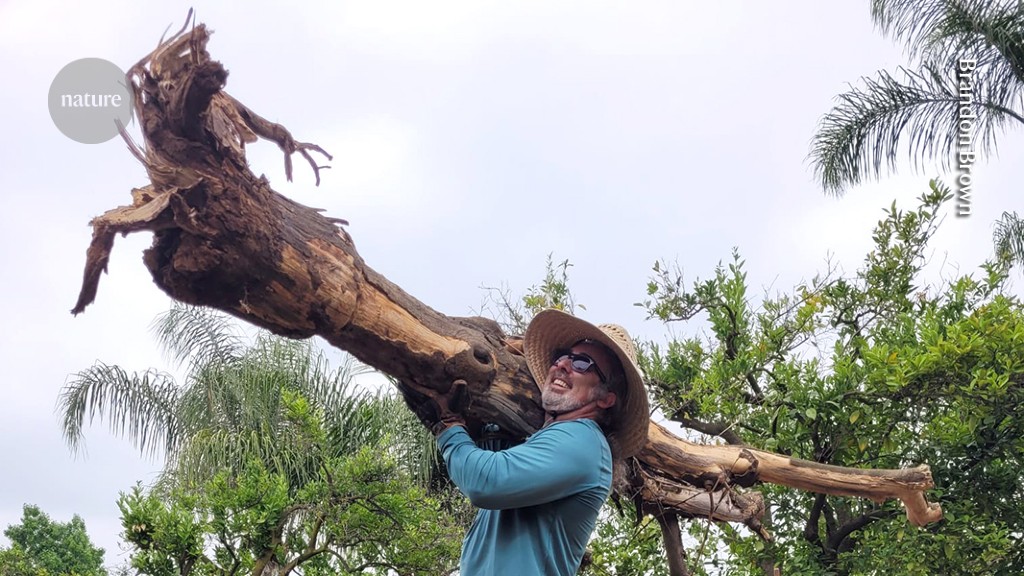
During his sabbatical, Brandon Brown spent a lot of time in nature. His personal growth helped him to clarify what he wanted out of academia.Credit: Brandon Brown
Friends and family members often ask why I’m up late on weekends or holidays, working on manuscripts, lectures and presentations, grant applications, organizing community events and the task that is most time consuming of all, answering e-mails.
This work–life imbalance is familiar to many — or perhaps most — in academia. There is always another grant application to write, paper to publish or excellent student to mentor.
After hearing about other academics taking sabbaticals, I wanted to learn more about how they did so, and began wondering whether I could take one. I’m based at the medical school at the University of California (UC), Riverside, and my colleagues in the academic-affairs office told me that a sabbatical could be a good opportunity to pause my teaching and academic service obligations and pursue new lines of research. They asked me how many ‘sabbatical credits’ I had, which would determine the amount of time off that I could take. I had no idea what those were, but was shown how to access them in the university’s online portal.
A senior colleague outside my department told me that I would need to write an application explaining what I planned to do while away, before securing approvals from my department chair, the school of medicine’s dean and the university chancellor. When I returned to my post, I would need to submit a report on how I had spent my time (my institutional guidelines are available here), to see whether my activities matched up with what I had planned to do.
I have worked full-time in the UC system for about 12 years, and was thrilled to learn that I had earned about 9 months of credits, and that I would continue to receive my full salary during my sabbatical. I could travel abroad or to a different state, or stay local — whatever worked best for me.
The thought of pursuing a sabbatical was daunting, not only because it’s uncommon among medical-school faculty — and I had no colleagues in my department who could offer a frame of reference — but also because I thought that others wouldn’t be able to take on many of my tasks.
Learning to step away
I wondered who would teach my public-health courses, be the school of medicine’s equity adviser or mentor my students. I also have leadership roles in the Louis Stokes Alliance for Minority Participation programme at UC Riverside (the California programme is known as CAMP), which funds faculty-mentored research for students from under-represented racial and ethnic groups, and TruEvolution, a non-profit organization in Riverside that fights for health equity and racial justice to improve the lives of LGBT+ people. Who would lead these groups when I was gone? Would my institutional review board have enough members to meet and vote on items? Would I still be involved in my department’s hiring process? How would I manage my grants and other projects?
I enjoyed many of these activities and felt that I was crucial to their success. I continued my leadership role in CAMP and TruEvolution while I was away, but not the duties usually assigned to me by my departmental and school administrators.
Brown tended to his orchard during his time away.Credit: Brandon Brown
Going over my tasks and deciding which ones I was less passionate about was itself a motivator to press pause on my academic career. I applied for a sabbatical to focus on completing research projects, creating undergraduate and graduate courses and writing articles to help other academics navigate research and the tenure-track process. This plan was approved, and I started a six-month sabbatical on 2 January 2023.
At first, I did not know what to do with myself. Before I took time off, I would wake up at 4.30 a.m., check my e-mails for any urgent business that needed immediate attention and then start the rest of my work — which meant creating presentations, analysing data, revising manuscripts and preparing notes for the day’s meetings. But that routine no longer existed, and I realized that so much of my sense of self and my day-to-day life was grounded in academia. Instead, I was left with time. I used it to take a breath and rest.
I slept in, often until 6 or 6.30 a.m., and spent time outside in nature. I would have dinner with my family at 5 p.m., instead of eating at my desk, and could relax because I wasn’t working 14 hours a day or over the weekends. I had time to reflect on my role in academia, and thought about which activities could continue without me. I realized that academics work in a bubble of scholarly activities, and are often out of touch with the real world.
I also had the chance to remember why I got into academia in the first place — which reinvigorated me. Like many of my colleagues, I was the first in my family to attend university, and I have faced challenges while navigating academia as a Latino and first-generation scholar. I wouldn’t be where I am in my career without a community of people who helped me to succeed. As a senior faculty member, I am most fulfilled by helping young science students from under-represented groups to navigate the system, which is largely unchanged from when I was an applied-mathematics undergraduate student at UC Irvine in 1999.
Lessons learnt
The first lesson I learnt was that I am replaceable. I saw that some of my major contributions to my institution could easily be done by others. When I told people that I was away, many asked who was covering my responsibilities for, say, mentoring researchers, advising on diversity, equity and inclusion issues or leading a course.
I was tempted to simply ignore those questions and go fully ‘off grid’, but I did refer people to trusted colleagues. This reminded me that, if I am hit by a bus today, tomorrow someone else will take over my activities — which is a good thing. If scientists plan correctly, our research, teaching and mentoring can all continue when we are gone. It’s not worth risking ill health and losing years of life working long hours and on weekends and holidays just to complete tasks that aren’t emergencies and can be covered by others.
Another lesson: academia is just a bubble in the real world. When I spent more time with people outside academia, such as my mother, childhood friends, local farmers and community leaders, I had to practise my communication skills and real-world thinking. Instead of coming up with HIV interventions, resubmitting a revised article, forming a search committee for a faculty position, ordering laboratory supplies or reserving materials for a course, I found myself discussing nature, food, climate change, health care, retirement, media and technology. Once I returned to academia, I could navigate topics outside science tactfully. Not all conversations need be centred around scientific research and production. For instance, I am now more active in my leadership role at TruEvolution after having dedicated more time to it while away from UC Riverside.
Why academia?
During my sabbatical, I pondered the question of why I got into academia in the first place. I’m in academia to make a positive difference in the lives of students, and to diversify the face of STEM leadership. I still worked on this while away, but I planned on how to do better when I returned. It was only with my time off I had the head space to do so. I hired an administrator for CAMP after resuming work, and secured an office for the programme and its participants to call home.
This growth took time — which I had, because I took the sabbatical. Now, CAMP students have the space to meet, learn, practise giving presentations, support each other and prepare for graduate school. I succeeded as an academic because others had provided these resources to me. I wanted to give back — which was why I got involved in academia in the first place.
My sabbatical reminded me that academia is not always a welcoming or nurturing environment for faculty, for minoritized faculty, students and staff, particularly people of colour. We who are part of this system need to change it from within, and my sabbatical gave me the space to think about how to do so in a small way, and to help others navigate academia through my experience.
The number of Black professors in the United Kingdom has risen by 25% in one year, according to the latest figures from the country’s Higher Education Statistics Agency (HESA). There were 40 new Black professors in the 2022–23 academic year, bringing the total to 210 (HESA data are rounded to the nearest 5).
“These numbers are a step in the right direction, but they are still woefully inadequate,” says Ijeoma Uchegbu, a pharmaceutical nanoscientist and envoy for race equality at University College London. Figures show that people of Black heritage are under-represented at UK universities — they make up 3% of the wider UK academic workforce and 4% of the working-age population.
According to HESA, 13% of UK professors — the highest level of seniority in UK academia — are from minority-ethnic backgrounds, and 65% of those academics are of Asian descent. The rise in the proportion of all UK professors who are Black is modest: only 0.2 percentage points, from 0.7% in 2021–22 to 0.9% a year later (see ‘Small proportion’). But it previously took from 2015 to 2022 for representation to grow by the same proportion.
“Our system is not yet taking full advantage of the talent available. It is crucial for the health of UK academia that the nature of our research is informed by multiple perspectives,” says Uchegbu. Evidence shows that diverse groups do better, more impactful science1.
Uchegbu adds that the dearth of Black professors makes it harder for the next generation of talent to break through. Barriers to progression include a lack of access to information, social networks and support, as well as marginalization in the workplace and systemic biases in granting and promotion processes.
Source: UK Higher Education Statistics Agency
Growing visibility
Several drivers could be behind last year’s uptick, say researchers who study race and higher education. Nicola Rollock, a sociologist specializing in racial justice at King’s College London, says that her 2019 research into the experiences of Black British female professors increased awareness of how few there were. “I hope this, in turn, has caused institutions to take our achievements and our promotion more seriously,” she says. A swell of grass-roots campaigns and the Race Equality Charter, an award that universities can apply for to show progress in representation, are among the factors that are likely to have raised awareness, she says.
Events such as the COVID-19 pandemic and the Black Lives Matter movement have also probably accelerated change, says Wayne Mitchell, a molecular biologist at Imperial College London and member of Imperial As One, the university’s race-equality advisory group. Although inclusion seems to be increasing, “the details highlight that there is still a long way to go to bridge the gap to anything remotely looking like equality”, says Mitchell.
To further level the playing field, each organization needs to understand the specific challenges it faces and take actions such as examining the criteria listed in job descriptions, providing training to mitigate bias and making efforts to attract people from minority groups, says Mitchell. Among the measures Rollock would like to see are dedicated funding for Black doctoral students and greater transparency in application processes.
Positive action
One related initiative launched on 25 January. The biomedical-research funder Wellcome in London launched a £20-million (US$25-million) scheme aimed at supporting researchers of Black, Pakistani or Bangladeshi heritage. This comes after Wellcome acknowledged in 2022 that it had perpetuated systemic racism in research.
In open funding calls, the organization plans to introduce a strategy it calls positive action, similar to the US approach affirmative action, which considers race in applications. Wellcome’s approach aims to ensure that when applications are similar in merit, reviewers favour those that increase diversity among grant winners.
Such schemes form part of diversity, equity and inclusion (DEI) policies, which attempt to remove barriers faced by people from minority groups. But they are facing attacks in the United States, where the country’s Supreme Court last year ruled that universities could not use affirmative action when admitting students.
“The landscape of DEI will always face opposition, because it means recognizing that groups have been discriminated against and making adjustments for greater inclusion and participation of these groups,” says Mitchell. Opposition will always be expected, “because some are very happy with the current position that maintains their privilege”, he adds.