Seoul National University (SNU), the largest public university in South Korea — where I have worked for nearly 40 years — has roughly 22,000 undergraduate students and a similar number of postgraduate students. Around 36% of undergraduates, and 49% of postgraduates, are women. The university’s 450-odd full-time female faculty members, by comparison, account for 19.7% of the total. As of 2022, nationally, across the academic, government and industry sectors, just 23% of the research workforce is female.
Nature Index 2024 South Korea
The fall in numbers that occurs during women’s research careers is a major concern. In South Korea, female students in STEM fields constitute 31% of university entrants, and as graduates — generally in their 20s — they are employed at similar rates to men in science and technology roles. But a significant gap emerges in their 30s and continues to their 50s, with a 30% difference in employment rates between men and women in these age groups. There are now roughly 180,000 women in science and technology roles in South Korea who are on a career break, whose return to workplace is urgently needed to shore up the country’s future in science and innovation.
Retention is not the only issue — inequitable access to research funding and leadership positions is another serious problem for South Korea. Out of the roughly 49,000 principal investigators (PIs) who are pursuing governmental research projects across the country, 17.7% are female. This number needs to increase at least two-fold over the next decade to reflect the proportion of female PhD students.
Equally important as the number of PIs is the amount of research funding that is available to them. In South Korean universities, the average amount of government funding won by male PIs in science and technology areas is 165 million won (US$119,393). For women, that figure is 67 million won.
We see further disparity in the number of PIs at universities who were pursuing large projects of more than 1 billion won in 2022; 1,100 men versus 70 women. Considering this gap — which is far wider than in countries such as the United States and United Kingdom — it is noteworthy that women PIs in South Korean universities produce more output per research expenditure than men, in both the total number of papers and the top 25% cited papers in Clarivate’s Science Citation Index.
Since 2001, South Korea has initiated programmes to support the country’s female early career researchers with salaries and its established researchers with grants. These programmes have certainly contributed to the growth of female PIs but have not closed the gap in research funding. Similarly, affirmative action by the government and legislative changes by the National Assembly over this period — many of which have been influenced by initiatives led by female researchers — have improved female faculty numbers in public universities, but do not go far enough.
In 2015, for example, the Association of Women Faculty Councils at National Universities in Korea — a nation-wide network launched through the efforts of the Women Faculty Council and Diversity Council at SNU— set out to highlight the stark gender imbalances in the university sector. This included the fact that public universities hired far fewer female faculty members (15% of the total faculty) than private universities (25%). This initiative prompted the Law on Public Officials in Education to be amended in 2020, recommending that a specific gender does not exceed 75% of faculty composition in public universities. Each university must now submit a yearly plan to achieve this goal until 2030.
Measures such as these have been a strong motivator for improving gender diversity in research, but new strategies are needed if South Korea is to achieve gender parity. Female representation at academic conferences needs be improved, for instance, and the government and funding agencies need to make more proactive measures to increase the number of women PIs in medium- and large-scale research projects.
More female professors need to be hired in science and innovation areas to meet the needs of the growing population of female students, which in engineering and the natural sciences have actually increased over the past 10 years, both in undergraduate and graduate level.
Faced with the fastest declining population in the world, South Korea must do more to bolster the ranks of its highly skilled workforce. Implementing the policies and initiatives necessary to improve the recruitment, retention and the upward mobility of women researchers is of utmost importance for the country’s future success.
When designing a research study, integrating sex and gender as variables, such as by including both female and male participants and ensuring transgender people and those who do not fall into binary categorizations are also accounted for, is key to ensuring robust and reproducible results. But this is not being done nearly enough. In medical research, for example, centuries of female exclusion have led to inadequate knowledge and funding of diseases that affect women. In the development of generative artificial intelligence (AI), a lack of sex and gender considerations has perpetuated biases and stereotypes in areas such as image creation and language translation. Such oversights not only skew research findings but also undermine opportunities for discovery. Significant advancements have been made in fields such as cancer immunotherapy, cardiovascular disease and osteoporosis as a result of using sex and gender analysis (SGA) in research, and it has revealed important differences in how men and women metabolize drugs, leading to safer and more effective doses.
Heisook Lee.Credit: GISTeR
Despite the clear need for SGA to become the norm in experimental design, there is much work to be done before the practice is standardized in research globally. In South Korea, SGA integration is encouraged and promoted through government initiatives, but more policy development and capacity building is needed to drive uptake. At the Korea Center for Gendered Innovations for Science and Technology Research (GISTeR) in Seoul, we are investigating the use of SGA in South Korean research. One analysis showed that between 2017 to 2021, just 5.65% of South Korean biomedical articles, on average, included SGA in the experimental or study design. This figure, which relies heavily on individual researchers choosing to engage with the practice, is lower than in countries where the integration of SGA is mandatory for research funding.
The increasing complexity of study designs makes SGA integration a challenge for scientists in South Korea, especially early career researchers, who are not typically taught the practice. The limited availability of sex-disaggregated resources — data, animals, cells and other materials that have been collected and analysed separately for male, female and non-binary participants — further complicates matters and emphasizes the need for training to encourage more researchers to consider SGA in their work. As the South Korean government ramps up funding and support for international collaboration, its researchers will need to get up to speed on SGA integration. Horizon Europe, the European Union’s flagship research-funding programme that South Korea joined in March, mandates SGA integration in the research it funds, for example.
Heajin Kim.Credit: GISTeR
Recent policy changes from the South Korean government have been encouraging, but they have not moved the needle much in terms of researcher and institution uptake of SGA. In 2020, amendments were made to the Korean Framework Act on Science and Technology to emphasize the importance of sex and gender characteristics. Two years later, Korea’s Fifth Science and Technology Master Plan, which outlines the country’s medium-to-long-term goals and priorities for 2023 to 2027, emphasized the importance of SGA integration.
We need buy-in from funding agencies, publishers and institutions to ensure that researchers are equipped and incentivized to implement the practice. We propose the following strategies. First, funding agencies in South Korea should consider mandating SGA integration in the research they fund, and more academic journals need to strengthen their editorial policies by requiring SGA integration in manuscript submissions.
The research community needs to ensure the management and standardization of resources, such as cells and biological models, and data that are sex or gender specific, so they can be used throughout the entire research process, from the initial design to the final analysis. At GISTeR, we are running training and outreach programmes in an effort to help researchers understand how to achieve this.
Source: Gendered Innovation for Science and Technology Research Center
Last, it is important that indicators of SGA integration in research outputs are being developed at a global level, mirroring established metrics on quantity and quality. This approach would highlight where SGA is needed and encourage its use.
It is crucial for South Korean science that improvements are made to SGA integration rates. This will not only elevate the quality of its outputs, but could help to solidify South Korea’s role in developing equitable and impactful solutions to the world’s most urgent societal challenges.
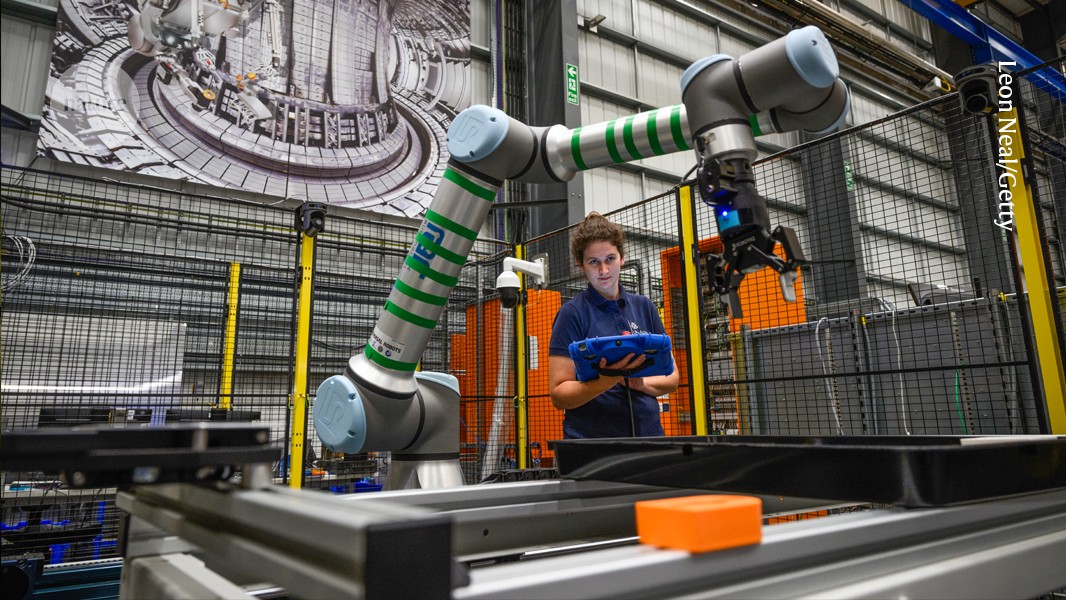
A New Zealand data set shows that women in male-dominated fields, such as physics, scored better on researcher-evaluation metrics than did those in female-dominated disciplines.Credit: Leon Neal/Getty
Inequity between men and women in research funding and researcher performance evaluation has been firmly established as a problem in science policy for many years. But an emerging body of research is documenting a new piece of the puzzle, which some think has been hiding in plain sight: that whole research fields might be prone to gender bias.
“People just believe that there are some disciplines that are better than others,” says Alex James, a mathematician at the University of Canterbury in Christchurch, New Zealand, who led one the latest studies on the phenomenon. “And it turns out that ones that we think are a bit rubbish are all full of women.”
The study by James and her co-authors, published in eLife on 7 May1, found that, the more women there were in a field, the lower the overall grant-application success rate and evaluation of researcher quality, according to the analysis of data from more than 30 countries. It builds on other studies published in the past decade that have investigated the various ways in which sexism and other biases might be playing out across and between disciplines. But researchers are divided as to how surprising the latest findings are.
Rich data
James and her colleagues looked at funding data from several organizations spanning tens of thousands of researchers and grant applicants in more than 40 disciplines. This included data from the previous three rounds of New Zealand’s Performance-Based Research Fund (PBRF), which evaluates the research quality of every academic in the country; ten years of data on grant-application success rates from the Australian Research Council (ARC); and similar data sets from the Canadian Institutes of Health Research (CIHR) and the European Institute for Gender Equality (EIGE), the latter of which collates data from government funders across the European Union, the United Kingdom, Turkey and Israel.
2024 Research Leaders
Using statistical modelling, the study authors investigated the relationship between the gender balance of a researcher’s discipline and their PBRF score, accounting for factors such as the researcher’s age, institution and publication record. With the other data sets, the authors analysed the gender balance of a discipline alongside funding success rates.
The New Zealand data set revealed that researchers of any gender working in female-dominated disciplines, such as nursing or education, tended to receive lower scores in the PBRF than did those working in male-dominated disciplines, such as physics and philosophy. According to the modelling, men working in male-dominated disciplines scored an average of around 40 points, out of 700, more than did men working in female-dominated disciplines. Meanwhile, women working in a male-dominated field scored some 70 points more than did women in a female-dominated field.
The latest ARC data set, from 2019, revealed that, in the same discipline, women had a slightly higher success rate in securing grants than men did. But the difference in success rates between disciplines was pronounced. For example, the average success rate for both men and women in philosophy (male-dominated) was 22–23%, but in nursing (female-dominated), it was 17–18%. Similar patterns were observed in the CIHR and EIGE data.
This was not the case in the oldest ARC data set, from 2010. At that time, men were generally more likely than women to secure funding across disciplines, and the differences in success rates between male- and female-dominated fields were limited. For example, success rates in philosophy were 31–33%, similar to those of nursing, at 30–33%.
Disciplinary bias
The authors are not able to explain these patterns, but suggest several reasons. It could be that grant-application reviewers are biased against women or female-dominated disciplines, or, as previously male-dominated disciplines began to attract more women, the perception of the fields’ quality dropped.
James says that many people are aware of how the gender balance of a field alters how others perceive it, but this has not been documented until now.
Virginia Valian, a psychologist at Hunter College at the City University of New York, in New York City, was surprised by the findings suggesting that women benefit from working in male-dominated fields. Women “appear to be more devalued in fields in which they are the majority and, if anything, more valued in fields in which they are a minority. I do not think that this is generally the case,” she says. This effect could be down to of a particular quirk of the ARC data set analysed, she adds.
But Ebony McGee, who studies structural racism at Johns Hopkins University in Baltimore, Maryland, was not surprised by the findings.
“Female-dominated disciplines are facing marginalization in evaluation due to biases that say that work is not rigorous or valuable,” she says. Ideas around what constitutes valuable research originate from entrenched power structures usually developed by white, male, non-disabled people from wealthier social classes, she adds.
McGee argues that using data to highlight potential biases is not enough. “One has to dismantle the field and rebuild it with women and women of colour leading the effort, but people do not want to give up or share their power,” she says.
James and her colleagues are not the first to have looked at how gender and other biases might be related to disciplines. In 2019, researchers at the US National Institutes of Health suggested that Black scientists more often proposed research projects in fields that had lower success rates for funding2. Topic choice accounted for more than 20% of the funding gap between white and Black scientists when other variables that affect success, such as previous achievement, were controlled for.
And in 2015, researchers found that women were under-represented in fields in which success was perceived as requiring raw, innate talent — such as mathematics or philosophy — compared with disciplines in which people thought success could be gained through hard work3.
Rachael Murray, a biomedical scientist at the Queensland University of Technology in Brisbane, Australia, says that the studies in this area highlight the complexities involved. “We don’t yet fully understand where all the issues lie,” she says. She adds that institutions and funding bodies have an obligation to look thoroughly at their data — which are often not accessible to researchers — and identify problems that might need addressing.
Some of the organizations that were featured in the eLife study are taking action on the issue. An ARC spokesperson says that the agency is reviewing its grant-awarding mechanism, and will look at how to support “a strong and diverse workforce”. Research funders in Australia have previously made big moves to try to rectify gender bias. In 2022, the country’s main health- and medical-research funder, the National Health and Medical Research Council, overhauled its funding process, introducing quotas that specify that half of its grants will go to women, after an analysis found that men were disproportionately benefiting from the previous system.
In New Zealand, the study by James and her colleagues prompted discussions at the Ministry of Education, which administers the PBRF. Katrine Sutich, the general manager for tertiary and evidence policy at the ministry in Wellington, says an independent panel that reviewed the PBRF has met with the researchers and has taken their findings into account.
Three years after the Taliban seized power in Afghanistan, some five million people have left the country, including many of the country’s scientists. Nature spoke to a handful of these refugee researchers and discovered that while most consider themselves lucky, they are anything but settled.
They worry about those that they left behind, about their visas expiring and having to choose between returning to a life-threatening situation or living as an undocumented person in a foreign land.
Their experiences also illuminate why many researchers, especially women, are among the millions who left the country, or are applying to leave, amid the humanitarian crisis that has gripped the country since the Taliban’s return to power.
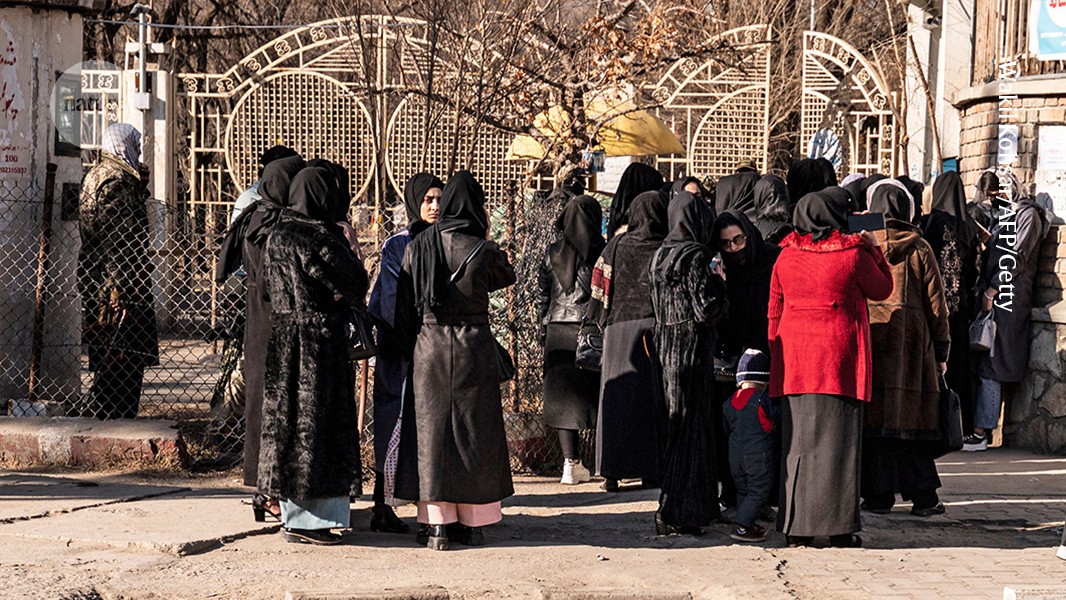
More than 15 million people in Afghanistan needed emergency food or cash assistance in 2023, according to the World Food Programme. Women’s rights have deteriorated and girls are banned from education once they reach 12, albeit with some recent exceptions made for medicine. Female university staff are restricted from teaching.
New life
Clinical scientist Shekiba Madadi spent more than a year training in the laboratory at a research centre in Kabul, before the Taliban seized power on 15 August 2021.
Madadi planned on studying the effects of the herbal remedy hibiscus on alleviating morphine-withdrawal symptoms in rats — but that work was abruptly terminated. “The Taliban said that girls should not go to the research centre,” says Madadi. “I got very depressed.”
The first few months of the new regime were frightening. Everyone was scared and dared not leave home, she recalls. Eventually, Madadi started working at a private hospital, attending to female patients under the supervision of doctors, and making sure to cover her entire body except for the eyes, out of fear of the Taliban. Research at the university dwindled, including for the men, because of a lack of funding. Many researchers left the lab to work on public-health surveys, but the Taliban warned them against publishing anything critical of it, Madadi says.
Although some limited research is happening, researchers “feel unsafe publishing and sharing their analyses for fear of prosecution”, says Orzala Nemat, a political ethnographer and Afghan scholar at the international-development think-tank ODI in London.
In March 2023, Madadi crossed the border to Pakistan, to sort out paperwork for onward travel to the United States. She moved there in July 2023, through the support of a US programme. Madadi is now studying to qualify as a medical doctor and working at a private cardiac treatment centre.
Madadi considers herself lucky. Some of her friends in Afghanistan have left but are struggling to make enough money to support themselves and their families back home.
‘Prison’ passport
Afghanistan’s international isolation hit one researcher especially hard. The Taliban takeover didn’t just change her life, they “took my life”, says a researcher, whom we are calling Researcher A — she has asked to remain anonymous to protect her family. She was in her final year of medical school in Iran when the Taliban came to power, and couldn’t return home.
After graduating, Researcher A obtained a position in fetal medicine in the United States. But she still encounters problems while travelling. An Afghan passport, she says, is like being in prison. “You cannot go anywhere.” Added to that is the feeling that people have a negative perception of her nationality. This was echoed by other researchers that Nature spoke with.
Despite these difficulties, Researcher A continues to support young female medical students in Afghanistan who were shut out of universities. She organizes virtual training sessions on topics from writing research proposals to preparing questionnaires for reproductive-health surveys. Her students have collected responses from some 600 women at hospitals across Afghanistan. Their manuscript is under review by a journal.
Many students have been taking online classes provided by international institutions. And there have been plenty of opportunities. For example, since 2023, India has offered 1,000 online scholarships to Afghan undergraduates and postgraduates. However, with no real job prospects, female students are getting frustrated, Researcher A says. Her sister, who is still in Afghanistan, has racked up online course certificates, but often asks: “What are all these classes going to end in?”
Even if the Taliban were to leave the country soon, “it will take a very, very long time for this country to just start again”, she says. “They are breaking into pieces the foundation of everything in academia or research. If you want to destroy a country, close the door to schools.”
Men of science
Schools and universities remain open to boys and men, and the Taliban are encouraging some forms of research as long as it doesn’t challenge their policies, says an Afghan doctoral student at a US university, who worked as a faculty member at an Afghan university for some two years under the Taliban administration. We are calling him Researcher B to protect his identity. For example, research of relevance to the community, such as educational studies, is allowed. Researcher B also says that the Taliban have established some level of security, which largely eluded the country since it was invaded by the Soviet Union in 1979. “There is no fear of explosions,” which were a feature of previous periods in the post-1979 era.
Still, the repercussions for those who speak out can be serious. In January 2022, Researcher B was jailed for three days after protesting against some of the academic changes and treatment of women by the Taliban. “If you’re against their policy, you are in extreme danger,” he says.
Another researcher, whom we are calling Researcher C, and who is a member of one of Afghanistan’s minority communities, the Hazara, says that he was verbally attacked because some of his religious practices were different to those of the Taliban. Academics in Afghanistan lack freedom of speech, he says. “They can breathe, they can live — as long as they don’t speak against the new regime.”
‘My dream was to become a good researcher’
Most of the refugee researchers that Nature interviewed say that although they are relieved to have left Afghanistan, their circumstances are precarious. Researcher C is pursuing a master’s degree in economics and public policy in Japan, but must leave the country after the two-year programme ends next year. “I’m so concerned about my future,” he says.
Musa Joya, a medical physicist who, this year completed a postdoctoral position at the University of Surrey in Guildford, UK, is searching for jobs as a school teacher because of the lack of research opportunities open to him. “It’s created a big gap between my dreams and what is the reality now for my life,” says Joya, who was originally an assistant professor at Kabul University. “My dream was to become a good researcher, a good university professor, so I serve my people through teaching, research and clinical activities. But that doesn’t happen, unfortunately.”
The light of hope
Since 2021, more than 200 scholars have received assistance through international programmes that help them to find academic jobs outside of Afghanistan. Analytic chemist Mohammad Hadi Mohammadi was supported by the Council for At-Risk Academics, a charity based in London that helps universities employ refugee-academics. He was teaching at Balkh University in Mazar-i-Sharif, Afghanistan, and was a consultant for chemical, mining and food companies.
Analytic chemist Mohammad Hadi Mohammadi teaching in Mazar-i-Sharif before the Taliban takeover of 2021.Credit: Mohammad Hadi Mohammadi
When the city fell, he flew to Kabul and hid in a small room with his family. With the help of former colleagues in the United Kingdom, he secured a two-year position at the University of Exeter, UK, and, more recently, another two-year position managing an advanced analytic equipment lab also at Exeter.
Mohammadi, who is accompanied by his wife Maryam Sarwar and their three children, worries about the mental health of their female family members in Afghanistan. Sarwar, formerly a lecturer in midwifery at Aria University in Mazar-i-Sharif, is traumatized by the memory of living under the Taliban for four months.
But Mohammadi still hopes for a return. “We are scientists. The solution of this situation is not with us, but all the pain of this condition is on our shoulders,” he says. “The only light in our hearts is hope.”
Staff members at the University of Brighton, UK, took action in pursuit of better pay.Credit: Newspics UK South/Alamy
Academics who quit their jobs over growing disillusionment with the workplace say that the COVID-19 pandemic was a “wake-up bomb”, according to a study of UK higher-education professionals.
The study1, published last month in HigherEducation, found that the pandemic had a role in intensifying academics’ disenchantment with their work, particularly in regard to systemic abuses—such as bullying, discrimination, lack of support and long hours—that had once been tolerated and accepted as normal.
A team of researchers carried out an online survey in September 2022 and received 781 responses. Of these, 167 were from academics who had left the sector since January 2020, two months before the pandemic was declared. Respondents cited as reasons for leaving a decline in the quality of academic management; the erosion of values and meaning attached to their work; and a sense of being ‘trapped’ in academia.
But the root cause of attrition was ‘toxic’ management culture, say the paper’s authors, who suggest that adopting a more inclusive leadership style and moving away from over-reliance on performance-based management and evaluation could help to remedy the issue.
Of those who had left, 39% of respondents were either self-employed or working in another sector; 15% were employed at a non-UK university; 17% were unemployed; and 12% had retired, among other responses.
Lead author Richard Watermeyer, a higher-education researcher at the University of Bristol, UK, says that the COVID-19 pandemic put a spotlight on the issues at work that staff members could not put up with.
Training: getting an academic research position
“What we saw was intensification of long-seated problems,” he adds. “The pandemic was a particular peak point. It provided that wake-up bomb, an awakening to say there are aspects of our professional practice and our professional lives and the conditions in which we work that we are no longer willing to tolerate.”
One respondent described COVID-19 as a much-needed “rude awakening”. Another mentioned “general uncaringness” from colleagues and management, despite a lot of rhetoric about promoting employee well-being. A third described working for 70 hours each week during term time.
Strife and strikes
Discontent in the sector has continued since a national strike by tens of thousands of members of the University and College Union (UCU), based in London, took place in 2022 and 2023 in a dispute over pay, pensions cuts, job security and workload. The union did not secure a sufficient turnout to continue industrial action into the next academic year, but despite this, several local demonstrations continued.
For example, a dispute at the University of Brighton was settled last November after 129 days of strike action in protest against senior management’s plans to make up to 130 staff members redundant, to save £7.3 million (US$9.3 million) in staffing costs. Some 400 academics’ positions were at risk.
Next month, a five-day strike is planned at Goldsmiths, University of London, where 97 academic posts are at risk of being axed. In April, the UCU announced a boycott of all work at Goldsmiths related to marking and assessment, and in June it urged academics not to apply for jobs or speak at conferences at the institution.
A spokesperson for Goldsmiths declined to comment on the industrial action, instead referencing the institution’s Transformation Programme plan, which says: “As part of our work to secure the college’s future, we need to lower our spending to ensure we are financially sustainable. We have secured some £10.1 million in savings through a range of measures but need to go further. Regrettably, we have had to propose redundancies in academic departments to lower our costs.”
Troy Heffernan, whose research focus at the University of Manchester, UK, includes inequities in higher education, published a study2 in 2018, looking at academics’ career plans. He found that many intended to either retire or leave academia. He is now conducting a study with colleagues at the University of Melbourne, Australia, examining the ‘turning points’ — including the impact of relationship breakdowns, illness and bereavement — in academic careers.
Heffernan says: “What we found, as they did in the HigherEducation article, is that COVID was a single global turning point for many.”
Heffernan says the level of disillusionment in academia is clear, with exploitation and favouritism — rather than merit — at the core of how many people view the path to success.
“Largely regardless of location, age or career stage, COVID made the entire academic workforce look at themselves and think what’s important — and for many (at least temporarily), the answer was not dedicating their life to academia and placing the academy above themselves or their family.”
A new dawn?
Aline Courtois, whose research focus at the University of Bath, UK, includes precarity in academia and international mobility, says: “What happened during the pandemic was that some staff members who were on temporary contracts lost their job, so their contracts were not renewed. That is still happening.”
Courtois says these reluctant departures created work for those who stayed behind, adding: “I am not surprised to hear about those feelings of how management, workload and autonomy were made worse by the pandemic.”
“Some people leave, but also universities tend not to hire or replace them, or do not replace them like for like.”
The election of a new UK government last month, in which Labour defeated the Conservatives, who had held power for 14 years, could lead to a change in attitude towards higher education and its staff — but there will be caveats, says Watermeyer, adding that neither party has been willing to address funding in academia.
“You have got a more receptive government now, and those within UK higher education are perhaps more positive that there’s a conversation that’s to be had with the new government, which I don’t think was quite so available previously,” he says.
A revolution is needed at the UK general election next month to put science at the heart of government and policymaking. The current political discourse in the United Kingdom is dominated by debates about the quality of public services, strategies to boost economic growth and concerns related to the environment. Politicians care about these issues, but they do not always realize that science has an important role in delivering effective solutions.
Having co-authored a review of the United Kingdom’s research landscape in 2023 and on the basis of my own experience as director of the Francis Crick Institute, a biomedical research centre in London, I have come to the conclusion that although the country’s scientific endeavour is still generally of a high quality, it is becoming increasingly fragile.
Public investment in UK science has languished. The review estimated that in 2019 the UK government spent about 0.46% of its gross domestic product (GDP) on funding research and development (R&D), putting it 27th on a list of the 36 wealthy nations that then constituted the Organisation for Economic Co-operation and Development (see go.nature.com/4cjezj2). That’s below most other leading research-driven economies, such as the United States, Germany and South Korea, which invest 0.66–0.96% of their GDP. Moreover, R&D done by UK government institutions, such as the Met Office and the National Physical Laboratory, was funded at a mere 0.12% of GDP — half the OECD average.
How to track the economic impact of public investments in AI
The current government has said it aspires for the United Kingdom to be a ‘science superpower’, but there are no concrete proposals in place to achieve this vision. The incoming government, which will assume office in July, needs to put forward a credible ten-year plan for supporting science. Addressing the investment deficit will be difficult in the short term, given the country’s stagnant economy, but a stable R&D policy environment that aims to gradually increase investment levels over the next few years is an essential first step. Research spending is a long-term investment in a nation’s future, unlike short-term tax cuts. So, a justifiable case can be made to fund some of this investment through borrowed money.
The mechanisms that govern how R&D funds get spent also need reform, beginning with a reappraisal of the current focus on merely paying direct research costs. Under the guise of improving efficiency and lowering administrative costs, government grants do not fully cover a variety of essential research-related expenses, such as the provisioning of well-equipped laboratories, access to well-maintained databases and high-quality technical and administrative support. A more complete ‘end-to-end’ funding model that reflects the full cost of doing research will improve the quality of scientific output.
These issues are of particular concern to UK universities, many of which are underfunded and cannot provide high-quality support services. At the Crick, some core funding has been directed at institute-wide end-to-end support, centralizing crucial legal, administrative and other services. Moreover, all scientists can use its scientific platforms, such as genome-sequencing equipment and electron microscopes, providing equal access to all research groups, including those headed by early-career group leaders.
Government funding streams also come with peculiar forms of bureaucracy. For instance, during a government-led quality-assurance review to determine its future level of funding, the Crick had to submit more than 5,000 pages of documentation. The government also places restrictions on the salaries paid to scientists.
A win for science: UK finally joining Horizon Europe will boost research
Furthermore, UK public-sector research organizations have declined in number and immigration policies are affecting the country’s ability to attract scientific talent.
Between 1985 and 2020, research done at universities has grown to around 80% of the United Kingdom’s non-business R&D (compared with 45–60% in other countries). By contrast, research performed by other public-sector research organizations has shrunk by two-thirds over the same time. This is a cause for concern because such institutions are uniquely positioned to support government priorities and missions — for example, by spearheading research on dementia and infectious diseases, plant breeding, fire and explosives safety and particle accelerators. Given the current state of these organizations, it is doubtful that the UK government has the necessary scientific capability to run the country properly.
By offering a platform for high-quality discovery research, well-functioning public R&D institutions can attract accomplished scientists from all over the world.
Therefore, strengthening R&D institutions must go hand in hand with more-sophisticated discussions about immigration. The nation should not only encourage and provide the best training for home-grown talent, but also attract global talent at all career stages. Complex and expensive immigration procedures and prohibitive visa costs, combined with the current tone of political discussion, will only end up driving away rare talent, to the detriment of UK research and business.
The priorities laid out here are all deliverable with sufficient political will. If making the country a ‘science superpower’ is crucial to securing its future prosperity, then these issues must be a part of the political debate.
Systemic: How Racism Is Making Us IllLayal Liverpool Bloomsbury Circus (2024)
When Layal Liverpool developed light, itchy patches on her skin, she sought advice from medical doctors in the Netherlands and the United Kingdom. Without a clear diagnosis, she received several treatments during her teenage years and early adulthood that ultimately did not work. Liverpool resigned herself to having “some extremely rare skin condition that was impossible to diagnose or treat”. That is, until a dermatologist with dark skin quickly recognized eczema — a very common condition.
Liverpool’s experience of finding it hard to get a diagnosis is widely shared by people of racially and ethnically marginalized groups, who are systematically excluded from biomedical research and from the curricula used to train clinicians. Only 4.5% of images in textbooks used in top medical schools in North America represent dark skin tones (P. Louie and R. Wilkes Soc. Sci. Med. 202, 38–42; 2018). A similar bias is found in countries with a majority Black population, such as South Africa.
Her experience ignited a curiosity that grew — from asking whether doctors are well trained to treat skin conditions in darker-skinned people, to why health inequities persist across racial and ethnic lines. Turning to science journalism, Liverpool (a former Nature reporter) took a deep dive into these issues. Her investigations unequivocally pointed to racism.
Call out racism and inequity in reports on vaccine intentions
In Systemic, Liverpool portrays racism as a global systemic problem that harms all of us. The COVID-19 pandemic brought this inequity to public attention, but it is still not talked about as often as it should be. This book is outstanding in many ways. The harrowing differences in health outcomes that Liverpool presents are amply supported by evidence from a wide range of global sources. She draws from her own lived experiences, extensive scholarship and entrenched practices, as well as from many first-hand accounts from her family, researchers, clinicians, patients, policymakers, community members and activists — from Europe to Africa and from the Americas to Asia and Oceania.
Liverpool clearly highlights the benefits of racial and ethnic self-identification in health care, and makes a strong case for collecting data on race and ethnicity. Currently, only a handful of countries do so. Systemic also addresses the harmful misconceptions that race reflects underlying genetic differences and that genes explain health disparities. The book painstakingly shows how racial bias is prevalent in the design and use of medical devices as well as diagnostic and treatment algorithms and procedures. For example, for decades, an indicator of kidney functioning (the estimated glomerular filtration rate) was calculated by adding a multiplication factor for Black people — based on the racist assumption that waste-production levels in the kidney differ by race (N. D. Eneanya et al.Nature Rev. Nephrol.18, 84–94; 2022). This biased the algorithm that informed diagnostic thresholds for chronic kidney disease and people’s eligibility for dialysis and transplants. Black people continue to be at higher risk of end-stage kidney disease than are white people.
There is no doubt — racism, not biology, is the main cause of racial inequities in health.
Systemic marginalization
Liverpool shows that racism is ingrained in the systems and structures that maintain society. She describes many examples of health inequities, from Black Brazilians having limited access to health care to an unmet need for culturally appropriate cervical cancer screening in Māori women in New Zealand. Racial residential segregation and racist economic, housing, employment, education and environmental policies and practices all contribute strongly to these outcomes.
Still, one book can’t cover everything. Systemic could have gone further in stating clearly how systems reproduce inequities, and how experiences in these systems are connected. Racially marginalized populations with high rates of unemployment, for instance, comprise the same people who are disproportionately exposed to environmental hazards and those with poor health outcomes. Their neighbourhoods are often exposed to pollution and environmental hazards and are more likely to be dumping grounds for industrial waste. Such neighbourhoods also tend to be food deserts — with limited access to healthy, nutritious and affordable products — and have under-resourced schools.
Racial bias is highly prevalent in the design of medical devices, such as pulse oximeters.Credit: Patrick Meinhardt/Bloomberg/Getty
This perpetuates a hierarchy of race: white people and others who belong to dominant racial or ethnic groups live in highly resourced neighbourhoods and continue to fare well in education, employment, health and other indicators of well-being. Simultaneously, those who belong to marginalized racial and ethnic groups fare worse in all aspects.
This hierarchy is reflected in, and maintained by, the distribution of structural advantages and disadvantages across the world. For example, whether someone is likely to gain wealth, have access to health care or garner political power, or is likely to experience chronic stress, poverty and political repression, is unfortunately often determined by race and ethnicity. This means racism not only operates across systems, but also is in itself an organized hierarchy of dominance.
And because people bring social contexts to medical encounters, the existence of discrimination in other parts of their lives, such as education, might affect how they approach health care. Someone doesn’t have to experience racism at a hospital for their health to be affected by it, to be wary of medicine or to avoid medical services.
Whiteness matters
Just as structural disadvantages can expose marginalized people to discrimination in other systems, directly cause illness or deplete resources that matter for their health, structural advantages can become resources to stay healthy. In fact, marginalized racial and ethnic groups are harmed by systemic racism because dominant groups benefit from it.
Systemic avoids whiteness and its benefits. In many parts of the world, whiteness is the standard against which other racial and ethnic groups are contrasted. It is not only a racial identity, but also the dominant ideology and culture. Liverpool makes the point that racism causes anticipatory stress — “perceived discrimination and racism-related vigilance” are linked to the prevalence of hypertension in Black people in the United States, for example. I would argue that the opposite isn’t just that whiteness causes no stress, but that it confers social, economic and political weight that doubles as a benefit. I also think that in providing protection against discrimination, whiteness buffers the effect of other stressors on health.
Nuance matters. Whiteness sustains itself by keeping other people at the margins — which can also harm those who are racialized as white. Policies such as paid sick leave and universal health care are known to lead to people having better health. Yet, sociologists have suggested that in the United States, for example, some white people have shown resentment towards such policies — even though they might have benefited from them — because of the perception that they would mostly benefit racially marginalized groups (J. Malat et al. Soc. Sci. Med. 199, 148–156; 2018).
Hindustan Unilever rebranded its skin-lightening cosmetic product as Glow & Lovely in 2020.Credit: Anushree Fadnavis/Reuters
Ultimately, whiteness is harmful because more value, resources and power are systematically assigned to those racialized as white than to others. It’s time to face the fact that the racism in medicine, discriminatory institutional practices and policies, interpersonal racism, colourism — a preference for lighter skin over darker skin — and discrimination on the basis of people’s features explored throughout Systemic are manifestations of this culture of white supremacy.
We are not powerless
Liverpool is right that racial and ethnic inequities in health are preventable. And eliminating them must mean dismantling white supremacy. If you are white, consider how you live and work in relation to the reproduction of racial oppression. Evaluate what it means to be white in different contexts and how you might avoid benefiting from racist policies and systems at the expense of others.
Academic workplaces are still failing Black women; they must do better
Dismantling systemic racism involves us all, regardless of our race or ethnicity. And people don’t need to be in health care, research, activism, policy or any specific professional space to be part of dismantling racism. Liverpool provides thoughtful suggestions and calls for policies and actions that are specific and precise — several of them doable for people across all walks of life. For instance, you could start listening to the experiences of others, raising awareness about racism, supporting and uplifting marginalized communities and those working for change, and challenging assumptions that there are biological differences between racial and ethnic groups.
I think that some of the most effective contributions to anti-racism are from people who habitually interrupt racism — racist behaviours, jokes, assumptions or language — in their personal spaces and networks. These actions challenge racist ideas and frameworks that might otherwise go on to influence policies, institutional norms and practices that then sustain racist systems.
Systemic is a wide-ranging, inquisitive book about health care and society — and ultimately a call for change. Liverpool makes available a plethora of resources and advocacy groups that should help everyone to get involved in anti-racism efforts. Lack of information should not be our reason for inaction. We, as a society, are informed and equipped. But are we willing to engage in sustained action? We must.
Chemistry and physical sciences are clear areas of focus for China, accounting for 85% of the country’s total Share in the Nature Index in 2023*. But output in other subjects is growing fast. China’s adjusted Share in biological sciences increased by 15.8% from 2022 to 2023* — the highest percentage among the four natural-sciences subjects shown below.
Source: Nature Index. Analysis by Bo Wu. Infographic by Simon Baker, Bec Crew and Tanner Maxwell
Topic trends
The top fields of research (FORs) in each of the five subjects tracked by Nature Index are shown. The most dominant FORs across the respective areas are biochemistry and cell biology, at 36% of biological-sciences output, and materials engineering, which represents 34.7% of physical-sciences output. FORs can relate to more than one subject: biochemistry and cell biology is also among the top five FORs for health sciences, for instance.
Source: Nature Index. Analysis by Bo Wu. Infographic by Simon Baker, Bec Crew and Tanner Maxwell
Looking outwards
China’s areas of relative weakness have the highest percentage of internationally collaborative papers. For most subject areas, China’s international-article percentage was lower than every other leading country in the Nature Index in 2023*. In biological sciences, however, it is 54.1%, a higher proportion than the United States (52.7%).
Source: Nature Index. Analysis by Bo Wu. Infographic by Simon Baker, Bec Crew and Tanner Maxwell
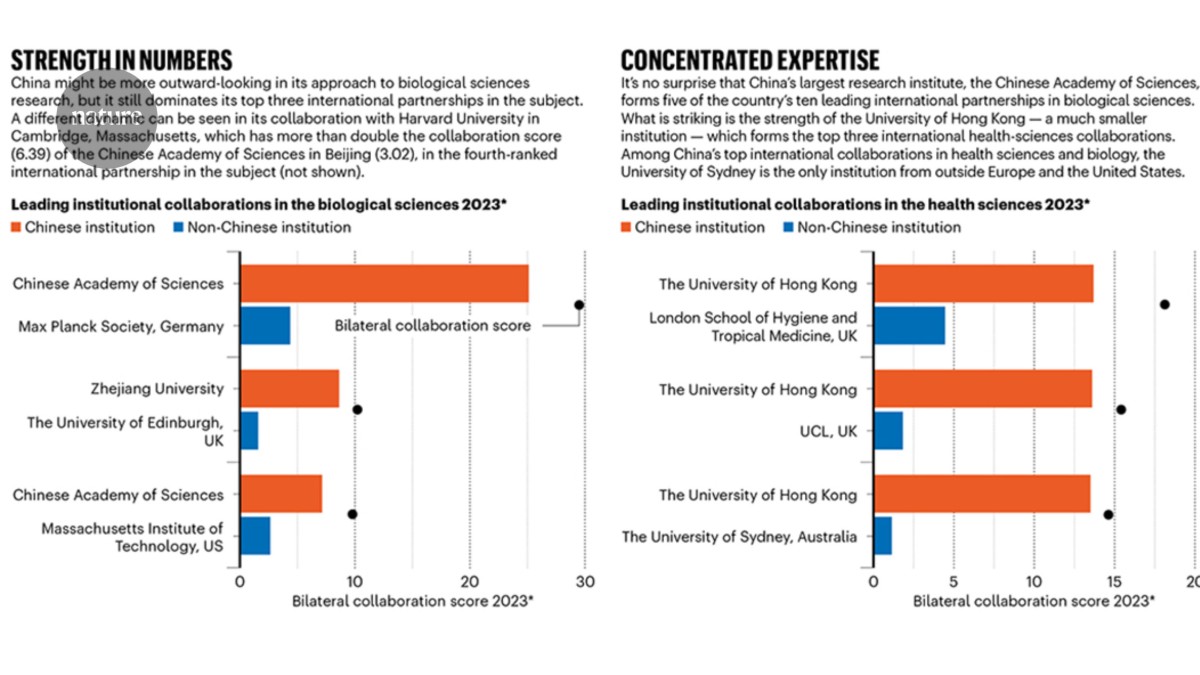
Strength in numbers
China might be more outward-looking in its approach to biological sciences research, but it still dominates its top three international partnerships in the subject. A different dynamic can be seen in its collaboration with Harvard University in Cambridge, Massachusetts, which has more than double the collaboration score (6.39) of the Chinese Academy of Sciences in Beijing (3.02), in the fourth-ranked international partnership in the subject (not shown).
Source: Nature Index. Analysis by Bo Wu. Infographic by Simon Baker, Bec Crew and Tanner Maxwell
Concentrated expertise
It’s perhaps no surprise that China’s largest research institute, the Chinese Academy of Sciences, forms five of the country’s ten leading international partnerships in biological sciences. What is striking is the strength of the University of Hong Kong — a much smaller institution — which forms the top three international health-sciences collaborations. Among China’s top international collaborations in health sciences and biology, the University of Sydney is the only institution from outside Europe and the United States.
Source: Nature Index. Analysis by Bo Wu. Infographic by Simon Baker, Bec Crew and Tanner Maxwell
This article is part of Nature Index 2024 China, an editorially independent supplement. Advertisers have no influence over the content. For more information about Nature Index, see the homepage.
Japan plans to make all publicly funded research available to read in institutional repositories.Credit: Toru Yamanaka/AFP via Getty
The Japanese government is pushing ahead with a plan to make Japan’s publicly funded research output free to read. This month, the science ministry will assign funding to universities to build the infrastructure needed to make research papers free to read on a national scale. The move follows the ministry’s announcement in February that researchers who receive government funding will be required to make their papers freely available to read on the institutional repositories from January 2025.
The Japanese plan “is expected to enhance the long-term traceability of research information, facilitate secondary research and promote collaboration”, says Kazuki Ide, a health-sciences and public-policy scholar at Osaka University in Suita, Japan, who has written about open access in Japan.
The nation is one of the first Asian countries to make notable advances towards making more research open access (OA) and among first countries in the world to forge a nationwide plan for OA.
The plan follows in the footsteps of the influential Plan S, introduced six years ago by a group of research funders in the United States and Europe known as cOAlition S, to accelerate the move to OA publishing. The United States also implemented an OA mandate in 2022 that requires all research funded by US taxpayers to be freely available from 2026.
Institutional repositories
When the Ministry of Education, Culture, Sports, Science and Technology (MEXT) announced Japan’s pivot to OA in February, it also said that it would invest 10 billion yen (around US$63 million) to standardize institutional repositories — websites dedicated to hosting scientific papers, their underlying data and other materials — ensuring that there will be a mechanism for making research in Japan open.
Among the roughly 800 universities in Japan, more than 750 already have an institutional repository, says Shimasaki Seiichi, director of the Office for Nuclear Fuel Cycles and Decommissioning at MEXT in Tokyo, who was involved with drawing up the plan. Each university will host the research produced by its academics, but the underlying software will be the same.
In 2022, Japan also launched its own national preprint server, Jxiv, but its use remains limited with only the few hundred preprint articles posted on the platform to date. Ide says that publishing as preprints is not yet habitual among many researchers in Japan, noting that only around one in five respondents to his 2023 survey1 on Jxiv were even aware that it existed.
Green OA
Japan’s move to greater access to its research is focusing on ‘green OA’ — in which authors make the author-accepted, but unfinalized, versions of papers available in the digital repositories, says Seiichi.
Seiichi says that gold OA — in which the final copyedited and polished version of a paper is made freely available on the journal site — is not feasible on a wide scale. That’s because the cost to make every paper free to read would be too high for universities. Publishers levy an article-processing charge (APC) if the paper is made free to read, rather than being paywalled, a fee that covers a publisher’s costs.
APCs are increasing at an average rate of 4.3% per year, notes Johan Rooryck, a scholar of French linguistics at Leiden University in the Netherlands, and executive director of cOAlition S.
Rooryck says that Japan’s green OA strategy should be applauded. “It’s definitely something that one should do,” he says. “Especially for all the content that is still behind the paywall.”
Kathleen Shearer, executive director of the Confederation of Open Access Repositories in Montreal, Canada, says that the Japanese plan is “equitable”.
“It doesn’t matter where you publish, whether you have APCs or not, you are still able to comply with an open-access policy,” she says.
She adds that the policy will mean that Japan has a unified record of all research produced by its academics because all institutional repositories are hosted on the same national server. “Japan is way ahead of the rest of us,” Shearer says. “More countries are moving in this direction but Japan really was one of the first.”
Focusing on institutional repositories will have another benefit: it will not discriminate against research published in Japanese, Shearer says. “A big part of their scholarly ecosystem is represented in Japanese.”
Japanese research is no longer world class — here’s why
The plan to move to OA and support Japanese universities’ repositories comes as Japan grapples with its declining standing in international research.
In a report released last October, MEXT found that Japan’s world-class research status is declining. For instance, Japan’s share in the top 10% of most-cited papers has dipped from 6% to 2%, placing it 13th on the list of nations, despite Japan having the fifth-highest research output.
In March, Japan also vowed to triple its number of doctorate holders by 2040, after another report found that the country’s number of PhD graduates is also declining, making it an outlier among the major economies.
Police arrested more than 100 students over protests at New York University on 22 April.Credit: Fatih Aktas/Anadolu/Getty
Protests over the war in Gaza have rattled and divided university campuses across the United States over the past few months. Now some university leaders are preparing to testify before the US Congress about their handling of the protests and accusations of antisemitism on campus. Some researchers fear that the hearing will further inflame a volatile situation.
The protests have been unprecedented — both because of their scale and because of universities’ use of law enforcement to exert control. Thousands of US students and some faculty members have been arrested during the past few weeks in confrontations — some violent — with police.
“I have personally protested every war that has happened in my lifetime, and I have never seen a reaction like this,” says David Hogg, an astrophysicist at New York University (NYU).
Here, Nature examines what’s happening now on campuses, what’s at stake in the 23 May hearing and what researchers studying the protests are learning.
What is happening now on campuses?
The student protests began on many US campuses last year after Israel invaded the Palestinian territory of Gaza following the 7 October attacks on Israel by the Islamist organization Hamas, designated by some nations as a terrorist group. Although researchers who spoke to Nature say that the campus encampments have been mainly peaceful, the protests have often featured controversial pro-Palestinian chants that some argue are antisemitic.
Some staff members are now responding to their institutions’ handling of the protests: for example, the union representing some 48,000 academic workers across the ten University of California (UC) campuses has commenced a rolling strike, starting with UC Santa Cruz on 20 May.
What is the US Congress investigating?
After tensions at many universities escalated last month, the speaker of the US House of Representatives, Louisiana Republican Mike Johnson, announced a “crack down” on antisemitism on university campuses. The next day, 1 May, the House passed bipartisan legislation that, if made law, could enable federal agencies to more easily withhold funding if universities do not protect against antisemitism, which the legislation defines as including certain criticisms of the state of Israel.
This week’s hearing, which will be held by the House Committee on Education and the Workforce, will feature the presidents of the University of California, Los Angeles (UCLA), Rutgers University in New Brunswick, New Jersey, and Northwestern University in Evanston, Illinois. In letters to the three presidents, released in advance of the hearing, the chair of the committee, North Carolina Republican Virginia Foxx, accused the institutions of enabling and even encouraging antisemitism, through actions including failing to disband “unlawful pro-terror” encampments.
This congressional hearing follows a high-profile one in December that called on the presidents of Harvard University in Cambridge, Massachusetts, the University of Pennsylvania in Philadelphia and the Massachusetts Institute of Technology, also in Cambridge, to defend their efforts to protect against antisemitism. The presidents’ testimonies, which focused on freedom of speech but failed to condemn antisemitism outright, drew fierce criticism that ultimately led to the resignation of University of Pennsylvania president Elizabeth Magill. Harvard’s president, Claudine Gay, resigned some weeks later, amid accusations of plagiarism.
What do researchers studying the protests say about them?
Some US researchers contacted by Nature dispute characterizations of the protests as unlawful, violent or antisemitic. In addition to describing them as being mostly peaceful, they say that the encampments often include educational programmes, Muslim and Jewish prayer services, and basic food, sanitation and medical services.
“The encampments I have seen are very safe, very friendly spaces, with students of every which background trying to figure out how to imagine a world where they can live together,” says Nazita Lajevardi, a political scientist at Michigan State University in East Lansing who is studying the protests.
A pro-Palestinian encampment outside Northwestern University in Evanston, Illinois, on 27 April.Credit: Jacek Boczarski/Anadolu/Getty
But not everyone sees them that way. Some Jewish students and organizations have felt threatened by the protests, which have at times led to conflict between pro-Palestinian and pro-Israeli activists. “I can’t monolithically speak for every Jewish student out there, but many, many Jewish students feel unsafe, scared, nervous, discomforted in one way or another,” says Aaron Kaufman, who heads Penn State Hillel, an organization that represents Jewish students at Pennsylvania State University in State College.
But Kaufman also stresses that there are more than two sides to the story. For instance, researchers contacted by Nature say that they have witnessed confrontations in which Jewish counter-protestors have challenged other Jewish students in anti-war encampments, calling them ‘fake Jews’ for joining the demonstrations. The pro-Palestinian protestors have also occupied university buildings on some campuses, and administrators have said that their decisions to clear encampments were necessary to preserve order. In other cases, conflict seems to have been driven by external instigators. At UCLA, for example, the situation turned violent on 30 April when counter-protestors, many of whom are thought to have come from off campus, challenged a student encampment.
The Israel–Hamas conflict: voices from scientists on the front lines
The clashes are arising, in part, from real differences in how people understand the messages emanating from the encampments, says Robert Pape, a political scientist at the University of Chicago in Illinois. His polling suggests that a majority of both Jewish and Muslim students across US campuses feel threatened. The two groups also tend to interpret many of the chants at the protests differently, he says. For instance, 66% of Jewish students who responded to the poll, which was carried out in December and January, interpret the chant “From the river to the sea, Palestine will be free” as a call for expulsion or genocide of Israeli Jews in Palestinian territories. By contrast, only 14% of Muslim students who responded to the poll interpret the phrase that way; most Muslim students instead say the phrase means that Palestinians and Israelis should either live in two separate countries side by side, or live together in one state.
“Perception of what you hear is what drives your fear and your anger,” says Pape, regardless of the intent of those who chant.
One factor at play, researchers suggest, is a generational rift. Eugenia Quintanilla, a graduate student in political science at the University of Michigan in Ann Arbor who has participated in protests, cites a recent US polling study suggesting that older people — including university administrators and wealthy alumni donors — are more likely to side with Israel in the current conflict. Younger individuals tend to sympathize with Palestinians, and regard Israel’s response to the Hamas attacks as disproportionate.
Pro-Israeli students face off against pro-Palestinian protestors at an encampment on the campus of the University of California, Los Angeles, on 29 April.Credit: Qian Weizhong/VCG/Getty
Hamas killed more than 1,100 people and kidnapped around 250 others on 7 October, according to Israeli officials; since Israel began retaliatory strikes in Gaza, it has killed more than 35,000 Palestinians, the United Nations and Gaza Health Ministry report.
At some US universities, researchers have also suggested that disciplinary action against protestors is unfairly targeting people of colour. For instance, at NYU, more than 70 faculty members of colour signed an open letter against the firing of a Black postdoctoral fellow, alleging that “disciplinary sanctions at NYU have heavily targeted people of color, whose actions are assumed to stem from antisemitic animus rather than legitimate political protest against the politics of a state”. More than 50 Jewish faculty members raised similar concerns in another letter.
NYU spokesperson John Beckman e-mailed a statement to Nature saying that the university is committed to maintaining a safe campus that is free from harassment and discrimination — and that it supports free speech, but not at the expense of violating the university’s anti-discrimination and conduct policies.
What might happen at the congressional hearing?
Academic organizations contacted by Nature fear that concerns about antisemitism, as well as policies designed to protect against discrimination, are being weaponized against universities by conservative politicians who see higher-education institutions as elite breeding grounds for liberalism.
‘I’m a powder keg’: ousted eLife editor on being fired in wake of Israel–Hamas remarks
The university leaders at this week’s hearing have been called to defend themselves against various accusations that they failed to protect against antisemitism. At Northwestern, for instance, leaders came to an accord with student protestors on 29 April, stipulating, among other things, that the university would create scholarships for Palestinians and establish a process for disclosing information about its investments to a panel comprised of students, faculty members and other staff. Social scientists and academic organizations contacted by Nature describe that agreement as a success story that preserved the peace by allowing students to negotiate directly with administrators. But it has proved controversial: seven Jewish members of a task force created to prevent antisemitism at the university resigned after the accord was signed, arguing that it failed to appropriately discipline students violating campus policies.
In her letter to Northwestern president Michael Schill in advance of this week’s hearing, Foxx accused administrators of signing a “shameful agreement” with students.
Such hearings are designed as “performative political theatre”, and the university presidents should recognize this, says Irene Mulvey, president of the American Association of University Professors, an organization based in Washington DC that advocates for academic freedom. Rather than trying to appease lawmakers, Mulvey says, they should “stand up and provide a full-throated and robust defence of academic freedom and free speech and assembly rights for students”.