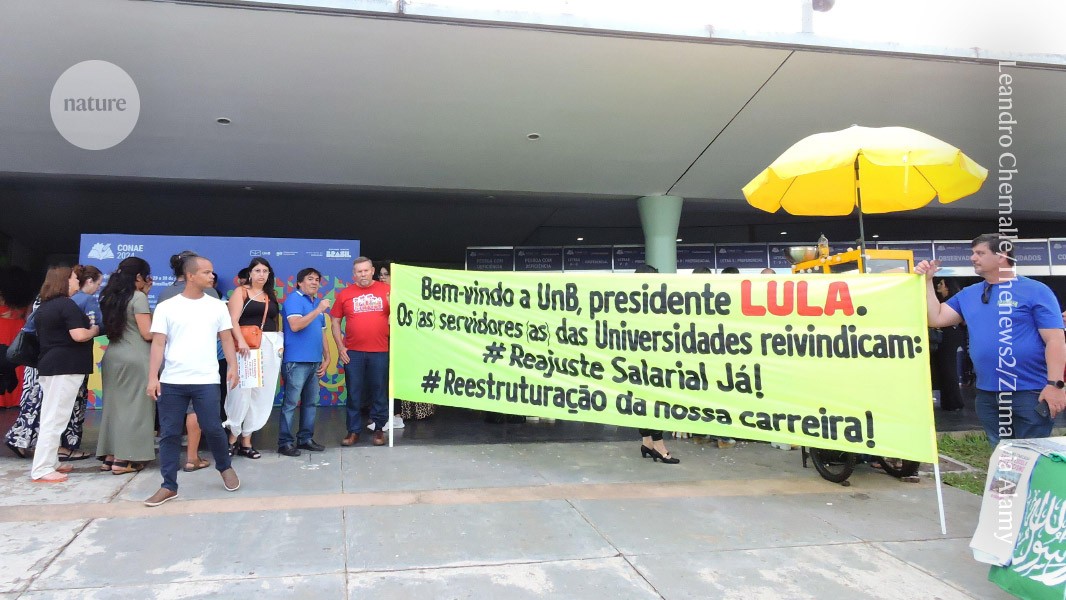
Tensions over university funding in Brazil have been simmering for a while. In January, a Lula administration official visited the University of Brasília and was met by protesters asking for better pay.Credit: Leandro Chemalle/Thenews2/Zuma via Alamy
Academic workers, including many professors, are now on strike at more than 60 federal universities across Brazil. Having faced more than a decade of declining budgets, they are demanding higher wages and more funding to pay for crumbling infrastructure, among other things.
Brazil budget cuts could leave science labs without power and water
Now in their fourth week at some institutions, the strikes have halted classes on many campuses, although scientists contacted by Nature say they are maintaining research laboratories and field projects. The strikes present a major test for President Luiz Inácio Lula da Silva, a long-time labour leader who entered office last year and promised to boost funding for science and education. The Lula administration has unlocked new financing for research grants and fellowships and is rolling out a new — and controversial — initiative to coax thousands of Brazilian scientists who have moved abroad to return home. Salaries remain flat, however, and base funding for universities has continued to fall, owing in part, some scientists say, to opposition from conservative politicians in the Brazilian Congress.
The question of whether to strike has divided academic workers, as well as students, and many professors have opted to keep teaching, even at institutions where their colleagues have voted to walk out. Many of those striking, meanwhile, hope their actions will give the Lula administration some leverage to negotiate a better deal with lawmakers in Brasília.
“We are not against the government,” says Thiago André, a botanist at the University of Brasília. “We are in negotiation with the government.”
Going down
Public funding for higher education in Brazil has generally been decreasing for more than a decade, with significant cuts enacted under Lula’s conservative predecessor, Jair Bolsonaro. Many academics had hoped that the situation would change under Lula, who expanded investments in the federal university system when he was last Brazil’s president, in 2003–11.
Politics and the environment collide in Brazil: Lula’s first year back in office
Lula has succeeded to some extent in making changes. For instance, his administration has more than doubled the spending from Brazil’s National Fund for the Development of Science and Technology (FNDCT) to 12.8 billion reais (US$2.52 billion) in 2024, says Ricardo Galvão, a physicist who heads the National Council for Scientific and Technological Development, one of the country’s main science agencies. The FNDCT is a core research account in Brazil and is fed by taxes collected from various industries.
Thus far, however, the administration has failed to boost broader funding for universities, including salaries for professors and other staff members.
Since 2014, base funding for federal universities has dropped by around 38%, to an estimated 5.9 billion reais (US$1.16 billion) in 2024, after adjusting for inflation, says Luiz Davidovich, a physicist at the University of Rio de Janeiro, Brazil, and a former president of the Brazilian Academy of Sciences. The result, Davidovich says, is that many universities cannot afford to pay for basic maintenance to keep buildings safe and functional.
For his part, Davidovich joined the majority of professors at his university in voting not to go on strike. “We thought about the students: for them, it would be a disaster” to have their education derailed and graduations delayed, he says. But he sympathizes with those who decided to strike and hopes the situation will raise public awareness and put pressure on the administration and Congress to act.
Galvão acknowledges the challenge ahead. “We need to put much more money in the university system,” he says, but it was perhaps “naive” to expect that the Lula administration would be able to immediately solve the problem.
Continuing talks
It remains unclear how and when the strike might end. One of the the last major strikes by workers at federal universities was in 2015 and lasted around six months. The main union representing professors during the current strike estimates that inflation has reduced the purchasing power of their salaries by around 50% since 2015; union negotiators are asking for a salary increase of nearly 23%. The administration’s latest offer is to boost salaries by 9% in 2025 and another 3.5% in 2026, with no increase this year, according to André.
How is Brazil’s President Lula doing on climate? Experts rate his performance
“It’s not enough,” André says, stressing that professors are not looking for a raise so much as an adjustment for inflation to help them to pay rent and put food on the table. “I think we will stay on strike.”
For botanist Adriana Lobão, the vote to go on strike took place at her institution, Fluminense Federal University in Niteroi, on 29 April. She was conflicted and did not vote, but is now following her colleagues’ decision to strike. Lobão acknowledges that the strike will cause delays in graduation for many students, and others will need to make up for lost time as schedules are readjusted once the strike ends. But she says the situation worsens each year, and thus far most of her students seem supportive of her choice.
“Every day, I hope that the government will make a better offer, so that we can finish this strike,” Lobão says. There’s no end in sight, but she is willing to hold out for now. “I think it’s fair.”
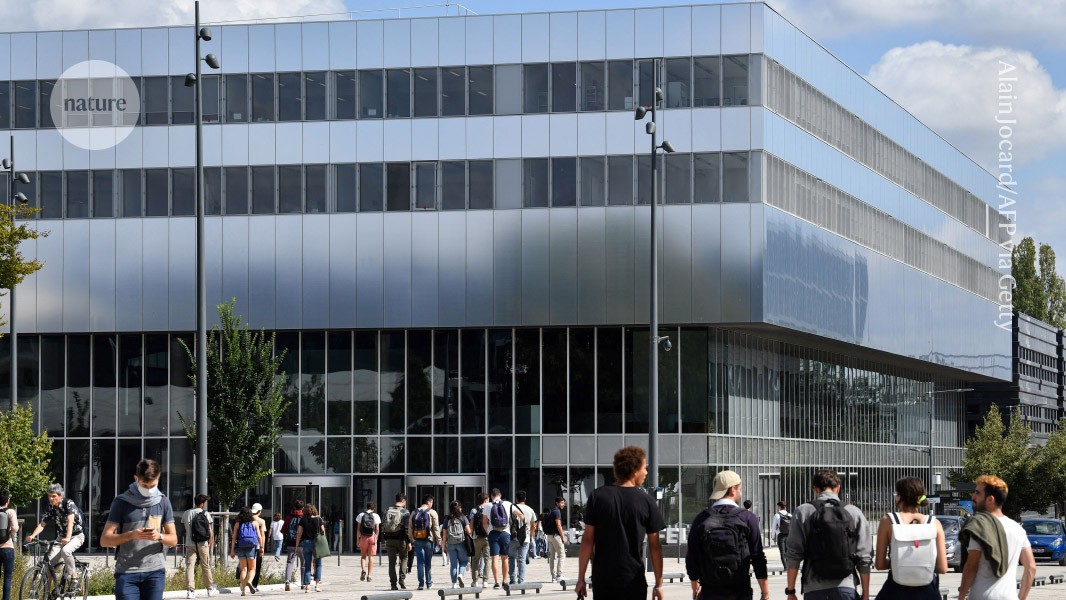
Paris-Saclay University formed from a merger of several institutions.Credit: Alain Jocard/AFP via Getty
The board of directors of Paris-Saclay University, one of Europe’s biggest research campuses, has failed to elect a president after three rounds of voting. The result reflects an ongoing row over the leadership and management structure of Paris-Saclay, which was formed by merging more than a dozen institutions in 2020.
The two candidates had disagreed about how best to solve problems around staff morale and working conditions at the university but, in a vote on 30 April, neither received enough support to be named president. Yves Bernard, an electrical engineer and former director of Polytech Paris-Saclay, one of the institutions that merged to form the university, won more votes than former president Estelle Iacona in all three voting rounds, but failed to score the 19 out of 38 votes needed for an outright victory.
The stalemate means the recruitment process must start afresh. Paris-Saclay’s temporary administrator, Camille Galap, who has been at the helm since Iacona’s term ended in March, has said that a new call for candidates will be published as soon as possible.
“Clearly, the recruitment process will take quite some time,” says Patrick Couvreur, a pharmacologist at Paris-Saclay. “It is not good news for the university, after all the work that has been accomplished to give it an international dimension.” Couvreur supported Iacona for the presidency.
Flawed organization
Saclay accounts for around 13% of French research and brings together 220 labs, nearly 50,000 students, 8,100 researchers and members of academic staff and 8,500 technical and administrative staff members. The mega-campus has arguably achieved its goal of shining on the world stage: it was the first French university to appear on the Academic Ranking of World Universities’ top 20 list, in 2020, and has done so every year since, placing 15th in 2023.
Massive shake-up of French science system is biggest in decades
But Paris-Saclay’s complex structure has led to a number of issues for its researchers. Paris-Saclay completely subsumed ten faculties and institutes of the Paris-Sud University, while Four of France’s grandes écoles — elite higher-education institutions — along with the Institute of Advanced Scientific Studies (Institut des Hautes Études Scientifiques) and two associate universities were brought under the same banner, but retained control over their budget and recruitment.
The leadership has become increasingly multilayered, says Couvreur, which has increased the number of managers and the administrative burden on staff at all levels. “This is leading to burnout, and is a disincentive to young scientists, who complain they have to undertake work they weren’t hired for.”
In 2021, a study by Paris-based human-resources consultancy Degest concluded that working conditions for staff members had deteriorated since the merger. Despite a massive communications campaign, staff had only a hazy idea of what the Paris-Saclay project was all about, the study said. They also lacked motivation because they felt management did not listen to them, and they questioned the purpose of a number of plans, such as creating links between the various components of the institution, and creating new graduate schools and a bachelor’s-degree institution. Some researchers feared a lack of resources for research, excessive time spent on coordinating operations and bidding for funding, competition between teams for the cash available and heavier administrative workloads.
Competing visions
The two presidential contenders had quite different visions for the future of the university, and views on how to address its problems. Bernard calls for a federated rather than centralized structure, with individual institutions working side by side. The distance of decision-making centres and central services from labs and teaching entities complicates management and procedures, Bernard says.
Iacona’s expired term as president began after she took over the post from education and research minister Sylvie Retailleau, who headed Paris-Saclay until 2022. In her reelection campaign, she said she is against “massive change” and rejects the idea of returning to a federated structure.
“I am in favour of adjusting what we have already in order to build an integrated — not a centralized — structure, where we all decide on policy together, and award the same degrees at each level,” she says.
The university’s board of directors is divided on which is the best approach, and so far shows no signs of rallying behind a single candidate. It is possible that a future contest will include new contenders. Iacona is undecided about whether she will continue her reelection bid, but Bernard intends to stand again. “I can’t identify any particular point in my programme that posed a problem,” he says, adding that he needs “to think about that before deciding on any adjustments”.
Many academics grapple with caregiving responsibilities, and yet they are not always given the support that they need — even when doing so could address long-standing gender, racial and ethnic biases in science, technology, engineering, mathematics and medicine (STEMM). Such are the conclusions of the report Supporting Family Caregivers in STEMM: A Call to Action, released last month by the US National Academies of Sciences, Engineering, and Medicine. The report provides a road map for institutions and individuals aiming to better support academics who are looking after children, family members or friends.
An uneven burden
Elena Fuentes-Afflick, a perinatal epidemiologist at the University of California, San Francisco, who chaired the report committee, says that the group was motivated by high levels of attrition among carers in STEMM, particularly among women and especially women of colour, who have historically been more likely to assume caregiving roles. The report notes that Black, Asian and Hispanic carers are more likely to provide care for non-relatives or extended family members than are those in other groups.
Juggling scientific careers and family life
Research has shown that parenthood disproportionately affects the careers of women in STEMM1. Nearly half of new mothers (and one-quarter of new fathers) in STEMM reported leaving full-time employment after the birth of their first child2. Much less research touches on other forms of caregiving, including that for older people, spouses, dependent adults, extended family or non-relatives, and language in policies is often geared towards heterosexual couples with young children and can alienate those with other types of responsibility.
“Caregiving is a universal experience, whether one is a recipient or a giver,” Fuentes-Afflick says. “But as a country, we haven’t created an environment where all caregivers can thrive.”
Addressing this spectrum of needs will require buy-in across the entire academic ecosystem, the report argues, from federal agencies and funders to institutions and individual department heads and peers. The United States, for example, is one of 38 member countries of the Organisation for Economic Co-operation and Development — and is the only member without national, paid caregiving leave (the report suggests that a minimum of 12 weeks should be offered). Existing US federal and state policies that protect carers — such as the landmark federal civil-rights law Title IX, which bans sex-based discrimination in federally funded educational programmes, along with the Family Medical and Leave Act and the Pregnant Workers Fairness Act — are inconsistently applied.
“There are many best practices that exist right now that are firmly grounded in the law, and yet are not always adhered to,” Fuentes-Afflick says. For example, pregnancy-related discrimination is a violation of three federal laws, yet universities do not always follow them when making hiring and promotion decisions. “The first step is fully implementing all of the current laws.”
The report also highlights ways in which funders can offer support, such as by providing flexibility in the timing of grant eligibility and application due dates. Institutions in turn should appoint dedicated leaders to highlight resources — including paid leave; stop-the-clock tenure policies, in which candidates are given extra time before tenure evaluation to compensate for lost productivity owing to caregiving responsibilities; and free or subsidized childcare — in a centralized online repository, and to ensure that successful policies are made permanent. The report authors note that such resources exist at many universities, but they’re often not adequately advertised or funded, resulting in programmes that either are underutilized or have prohibitively long waiting lists. Although many of the report’s suggestions require financial buy-in, others, such as not scheduling meetings during school pick-up or drop-off times, require only discussions.
Improving conditions
Having frank conversations is essential to maintaining a diverse and competitive workforce, says Leonard Pace, a science-programme senior manager at the Schmidt Ocean Institute headquartered in Palo Alto, California. Pace has organized several conference sessions on caregiving. “Obviously, there’s an ethical incentive to support each other, but it also benefits us financially to retain experienced people,” he says.
The institute offers flexible working arrangements, paid parental leave and caregiving supplements for those conducting fieldwork — policies that Pace has used as a father and while providing care remotely for a parent with lung cancer. As the culture at his workplace shifts away from stigmatizing people with caregiving roles, Pace says, more people are using these resources.
Indeed, creating an environment in which carers can do their best work will require a broader shift away from the stigma attached to deviating from what the report calls the “ideal worker norm” — the idea that scientists should focus on their careers to the exclusion of all other aspects of life (see ‘Stepping up for carers’).
Several scientists who spoke to Nature expressed feeling shame when caregiving responsibilities pull them away from work. Some say that stigma kept them from seeking support. Sarah Bacon, a reproductive physiologist at Mount Holyoke College in South Hadley, Massachusetts, is both a parent and a carer for her mother, who has been hospitalized twice this year and now requires home care.
To fully support her, Bacon has pulled her work back to the bare minimum, teaching classes and holding virtual office hours — and has shared this with only a few key colleagues. “But in the afternoons, when I go to be with my mom, I know my office is dark, and I feel embarrassed,” she says. “Everybody works so hard, and it looks like I’m just slacking off.”
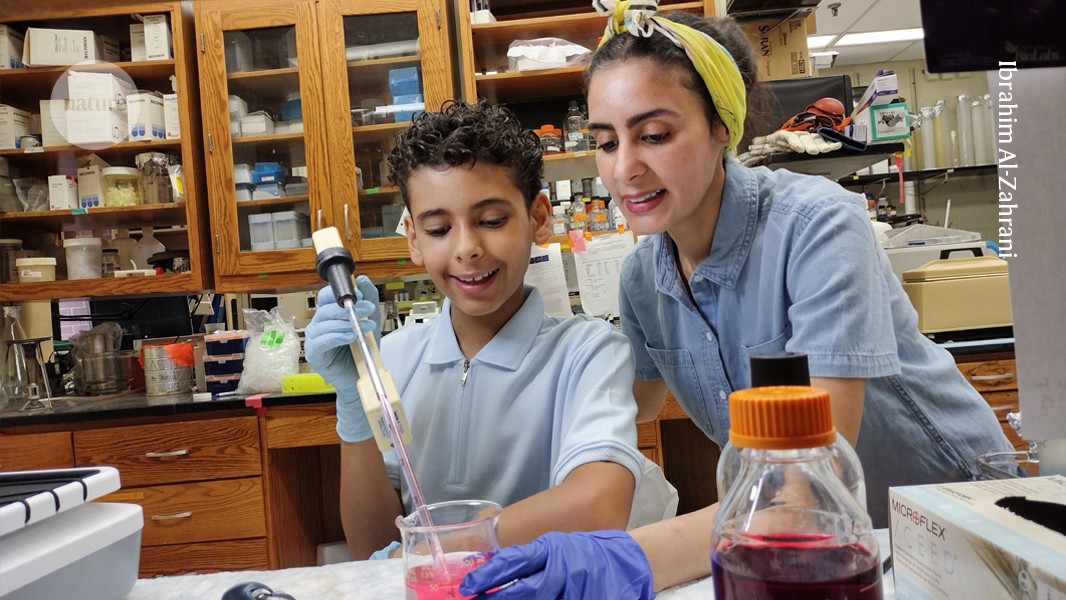
Bacon adds, however, that seeing her experience reflected in the testimonies of the 40 scientists interviewed in the report nearly brought her to tears. Similarly, Taghreed Al-Turki, a single mother and cell biologist at the University of North Carolina, Chapel Hill, says that after reading the report, “I wanted to print copies and go through, lab by lab by lab, and hand it to every single principal investigator”. Al-Turki now plans to organize a committee in her department to read through the report, and Bacon has pledged to ask her university’s Title IX officer what policies her university offers.
“As one person, it can feel risky to speak out, but seeing many people amplify how you feel — that’s hope, and I am so thankful,” Al-Turki says. “I love being a scientist, it’s been a dream since I was a kid, and my son is a piece of my heart. There’s no reason I can’t have both.”
Stepping up for carers
There are a number of steps that institutions and individuals can take to create a more supportive environment for scientists with caregiving responsibilities.
• Make caregiving policies easily accessible. Owing to the hodgepodge of federal, state and institutional regulations, people might not always be aware of existing resources. Make a single repository — such as this University of California, San Diego, website, which also includes links to local and national policies — and display it prominently on the university homepage.
• Promote good work–life balance. Scientists fear being ostracized by peers if they are perceived as undedicated because they have to devote time to caregiving tasks. Support flexible working arrangements, and make it clear that those on caregiving leave are not expected to work; this creates a culture in which science exists alongside, and not above, other responsibilities.
• Prioritize funding for innovative pilot programmes. In 2012, Stanford University’s School of Medicine in California piloted a time-banking system. Faculty members could exchange time spent on unpaid labour — such as mentoring, sitting on committees or covering a colleague’s shift — for assistance with grant writing or home activities, including childcare, housecleaning and preparing premade meals. Those who participated received, on average, 1.3 times more grant awards, totalling around US$1.1 million per person. (As of 2022, only one department, emergency medicine, retained the programme.)
• Include caregiving in union negotiations. If you are represented by a union, ask the bargaining committee to include caregiving in their negotiations with university administrators. Postdocs in the University of California system were able to secure eight weeks of paid caregiving leave, paid time off, annual childcare subsidies and lactation support at work.
• Don’t limit caregiving to childcare. Many scientists are children of people in the baby-boomer generation, who in the United States are now aged 60–78. As such, more researchers have caregiving responsibilities for ageing parents, often alongside childcare obligations. Virginia Commonwealth University in Richmond met this need by establishing a family care centre on campus that provides both child and adult daycare.
India’s academic freedom has been in steady decline for a decade. This is well documented: in the 2024 Academic Freedom Index update produced by V-Dem, a project on democracy based in Gothenburg, Sweden, India is ranked in the bottom 20% of a list of 179 countries and territories on metrics such as ‘institutional autonomy’ and ‘freedom to research and teach’.
Historically, academic freedoms were certainly not perfect in India. Yet even a cursory glance at the evidence reveals that the scale of restrictions and the misuse of laws to curb academic freedom has increased. In the interests of preserving India’s global competitiveness, whoever wins the election should seek to reverse this trend.
Climatologist Michael Mann wins defamation case: what it means for scientists
The documented drop in academic freedom is part of a broader decline in India’s vibrant culture of public debate. I have personally witnessed the growing restrictions during my 15 years as a researcher at the New Delhi-based Centre for Policy Research (CPR), where I served as president for 7 years until I stepped down in March.
My own research community — think tanks that aim to support evidence-based policies — engages deeply with the global academic and policy ecosystem. Given that public funds have many competing priorities, much of our research relies on international philanthropic funding. That is becoming increasingly difficult to come by, owing to a tightening of the Foreign Contribution (Regulation) Act (FCRA), which controls licences to access foreign funding.
For instance, after amendments to this law in 2020, recipients of foreign funding cannot give subgrants to other organizations, making collaborative research impossible. And since 2014, nearly 17,000 civil-society organizations have lost their FCRA licences altogether. For those that still have a licence, the renewal process is onerous. Many organizations receive temporary extensions of three to six months, rather than the full period of five years allowed under law.
Why Joe Biden’s bid to restore scientific integrity matters
It seems that tax laws are also increasingly being used against institutions. Some research organizations are facing penalties and, in extreme cases, the loss of their tax-exempt status, which is required for accessing charitable donations. In September 2022, six institutions, including the CPR, were subject to tax ‘surveys’ that eventually resulted in them having both their FCRA licences and their tax-exempt statuses revoked. This has left them mired in legal minutiae and struggling to fund their work.
Similar challenges to the freedom to pursue independent research are visible on university campuses. In 2022, the India Academic Freedom Network (IAFN) prepared a status report for the United Nations special rapporteur on freedom of opinion and expression. It lists 78 instances in which seminars, lectures or talks at public universities were disrupted by politically aligned groups or the permission to organize such events was denied. It also lists 25 cases of faculty arrests, including some under anti-terror and sedition laws — mostly for speaking on issues of public interest, on campus or in social-media posts. A further 37 incidents pertain to the arrest of students. The IAFN report also points to difficulties associated with foreign researchers obtaining visas and entering India — even for people who hold Overseas Citizenship of India cards.
All this comes at a juncture when critical feedback and effective consultation are required to secure the country’s long-term growth and prosperity. But rather than engage with ideas and challenge them in the spirit of inquiry and public debate, in my view, it has now become increasingly common for technocrats in government to seek to discredit researchers and suppress research. In late 2023, for instance, the World Bank removed from its website an important study that highlighted reversals of progress recorded under a flagship sanitation programme. The bank cited procedural issues, but was presumably under government pressure.
How to protect US science from political meddling after Trump
Even crucial government data are now hard to obtain. The decennial census, for example, was last conducted in 2010–11; the public report on the 2017–18 household consumption expenditure survey was junked and only partial data have been released from the 2022–23 survey. The consequences of this are significant. In my field, development and social policy, the data gaps make it harder to measure changes in well-being. The debate on poverty reduction is bogged down in estimates, leaving the public with relatively little objective analysis on the reach and effectiveness of economic policies.
To reverse these trends, researchers must make their voices heard and be willing to defend the principle and value of academic freedom in the public domain. Research bodies should engage more effectively with philanthropists in India and find ways to preserve the space for civil discourse. An alliance with broader civil society is also required to push back against draconian regulations that undermine scientific freedoms.
India’s experience is not unique, but a reflection of a broader malaise. The V-Dem report makes it clear that several countries — including the United States, where university campuses are in turmoil — have witnessed a deterioration in the space available to pursue independent research. Researchers in India and elsewhere should fight to retain that space. It will be a long and difficult battle. But it is an essential one.
A judge has dismissed a lawsuit brought by superconductivity physicist Ranga Dias against his employer, the University of Rochester in New York. In February, a university investigation found that he had committed scientific misconduct by, among other things, fabricating data to claim the discovery of superconductors — materials with zero electrical resistance — at room temperature. Dias filed the lawsuit against the university for allegedly violating his academic freedom and conducting a biased investigation into his work.
Exclusive: official investigation reveals how superconductivity physicist faked blockbuster results
On 19 April, Monroe County Supreme Court justice Joseph Waldorf denied Dias’s petitions and dismissed the lawsuit as premature. The matter “is not ripe for judicial review”, Waldorf wrote (see Supplementary information), because, although Rochester commissioned an independent review that found Dias had committed misconduct, it has not yet finished taking administrative action. The university provost has recommended that Dias be fired, but a final decision is still forthcoming.
A spokesperson for the university said Rochester was “pleased” with the justice’s ruling, and reiterated that its investigation was “carried out in a fair manner” and reached a conclusion that it thinks is correct.
Dias did not respond to requests for comment. His lawyer, Morgan Levy, referred Nature’s news team to documents filed with the lawsuit in which Dias responded to the university’s investigation.
Nature’s news team reported on Rochester’s investigation previously: three scientists external to the university conducted a 10-month probe into 16 allegations against Dias and determined that the physicist had committed plagiarism, and data fabrication and falsification related to four scientific papers, including two published in Nature1,2. (Nature’s news team is editorially independent of its journals team.) Normally, the details of the investigation would probably have remained confidential. But in response to Dias’s lawsuit, the university submitted the entire report as a court exhibit, making it public.
Other documents and e-mails from Dias made public owing to the lawsuit reveal more details about the physicist’s attempts to halt the investigation and to cast doubt on former graduate students from his laboratory who had shared concerns with investigators about data in one of the blockbuster Nature papers2, and who later requested its retraction. Nature’s news team spoke about the lawsuit to four of Dias’s former students, who requested anonymity because they were concerned about the negative impact on their careers. They disagree with Dias’s characterization of events in the e-mails submitted to the court. One student described Dias’s attitude as “it’s not me that’s wrong, it’s everyone around me”.
Toxic environment
In March 2023, the National Science Foundation (NSF), which funds US academic research — including much of Dias’s — ordered Rochester to investigate allegations that Dias committed scientific misconduct when he claimed to have discovered room-temperature superconductivity in a material made of carbon, sulfur and hydrogen at room temperature1. This order followed three internal ‘inquiries’ into Dias’s work by the university, which did not evidence of misconduct. Prompted by the NSF, Stephen Dewhurst, the then-interim vice-president for research at Rochester, organized a committee of three external experts to undertake the investigation.
Superconductivity scandal: the inside story of deception in a rising star’s physics lab
Dias initially appeared pleased with the investigators. After his first interview with them, he sent Dewhurst an e-mail on 16 June 2023, writing that he welcomed the university’s “comprehensive neutral unbiased independent investigation into all the allegations”. Later, his opinion of the investigation would change.
When the investigators interviewed Dias’s graduate students the next month, serious issues came to light, according to court documents: the students said that Dias dismissed their concerns about the veracity of certain data and that he had created a culture of fear in the lab. Speaking to Nature‘s news team, one student says that Dias apparently retaliated against them for reporting concerns to another faculty member at Rochester. The news team reviewed a memo written by the student immediately after the incident. The student recorded Dias as saying that “an adviser is like your parents — you can’t remove them, you’re stuck with them”.
In a 3 August 2023 e-mail to Dias, Wendi Heinzelman, dean of Rochester’s engineering school, told the physicist that his students would be moved to new advisers. Dias objected and expressed concern that the decision would affect the ongoing investigation. “Reassignment of my students has inadvertently conveyed a perception of wrongdoing on my part,” he responded. In that e-mail, Dias blamed the decision on two students he said were biased against him, alleging that one created a toxic environment in the lab and that the other was “a distraction to other students”.
Nature retracts controversial superconductivity paper by embattled physicist
Nature’s news team showed the e-mail to other former graduate students, who said that the toxic environment was caused by Dias. The students he accused of being biased against him “were not the issue in the group, and they tried their hardest to make it work”, says one of the former students.
In September 2023, five of Dias’s former students decided to ask for a retraction of a Nature paper that claimed that the team had observed room-temperature superconductivity in a lutetium-based material at relatively low pressures2. Dias found out and sent them each a cease-and-desist letter, as previously reported by Nature’s news team. At the same time, the physicist sent his first formal concerns about the investigation committee to the NSF, court documents show.
He alleged bias, conflicts of interest and a lack of expertise on the part of the investigators. Rochester administrators reviewed the claims and, in a letter to the NSF, concluded that the investigation was fair.
Legal trouble
Dias sued the university in December last year, alleging that his academic freedom was violated when he was stripped of his students. He filed another lawsuit in February, first attempting to stop the investigation, then to prevent it from becoming public. A judge denied both requests.
The case was eventually moved to a new justice, Waldorf, who heard arguments from lawyers representing Dias and Rochester in early April. In his decision to dismiss Dias’s lawsuit, Waldorf cited a previous ruling that “absent extraordinary circumstances, courts are constrained not to interject themselves into ongoing administrative proceedings”. These proceedings will determine whether Dias, who does not yet have tenure, will be fired. The final decision rests with Rochester’s board of trustees.
Nature’s news team spoke with scholars about Waldorf’s ruling, which was based on a cut-and-dry precedent. “The decision is unassailable,” says Matthew Finkin, a labour law and academic-freedom scholar at the University of Illinois at Urbana-Champaign. Scott Gelber, a historian of education at Wheaton College in Norton, Massachusetts, summed up his thoughts: “Academic freedom doesn’t protect academic misconduct.”
Ranga Dias, the physicist at the centre of the room-temperature superconductivity scandal, committed data fabrication, falsification and plagiarism, according to a investigation commissioned by his university. Nature’s news team discovered the bombshell investigation report in court documents.
The 10-month investigation, which concluded on 8 February, was carried out by an independent group of scientists recruited by the University of Rochester in New York. They examined 16 allegations against Dias and concluded that it was more likely than not that in each case, the physicist had committed scientific misconduct. The university is now attempting to fire Dias, who is a tenure-track faculty member at Rochester, before his contract expires at the end of the 2024–25 academic year.
Superconductivity scandal: the inside story of deception in a rising star’s physics lab
The investigation report (see Supplementary information) and numerous other documents came to light as the result of a lawsuit that Dias filed against the university in December last year. Dias submitted a grievance to Rochester over its decision to remove his students last August, but the university refused to hear the grievance on the grounds that it did “not relate to academic freedom”. The physicist’s lawsuit claims that this response was unreasonable. A university spokesperson declined to comment on the specifics of ongoing litigation and personnel matters, but emphasized that Rochester is “vigorously defending its course of action”.
In March, Nature’s news team uncovered details about how Dias distorted data to make claims about room-temperature superconductivity in two now-retracted papers published in Nature1,2, and how he manipulated his students to keep them in the dark about those data. (Nature’s news and journal teams are editorially independent.) Soon after, the Wall Street Journal reported that Rochester’s investigation found evidence of misconduct.
Now, Nature’s news team can reveal the details of that investigation. Documents filed by Rochester with the Monroe County Supreme Court show that the investigation was ordered by the National Science Foundation (NSF), a major funder of US academic research that in 2021 awarded Dias a prestigious US$790,000 CAREER grant. The NSF Office of Inspector General declined to comment to Nature’s news team on the investigation’s findings or the agency’s future actions.
The 124-page investigation report is a stunning account of Dias’s deceit across the two Nature papers, as well as two other now-retracted papers — one in Chemical Communications3 and one in Physical Review Letters (PRL)4. In the two Nature papers, Dias claimed to have discovered room-temperature superconductivity — zero electrical resistance at ambient temperatures — first in a compound made of carbon, sulfur and hydrogen (CSH)1 and then in a compound eventually found to be made of lutetium and hydrogen (LuH)2.
Capping years of allegations and analyses, the report methodically documents how Dias deliberately misled his co-authors, journal editors and the scientific community. A university spokesperson described the investigation as “a fair and thorough process,” which reached the correct conclusion.
Dias did not respond to requests for comment. His lawyer referred Nature’s news team to documents filed with the lawsuit. In one of those, Dias said: “It is imperative to reassert the foundational integrity and scientific validity of our work amidst the criticisms and accusations.”
A trio of inquiries
The NSF-ordered investigation wasn’t the first time Rochester examined possible problems in Dias’s laboratory. Between 2021 and 2022, the university conducted three preliminary ‘inquiries’ into the CSH Nature paper1 — some details of which are now revealed by the investigation report. Any of the inquiries could have decided that a full misconduct investigation was warranted, but none of them did.
The first inquiry was initiated after Jorge Hirsch, a condensed-matter theorist at the University of California, San Diego, sent complaints to Rochester. The university asked three unnamed internal reviewers, and Dias contacted one external reviewer to examine Hirsch’s claims. Information in the report suggests that the external reviewer is Maddury Somayazulu, a physicist at Argonne National Laboratory in Lemont, Illinois.
Hirsch alleged that there were problems with the paper’s magnetic susceptibility data — evidence crucial to Dias’s claim that CSH is a room-temperature superconductor. The inquiry came to the conclusion on 19 January 2022 that there was “no credible evidence to warrant further investigation”.
Students on campus at the University of Rochester in New York.Credit: Libby March/Bloomberg via Getty
The second inquiry was prompted by Dirk van der Marel, editor-in-chief of Physica C, a journal for superconductivity research. Van der Marel sent Rochester his own concerns about the same CSH data on 20 January 2022 — just a day after the first inquiry ended. Another reviewer took up the case and judged no formal investigation was warranted on 6 April of that year. Their work was checked by a second reviewer, who appears to be Russell Hemley, a physicist at the University of Illinois Chicago, based on identifying information in the report. Although the reviewers did not support an investigation, they said that the paper was “verging on misleading due to omission of details”. They recommended that an erratum be applied (none was).
Rochester’s investigation notes that two reviewers — apparently Somayazulu and Hemley — have collaborated with Dias on several papers, including a study5 in 2021 about the properties of CSH. Rochester’s academic misconduct policy states that “no individual who has an unresolved personal, professional or financial conflict of interest … should participate in the proceedings” of an inquiry.
A spokesperson for Argonne denied that Somayazulu was an inquiry reviewer, but did not respond when asked why a footnote in the investigation refers to “Report of Somayazulu_Review of NSF 2020 (CSH) Paper”. Hemley did not clarify whether he was an inquiry reviewer.
Nature‘s journals team conducted its own investigation into the CSH paper using independent reviewers, two of whom found evidence that the magnetic susceptibility data were probably fabricated. When the journal indicated that it would retract the CSH paper, and in response to another complaint from Hirsch, the university conducted a third inquiry. Despite having access to Nature’s findings, the single reviewer assigned to this inquiry — the same anonymous reviewer from the second inquiry — concluded on 19 October 2022 that any oddities in the data could be attributed to how they were processed, and that no investigation was needed.
Rochester’s inquiries “should be ‘Exhibit A’ about how not to run one of these things,” says Peter Armitage, a condensed-matter experimentalist at Johns Hopkins University in Baltimore, Maryland.
Under investigation
Rochester was finally forced to launch a full investigation to determine misconduct by the NSF. In October 2022, James Hamlin, a physicist at the University of Florida in Gainesville, submitted concerns about Dias’s work to the NSF. These included “data discrepancies that cannot be attributed to data processing”, according to a 16 March 2023 letter from the NSF to Stephen Dewhurst, the then-interim vice-president for research at Rochester.
Within weeks, Dewhurst assembled a committee of three physicists external to Rochester “to ensure that this investigation would be credible”: Marius Millot and Peter Celliers, both at Lawrence Livermore National Laboratory in California; and Marcus Knudson, at Sandia National Laboratories in Albuquerque, New Mexico.
Nature retracts controversial superconductivity paper by embattled physicist
Nature’s news team asked several superconductivity researchers to review the investigation report. At first, they were concerned by the university’s choice of committee members. The three physicists are specialists in shock-wave physics, not in superconductivity. Millot and Celliers were also co-authors with Dias on a 27-author review paper published earlier this year6.
However, those doubts evaporated when the researchers read the report. “I couldn’t help but be incredibly impressed,” Armitage says. Paul Canfield, a physicist at Iowa State University in Ames, says: “There should be a good German word that’s 50 letters long and is simultaneously ‘impressive’ and ‘depressing’” to describe the report. Brad Ramshaw, a physicist at Cornell University in Ithaca, New York, concurs. “This is a great sacrifice of their time,” he says. “The whole community should be grateful that we have colleagues who are willing to go to these lengths.”
The three investigators did not respond to requests for comment.
The investigation committee secured records, including data on computer hard drives, e-mails and physical notebooks, in the course of their work. They also conducted interviews with 10 individuals connected with the case, including Dias and some of his former students, and met at least 50 times to deliberate.
‘A very disturbing picture’: another retraction imminent for controversial physicist
Notably, the investigators confirmed previous analyses by van der Marel, Hirsch, Hamlin and Ramshaw — all of whom found apparent evidence that Dias fabricated magnetic susceptibility data in the CSH paper.
The report clarifies the extent of this misconduct: first Dias fabricated CSH data and published it. Then, when its origins came under scrutiny, Dias and his collaborator and co-author Ashkan Salamat, a physicist at the University of Nevada, Las Vegas (UNLV), released a set of fabricated raw data.
Questions about discrepancies between the raw and the published data continued to mount, so Dias crafted an explanation — he claimed to have used an elaborate data-processing method for the published data. This provided “a veneer of plausibility, by focusing critics’ attention on background subtraction methods” instead of on the raw data, the investigation committee wrote.
Salamat did not respond to a request for comment.
Fact finding
At any time throughout the investigation, Dias could have dispelled many allegations if he had provided genuine raw data — data taken directly from a measuring instrument and containing details such as timestamps. “The absence of certain raw data files does not inherently indicate their non-existence or suggest any misconduct on my part,” Dias wrote in response to the investigation findings. Yet he promised to deliver raw data multiple times and never did, according to the report.
In several instances, the investigation found, Dias intentionally misled his team members and collaborators about the origins of data. Through interviews, the investigators worked out that Dias had told his partners at UNLV that measurements were taken at Rochester, but had told researchers at Rochester that they were taken at UNLV.
Dias also lied to journals. In the case of the retracted PRL paper4 — which was about the electrical properties of manganese disulfide (MnS2) — the journal conducted its own investigation and concluded that there was apparent fabrication and “a deliberate attempt to obstruct the investigation” by providing reviewers with manipulated data rather than raw data. The investigators commissioned by Rochester confirmed the journal’s findings that Dias had taken electrical resistance data on germanium tetraselenide from his own PhD thesis and passed these data off as coming from MnS2 — a completely different material with different properties (see ‘Odd similarity’). When questioned about this by the investigators, Dias sent them the same manipulated data that was sent to PRL.
Source: James Hamlin
How exactly Dias distorted data was clearest in the report’s findings about the LuH paper2. With the aid of Dias’s former students, the investigation committee pinpointed raw data on the lab’s hard drives. These data showed that Dias frequently made selective omissions to conceal “erratic drops and jumps in the resistance data, the presence of which would undermine the claim of superconducting behavior in LuH”, the investigation committee wrote.
Dias, the investigation committee found, “repeatedly lied” about data during Nature’s review of the paper after concerns came to light. But perhaps the most egregious instance of misconduct, which the report refers to as involving “profuse manipulations” of data, occurred when Dias inverted a set of LuH data so that it demonstrated the Meissner effect — a sharp change in the magnetic properties of a material that is a hallmark of superconductivity. On 27 August 2022, Sachith Dissanayake, a co-author who was then a faculty member working with Dias at Rochester, explained to Dias that the data had been improperly manipulated, but Dias ignored the warning, according to the report. In his response to the report, Dias claimed Dissanayake misunderstood the data. Dissanayake did not respond to a request for comment.
These manipulated data were key to the LuH paper’s acceptance. And the investigation committee concluded that Dias fabricated data “to convince Nature editors and pre-publication referees that LuH exhibits superconductivity at room temperature”.
Previous stories in Physics Magazine and Science reported allegations of serial plagiarism by Dias, including that he copied more than 20% of his 2013 thesis from other sources. The Rochester investigators uncovered another, more recent instance: on 30 July 2020, researchers, including Dias’s colleagues at Rochester, submitted a scientific manuscript7 to the preprint server arXiv. Twelve days later, Dias submitted an NSF grant proposal that included paragraphs copied from that manuscript, as well as two identical figures. That proposal later won Dias the CAREER grant from the agency. In his response to the investigation, Dias admits to “instances where references are inadvertently missed”.
Closing arguments
The investigation committee sent Dias a draft copy of its report on 22 December last year. In a two-part response totalling hundreds of pages, which was revealed in the lawsuit, Dias attacks the expertise and integrity of the investigators. The physicist asserts that the investigators’ approach displays “traits that could sometimes be seen in the realm of conspiracy theories” and that it is “lacking a robust logical foundation”. Dias also claims that Salamat convinced Dias’s former students to oppose him when they sent a letter to Nature asking to retract the LuH paper. The opposite is true: Nature’s news team previously reported that it was the students who initiated the letter.
Why superconductor research is in a ‘golden age’ — despite controversy
Nowhere in the response does Dias provide the raw data requested by the committee. In their final report, the investigators respond to Dias’s accusations, saying that the “invocation of baroque explanations to interpret, and therefore justify, the omission of these data does not alter the Investigation Committee’s reasoning or findings”.
Ultimately, the committee found that the Rochester students and Dissanayake were not culpable, but victims. The committee did not have access to resources at UNLV to clear those researchers, including Salamat, from blame, but it concluded that those parties too were deceived, and did not find “substantial evidence of wrongdoing”.
As a result, the investigators recommended that Dias should not be permitted to teach or to carry out public or privately funded research. They added: “Evidence uncovered in this investigation shows that [Dias] cannot be trusted”.
The duration and value of a grant are not likely to alter the research strategies of recipients in the United States.Credit: DigitalVision/Getty
Offering professors more money or time isn’t likely to dramatically change how they do their research, a survey of US-based academics has found.
The survey, described in a preprint article posted on arXiv in December1, was completed by 4,175 professors across several disciplines, including the natural sciences, social sciences, engineering, mathematics and humanities.
The study’s authors, Kyle Myers and Wei Yang Tham, both economists at Harvard Business School in Boston, Massachusetts, say the aim was to investigate whether senior scientists would conduct their research differently if they had more money but less time, or vice versa.
The research comes amid interest from some funders in tweaking the amount of time and money awarded to scientists to incentivize them to do more socially valuable work. For instance, in 2017, the Howard Hughes Medical Institute in Chevy Chase, Maryland, announced that it had extended its grants from five to seven years, arguing that the extra time would allow researchers to “take more risk and achieve more transformative advances”.
Acknowledging that the most reliable way to test how grant characteristics might affect researchers’ work is to award them actual grants — which was not feasible — Myers and Tham instead presented them with hypothetical scenarios.
The survey respondents were asked what research strategies they would pursue if they were offered a certain sum of grant money for a fixed time period. Both the value and duration were randomly assigned. The hypothetical grants were worth US$100,000 to $2 million and ran between two and ten years.
To capture the changes in strategy, the survey provided the participants with five options that they could take if they successfully obtained the hypothetical grant. These included pursuing riskier projects — for example, those with only a small chance of success – or ones that were unrelated to their current work and increasing the speed or size of their ongoing projects.
The survey revealed that longer grants increased the researchers’ willingness to pursue riskier projects — but this held true only for tenured professors, who can afford to take a gamble because they tend to have long-term job security, an established reputation and access to more resources. The authors note, however, that any change in research strategy that resulted from receiving a longer grant was not substantial.
Non-tenured professors were not swayed towards risk-taking when they received longer grants. This finding suggests that longer grant designs don’t take into account the pressures that come with shorter employment contracts, says Myers. “If you’re a professor who’s on a 1- or 2-year contract, where you have to get renewed every year, then the difference between a 5-year or 10-year grant is not as important as performing in the next year or two,” he says.
Both tenured and non-tenured professors said longer, larger grants would slow down how fast they worked, “which suggests a significant amount of racing in science is in pursuit of resources”, the authors say, adding that this effect was also minor.
Myers and Tham report that the professors were “very unwilling” to reduce the amount of grant funding in exchange for a longer duration. “Money is much more valuable than time,” they conclude. They found that the professors valued a 1% increase in grant money nearly four times more than a 1% increase in grant duration. The study concludes that the researchers didn’t seem a to view the length of a single grant as “an important constraint on their research pursuits given their preferences, incentives and expected access to future funding sources”.
Experimenting with grant structures
Carl Bergstrom, a biologist at the University of Washington in Seattle who has studied science-funding models, says it’s interesting that substantial changes in grant structure generally yielded little to no change in the researchers’ hypothetical behaviour. “I just don’t know what to make of that,” he says, noting that it’s unclear whether this finding is a result of the study design, or is saying something about scientists’ attitude towards change. “One consistent explanation of all of this would be that fairly reasonable changes in the structure of one particular individual grant don’t do enough to change the overall incentive structure that scientists face for them to alter their behaviour.”
Bergstrom adds that modifying grant structures can still be a valuable exercise that could result in different kinds of candidate applying for and securing funding, which in turn might affect the kind of research that is produced. Myers and Tham didn’t examine whether modifying grant structures would affect the diversity of the pool of candidates, but they have investigated the nuances of risk-taking in research in another study, also posted as a preprint in December2. Researchers were surveyed about their appetite for risky science and how it affected their approach to grants. The survey found a strong link between the perceived risk of research and the amount of time spent applying for grants.
To get a clearer understanding of whether the findings of the surveys would hold in the real world, funders would need to modify actual grants, says Myers. He acknowledges that this would be a big commitment and a risk, but doing so could have significant benefits for science.
There is growing interest in finding more efficient and effective grant structures. In November, the national funder UK Research and Innovation launched a new Metascience Unit, which is dedicated to finding more sophisticated and efficient ways to make funding and policy decisions. The following month, the US National Science Foundation announced that it would be conducting a series of social and economic experiments to determine how its funding processes can be improved.
As for the survey, Myers hopes the findings can provide insights to inform such initiatives. “As long as we’ve reduced uncertainty about what is the best way forward, that is very valuable,” he says. “We hope that our hypothetical experiments are motivation for more real-world experiments in the future.”
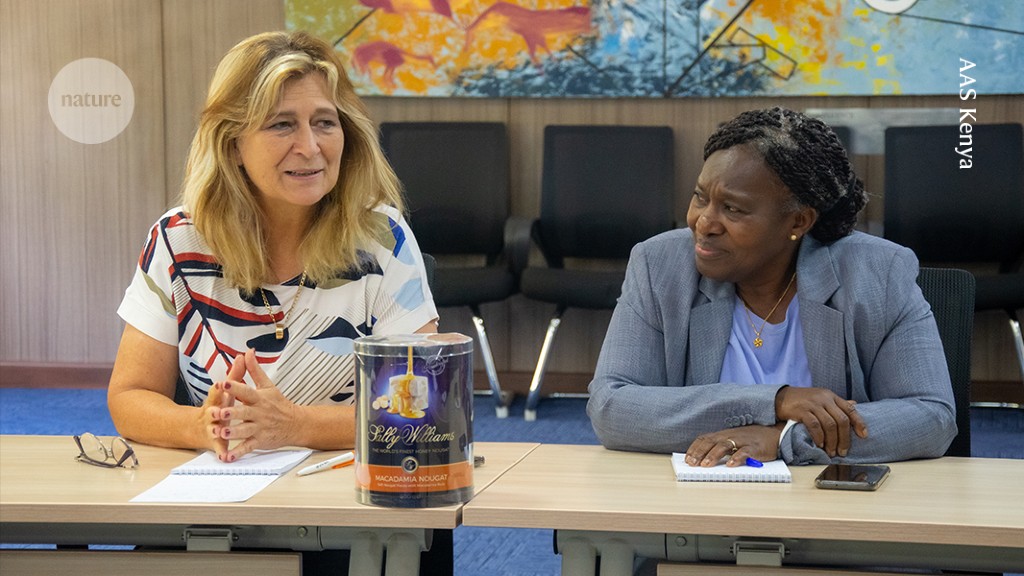
Lise Korsten (left) and Peggy Oti-Boateng are steering the African Academy of Sciences’ new strategy.Credit: AAS Kenya
“We have a renewed mission,” the executive director of the African Academy of Sciences (AAS), Peggy Oti-Boateng, proudly declared at the launch of the academy’s strategic plan on 29 February. “In our previous mission, we were leveraging our resources, but now we want to leverage science, technology and innovation for sustainable development on the continent.” As AAS president Lise Korsten told Nature: “We want to really pitch ourselves as a global academy, representing the voice of African scientists.”
For the AAS, it is an important, welcome and timely step forwards, and hopefully the start of a new chapter in its near 40-year existence.
It comes after a difficult episode in the AAS’s history. The academy, which is based in Nairobi, is a pan-African fellowship society — modelled on many academies around the world. Its founding members included the late Kenyan entomologist Thomas Odhiambo, founding head of the International Centre for Insect Physiology and Ecology, and Sudanese mathematician Mohamed Hassan, formerly president of TWAS, the World Academy of Sciences. Some 30 years after its creation, in 2015, the AAS, the African Union and international funders, including the Bill and Melinda Gates Foundation and the UK biomedical charity Wellcome, agreed that the academy would host and manage a research-funding platform on behalf of these funders.
Researchers back African Union to join G20 group of largest economic powers
The AAS secretariat grew from a body with 19 staff members in 2014 managing a budget of around US$5 million a year, to one with more than 60 staff, distributing more than $250 million per year in health- and biomedical-research grants. In 2021, following internal tensions at the academy and the suspension of a few senior staff members, the funders withdrew, saying that they had lost confidence in the AAS’s governance systems. Much of this played out in public, putting the academy’s reputation at risk.
In fairness, the academy should not have been put in that position in the first place. Scientific academies are not generally set up to function as large-scale funding agencies. Their role tends to be to recognize their country’s researchers through fellowships and awards, represent the interests of science to governments and, where needed, advise policymakers. Part of their strength comes from being a trusted body of experts. This means they should also not align themselves — or be perceived to be aligning themselves — with external organizations. Many AAS fellows had voiced concerns along these lines.
In addition to the latest plan, the academy now has a fresh leadership and governing council. Oti-Boateng, a Ghanaian biochemist who was formerly a science adviser at the United Nations education, science and cultural organization UNESCO, works with Korsten, a South African food-security researcher who is the AAS’s first female president.
The plan is set to run until 2027, and has five areas of focus: environmental and climate change; health and well-being; natural sciences; policy and governance; and social sciences and humanities. Making improvements in these areas is a priority not only for African countries, but also for nations globally.
Looking ahead
This strategy could not have come at a more important time. Last year, the African Union joined the G20, a group of the world’s largest economies. Scientists meet through the S20, a network of G20 scientific academies, to discuss global challenges and also specific issues of concern to the scientific community. Before the African Union joined the G20, South Africa was the continent’s sole official representative in G20 bodies. By contrast, Europe’s researchers have representation from the academies of France, Germany, Italy and the United Kingdom, as well as Academia Europaea, a pan-European academy headquartered in London. The AAS, along with individual countries’ science academies, represented by the Network of African National Academies, is contributing to events leading up to year’s G20 summit, to be held in July in Rio de Janeiro, Brazil. The meeting agenda includes combating climate change and achieving the UN Sustainable Development Goals.
African Charter to redress funding imbalances
The AAS’s plan also involves attracting scientists in the African diaspora as members. For decades, the continent has haemorrhaged scientists to Europe and North America, and the AAS’s leadership wants to promote researcher and student links between diaspora scientists and colleagues working on the continent. “We have lost a group of young academics who should have now been leaders on the continent, the professors of the future — and maybe we can partially bring them back,” says Korsten. At the same time, broadening the membership should help to strengthen the academy’s finances, which would reduce its reliance on governments and philanthropic donors. The AAS is funded mainly by membership fees paid by its roughly 460 fellows, as well as from the interest from a $5-million endowment fund given to the academy by the Nigerian government in 2001. Other sources include mobility grants from external organizations and money from the European Union African Research Initiative for Scientific Excellence programme, which supports early- and mid-career researchers in dozens of African countries.
The academy has been through some hard times since 2021. It has learnt important lessons and is embarking on an important new phase. All of us who support science in Africa should support the academy, and be a supportive, critical friend to the academy as it strives to achieve its goals.
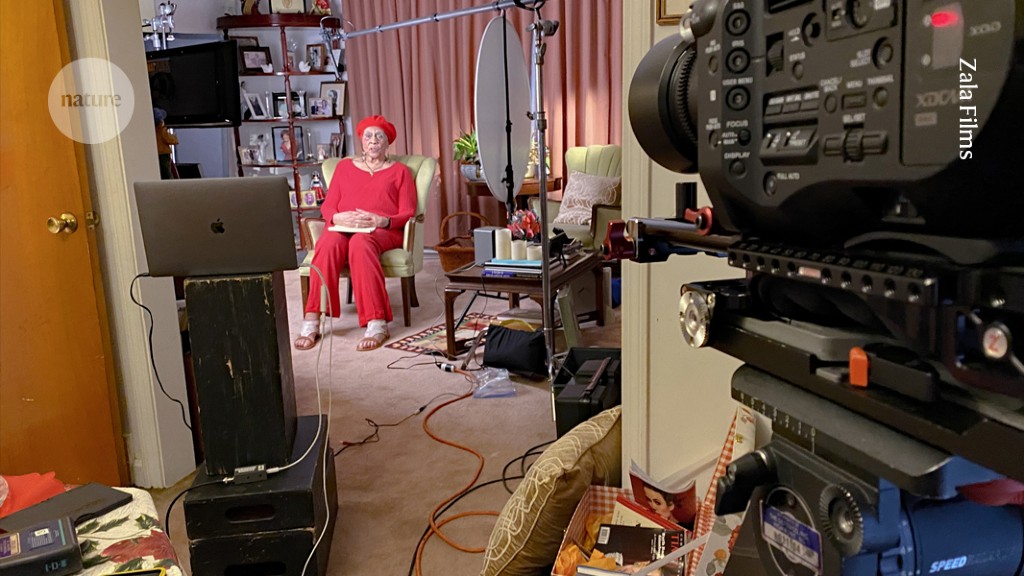
Journeys of Black Mathematicians: Forging ResilienceZala Films Directed by George Csicsery
What does a mathematician look like? Standing in front of a room of Black children aged six to twelve, research mathematician Zerotti Woods — who posed the question — is not far off their description. Woods, who is based at Johns Hopkins University in Baltimore, Maryland, is wearing nice trousers, a jacket and even round glasses. Yet he’s told he doesn’t look like a mathematician. Their unspoken assumption seems to be that mathematicians are white.
In the documentary Journeys of Black Mathematicians: Forging Resilience, film maker George Csicsery interviews more than 50 scholars, who speak about the value of mathematics, share parts of their journeys and look to the future. The film, which was co-produced with the Mathematical Sciences Research Institute, premiered in January and has been released online. By juxtaposing career paths with the historical timeline of the civil-rights movement in the United States, the film seeks to show what Black mathematicians have been through and provide hope for what can be. That hope is more than a wish. It is backed up by descriptions of supportive programmes, nurturing educators, positive changes in the community and success stories.
Historical attitudes toward Black mathematicians thread through the film. Scholars such as William Claytor faced blatant discrimination throughout their careers. The US Supreme Court’s 1954 integration decision, in which segregated schools were deemed unconstitutional, gave Black students access to white educational spaces. But such access did not necessarily come with better education or treatment. One interviewee notes that the good teachers at Black schools did not follow the children to the desegregated schools. In higher education, Black spaces did not cease to exist. Historically Black colleges and universities (HBCUs) were almost all founded before desegregation, because most pre-existing institutions, particularly in the southern states, either prohibited Black students from attending, or limited their presence through quotas.
Role models
Teaching and learning at HBCUs is a point of pride throughout the documentary. These are places where Black maths students are nurtured rather than ‘othered’. Many interviewees describe how the representation and support they found at these colleges propelled them into the field.
Academic workplaces are still failing Black women; they must do better
Among those acknowledged as impactful educators are Claude Dansby, who was at Morehouse College in Atlanta, Georgia, from 1922 to 1967, and Etta Falconer, who was mainly at Spelman College, also in Atlanta, between 1965 and 1985. Through interviews with former students and colleagues, Csicsery draws parallels between them and two mathematicians currently at Morehouse: Duane Cooper and Ulrica Wilson. All are beloved by students and are considered the main reason that some pursued and succeeded in maths. All four had a crucial influence on the paths of dozens of Black mathematicians — which speaks not just to their teaching methods, but more importantly to how they supported their students, and believed in and cared about them. Woods specifically mentions that Cooper taking responsibility for him was the only reason that he was allowed to finish his degree at Morehouse after having been expelled for a year. That care made all the difference.
Many who were interviewed in the film note just how few Black people they met on their maths journey. I’ve also found this. According to the 2018 US Mathematical and Statistical Sciences Annual Survey, 2.9% of US maths PhDs were awarded to Black mathematicians that year (see go.nature.com/3tphae6). Given that around 14% of the US population is Black, this number is incredibly low.
If you’re looking for an explanation, the documentary describes some of the roots of the systemic racism that still permeates maths. The US National Association for Mathematicians (NAM), created in 1969, aims to promote excellence in the mathematical sciences and “the mathematical development of underrepresented minorities”. Civil-rights pioneer and former educator at Winston-Salem State University in North Carolina, Virginia Newell, who appears in the film, makes its origins clear: “The reason why we started the NAM was because the whites did not want us at their meetings.” And how could Black mathematicians be welcome when meetings were being held at segregated institutions?
William Claytor was discouraged by the racism prevalent in the field.Credit: Courtesy of the Dolph Briscoe Centre for American History
Black people are often still being treated disrespectfully at maths meetings, confirmed a 2021 report by an American Mathematical Society task force (see go.nature.com/43dhf67). By organizing a range of events — such as lecture series, sessions at large maths conferences and MATHFest, an annual meeting and networking event for undergraduate students — and by ensuring Black scholars are invited to them, NAM provides, crucially, a community.
Aspirations for the future
The stories of Black mathematicians shared in the film are inspiring. It is wonderful to learn about successes in academia and industry — but there is still a long way to go. Csicsery makes that clear by titling the final chapter of the film ‘Unfinished business’. The percentage of US maths PhDs earned by Black people has remained mostly unchanged since 1978. “We’ve not moved the needle in producing PhDs,” notes Freeman Hrabowski III, former president of the University of Maryland in Catonsville, who grew up in segregated Alabama.
Stirring biopic of the first woman to win top maths prize
The question that needs to be asked now is which spaces are worth entering. The film suggests that Black people should be everywhere, so that there are those with similar mindsets and values in every room. But I disagree; there are some rooms that we should not aspire to enter. Not just because they provide a hostile environment — that can eventually be changed. But because some spaces have too high a moral cost. Is it worthwhile to create weapons or work for security agencies, for example, in a push for representation? For me, the answer to that is absolutely not.
Csicsery’s film did not interrogate that idea, but we should. We should sit with the discomfort of the fact that pushing back against the inequities of the past and present should not include contributing to the oppression of others. When watching this worthwhile film, you will be equipped with enough history to ponder another question: where do we go from here?
Diversity in science is instrumental in achieving major breakthroughs. Without further accelerating gender parity and other types of diversity — including focusing on the needs of those in and working towards leadership roles — we will continue to lose valuable ground. At a time when academia faces some of its greatest workforce gaps in history, some of our brightest scholars are leaving institutions before reaching their full potential due to a lack of recognition.
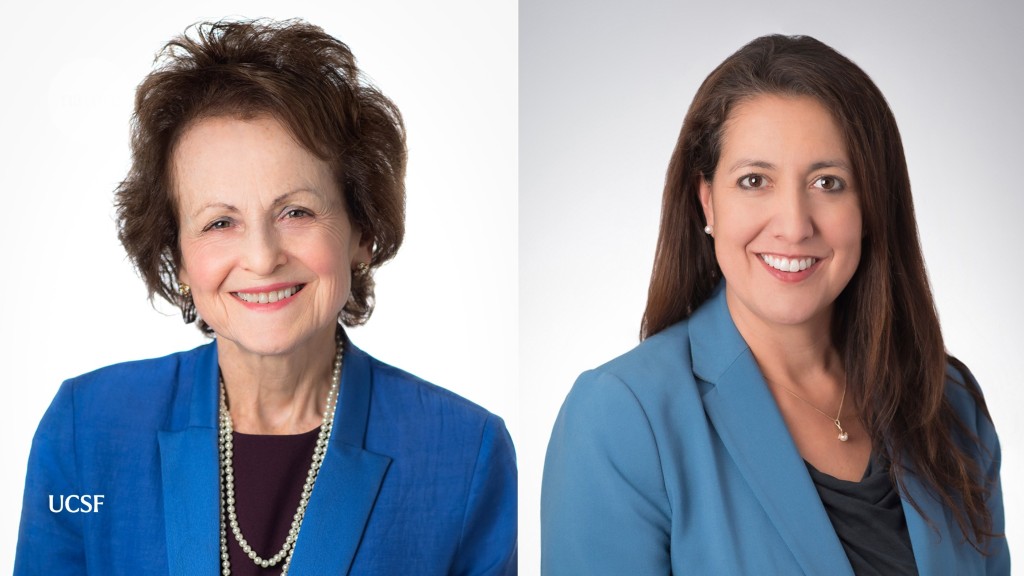
Christina MangurianCredit: UCSF
We applaud changes that have been made for early-career researchers, with more women and historically excluded scholars entering research-training institutions now than ever before. But too often, we lose out on investments made by government funders and institutions in early-career researchers because the system was not built to increase the diversity of leaders as they move up the career ladder.
For 25 years, women have made up more than 40% of the medical student body in the United States, but less than 20% of department chairs in academic medicine. Without a major policy shift to accelerate the rate of diversification among leaders in the country, it will take 50 years for academic medicine to reach gender parity1. That’s way too long.
We must address this with urgency, as women’s perspectives and leadership are key in developing new therapies and improving representation in clinical trials. We need more role models for trainees and junior faculty. All of this leads to pipeline retention and more innovative discovery.
Claire D. BrindisCredit: Marco Sanchez, UCSF Documents and Media
So, what do we do? We must re-evaluate the way the entire scientific academic enterprise is set up to directly, and indirectly, create challenging climates for women, especially for women of colour. Below, we focus on the policies and procedures that would offer the highest yield in the context of the United States, but that have global relevance.
Elevate the status of gender equity on campus
Public policy value statements. Commitments by academic leaders to diversity measures must be backed by strong policies, protocols and actions directed at all career stages, but particularly focused on supporting emerging and senior women leaders. Organizations must hold leaders accountable for incidents of bias, discrimination and bullying and institute formal, tailored training to promote allyship for some, and active rehabilitation for others.
Confidential reporting. We need better reporting systems to ensure that researchers can highlight gender disparities without fear of retaliation. Ombudsman and whistleblower offices can be helpful, but in the United States, many of these are understaffed to meet the demand. There is also an urgent need to test which approaches are most effective at correcting behaviour.
Implement institutional family-friendly policies
Childbearing/rearing leave. In the United States, there have been gains for faculty members at some institutions and major gains nationally for trainees. But there is room to improve, such as provision of affordable, on-site childcare.
Lactation policies. Only 8% of US medical schools provide financial incentives to make up for clinical time lost while lactating in the first 12 months post-birth. Institutions should be leading the way in establishing policies that recognize the biological factors impacting careers.
Elder care and other informal care. A 2023 study2 found that close to half of female faculty are informal caregivers, and close to half are providing elder care as they reach mid-career. Given that institutions are competing to attract mid- or senior-level women, expansion of paid leave policies to include elder care is warranted.
Nature Index 2024 Health sciences
Formalize equitable distribution of resources and access to opportunities
Compensation. Institutions should regularly perform salary reviews as a means of correcting disparities, especially as it pertains to women of colour. Leaders should also regularly review starting salaries, distribution of endowed chairs, salary increases that are far above the norm and recruitment and retention packages.
Sponsorship. Mentoring and sponsorship roles are increasingly recognized, but more oversight is needed. Behind closed doors is where decisions are made as to who gains access to crucial leadership opportunities; making the invisible visible is key to assuring greater institutional equity.
Focus on faculty promotion and retention
Resources. Offering equitable start-up packages and discretionary funds for new faculty members as well as compensation for dedicated mentors for historically excluded early career researchers can create a supportive professional environment. Such resources are important to offset the time requirements placed on excluded groups who are frequently asked to serve on campus and department committees to meet diversity metrics.
Peer support. Community affinity groups facilitate knowledge exchange needed for career advancement, as well as ‘real time’ support for faculty members. They are easy to set up and yield high returns for participants.
A multi-pronged approach is needed to accelerate gender parity in academic medicine leadership. Rather than continue to attribute disparities to individual ‘failures’, institutions must recognize that structural and organizational interventions can make transformational change.