Cognitive tests would be used less often to diagnose Alzheimer’s disease under a proposal by some scientists.Credit: Burger/Phanie/Science Photo Library
Controversy has erupted among researchers over an effort to adopt blood tests and brain scans for diagnosing Alzheimer’s disease, rather than the cognitive screening that has been used for decades.
Proponents of the change say that new biomarker tests can detect Alzheimer’s at a very early stage — the best time to apply any treatments that are developed to reverse the disease. But critics say that, although the effort is well-intentioned, it means that people can be diagnosed with a single test, even if they have no symptoms of cognitive decline — and might never develop them.
“There’s a risk of misunderstanding and distress that individuals who are asymptomatic will have if we tell them they have Alzheimer’s, whereas nothing will happen in their lifetime in a majority of cases,” says Nicolas Villain, a neurologist at Sorbonne University in Paris, who co-wrote a paper1 published on 1 November in JAMA Neurology criticizing the new diagnostic criteria.
Plaques and tangles
The brains of people with Alzheimer’s have two key features: plaques of sticky amyloid-β proteins and tangles formed from tau proteins. The neurodegeneration linked with the development of these plaques and tangles is irreversible, so researchers have been searching for treatments to give to healthy people to ward off this damage entirely.
In the past few years, companies have started marketing drugs that slow Alzheimer’s-related cognitive decline by clearing amyloid from the brain, and scientists have been perfecting highly accurate tests for both amyloid and tau protein.
Researchers call for a major rethink of how Alzheimer’s treatments are evaluated
“It’s this confluence of the possibility of widespread clinically available, accurate diagnosis with the ability to do something about the disease that prompted us to update the criteria,” says Clifford Jack, a specialist in clinical Alzheimer’s and dementia research at Mayo Clinic in Rochester, Minnesota, who co-led the effort to revise the diagnosis criteria. Jack and his colleagues in a working group for the Alzheimer’s Association, a non-profit research and advocacy organization in Chicago, Illinois, published their guidelines2 in the journal Alzheimer’s & Dementia in June.
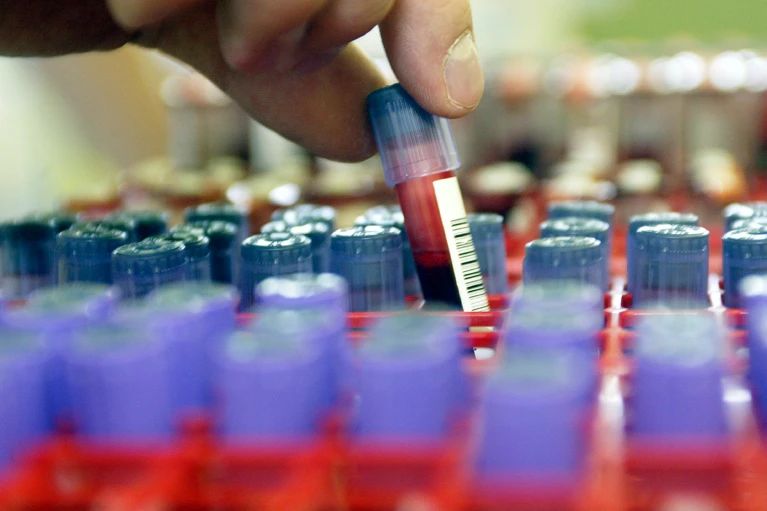
The criteria say that any one abnormal result on a core set of biomarker-based tests is sufficient to diagnose Alzheimer’s. These tests include measurements of amyloid and tau-protein levels in blood or cerebrospinal fluid, and a positron-emission tomography (PET) brain scan, which helps to quantify amyloid plaques.
Devastating diagnosis
But Villain and his colleagues point out in their critique that a large swathe of people diagnosed in this way would never develop any cognitive symptoms: a 65-year-old man who is amyloid-biomarker positive has a lifetime risk of developing Alzheimer’s dementia of about 22%, which is only roughly 1.7 times higher than the risk for a similar individual who is amyloid-biomarker negative.
The critics also argue that people who test positive for a single biomarker and are cognitively unimpaired should be informed that they are at risk of the disease but should not be given an official Alzheimer’s diagnosis. A person without symptoms who either tests positive on multiple biomarker tests or has a gene variant known to significantly increase the risk of developing Alzheimer’s dementia could be given a diagnosis of ‘presymptomatic’ Alzheimer’s, the critics write.
Landmark Alzheimer’s drug approval confounds research community
Jack acknowledges that biomarker testing makes it possible for asymptomatic individuals to be diagnosed with the disease — but the guidelines state that biologically-based diagnoses are intended to “assist rather than supplant” clinical evaluations. And the working group does not recommend Alzheimer’s biomarker tests for healthy people, so a hypothetical positive diagnosis for someone without symptoms should not come to pass, he says.
However, the new criteria might expand eligibility for clinical trials, which could help to develop treatments for asymptomatic individuals, Jack says. “The reality is that every person who ultimately becomes demented due to Alzheimer’s went through a period of time when they were asymptomatic with the disease,” he says. “Medicine needs to focus its future on how to prevent the onset of symptoms, because by the time someone becomes symptomatic, extensive irreversible damage has already occurred.”
Nothing in the cupboard
But medications for biomarker-positive, asymptomatic people are currently non-existent except in clinical trials, says Andrea Bozoki, a cognitive neurologist at the University of North Carolina School of Medicine in Chapel Hill who co-wrote the JAMA Neurology critique. This would leave such people with the mental anguish of having a diagnosis for an incurable disease but lacking treatment options, she says.
The new drugs that that slow the cognitive decline caused by the disease are approved in the United States only for people who are already experiencing mild cognitive impairment.
Bozoki worries that the new criteria will spur healthy people who fear that they are at risk for Alzheimer’s, or who have a family history of the disease, to find a doctor who will order a biomarker test for them. And if they’re diagnosed, she says, they might be prescribed the new Alzheimer’s drugs. These haven’t been shown to be effective in asymptomatic populations, cost tens of thousands of US dollars a year and carry a risk of brain bleeding and fatal seizures.
This will make it even more important for researchers and doctors to ensure that they are properly communicating risk and uncertainty as Alzheimer’s tests and drugs become more available, says Winston Chiong, a neurologist and ethicist at the University of California, San Francisco, who was not involved with either workgroup.
Scientists have developed a blood test that uses biomarkers to help diagnose bipolar disorder.Credit: John Thys/Reporters/Science Photo Library
A first-of-its-kind blood test that uses biomarkers to distinguish bipolar disorder from depression could slash the time it takes to get an accurate diagnosis from years to weeks, according to the company that developed the test — but some scientists have raised concerns about its validity.
The test uses biomarkers related to RNA editing to diagnose the condition and has been available in France since March and in Italy since October 2023, having been granted regulatory approval in both countries.
Blood test uses ‘protein clock’ to predict risk of Alzheimer’s and other diseases
However, some researchers are concerned about the small size of the trials the test is based on and the lack of independent verification of the studies. The test’s developer, the French start-up Alcediag in Montpellier, says that its trials are valid and reproducible.
The row highlights a wider discussion about the potential of biomarkers — biological characteristics that can indicate a particular medical state — to enable earlier diagnosis and more personalized treatments for psychiatric disorders.
“There is a role for investigating biomarkers,” says Suresh Sundram, a psychiatrist at Monash University in Melbourne, Australia. “But it is a very fraught area.”
Slow diagnosis
Bipolar disorder, a spectrum of conditions characterized by mood swings that alternate between mania and depression, is difficult to diagnose. About 40 million people globally live with the illness, and the diagnostic process, which often involves multiple sessions with a psychiatrist, takes an average of seven to ten years, during which time people are often misdiagnosed with conditions such as depression and given inappropriate or ineffective treatments.
Alcediag hopes to alter this grim landscape. The company says its €900 (US$980) blood test, EDIT-B, can help to distinguish bipolar disorder from depression using biomarkers. EDIT-B differentiates between the two by measuring subtle differences in RNA editing — a regulatory process that alters various cellular mechanisms, including the expression of genes, which in turn affects neurological functioning.
Found: a brain-wiring pattern linked to depression
Several studies have suggested that differences in RNA editing could play a part in autoimmune diseases and cancer, as well as in psychiatric conditions. In preliminary research, scientists at Alcediag identified distinct patterns of RNA editing affecting eight genes that seem to differ between healthy people and those experiencing depression. Among the depressed patients, six of these genes also show variations that distinguish people with depression from those with bipolar disorder. These differences produce a unique combination — or signature — of biomarkers that the company says it discovered using an artificial intelligence (AI) algorithm it developed.
“We have a signature for those with depression, a signature for the controls, and … one for bipolar,” says Dinah Weissmann, co-founder and chief scientific officer of Alcediag. In a 2022 study involving 410 participants, the algorithm distinguished between the 160 people with depression and the 95 individuals with bipolar disorder with high accuracy1.
About 80 people have used EDIT-B since its commercialization in France and Italy, says Weissmann, and feedback has been positive so far. She cites the anecdotal report of a person who, after receiving a positive test result, said they changed to more effective medication. “The patient wrote to their doctor: ‘It’s great, I’m back on my feet. I’m living normally again,’” says Weissmann.
Potential risks
For many people with bipolar disorder, a faster, more precise diagnosis would allow them to access “the right medication, at the right time”, says Marion Leboyer, a psychiatrist and executive director of the FondaMental Foundation, a research organisation based near Paris.
On the other hand, if a blood test gives an incorrect result, there is a risk that disorders could be misdiagnosed or overlooked, says Boris Chaumette, a psychiatrist at the French National Institute of Health and Medical Research in Paris.
There is no indication that an EDIT-B result has led to an incorrect diagnosis. But Chaumette and others are concerned about some of the methodology of studies used to demonstrate the EDIT-B test’s effectiveness. He points to “inherent limits” to the 2022 study with 410 participants. “You take a data set with many variables and not many patients, and you ask an algorithm to classify people. It will inevitably find things that classify them, it will inevitably identify commonalities,” he says. “In fact, what you observe could be the effect of treatments.”
Simple blood test detects eight different kinds of cancer
He adds that, apart from the control group, every person involved in Alcediag’s studies was taking medication (as is often the case with psychiatric research). These drugs could affect the levels of some biomarkers, says Sundram, “so the algorithm could pick up the effect of the medicine”.
Weissmann says that the study participants with bipolar disorder and those with depression were taking a range of different medications, so if the algorithm was distinguishing people on the basis of their treatments, it would have classified them according to therapeutic classes. Stable patients — those who had a diagnosis but were not experiencing symptoms at the time of the study — also had a different biomarker signature from the control group, she adds, indicating that their medication suppressed symptoms without affecting markers of the underlying illness. She says that Alcediag’s studies have involved hundreds of participants, and that the company is conducting a new clinical trial with 436 patients; they expect to publish the results next year.
Replication questions
Certain aspects of Alcediag’s studies make it difficult for independent researchers to verify the work, says Chaumette. The algorithm and its underlying code haven’t been shared, and follow-up studies run after the initial 2022 trial have used slightly different versions of the test. In a study the firm published this year, for example, it had removed one biomarker from the initial combination and added three new ones2.
This issue led the French National Authority for Health (HAS), an independent body that assesses health products, to reject Alcediag’s application for people taking the test to be reimbursed by the French health authorities. “There were variations in performance among the three versions, and we lacked the rationale to explain why this version was chosen and not another,” says Cédric Carbonneil, who heads the HAS department responsible for assessing new medical devices and procedures. It is not unusual for companies at early stages of development to initially have their applications denied, and the HAS expects Alcediag to reapply, he adds. Alcediag says that it made changes to the biomarkers to improve the test’s performance, and that it hasn’t shared the algorithm for commercial reasons.
Chaumette says he would have liked to see larger studies backing up the test before it was rolled out to patients, and he hopes Alcediag will make its technology available to independent groups to allow them to replicate the findings. “If you commercialize it rapidly and patent everything without sharing anything, then it becomes opaque.”
Osteoarthritis, which causes stiff and painful joints, affects the knees most often.Credit: Dr. P. Marazzi/Science Photo Library
A blockbuster weight-loss drug sharply reduces pain from obesity-related knee arthritis and improves a person’s ability to engage in activities such as walking. That’s according to a clinical trial conducted in 11 countries — the first of its kind to prove that one of the new wave of anti-obesity drugs can treat arthritis. The drug, semaglutide, provided pain relief on a par with opioid drugs.
Why do obesity drugs seem to treat so many other ailments?
At the end of the trial, many participants’ pain had subsided enough that they were no longer eligible for the study, says Henning Bliddal, a rheumatologist at Copenhagen University Hospital at Bispebejerg and Frederiksberg who helped to conduct the trial. “They got a therapy that was so effective that they more or less were treated out of the study,” he says.
The results are “important and could be helpful” for people with knee osteoarthritis, says Leigh Callahan, an epidemiologist at the University of North Carolina, Chapel Hill.
The findings were published today in the New England Journal of Medicine1. The trial was sponsored and designed by Novo Nordisk, which is based in Bagsværd, Denmark, and makes semaglutide, a drug sold as Ozempic for treating diabetes and Wegovy for treating obesity. Bliddal served briefly as a paid consultant to the company during trial planning.
Spreading scourge
Osteoarthritis, which causes stiff, painful joints, is among the most common conditions of ageing, and the knee is the most frequently affected joint. People who have obesity are at higher risk of developing arthritic knees because they have extra stress on their joints. Obesity also worsens symptoms, Callahan says. Pain from the condition can keep people from exercising, Bliddal says, making it extremely difficult for them to lose weight by lifestyle changes alone.
How rival weight-loss drugs fare at treating obesity, diabetes and more
The trial enrolled some 400 participants on five continents and randomly assigned them to receive weekly injections of either semaglutide or a placebo. They also received counselling on healthy eating and physical activity. When the trial began, participants had obesity, and their average score on a 100-point pain scale was 71 — high enough that walking was painful.
After 68 weeks of injections, participants taking semaglutide had lost much more weight than those taking the placebo. They also reported a much bigger drop on the pain scale: an average of 42 points, versus an average of 28 points for placebo recipients. These participants noticed a greater improvement in everyday functioning, such as climbing stairs, too.
The improvement probably stems in part from a decreased load on the knee stemming from weight loss, the authors write. But semaglutide also has anti-inflammatory effects, which might help to explain the pain relief.
Despite the benefits, Bliddal is concerned about the long-term outlook for those who use semaglutide to relieve knee arthritis. “Do these guys go on with semaglutide forever” to manage their pain? People who stop taking the drugs generally regain the lost weight, and the medications are expensive — a month’s supply can cost hundreds of US dollars.
Callahan emphasizes that although the results seem “very exciting”, it’s important for people to supplement anti-obesity drugs with lifestyle changes for long-term weight maintenance.
Haematopoietic stem cells from donors have been used to treat hundreds of thousands of people with blood cancer and other blood disorders.Credit: SPL
Ever since the first blood-forming stem cells were successfully transplanted into people with blood cancers more than 50 years ago, researchers have wondered whether they developed cancer-causing mutations. A unique study1 on the longest-lived transplant recipients and their donors has revealed that people who receive donor stem cells don’t seem to have an increased risk of developing such mutations.
The results are surprising but reassuring, says Michael Spencer Chapman, a haematologist at the Barts Cancer Institute in London.
“It’s fantastic news for people undergoing these therapies,” says Alejo Rodriguez-Fraticelli, a quantitative stem-cell biologist at the Institute for Research in Biomedicine in Barcelona, Spain.
Blood-forming, or ‘haematopoietic’, stem cells are precursor cells that reside in the bone marrow and give rise to all types of blood cell. They have been used to treat hundreds of thousands of people with blood cancers and bone-marrow diseases. The transplants involve depleting a person’s entire blood stem-cell reserves and replacing them with cells from a healthy donor. But researchers have long worried that putting the cells under such pressure could increase the risk of cancer. In rare cases, about 1 in every 1,000 transplants, donor cells develop into a cancer in the recipients.
Fishing expedition
The latest study, published in Science Translational Medicine this week, looked at mutations in specific genes that have been linked to cancer. It was thought that these mutations could give haematopoietic cells a growth advantage in transplant recipients, allowing them to rapidly divide and multiply as the recipient ages and eventually develop into leukaemia.
Some of the first transplants were conducted at the Fred Hutchinson Cancer Center starting in the late 1960s. In 2017, Masumi Ueda Oshima, a clinical researcher who studies post-transplant ageing at the Fred Hutchinson Cancer Center in Seattle, Washington, and her colleagues decided to reach out to the recipients of these transplants, and their donors, to collect samples of their blood and compare how the cells had aged. “It was really a big fishing expedition,” she says.
The team collected blood samples from 32 individuals — 16 donor–recipient pairs — who had received their transplants between 7 and 46 years ago. They used a highly sensitive technique to sequence genes known to acquire mutations associated with bone-marrow cancers.
The team found cells with mutations in all the healthy donors, even those as young as 12 years old. The older the donor, the mutations were present in their blood, but overall the frequency remained low — just one in a million of the sequenced base pairs.
The researchers then compared mutation patterns in 11 donor–recipient pairs for which they could access donor blood samples from the time of the transplant. They found similar mutation patterns in both groups. On average, mutations occurred at a rate of 2% per year in donors, and 2.6% per year in recipients. “Surprisingly, there actually are very few new mutations in the stem cells arising through the transplant process,” says Spencer Chapman. That suggests transplant recipients’ cells age at a similar rate to those in their donors, and they don’t have an increased risk of developing mutations, which might predispose them to blood cancers.
The fact that the mutations remain stable for so long after a transplant shows that “the regenerative capacity of the hematopoietic system is really profound”, says Ueda Oshima.
Rodriguez-Fraticelli says that although the results are comforting, they are based on a small number of individuals, which makes it difficult to draw broad conclusions.
Complex ageing
Spencer Chapman observed similar results in a separate study of donor–recipient pairs2, which was been posted online as a preprint in April 2023. His study included 10 transplant recipients who received haematopoietic cells from their siblings between 9 and 31 years earlier. But they didn’t just look for changes in specific genes associated with cancer, instead they extracted and grew haematopoietic cells in a dish and sequenced the entire genomes of individual cells. On average, they found that recipients had only slightly more mutations than their donors, adding just 1.5 years of normal ageing — a similar finding to Ueda Oshima’s.
When he and his colleagues looked specifically at mutations known to give cells a growth advantage, they noticed that cells that had only one of these mutations were found at similar levels in recipients and donors. But cells with two or more of these advantageous mutations were present at higher levels in recipients than donors. The result could help to explain why in rare cases, transplanted cells can develop into tumours.
But more work is needed to better understand the implications of these ageing processes, in terms of cancer risk and immune function, says Spencer Chapman.
Both studies could have implications for people receiving stem-cell transplants and blood-based gene therapies to treat sickle-cell disease, for example. More of these therapies are “hitting the mainstream” and being given to children, who will need to rely on the transplanted cells for the rest of their lives, says Spencer Chapman.
Researchers have uncovered the scale of two ancient cities buried high in the mountains of Uzbekistan. The cities were thought to be there, but their extent was unknown, so the team used drone-mounted LiDAR equipment to reveal what was hidden beneath the ground. The survey surprised researchers by showing one of the cities was six times bigger than expected. The two cities, called Tashbulak and Tugunbulak, were nestled in the heart of Central Asia’s medieval Silk Road, suggesting that highland areas played an important role in trade of the era.
How children’s movements resemble water vapour, and why coastal waters might be a lot dirtier than we thought.
Research Highlight: Kids in the classroom flow like water vapour
Research Highlight: Sewage lurks in coastal waters — often unnoticed by widely used test
12:06 Watermarking AI-generated text
A team at Google DeepMind has demonstrated a way to add a digital watermark to AI-generated text that can be detected by computers. As AI-generated content becomes more pervasive, there are fears that it will be impossible to tell it apart from content made by humans. To tackle this, the new method subtly biases the word choices made by a Large Language Model in a statistically detectable pattern. Despite the changes to word choice, a test of 20 million live chat interactions revealed that users did not notice a drop in quality compared to unwatermarked text.
Research Article: Dathathri et al.
News: DeepMind deploys invisible ‘watermark’ on AI-written text
22:38 Briefing Chat
What one researcher found after repeatedly scanning her own brain to see how it responded to birth-control pills, and how high-altitude tree planting could offer refuge to an imperilled butterfly species.
Nature: How does the brain react to birth control? A researcher scanned herself 75 times to find out
Nature: Mexican forest ‘relocated’ in attempt to save iconic monarch butterflies
Subscribe to Nature Briefing, an unmissable daily round-up of science news, opinion and analysis free in your inbox every weekday.
Gene-edited stem cells can be used in regenerative therapies to treat diverse genetic diseases. Tracking the output of these cells over time reveals a commitment to lineages that meet disease-specific needs.
Every day around mid-morning, Joan retreats into the bedroom of her central Massachusetts home. She lowers the window blinds, settles into her favourite armchair and puts on a special headset.
For an hour, she surrenders to an immersive audiovisual experience of rhythmic clicking and flashing lights — tuned to repeat 40 times a second. Designed to synchronize particular electrical patterns called gamma waves in her brain, the sound-and-light show aims to combat the effects of dementia. “It’s relaxing, in a way,” says Joan, 78, who was diagnosed with early-stage Alzheimer’s disease two years ago. “I just kind of sit there.”
After a year of this routine, scans taken in mid-June showed that Joan’s brain volume had remained stable. Memory tests found that her cognitive decline had stopped as well.
Anecdotes such as Joan’s might seem hard to believe — and neuroscientist Li-Huei Tsai is no stranger to such scepticism. She and her colleagues at the Massachusetts Institute of Technology (MIT) in Cambridge first reported1 that flickering lights had beneficial effects on mice with Alzheimer’s-like conditions in 2016.
Many researchers dismissed the results. “A lot of people just said, ‘This is too good to be true. This cannot be real,’” Tsai says. To prove her critics wrong, she realized she needed human data. So, Tsai — along with her MIT collaborator, synthetic neurobiologist Ed Boyden — co-founded a company called Cognito Therapeutics (also based in Cambridge). Within two years, they initiated clinical trials, and have since tested the technology on hundreds of individuals.
Humanity’s newest brain gains are most at risk from ageing
So far, the results have provided encouraging evidence of neuroprotection, with none of the serious side effects, such as brain swelling or bleeding, that often accompany the antibody drugs currently available or nearing regulatory approval for Alzheimer’s disease. “Everything is going in the right direction,” says Allan Levey, a neurologist at Emory University School of Medicine in Atlanta, Georgia, and an adviser to Cognito.
Nevertheless, Levey has worked in the field for long enough to know that the vast majority of promising therapies for Alzheimer’s eventually end up in the dustbin of drug-development history, with more than 98% of all mid- to late-stage clinical trials ending in failure. And, although research from the MIT team and others continues to build a solid scientific foundation for this unconventional strategy, some groups have not managed to replicate their findings in mice.
Now, all eyes are trained on a large, randomized trial involving more than 600 participants, including Joan. “I feel optimistic, but I also like to be cautious,” says Fiza Singh, a psychiatrist at the University of California, San Diego. “When you have a convergence of data like that, it says to me that there is some signal — something is going on.”
Many, however, are not waiting for further validation. A cottage industry has already sprung up around devices marketed as ‘wellness’ products that put flashing lights and clicking sounds into desk lamps or smartphone apps, all claiming to improve brain health. This has sparked concern among some researchers that the rush to market might be getting ahead of the science, which could harm consumers.
Yet, as the buzz surrounding this treatment grows, so does the pressure to separate hype from reality. The challenge for scientists is to confirm whether the approach offers more than just flickers of hope.
Guided by gamma
Alzheimer’s disease is characterized mainly by the accumulation of amyloid-β plaques and tau tangles in the brain. These protein structures are thought to interfere with neuronal communication and result in cell death. However, in the early 1990s, neuroscientist Rodolfo Llinás and his colleagues at New York University (NYU) Medical Center noticed another intriguing hallmark of the disease.
While studying the magnetic fields produced by neuronal activity, they discovered a deficiency in some of the brain’s fastest-firing waves — specifically, those in the gamma frequency band, which oscillate at around 40 hertz. In individuals with Alzheimer’s disease, these gamma waves, which are crucial for processes such as attention and memory, were weaker than those of cognitively healthy individuals2.
Cognito’s prototype device is in testing.Credit: David L. Ryan/The Boston Globe via Getty
Over the years, other groups have made similar, corroborating observations. However, it was not until 2016, through the work of Tsai and Boyden, that a viable strategy emerged to address — and reverse — this gamma deficiency.
The MIT researchers initially induced gamma waves in mouse brains using a complex technique that involved genetically modifying neurons and then implanting optical fibres through the skull1. They then developed less invasive methods, such as simple strip lights, mini sound systems or vibrating subwoofers near the animals’ cages.
The rhythmic cues engage the brain through what Ralph Kern, Cognito’s chief medical officer, describes as “sensory on-ramps” — areas in the cortex responsible for processing sensory information. From there, the gamma signal spreads to deeper brain regions, such as the hypothalamus, that play key parts in memory and cognition.
With repeated exposure comes brain ‘entrainment’: the firing patterns of neurons start to align with the rhythm of the stimulus. Synapses strengthen. Inflammation subsides. And, as the MIT team reported3 in February, 40-hertz stimulation also activates a neural-cleansing mechanism in mice, in which cerebrospinal fluid enters the brain, collects molecular debris and exits through specialized waste-removal channels. An independent team in China and Portugal has since replicated this finding4, and researchers at Boston University in Massachusetts have shown that the same process is activated by visual flickers in humans, as well5.
How menopause reshapes the brain
“There is a constellation of health-promoting effects,” Boyden says, and the results were consistent across several mouse models of Alzheimer’s. “That got me really excited about the translational possibilities,” he says.
Among all the documented effects of the treatment, “it’s not entirely clear which ones are crucial for therapeutic efficacy”, says neurobiologist Annabelle Singer, a former postdoctoral fellow in Boyden’s lab who contributed to many of the early studies and continues to investigate the phenomenon at the Georgia Institute of Technology in Atlanta. But Singer, a Cognito adviser, is confident about the overall impact. “We have widespread modulation of human circuits, including in cognitive regions,” she says. “And these circuits kind of kick into high gear in response to 40-hertz stimulation.”
On the same wavelength
The potential benefits are not limited to Alzheimer’s disease. Researchers have found positive effects of sensory stimulation in mouse models of autism spectrum disorder, stroke, multiple sclerosis and chemotherapy-related cognitive impairment. In humans, there is early evidence of favourable outcomes for children with insomnia and adults with treatment-resistant epilepsy (see, for example, ref. 6), with trials now ongoing for people with depression, Parkinson’s disease and head trauma.
Yet, despite the many mechanistic papers published by the MIT team and other scientists, not everyone is convinced that the therapy does what it says on the tin. Last year, two independent research groups — one led by neuroscientist György Buzsáki at NYU7, the other by neuroscientist Ted Weita Lai at China Medical University in Taichung, Taiwan8 — described their own investigations of flickering light therapy in mouse models of Alzheimer’s disease. Neither team found any reduction in amyloid-β levels.
Methodological differences between these studies and the original MIT report might explain the conflicting results, proponents of the technique contend. And, although the most outspoken champions of 40-hertz therapy have financial stakes in the approach, they point to confirmatory studies published by independent groups without industry ties as validation of the science (see, for example, ref. 9). Nevertheless, both Buzsáki and Lai have urged the scientific community to exercise caution when it comes to interpreting mouse findings and extrapolating them to human therapeutic strategies.
The EVY light from OptoCeutics hides it’s ‘flicker’ with pulses that alternate at different wavelengths.Credit: OptoCeutics
More difficult to argue with might be the encouraging early clinical-trial data, says Sheng-Tau Hou, a neurobiologist at the Southern University of Science and Technology in Shenzhen, China. “Despite the fact that we don’t understand the molecular nitty-gritty of the mechanisms, the impact is quite obvious now,” he says.
Academic studies10 by the teams at MIT and Emory, along with industry-sponsored trials by Cognito researchers, have collectively found that 1–6 months of 40-hertz stimulation with both light and sound, delivered at home for an hour a day, can boost cognition, preserve brain volume, improve sleep quality, enhance the ability to do everyday tasks and induce favourable changes in brain immunity.
In one of the longest studies of its kind, Diane Chan, a neurologist at Massachusetts General Hospital in Boston and a postdoc in Tsai’s lab, is monitoring a handful of people with mild Alzheimer’s disease who have undergone daily 40-hertz treatment for 30 months and counting. Participants engage with the therapy through an easel-mounted light panel and soundbar system, with a tablet positioned in the centre so that users can entertain themselves with videos during each session.
Typically, individuals with early-stage Alzheimer’s disease perform progressively worse on standard neuropsychological tests, losing a few points every year. But in Chan’s study, participants’ test scores have remained stable. Brain volumes have shown no signs of shrinking and levels of a disease-associated protein in the blood have even trended downwards. “These patients have conquered the test of time,” says Chan, who presented the findings at an international conference on neurodegenerative diseases in March.
Debate rages over Alzheimer’s drug lecanemab as UK limits approval
At the same conference, Cognito reported similar benefits in both brain structure and cognitive function during 18 months of treatment with the company’s wearable technology — and some people have grown so attached to the daily routine of the sensory therapy that they have refused to return the device at the end of these studies, even though they are supposed to.
“Far be it from me to take this away from them,” says trial investigator Paul Solomon, a neuropsychologist who directs the Boston Center for Memory in Newton, Massachusetts, where Joan receives her treatment.
Roaring forty
For now, Cognito’s platform is accessible solely through clinical trials. However, some competing developers have already started marketing similar devices as holistic health aids, arguing that the technology is safe and that individuals can experience its potential cognitive benefits without the need for formal regulatory approval.
There are mobile-phone apps and websites that will make consumers’ devices flash and buzz at 40-hertz intervals. There are clicking-sound players, flickering light bulbs and stroboscopic desk lamps available for purchase online, ranging in price from US$50 to $274. And then there are more high-tech options, such as the ‘EVY Light’ from OptoCeutics, an academic spin-off firm with headquarters in Copenhagen and Berkeley, California. This shoebox-sized device delivers an ‘invisible spectral flicker’ — a white light created by two sets of light-emitting diodes, each emitting at different wavelengths and pulsing at 40 hertz but offset from one another.
The company’s founders have published evidence suggesting that the brain synchronizes its activity accordingly, even though the light appears steady11. The firm is now sponsoring a 62-person trial designed to test whether the device can help individuals with mild-to-moderate Alzheimer’s disease. However, with trial results and regulatory approvals potentially years away, OptoCeutics has elected to offer its light box to the public ahead of regulatory clearance. For $1,999, anyone can now have an EVY Light in their home.
“We want to be able to see how it can impact people now — today,” says co-founder and chief executive Mai Nguyen. “For us, the benefits outweigh the risks.”
Other 40-hertz technologies in development include a $1,799 headset by Vielight in Toronto, Canada, that administers near-infrared light through a series of strategically placed light-emitting diodes on the scalp, plus one clipped to a nostril and pointed up the nose. Pilot trials that included individuals with dementia have shown early signs of clinical potential.
Electrical-stimulation technologies can similarly provide targeted neuromodulation to specific brain areas with deficient gamma-wave activity. And in contrast to audiovisual approaches that administer 40-hertz stimuli — which remain inaccessible to people with hearing impairments, vision problems or other sensory-processing challenges — electrical stimulation should be broadly applicable, notes Barbara Borroni, a neurologist at the University of Brescia in Italy.
Several research groups are even combining 40-hertz stimulation with music therapy. In Japan, for example, a music technology company called VIE is integrating 40-hertz frequencies into ethereal music compositions designed to make the auditory stimuli more pleasing on the ear.
And at Northeastern University in Boston, music neuroscientist Psyche Loui and her colleagues are trialling a basketball-hoop-shaped device — developed by Oscillo Biosciences in Farmington, Connecticut, and nicknamed The Stargate — that synchronizes light with music, adding a rhythmic visual component tied to the beat of any song, while emitting a gentle flicker to promote brain activity in the gamma-frequency range.
The music, Loui says, makes the medicine go down easier: “People love the music. They tolerate the lights.”
A light touch
The lack of regulation and quality control worries some researchers, including Chan, who has done internal tests on several commercial devices and found that they often fail to consistently deliver 40-hertz flickers. She also warns that side effects such as headaches occur in an appreciable fraction of users. Moreover, for those prone to seizures, the flashing lights could pose serious risks.
“It’s really important to be a savvy consumer,” says Heather Snyder, head of medical and scientific operations at the Alzheimer’s Association, a non-profit research and advocacy organization in Chicago, Illinois.
Another concern is the potential for false hope and financial exploitation, particularly if company websites make outsized promises with their marketing materials. “It is definitely a grey area,” says Timothy Daly, a bioethicist and dementia researcher at the Bordeaux Population Health Research Centre in France. “It’s a very slippery slope — especially with the vulnerability of people who are worried about having Alzheimer’s.”
Conscious of those potential pitfalls, Cognito chief executive Christian Howell says the company has been “really purposeful about developing a very robust evidence base” for its device ahead of seeking marketing authorization, probably by early 2026. Alongside its year-long, randomized pivotal trial — which is on track to complete enrolment by the end of the year — Cognito is conducting an extension study, allowing participants such as Joan the opportunity to continue therapy for a further 12 months.
Joan didn’t hesitate to opt in. She and Art, her husband of 51 years, credit the Cognito device with stabilizing her condition, which remains manageable and allows Joan to maintain a high degree of functional independence. “It’s a godsend,” says Art. “If this froze everything the way it is right now, we could go to our graves living like this.”
Unravelling how the billions of interacting neurons in the human brain conjure consciousness is one of the greatest challenges in twenty-first-century science. Over the past decade, large, well-funded initiatives, including in the United States, Europe and China, have been launched to unlock the mysteries of cognitive function — mental processes such as memory, language, perception and problem-solving — by coming at it from all angles.
For the millions of people around the world who will develop an incurable or treatment-resistant brain disorder this year, the need to better understand cognitive function and dysfunction is pressing, says Christopher Rozell, a computational neuroengineer at Georgia Institute of Technology in Atlanta. Rozell co-leads a multidisciplinary team that is developing technology-based therapies for depression, the leading cause of ill health and disability worldwide. “Globally, more than 300 million people will have a major depressive episode this year — and that’s just one neurological disorder subtype,” he says.
Nature Index 2024 Neuroscience
Rozell is exploring a therapy for treatment-resistant depression based on deep-brain stimulation, in which implanted electrodes electrically stimulate specific brain areas to provide long-term symptom relief. The work is funded by the US National Institutes of Health’s (NIH) Brain Research Through Advancing Innovative Neurotechnologies (BRAIN) Initiative, a major project launched in 2013, which to date has invested more than US$4 billion across neuroscience research. The BRAIN Initiative’s strategy is to develop tools, and then use these advances to gain a deeper understanding of brain function. According to Rozell, the decade-long investment is beginning to pay off.
In depression treatment, for example, doctors have always had to make subjective clinical judgements and trial-and-error therapy adjustments when trying to manage the condition. But, in 2023, Rozell and his collaborators used new brain-implant and big-data processing technologies to identify changes in brain activity that can indicate a patient’s current clinical state, enabling doctors to adjust treatment in response1. At the end of the six-month trial, 90% of patients showed significant improvement and 70% were in remission or no longer depressed. BRAIN Initiative funding was key. “We work with clinicians and engineers in teams with a breadth of expertise that would have been very difficult to imagine under conventional funding programmes,” Rozell says. “Every week now, you see large, interdisciplinary teams making incredible advances that would not be happening if it were not for a programme like the BRAIN Initiative.”
Likewise, proponents of the Human Brain Project (HBP), one of the largest research endeavours ever funded by the European Union (EU), which spent €600 million (US$668 million) over ten years before its completion in 2023, point to several advances. New brain-implant technologies that could restore partial vision in certain forms of blindness and brain-like ‘neuromorphic’ computer chips for more sophisticated artificial intelligence (AI) are important outcomes.
But concerns remain that core questions in neuroscience have not been addressed by big projects. It’s not clear how cognitive function emerges from patterns of brain activity, for instance, let alone how these processes go awry caused by disease.
And although big-neuroscience funding has increased in China over the past few years, it has been cut significantly in the EU and the United States, threatening the trajectory of brain science advancement.
Uncharted territory
If understanding human brain function is the ‘moonshot’ of neuroscience, we’ll never make it without the right maps, says Rozell. Creating brain atlases, each focused on different structural features, has been a key aim. In late 2023, the BRAIN Initiative’s Cell Census Network (BICCN), a multi-centre effort led by the Allen Institute for Brain Science in Seattle, Washington, produced the most detailed map yet of the cells that make up the human brain. Using single-cell genome sequencing — a technique that allows all or part of an individual cell’s genome to be sequenced — the team identified more than 3,000 different cell types in the human brain, many previously undescribed.
BICCN researchers also produced the first complete cellular atlas of a mammalian brain, pinpointing the location and identity of each of the more than 32 million cells in a mouse brain2. When the team launched the project 10 years ago, it was unclear whether this was even feasible, says Allen Institute director, Hongkui Zeng, who led the work. But the rapid development and scaling-up of single-cell genomic technology has revolutionized the field.
“Previously, the brain was just an unknown number of faceless cells,” says Zeng. “Now, we have the molecular identities for specific cells in specific brain regions, and we can start to label each cell type and see what they do.”
Immune cells in a mouse brain, intertwined with tiny blood vessels, captured for a BRAIN-funded project.Credit: Josephine Liwang, Yongsoo Kim lab/Penn State College of Medicine, PA
BICCN’s open-access brain-cell atlases are an indispensable resource, says Sebastian Seung, a computer scientist and neuroscientist at Princeton University in New Jersey. “To go from mapping the brain as a bunch of regions, to mapping cell types, is a huge jump in precision,” he says. Brain-cell atlases are foundational data supporting Seung’s own research, which focuses on the wiring between brain cells, known as the connectome. Together with cell mapping, new tools in connectomics — including those developed in Seung’s lab with BRAIN funding, which use AI to automate brain-scan image processing — allow scientists to study the brain in ways they’ve never done before.
A different approach was used to build the Human Brain Atlas, the most detailed 3D anatomical map of a human brain yet assembled3. A team led by Katrin Amunts, a neuroscientist at the Jülich Research Centre, a large-scale national facility in the Helmholtz Association of German Research Centres, took a postmortem brain and analysed it, slice by slice, to build the atlas not from the cells up, but from a whole brain down. The Human Brain Atlas forms a core part of EBRAINS, an open-access digital platform that combines tools, services and data generated by the HBP, which has been used by more 10,000 people worldwide.
The platform’s ‘virtual brain’ tool is being used to create personalized patient brain models to guide clinical decision-making in epilepsy, multiple sclerosis, depression and Parkinson’s, and its brain atlases and data are being accessed by researchers in neuroimaging, neurology, AI and basic science. In January, the EBRAINS project won a further €38 million from the European Commission to fund its continued development.
There is an argument that although BRAIN and the HBP did not specifically focus on conceptual questions in neuroscience, the foundational resources that they have provided can help to fill major knowledge gaps that will benefit those working in both basic and applied neuroscience areas. Seung says this is why the BRAIN Initiative’s strategy of prioritizing neuroscience tool development was the right approach. “So much of the study of neuroscience has been limited by the scarcity of data,” he says. “The NIH would normally not necessarily fund technology development, but sometimes to get to important science, we need a technological revolution.”
New model
Still in its early phases, China’s big neuroscience project can benefit from lessons learned by its international counterparts. Conceived in 2013 — closely following the launch of BRAIN and the HBP — the China Brain Project (CBP) began in 2021 with ten-year funding of 12 billion yuan (US$1.66 billion) to advance brain-disease studies and basic neuroscience, as well as brain-inspired technologies and brain–computer interfaces. The project involves more than 500 laboratories across the country, and aims to build on China’s research strengths, including in connectomics and non-human primate animal models, a valuable, but contentious, aspect of neuroscience. “You cannot do invasive experiments in the human brain to understand what’s going on, so animal models are very important,” says Zeng.
The protocols and standards for non-human primate research in China are based on those set by the NIH, but the work is easier to conduct because animal-rights groups don’t protest against animal use in research like they do in the United States, says Muming Poo, scientific director of the Institute of Neuroscience at the Chinese Academy of Sciences in Shanghai, who has led the CBP organizing committee since 2020. “There is a great need in the community for using non-human primate disease models because mouse models for brain disease, especially psychiatric disease, are just not working,” says Poo. He notes the slow global pace of drug development for brain disease, which is mostly based on rodent models, and says non-human primates, as our closest living relatives, should offer better models of the human brain.
Poo’s group is developing a toolbox of genetic-engineering techniques to produce non-human primate models of disease that they hope can be used in drug testing. In late 2023, they reported the first live-born monkey chimaera4, created by taking stem cells from one macaque embryo and adding them to another. The work is a key step towards creating transgenic non-human primate models of human brain diseases, akin to way that transgenic rodent models of disease are currently made.
Another strength that the CBP hopes to build on is China’s vast population, from which researchers can draw on extensive patient cohorts. According to Jialin Zheng, dean of the Tongji University School of Medicine in Shanghai, autism spectrum disorder in children, depression in adults and Alzheimer’s disease in ageing populations are the priority conditions addressed by CBP research.
In parts of the CBP that are related to brain-inspired technology, such as AI and brain–computer interfaces, there is strong competition between institutions in China and abroad, says Poo. But in basic neuroscience and brain medicine, the CBP was specifically designed to complement work conducted by other countries. “We made a strong point of taking the directions that are deficient in the United States and Europe,” such as non-human primate models and large-cohort studies, says Poo. Some of the first internationally collaborative research conducted within the project are now close to publication, he adds. “I think it’s like the global-warming problem — brain disease is an urgent problem shared by all of society, and we should solve it together.”
In many ways, the approaches and priorities of the big-brain projects in the United States, Europe and China complement each other to make the most of international resources and talent. In the United States, for instance, the BRAIN Initiative pooled resources to push technology development, whereas the HBP’s strategy focused on coordinating multidisciplinary research, such as bringing neuroscientists together with computer scientists to develop new treatments. China’s strategy is to use its unique strengths to fill important gaps and expand on them through international collaboration.
There are challenges ahead if researchers want to build on the outputs of the three initiatives. For example, Zheng says it’s going to require coordination between governments to decide how genetic information and biological samples can safely be shared between countries. “Different countries have different regulation in terms of data. How can it be shared more openly? We are dealing with the same diseases, so, how can we work together to address these challenges?”
In addition to restrictions on data sharing, coordination between different data centres is a major issue, says Poo. “It has been difficult to set up a generally agreed, smooth way of data-sharing among many big projects, because each big project has its own data centre,” he says. “We are in international discussions about the data problem, but there is no solution yet.”
There are also concerns about whether long-standing questions around cognitive function can be answered by the kinds of projects being funded by big brain programmes. On the one hand, finding answers will require parallel studies of brain activity at the molecular, anatomical and physiological levels — something that large-scale initiatives are designed to facilitate, says Zeng.
Source: Nature Index
But knowing how to piece this information together to explain cognitive function will require new ideas and hypotheses at a foundational level that none of the big neuroscience projects has yet produced, says Yves Frégnac, emeritus research director in cognitive science at the University of Paris-Saclay in France. “New concepts are not evolving at the same pace as technologies,” he says. “Reading out signs of cognitive activity is very different from understanding the brain.”
For China, the CBP has brought a much-needed injection of cash to a field that has struggled to find funding in the past. Poo says the initiative, which so far seems to be on track to meet its decade-long funding promise, will not only advance neuroscience in highly applied areas, but also in fundamental research. “In other countries, there are avenues of support for basic research in brain science, through organizations such as the US NIH or National Science Foundation — but not in China,” he says.
As the CBP builds momentum, researchers in Europe are trying to regain their footing, a year after the end of the HBP. Raising just over half of the expected €1 billion in funding from the EU and its member states, the HBP feels to many scientists like an opportunity not quite fulfilled, despite the progress made. “This money was needed in the field of brain sciences,” says Frégnac, who wrote an opinion piece on how the initiative could have been done better5. “People talk about €1 billion, US$4 billion, but if you compare it to initiatives in physics, this is peanuts.” NASA’s James Webb Space Telescope, for example, cost $10 billion, and the $1.5 billion annual budget of the European particle-physics laboratory, CERN, dwarfs the HBP’s entire ten-year funding. “If we want to be serious about the brain, we need to put more money in,” says Frégnac, who adds that the possibility of a well-funded follow-up to the HBP looks remote.
The future of BRAIN Initiative-supported research is also unclear. In 2024, as the ten-year pot of funds set aside in 2016 entered its ramp-down phase, a budget cap across all federal spending constrained the US Congress from making up the shortfall. The result was a 40% cut to BRAIN Initiative funding, compared with 2023. Researchers such as Rozell, whose work on treating depression is directly threatened by the cuts, are worried. “We’ve made enormous progress, but this work is not finished — it is not an approved therapy,” says Rozell. With the global economic cost of mental disorders estimated at US$5 trillion, the need for investment is clear, he adds. “To have spent a decade of money, time and expertise to reach a place where we’re starting to see the returns, and then have the threat of these programmes being taken away, it’s enormously concerning.”
Three of the most prolific young researchers in neuroscience-related output in the Nature Index discuss the problems they’re trying to solve and what keeps them optimistic about their work.
CASEY PAQUOLA: Mind modeller
Casey Paquola is building a model that simulates brain changes from infancy to adulthood so researchers can track disease progression.Credit: Forschungszentrum Jülich/Sascha Kreklau
Roughly 75% of severe psychiatric disorders emerge before the age of 24, so “intervention in youth is likely to have the most significant impact in long-term psychiatric health”, says Casey Paquola, a computational neuroscientist at the Jülich Research Centre, one of the largest institutions in the Helmholtz Association of German Research Centres, Germany’s leading research organization.
Paquola and her colleagues are using large data sets of infant, child and adolescent brain scans to inform a new model that simulates changes from infancy to adulthood in the hope that it can predict the development of conditions such as schizophrenia and psychosis.
Nature Index 2024 Neuroscience
“What makes our approach unique, but also effective, is that we do this in a multiscale way,” says Paquola, referring to how the model accounts for changes at a cellular and DNA level, as well as larger shifts in the brain’s wiring and function. “That means we can cross-validate our theories for how cognition emerges.” Paquola received a €1.5-million (US$1.74-million) grant from the German Research Foundation, the country’s largest research funding organization, to support the work.
The model could inform future diagnosis and treatment protocols by allowing researchers to ‘reverse time’ and simulate the development of certain conditions backwards to find the cause. It could also help researchers to identify risk factors. In young children, for example, the brain’s cerebral cortex increases in thickness until adolescence, at which point it starts to thin back down again. Paquola and her colleagues observed unusually thick cortices in children with higher genetic risk of schizophrenia, which she says could be a symptom, or a cause, of the disease. “That’s the type of trajectory we’re interested in mapping,” she says.
Since moving to the town of Jülich in Germany from her native Australia, Paquola says she’s experienced strong support as an early career researcher. “It’s very hard for early career researchers to get a step up in Australia, I find. Whereas in Germany, they really do support younger researchers.”
For one thing, it is easier to acquire funding to support an entire research team for a multi-year project in Germany than it is in Australia, says Paquola. She adds that the local government in Jülich covers the primary costs of pre-school childcare for all residents, which is helping her plan her return to work after the birth of her son.
“It means I’ve been able to choose when to return to work based on what suits our family best,” she says. — Felicity Nelson
SOLOMIIA BOYKO: Alzheimer’s protein puzzler
Solomiia Boyko.Credit: Nancy Andrews
At Case Western Reserve University in Cleveland, Ohio, neuroscientist Solomiia Boyko is investigating how a type of brain protein called tau clumps inside the neurons of people with Alzheimer’s disease. Forming sticky, string-line accumulations called neurofibrillary tangles, this build-up blocks the synaptic lines of communication between neurons, which leads to the neuron cell death that drives dementia.
Past studies1 have shown that when droplets of tau protein are placed in a liquid, they will spontaneously gather around each other. Boyko wants to know if this dynamic holds true in living organisms or cells. “We know that [tau] droplets become aggregates,” says Boyko. “The missing part of the puzzle is whether this happens in the cell.”
The problem is that current tools and techniques are not advanced enough to show what happens to tau proteins within the swirling complexity of a living cell. So, Boyko and her colleagues created a liquid that chemically resembles a cell’s cytoplasm, the thick liquid that fills the inside of a cell, and watched what happened when they added tau droplets. Publishing their results in 2022, they describe behaviours similar to when oil comes into contact with water2. “They don’t mix,” says Boyko. “The tau form droplets and aggregate to each other.” What’s unclear is whether the process of tau droplets becoming tau aggregates have any physiological function in healthy brains, or if it is purely pathological.
As the global life expectancy improves, the number of people with Alzheimer’s, a disease that is strongly associated with ageing, will inevitably grow. From 1990 to 2019, the worldwide incidence of the disease ballooned by close to 150%. Researchers are struggling to keep pace — the Alzheimer’s drug-development pipeline for 2024 features fewer trials and fewer new drug candidates, compared with 2023.
There are methods in development that would allow in vivo observations of tau droplets, which Boyko is hopeful about. She says she is optimistic that the full biology of Alzheimer’s disease will eventually be decoded. “Alzheimer’s is such a big problem for the sufferers, the caregivers and the family. As a researcher, maybe I can be of some help,” she says. “I truly believe that the incremental changes of knowledge from research can make a difference.” — Benjamin Plackett
NICHOLAS BUSH: Neuron recorder
Nicholas Bush.Credit: Nicholas Edward Bush
As a first-year graduate student at Northwestern University in Evanston, Illinois, Nicholas Bush listened as researchers played the activity of a monkey’s sensory cortex — part of the brain that processes auditory, visual and other sensations — over a loudspeaker. When the monkey’s arm moved, he recalls hearing a ‘whoosh’ of electrical activity. At that moment, Bush knew he wanted to pursue a career in neuroscience. “To actually hear neurons in the brain of this monkey that was sitting right next to me, as it was actively moving, was just an ineffable moment,” he says.
Today, Bush is a postdoctoral fellow at the Seattle Children’s Research Institute in Washington, where he studies the circuits in the brainstem that control the ability to breathe. In a study3 published earlier this year, Bush and his colleagues showed how breathing disruptions associated with certain diseases can change the function of neurons in the brainstem that control breathing.
New implantable technologies can be invaluable for this kind of research, says Bush. He and his colleagues implanted silicon probes called Neuropixels, produced by Belgium-based non-profit research and development organization, Interuniversity Microelectronics Centre, into the skulls of mice to measure their neural activity at different points in the breathing cycle. When the mice were breathing normally, their neurons fired in a rhythmic cascade that reset each time they breathed out. Mice that were given morphine — an opioid drug that can cause breathing problems if misused — experienced a similar cycle of neuronal activity, but the wave of electrical activity from neuron to neuron was slower.
“Opioids are a huge concern right now,” says Bush, noting the millions of people around the world who are dealing with opioid-use disorder. “Knowing that [opioid use] is slowing down, or sort of restructuring, the dynamics of this system is particularly important.”
The team also measured how the neurons in the brainstem responded when mice were deprived of oxygen. When the mice gasped, their neurons stopped operating in a rhythmic pattern and instead fired all at once, facilitating a potentially life-saving increase in gas exchange. It’s hoped that such insights could inform research on sudden unexpected infant death syndrome in humans, which is thought to occur when infants experience a lack of oxygen but don’t wake up.
Technological advances such as Neuropixels are opening up many opportunities in neuroscience, says Bush. “The tools that are being developed are just astounding and are giving us new avenues of thinking about old problems,” he says. “It’s a super exciting time to be a neuroscientist.” — Felicity Nelson
For seven years, British neuroscientist Luke Bashford trained as a postdoc in the United States, working on brain–computer interfaces (BCIs) — systems that directly link brain activity to external devices. By recording and decoding electrical signals from the brain to generate computer commands, BCIs allow people with limited movement to use their thoughts to control technologies such as smartphones, computers, wheelchairs and robotic arms. Unlike non-invasive BCIs — wearable devices such as caps or headbands that attach electrodes to the outside of the head — the implantable BCIs that Bashford works on require surgery to place the electrodes on or inside the brain to access more reliable and information-rich signals.
A lot of academic research — and most commercial investment — is focused on implantable BCIs, because their potential to provide high-performance assistive interfaces is stronger than their non-invasive counterparts. But implanting electrodes directly in the brain comes with obvious risks, so implantable BCI trials are tightly controlled by regulators. The most advanced implantable BCIs in development remain in early-stage clinical trials, and no such system has been approved for clinical use anywhere in the world.
Nature Index 2024 Neuroscience
The United States took an early lead on regulating implantable BCI, which has made it an attractive place for researchers such as Bashford to work. Since the first volunteer received an implantable BCI in California in 2004, most of the roughly 60 long-term recipients have been based in the United States. All of the world’s most established implantable BCI companies are based there, too. The US Food and Drug Agency (FDA), which oversees all US implantable BCI trials, is now very familiar with the technology, says Bashford. “You make a query, and they come back with a very nice framework of ‘Here’s what’s got to be done and how and why’.”
The dominance of the United States raises concerns about the potential for unequal access to implantable BCI technologies as they move from the laboratory to the clinic. When Bashford left his position at the University of California, Los Angeles, in 2023 to move to the University of Newcastle, in the United Kingdom, he realized how much work it would take to achieve his goal of running the country’s first clinical trials of implantable BCIs. When it comes to UK regulators, “there’s definitely an appetite for it”, he says. But the country’s inexperience with the technology makes getting approval for a clinical trial a lengthy process.
Bashford co-founded a National Consortium for Neurotechnology Regulation (NCNR) in February with a group of UK-based researchers and companies to help address the problem. By forging greater connections between academics, clinicians, industry, regulators and policymakers, the NCNR aims to set guidelines for human neurotechnology trials, which it hopes will ultimately accelerate patient access to such devices on the UK’s National Health Service.
Global private investment in BCIs and other neurotechnologies were worth an estimated US$7.3 billion in 2020 — a 22-fold increase from 2010. As research in this area becomes more widely distributed, national regulatory bodies are likely to play a key role in how trials progress and products develop, says Tim Denison, NCNR member and neurotechnology engineer at the University of Oxford, in the UK.
Global competition
Ruten, a company that makes implantable BCIs, has headquarters in both the United States and Japan. As a result, co-founder Kazutaka Takahashi has first-hand experience of the regulatory differences between the two countries. Japan, he says, lacks the expertise needed to evaluate new devices through the country’s Pharmaceuticals and Medical Devices Agency. “They’re still trying to come up with standards to be enforced in clinical trials,” he says. In the US, by contrast, the FDA has established protocols that it applies to initial feasibility trials of implantable BCIs. Ruten is working on implantable BCI-based therapies for paralysed people who have trouble swallowing. Almost certainly, any human trials of the device will be based in the United States, says Takahashi, following pathways set by the FDA.
Likewise, several of Europe’s top emerging neurotechnology companies are developing their implantable products in the United States, taking FDA pathways towards clinical approval and the market. Carolina Aguilar, chief executive of INBRAIN Neuroelectronics, says that for the company’s implantable epilepsy monitor, which requires similar implantation procedures to BCIs, going to the United States first is an obvious move. The device is designed to pinpoint where a patient’s epileptic activity originates and so needs to be implanted for only a month. In the United States, this qualifies it for non-implant status, which requires only animal testing to get FDA approval for clinical use, says Aguilar. In Europe, the device is classified as a chronic implant, which requires human testing for approval by the European Union’s Medical Device Regulation (MDR) agency.
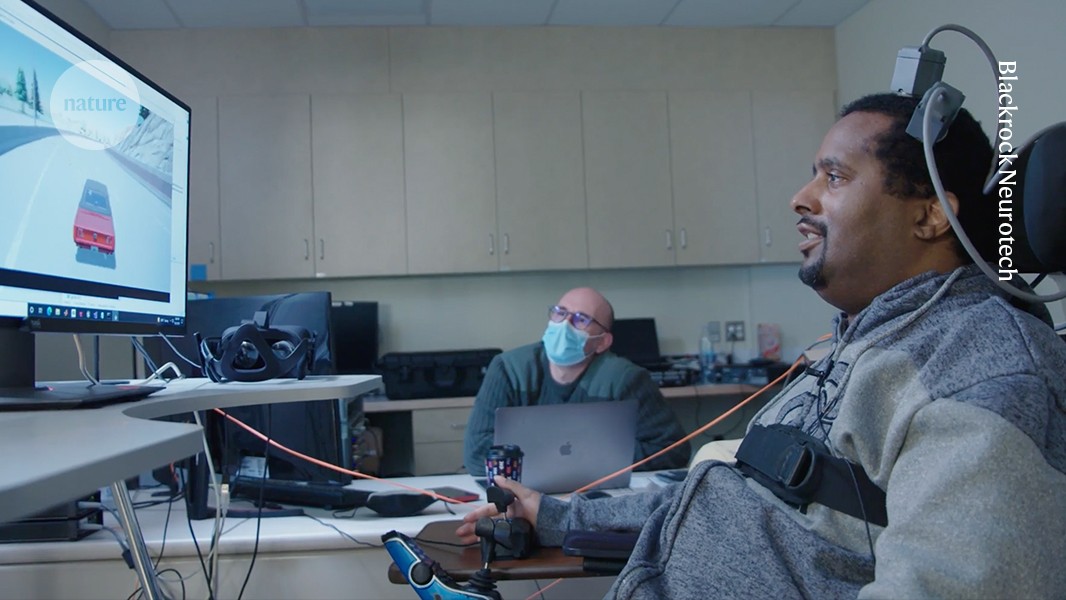
The Utah Array, an implantable BCI developed by Blackrock Neurotech in Utah, can stimulate individual neurons or groups of neurons.Credit: Blackrock Neurotech
The relative ease with which researchers and companies can develop their products in the United States is a problem, says Takahashi, because early recipients of implantable BCIs should be more globally representative. He also worries about US health-care systems and insurers having an outsized influence on the industry, meaning only products that align with what they are willing to cover would make it to market. “If there’s only one country doing this, that’s bad,” says Takahashi.
US dominance in the area has a lot to do with the large investments that have come from government and venture-capital firms over the past 25 years, says Matt Angle, chief executive of Paradromics, a BCI company based in Austin, Texas. Today, the combination of an established regulatory landscape and the world’s most valuable medical-device market — worth an estimated US$180 billion last year — appeals to start-ups from all over the world. “The regulatory pathway for these kinds of devices is better defined and the wheels are better greased in the US than in Europe,” Angle says.
In addition to initiatives launched by the FDA in recent years, such as Early Feasibility Studies, which introduced exemptions for small exploratory studies in 2013, and its Breakthrough Devices Program, launched in 2016 to accelerate communication between developers and FDA officials, Angle also thinks a surge of new recruits at the agency has been a game-changer. “As recently as 2010, I would say the regulatory process was seen as an adversarial process, like a courtroom proceeding,” he says. “In 2024, it’s seen as a collaborative process. If you hadn’t had an influx of a new generation of people at the FDA, none of this would have worked.”
Vikash Gilja, chief scientific officer at Paradromics, adds that many newer recruits at the FDA who deal with neurotechnology were once researchers with direct experience in the field. “They can act as really impactful translators between the medical device innovators and the FDA,” says Gilja. He points to the Implantable BCI Collaborative Community, established by the FDA this year to bring together government regulators, companies, academics and patient advocates, as an important step in advancing implantable BCI-related policies.
Patient benefits
Whether the United States will remain the favoured route for international companies is uncertain. INBRAIN is seeking approval to run human trials of its epilepsy monitor in both the United States and the United Kingdom, the latter through its Medicines and Healthcare products Regulatory Agency (MHRA). Although the MHRA required a “huge amount of work” as part of its application process, the organization has been “super-supportive”, says Aguilar. She is also optimistic about how the EU’s MDR is updating its regulatory pathways and says INBRAIN intends to trial a speech-decoding BCI — an implantable device that records speech-related neural activity in patients — in Europe. “We’re talking to many investigators who want to make it happen from the European perspective,” says Aguilar. “Europe is waking up, because they have to — because they have seen the advantages of the FDA.”
Patient benefit is another major factor in how countries are choosing to regulate implantable BCIs. Denison says the globally accepted standards for keeping research participants safe means that no country’s approach is more dangerous than another’s. But regulators can differ in how they view the benefits of exploratory science to individual patients versus the potential clinical benefit for all future users. “Each country has a slightly different perspective on what they think is acceptable, in terms of the trade-offs,” he says.
Having moved from the United States to the United Kingdom, Bashford is experiencing this tension. In addition to not having the kinds of exploratory study programmes that the FDA runs, the UK’s apparent reluctance to have volunteers participate in early-stage medical-device research speaks to cultural differences between British and US regulators, says Bashford. In the United States, there is a broader view of patient benefit, where participating in research “can just improve someone’s outlook and give them a sense of purpose, where they might otherwise just be left in palliative care”, he says. Denison adds that compared with the FDA, the MHRA asks much earlier in the process how a device will help future users and how that can be assessed from the outset. “I like the MHRA approach because it really keeps me very focused on the translation stuff,” he says.
As one company draws closer to its goal of taking an implantable BCI to market, questions about patient benefit will need to be addressed. Synchron, a New York-based company founded on technology originally developed in Australia, has produced a device that allows recipients to control a smartphone using their thoughts. The company is in discussions with the FDA about what a large human trial must show in order to gain approval to go to market. “This is one of the biggest questions right now: how do we think about clinical endpoints in a pivotal study?” says Angle.
For example, should an implantable BCI be assessed on how efficiently signals are transferred from a user’s brain to a computer interface, or by how much it subjectively improves the user’s wellbeing? Or, perhaps more likely, will it be measured by how well the computer or other external device is controlled? The bar must be set just right, says Angle, to ensure that implantable BCIs can leave the lab and impart meaningful benefits to patients.