Tag: Rare Earth Elements

  • Building the American critical minerals dream

    Building the American critical minerals dream

    [ad_1]

    The importance of critical raw materials is driving increasingly fierce competition between global powers. Olimpia Pilch, Co-founder and Director of the Critical Minerals Association USA, tells us more about one such competition.

    Fuelled partially by the pursuit of net zero, and partially by China’s decoupling from the US, critical minerals have become tools of diplomacy in the race to control sensitive sectors. By bolstering domestic security via expanding defence capability, diversifying energy sources, or betting on the cusp of cutting-edge technology, critical minerals play a fundamental role in the geopolitical game of chess.

    Monopolised supply: A problem of our own making

    China has long had its sights on strategic sectors, and the raw minerals and specialty materials required for many vital technologies. Free markets and the US-backed ascension of China to the World Trade Organization have provided the perfect platform for China to capitalise on the de-industrialisation of the collective West. The global race to offshore and lower costs had chief executives trading the longevity of companies, market share, and propriety information for spectacular and rapid profits. US permanent magnets, semiconductors, and critical minerals industries were all shipped off to China one by one.

    China’s lack of compliance with the conditions of its ascent to the WTO went relatively unaddressed for two decades, while quotas and export restrictions became more frequent and targeted at the US market. The industry has long lamented a number of Chinese companies’ methods: Quick and easy credit, loans, and infrastructure deals for raw materials, corporate espionage and IP theft, sabotage of mining operations overseas, market flooding coupled with Chinese share-buying sprees and acquisitions of struggling Western companies, amongst many other accusations of in-country coercion and intimidation of China-based executives.

    The golden age of offshoring, however, came crashing down amidst a series of tit-for-tat export restrictions, election meddling, and espionage balloon sagas. By then, the US had drawn, quartered, and sold off its critical minerals midstream industry. Even the infamous Mountain Pass mine, the only rare earth mine in the US, continues to sell offtake to China due to insufficient demand outside of the biggest market, where refining takes place before the US imports ready-made magnets.

    Meanwhile, China has banned exports of processing technology to prevent the US or other players from taking its rare earth crown.

    Now, the US is facing difficult decisions about protecting its values and interests while managing the effects of short-term vision. However, modern problems require modern solutions, and the US is taking the challenge head-on.

    Unlocking domestic resources

    The US has since taken a variety of measures to bolster its national, energy, and economic security by incentivising re-industrialisation of the US via the landmark Inflation Reduction Act (IRA), which sent waves across the world. Paired with the Bipartisan Infrastructure Law (BIL), the US critical minerals supply chain has been benefiting from concentrated support from the demand side. The US is taking two approaches, one focusing on energy security, spearheaded by the Department of Energy (DOE), while bolstering national security naturally falls under the U.S. Department of Defense (DOD).

    On the defence side, the U.S. DOD has been propping up projects of strategic importance, including the first US nickel refinery hopefuls, Westwin Elements, and Perpetua Resource’s antimony and gold project in Idaho. Through the Defense Production Act Investment (DPAI) programme, the DOD backed Canadian companies Fortune Minerals and Lomiko Metals, focusing on cobalt and graphite, respectively. At the same time, Albemarle and Talon Metals received more than $110m in grants for the domestic production of lithium at Kings Mountain in North Carolina, and nickel at the Tamarack project in Minnesota.

    Further, South32’s Hermosa manganese and zinc project in Arizona is the first mining project covered by the FAST-41 programme, for critical infrastructure projects that benefit the nation. FAST-41 was signed into law by President Obama in December 2015, and the FAST Act also created the United States Federal Permitting Improvement Steering Council (FPISC), an independent federal agency composed of 16 members, including 13 federal agencies responsible for environmental reviews and permitting for infrastructure projects. The success of Hermosa has the potential to open the doors for more critical minerals projects to flow through the FAST-41 programme, and cut down the time lag between the discovery of deposits and production.

    Several structural issues, however, remain unresolved in unlocking US critical minerals independence. The abolishment of the United States Bureau of Mines in 1996 left US critical minerals affairs unaddressed and floating between several federal agencies and the White House, leading to fragmentation. There is also a visible misalignment between the Federal agenda on critical minerals, particularly concerning China’s monopoly, and individual State approaches to dealing with both the development of critical minerals resources and Chinese investments. States such as Utah and Nevada are leading the charge and have ranked as number one and two, respectively, on the Fraser Institute’s investment attractiveness index for mining.

    The outdated Mining Law of 1872 does not reflect the modern realities of critical mineral exploration and extraction, nor does it enable the timely development of projects. It has also faced criticism from activists, non-governmental organisations, and Native American communities for failing to direct mineral exploration towards sites that are perceived as culturally and environmentally appropriate (albeit there is no consensus of where that is), and not promoting early meaningful engagement with communities. Despite mining (collectively and not just for critical minerals) generating a gross output of nearly $702bn in 2023, the industry has been criticised for insufficiently compensating the American taxpayer for extracting on public land.

    Strong leadership to undertake the monumental task of updating the mining law to safeguard public interests and remove barriers to responsible and speedy exploitation of America’s critical minerals natural endowment is much needed, especially to unite two opposing sides of the debate under one common goal: a better tomorrow built on American critical minerals for the American people.

    Leading the West to critical minerals diversification

    The US has taken decisive strides and remains the key driver of supply chain diversification across the globe. Ambitious domestic policy and active investments in critical minerals companies are supplemented by a drive to onshore critical minerals from like-minded jurisdictions. The U.S. International Development Finance Corporation (DFC) has been slow to provide alternative financing options to those typically provided by Chinese companies and state entities such as the Export-Import Bank of China.

    However, the DFC now has a growing portfolio of investments in rare earths in South Africa and nickel in Brazil via TechMet. Syrah’s Mozambique graphite project has benefitted from a $150m conditional loan while the Australian company focuses on simultaneously setting up an anode facility in Louisiana. The Export-Import Bank of the United States (US EXIM) has issued a non-binding Letter of Interest to another Australian company, Australian Strategic Materials, to provide a debt funding package of up to $600m (AU$923m) for the construction and execution phase of the rare earths project in New South Wales.
    © shutterstockClaudine Van

    The US-led Minerals Security Partnership (MSP), a collaboration of fourteen countries, has also been providing finance to 15 projects across five continents across lithium, cobalt, nickel, manganese, graphite, rare earth elements, and copper. The announcement of the MSP Forum, aimed at bringing more producer nations to the table, can give the US and its allies another tool to drive diversification and build robust partnerships.

    There has also been a concentrated effort to invest in infrastructure that could spur investments and significant development, such as the $2.3bn Lobito Corridor and the Gabon Special Economic Zone, positioning the US as an alternative development and finance partner to China. However, the US has lagged in engaging producer nations across Latin America, Africa, and Central Asia at a political level. Where typically competing interests from China and Russia disadvantage US and Western critical minerals companies. However, the US remains seen as an attractive partner and investor across many producer nations.

    Lithium spotlight

    Despite electric vehicles being around for over a century, it was a Brit working at American ExxonMobil in the 1970s who propelled lithium-ion batteries forward. Amidst the tribulations of corporate life and soaring oil prices, lithium-ion batteries disappeared into the void before making a strong comeback in the shape of Exxon’s drive to tap into US resources through direct lithium extraction (DLE) in Arkansas. Other notable players include:
    •    Standard Lithium recently commissioned a commercial-scale DLE plan of significant importance to North America
    •    Pure Lithium secured significant investment from Saudi Arabia and boasts an all-star cast, from the legendary MIT Professor Donald Sadoway, entrepreneur and inventor Emilie Bodoin, and mining mogul Robert Friedland
    •    Piedmont Lithium is developing lithium projects across the US, Canada, and Ghana
    •    Albemarle Corporation is the largest provider of lithium for EV batteries in the world, and
    •    Piedmont Lithium recently obtained a North Carolina state mining permit and is set to supply Tesla.

    There is also a growing junior lithium exploration sector, both home-grown and from neighbouring Canada, propped up by Canadian specialist mining capital, which has witnessed significant erosion over the past decade.

    With a bipartisan push to diversify America’s supply chains, the US is truly the land of lithium opportunity. According to the USGS, America has 14 million metric tons of lithium resources, ranking third worldwide after Bolivia. Recent studies place the US as a frontrunner in creating an ex-China lithium supply chain. The McDermitt Caldera, located on the Nevada-Oregon border, could prove to be one of the largest known lithium reserves in the world – the area already hosts the Thacker Pass Lithium Mine, the largest lithium mine in the US. The Australian company, Jindalee Lithium, is anticipating the results of its Pre-Feasibility Study later this year for its signature McDermitt Lithium Project. Meanwhile, Lithium America’s Thacker Pass has received a conditional loan of $2.26bn from the U.S. Department of Energy (DOE) to build an on-site refining facility. Ioneer, who is developing the Rhyolite Ridge lithium project, has also benefitted from DOE backing in the form of a $700m conditional loan to ensure on-site processing of lithium-carbonate.

    Researchers have also pinpointed California’s Salton Sea as a lithium hotspot. Controlled Thermal Resources began the construction of their lithium extraction plant and geothermal plant earlier this year at their Hell’s Kitchen lithium brine project located within the Salton Sea geothermal field in Imperial Valley. Whereas, the Tonopah Flats in Nevada have a potential mine life of over 400 years with an average lithium carbonate equivalent production of 30,000 metric tons per annum. Arkansas, Arizona, and California also have significant lithium potential.

    Speciality materials and battery manufacturers have also benefitted from DOE’s investments administered by the Office of Manufacturing and Energy Supply Chains, including the likes of American Battery Technology, ICL Specialty Products, Fluor, Solvay, and others, in a bid to create strong mine-to-battery supply chains.

    Policy incentives, including the IRA and safeguards such as 25% tariffs on imports of Chinese critical minerals and the Foreign Entity of Concern Rules (FEOC), favourably position US lithium miners to develop projects and for supply chain integration from mine to battery to start taking place. They do, however, have a counter effect of keeping advanced Chinese technology inaccessible to the US in areas such as processing and refining where expertise and scalability know-how have been lost.

    If, however, history has taught us anything, it is that necessity is the biggest driver of innovation. The US must innovate, commercialise, and scale up to become globally competitive without the need for government guardrails and safety nets in the future. The US needs to tap into its world-renowned entrepreneurial spirit, take big risks, and reap the rewards in a truly American fashion.

    Please note, this article will also appear in the 18th edition of our quarterly publication.

    [ad_2]

    Source link

  • Concord University launches materials and REE Analysis Center

    Concord University launches materials and REE Analysis Center

    [ad_1]

    The Analysis Center is developing innovative new materials-characterisation technology and expanding the suite of analytical techniques available regionally to support REE resource exploration and workforce development.

    Since 2022, the Concord Materials and Rare Earth Element Analysis Center has gone from concept to implementation, initiated with more than $800,000 in federal and state funding in the first two years and with additional funding pending. The project is managed by geoscience professors Dr Stephen Kuehn and Dr Joseph Allen and by chemistry professor Dr Rodney Tigaa. The team brings together expertise in regional geology, materials characterisation, and development of REE-based technologies.

    Extracting rare earth elements from coalfields

    Rare earth elements (REEs) are widely used in numerous high-technology applications and are subject to growing demand. National and industry interests also seek to diversify REE supply chains.

    One source of great interest is the extraction of REEs from coal and from the byproducts of coal mining and use, including waste rock, coal ash, acid mine drainage, and treatment residues. The coalfields of the Appalachian region in the eastern US are a key target of exploration for REE resource development.

    These potential resources are centred around the states of Kentucky and West Virginia, along with several bordering states, and the central portion historically had the highest levels of coal production.

    In 2017, a U.S. Department of Energy report outlined three major requirements for the economic development of REEs from coalfields:

    1. Location and identification of sources with the highest REE concentrations,
    2. Characterisation of where and in what forms those REEs are present to inform extraction techniques, and
    3. Development of improved technologies to recover and concentrate REEs from the raw source materials.

    Meeting these goals depends in part on effective, reliable, and routine analytical methods to quantify the spatial distributions and REE abundances in large volumes of natural and produced materials, including both solids and liquids. Optical, X-ray, and mass-spectrometry, along with electron microscopy, are among the most commonly used techniques for this testing. As the potential resources are spread across large geographic areas of coal fields, scaling up pilot efforts to wide-scale, systematic exploration and development will be analytically intensive.

    The Analysis Center: Providing infrastructure and expertise

    The Concord Materials and Rare Earth Element Analysis Center is ideally located to help meet the increasing need for materials characterisation. The Center is located in southern West Virginia, close to Appalachian metallurgical coal fields, meaning that samples could be collected from mine sites and then delivered to the lab on the same day.

    The Center also builds on existing facilities and available expertise. Concord University has been on a path to expand instrumentation in support of education, research, and economic development for two decades. Major goals of the new Center include advancing the capabilities of microanalytical instrumentation through new hardware and software innovations, expanding the availability of additional analytical tools and techniques, supporting natural resource exploration and development, and building the next-generation workforce.

    The new Ge diffracting crystalrare

    By establishing core infrastructure, the Center will further enhance economic development by attracting and supporting new research enterprises and facilitating the development of regional REE natural resources.

    Since 2010, Concord University has operated the only electron probe microanalysis (EPMA) laboratory in West Virginia, which serves as a cornerstone of the multi-instrument Analysis Center. An EPMA is a specialised type of scanning electron microscope capable of imaging and high-precision X-ray spectroscopy at target dimensions as small as 1/1000th of a millimetre.

    Developing technologies

    As part of the Center’s goal of advancing analytical instrumentation, a series of EPMA hardware and software innovations are planned and under development for 2024-2026. In February this year, the Center accepted delivery of one of the first of these innovations, a high-performance X-ray-diffracting crystal manufactured from pure Germanium.

    The new Ge diffracting crystal enhances X-ray spectroscopy capabilities by providing greater signal intensity, better separation of closely-spaced REE X-ray spectral lines, and suppression of spectral interferences. This results in improved element specificity and lower limits of detection, both of which are needed to quantify REE concentrations in coalfield materials. The Ge crystal was manufactured by Rigaku Innovative Technologies of Auburn Hills, Michigan and installed by Advanced Microbeam Inc. of Vienna, Ohio. This is the first end-client installation of this new hardware.

    Detailed testing, qualification, and method development are underway and will be summarised in a presentation, ‘Improved EPMA Analysis of Rare Earth and Trace Elements Using a New Precision Germanium WDS Crystal,’ scheduled for delivery at the Microscopy and Microanalysis 2024 conference in Cleveland, Ohio in late July.

    A collaborative, comprehensive learning environment

    Concord University students and faculty, visiting researchers, and industry users can utilise existing Concord Materials and Rare Earth Element Analysis Center capabilities now. They will be able to take advantage of additional capabilities as they come online incrementally.

    We welcome collaborations to demonstrate commercial applications of the new analytical capabilities and hope to bring some of the prototype hardware-software advancements to market in co-operation with key partners.

    Since Concord University is also a teaching institution, the analytical instruments are frequently used for university coursework in geology, chemistry, and physics, as well as for collaborative student, faculty, and industry research projects. This provides students with first-hand experiences with major analytical instrumentation, basic materials research, and development, which build in-demand skills for direct entry to the workforce or advanced graduate-level study.

    Please note, this article will also appear in the 18th edition of our quarterly publication.

    [ad_2]

    Source link
  • Updated MRE filed for Lofdal Heavy Rare Earth Project

    Updated MRE filed for Lofdal Heavy Rare Earth Project

    [ad_1]

    Namibia Critical Metals has announced the filing of the updated NI 43-101 mineral resource estimate (MRE) for the Lofdal Heavy Rare Earth Project on SEDAR.

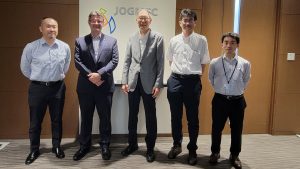
    The Lofdal project, located in northern Namibia, is a joint venture between Namibia Critical Metals and the Japan Organization for Metals and Energy Security (JOGMEC).

    Lofdal: A unique heavy rare earth elements opportunity

    Lofdal stands out as one of only two primary xenotime projects under development globally. The deposit has significant potential for producing dysprosium and terbium, the two most valuable heavy rare earth elements used in high-powered magnets.

    The joint venture with JOGMEC underscores Lofdal’s promise as a long-term, sustainable supplier of heavy rare earths critical to Japan’s technological and energy sectors.

    Updated MRE results

    The updated MRE was independently prepared by The MSA Group of South Africa. The estimate is based on extensive geochemical analyses and density measurements of core samples obtained through diamond drilling and drill chips from reverse circulation drilling conducted by Namibia Critical Metals between 2010 and 2023.

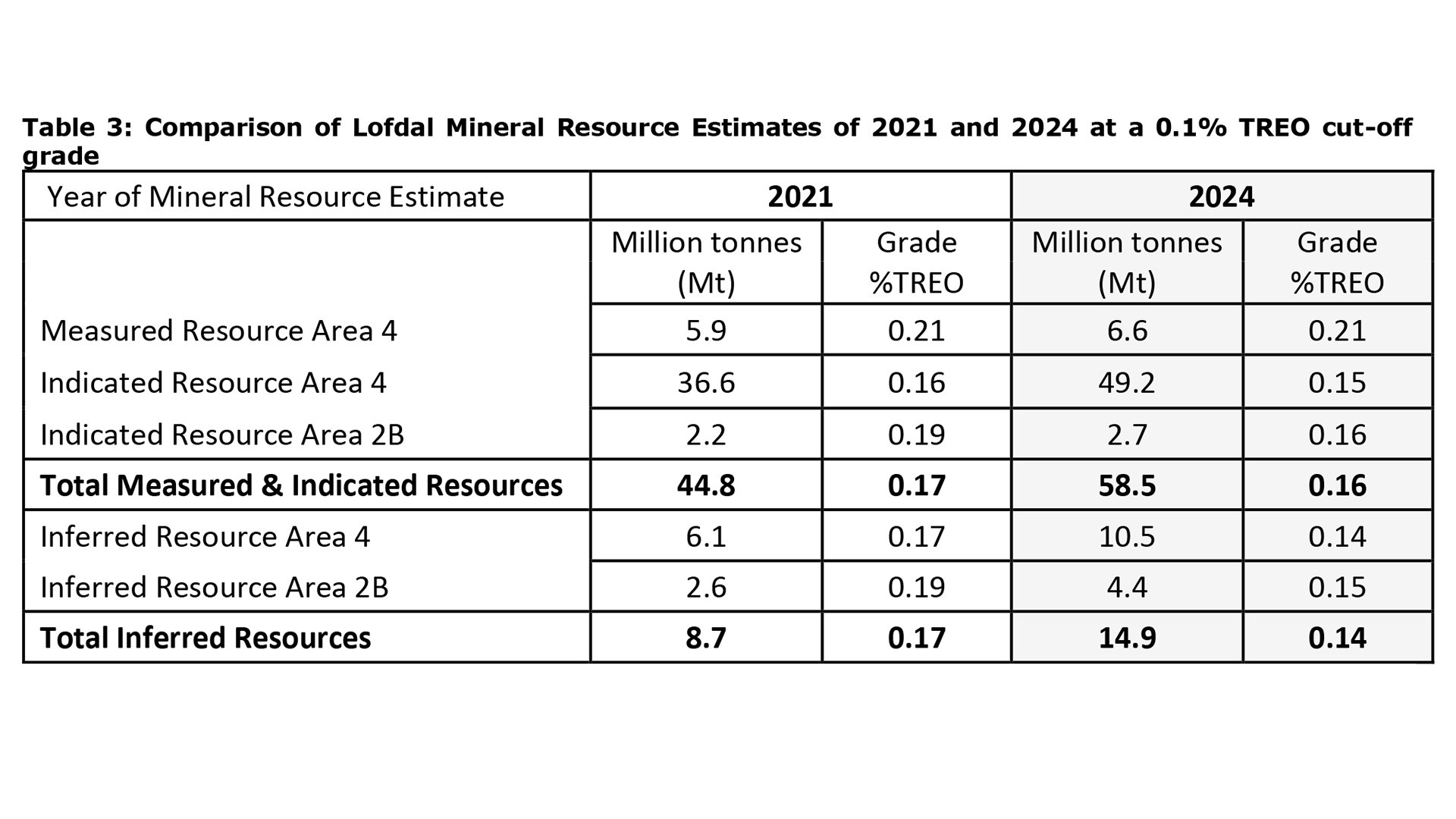
    The resource estimate utilised a 0.1% Total Rare Earth Oxides (TREO) cut-off grade, combined with a whittle-optimised pit shell, to demonstrate reasonable prospects for eventual economic extraction (RPEEE).

    The mineral resources are categorised as Measured, Indicated, and Inferred, adhering to the Canadian Institute of Mining, Metallurgy and Petroleum (CIM) Best Practice Guidelines (2019) and reported in accordance with the 2014 CIM Definition Standards, incorporated by reference into National Instrument 43-101 (NI 43-101).

    The Qualified Person (QP) for this estimate, Jeremy Witley, BSc Hons, MSc, affirms that the resources at the selected cut-off grade show reasonable prospects for economic extraction, considering mining and processing assumptions.

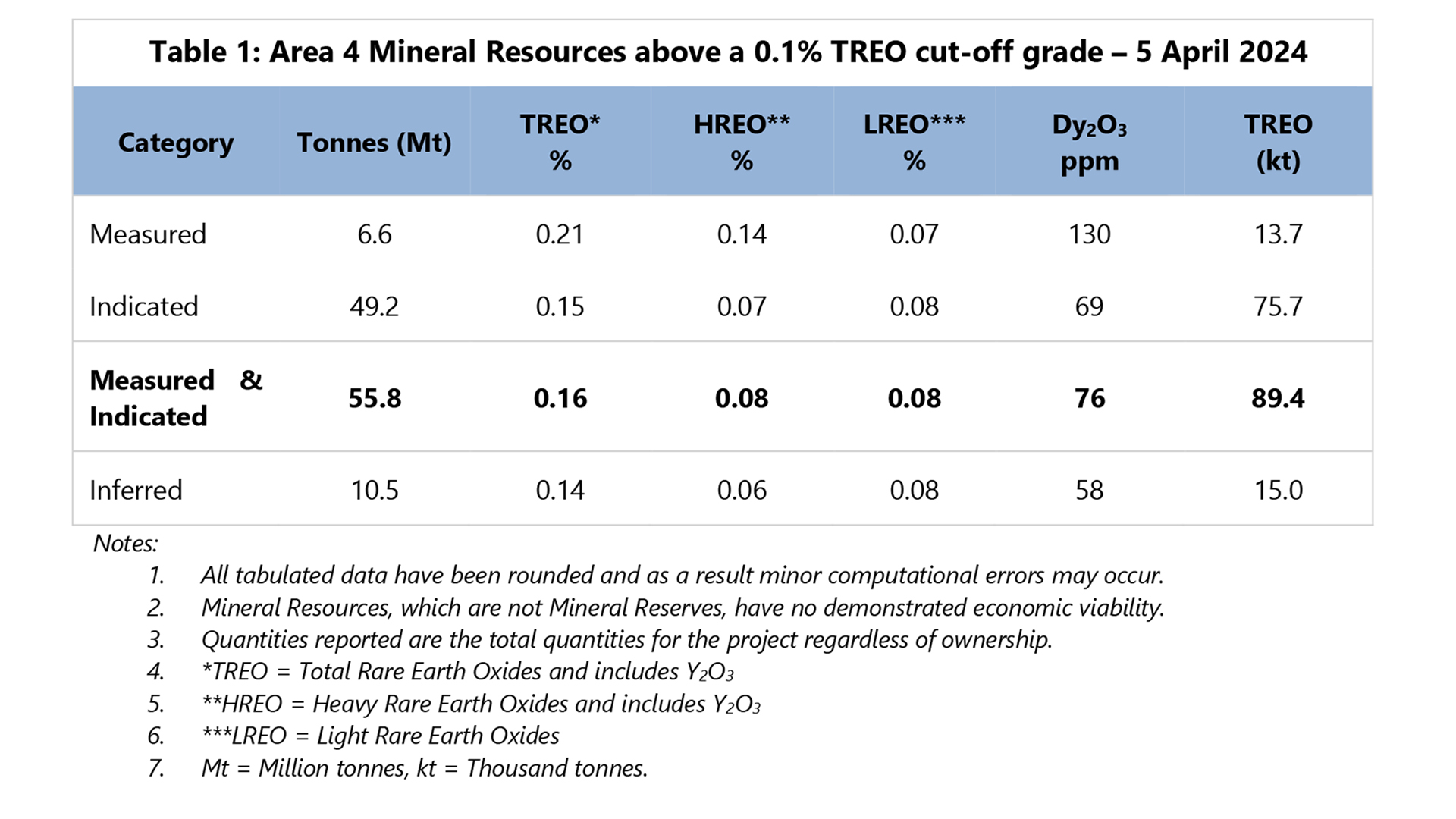
    Expansion of Area 4 resources

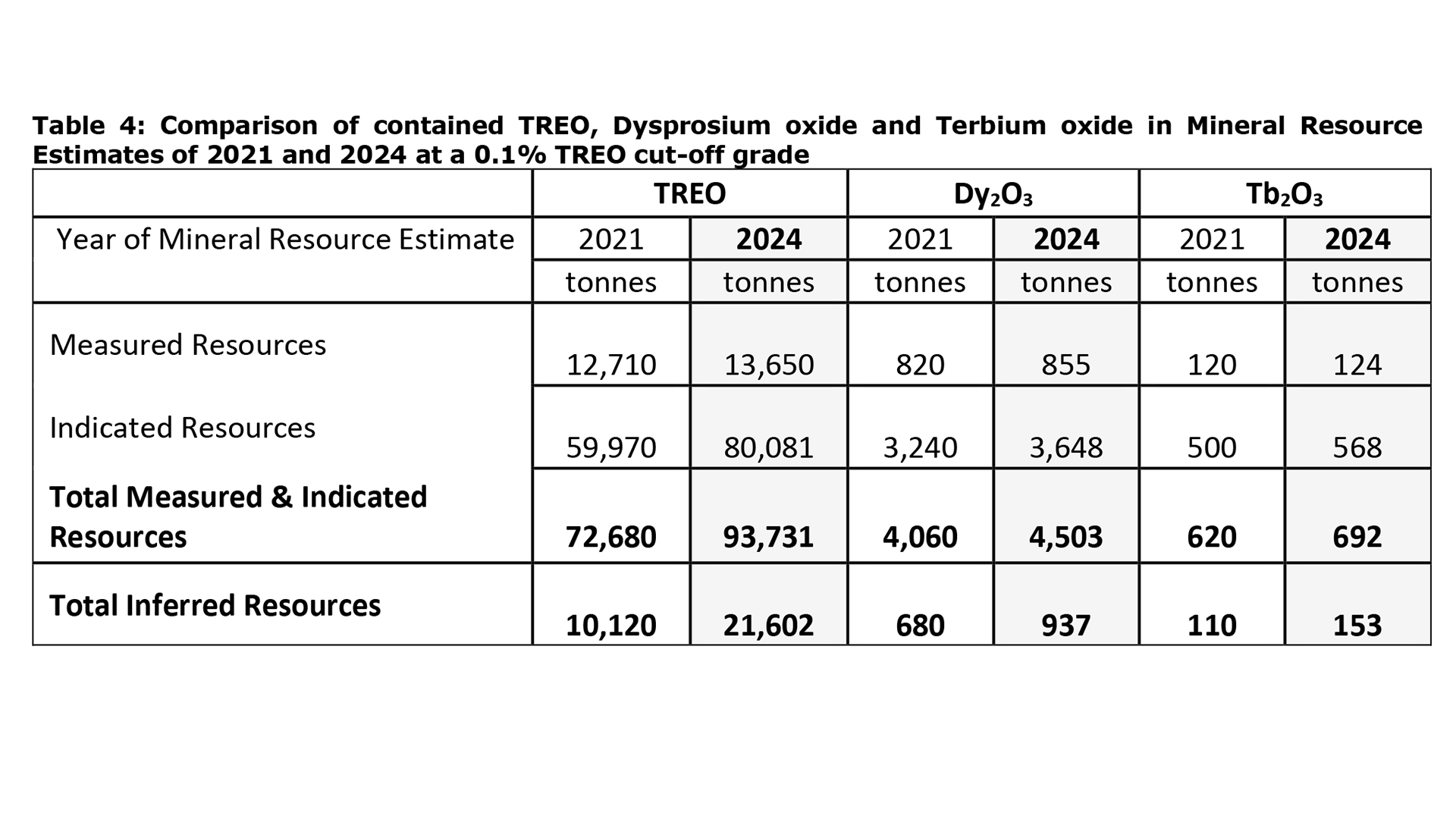
    The Area 4 Mineral Resource Estimate has seen a significant increase from the previous estimate dated May 12, 2021 (see Tables 3 and 4).

    This increase is attributed to additional drilling, which has expanded both the indicated and inferred mineral resources.

    Changes in economic input parameters used to define the optimised pit shell for determining RPEEE also contributed to this growth.

    Notably, the inferred mineral resources have increased in tonnage due to additional reverse circulation drilling, which extended the resource in a northeasterly direction along the strike.

    This updated MRE reaffirms the substantial potential of the Lofdal project, positioning it as a key player in the global supply of critical heavy rare earth elements.

    [ad_2]

    Source link

  • Germany, France, and Italy outline €2.5bn critical minerals funds

    Germany, France, and Italy outline €2.5bn critical minerals funds

    [ad_1]

    Three of Europe’s leading economies – Germany, France, and Italy – have detailed their critical minerals investment plans worth €2.5bn.

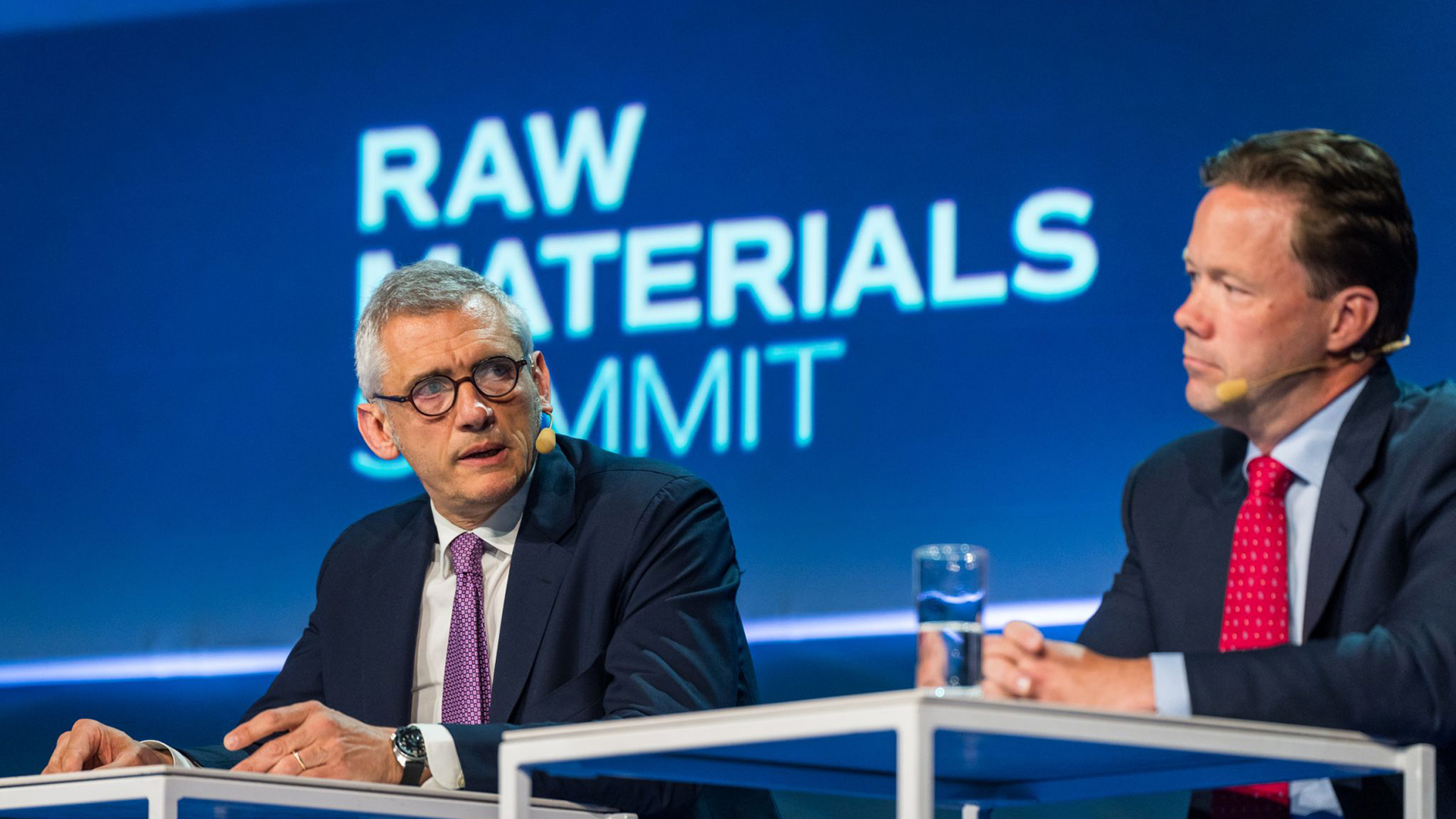
    Speaking at this year’s edition of the Raw Materials Summit in Brussels, representatives from the three leading nations presented their critical minerals public funds and discussed how they plan to galvanise investment in the sector.

    Combined, the countries will deploy around €2.5bn of public funding, which they are aiming to bolster significantly by attracting private investment.

    All three nations plan for the capital to be available by the summer and will focus on investing in domestic mining, processing, and recycling operations to secure stable supply chains for critical raw materials.

    The country’s investment plans will cover over 30 critical minerals outlined in the EU’s Critical Raw Materials Act (CRMA), with a special focus on lithium, copper, and rare earth elements.

    Germany’s critical minerals plans

    Germany’s representative, Jan Klasen, director of the KfW Development Bank, explained that Germany will invest €1bn into critical raw materials, which will be managed by KfW.

    Klasen explained that the German Government will take a minor stake in invested projects and will aim to cultivate additional funding.

    Germany also plans to establish a raw materials committee that will spearhead the approval of raw materials projects.

    France to invest €500m

    France’s plans to fund €500m to the country’s national minerals fund was announced by Benjamin Gallezot, an official within the French prime minister’s office.

    Additionally, the privately-run Infravia Capital Partners will be tasked with generating additional funding, with France hoping to raise €2bn in total.

    These investments will be used to advance the entire value chain for critical raw materials in France.

    Italy announces €1bn funding

    The Italian Government introduced the ‘Made in Italy’ fund last December, which will see an investment into critical minerals of €1bn.

    At the Summit, Alberto Castronovo from the Ministry of Enterprises and Made in Italy, explained how Italy expects an additional €1bn in private investment.

    [ad_2]

    Source link

  • BRE signs rare earths export approvals and partnership with INB

    BRE signs rare earths export approvals and partnership with INB

    [ad_1]

    Brazilian Rare Earths Limited (BRE) has announced it has agreed on major export approvals and partnerships for its industry-leading rare earth elements projects.

    BRE has secured official registration and consent from The Brazilian National Nuclear Energy Commission, enabling BRE to export its mineral products, such as rare earths/monazite concentrates.

    The company has also established a non-binding MoU with Indústrias Nucleares do Brasil (INB), the state-owned Brazilian nuclear company.

    INB is responsible for all aspects of the production and commercialisation of nuclear materials in Brazil, including the approvals for exporting any mineral ore or concentrate containing nuclear materials.

    The MoU will focus on potentially valuable uranium co-products from BRE’s rare earth projects in the Rocha da Rocha province.

    Brazilian Rare Earths’ MD and CEO, Bernardo da Veiga, commented: “The granting of the export licence and the partnership with INB marks an important milestone for BRE.

    “We look forward to working closely with INB and appreciate the opportunity to contribute to the development of Brazil’s untapped critical mineral resources, including the potential to leverage INB’s extensive experience in uranium development to investigate the potential for downstream processing capacity in Brazil.”

    Rare earth export agreement

    This authorisation grants BRE the necessary approvals to export high-grade mineral samples to international laboratories for further testing.

    This supports future production-scale exports, contingent on standard local business and logistical procedures.

    Details of MoU with INB

    Under the terms of the MoU, BRE and INB have agreed on several key points. Firstly, BRE’s development plan focuses on producing and exporting rare earth concentrate for downstream processing.

    Additionally, BRE’s uranium co-product may be offered to INB, domestically or internationally, based on commercial terms that the two parties will negotiate, contingent on economic feasibility.

    INB and BRE will also negotiate a compensation agreement to cover BRE’s costs for producing and separating the uranium by-product, including an agreed profit margin.

    INB will assist BRE in obtaining the necessary regulatory permits and approvals for the development of BRE’s rare earth projects.

    Both parties have agreed to collaborate on researching processing methods for rare earth concentrates, including those with a uranium co-product, to enhance downstream processing capacity in Brazil.

    Furthermore, INB will, where feasible, provide BRE access to its research and development facilities.

    INB’s President, Adauto Seixas, added: “Brazil has a long-standing, successful nuclear power industry. BRE’s discovery may provide Brazil with significant additional uranium resources and INB will work with BRE to ensure that it can be developed for the benefit of all Brazilians.”

    [ad_2]

    Source link

  • Untapping the potential of the world’s largest cryolite mine

    Untapping the potential of the world’s largest cryolite mine

    [ad_1]

    An old cryolite mine and an untapped rare earth endowment hold unique importance for greater powers than its junior Australian owner.

    A chasm of an open pit resting on the banks of the fjords of the Labrador Sea looked more the part of a biblical disaster than a mine.

    However, the Greenlanders of the twin settlements of ‘Green Valley’ Kangilínguit and Grønnedal didn’t build their townships around a cataclysm, but Ivigtût, a massive and singular known naturally occurring source of cryolite.

    Greenland’s historical mining importance

    Ivigtût was mined for a century and a half before the shutters came down in 1987, and the pit was drowned with water. The story of what is now Ivittuut is not over, as there, within eyesight amid the melting snow, lies a mineral endowment holding strategic importance for greater powers than its Australian owner.

    The semi-autonomous nation of Greenland has long had a unique global value. Long before the ambitious Donald Trump announced intentions for the US to buy Greenland off Denmark in 2019, then-US president Harry Truman proposed its purchase as a geographical defence against Soviet bombers. During Truman’s 1945-53 leadership, the area now known as Kangilinnguit had been in US hands, with the US military protecting its prized cryolite quarry area during World War II. Later, the US handed back the area dubbed Green Valley to the Danish in 1951.

    Greenland is of different importance in modern times. As the ice melts and lucrative sailing routes open, untapped resources have again captured the attention of major geopolitical powers. China views Greenland as an entry point into the Arctic, the United States as its northernmost military presence, and both as potentially massive sources of rare earth elements.

    © shutterstockKrivosheev/Vitaly

    The Grønnedal Rare Earth Project

    Eclipse Metals views a slice of Greenland as its own after looking north in 2021 and seeing a well-studied but neglected pair of assets at Ivittuut and the company’s Grønnedal Rare Earth Project.

    The Executive Chairman of Eclipse, Carl Popal, discussed the importance of the project and Greenland’s potential in the critical minerals market. He said: “The project was a good deal, with a lot of untapped potential, which needed to come to the surface and be rejuvenated. These historical facts and figures warrant exploration. While this pursuit is scientific in nature, it does not preclude the discovery of geological veins of prosperity.”

    A scratch through the surface of the Grønnedal project, which became Eclipse’s maiden resource, proved its acquisition had more than the benefit of location.

    A 1.18 million tonne resource grading 6859 parts per million (ppm) total rare earth oxide came from the surface of Grønnedal to a shoveler’s depth of 9.5m. All mineralised holes ended in high-grade rare earth, and the resource remains open wherever you look while representing a small fraction of what is a largely untested carbonatite intrusive.

    Popal notes it has all the signatures of being among, if not the largest, rare earth deposit in Europe. He said: “The geophysical results suggest the potential depth of up to 500m, yet we haven’t drilled to such an extent. The resource within the single lens is about 80,000 tonnes per vertical metre, there are more lenses within the carbonatite footprint which we haven’t even touched yet.”

    The raw size has yet to be fully encapsulated by the JORC code mineral resource estimate, and while rare earth deposits can be complicated, multiply the 2200 tonnes of contained neodymium in the current resource alone by its selling price to see a value roughly five times Eclipse’s current market cap on the Australian stock market.

    Eclipse’s helmsman tips they could pump those numbers up pretty easily if they wanted to. Popal noted: “People are actually considering drill results of 500-600 to 1000 ppm to be promising. Here at Grønnedal Hills, we are calculating our resource with a cutoff of 2000 ppm in just the small area we have explored within the carbonatite footprint!”

    © shutterstockP/Leveille

    Tapping into new cryolite resources

    It’s even more exciting, considering this is just the Grønnedal project. An old cryolite mine and its unique geology give a sense of how incredible this area’s scale and potential are.

    Describing this cryolite mine, Popal explained: “It was formed like a big cannon firing from the centre of the earth, in a pipe-like structure, and it shot out a whole pile of minerals like a club sandwich. The mine, with over 130 years of history, was active from the late 1800s to the late 1980s. It was first mined for lead and silver, then for the rare mineral cryolite. Some cryolite still exists there within the pit environment. Below that was silica, zinc, and quartz, not what they were after historically, and so it was just left behind without even assaying the core!”

    With the company now having access to the 19,000m of cores, Eclipse has this resource to tap and is planning to soon take a proper look at the partially mined marvel at Ivittuut. On the subject, Popal says: “We’re assessing the core further, and throughout the summer, we’ll be having an extensive programme trying to understand below within the pit to see what’s going on.”

    There is a lot of value within the pit environment, with the real prize likely to be high-purity silica, a presumably common but strikingly finite resource whose demand for high-purity products is soaring due to modern technology.

    Lower-end products are ubiquitous in the glass and concrete that are used to build our cities. Despite the market shortage of high-purity silica quartz, Popal highlights the challenges in identifying suitable end-use products for chip manufacturing, solar and other applications. He said: “If we really look at the tech industry, high-purity silica is as critical as anything, and demand is growing massively for semi-conductors and silica wafers.”

    China is conducting extensive sea dredging in search of high-purity silica quartz but it is encountering challenges. The pit first needs to be dewatered for Eclipse to take its own look at depth, but the company won’t be delving into the bottom without a plan in place. As Popal said: “Following a process is part and parcel of developing a big project. The plan is to make sure all our permits are in place to have access to the bottom and open for offtake.”

    Seizing the opportunity

    Because of all the fascination with geopolitics surrounding Greenland and its untouched trove of commodities, Eclipse has a job to do in finding them.

    Popal concludes: “We’re putting our hands together to develop this, but we’re a small company and understand that there’s an opportunity here. We will act in the best interests of our shareholders, and per the saying ‘first in, best dressed’, better quality will be available to those who seize this opportunity first. The potential in Greenland is massive, and the world knows that, but if people are going to procrastinate, it will be their loss.”

    Written by Jack Baker, Market Open

    Please note, this article will also appear in the 18th edition of our quarterly publication.

    [ad_2]

    Source link
  • A globally significant heavy rare earth deposit

    A globally significant heavy rare earth deposit

    [ad_1]

    Namibia Critical Metals, together with its strategic partner, JOGMEC, is rapidly accelerating development of its flagship Lofdal heavy rare earth deposit in Namibia.

    Namibia Critical Metals Inc. (TSXV:NMI  OTCQB:NMREF) is developing the Tier-1 heavy rare earth project, Lofdal, which is a major deposit of the heavy rare earth metals dysprosium and terbium.

    Demand for these critical metals used in permanent magnets for electric vehicles, wind turbines and other electronics is driven by innovations linked to energy and technology transformations.

    The geopolitical risks associated with sourcing many of these metals have become a repeated concern for manufacturers and end users. Namibia is a proven and stable mining jurisdiction. The Lofdal project is fully permitted with a 25-year Mining License and is under a Joint Venture Agreement with the Japan Organization for Metals and Energy Security (JOGMEC).

    About heavy rare earths

    Dysprosium and terbium, alongside neodymium and praseodymium (NdPr), are critical metals required to make permanent magnets for EV motors. Historically, China has had a stronghold on the heavy rare earths market. Japan is ahead of other Western economies in terms of limiting that overwhelming dependence on China.

    Still, North America and Europe are starting to catch up in the scramble to wean off from Chinese supply. Lofdal is a mainly dysprosium and terbium deposit and one of only two xenotime-type heavy rare earth deposits under development in the world, as far as we are aware.

    Strong partnership

    In 2020, Namibia Critical Metals entered a transformational transaction with the Japan Organization for Metals and Energy Security (JOGMEC), a state agency with a multi-billion dollar annual budget and a mandate to secure the supply of natural resources for Japanese industry. A decade ago, JOGMEC did a JV with a little-known light rare earth Australian explorer that is now one of the largest rare earth companies in the world, Lynas Rare Earths. After funding Lynas with over US$300m to date to secure a supply of light rare earths, JOGMEC has turned its eyes to Lofdal as a potential long-term supplier of dysprosium and terbium. Japan is the biggest consumer of dysprosium after China.

    Under the JV agreement, JOGMEC can fund C$20m in exploration and development, with the right to earn a 50% interest in Lofdal. JOGMEC can also purchase another 1% for a controlling stake, at which stage NCMI can either participate at 44% or dilute to a carried working interest of no less than 21%. Besides securing project financing, possibly with no further dilution for our shareholders, through this transaction, we are also receiving an operator fee that covers many of our overheads.

    As of this date, JOGMEC has secured an initial interest of 40% in the project by meeting the $10m expenditure requirement for Term 1 and Term 2. JOGMEC has committed additional funds to the ongoing exploration and development programme for Term 3, and the total committed funding for the project now totals C$14,541,000 through 31 March 2025.

    The Company is currently completing a corporate restructuring to facilitate JOGMEC’s holding of its initial 40% interest in the Lofdal project as they move into Term 3 of the agreement.

    Darrin Campbell, CEO of Namibia Critical Metals, said: “Our joint venture with JOGMEC has delivered tremendous results with a six-fold increase in our resource, securing a 25-year mining licence and delivering a very robust Preliminary Economic Assessment in November 2022 for a much larger planned mining operation and we work towards delivering a Pre-Feasibility Study in late 2024. We firmly believe that Lofdal will be a globally significant source of heavy rare earths.”

    Darrin explained: “Most rare earth projects contain mainly light rare earths, meaning that they can produce little or negligible amounts of dysprosium and terbium,” pointing out that the quantity of heavy rare earth metals the Lofdal Project can produce is a real competitive advantage.

    Another advantage is the project’s actual location. One of the biggest challenges for the rare earth industry is China’s continued stranglehold and dominance in the supply and processing of natural resources. The geopolitical risks associated with sourcing many of these metals have become a repeated concern for manufacturers and end users.

    By contrast, Namibia is a stable mining jurisdiction that supports and recognises the importance of mining to the country. Darrin said: “There is little mining activity in north-western Namibia, and the discovery of an economic deposit in this region would have significant economic benefits for the local population. We have established excellent relationships with all levels of government, as well as with the wider community in which we work.”

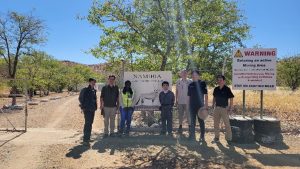
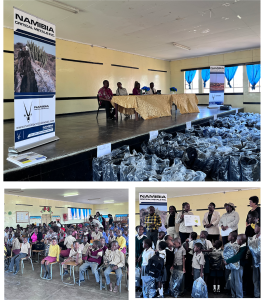
    Impressions from the handover of school uniforms at Primary Schools in Khorixas and Fransfontein

    Project milestones

    In 2020, the company published an impressive increase to its 2012 maiden resource with the filing of an updated NI 43-101 Resource Estimate. A very valid criticism in the past was that the project was too small, with a resource of only six million tonnes and a life of mine of seven years. These early criticisms have been completely dispelled: After a significant drilling campaign in 2020, we increased the size of our resource from 6 MT to an impressive 53 MT, with 4.7 million kilogrammes of contained dysprosium and 725,000kg of terbium.

    In October 2022, a robust Preliminary Economic Assessment (PEA) was filed, incorporating the new larger resource and significant investment in processing and beneficiation. The PEA showed an increased mine life from seven years to 16 years and an after-tax NPV of USD$391m.

    In 2023, the company completed an 11,000m in-fill drilling campaign, significantly increasing the resource. The updated NI 43-101 Mineral Resource Estimate, announced on 9 April 2024, shows another 38% increase in contained dysprosium and a 39% increase in contained terbium in the Inferred resources.

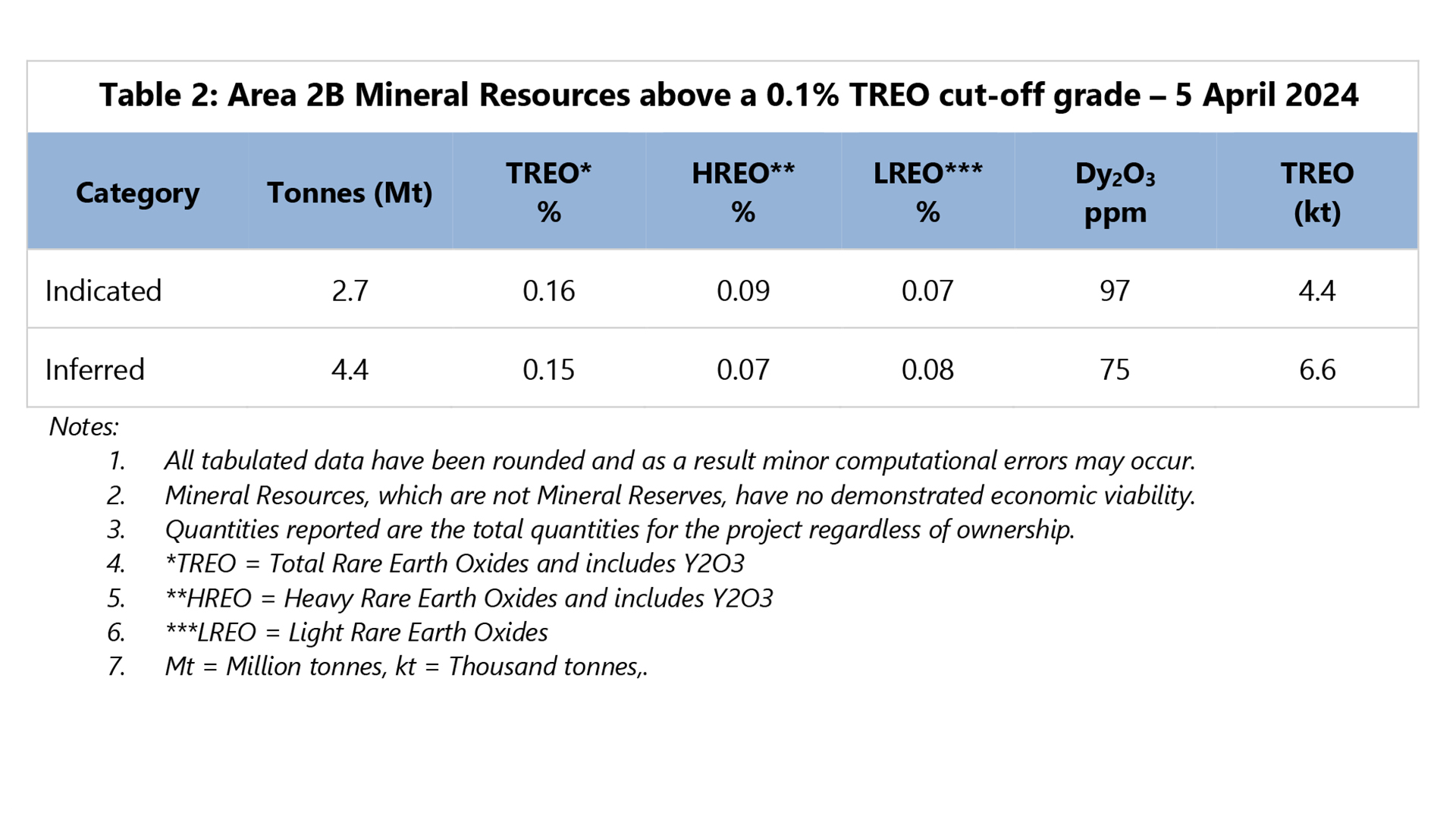
    Darrin stated: “We are very pleased with the continued success of our development approach at Lofdal. With just under 11,000m of drilling last year, we have increased the overall contained rare earth tonnage by an impressive 37%. The Measured and Indicated resource shells at Lofdal 2B and four contain over 4,500 tonnes of dysprosium oxide and over 690 tonnes of terbium oxide, which clearly establishes Lofdal as a globally significant heavy rare earth deposit. The updated resource will be incorporated into our Pre-Feasibility Study for ‘Lofdal 2B-4’ currently underway and expected to be completed in Q3 2024.”

    © shutterstock/Hendrik Werner

    ESG Activities

    Darrin affirms: “We’ve always put a major focus on local employment and supporting the communities in which we work; we have a very strong ESG and Corporate Outreach Programme in Namibia.” Social projects include support for a local orphanage and the recent establishment of an early learners’ programme to support children’s education.

    The Company expanded its ‘Early Learner’s Assistance Program’ with the start of the 2023 school year. The Company handed over 200 school uniforms and backpacks to five primary schools situated around the Lofdal project, four schools in Khorixas and one in Fransfontein. The handover ceremonies were accompanied by the co-ordinator of the Early Learner’s Assistance Program from the Ministry of Education, representatives from the Traditional Authority, Conservancies, and the company.

    Darrin Campbell stated: “I am extremely proud of the work our team has done in the communities surrounding our project in Namibia. We have been very involved in supporting our communities for over a decade with ongoing financial support for a local orphanage in Khorixas, providing drilled water wells for local farmers near Lofdal and now the start of our Early Learner’s Assistance Program. We have modelled this fantastic programme after the programme that was created by our corporate shareholder, Bannerman Energy, a few years ago, for which they were awarded this year’s Mining Indaba ESG Forum Award for Community Engagement.”

    As a result of these and other efforts our team has made over the years to engage with our communities, NCMI and the Lofdal Project were recently elected as CSR Best Practices by the Namibian Association of Community-Based Natural Resource Management (NACSO).

    Please note, this article will also appear in the 18th edition of our quarterly publication.

    [ad_2]

    Source link
  • Scandium Canada signs Crater Lake project deal with Naskapi Nation

    Scandium Canada signs Crater Lake project deal with Naskapi Nation

    [ad_1]

    Scandium Canada Ltd. has announced the signing of a significant Pre-Development Agreement with the Naskapi Nation of Kawawachikamach regarding its Crater Lake scandium and rare earth project in Québec, Canada.

    This milestone agreement paves the way for pre-development activities on the Crater Lake project’s property, highlighting a collaborative effort between the company and the indigenous community.

    CEO Guy Bourassa commented: “I am very glad that we have been able to come to this initial Agreement in a positive and timely manner, clearly confirming our mutual interest in the development of the Crater Lake Project in respect of the parties’ benefit and coexistence on the territory. We are excited and are looking forward to the next season of activities at Crater Lake.”

    Mutually respectful relationships established

    The Agreement fosters a mutually respectful relationship between Scandium Canada and the Naskapi Nation concerning all pre-development activities related to the Crater Lake project.

    Recognising the Naskapi Nation’s inherent aboriginal and treaty rights over certain territories within the project area, the Agreement sets the foundation for collaborative communication and consultation to ensure mutual benefit while acknowledging the importance of the environment and traditional territory.

    Scandium Canada commits to including all interested parties in discussions regarding its pre-development activities. This inclusive approach demonstrates the company’s commitment to engaging with stakeholders and addressing community concerns throughout the project’s lifecycle.

    While the Pre-Development Agreement focuses on early-stage activities, it is essential to note that the construction, operation, and decommissioning of any mine or related facility will be addressed in a separate Socio-Economic Participation Agreement (SEPA), also known as an Impact and Benefit Agreement (IBA).

    This Agreement will be negotiated and concluded before Scandium Canada proceeds with potential mine implementation and authorisation.

    Crater Lake project overview

    The Crater Lake project stands as one of the largest primary scandium projects globally. With an NI 43-101 compliant Preliminary Economic Assessment (PEA) completed in 2022 and ongoing work towards a pre-feasibility study, the project holds significant promise for the region.

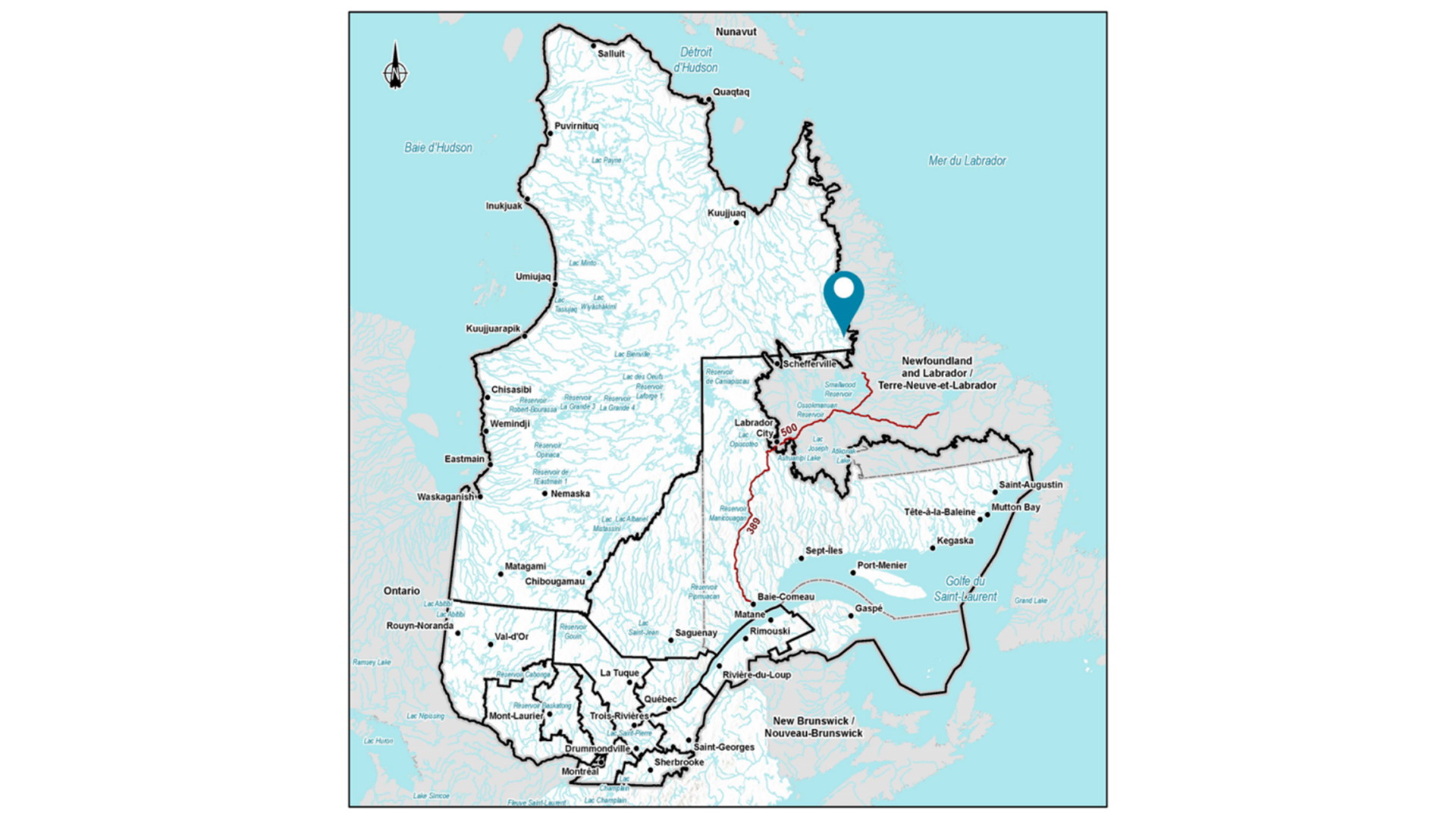
    Situated in northern Québec, approximately 200 km Northeast of Schefferville and 400 km south of Kuujjuaq, the project’s location is strategically positioned for development.

    Crater Lake project
    Credit: Scandium Canada

    Naskapi Chief Theresa Chemaganish added: “Our Nation has a long history with mining activity which has left scars on our land and on our hearts.

    “Until recently, mining exploration was conducted with minimal respect for our rights, despite the fact that our ancestors have occupied Nuchimiyuschiiy, our traditional territory, for millennia, alongside our Innu, Cree, Inuit and more recently, non-Indigenous neighbours.

    “The Pre‑Development Agreement between the Naskapi Nation and Scandium Canada demonstrates that reciprocity is a core value and is reflected in their intent to include the Naskapi Nation in all steps of the development of the project while also offering the Naskapi Nation the opportunity to determine if the project will go ahead. That is the true spirit of partnership, where both parties plan, decide and benefit together.”

    The signing of the Pre-Development Agreement between Scandium Canada and the Naskapi Nation marks a significant step forward for the Crater Lake project.

    With a focus on mutual respect, collaboration, and environmental stewardship, this Agreement sets a positive precedent for responsible resource development in Canada.

    As discussions continue, all stakeholders remain engaged in shaping the project’s future in a manner that benefits both the community and the company.

    [ad_2]

    Source link

  • ETM’s lithium exploration strategy for sustainable energy

    ETM’s lithium exploration strategy for sustainable energy

    [ad_1]

    With lithium exploration ramping up in Canada and Spain, the resource developer digs in to advance its world-class Kvanefjeld rare earths deposit in Greenland and strengthens its team.

    While the lithium sector has had a bumpy ride recently, the long-term prognosis for the metal remains extremely positive, given its strong market fundamentals.

    Lithium has emerged as a critical component in producing rechargeable batteries for electric vehicles and renewable energy storage systems as the world transitions towards a cleaner and more sustainable future.

    The global shift towards electrification has been driving a growing demand for lithium-ion batteries as countries aim to reduce their carbon footprint and combat climate change.

    With its unique properties and robust long-term market fundamentals, lithium presents a compelling opportunity for exploration companies like Australian-based Energy Transition Minerals Ltd (ASX: ETM).

    Acquisition of two lithium exploration projects in Québec

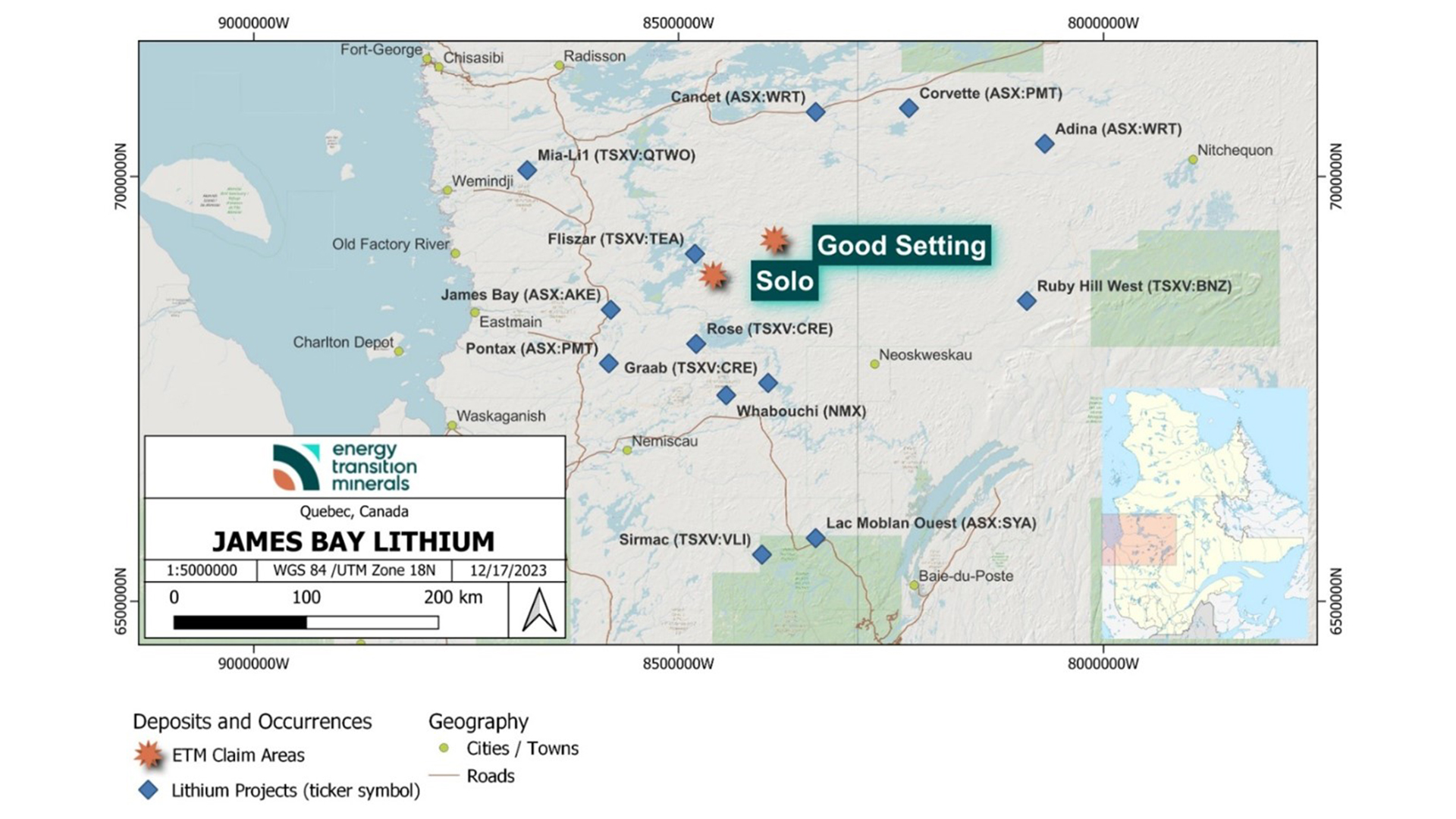
    The Melbourne-headquartered company recently announced the acquisition of two exciting lithium exploration projects in Québec, located within Canada’s highly prospective James Bay area – one of the world’s premier emerging lithium provinces.

    The addition of the Solo and Good Setting Projects to ETM’s global portfolio marks a significant milestone for the company as it expands its operations into this mineral-rich region, known for its recent world-class lithium discoveries.

    Benefits of the James Bay area

    The James Bay area in Québec, has gained significant attention in recent years due to its exceptional potential for large-scale lithium deposits. The region is characterised by its favourable geological settings, including pegmatite intrusions, which are known to host high-grade lithium deposits.

    Notable lithium discoveries in the area, such as the Whabouchi and Rose Projects, have demonstrated the region’s immense potential and have attracted the interest of numerous exploration and mining companies.

    Fig. 1: Map of original Solo claims, and the 52 new claim blocks recently acquired by ETM

    Energy Transition Minerals’ decision to explore lithium in the James Bay area is underpinned by several key competitive advantages – including established infrastructure, a supportive regulatory environment, and access to skilled labour.

    The James Bay region benefits from well-developed infrastructure, including road access, power lines, and proximity to deep-water ports. This high-quality infrastructure network facilitates efficient exploration activities and reduces the costs associated with project development. On the policy front, the Québec Government has implemented favourable policies and incentives to encourage mineral exploration and mining activities in the province.

    These policies and a streamlined permitting process create a supportive environment for companies like ETM to advance their projects. Québec also boasts a highly skilled and experienced workforce in the mining sector. The availability of local expertise and services ensures that exploration activities can be conducted efficiently and effectively.

    Capitalising on the growing demand for lithium

    The commencement of lithium exploration at the Solo and Good Setting Projects represents an exciting opportunity for ETM to capitalise on the growing demand for lithium and contribute to the global transition towards clean energy. With its strategic location, favourable geological settings, and supportive government policies, the James Bay region provides an ideal platform for the company to unlock the potential of lithium and create value for its shareholders.

    Earlier this year, the company also announced the commencement of its second drilling programme at the highly promising Villasrubias Lithium-Tantalum Project, located in central-western Spain. This new exploration phase follows the successful initial drilling campaign conducted in Q2 2023, which led to the discovery of significant high-grade lithium and tantalum mineralisation, including intervals grading up to 1.23% Li2O with accessory tin and tantalum.

    The new drilling programme will initially comprise up to 2,000 metres of drilling across 14 holes, with a maximum drill depth of approximately 150 metres. The company has engaged Geoplanning, an experienced drilling contractor, to conduct the program using two diamond drilling rigs.

    The drilling campaign is expected to span over eight weeks, with assay results to be published progressively as they become available. This second drill campaign is based on the outcomes of an extensive geophysical report, which was developed by TECNICAS GEOFISICAS with the University of Salamanca’s participation, providing valuable insights and targets for the company’s exploration activities.

    A comprehensive rehabilitation programme was also prepared as part of ETM’s commitment to sustainable and responsible mining practices. This included sealing drill holes and replanting with native plant species to prevent erosion, control dust, and enhance land stability. ETM has also secured land access agreements with six local landholders, reflecting the company’s dedication to community collaboration and environmental stewardship.

    ETM’s local partner, Technology Metals Europe sl (TME), has signed a collaboration agreement with the University of Salamanca and the Spain Institute of Geology and Mining (IGME) to further the development of exploration projects in the region. This partnership underscores ETM’s commitment to engaging with the local community and leveraging regional expertise to advance its projects responsibly.

    Kvanefjeld Rare Earth Project

    Meanwhile, at the company’s foundational asset, the world-class Kvanefjeld Rare Earth Project in Greenland, ETM has taken decisive action to protect shareholders’ interests by filing a statement of claim with the International Arbitration Court in Copenhagen against the Governments of Greenland and Denmark.

    With JORC-compliant resources of over one billion tonnes, Kvanefjeld is one of the world’s largest deposits of rare earth elements (REEs). These elements are crucial for the global energy transition and have the potential to fundamentally change the balance of the global rare earth market.

    Given its strategic geopolitical significance, ETM believes that every avenue to advance the project to production must be explored to unlock the enormous inherent value in the deposit for the benefit of all stakeholders. This involves acting on the legal front by activating the dispute resolution mechanism embedded in the licence contract and working in parallel with all stakeholders and strategic partners to find a negotiated path to development while allaying and addressing the legitimate concerns of all parties.

    The current legal situation focuses on the progress of the arbitration proceedings regarding whether Act 20 applies to the Kvanefjeld Project. In January 2024, the Arbitral Tribunal, by a majority decision (two out of three arbitrators), ordered GMAS to provide security for the legal costs of the Greenland and Denmark Governments if these governments were to prevail in the arbitration and GMAS was ordered to pay some or all of their legal costs; the company agreed with that order and believes that it has a strong case in its favour.

    It is important to note that the Tribunal’s decision on security for costs is an interim decision. It does not ultimately determine any other issue in dispute between GMAS and the two governments.

    Engagement in Greenland

    In the meantime, ETM has taken steps to deepen its engagement and operations in Greenland, particularly in renewable energy and sustainable development, to support the future development of the Kvanefjeld REE project. This was evidenced recently by the appointment of Svend Hardenberg as the company’s Greenland Strategic Advisor to the Board. Svend is a highly respected Greenlandic businessman and former politician whose role is to help guide ETM’s strategic initiatives, enhance relationships within Greenland, and advocate for the importance of the Kvanefjeld Project as a potential source of critical minerals for the global energy transition.

    The company also recently strengthened its board with the appointment of highly experienced international corporate finance and mining executive, Aris Stamoulis, as an Independent Non-Executive Director. With a distinguished career spanning nearly three decades in corporate and structured finance, Aris previously served as Corporate Finance and Executive Director with ASX-listed rare earths company Hastings Technology Metals, where he played a key role as part of the senior executive team in securing finance for the Yangibana Rare Earths Project in Western Australia.

    A leader in sustainable mining practices

    The appointment brings additional independence and balance to the ETM Board, further enhancing the company’s governance structure. This appointment is a testament to ETM’s proactive approach to ESG and its dedication to maintaining the highest standards of corporate governance. By embracing the recommendations of the ASX Corporate Governance Council, ETM is positioning itself as a leader in responsible and sustainable mining practices.

    As the company continues to advance its critical minerals projects, it remains committed to integrating ESG considerations into its decision-making processes, risk management framework, and stakeholder engagement initiatives. ETM recognises that strong ESG performance is not only essential for the company’s long-term success but also crucial in contributing to the global transition towards a more sustainable future.

    With this addition to the Board, Energy Transition Minerals is well-positioned to navigate the evolving ESG landscape, meet the expectations of its stakeholders, and deliver on its promise of supplying critical minerals essential for the global energy transition while maintaining the highest standards of environmental, social, and corporate governance.

    The company remains focused on developing and financing supply chains for metals and materials critical to the world’s decarbonisation. With exploration projects in Western Europe, North America, and Greenland, ETM is well-positioned to contribute to the global energy transition while adhering to the highest sustainability standards and responsible mining practices.

    Please note, this article will also appear in the 18th edition of our quarterly publication.

    [ad_2]

    Source link
  • BCM releases exceptional MRE for the Ema project

    BCM releases exceptional MRE for the Ema project

    [ad_1]

    In a monumental stride towards reshaping the landscape of rare earth element (REE) production, Brazilian Critical Minerals Limited (BCM) has unveiled its maiden Mineral Resource Estimate (MRE) for the Ema project.

    Located in  Apuí, Amazon, Brazil, the Ema and Ema East projects, collectively known as the Ema project, share almost identical characteristics with the ionic REE deposits developed over felsic volcanic rocks in southwest China, the world’s largest known ionic clay region.

    The MRE unveiling marks a significant milestone not only for BCM but also for Brazil as it positions itself as a formidable contender in the global REE market.

    The inferrred MRE, encompassing a staggering 1,017 million tonnes (Mt) @ 793 parts per million (ppm) Total Rare Earth Oxides (TREO), underscores the immense potential harboured within Brazil’s REE-rich territories.

    Andrew Reid, BCM Managing Director, commented: “Today’s announcement is very important for the Company and our shareholders as it now sets us on a path towards development.

    “This result places Ema as one of the largest ionic rare earths deposits in the world. The team has done a tremendous job in getting such a large MRE defined in less than one year, which now confirms the immense potential of the Ema project in Brazil.

    “Not only do we have a massive mineral resource of >1 billion tonnes, but we also have >300 million tonnes at grades close to 1,000ppm, which will assist in generating positive financial cash flow models.

    “Opportunities to increase both grade and tonnage remain high due to the extremely conservative global specific gravity (SG) of 1.34, which was applied to the estimated volumes. Additional deeper, less weathered samples from the higher-grade horizon are expected to result in significantly higher SGs.

    “With only 46% of the total area drilled, the team is confident of increasing not only tonnages but believes the opportunities to also increase the grade are well founded and will be tested through the next round of drilling commencing over the coming months. BCM is now well on its way to establishing the Company as a global rare earths leader.”

    Ema project overview

    The Ema ionic REE project emerges as a geological marvel, boasting characteristics akin to the renowned ionic clay deposits found in southwest China—the epicentre of the global REE industry.

    Covering a vast expanse of 189 square kilometres of felsic volcanic terrain, these projects have served as the focal point of BCM’s exploration endeavours. The completion of 194 auger holes totalling 2,749 meters stands as a testament to the Company’s unwavering commitment to unlocking Brazil’s REE potential.

    Exploration strategy

    BCM’s exploration strategy has been strategically anchored on the deployment of auger drilling, a cost-effective and rapid deployment technique that offers unparalleled mobility advantages.

    However, the inherent depth limitations of auger drilling, typically reaching depths of around 20 meters, have posed challenges in fully delineating potential higher-grade zones.

    Moreover, exploration efforts have primarily been concentrated on hill slopes, with limited drilling in valleys and foothills. Recognising the need to delve deeper into uncharted territories, BCM is poised to embark on a comprehensive exploration campaign targeting these underexplored areas to unveil the full mineralisation potential of the Ema project.

    Mineralisation characteristics

    A profound revelation lies in the striking similarity in grade and thickness between the enriched zone within Ema East and the primary Ema project.

    This enrichment, concentrated at the base of the regolith profile, unveils a tantalising opportunity for targeting superior mineralisation utilising drilling techniques capable of penetrating the underlying saprock zone.

    The potential for significant REE enrichment within these zones positions BCM at the forefront of the global REE landscape.

    Leach test results

    Initial leach test results conducted at SGs have validated the presence of substantial ionically adsorbed clays within the Ema project area.

    These tests have showcased high recovery rates for critical Rare Earth Elements, with select elements achieving up to 85% recovery.

    The results confirmed the recoveries of the four most essential rare earths: neodymium, praseodymium, dysprosium and terbium.

    Such outcomes solidify Ema’s status as one of the largest ionic clay-hosted deposits outside of China, positioning Brazil as a formidable contender in the global REE arena.

    Mineral resource estimation

    The inferred MRE for the Ema project has been meticulously delineated based on various cut-off grades.

    Geological modelling, incorporating the Chemical Index of Alteration (CIA), has enabled precise delineation of mineralised horizons, providing invaluable insights into the projects’ resource potential.

    Ema project future plans

    Looking ahead, BCM has outlined an extensive plan for future work on the Ema and Ema East projects, encompassing further infill drilling to identify higher-grade zones.

    The focus will be on deeper drilling to incorporate these zones into the MRE. Additionally, closer-spaced drilling is proposed to enhance classification and data quality.

    Further measurements of specific gravity and metallurgical leaching tests are also on the agenda, both in Brazil and Australia.

    The maiden MRE for the Ema project heralds a new era of rare earth element exploration in Brazil.

    With promising exploration results and a robust plan for future work, BCM is poised to redefine Brazil’s role in the global REE market.

    These projects not only contribute to diversifying the critical minerals supply chain but also position Brazil as a key player in meeting the burgeoning global demand for rare earth elements.

    To read the full results from the MRE, click here.

    [ad_2]

    Source link