The US Department of Energy (DOE) has announced it will fund $15.5m towards two innovative marine energy projects.
With an emphasis on developing tidal and river current energy resources, these projects aim to contribute to a cleaner, more sustainable future for the US by leveraging the nation’s marine energy potential.
Tides and currents provide a predictable source of energy that the DOE says can help balance other renewable sources to establish a fully decarbonised energy grid.
US Secretary of Energy Jennifer Granholm emphasised the importance of marine energy in providing clean, reliable power to rural and remote communities: “With marine energy, we can sustainably harness the power of the ocean and rivers, providing rural and remote communities with clean, reliable power.
“The projects announced today are part of the largest investment by the federal government to advance the technology to capture energy from ocean tides and river currents while helping decarbonise hard-to-reach coastal communities across the country and increasing their energy independence and resilience by increasing use of locally generated energy.”
Plans to advance US tidal energy
The announcement included details of the first phase of a $35m investment from the Bipartisan Infrastructure Law dedicated to supporting tidal energy projects.
This phase aims to transition from single device testing to array testing, a crucial step toward commercial viability. Two projects were selected, and they will receive a combined $6m to develop tidal energy research, development, and demonstration pilot sites.
OPALCO’s tidal energy turbine
Led by Orcas Power and Light Cooperative (OPALCO) in Washington State, this project plans to deploy a tidal energy turbine in Rosario Strait.
Expected to produce about two megawatts of power, OPALCO aims to establish a reliable and resilient local power supply for San Juan Islanders.
ORPC’s tidal energy devices
Based in Portland, Maine, ORPC aims to deploy two tidal energy devices off the coast of the remote area of East Foreland in Alaska’s Cook Inlet.
These devices, with a power production capacity ranging from one to five megawatts, aim to demonstrate the feasibility of tidal energy projects in the region.
Throughout the initial competitive phase anticipated to span one year, both projects will assess potential sites and develop comprehensive strategies encompassing licensing, environmental surveillance, site safety, commercialisation plans, stakeholder involvement, community advantages, procurement strategies, and technology vetting and validation.
The culmination of this phase will involve the submission of requisite license and permit applications to regulatory bodies. Upon completion of the initial phase, the DOE will designate one project to advance through the subsequent four phases, with the potential to secure up to an additional $29m in funding.
These subsequent phases will encompass testing and operational deployment of the tidal energy technology.
Empowering local communities through river energy
The DOE also announced a $9.5m investment in a community-led river current energy project.
This initiative, led by the University of Alaska Fairbanks’ Alaska Center for Energy and Power, focuses on accelerating the development of current marine energy technologies in the Yukon River and Alaska Native communities.
The project aims to identify and develop technology appropriate for these communities, removing barriers to the development of river-based hydrokinetic energy projects.
The funding allocated by the DOE represents a significant step towards achieving the US’ goal of a 100% clean energy grid.
Applying an electric potential causes a proton to transfer from a hydronium ion (at right) to an electrode’s surface. Using electrodes with molecularly defined proton binding sites, MIT researchers developed a general model for these interfacial proton-coupled electron transfer reactions. Credit: MIT
A key chemical reaction — in which the movement of protons between the surface of an electrode and an electrolyte drives an electric current — is a critical step in many energy technologies, including fuel cells and the electrolyzers used to produce hydrogen gas.
For the first time, MIT chemists have mapped out in detail how these proton-coupled electron transfers happen at an electrode surface. Their results could help researchers design more efficient fuel cells, batteries, or other energy technologies.
“Our advance in this paper was studying and understanding the nature of how these electrons and protons couple at a surface site, which is relevant for catalytic reactions that are important in the context of energy conversion devices or catalytic reactions,” says Yogesh Surendranath, a professor of chemistry and chemical engineering at MIT and the senior author of the study.
Among their findings, the researchers were able to trace exactly how changes in the pH of the electrolyte solution surrounding an electrode affect the rate of proton motion and electron flow within the electrode.
MIT graduate student Noah Lewis is the lead author of the paper, which was recently published in Nature Chemistry. Ryan Bisbey, a former MIT postdoc; Karl Westendorff, an MIT graduate student; and Alexander Soudackov, a research scientist at Yale University, are also authors of the paper.
Passing protons
Proton-coupled electron transfer occurs when a molecule, often water or an acid, transfers a proton to another molecule or to an electrode surface, which stimulates the proton acceptor to also take up an electron. This kind of reaction has been harnessed for many energy applications.
“These proton-coupled electron transfer reactions are ubiquitous. They are often key steps in catalytic mechanisms, and are particularly important for energy conversion processes such as hydrogen generation or fuel cell catalysis,” Surendranath says.
In a hydrogen-generating electrolyzer, this approach is used to remove protons from water and add electrons to the protons to form hydrogen gas. In a fuel cell, electricity is generated when protons and electrons are removed from hydrogen gas and added to oxygen to form water.
Proton-coupled electron transfer is common in many other types of chemical reactions, for example, carbon dioxide reduction (the conversion of carbon dioxide into chemical fuels by adding electrons and protons). Scientists have learned a great deal about how these reactions occur when the proton acceptors are molecules, because they can precisely control the structure of each molecule and observe how electrons and protons pass between them. However, when proton-coupled electron transfer occurs at the surface of an electrode, the process is much more difficult to study because electrode surfaces are usually very heterogeneous, with many different sites that a proton could potentially bind to.
To overcome that obstacle, the MIT team developed a way to design electrode surfaces that gives them much more precise control over the composition of the electrode surface. Their electrodes consist of sheets of graphene with organic, ring-containing compounds attached to the surface. At the end of each of these organic molecules is a negatively charged oxygen ion that can accept protons from the surrounding solution, which causes an electron to flow from the circuit into the graphitic surface.
“We can create an electrode that doesn’t consist of a wide diversity of sites but is a uniform array of a single type of very well-defined sites that can each bind a proton with the same affinity,” Surendranath says. “Since we have these very well-defined sites, what this allowed us to do was really unravel the kinetics of these processes.”
Using this system, the researchers were able to measure the flow of electrical current to the electrodes, which allowed them to calculate the rate of proton transfer to the oxygen ion at the surface at equilibrium — the state when the rates of proton donation to the surface and proton transfer back to solution from the surface are equal. They found that the pH of the surrounding solution has a significant effect on this rate: The highest rates occurred at the extreme ends of the pH scale — pH 0, the most acidic, and pH 14, the most basic.
To explain these results, researchers developed a model based on two possible reactions that can occur at the electrode. In the first, hydronium ions (H3O+), which are in high concentration in strongly acidic solutions, deliver protons to the surface oxygen ions, generating water. In the second, water delivers protons to the surface oxygen ions, generating hydroxide ions (OH–), which are in high concentration in strongly basic solutions.
However, the rate at pH 0 is about four times faster than the rate at pH 14, in part because hydronium gives up protons at a faster rate than water.
A reaction to reconsider
The researchers also discovered, to their surprise, that the two reactions have equal rates not at neutral pH 7, where hydronium and hydroxide concentrations are equal, but at pH 10, where the concentration of hydroxide ions is 1 million times that of hydronium. The model suggests this is because the forward reaction involving proton donation from hydronium or water contributes more to the overall rate than the backward reaction involving proton removal by water or hydroxide.
Existing models of how these reactions occur at electrode surfaces assume that the forward and backward reactions contribute equally to the overall rate, so the new findings suggest that those models may need to be reconsidered, the researchers say.
“That’s the default assumption, that the forward and reverse reactions contribute equally to the reaction rate,” Surendranath says. “Our finding is really eye-opening because it means that the assumption that people are using to analyze everything from fuel cell catalysis to hydrogen evolution may be something we need to revisit.”
The researchers are now using their experimental setup to study how adding different types of ions to the electrolyte solution surrounding the electrode may speed up or slow down the rate of proton-coupled electron flow.
“With our system, we know that our sites are constant and not affecting each other, so we can read out what the change in the solution is doing to the reaction at the surface,” Lewis says.
Reference: “A molecular-level mechanistic framework for interfacial proton-coupled electron transfer kinetics” by Noah B. Lewis, Ryan P. Bisbey, Karl S. Westendorff, Alexander V. Soudackov and Yogesh Surendranath, 16 January 2024, Nature Chemistry. DOI: 10.1038/s41557-023-01400-0
The study was funded by the U.S. Department of Energy Office of Basic Energy Sciences.
With a commitment to collaboration and demonstrated leadership in energy, health and Artificial Intelligence, the University of Alberta is a critical partner in solving the world’s most pressing challenges.
In the heart of the province of Alberta, the University of Alberta (U of A) stands as a beacon of innovation, shaping a future that addresses the grand challenges of our time. With a commitment to collaborative excellence, the U of A seamlessly integrates its leadership in energy, health, and artificial intelligence (AI), enabling a multidisciplinary approach that propels groundbreaking research and innovation forward.
With the recent expansion of Horizon Europe, the world’s most extensive research and innovation funding programme, into Canada, the University of Alberta is poised to be a key partner of choice in developing solutions to the world’s most pressing challenges. Garnering more than $550m (€375.9m) annually in sponsored research revenue, the U of A stands as an intellectual powerhouse. Collaborations with over 150 companies, contributing more than $36m (€24.6m) annually, underscore the tangible support from industry for the U of A’s numerous research initiatives.
Darren Fast, Associate Vice-President (Innovation, Knowledge Mobilization & Partnerships), University of Alberta.
Pioneering sustainable energy solutions
Alberta, a global energy hub, has a key contributor in the U of A. Recognised as Canada’s top university in energy research, the U of A boasts a strong network of industry, government, academic, and community partners. This collaborative ethos extends beyond the institution, fostering an ideal environment for testing and commercialising scalable solutions that drive the transition to more sustainable energy technologies.
World-renowned energy researchers – including 19 Canada Research Chairs, a federal programme that recognises research excellence in engineering and the natural sciences, health sciences, humanities, and social sciences – coupled with cutting-edge facilities, position the U of A as a global leader in developing and commercialising net-zero energy solutions.
As Alberta increasingly focuses on hydrogen as a sustainable energy source, the U of A’s research focuses on overcoming challenges associated with next-generation hydrogen technologies. From developing catalysts for turquoise, blue, and green hydrogen production to designing safe and effective transportation and storage systems, the U of A collaborates closely with the Alberta Hydrogen Centre of Excellence.
In Carbon Capture, Utilisation and Storage (CCUS), the University of Alberta leverages expertise in point-source and direct air capture, geological storage, and carbon dioxide utilisation. Aiming to reduce the cost of CCUS, the U of A explores synergies like co-locating direct air capture plants near CO2 hubs. This strategy not only lowers the cost of harmful emissions but also identifies valuable products manufactured, including carbon fibre from bitumen, using CO2 as a raw material.
Related research initiatives include developing new materials for CO2 capture, integrating them into processes, and offering a test bed in collaboration with the Alberta Carbon Conversion Technology Centre. The U of A leads in advanced modelling and experimental methods for identifying storage sites, monitoring and forecasting, and ensuring the safety and efficiency of CCUS technologies.
Meanwhile, in the waste streams of Alberta’s oil and gas industry, critical minerals lie in wait to be responsibly reclaimed and utilised. Collaborating with an extensive network of academic, industrial, and Indigenous groups, the U of A addresses key technical, economic, environmental, and social challenges, ensuring a robust national critical minerals value chain. As energy systems evolve, new tools will be required to measure and address the environmental impacts of both new and legacy technologies. At the University of Alberta, work in this area provides rapid, accurate, cost-effective monitoring, mitigation, remediation and reclamation technologies and processes.
In the area of critical minerals, research spans a range of areas, from exploring and identifying rare earth elements and uranium deposit potentials to developing technologies for extracting lithium from brines and collaborating with major mining companies to enhance production. This leading-edge work promises not only environmental sustainability but also economic and technological advancement.
Transformative health solutions
At the forefront of health innovation, the University of Alberta leads in biomanufacturing, leveraging its expertise to address critical health challenges. With a strategic focus on the Canadian Critical Drug Initiative (CCDI) and its role as the central institution in the PRAIRIE Hub for Pandemic Preparedness, the U of A is shaping a resilient future in healthcare.
A beacon of progress, the U of A collaborates with Applied Pharmaceutical Innovation (API) to spearhead the CCDI. This groundbreaking initiative is poised to revolutionise small-molecule drug production, representing the majority of drugs administered in Canada. With the potential to create up to 1,000 high-paying jobs, the CCDI addresses immediate healthcare needs and provides a stable revenue source for the region.
Recognising its cross-disciplinary strength in combating COVID-19 and potential pandemic diseases, the U of A has taken the lead in the PRAIRIE Hub for Pandemic Preparedness. Positioned as the central institution, the U of A collaborates with major partners across Canada, including the University of Calgary, the University of Saskatchewan, the University of Manitoba, and more. This collaborative effort accelerates developing and commercialising vaccines, antivirals, and diagnostics, ensuring a robust response to future health crises.
The U of A’s proactive stance in establishing the PRAIRIE Hub receives significant support, with a $2m (€1.4m) allocation over four years and access to a potential $570m (€323m) in federal funding. By safeguarding Canada and the world against potential pandemic pathogens, the U of A’s leadership in the PRAIRIE Hub exemplifies its commitment to advancing solutions for a resilient and prepared future in healthcare.
As the U of A pioneers innovative health solutions, the CCDI initiative and the PRAIRIE Hub reinforce the university’s pivotal role in shaping a robust and responsive healthcare ecosystem.
AI leadership
In the dynamic landscape of AI and machine learning, the University of Alberta stands as a global leader, home to some of the world’s top researchers in these transformative fields. Recognised for its exceptional contributions, the U of A has secured $100m (€68.7m) in funding for AI since 2017, reflecting its commitment to pushing the boundaries of AI research and application.
Boasting one of Canada’s oldest and largest computing science departments, the U of A has earned an international reputation for advancing both the foundations and applications of computing. Meanwhile, a commitment to AI education has led to the creation of Everywhere, a new course at the U of A to equip students across disciplines with crucial AI understanding in collaboration with the Alberta Machine Intelligence Institute (Amii).
The course marks just one example of the U of A’s collaboration with Amii, a globally recognised hub for AI excellence and one of Canada’s three named institutes in the Pan-Canadian AI Strategy. The two organisations work closely to advance leading-edge AI and machine learning research, support talent recruitment and development, and provide pathways for emerging researchers and academics to collaborate directly with industry partners.
In AI in health, the Medical Informatics Group collaborates extensively with medical researchers and clinicians to develop meticulous diagnostics. Their focus spans various medical domains, including cancers (breast, brain, and leukaemia, among others), transplant, diabetes, stroke, and depression, showcasing the broad societal impact of AI in healthcare.
This unified vision integrates AI with the U of A’s groundbreaking work in energy and health, positioning the university at the forefront of innovation. A multidisciplinary approach emphasises the interconnectedness of energy and environment, health, and artificial intelligence, exemplifying the U of A’s commitment to shaping a sustainable and technologically advanced future.
Forging a path to tomorrow
The University of Alberta’s journey through energy, health, and artificial intelligence is not merely a collection of disparate achievements; it is a tapestry woven with threads of innovation, collaboration, and commitment. The seamless integration of these pillars reflects the U of A’s dedication to addressing the grand challenges of our time.
As a global leader, the U of A’s cutting-edge research and collaborative ethos propel us toward a future where sustainability, health, and technology converge. The intertwining narratives of net-zero energy solutions, transformative healthcare, and AI leadership demonstrate the university’s capabilities and role as a positive change catalyst.
The recent agreement between Canada and the European Union to allow Canadian institutions to pursue research as part of the Horizon Europe programme provides new opportunities for the U of A to collaborate. The Horizon Europe research objectives for climate, energy and health are areas where the University of Alberta has demonstrated world-leading expertise. Pursuing those opportunities will further the U of A’s place as an essential partner of choice for like-minded organisations working to address today’s global challenges.
Please note, this article will also appear in the seventeenth edition of our quarterly publication.
This initiative, administered by the Grid Deployment Office and funded by the Bipartisan Infrastructure Law, marks the DOE’s largest investment in hydroelectricity facilities.
The critical role of hydroelectric power in renewable electricity generation
Hydroelectric power presently accounts for 27% of renewable electricity generation in the US and 93% of all utility-scale energy storage capacity.
Beyond electricity generation, the US hydroelectric fleet and associated reservoirs play essential roles in water supply, flood control, and recreation.
Enhanced efficiency in water usage for electric generation will further improve the fleets’ ability to manage the nation’s waters effectively.
Hydropower plays a crucial role in achieving the US’ ambitious clean energy objectives. The incentive programme received significant interest from the industry, with applications totalling $192m in federal support.
The selected improvements are expected to attract $468m in combined federal and private investment. With the average age of selectee facilities at 75 years, these upgrades will contribute to the continued operation and longevity of hydroelectric power assets.
Jennifer Granholm, US Secretary of Energy, commented: “Thanks to the President’s Investing in America agenda, we are maintaining and expanding our hydropower fleets, helping reduce costs of operation and ensuring American workers continue to drive the nation’s clean energy transition.”
Supporting a reliable electricity grid
Investments under the Hydroelectric Efficiency Improvement Incentives will bolster the operation of the US hydropower fleet, ensuring a more reliable and resilient electric grid system.
Owners or operators of hydroelectric power facilities will make capital improvements to enhance efficiency by an average of 14%, with a statutory minimum of 3% improvement per facility. These investments include upgrades to turbines, generators, and water conveyance structures.
A public webinar is scheduled for February 7, 2024, at 1:00 pm ET to provide an overview of the Hydroelectric Efficiency Improvement Incentives selections and key trends identified.
Registration is required, and a recording of the webinar will be available later. Interested individuals can register on the DOE’s website.
Part of a wider hydropower strategy
The Hydroelectric Efficiency Improvement Incentives form part of a broader strategy funded by the Bipartisan Infrastructure Law to maintain and enhance existing hydroelectric facilities.
Other programme offerings include Hydroelectric Production Incentives and Maintaining and Enhancing Hydroelectricity Incentives, aimed at promoting clean, renewable electricity generation, ensuring grid resiliency, enhancing dam safety, and reducing environmental impacts.
In an interview with Innovation News Network, Amir Cohen, CEO at EGM, outlines the potential benefits of Dynamic Line Rating for optimising energy distribution and enhancing grid resilience in the face of climate change.
The power grids are currently grappling with significant challenges brought about by the integration of clean technologies and the impacts of climate change.
Factors such as ageing infrastructure, power reliability issues due to extreme weather events, and the unpredictability of clean energy sources like solar and wind pose substantial hurdles for electricity utilities.
In this evolving landscape, the emergence of smart grids and innovative solutions like Dynamic Line Rating (DLR) becomes crucial for efficient network management. These advancements aim to optimise energy distribution, overcome challenges posed by the increasing demand for renewable energy, and enhance the overall resilience and reliability of power grids.
This shift towards digital technologies and data-driven approaches reflects a paradigm shift in how we understand, monitor, and manage power grids in the face of evolving energy needs and climate-related uncertainties.
To find out more about the potential of Dynamic Line Rating, Jack Thomas, Managing Editor of Innovation News Network, spoke to Amir Cohen, CEO at EGM.
What are the main challenges the power grids are facing in relation to clean technologies and climate change?
Renewable energy and extreme weather pose a series of challenges to electricity utilities, such as ageing infrastructure and power reliability.
Clean electricity generation technologies mainly consist of solar and wind power. The advantage of clean energy is that it is cost-efficient in countries with abundant sunlight.
These energy sources are characterised as being unstable and cannot be placed anywhere, however. Because of this, there must be a way to use challenging sources of energy to fulfil consumption needs.
Climate change creates grid unreliability, requiring large investments in recovery capacity, resiliency, and redundancy. The UK consumes around 280 to 300 trillion kilowatt hours every year. To simplify this, this averages at about 32 million kilowatt hours per hour.
The recognised index of damage to the GDP in developed countries caused by power outages is estimated to be £24.30 per 1-kilowatt hour that is not supplied.
Using England as an example, if there were a blackout across the whole country for an hour, the damage to the GDP would be £0.8bn.
If EGM could reduce these power outages to half an hour by investing in advanced digital systems, the damage would only be 35% of this cost. This is the ratio between the damages and the investments required to deal with the problems.
What is the role of smart grids and, specifically, Dynamic Line Rating? How does it work, and what are the benefits?
Connecting renewable energies requires overcoming several challenges. For example, the balance between unstable energy sources and demand, the distance between sources and demand, and synchronising between sources and demand to maintain the correct phase timing.
There needs to be an understanding of what is happening in the grid to avoid unwanted changes in voltage.
Another challenge is managing multiple resources. The ratio between past and future resources is about one to 3,000 or even higher. This means that in the past, the UK, for example, used 100 power stations. In the near future, the UK’s electricity grid will be connected to around 300,000 different resources.
One of the main issues is maximising the utilisation of assets. The assets are huge, and each transmission line costs around £1m per mile, with each distribution line costing around 25% of that.
Establishing a new line takes at least ten years because of regulation; therefore, it is necessary to optimise the flow of electricity to maximise utilisation.
Until today, the definition of the maximum permissible load was based on the static coefficient which embodies a fairly large safety factor. The purpose of the DLR is to enable the maximisation of electricity passing through any line at any given moment, including forecasting for the next hours and day.
DLR enables power grids to know how much the power line can be loaded without shortening its lifespan. Upon implementation of Dynamic Line Rating capabilities, the electricity supply can be tailored to meet demand, utilising the infrastructure’s capacity to navigate between lines from various substations, thereby optimising the network’s overall capacity at the grid level. This enables operators to oversee the entire system and direct energy based on line capabilities while maximising usage.
In the context of the digitised power grid, a sophisticated management system enables the intelligent distribution of energy. Instead of a simple transfer from point A to point B, the system allows us to analyse the entire network at a grid level. This capability allows for strategic adjustments in energy transfer and load distribution, taking into account the varying capacities of different transmission lines.
From a broader perspective, this approach is highly promising and represents a significant advancement in the field.
What were the outcomes of the DLR pilot trial in Israel?
The pilot trial in Israel focused on a 161-kilovolt transmission line, undertaken to explore the potential benefits of utilising a DLR system. We installed our system in November 2022, and almost immediately, Noga, the transmission utilities in Israel, recognised an 18% increase in the safety coefficient.
Our system provides utilities with precise information about their maximum capacity, allowing them to operate on the edge with confidence. This resulted in an additional 18% capacity for the line.
This insight from the Israeli pilot demonstrates the practical benefits of our system.
This type of system will significantly assist utilities in optimising utilisation during urgent situations and provide comprehensive information about the status of power lines.
What are the other European locations where you are planning to conduct DLR pilots?
Several utilities in central and western Europe, along with the Quebec province in Canada, have joined forces to conduct DLR pilots.
It’s a significant project involving five European countries, and the collaboration is underway.
Considering the avoidance of unnecessary grid expansions, what potential cost savings could be realised?
The electricity generation landscape operates daily, with tenders and production planning handled by ISOs (Independent System Operators) or sometimes Regional Transmission Organisations (RTOs).
The current system may limit the ISO’s ability to purchase cheap electricity efficiently. For instance, a wind source in Scotland could supply London, but due to transmission constraints, only 70% can be purchased. The remaining power is sourced from a nearby natural gas station, which is more expensive and polluting.
With our system providing accurate forecasts, the ISO can optimise its purchases, favouring cost-effective wind energy from Scotland over closer natural gas sources. This is just one example of improved source selection and better pricing.
Additionally, challenges that were traditionally associated only with transmission lines now affect distribution lines. Factors like the increasing load from electric vehicles and home appliances strain grids designed decades ago.
The main advantages of DLR include enhancing electricity procurement by ISOs, deferring or maximising the utilisation of infrastructure, and facilitating better planning for distribution lines.
The overall goal is to optimise electricity procurement by ISOs and improve infrastructure utilisation for both transmission and distribution.
Why does managing a power grid require new and innovative methods?
With the advent of digital technologies, it has become evident that managing power grids cannot rely solely on deterministic and intuitive methods as it has in the past. The complexity of the network, connecting numerous consumers and suppliers engaged in various forms of energy trading, requires a shift towards scientific-based tools. It’s not sufficient to assess the situation; continuous monitoring of the network is essential to truly understand its dynamics.
Recognising this, we concluded that the foundation of a smart grid should be an operational and management tool centred around advanced analytics, leveraging data from the field. This led us to develop a system that integrates analytics based on a multitude of algorithms, AI with self-learning capabilities, and hardware capable of providing a real-time depiction of field conditions with minimal sensors.
This approach enables optimal network management by offering accurate insights into the dynamic nature of the power grid.
The reason for the Jones Act’s longevity, says Colin Grabow, a research fellow at the Cato Institute, a libertarian think tank, is that while it tends to benefit only a few people and businesses, the act goes unnoticed because there are many payers sharing the increased costs.
The Jones Act is one in a string of protectionist laws—dating back to the Tariff Act of 1789—designed to bolster US marine industries. The Jones Act’s existence was meant to ensure a ready supply of ships and mariners in case of war. Its authors reasoned that protection from foreign competition would foster that.
“Your average American has no idea that the Jones Act even exists,” Grabow says. “It’s not life-changing for very many people,” he adds. But “all Americans are hurt by the Jones Act.” In this case, that’s by slowing down the United States’ ability to hit its own wind power targets.
Grabow says those most vocal about the law—the people who build, operate, or serve on compliant ships—usually want to keep it in place.
Of course, there’s more going on with the country’s slow rollout of offshore wind power than just a century-old shipping law. It took a slew of factors to sink New Jersey’s planned Ocean Wind installations, says Abraham Silverman, an expert on renewable energy at Columbia University in New York.
Ultimately, says Silverman, rising interest rates, inflation, and other macroeconomic factors caught New Jersey’s projects at their most vulnerable stage, inflating the construction costs after Ørsted had already locked in its financing.
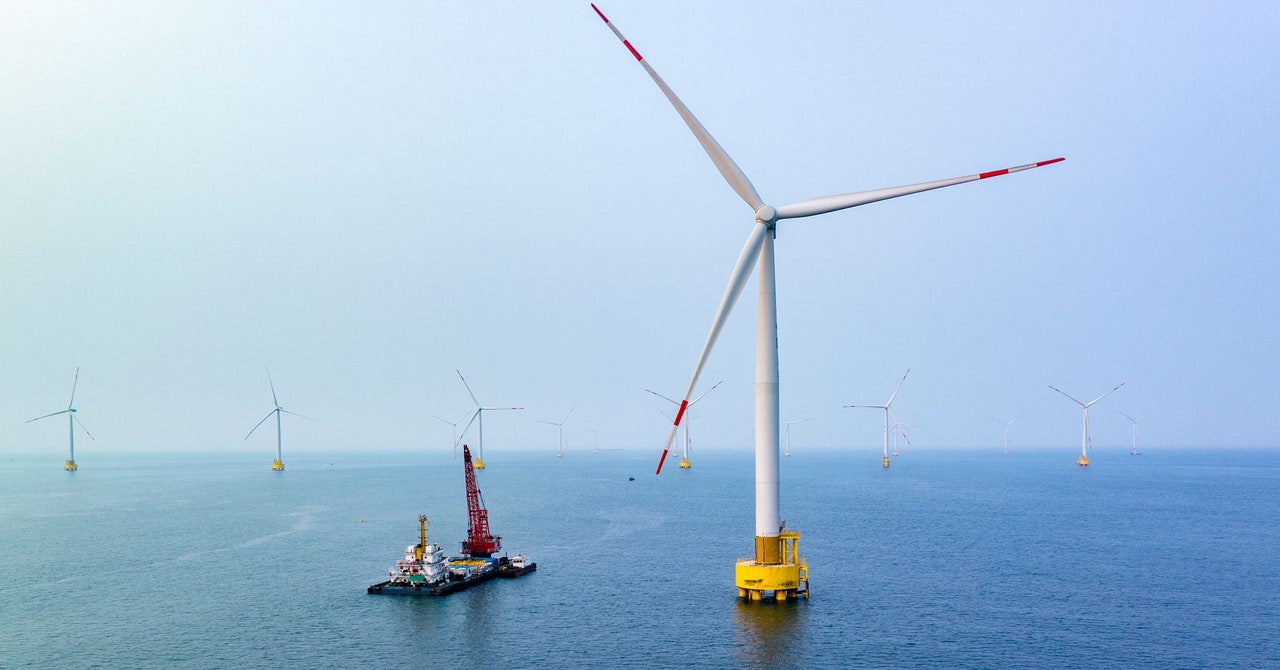
Despite the setbacks, the potential for offshore wind power generation in the United States is massive. The NREL estimates that fixed-bottom offshore wind farms in the country could theoretically generate some 1,500 gigawatts of power—more than the United States is capable of generating today.
There’s a lot the United States can do to make its expansion into offshore wind more efficient. And that’s where the focus needs to be right now, says Matthew Shields, an engineer at NREL specializing in the economics and technology of wind energy.
“Whether we build 15 or 20 or 25 gigawatts of offshore wind by 2030, that probably doesn’t move the needle that much from a climate perspective,” says Shields. But if building those first few turbines sets the country up to then build 100 or 200 gigawatts of offshore wind capacity by 2050, he says, then that makes a difference. “If we have ironed out all these issues and we feel good about our sustainable development moving forward, to me, I think that’s a real win.”
But today, some of the offshore wind industry’s issues stem, inescapably, from the Jones Act. Those inefficiencies mean lost dollars and, perhaps more importantly in the rush toward carbon neutrality, lost time.
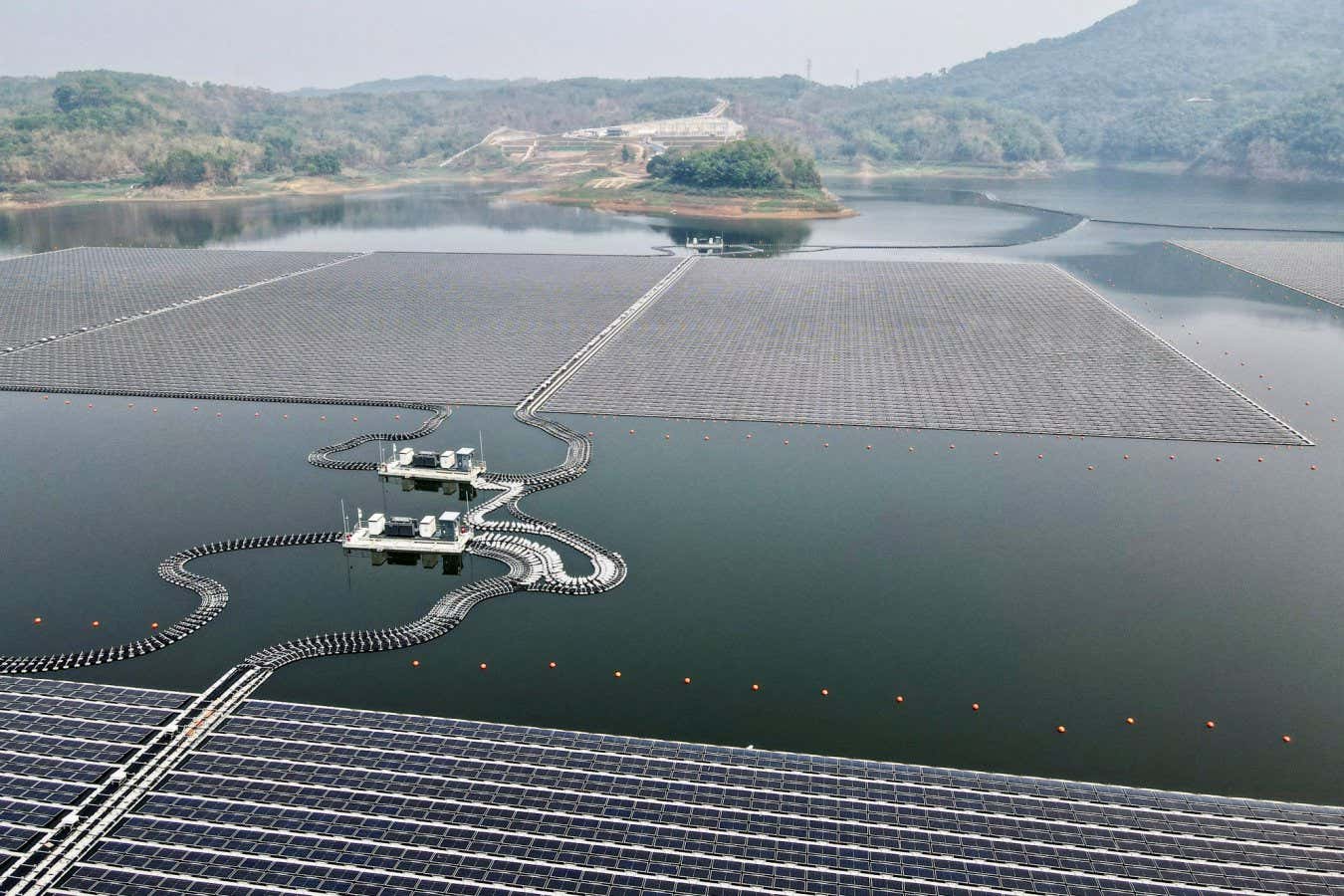
A floating solar power plant on the Cirata reservoir in Indonesia, shortly before it began operating in November 2023
BAY ISMOYO/AFP via Getty Images
Solar power arrays that float on water are becoming increasingly common in South-East Asia as the land available for the rapid expansion of renewable energy grows scarce. This floating approach may also be an option in other places where solar power’s large footprint is an issue.
According to an analysis by Jun Yee Chew at Rystad Energy, a research firm based in Norway, there are currently 500 megawatts of floating solar…
Energy citizenship plays a pivotal role in navigating the complex landscape of the energy transition towards a sustainable future.
At its core, energy citizenship embodies the idea that individuals and communities have not only rights but also responsibilities in shaping and participating in energy systems.
This concept transcends mere consumerism, empowering people to become active agents in the transition to cleaner and more efficient energy sources.
One crucial aspect of energy citizenship lies in fostering a sense of collective ownership and engagement.
By encouraging individuals to take ownership of their energy consumption habits, make informed choices, and advocate for renewable energy policies, energy citizenship promotes a bottom-up approach to sustainability.
Moreover, energy citizenship fosters innovation and collaboration at the local level. Communities can develop decentralised energy solutions tailored to their specific needs, harnessing renewable resources and promoting energy efficiency measures.
By embracing energy citizenship, individuals become not just consumers but also producers and stewards of energy, driving a paradigm shift towards decentralised, democratised energy systems.
Ultimately, energy citizenship is instrumental in fostering a culture of sustainability, where individuals, communities, and institutions work together towards a common goal of a cleaner, more equitable energy future.
Speaking at the RE-energising Europe held in Brussels on October 23, 2023, Dr Nives Della Valle, Behavioural Economist at the European Commission Joint Research Centre, emphasised the significance of energy citizenship:
“In the context of climate change, as we know, we are all knowledgeable of the need for urgent changes in our behaviour as citizens particularly. In the European Union, this need is of course embedded, especially in ambitious European Green Deal that aims to make the EU fully decarbonised by 2050.
“In this ambitious plan, what is also highlighted is the specific role that citizens and everyone should really take – everyone should be protagonist. Top of Form Promoting energy citizenship behaviours is a way to promote an energy transition that is just.
“But if we really want to make this goal, not only an utopistic goal, but a reality, then from a behavioural point of view, more specifically, then we need to take two major steps. The first one is to identify the main barriers and drivers of energy citizenship behaviours, but also, we need to find instruments to promote these behaviours.”
What do we know about their drivers and barriers to energy citizenship?
Energy citizenship goes beyond the traditional view of citizens as mere consumers and recognises them as active social and political actors in the energy transition.
One prominent manifestation of this social and political behaviour is exemplified through the active participation in energy communities, which stands out as a leading avenue for citizens to shape the energy system directly.
Barriers include unequal access to resources, informational gaps, cognitive hurdles, financial constraints, fairness perceptions, lack of trust, and bureaucratic burdens.
As an example, informational gaps translate into limited awareness regarding energy rights, solutions like crowdfunding platforms and one-stop shops, and the very existence of initiatives such as energy communities and energy cafés.
Moreover, when the creation process of a collective energy initiative is perceived as unfair, the outcomes will likely be perceived as unfair, discouraging citizens from supporting or participating in such initiatives.
Overcoming these multifaceted challenges requires a comprehensive approach that addresses financial, informational, social, and psychological aspects. The research identified key drivers and strategies to advance this goal, including empowering trusted intermediaries and local authorities.
These entities play a vital role in overcoming barriers and fostering active energy citizenship, especially among the most vulnerable. This approach aligns with the centralisation of measures that empower energy citizenship, a significant aspect highlighted in the latest European Commission’s Recommendation on Energy Poverty.
Exploring the efficacy of the policy toolbox
Thanks to contributions from behavioural sciences, the policy toolbox has significantly expanded, introducing additional policy instruments, namely ‘nudges,’ ‘boosts,’ ‘nudges+,’ and ‘thinks.’
Nudges, supported by robust empirical evidence, have demonstrated efficacy in promoting green behaviours by intervening in the decision structure (e.g., how information is presented). A recent European Commission meta-analysis emphasises their effectiveness, particularly when combined with monetary interventions like taxes and rewards, surpassing the impact of monetary incentives when implemented alone.
Boosts equip individuals with citizens’ core competencies, exemplified in training programmes boosting energy, financial and digital literacy. Boosts thus empower individuals to make autonomously informed and better decisions for themselves and society. Ongoing research suggests that boosts can be particularly suitable for vulnerable individuals.
Thinks involve citizens in deliberative processes, contributing to policy co-development, while nudges plus integrate deliberation into nudges. However, unlike nudges and boosts, these areas represent an evolving field where more research and empirical evidence are essential, as highlighted in a recent study.
The need for collaboration across methodologies and disciplines
We are currently witnessing a growing emphasis on interdisciplinary collaboration to address the complex challenges related to energy citizenship and behaviour change. Researchers and experts from various disciplines, including behavioural sciences, sociology, environmental studies, and engineering, are actively working together to provide comprehensive insights.
This collaborative effort enhances our ability to understand the multifaceted drivers and barriers associated with energy citizenship.
Additionally, it fosters the development of more effective and inclusive policy interventions by combining expertise from different fields.
Concrete examples of the viability of these collaborations abound, particularly in the numerous European projects jointly tackling these complex challenges. The event ‘Re-energising Europe‘, showcasing seven EU-funded projects under Horizon 2020, served as a notable platform for sharing insights, methodologies, and findings related to collaborative efforts to promote energy citizenship.
Speaking at the event, Della Valle echoed the importance of collaboration: “We can say that energy citizenship behaviours can be promoted and can be a way to promote transition that is not only green but is also just.
“We have many disciplinary lenses from behavioural economics and social sciences that can enable us to identify barriers in drivers, but also instruments and whether other instruments require more attention.
“These questions are complex and require collaboration among disciplines different methodologies. The projects represented at Re-energising Europe show that collaboration is possible and can actually produce actionable results for policymakers and research as well.”
Suggestions emerging from the NUDGE project
The concept of ‘choice-preserving, low-cost tools’, introduced by Sunstein and Thaler, holds considerable appeal for policy making. However, the practicality of maintaining choice-preserving aspects can sometimes be challenging amidst the complexities of everyday life.
While proving effective, not only nudges but also other behavioural interventions should not be seen as a one-size-fits-all substitute for other traditional instruments. The outputs of the NUDGE project highlight exactly these aspects. It encourages a holistic approach, acknowledging the multifaceted nature of decision-making and the need for complementary measures tailored to specific contexts.
The NUDGE project points to a need to carefully examine the synergies with other interventions as well as each target context. By bearing these aspects in mind, behavioural researchers working at the science-for-policy interface can maximise the impact and applicability of their work, fostering a holistic and context-aware approach to behavioural research and policy development.
The project “NUDging consumers towards enerGy Efficiency through behavioural science (NUDGE)” has received funding from the European Union’s Horizon 2020 research and innovation programme under Grant Agreement no. 957012. The sole responsibility for the content of this publication lies with the authors. It does not necessarily reflect the opinion of the European Union. Neither CINEA nor the European Commission are responsible for any use that may be made of the information contained therein.
This article is part of the exploitation activities carried out by Cittadinanzattiva/Active Citizenship Network in the context of the EU funded project “NUDging consumers towards enerGy Efficiency through behavioural science (NUDGE)” with the support of INNOVATION NEWS NETWORK.