Permanent magnet synchronous motors are making a statement in renewable energy developments. Jack Shaw, Writer and Editor at Modded, explores how they are benefiting the shift and what still needs work.
Permanent magnet synchronous motors (PMSMs) in electric drives are becoming increasingly popular as a replacement for conventional AC induction.
They are similar to brushless direct current motors because they have rotating electric motors with permanent wound stators and permanent electric rotors, but these solutions are energy efficient and do not produce any current.
How PMSMs work
Permanent magnet synchronous motors operate on the same principle as other synchronous motors. They start as squirrel cage motors, where the winding motors of the stator are energised by three-phase power to create a rotating magnetic field.
The stator is fixed, while the rotor with mounted magnets rotates without any field windings to create field poles. The stator layout allows the creation of a sinusoidal flux distribution in the air gap, which makes the back electromotive force sinusoidal.
Based on the stator’s design, PMSMs can be classified as distributed and concentrated windings. Their impressive performance, high power density and high torque combined with their smaller frame size make them suitable for a wide range of applications, including fans, blowers and pumps.
The permanent magnets are typically made up of highly permeable and rare earth magnets like samarium-cobalt, neodymium, praseodymium, terbium and dysprosium. When rotating at synchronous speed, the rotating electric motor magnetically locks with the stator poles to produce torque and allow the rotator to continue turning.
Depending on how the magnets are attached to the rotor, PMSMs can be classified into several categories, including surface permanent magnet synchronous motors, where all magnets are mounted on the rotor’s surface and interior permanent magnet synchronous motors, with the magnets inside the rotor.
Benefits of permanent magnet synchronous motors
The increasing adoption of permanent magnet synchronous motors can be attributed to the many advantages of the technology. These include:
Energy cost savings: Energy efficiency is boosted by minimising energy losses created through constant magnetic fields, so they do not consume electric energy to produce the magnetic field.
Dynamic and stable performance: PMSMs produce smooth torque and relatively high speeds and performance due to the synchronous high-speed rotating rotor, making them an excellent choice for high-speed applications and low-speed operations. High power-to-weight ratio increases overload capability, making them more stable than induction machines.
Compact and lightweight: The motors are suitable for small-space installations, such as on EVs and small consumer electronics like smartphones and electric toothbrushes. This also results in smooth and quiet operation due to reduced vibrations and friction between brushes and mechanical collectors.
Durability: PMSMs are long-lasting solutions for industrial and commercial applications thanks to their robust construction, and they’re safer in explosive or corrosive environments because they do not emit sparks.
Low costs: Reduced energy consumption over the motor’s lifespan minimises operational expenses.
Sustainability: The technology results in high levels of reliability and low maintenance due to the lack of brushes and mechanical switches. This increases sustainability and energy-efficient operations, helping organisations reduce their carbon footprints.
Limitations of PMSM technology
While PMSM technology is highly desirable, it may not be viable for every proposed application:
Expenses: The initial cost of synchronous motors is higher than conventional motors due to the precision in construction and engineering.
Limited speed control: PMSMs require a constant current supply to maintain the synchronous speed, meaning their speed cannot be changed easily.
PMSM applications in the renewable energy sector
PMSMs play a significant role in various parts of the renewable energy sector. Here are some that have been completely transformed.
Servo systems
PSMSs reduce core losses in servo systems to allow operation at high temperatures without degradation. They increase efficiency by replacing energy-consuming rotor windings common in traditional induction motors. The components also include high-performance insulation materials that can boost overall performance efficiency by over 90%, ensuring they outperform alternative motor technologies.
Electric vehicles
PMSMs are installed in electric and hybrid vehicles because of their high efficiency and power density. Interior permanent magnet synchronous motors are used in electric vehicles to boost their efficiency and minimise the need for external magnetic fields.
Embedding the motors internally increases mechanical stability and ensures the magnets don’t fly out. These permanent motors on the rotor and stator winding produce a rotating magnetic field that produces high power density, optimises performance and allows precise control.
They’re also preferred over AC induction motors because they deliver superior efficiency thanks to their smaller size and reduced weight. Manufacturers like Tesla, BMW and Nissan have embraced these advanced motors for some of their electric vehicles.
Wind power generators
The operational efficiency of PMSMs results in their adoption in wind power generators. Their high power density ensures they efficiently capture and convert electricity to support the harnessing of clean energy.
It also minimises conversion losses by reducing energy losses from heat and electromagnetic losses when using AC induction motors. PMSM wind power generators attain their peak efficiency at predefined wind speeds.
Industrial applications
PMSMs are integrated into industrial automation systems like conveyor belts and robotics to improve operational efficiency and boost the reliability of manufacturing processes. They may also be installed in other mechanical equipment that require high speed and efficiency, such as pumps, fans and compressors.
The motors are frequently adopted in large power systems where lagging and improved leading are necessary. Some examples include data storage units, aerospace, train drives and automobiles.
Consumer electronics
The motor’s energy efficiency, reliability and compact size make it a preferred choice for many home appliance manufacturers. They can integrate into electronics, refrigerators, vacuum cleaners, washing machines, mixers, grinders and air conditioners.
These motors reduce the power consumption of household appliances while improving their stability. Their compact size also enables their application in small consumer electronics such as smartphones, cameras, smartwatches and electric toothbrushes.
Adopt PMSM technology to boost efficiency
Incorporating PMSM technology into numerous complex automation and manufacturing processes will facilitate robust performance.
These motors can improve the performance, energy efficiency and reliability of different systems, including electric vehicles, consumer electronics, industrial applications, and wind and electricity generators.
Innovation News Network is delighted to announce that we are a media partner for The Business Booster.
The Business Booster, hosted by EIT InnoEnergy, is where transactions in sustainable energy happen! The two-day event is your unique opportunity to meet over 150 technologies spanning the entire energy value chain, including the industrial scale-ups driving Europe’s energy transition.
InnoEnergy has been recognised as the most active global energy investor for the third consecutive year. Its portfolio companies have collectively secured over €25bn in investments and are projected to save 2.1 gigatons of CO2e annually by 2030, and now is your chance to meet them!
Taking place in Barcelona on 16 and 17 October, The Business Booster will bring together 1,500+ attendees from over 40 countries, consisting of start-ups, industry representatives, investors, policymakers and regulators.
Attendees will take part in B2B meetings, hear from world‐class speakers, witness live panel debates, hear start‐ups pitch and discover innovations at the exhibition and product display area. Running for over a decade, The Business Booster boasts over 3,200 B2B meetings.
Under the theme ‘Economic growth, geopolitical resilience, clean energy transition – trilemma or opportunity?’ The Business Booster 2024 will focus on sustainable energy innovation, with a particular focus on green industrial policies, industrial unicorns Made in Europe, the reshoring of the photovoltaic industry, the battery value chain, the impact of AI on energy consumption, and the green hydrogen value chain.
We are a proud partner of The Business Booster 2024! As a valued member of our community, secure an exclusive 15% discount on your tickets using the code ([email protected]) when you register: https://tbb.innoenergy.com
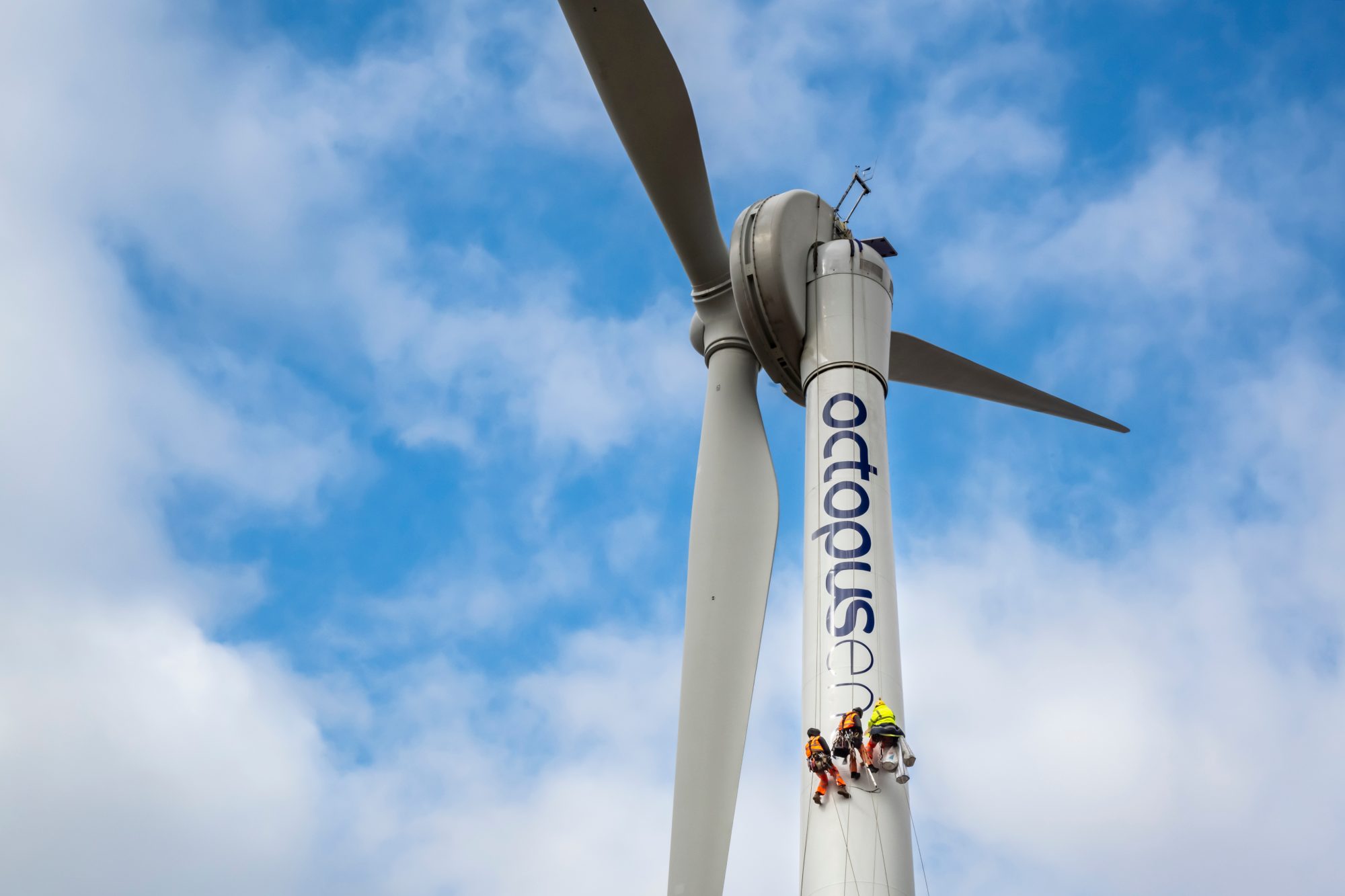
In a significant move to advance the UK renewable energy sector, Octopus Energy’s generation arm has announced a massive £2bn investment into clean energy projects by 2030.
This development marks a major step in Britain’s transition towards green energy, aligning with government goals to enhance the nation’s solar and wind energy capacity.
Zoisa North-Bond, CEO of Octopus Energy Generation, emphasised the significance of the investment: “The UK is on the verge of a green energy revolution.
“This £2bn investment in homegrown renewables will help boost our energy security and pave the way for a more affordable energy future.
“Solar and onshore wind are among the cheapest energy sources available. By building closer to demand, we can maximise green electricity when it’s abundant and lower bills for customers nationwide.”
New solar farms to power 80,000 homes
As part of this ambitious investment, Octopus Energy has finalised deals for the development of four new solar farms, which are being constructed in partnership with renewable energy developer BayWa r.e.
These solar projects will be located in Bristol, Essex, East Riding of Yorkshire, and Wiltshire, contributing significantly to the UK’s renewable energy landscape.
Combined, these solar farms will deliver a total capacity of 222 MW. Additionally, a 30 MW battery will be installed at one of the sites to store surplus energy and ensure a stable supply.
Construction for three of these farms is set to begin later this year, with the fourth starting in 2025.
Credit: Octopus Energy
The farms are expected to be operational between 2025 and 2026 and will collectively generate enough electricity to power 80,000 homes.
The environmental impact of these projects is also significant, with the power generated by the new solar farms expected to offset emissions equivalent to taking 35,000 fossil fuel cars off the road annually.
Supporting the UK’s solar capacity targets
This move by Octopus Energy comes as the UK Government pushes forward with its ambitious goal of tripling the country’s solar capacity by 2030.
Solar energy is becoming a cornerstone of UK renewable energy efforts, and Octopus’ latest investments are a key contribution to meeting these national targets.
With the expansion of solar farms across multiple regions, the UK is positioning itself as a leader in renewable energy, and Octopus Energy is helping drive this forward with its substantial financial backing and strategic developments.
Battery storage to strengthen the energy grid
In addition to solar projects, Octopus Energy is expanding its energy storage capabilities. The company is beginning construction on a new 12 MW battery in Cheshire.
This battery will have the capacity to store enough energy to power nearly 10,000 homes daily, playing a crucial role in balancing the grid by storing excess green energy when it’s abundant and releasing it when demand increases.
This type of energy storage is vital for ensuring that renewable energy sources like solar and wind are fully utilised, preventing waste and ensuring consistent power supply even when the sun isn’t shining or the wind isn’t blowing.
A growing portfolio of renewable energy projects
With these latest developments, Octopus Energy is further solidifying its position as a leader in UK renewable energy.
The company now supports 138 solar farms, 16 onshore wind farms, three offshore wind farms, and three battery storage projects across Britain. In addition, they manage thousands of rooftop solar projects, reflecting their wide-reaching influence in the sector.
Octopus Energy’s renewable investments are managed under its Octopus Energy Development Partnership (OEDP) and Sky fund (ORI SCSp).
The company recently increased its stake in Exagen, a British solar and energy storage developer, to 100% through the OEDP fund, signalling its commitment to accelerating renewable energy development.
Alongside its solar and battery projects, Octopus Energy is continuing to expand its wind energy portfolio.
The company plans to submit applications for new wind turbine installations following recent reforms to onshore wind planning in England.
These new turbines will be part of Octopus’ innovative ‘Fan Club’ scheme, which offers customers living near the turbines discounts of up to 50% on their energy bills when the wind is strong.
Aberdeen has been named the new home of Great British Energy, drawing on the city’s world-leading engineering expertise to kickstart a UK clean energy revolution.
As the location of the new headquarters, Aberdeen will be at the heart of the company’s plans to scale up clean homegrown power to boost UK clean energy independence, create skilled jobs and support economic growth.
Two additional sites will open in Edinburgh and Glasgow once Great British Energy is up and running to benefit from local skills and expertise.
The company will initially be located in government buildings across the cities, while permanent bases will be established.
Kickstarting Great British Energy
This marks the next step in kickstarting Great British Energy’s mission to become a clean energy superpower.
An interim Chief Executive will soon be appointed to take the lead on launching the new company and building its Aberdeen base – along with the start-up Chair Juergen Maier, former CEO of Siemens UK.
Within the first weeks of the new government, Energy Secretary Ed Miliband immediately introduced the Great British Energy Bill to Parliament and—along with the Prime Minister—confirmed a new partnership with The Crown Estate to help accelerate new offshore wind farms.
The company—owned by the British people, for the British people—will attract private investment in the UK’s clean, homegrown power, backed by £8.3bn in government funding this Parliament.
Huge investments in offshore wind
The move forms part of the government’s plans to support clean energy in the North Sea, ensuring Aberdeen continues to thrive as Scotland’s clean energy capital.
The government recently announced the biggest-ever investment in offshore wind and continues to progress technologies like carbon capture and storage and hydrogen.
The investment also ensures that oil and gas will be used for decades to come as part of a fair and balanced transition away from fossil fuels.
A groundbreaking study offers a comprehensive roadmap for eliminating greenhouse gas emissions from the US energy system by 2050.
This research provides a range of cost-effective options, equipping policymakers and industry leaders with the insights needed to tackle climate change effectively. The study shows that decarbonisation can be achieved through various technologies, each playing a crucial role in reshaping the nation’s energy system landscape.
Multiple paths to decarbonisation
“There isn’t just one way to cost-effectively decarbonise our energy system,” said Jeremiah Johnson, co-author of the study and a professor at North Carolina State University (NC State). “In fact, we have many technologies to choose from. Our study helps people understand exactly what those options are and how to prioritise them.”
The study focuses on developing pathways to decarbonise the US energy system, which spans electric power generation, transportation, and industrial sectors.
Aditya Sinha, the study’s lead author and research scholar at NC State, emphasised the complexity of finding the ideal route.
“There are a range of models out there that are designed to find the least expensive path forward to decarbonise our energy system – essentially identifying the optimal approach to eliminating greenhouse gas production in everything from electric power production to transportation and industry,” Sinha explained.
Overcoming modelling challenges
The models used in this study aim to predict the most cost-effective solutions for reducing carbon emissions, but they often struggle to account for uncertainties across different sectors.
With an extensive range of technologies available, the challenge lies in determining how flexible these models can be without compromising efficiency.
“One way to address this challenge is to stop trying to find the ‘perfect’ solution,” said Sinha. “Instead, we can identify alternative options that get us very close to the least expensive path forward.”
The researchers defined ‘very close’ as within 1% of the optimal cost for decarbonising the entire US energy system.
A new approach to energy modelling
To explore these alternatives, the research team used an advanced modelling tool known as Temoa. This tool was designed to determine the least costly path to decarbonisation, but the team modified it to account for slight variations in cost.
By adding 1% to the optimal cost and running the model 1,100 times, they tested various configurations, adjusting the inclusion or exclusion of different technologies.
The goal was to explore how different technologies could be adopted or sidelined while remaining within budget constraints.
Key findings: Four categories of technologies
The findings reveal four distinct categories of technologies that offer different levels of potential in decarbonising the US energy system:
Broadly adopted technologies: Solar and wind energy expansion, alongside increased energy storage capacity, were consistently selected in all scenarios. These technologies were central to achieving cost-effective decarbonisation and will play a leading role in transforming the energy landscape.
Phasing out or minimising technologies: The model identified sectors that would see significant reductions or eliminations, including petroleum in transportation and coal power plants that lack carbon capture technologies. This category highlights the need for a planned transition away from these energy sources.
Emerging technologies with varied use: Some technologies, such as direct air capture and hydrogen use in transportation and industry, appeared in some scenarios but not others. These technologies hold promise but require further research and development to determine their scalability and potential impact.
Occasionally used technologies: Technologies such as synthetic fuels from carbon dioxide or coal plants with carbon capture were seldom used, but when included, they played a critical role in certain scenarios. More research is needed to evaluate their viability.
Strategic prioritisation
The study offers practical guidance for policymakers: “First, we need to figure out how to facilitate the more widespread adoption of the technologies in Category 1,” said Johnson.
“Second, we need to figure out how to plan for an orderly and just – but timely – transition away from the technologies in Category 2.
“Third, we won’t need all of the technologies in Category 3, but we’ll need some of them. That means we need to invest in research and development to determine which technologies we should prioritise and how to deploy them.
“Lastly, we also need to invest in research and development to determine if any of the technologies in Category 4 are truly worthwhile and, if so, how to capitalise on those technologies.”
The study’s findings provide essential insight into the pathways that can decarbonise the US energy system by 2050.
By laying out multiple options, it offers flexibility in addressing the complexities of climate change. Through strategic investment, research, and a clear focus on key technologies, the United States has a roadmap to a cleaner, more sustainable energy future.
The US Government has announced a $40m investment in the solar supply chain, spearheaded by the Department of Energy (DOE).
This initiative aims to enhance the sustainability, efficiency, and longevity of solar energy technologies while supporting the growth of domestic manufacturing.
The funding will be channeled into four research and development projects focused on improving the lifecycle of photovoltaic (PV) solar systems and fostering material recovery from decommissioned systems.
Improving the sustainability of solar PV systems
One key aspect of the DOE’s plan to reinforce the solar supply chain is the allocation of $16m to four projects, with $8m coming from the Bipartisan Infrastructure Law.
The goal of this initiative is to cut the cost of recycling PV modules in half by 2030 and minimise the environmental impact when these systems reach the end of their lifecycle.
Extending the lifespan of solar panels by making them more resistant to wear and easier to repair is a significant part of the strategy.
The initiative also aims to slow the flow of PV panels into the waste stream by addressing common causes of early failures, such as damage from extreme weather.
Furthermore, the funding will support research into improving the durability of PV systems, ensuring that solar energy remains a sustainable solution over time.
The Solar Partnership to Advance Recycling and Circularity (Solar PARC) is another initiative included in the MORE PV program.
This partnership, which consists of 30 organisations, including the Electric Power Research Institute, focuses on enhancing the circularity of solar systems by improving material recovery processes and establishing end-of-life management practices for PV components.
Projects receiving funding
Four key projects have been selected for funding to enhance the domestic solar supply chain:
Case Western Reserve ($4 million)
kWh Analytics ($2.4 million)
University of North Carolina at Charlotte ($1.3 million)
Electric Power Research Institute ($8 million)
These projects will play a crucial role in developing more durable, sustainable PV technologies.
Incentivising solar manufacturers
In addition to these research projects, the DOE has announced a $3m American-Made Promoting Registration of Inverters and Modules with Ecolabel (PRIME) Prize.
This prize will encourage solar manufacturers to register their products through the Global Electronics Council’s EPEAT ecolabel standard.
Ecolabels, which certifies that products meet specific environmental performance standards, will help solar companies reduce the environmental impact of their technologies and streamline end-of-life management.
Another aspect of the investment is the continued support for solar innovation through the American-Made Solar Prize program.
Now in its seventh round, the program has awarded $21.6m in cash prizes to innovators in solar hardware and software technologies.
This year, two finalist teams—Fram Energy and Gritt Robotics—each received $500,000 for their solutions aimed at overcoming challenges to equitable solar energy deployment.
With Round 8 of the competition now open for applications, the DOE continues to incentivise advancements that will drive the future of the US solar supply chain, fostering sustainable growth in the industry.
The United State’s $40m investment in the solar supply chain underscores its commitment to building a resilient, sustainable, and competitive solar industry.
These initiatives not only support the development of longer-lasting, more environmentally friendly PV systems but also boost domestic manufacturing, ultimately contributing to a cleaner energy future.
The European Commission has released the 2024 State of the Energy Union Report, highlighting significant progress in the EU energy policy landscape amidst global crises.
As Europe continues its shift toward cleaner energy, the EU has responded to energy security risks, price volatility, and the ongoing transition toward climate neutrality. The report provides an overview of key developments and remaining challenges in EU energy policy.
Accelerating the clean energy transition
One of the major achievements of the EU energy policy in recent years is the rapid acceleration of renewable energy adoption.
As of mid-2024, 50% of the EU’s electricity comes from renewable sources, breaking capacity records and strengthening energy security.
Wind power, in particular, has overtaken gas to become the second-largest electricity source after nuclear energy.
This momentum is critical for the EU to meet its ambitious climate goals, which include reducing greenhouse gas emissions by at least 55% by 2030.
The diversification of energy sources has been another notable success. The EU has significantly reduced its reliance on Russian gas, dropping imports from 45% in 2021 to just 18% by mid-2024.
Alternative supplies from trusted partners, including Norway and the US, have helped stabilise the market. Alongside this, the EU has managed to meet its winter gas storage target ahead of schedule, ensuring that the region is better prepared for future disruptions.
Energy efficiency and reducing consumption
While progress has been made in renewable energy generation, energy efficiency continues to be a key area where the EU must step up efforts.
Between 2022 and 2024, the EU reduced gas demand by 138 billion cubic meters, a necessary step to reduce dependence on external sources.
Primary energy consumption in 2022 fell by 4.1%, continuing a downward trend, but further improvements are essential to achieve the 11.7% final energy consumption reduction target set for 2030.
There remains a pressing need to improve the electrification of heating equipment and accelerate the renovation of buildings to enhance energy efficiency. These actions are crucial for both reducing energy costs and advancing the EU’s climate neutrality objectives.
Addressing energy prices and competitiveness
The energy crisis of 2022 caused sharp price hikes, creating volatility in the market and impacting consumers and industries.
However, energy prices have stabilised in 2024, remaining well below the crisis levels. While this offers some relief, there is still a need to bring prices further down to boost the competitiveness of EU industries and safeguard consumers from future crises.
Investment in Europe’s integrated infrastructure networks is also vital for electrifying the economy. Enhancing these networks will not only help mitigate high energy prices but also support innovation in net-zero technologies.
Strategic initiatives to support the energy transition
The EU continues to lead globally in advocating for sustainable energy practices. At COP28 in Dubai, the EU spearheaded an initiative to triple global renewable energy capacity and double energy efficiency improvements, garnering international support.
Domestically, the Net-Zero Industry Act and the Critical Raw Materials Act are central to fortifying the EU’s energy strategy.
These frameworks aim to ensure the availability of critical materials for renewable technologies and boost the manufacturing capacity for net-zero technologies within Europe.
Industrial alliances, such as the European Battery Alliance and the European Clean Hydrogen Alliance, are also essential components, helping accelerate the development of key sectors for the clean transition.
Steps to empower consumers
The EU’s reformed Electricity Market Design aims to better protect consumers, especially the most vulnerable, from price shocks and disconnections during crises.
The introduction of the Social Climate Fund in 2026 will further support low-income households, with €86.7bn allocated to energy efficiency upgrades, affordable housing, and clean heating systems.
In addition to providing financial relief, the fund will contribute to broader investments in zero- and low-emission mobility and renewable energy, ensuring that the clean transition is inclusive and equitable.
Challenges and opportunities ahead
Despite the impressive achievements, several challenges lie ahead for EU energy policy. The ambition gap in renewables and energy efficiency targets remains, along with the threat of rising energy poverty and strategic dependencies on critical raw materials.
These issues demand coordinated action across the EU and Member States to avoid falling behind on the 2030 targets.
The 2024 State of the Energy Union Report underscores that while the EU has laid strong foundations for the clean energy transition, the coming years will require heightened ambition and collaboration.
By addressing these challenges, the EU can continue to lead the way in global climate action and secure its energy future.
The UK and Chilean governments have recently unveiled a partnership aimed at boosting financing for green hydrogen projects.
With over £5bn in UK export credit support on offer, the collaboration is set to drive significant investment into Chile’s burgeoning renewable energy sector.
This marks a critical step in the global transition to sustainable energy sources, positioning both nations as key players in the clean energy revolution.
UK and Chile sign landmark green hydrogen agreement
The agreement was signed by Tim Reid, CEO of UK Export Finance (UKEF), and José Miguel Benavente, Executive Vice-President of Chile’s economic development agency CORFO, during a formal event at the Embassy of Chile.
UKEF, the UK’s official export credit agency, is tasked with supporting international projects that utilise British goods and services.
By pooling resources, UKEF and CORFO aim to jointly finance green hydrogen projects that will drive Chile’s renewable energy ambitions.
Under the partnership, UKEF will provide over £5bn in credit support, giving Chilean companies access to funding for large-scale green hydrogen initiatives.
The move is expected to significantly boost liquidity in Chile’s renewable energy sector while creating lucrative export opportunities for UK-based clean technology firms.
“This is a win-win agreement,” said Tim Reid. “UK businesses are world-renowned for their leadership in the clean energy sector. This partnership not only paves the way for major UK export contracts but also supports Chile’s ambitious transition to renewable energy.”
Boosting Chile’s renewables sector
Chile has set an ambitious target of sourcing at least 70% of its total energy production from renewables by 2050.
Green hydrogen, produced using renewable energy sources, is set to play a key role in achieving this goal.
The Chilean government has already committed $50m towards the development of its green hydrogen sector, and the newly signed agreement with the UK is expected to provide an additional boost.
The partnership is particularly focused on enabling long-duration energy storage through low-carbon hydrogen.
Green hydrogen allows for the flexible generation and storage of renewable energy, utilising surplus electricity that would otherwise be wasted.
By investing in these projects, Chile hopes to reduce its carbon footprint, enhance energy security, and position itself as a global leader in renewable energy.
Green Hydrogen: A cornerstone of the UK’s energy transition
The recent announcement of the UK’s National Wealth Fund, which includes a £500m investment into hydrogen infrastructure and industrial clusters, underscores the growing importance of this technology.
Green hydrogen presents several key benefits to the UK’s energy transition, helping to reduce carbon emissions and ensure a more sustainable energy future.
As a clean, flexible energy carrier, hydrogen can be used to decarbonise industries that are otherwise difficult to electrify, such as steel production, shipping, and aviation.
Additionally, green hydrogen can be stored for long periods, providing an effective solution for balancing supply and demand in an increasingly renewable energy grid.
By using renewable energy to produce green hydrogen, the UK can make better use of its growing wind and solar capacities, storing excess energy that might otherwise be wasted.
This will help ensure that renewable energy can meet the country’s energy demands, even during periods of low generation.
Furthermore, green hydrogen’s potential for export offers new economic opportunities, allowing the UK to remain competitive in the global energy market.
A step towards a greener future
As both the UK and Chile ramp up efforts to scale green hydrogen production, this partnership stands as a key milestone in the global push for renewable energy.
By unlocking new financing opportunities and creating export-driven growth, the UK-Chile collaboration offers a model for international cooperation in the fight against climate change.
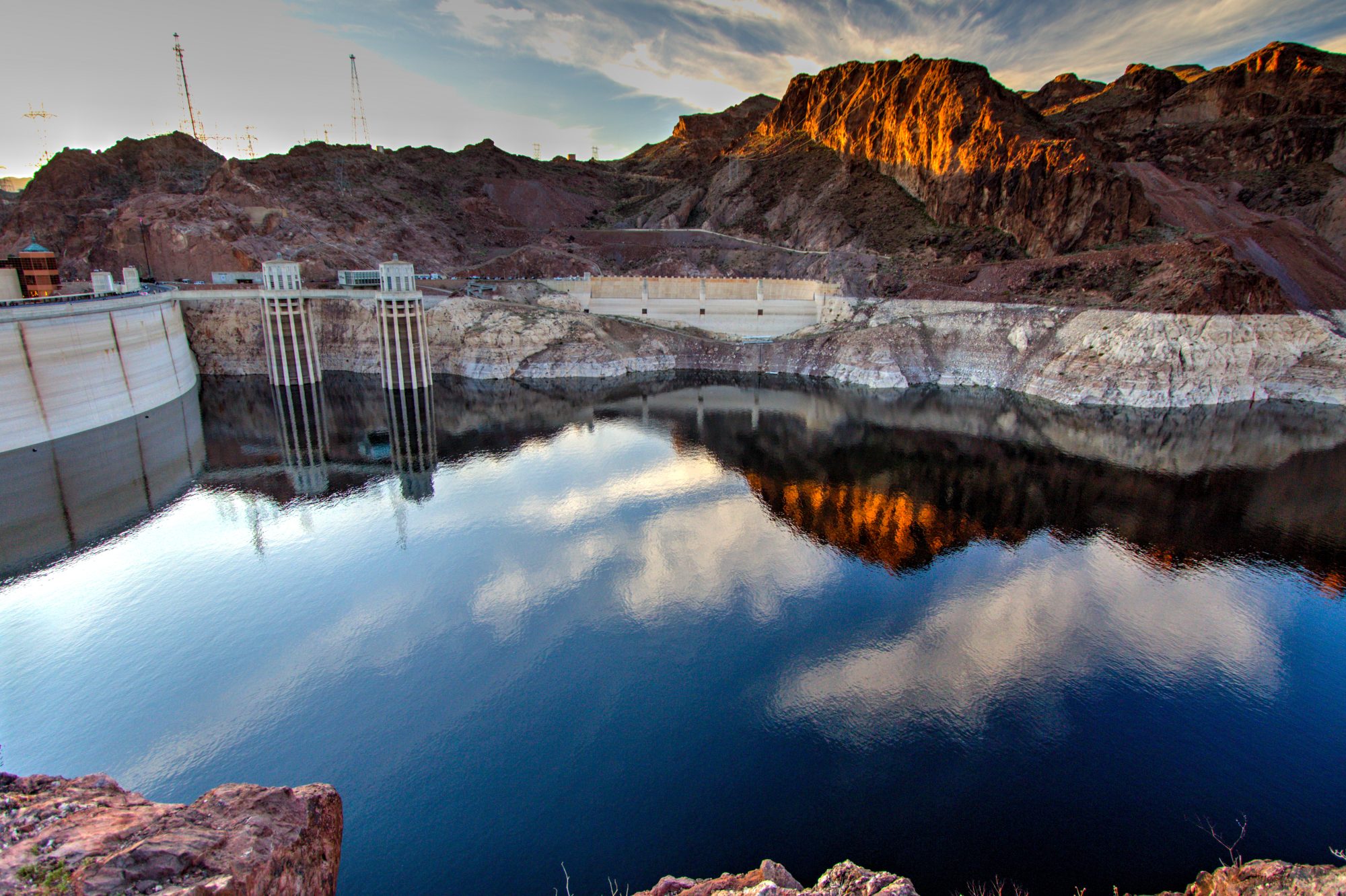
Hydroelectric power, commonly known as hydropower, harnesses the energy of flowing water to generate electricity.
Typically, water is stored in reservoirs behind dams and released through turbines, producing electricity as it flows.
Hydropower is the oldest and one of the most reliable forms of renewable energy, first used in the US nearly 150 years ago.
One of the key benefits of hydroelectric power is its ability to generate large amounts of electricity with low emissions, making it a clean energy source.
Moreover, hydropower facilities can double as energy storage, helping to stabilise the grid during times of high demand.
The role of hydropower in US energy production
In the United States, hydropower is responsible for nearly 27% of renewable electricity generation and accounts for an impressive 93% of utility-scale energy storage.
Despite its essential role in clean energy production, many hydropower facilities have been in operation for decades—79 years on average—making upgrades vital to their continued operation.
The DOE’s new investment aims to address the challenges facing these ageing facilities by modernising key components and ensuring they remain a cornerstone of America’s renewable energy landscape.
Key areas of investment
The 293 selected projects will enhance grid resilience, improve dam safety, and protect thousands of jobs. Among the key areas targeted for investment are:
Grid resilience: The projects will replace and upgrade ageing turbines, generators, control systems, and transformers. Upgrading this equipment will help hydropower facilities continue delivering reliable electricity to the grid while increasing their efficiency.
Dam safety: The DOE will focus on fortifying ageing hydroelectric power infrastructure, such as emergency spillways and water conveyance systems, to ensure dams can handle extreme weather events. Additionally, concrete replacement and erosion repairs will further strengthen the dams’ ability to manage water flow and prevent dangerous overtopping.
Environmental and recreational enhancements: Hydropower upgrades will also bring about significant environmental improvements, including better water conditions and enhanced fish habitats. For instance, fish ladders and other systems will be installed to allow aquatic species to pass through dams more easily, reducing the ecological impact of hydroelectric operations.
Additionally, these projects will promote recreational opportunities around hydroelectric dams, expanding water access for activities like boating, kayaking, and white-water rafting.
Walking trails and other recreational amenities will be developed or improved to encourage public engagement with these energy-generating sites.
Job creation and long-term impact
The DOE’s hydropower initiative will protect approximately 6,000 jobs related to hydropower facilities and contractors.
As US Secretary of Energy Jennifer Granholm stated: “Today’s funding will expand and modernise our hydropower fleet while protecting thousands of American jobs.”
By modernising these plants, the government ensures that hydropower remains a reliable and clean energy source for the future.
This initiative also aligns with broader efforts to secure America’s energy independence and build a clean energy economy. Hydropower, being both a renewable energy source and a form of energy storage, plays a critical role in this transition by stabilising the grid and reducing reliance on fossil fuels.
This investment not only modernises a reliable energy source but also lays the groundwork for a more sustainable and resilient energy future. Hydroelectric power, with its rich history and immense potential, continues to be a key player in the global shift toward renewable energy.
Andy Birtles, Strategic Advisor for Extraction at IOM3, illustrates some of the challenges and solutions regarding the implementation of sustainable mining practices.
Sustainability in mining may be considered to be an ‘oxymoron’, as how can depletion of a natural resource, in whatever form it may be, be considered ‘sustainable’? There are many thoughts and approaches to what this entails, and this article presents some issues to be considered when considering the term ‘sustainability in mining’ or perhaps what might better be termed ‘responsible mining.’ Since the 1980s, sustainable mining approaches have been developed, and this has resulted in additional terminology and a plethora of acronyms being coined to further promote good operating practices.
The International Energy Forum considers a need for change. The mining industry is actively working towards a greener, more ethical framework and has identified several ways to incorporate sustainability into mining, including appropriate waste management, land rehabilitation, increasing renewable power generation, carbon capture, and technological innovations.
There is a concerted thrust toward sustainable mining, as evidenced in the European Union’s Critical Materials Act (CMA). A recent presentation attended by the author suggested that tough regulations will be imposed on mining operators in terms of sustainability.
There are many articles and technical papers discussing sustainable mining, Environment, Social and Governance (ESG), stewardship, trust, ethics, shared value, human rights etc. Many players in these sectors are prominent in the promotion of ESG and the issues associated with sustainable and responsible mining.
Questions regarding sustainable mining
Some of the questions posed when considering sustainable mining include the following:
What are the key principles of sustainable mining practices, and how can these be implemented to minimise environmental impact?
How do current mining practices impact local ecosystems and communities, and what steps can be taken to mitigate these effects?
What role does legislation and policy play in promoting sustainable mining practices, and what are some examples of effective regulatory frameworks from around the world?
How can mining companies integrate renewable energy sources and energy-efficient technologies into their operations to reduce their carbon footprint?
What are the challenges and opportunities associated with the reclamation and rehabilitation of mined land, and how can companies ensure long-term environmental sustainability?
How can governments, industries, and communities collaborate to develop and enforce policies that ensure responsible mining practices and equitable distribution of benefits?
General approach
There is an adage that says: “If it can’t be grown, and it can’t be bred, it has to be mined.” This is as true today as it was when the expression was first coined. Previously, mining sites were dusty, polluting and uninspiring, as can be depicted in L. S. Lowry’s ‘Coming from the Mill’ and many photographs of the coal mining and coal-using areas in the UK of the 18th, 19th and 20th Centuries. Attitudes to the environment and pollution in the UK started to change after World War II. The National Coal Board (later British Coal) commenced a programme of rehabilitation of the discard dumps, and now, while driving through the old coal mining areas, little evidence of mining activity can be seen, and the rehabilitated discard dumps now sustain farming activities.
Recent mine developments in the UK have considered the impact of the mine on the environment. Woodsmith Mine, in the North York Moors National Park, has developed its ‘headstocks’ underground and, where possible, has minimised the visual impact of the operation.
Another mining project has taken a similar stance and is planning to reuse an old industrial site for the development of surface facilities.
Many mining operations around the world have taken appropriate steps to reduce the visual and audible impacts associated with mining. Monitoring of noise, light, dust, vibration, subsidence, seismic tremors and other forms of nuisance pollution is undertaken as a matter of course, and adherence to trigger points is strictly managed.
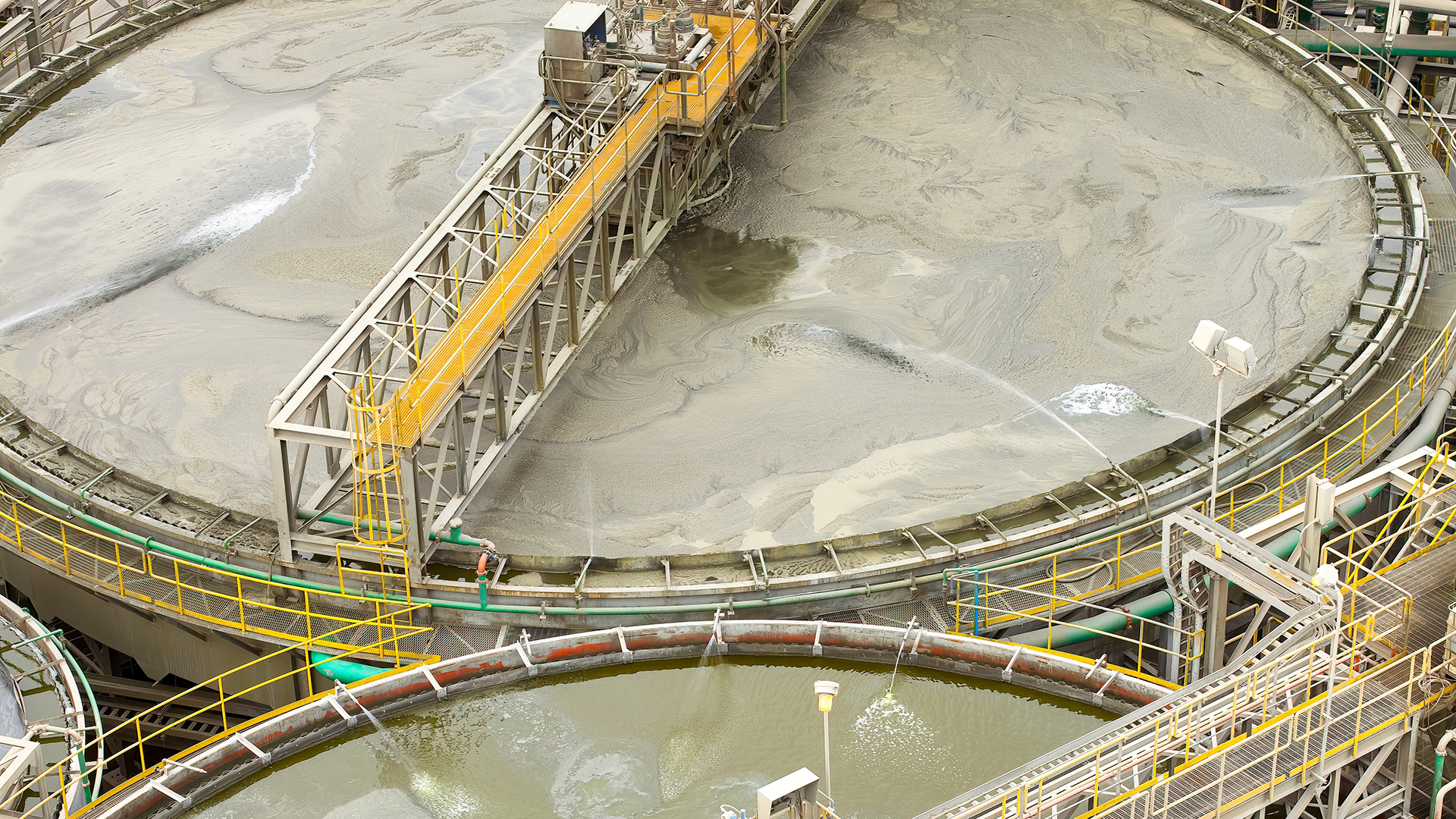
Water treatment is a major consideration in the planning and operation of mining operations, particularly where water is required to be pumped from the mining areas to allow production to be sustained. Strict controls are imposed by local legislation, but mining operations seek to exceed those constraints, and strict monitoring of water quality and discharge are important activities undertaken by the mines. There are operations which treat the mine water and then use this water in the mine’s industrial processes or, in some cases, supply the treated water to the local municipalities for use by the residents in those municipalities.
Community and ecosystem impact approaches
The principle of involving interested and affected parties is not new; this type of involvement has been undertaken since the mid-20th Century. Many of the older mining operations have had to retrofit approaches to mitigate negative impacts on local ecosystems and communities while seeking new opportunities to enhance positive impacts to maximise the potential for shared value with all stakeholders.
An Environmental and Social Impact Assessment (ESIA) is necessary to assess the impact on local communities and ecosystems, but it is only one part of the wider management approach. Investigations during these ESIAs can go as far as looking for the E-DNA of a species of animal to understand the habitat and the presence of vulnerable species.
Current practice includes the engagement of local communities in assisting with the protection of the local biodiversity, ecosystem services, and nature-positive aspects of the mining project. The mining industry is currently adopting best practice approaches, including involving local communities in the monitoring of the environmental and social impacts of the mining operation, including the impact on biodiversity and land capability.
Many modern mines, particularly in developing countries, have a department which continuously liaises with the local communities and, in conjunction with those communities, addresses any problems before they become significant environmental or health issues. In other examples, there may be a community relations officer whose role may sometimes be outsourced. The author has seen examples where good communication between the community and the mine has assisted in the development of appropriate modifications to the way the mining company operates.
Operations that don’t comply can be thrust into the media spotlight, giving the mining industry ‘bad press’ while ignoring the plethora of operations that are actively involving the community in sustaining the environment.
Most countries have strict regulatory frameworks that control the impact of mining on the environment and the local communities. However, the key to this is the effective enforcement of the regulatory frameworks and the consistent application of the legislation to all mining operators. Unfortunately, for many jurisdictions, this does not always happen, and thus, either voluntary or industry-led standards may play a larger role in ensuring responsible mining.
An example of an industry-led standard is linked to mineral reporting. The initial reporting of the Mineral Resources according to internationally recognised Codes and Standards of Reporting requires investigations into ESG and related matters, and the PERC Standard was one of the first of these Codes of Standards to formally introduce enhanced ESG requirements. The Global Industry Standard on Tailings Management is another recently introduced multi-stakeholder voluntary standard for the better management of tailings storage facilities (TSFs). However, TSF failure events continue to occur, often with catastrophic effects on communities and the environment.
Renewable energy in mining
Many mining operations, particularly those where the Photovoltaic Power Potential is high, have installed solar panels and associated battery storage facilities. Consideration could be given to the installation of Concentrated Solar Power plants. This initiative cannot be available to all areas of the world. Still, it would be suitable for installation in Australia, North Africa, southwest Africa, the Middle East and parts of South America.
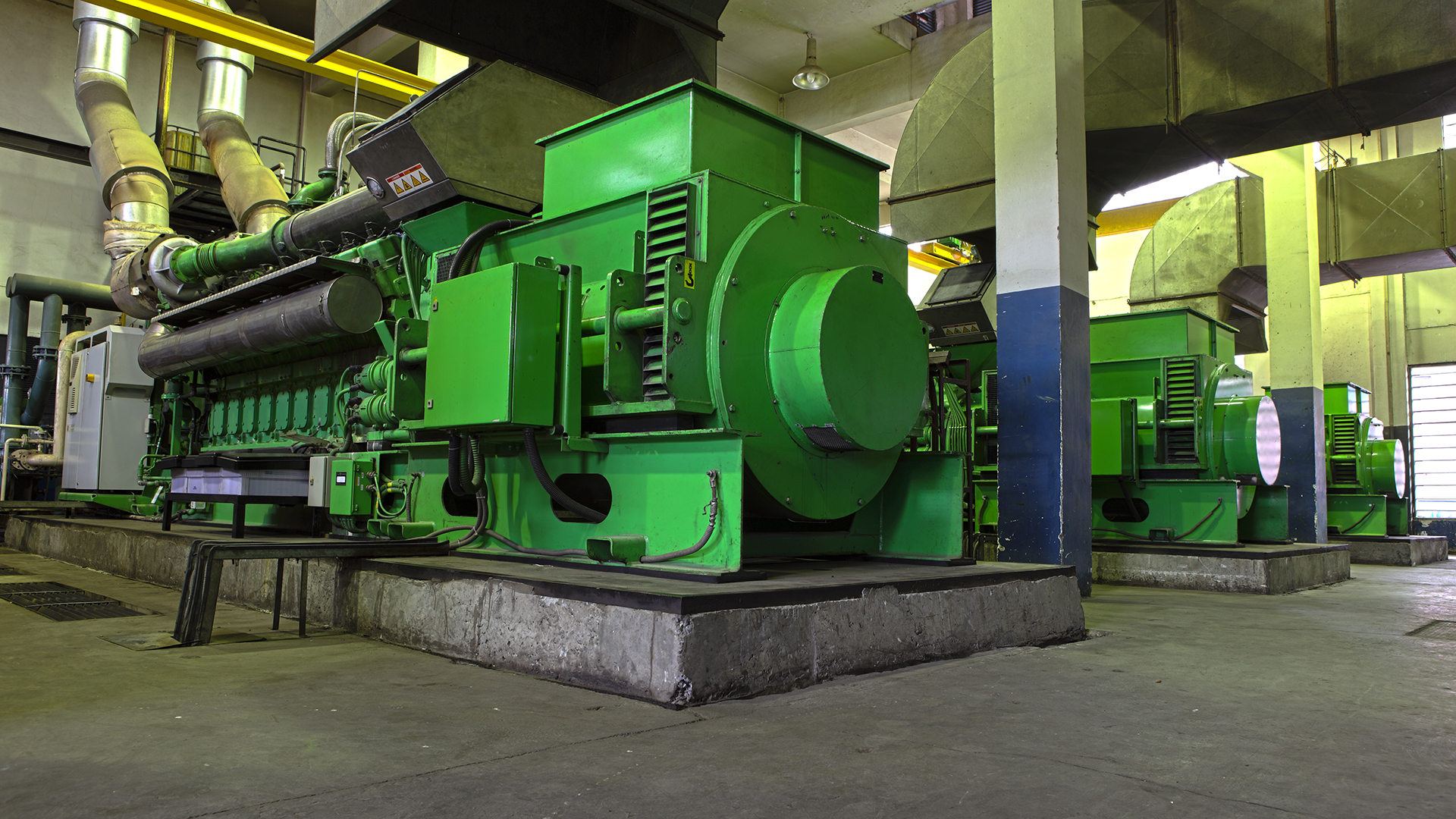
Coal mining operations, where methane drainage is practised, create power from gas engines and reduce methane emissions into the atmosphere. The power generated, while insufficient for the total mine, is used for less energy-intensive operations or supplied to the local or national grid network for the benefit of the local communities.
Some mining operations are rehabilitating disused or dysfunctional hydroelectric power generation facilities, with an agreement with the national government that power will be free until the cost of rehabilitating the facility has been reclaimed. The company then are required to maintain the facility during the life of the mining operations and hand back, when mining ceases, a fully functioning power generation facility for the benefit of the community.
Reclamation and rehabilitation
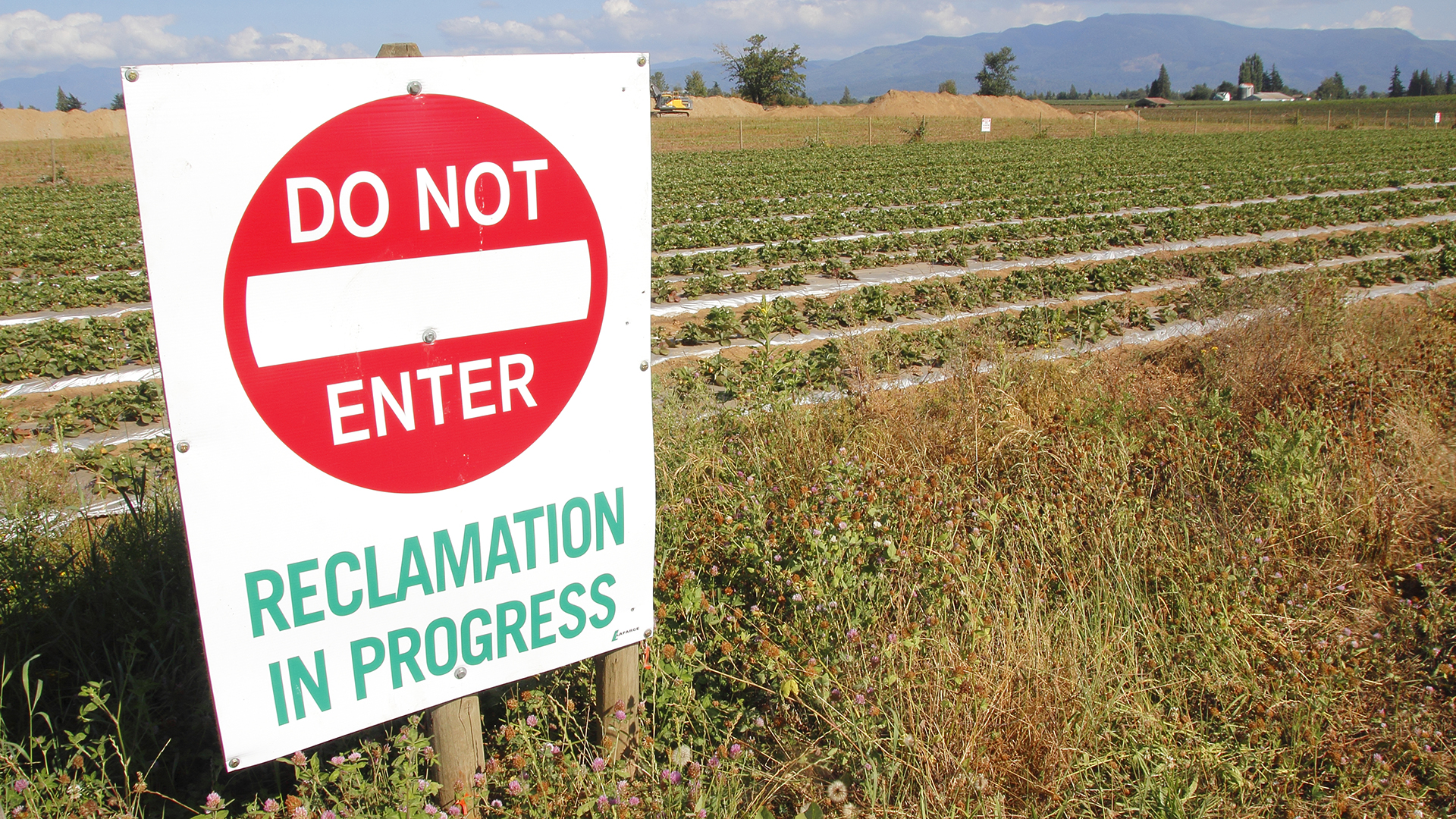
Reclamation of mined land encompasses many facets. Metalliferous open pits are generally unable to be rehabilitated fully, but applications have been found for these holes in the ground, including allowing the pits to fill with water and be used recreationally. The larger open-pit copper mines, particularly those in South America, are unlikely to be rehabilitated at all after the extraction of hundreds of millions of tonnes of ore.
The Chinese have found a novel idea for the use of an old open pit mine and have built a luxury hotel in the void remaining from mining. At the time, a UNESCO representative described the hotel as a model for sustainable development.
Stoke City football ground was constructed on the former site of Stafford No.2 Colliery, which closed in 1969. Another example of conversion of a mine site into a community benefit.
In the UK, while driving along the M1 between Chesterfield and Wakefield, there is evidence (or rather, there is no evidence) of rehabilitated mine dumps and mining industrial areas. During the 1980s, many mines operated in this area, and the discard dumps were readily seen. This is proof that, at the time, the UK was probably a leader in mine rehabilitation and land restoration.
Other predominant coal mining areas in Europe and globally have adopted sustainable approaches to prevent the spontaneous combustion of discarded (waste) dumps and progressively rehabilitate these dumps to spread the costs associated with the rehabilitation activities. This approach has significantly improved the air quality in the surrounding communities, and the communities are actively encouraged to assist in the profiling and final land capabilities.
Where coal mining occurs, particularly with longwall mining, subsidence occurs. In Poland, over time, some of the mines have been operating, and the ground has subsided by more than 50m. Certain monuments and buildings are now required to be protected, and mining is prevented within the zone of influence of these structures.
Where subsidence does occur, and the depressions fill with water, whole new ecosystems can be developed. This is evidenced in Poland and Bangladesh, and in the Polish case, the local communities indicated that they preferred their ‘new wetland’ to agricultural land prior to mining. In the Bangladesh case, the ‘lake’ created by subsidence sustains a new fishing industry and provides irrigation for rice fields.
Abandoned mining area restoration in Cyprus
Some local examples of conversion of mining operations for alternative use, apart from some of the mining museums scattered in historical mining areas (Chatterley Whitfield in Stoke-on-Trent as an example), include the Eden Project in Cornwall, which has converted an old China Clay site into a thriving bio-diverse enclosure with a wide variety of plant species. The National Archives use the non-active areas of the Winsford Salt Mine in Cheshire for storage of some of their documentation. The constant temperature and low humidity are conditions that allow the long-term storage of important documents. Edinburgh company Gravitricity is developing systems that use mine shafts to store and supply energy to the National Grid. These systems are designed to leverage the power potential of underground shaft systems.
Tailings dams will also need to be rehabilitated to ensure their integrity is maintained after operations have ceased. This may include establishing a gravel or rock cover and more appropriate shaping to encourage runoff and minimise infiltration.
Many initiatives are being introduced that address the need to rapidly vegetate rehabilitated land and dumps. These include using hydroponics, using treated water from the mines, researching types of vegetation that can cover an area rapidly, which can be ploughed into the top surface as organic matter, planting and irrigation of trees, allowing the repatriation of wildlife, and the development of wetlands, which again can re-establish a variety of native flora and fauna in a natural way.
Sustainable mining policy enforcement
There will always be mining operations that are undertaken with scant regard to the environment, health and safety, and community involvement. Unfortunately, these will generally make the headlines in the media and are generally in the least politically stable of countries. However, there are many examples of cooperation between the local and national governments, communities, non-governmental organisations, professional associations and educational institutions to develop a responsible mining project that will benefit the community (employment and supply of services and goods), the environment (limited impact during operation and continuing upholding of environmental standards), and the country (taxes and royalties). These allow innovative approaches to managing the impacts arising from mining to ensure a more sustainable future for the area around the mine.
This need for ongoing cooperation extends long beyond the life of the mine, and once mining has ceased, a certain amount of stewardship is still required. In the UK, there is the Coal Authority, which continues to be involved with the mining industry, supplying information (where available) relating to old workings, shaft locations, discard dump and TSF locations, and any other matters relating to the historical issues associated with mining. The Coal Authority, according to the UK government website, makes a better future for people and the environment in mining areas. The Coal Authority is an executive non-departmental public body sponsored by the Department for Energy Security and Net Zero.
Future outlook for sustainable mining
In Europe and many other parts of the world, mining has a bad press, and anti-mining activists try to prevent mining, without which we would not be able to have the luxuries that are taken for granted: Mobile phones, electric cars, solar panels, electricity, mass-produced designer clothes, efficient agriculture – the list can be extended ad nauseum, ad infinitum!
Many mining companies and projects operate and develop responsibly with a focus on sustainability and a long-term view of leaving a positive legacy. Back to the adage mentioned earlier, ‘if it can’t be grown, and it can’t be bred, it has to be mined.’
The IOM3 are involved in recognising excellence in sustainable resource management and protecting and enhancing biodiversity, water, air, and soil through the Sustainable Future Awards initiative.
Please note, this article will also appear in the 19th edition of our quarterly publication.