Tag: Renewable energy

  • Restructuring Alberta’s energy market: An opportunity for innovation

    Restructuring Alberta’s energy market: An opportunity for innovation

    [ad_1]

    Energy Storage Canada discusses the significant regulatory redesign of Alberta’s electricity market and the potential for these reforms to address challenges in the existing system by adapting to evolving market needs.

    In the last year, much has changed in the Alberta electricity sector. Numerous proposals for reforms have culminated in the most significant regulatory redesign of Alberta’s electricity market since its inception over two decades ago.

    New technologies butting up against legacy market constructs are creating pressures on the system’s ability to meet provincial objectives of assuring reliability and affordability while decarbonising, in anticipation of Alberta’s commitment to reach economy-wide net-zero by 2050. Additionally, congestion management and administering an ever-increasing connection queue is becoming more and more challenging.

    Alberta’s remarkable investability has historically been derived from its market’s consistency – read certainty – but the lack of changeability in a sector that is currently centred on change and innovation, presents its own set of challenges.

    AESO: Identifying Alberta’s energy market needs

    In March 2023, the Alberta Electricity System Operator (AESO) published the Reliability Requirements Roadmap report. The report outlined a variety of forecasted reliability needs, from frequency stability to oversupply management to short and long-term supply adequacy. Recent supply shortfalls in January and April, including the first brownouts since the 2013 floods, have only reinforced the need for change in how Alberta’s electricity system works to ensure supply shortfalls don’t become more regular occurrences.

    Evolution of the Alberta market was identified as the best path forward. Implementing a market that incentivises firm and flexible supply is needed, which, incidentally, is a great market for energy storage resources, as confirmed by a recent report from Alberta’s Market Surveillance Administrator.

    While traditionally, the AESO has served as an administrator of the Alberta market more than a broker of change, following the re-election of the governing United Conservatives in the province last year, the AESO has been directed by the province’s new government to advise and implement a myriad of reforms.

    With strong drivers for change and the system operator empowered to begin work on updating the market, there are a range of possible outcomes for the market with commensurate risk and reward, especially for relatively new technologies like energy storage that are still drafting the blueprint for how they engage with the market.

    Adopting a day-ahead market

    Some of the key changes under consideration are the adoption of a day-ahead market, enhancing price fidelity, and building a new approach to congestion management. Alberta’s energy-only market currently operates an exclusively real-time market that is settled hourly. This means that electricity is traded solely as a unit of energy at an hourly resolution. The value placed on capacity is translated to higher energy prices during times of tight supply and high load.

    However, as more variable generation and intermittent load come online, conditions can change more quickly and in less predictable ways. This is challenging at both longer time scales, where the lack of a firm forward price signal means slow ramping generators are ill-prepared to power up to meet unexpectedly high net demand, and at shorter time scales, where flexible supply, like storage, is not incentivised to ramp up and down in response to variability at time scales much shorter than one hour. To mitigate the impact of these challenges on the Alberta market, the AESO is proposing the move to a day-ahead market that would work in concert with the existing real-time market, settling prices at five-minute or fifteen-minute intervals.

    Regarding energy storage resources, the proposed market change will help to better signal both short and long-duration storage, when to charge, and when to discharge. It will also place a higher value on firm and flexible supply. Shorter settlements will provide price signals for flexibility, and day-ahead commitments will place a value on firmness of supply. The details of how the obligation to meet commitment for bids in the day-ahead market will matter. However, the AESO is also proposing additional ancillary services for needs such as ramping and uncertainty to provide firm capacity for unplanned outages or under-forecasted renewables, which could present new revenue streams for storage to provide reliable and firm energy when needed.

    Addressing Alberta’s price cap

    A second challenge in Alberta’s current market is a relatively low price cap of one thousand Canadian dollars per megawatt-hour and a price floor set to zero dollars. The ceiling has been static for over two decades, slowly eroding away to inflation, meaning that the signal for investment in firm capacity is lower than it ever has been. Notably, these price bounds are significantly lower than comparable energy-only markets in Texas or Australia, with price ceilings of five thousand and sixteen thousand dollars, respectively, and significant negative price floors.

    Alberta’s price cap is also lower than neighbouring jurisdictions. In extreme situations, Alberta can struggle to attract imports. Such was the case during this year’s January reliability event, where high demand across the Pacific Northwest meant Alberta struggled to secure exports from BC Hydro when the utility had competing opportunities to sell to the United States for prices higher than possible in Alberta.
     

    Moreover, the zero-dollar price floor is not well suited to reflect the increasingly common supply surplus events driven by renewables and significant amounts of cogeneration. When the price can’t go below zero, the market fails, and out-of-market action is needed to manage the supply surplus. A recent inquiry by the Alberta Utilities Commission into the ability of the market to provide reliability found that more than a quarter of the hours in the market may be at zero dollars.

    The province’s market is increasingly operating at the upper and lower bounds of where the price is allowed to go, indicating that the price bounds are failing to fit the physical realities of the electricity system the market is meant to coordinate. In the case of energy storage, a greater range between the price ceiling combined with the ability to price negatively in times of surplus generation would provide additional incentive for energy storage to turn on, storing the excess energy at low cost, to then feed back to the system during times of high demand when the compensation for the energy is higher.

    This shift in the Alberta market would provide a more accurate reflection of the value of energy storage. Storage can shift energy from times of surplus to times of more limited supply, but only with sufficient price signals. Expanding the price bounds of the province’s market would enable just that.

    Managing congestion

    The last key opportunity for change in Alberta’s energy market is related to the management of congestion. Currently, energy pricing is uniform across the province, and Minister of Affordability and Utilities Nathan Nuedorf indicates it is going to stay.

    In theory, generators are meant to compete across an open and congestion-free transmission system to provide the lowest cost energy to consumers. However, in practice, the pace of project delivery for wind, solar, and gas has outpaced the ability of transmission planning to cope, leading to congestion or a bottleneck in the electricity system where energy isn’t able to get from the generators that produce the energy to the consumers that use the energy.

    While there aren’t yet indications of how Alberta’s energy market may change to manage this system challenge, there are a range of opportunities. The solution will need sufficient locational signals and a robust suite of non-wires alternatives (NWAs) to enable potential contributors such as energy storage resources.

    Alberta’s changing energy landscape: A wealth of opportunities

    Regardless of the outcome, the ongoing evolution of Alberta’s energy market represents a rare opportunity to apply innovative solutions to the changing needs and behaviours of electricity grids worldwide, as provinces, states, and countries change when and how they consume energy, as well as where that energy comes from.

    Providing new means of valuing energy to supply clear signals to the market, ensuring the parameters of the market are reflective of the changing energy landscape, and finding solutions to ensure energy is available when and where we need it will result in a radically changed market for Alberta and for all participants in the province’s markets. We look forward to seeing the result and the new opportunities for energy storage to play an important role in the province!

    Please note, this article will also appear in the 19th edition of our quarterly publication.

    [ad_2]

    Source link
  • Analysing progress in developing Europe’s energy storage sector

    Analysing progress in developing Europe’s energy storage sector

    [ad_1]

    To learn about Europe’s energy storage potential and exciting progress in the sector, The Innovation Platform Editor Maddie Hall spoke with EIT InnoEnergy’s Thematic Leader of Smartgrid and Storage, Johan Soderböm.

    As the world navigates its transition to renewable energy, the importance of grid flexibility has become increasingly evident. With many renewable energy sources, such as wind and solar, providing an intermittent electricity supply, it is challenging to rely heavily on these technologies to meet supply and demand on a large scale without the capacity to store excess energy for use during peak times.

    Considerable research and development has been directed towards this aim, and EIT InnoEnergy is committed to facilitating advanced energy storage technologies to support Europe in meeting its green goals.

    To discuss the evolution of the energy storage sector and highlight the significant strides being made towards long-duration energy storage capacity, The Innovation Platform spoke with Johan Soderböm, EIT InnoEnergy’s Thematic Leader of Smartgrid and Storage.

    Can you explain the importance of energy storage to the green transition and recent developments in the sector?

    In order to meet the ambitious sustainability goals set for 2030, it is essential to double the capacity of the electrified energy market. While there is considerable focus on researching and innovating green energy solutions to meet this demand, it is equally vital to assess the grid’s ability to support the anticipated increase in energy consumption.

    Energy storage plays a vital role in the transition to sustainable energy by providing the necessary flexibility to adapt to the changing energy landscape. Various types of energy storage, including batteries and other electricity storage options, can be incorporated into the grid to alleviate strain and enhance overall efficiency. Opting for strategic storage flexibility resources is a more efficient and cost-effective approach compared to the expensive and time-consuming alternative of adding more copper to the grid.

    In recent years, there has been significant progress in energy storage technologies. Historically, around 90% of global electricity storage relied on pumped hydropower, which, while effective, required substantial space and challenging permitting efforts.

    Battery costs have significantly decreased since the mid-2010s, largely due to the demand from the electric vehicle industry. Consequently, we are witnessing the emergence of large battery installations integrated into the grid, with global installations exceeding 40GW in 2023. Initially, batteries were predominantly employed in residential settings, behind the meter, as a complement to solar power systems for optimising self-generated electricity consumption. Over the past five years, batteries have rapidly become widely accepted as grid assets.

    Redox flow batteries are a promising solution for large-scale energy storage with the potential to integrate renewable energy sources like solar and wind into the grid efficiently. In particular, they are well suited for long-duration energy storage, which is crucial for balancing intermittent renewable energy sources. Energy is stored in liquid electrolytes in external tanks and undergoes reversible oxidisation and reduction reactions to convert energy. This solution is easily scalable and durable, with the batteries having a long operational lifespan. EIT InnoEnergy is supporting a number of companies in advancing this technology and ultimately integrating flow batteries into the grid.

    Research and development of long-duration storage solutions tailored for grid deployment are ongoing. Currently, batteries can effectively store energy for one or two hours, but we may soon require storage for longer durations. Consider the scenario in southern Europe, where extensive solar power plant installations are tied to the grid. By pairing these solar facilities with batteries, it becomes possible to supply electricity around the clock. This continuous access to renewable energy is crucial for the system, but it demands longer storage capabilities.

    Over the decades, the need for long-duration storage has become increasingly important due to high fluctuations in the electricity market. Efforts to decarbonise industries such as steelmaking and fertiliser production require 24/7 access to green electricity to generate green hydrogen, which necessitates longer storage times exceeding four hours. Technologies such as flow batteries and new methods for pumped hydro storage are emerging.

    One company supported by EIT InnoEnergy, a leading organisation in this field, is Mine Storage. Mine Storage specialises in transforming abandoned mines into valuable energy storage solutions. They utilise the well-known principles of pumped storage hydropower, using water and gravity to store and release energy between two underground chambers. This closed-loop system repurposes existing infrastructure, making it a more sustainable and cost-efficient solution for energy storage. With EIT InnoEnergy’s support and investment, the goal is to scale up this approach and implement it worldwide.

    How does EIT InnoEnergy support energy storage in Europe?

    EIT InnoEnergy is an advanced investor who does not directly manage projects but focuses on identifying new technologies and early-stage assets. Our investments cover the entire value chain and support Europe´s energy transition, identifying gaps that need addressing.

    Beyond the investments we mentioned previously,  EIT InnoEnergy has since 2017 directed its efforts into cell manufacturing, where we’ve heavily invested in several complementary companies. One of these is Verkor, a prominent cell manufacturer in France and one of the first major European companies to enter the market. Verkor specialises in developing and manufacturing high-performance battery cells for high-end electric vehicles and other demanding electrification applications. By being part of the EIT InnoEnergy ecosystem, Verkor has successfully built robust manufacturing capacities that benefit all of Europe.

    EIT InnoEnergy is exploring new technologies, including Basquevolt, one of the first production facilities for solid-state batteries. These batteries represent the next generation of lithium-ion technology and advanced cell manufacturing, promising much higher energy densities and thus opening more affordable lightweight electric vehicles.

    In addition, earlier this year, EIT InnoEnergy launched Repono, a pan-European company aimed at boosting Europe’s energy storage. Its strategic approach can be replicated worldwide to accelerate the deployment of energy storage systems. Repono aims to enhance grid stability by strategically deploying, owning and operating large-scale storage facilities. By 2030, in line with the European Commission’s target of achieving a 42.5% share of renewable electricity, Repono plans to have deployed 100 gigawatt-hours of energy storage in Europe

    How can energy storage be integrated into infrastructure?

    Integrating energy storage solutions into existing urban planning is pivotal for future grid development, considering the challenges associated with building new electricity infrastructure. Initially installed behind the meter in residential quarters, batteries were used to support the optimisation of self-generated electricity consumption. The next step is to aggregate these batteries and offer their spare capacity to the grid, providing flexibility in urban settings and thereby transforming residential facilities into grid-integrated resources rather than simple energy consumers.

    The rapid deployment of batteries in electric vehicles presents another significant avenue. The forthcoming vehicle-to-grid installations will enable electric vehicles to feed electricity back into the grid, presenting a large, flexible resource. Many vehicles are already capable
    of vehicle-to-grid operation, but infrastructure investment is needed to connect them with a bidirectional charger.

    The retail side of the electricity market is also evolving, with companies offering hourly contracts, providing an opportunity for consumers to respond to pricing signals. This not only benefits individual consumers by optimising costs but also benefits the overall system by utilising excess renewable energy. Integrating storage in these various ways presents numerous opportunities for urban planning and energy infrastructure.

    How can we address challenges to widespread implementation?

    If we are to sustainably implement storage capacity in the European grid, our value chain also has to be sustainable, and this is undeniably one of the most formidable tasks at hand.

    EIT InnoEnergy supports the European Commission’s initiative to establish a green battery supply chain in Europe. Currently, we mostly import complete batteries, battery cells, and battery materials from Asia, with China being the dominant supplier.

    The Commission has made significant progress in policy-making on battery regulation. In 2023, the European Parliament and Council adopted the new Batteries Regulation following a proposal from the Commission. This regulation aims to introduce declaration requirements, performance classes, and limits on the carbon footprint of batteries by 2025. The goal is to reduce battery waste and the presence of harmful substances that complicate recyclability. The increased regulation is intended to support Europe’s battery supply chain autonomy.

    EIT InnoEnergy is aligning with these initiatives as best as it can. One of the major scarcities in the European value chain is on the raw material side, especially the active materials used in batteries. As a result, we are investing in companies that support the production of these materials. The companies and manufacturers we work with or invest in are also strongly committed to a European value chain. For example, we support a company called GDI that provides silicon anodes for lithium-ion batteries using only the European value chain.

    © shutterstock/Aree

    There are also challenges related to integrating batteries into market design. Several market structures are highly compatible with battery utilisation, especially in applications such as frequency support. While this has proven to be profitable in recent years, the upcoming shift in market demand, specifically the demand for long-term energy storage, means these market structures must adapt.

    Batteries represent a new asset class that can replace peak power plants and flexible demand-side resources. However, existing regulations are not tailored to this, and in many countries, issues related to double taxation when feeding in and selling electricity create obstacles for the battery business.

    Regulations need to be adjusted to facilitate battery deployment into the system. While EIT InnoEnergy doesn’t have a direct impact on this, we maintain good collaboration with the European Commission as part of our role in the European Battery Alliance, leading the industrial part of it, and engage in discussions on this at both the Member State and Commission levels.

    There is ongoing work to improve market design, particularly in response to the recent electricity price spikes triggered by the Ukraine war crisis. It’s important to introduce new market designs to support battery installations, incorporating local regulations, market signals, and potentially longer-term capacity payments. These concepts aren’t entirely new, as they have been successfully implemented in various markets. The UK has made significant strides in these areas, providing valuable insights that can be implemented in different member states.

    What do you anticipate for the energy storage sector in the next decade?

    One noticeable trend is the exploration of alternative chemistries to the standard lithium-based chemistry commonly used today. In particular, sodium-ion batteries show promise but require further development and industrialisation to become a viable market product. We have invested in Altris, a Swedish company specialising in cathode material for sodium-ion batteries, and there are several other companies actively involved in sodium-ion technology. Looking ahead, commercial sodium-ion batteries are expected to become prevalent within the next decade. Additionally, emerging chemistries, such as sulphur-based chemistry, also hold potential for future applications, as sulphur is in abundance.

    We need to consistently implement legislation and regulations that will accommodate and advance the battery market. With proper support, we could see a rapid increase in the introduction of storage capacity in the grid. Providing incentives or loans that facilitate long-term perspectives on income and the market could make these installations much more financially viable.

    The incorporation of energy storage technologies into the grid is crucial in facilitating the transition towards sustainable and renewable energy sources. This integration should be viewed as an integral component of a comprehensive energy system and recognised for its capability to enhance the flexibility and resilience of the power grid.

    To fully harness the benefits of energy storage, it is imperative to optimise our use of available resources and maximise overall system efficiency. Implementing energy storage on a large scale necessitates a strategic approach that evaluates the existing infrastructure and identifies opportunities to leverage flexibility for cost-effective deployment.

    In the European context, the primary goal is to establish an economically efficient energy storage system that utilises existing assets and aligns manufacturing processes with energy storage considerations. By integrating these elements, we can create a sustainable energy framework that supports the continued growth of renewable energy and contributes to overall environmental conservation efforts.

    Please note, this article will also appear in the 19th edition of our quarterly publication.

    [ad_2]

    Source link

  • UK secures record pipeline of clean energy projects

    UK secures record pipeline of clean energy projects

    [ad_1]

    The UK’s sixth renewables auction has delivered a record number of clean energy projects powering the equivalent of 11 million homes.

    The latest auction round delivered 133 new clean energy projects, a key milestone toward delivering clean power by 2030.

    This makes it the biggest round ever, with significant numbers for onshore wind, solar and tidal energy.

    The results are a marked improvement on the previous auction round in 2023, which saw zero offshore wind projects agreed upon.

    Increasing the budget for clean energy

    These successful results came after the government moved quickly last month to increase the renewables auction budget by 50% – a record funding uplift that was seven times bigger than the previous round’s pot.

    As a result, offshore wind is back for business in UK waters, with nine contracts awarded, including securing both what will be Europe’s largest and second largest windfarm projects, Hornsea 3 and Hornsea 4, off the Yorkshire coast.

    A new rollout of low-carbon electricity is a key step for UK energy independence and energy security, helping protect families and businesses from spiking global fossil fuel prices.

    Projects have been agreed at well below the upper limit on the price set for the auction – meaning the government has bought a record amount of clean power at a much lower cost to consumers than the maximum price – providing value for money and cheap power.

    Supporting green jobs and growing the economy

    The funding awarded today will also help support new green jobs across the country, increase prosperity in industrial heartlands and rural communities, and unlock green economic growth from the Scottish Highlands to the Suffolk coast.

    Energy Secretary Ed Miliband said: “Today we have now achieved a record-setting round for enough renewable power for 11 million homes, essential to give energy security to families across the country.

    “It is another significant step forward in our mission for clean power by 2030 – bringing Britain energy independence and lower bills for good.”

    He added: “As we accelerate our plan for clean power by 2030, the government will work with the industry to build on this success and ensure we can go even further and faster to deliver the power we need.”

    Expanding policies to deliver clean energy quickly

    On the back of this successful auction, the Energy Secretary is working with the industry to accelerate ways that the Contracts for Difference system and other energy policies can be expanded so that more renewable energy, including offshore wind, can be connected to the grid quicker.

    The 133 projects this year are the biggest auction to date, exceeding the 92 projects delivered in the last auction round.

    These include:

    • The largest offshore wind farm project in Europe – the Hornsea 3 project off the Yorkshire coast.
    • The largest floating offshore wind project in the world to reach the market, Green Volt, which is double the size of Europe’s total installed floating offshore wind capacity.
    • Six new tidal projects are being built on the UK’s world-leading position, with just under half of the world’s operational tidal stream capacity being situated in UK waters.
    • A combined 115 solar and onshore wind projects, which is more than the total number of projects delivered in the last auction round.

    Energy Minister Michael Shanks concluded: “Securing new wind turbines, solar panels and cutting-edge technologies such as tidal will boost growth, catalyse investment and support good jobs across Great Britain.

    “We’ve done this while ensuring value for money for billpayers, delivering the biggest auction round to date at competitive prices, helping turbocharge our mission for energy independence and clean power by 2030.”

    [ad_2]

    Source link

  • Innovative floating wind technology to transform the renewable energy landscape

    Innovative floating wind technology to transform the renewable energy landscape

    [ad_1]

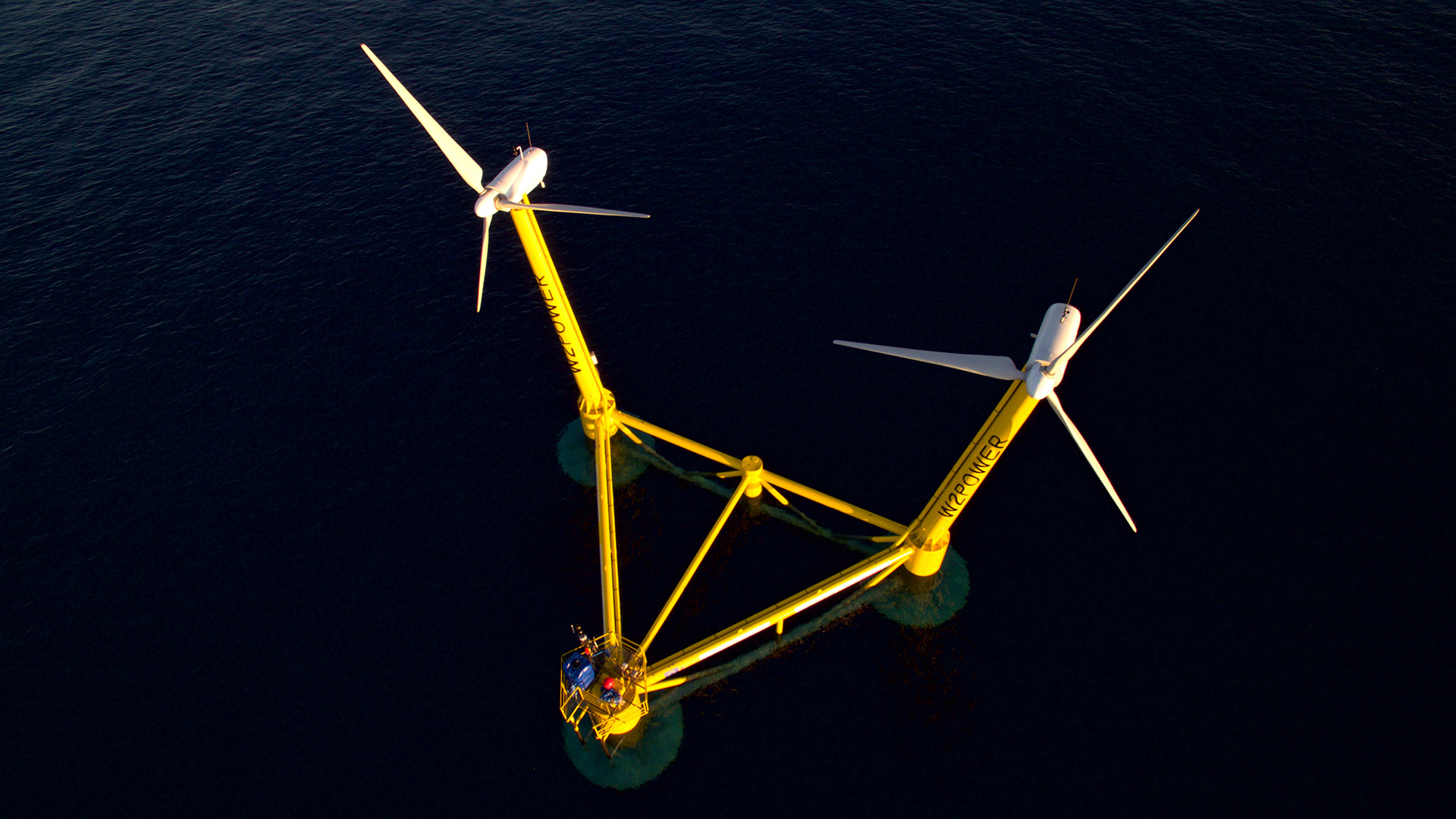
    EnerOcean’s W2Power floating wind platform is advancing on proven mature offshore technologies to deliver a cost-effective and efficient deep-water offshore wind solution.

    Driven by the pressing need to reduce carbon emissions and reach net zero goals, the focus on renewable energy technologies is greater than ever at present.

    Wind energy is a highly promising renewable power source, offering cost-effective clean energy with low-maintenance requirements and high efficiency. In particular, floating wind power is gaining attention as it extends the benefits of offshore wind to countries with limited shallow waters, breaking down geographic barriers to renewable energy adoption.

    Floating wind power paves the way for a higher proportion of offshore wind energy to contribute to the global energy supply, offering greater flexibility to align with stringent environmental regulations – a pivotal factor in specific markets.

    Overview of W2Power

    Based in Spain, marine energy engineering company EnerOcean is dedicated to transforming the renewable energy sector with its development of the W2Power floating wind platform.

    The main objective driving the evolution of the W2Power technology is to be the most cost-effective floating offshore wind solution, reducing the global cost of energy, and also enabling other benefits like multi-use (aquaculture, energy storage, wave energy, etc.).

    floating wind

    W2Power in its current design allows up to 20 MW power on a single floating foundation, using two commercially used offshore wind turbines currently on the market. Since 2019, W2Power has been the first floating offshore wind platform in Spanish waters and the first twin-turbine floating solution to reach open-sea testing in the world, achieving TRL6.

    Broadening the opportunity for offshore wind power

    Floating wind has been identified as a way to obtain the benefits of offshore wind for countries that lack shallow waters. Even for countries that also have shallow waters, floating wind will allow less congestion in their seas. Floating wind also has fewer permitting problems. Worldwide, floating wind will allow a higher percentage of offshore wind into the energy supply. Having more options will make it easier for offshore wind developments to become compatible with environmental limitations.

    Cost-effectiveness

    One of the major challenges with floating offshore wind is the associated costs. Compared to bottom-fixed offshore wind, the industry as a whole has much less experience in the development of floating offshore wind farms. There is also the pressure to compete with other renewables. Whilst floating offshore wind does not need to be the cheapest solution, it must provide a higher value, e.g. by delivering more full-load hours (higher capacity factor) than other sources.

    The W2Power platform offers a cost-effective floating wind solution that has the maturity level to be included in planning complete projects. EnerOcean has completed a deep certification process to prove the level of maturity needed. W2Power’s highly considered design, that will have the industry’s lowest CapEx costs, promises to be pivotal in helping floating wind make a real impact on the energy system.

    There are several elements helping to reduce the cost of production for the W2Power platform.

    Firstly, the lightweight structure of the platform enables EnerOcean to optimise the amount of steel per megawatt of power.

    Another innovative element is using a smaller draft, allowing for the use of existing ports rather than going to specific ones further from the installation point. It also removes the need to reinforce or modify the harbours and ports.

    The system also uses smaller turbines at a lower height than other offshore wind offerings. Smaller turbines are lighter and result in a cheaper assembly and the lower height means that loads on the platform at sea are less, so it can use less steel than a platform for one huge turbine. In turn, the components used are also smaller and easier to mobilise (despite producing the same amount of power), reducing OpEx further.

    The system is self-orienting, meaning that the pair of turbines always stay facing the wind and facilitating the use of closely-spaced turbines. There is also no need for a yawing system for the turbines, which is one of the more unreliable components as it can take a long time to repair if there is a breakage.

    Multi-use solutions

    Bringing further value to the W2Power system, Enerocean has, in its R&D portfolio, been actively working for many years on several potential multi-use combinations for the platform.

    One of the more interesting combinations is the mix of offshore wind and fish farming. EnerOcean has worked closely with fish farming experts and, through collaborative discussions, has identified significant synergies between the two uses.

    Enerocean has, over the years, won numerous prizes and awards. Here the company’s third co-founder,
    Ana Isabel Mayorga, is holding the EU Atlantic Award for ‘Best Marine Renewable Energy project’. Ana has
    an MBA in construction-industry management and postgraduate degrees in Wind Power Engineering and
    Health & Safety and currently serves as Enerocean’s CFO

    Currently still pre-commercial, multi-use will need to be developed without complicating the permitting process. It also needs to be proven that the benefits from combining the two uses outweigh the added complexity. When the governments and investors understand that multi-use will ensure that sea space is used more efficiently, and there are also less environmental interactions, it will emerge as a clear option for
    many markets.

    Proven at-sea testing and continuous development

    Using an at-sea prototype has allowed EnerOcean to see its innovation proven at sea and is an important step in validating a technology solution. The real-life testing experience was a big step towards the validation of the floating unit, enabling the company to test the reliability, stability, installation, behaviour, and alignment in real time. During the testing period, the company did not need to perform any maintenance. It was able to check and install, and temporarily remove, the prototype using simple methods at sea. In recent R&D projects, Enerocean has validated the use of new and innovative materials.

    EnerOcean is also considering the use of new or alternative materials in some R&D projects. The company has been studying the use of concrete, flat panels, and composite for some of the components.
    This will enable the company to consider different options for different markets so it can adapt to the needs of potential clients all around the world.

    About the authors

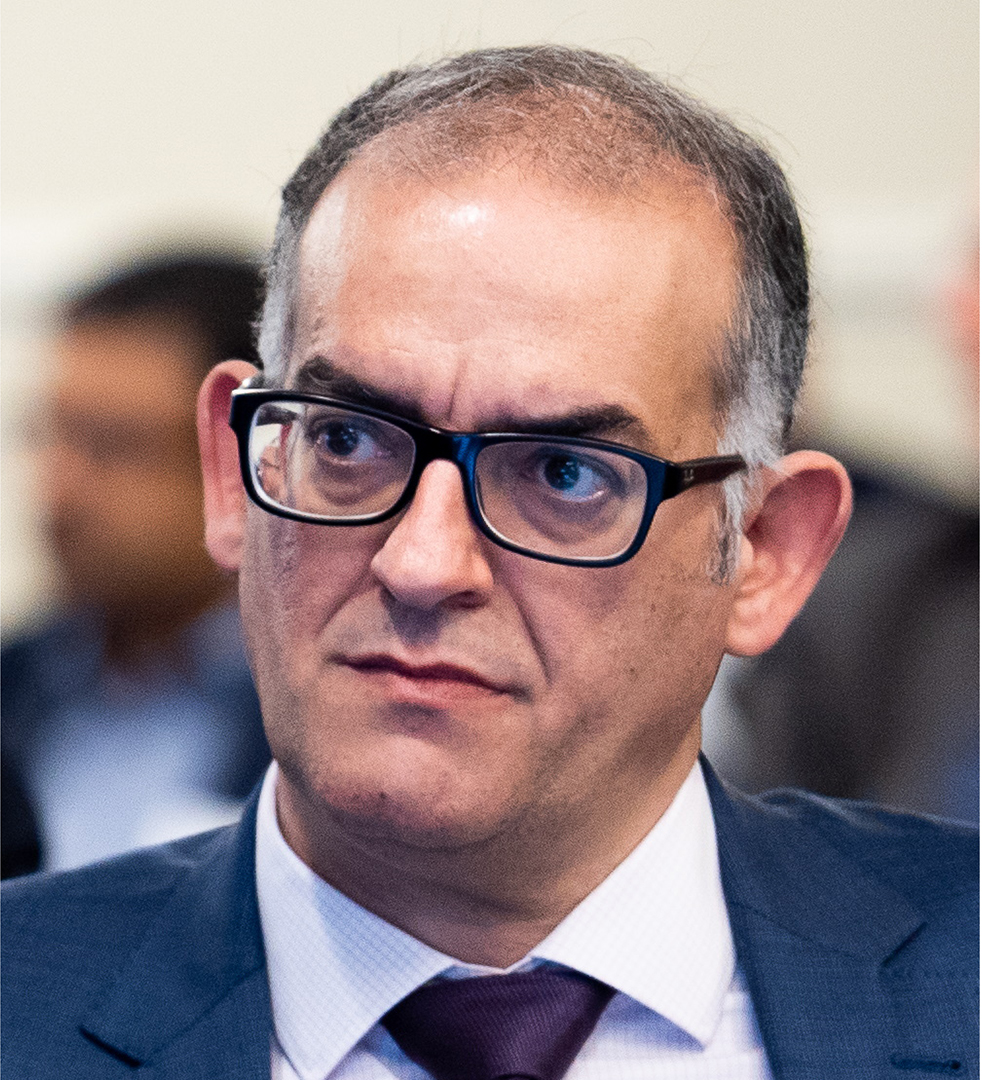
    Eng. Pedro Mayorga, Co-Founder and the Chief Executive Officer
    Pedro holds an Industrial Engineering degree from Malaga University and worked in General Motors as a Manufacturing and Maintenance Engineer, and as a Technological Area Manager in the Electrical Technology Institute (Valencia). Since 2001, he was involved in or co-ordinated 50 R&D projects, public and private, national and European, most of which in offshore renewables. From 2007, he was CTO of EnerOcean, responsible for projects funded by national, regional and European bodies, before being promoted to the company’s CEO in 2022.

    Eng. Pedro Mayorga, Co-Founder and the Chief Executive Officer
    Dr Jan Erik Hanssen,
    Co-Founder


    Pedro served on Spanish and international Technology Platforms for H2 & Fuel cells and Electricity Networks ‘Smartgrids’, the latter on its advisory council. He is the author of numerous technical publications and inventor of several patents. As EnerOcean CTO, he has participated in FP7 projects Tidalsense, Tidalsense Demo, TROPOS, Eurostars Q-SAIL, H2020 RealTide and Reshealience as main researcher, and in national projects e.g. WAVEPORT, SEAMAR, ORPHEO, and in multiple MARINET testing rounds. He coordinated a project in the ERA-NET DemoWind where the W2Power floating platform was successfully demonstrated at sea. Pedro is also active in regional and national Industry Clusters and serves on the Board of APPA, Spain’s Association of Independent Power Producers, currently President of APPA’s Marine Energy section.

    Please note, this article will also appear in the 19th edition of our quarterly publication.

    [ad_2]

    Source link

  • Can the digital campus do enough to achieve sustainability goals?

    Can the digital campus do enough to achieve sustainability goals?

    [ad_1]

    University research and innovation have been critical to advancing climate goals. What more should these institutions do to optimise the modern digital campus?

    Technological advancements help universities provide their students with a better education. Considering the modern climate issues, the growing digital landscape also helps a campus reduce its environmental impact.

    Are modern campus sustainability goals enough to meet emission standards? Jack Shaw, writer and editor at Modded, explores how higher education digitisation affects the planet’s health.

    How do universities contribute to climate change?

    Universities are integral to society because they let students take the next step in their education. However, their negative environmental impacts are necessary to understand the changes within the modern digital campus.

    The effects start with building energy consumption, as institutions rely on electricity to power technology and heat to comfort lecture halls.

    Research showed UK educational institutions accounted for 18m tonnes of carbon dioxide equivalent (CO2e) in the 2020-2021 academic year. Therefore, the 537 schools constituted 2.3% of the country’s carbon footprint.

    While the number is significant, the emissions could be higher. The Leeds University report says endowments and pensions could generate 39.2m tonnes of CO2e.

    How the digital campus has spearheaded sustainability

    While environmental impact is significant, universities have increased campus sustainability. Digitisation has been critical to modernising these institutions and reducing their environmental impact.

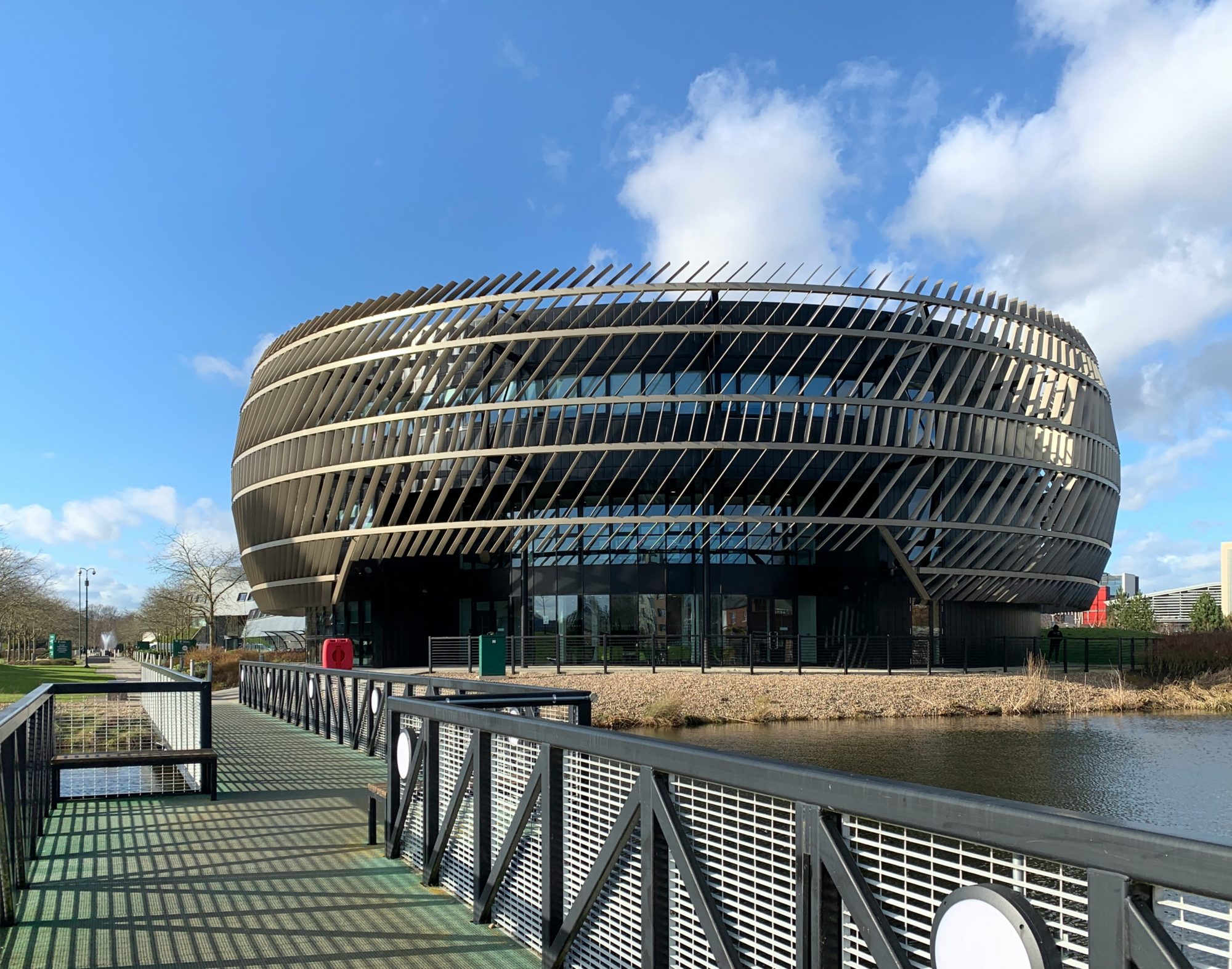
    For example, Nottingham University received £2m for a smart energy grid and its net zero goals. The Faculty of Engineering’s DC microgrid takes advantage of renewable electricity and controls flow during peaks, thus enabling the net zero goals.

    Nottingham’s smart grid leverages solar panels and electrolysers to harness power and store hydrogen after conversion. These units are essential because they produce energy for universities and reduce reliance on municipal systems.

    Another stellar example comes from Cranfield University. The institution has influenced the country’s transportation sector by researching and developing digital twins.

    With digital twins, you can manage resources better and optimise energy consumption. For example, the university has used them to monitor lecture room occupancy and identify environmental conditions. The classrooms are near airfields, so metrics like air quality are essential to student health.

    Digital twins also let Cranfield University researchers understand soil conditions, water usage and other key factors. With the information, they can optimise campus life and ensure sustainability.

    While institutions must tackle their environmental problems, they can wield their researchers to help the private sector. Universities across the United Kingdom have created sustainable business centres to determine how companies can endorse ethical consumption.

    One illustration comes from the University of Sheffield and its TRANSFER project. This initiative aids energy and fashion retailers by researching sustainable consumption in each sector.

    Fashion and energy may seem like two distinct sectors, but they are similar in seeking long-term growth and prosperity. Sheffield researchers contribute to sustainability efforts by investigating customer behaviour and revealing best future practices.

    How can campus sustainability improve?

    By introducing digital technology, universities have profoundly impacted sustainability efforts on campus. However, there is still more work to do.

    UK institutions have yet to meet carbon reduction benchmarks despite efforts to offset their emissions. The future is bright as universities nationwide divest from fossil fuels, reducing the liability of these emissions.

    One way to promote sustainability on a digital campus is to educate attendees on technology. Recent studies reveal 60% of students have integrated technology into their learning since the COVID-19 pandemic. Digitisation is beneficial unless they are unfamiliar with the tools.

    When students have less access to digital technology, their views are different. A 2023 International Journal of Educational Research report found most students positively viewed education’s digitalisation. Without accessibility, they are more likely to have a negative perception.

    Universities can start their campus sustainability initiatives by emphasising online education. Classrooms require power consumption to facilitate courses, so moving the lectures online could reduce resource usage.

    While some classes are better in person, there are ways to digitise the material. For instance, virtual labs can remove the equipment typically used for experiments.

    Another critical area for boosting sustainability is transportation demand. Increasing student adoption of buses, trains and cycling reduces dependence on automobiles.

    Universities can further improve transportation by implementing smart systems. These mechanisms help students get to class and reduce their emissions through better transit.

    For example, vehicle-to-infrastructure technology instantly alerts map applications when a wreck has occurred. This rapid information mitigates traffic jams because buses and cars know to avoid this area and potential congestion.

    The digitisation of smart transportation systems also includes public transit. For example, students having real-time information about the next bus or train encourages usage because the arrival times are more reliable.

    What challenges inhibit digital campus expansion?

    Leveraging digital technology is excellent for improving campus sustainability efforts. These metrics show university leaders the effectiveness of their initiatives and what further actions are necessary.

    However, the forward-thinking mindset with digital technology has some drawbacks. First, universities must consider the threat of data breaches and intrusions from outside forces.

    At worst, these incidents could turn into a cyberattack. The Department for Science, Innovation and Technology said 97% of institutions reported a breach or attack in the past year.

    Increased reliance on digital technology makes universities more vulnerable to these outside forces. If breached, the institution could sacrifice student privacy and information with their sensitive records. Faculty are also at risk, as they may be prominent names in their research fields.

    Another risk of digitisation is increased electricity usage. While it has some benefits — such as online courses and fewer physical classrooms — the environmental liability can increase.

    For instance, universities may use digital twins to monitor traffic patterns or off-campus data centres to store information. These extra devices consume energy and negatively impact the planet if you do not power them through renewables.

    Inside the classrooms, professors may increase their usage of digital devices and displays. These screens reduce the need for paper and ink but require the buildings to draw more electricity.

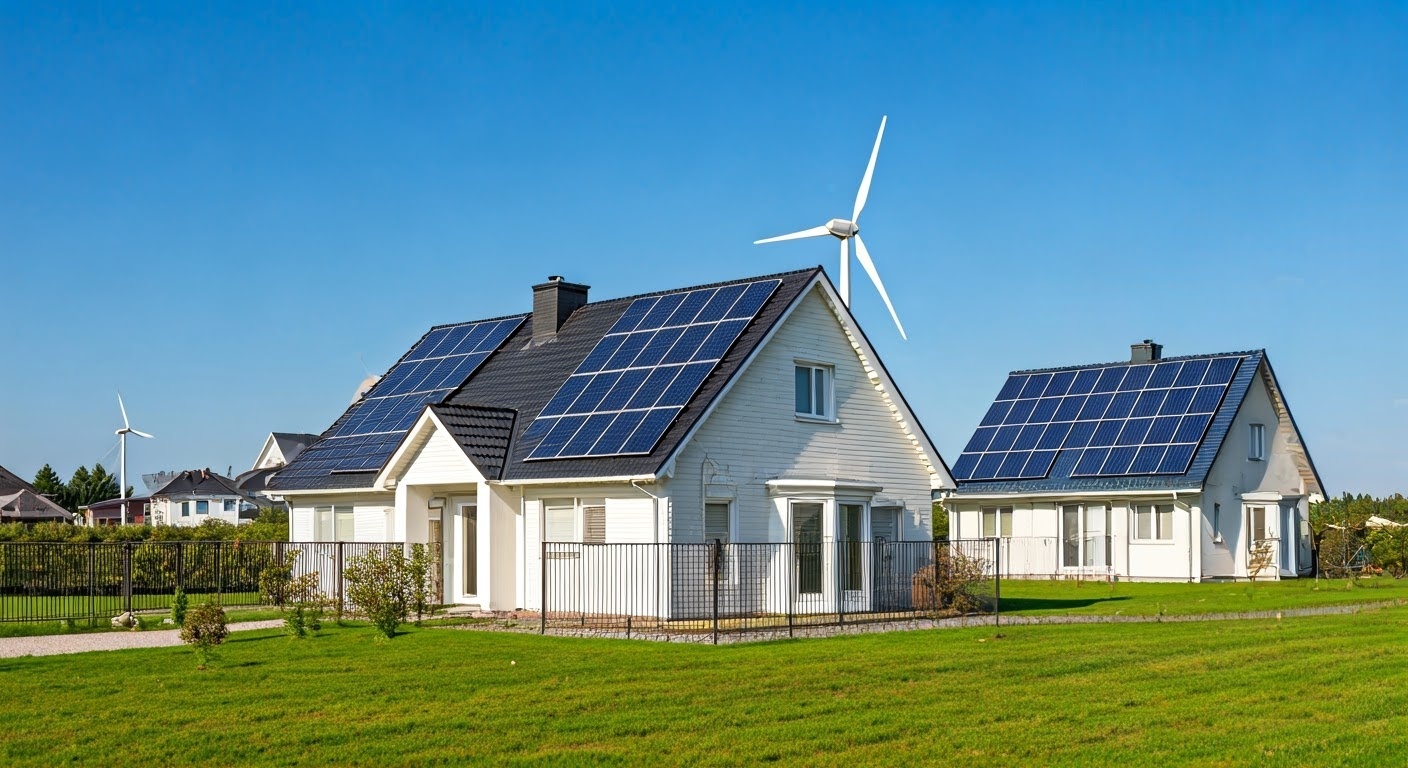
    The best solution is to connect the digital campus to solar panels and wind turbines. Some universities have turned to these technologies to reduce their environmental liability. For instance, the University of Manchester is constructing a 104,000-panel solar farm to supply 65% of its energy demand.

    Another risk of digitisation is the increased e-waste due to discarded gadgets. Technology rapidly evolves, so what will universities do with outdated devices? The institutions must be careful about older computers and printers.

    Advancing campus sustainability for better education

    Universities are critical for educating young people and facilitating research. With the climate’s health at stake, these professors and institutions are more vital than ever. How can colleges digitise to achieve sustainability goals?

    The approach should be holistic and healthy to continue supporting the environment. While initiatives such as digital twins help, they can harm by consuming too much energy. Universities must consider the best interests of the students and faculty while working with outside groups to improve their digital technologies.

    [ad_2]

    Source link

  • Anemos: World’s largest sailing cargo ship makes first transatlantic voyage

    Anemos: World’s largest sailing cargo ship makes first transatlantic voyage

    [ad_1]

    The cargo sailing ship Anemos is crossing the Atlantic Ocean

    Ronan Gladu/TOWT

    The world’s largest sailing cargo ship is making its maiden voyage across the Atlantic Ocean. It left a port in France in early August, and it is on track to deliver 1000 tonnes of cognac and champagne to New York City by 3 September. Its shipments have a carbon footprint one tenth that of a standard container ship.

    “For centuries we knew wind was abundant [over] the deep sea, and we had the pilot charts,” says Guillaume Le Grand, CEO of TOWT, the French company that commissioned…

    [ad_2]

    Source link

  • SERENE project advances local energy systems across Europe

    SERENE project advances local energy systems across Europe

    [ad_1]

    As the global push for sustainable energy intensifies, the SERENE project is making significant strides in transforming local energy systems across Europe.

    Funded by the European Union’s Horizon 2020 research and innovation programme, SERENE is pioneering integrated energy solutions that enhance efficiency, sustainability, and community engagement.

    The latest updates from SERENE’s demonstration sites in Denmark, the Netherlands, and Poland reveal how these initiatives are shaping the future of energy at the local level.

    We take a look at the findings of the project’s latest newsletter to uncover SERENE’s latest developments and progress.

    Scaling up smart energy systems

    SERENE’s primary focus is on developing local Energy Management Systems (EMS) that alleviate grid congestion and optimise energy use.

    In the Netherlands, the project is addressing the challenges posed by increased electrification and solar PV generation.

    Through collaborations with the University of Twente, Saxion University of Applied Sciences, and tech firm Loqio, SERENE is implementing advanced algorithms and smart technologies to manage energy consumption more effectively.

    These innovations will be highlighted at key industry events, including the Smart Energy Systems Conference in Aalborg, Denmark, and the inaugural Smart Energy Hubs Conference in Enschede, the Netherlands, both scheduled for later this year.

    These conferences will serve as platforms for sharing the project’s findings and exploring further applications of these technologies in larger urban and industrial settings.

    Denmark’s Hyllegård Høje: A model for renewable energy integration

    In Denmark, the Hyllegård Høje Energy Community is setting a new standard for renewable energy integration and has been selected as the latest demonstration site for the SERENE project.

    This community has implemented a cutting-edge energy infrastructure that includes building-integrated photovoltaic (PV) systems and an innovative 5th-generation district heating system known as Termonet.

    The system’s 30 km of uninsulated underground pipes serve as the primary energy source for ground-source heat pumps, ensuring efficient heating and hot water supply.

    The energy management in Hyllegård Høje is handled by NEOGRID’s Community Energy Management System (CEMS), which uses data-driven models to forecast and optimise energy use.

    This dual-grid system separates household energy needs from community-wide assets, such as EV charging stations and central battery storage, allowing for more precise energy management and greater sustainability.

    With the completion of Phase A expected by the end of 2024, Hyllegård Høje is poised to become a leading example of how local energy systems can be both sustainable and scalable.

    Milestone reached at Aardehuizen, Netherlands

    The Dutch demonstrator, Aardehuizen—also known as ‘Earth houses’—has achieved a critical milestone with the full installation of its energy measurement setup.

    This system, developed over three years, includes smart control algorithms that optimise energy usage based on predictions and real-time data.

    These technologies are designed to minimise interaction with the national grid, reduce CO2 emissions, and maximise financial returns from locally produced energy.

    The project is now entering a validation phase that focuses on both technical and social optimisation.

    The technical component aims to fine-tune energy consumption within the community, while the social aspect explores how real-time data and recommendations can influence residents’ behaviour.

    This dual approach underscores SERENE’s commitment to not only advancing technical solutions but also fostering active community participation in the energy transition.

    Przywidz, Poland: Overcoming challenges and advancing local energy systems

    In Poland, the SERENE project continues to progress in the Przywidz Municipality, despite recent changes in local government leadership.

    The newly elected mayor has shown strong support for the initiative, participating in presentations and discussions about ongoing developments.

    One of the key achievements in Przywidz is the integration of a Vanadium Redox Flow Battery (VRFB), which provides a stable energy storage solution that is crucial for balancing local energy production and consumption.

    Additionally, the project has introduced an all-in-one Energy Storage System (ESS) developed by STAY-ON.

    Installed at a local kindergarten, this system combines batteries, an inverter, and an energy management system, making it easier to implement and manage.

    The ESS is designed to store excess energy from photovoltaic installations and use it during peak demand periods, enhancing the resilience of the local energy system.

    Engaging communities in the energy transition

    A central goal of the SERENE project is to actively involve local communities in the energy transition.

    In Przywidz, this has been achieved through a series of public meetings where residents have been informed about new energy installations and encouraged to engage in discussions about the future of local energy systems.

    These events have emphasised the importance of energy storage technologies and their potential benefits for both individual households and the broader community.

    The project has also focused on reaching younger audiences, with Polish partners participating in the EDU Offshore Wind Fair in Gdańsk.

    This event provided an opportunity to discuss the future of green energy jobs and the role of innovative energy systems like those developed by SERENE.

    SERENE project future objectives

    As the SERENE project moves forward, the upcoming conferences in Aalborg and Enschede will be crucial for disseminating the project’s findings and exploring opportunities for scaling these innovations.

    The progress made in Denmark, the Netherlands, and Poland demonstrates the potential of local energy systems to drive Europe’s energy transition.

    SERENE’s work is not just about technology; it’s about empowering communities to take control of their energy futures.

    By integrating advanced energy management systems with active community engagement, the project is paving the way for a more sustainable and resilient energy landscape across Europe.

    The SERENE project is proving that local energy systems can play a vital role in the global energy transition.

    Through its innovative approaches and community-focused initiatives, SERENE is setting a new standard for how energy systems can be designed, implemented, and managed at the local level.

    As the project continues to evolve, its impact on sustainable energy practices is expected to grow, offering valuable insights and solutions for communities across Europe and beyond.

    Click here to read the full version of the SERENE project’s latest newsletter.

    [ad_2]

    Source link

  • SUSTENANCE Project update: Pioneering carbon-neutral energy communities

    SUSTENANCE Project update: Pioneering carbon-neutral energy communities

    [ad_1]

    As the global community intensifies its efforts to mitigate climate change, the transition to sustainable energy systems has become a critical objective.

    The SUSTENANCE project, a groundbreaking initiative funded by the European Union’s Horizon 2020 research and innovation programme and the Department of Science and Technology, Government of India, represents a significant leap forward in developing carbon-neutral energy communities.

    By developing and demonstrating innovative, integrated energy systems, SUSTENANCE aims to establish carbon-neutral energy communities that serve as models for replication worldwide. This comprehensive initiative, now in its final stages, is poised to leave a lasting impact on how communities across the globe approach sustainable energy.

    We take a look at the updates from the project’s latest newsletter to understand how the project is evolving.

    The final sprint: A focus on replicability

    The SUSTENANCE project is now in what can be described as its ‘final sprint’—a critical phase where the focus is on ensuring that the innovative solutions developed can be effectively replicated in various communities around the world.

    Since its inception, the project has been dedicated to creating smart, socio-economic, and eco-friendly solutions for community-level, multi-energy renewable energy systems.

    These systems are designed to be not only technologically advanced but also economically viable and socially acceptable.

    One of the key strengths of SUSTENANCE lies in its approach to mutual learning and knowledge transfer. The project has conducted demonstration activities across diverse neighbourhoods in Europe and India, each bringing its unique set of challenges and opportunities.

    This diversity is not merely incidental but is a deliberate strategy to test the robustness and adaptability of the solutions under different conditions.

    By doing so, SUSTENANCE ensures that the solutions it develops are not only effective in the specific contexts of the demonstration sites but are also scalable and adaptable to other regions with varying climatic, social, and economic conditions.

    To further enhance the replicability of its results, the SUSTENANCE consortium has engaged in a wide range of activities aimed at dissemination and exploitation.

    These efforts are crucial in ensuring that the knowledge generated by the project reaches the widest possible audience and that other communities can benefit from the lessons learned.

    A significant part of this strategy involves networking with other initiatives and stakeholders, particularly those involved in local energy transitions.

    Networking and collaboration: A catalyst for broader impact

    Networking has been a cornerstone of the SUSTENANCE project’s strategy for broader impact. One of the key partnerships established is with the Clean Energy for EU Islands (CE4EUI) secretariat.

    This collaboration facilitates the exchange of experiences and best practices in local energy transitions, particularly in the context of ‘energy islands,’ which can be either geographical islands or isolated energy systems within mainland areas.

    This concept of energy islands is particularly relevant in the context of decarbonisation, as these systems often face unique challenges in achieving energy independence and sustainability.

    One of the key topics discussed in the collaboration with CE4EUI is the potential of heat pump technology to contribute to smart electricity systems. Heat pumps are increasingly recognised as a crucial component of energy-efficient building systems, capable of significantly reducing greenhouse gas emissions.

    However, their integration into smart grids, particularly in the isolated contexts of energy islands, presents both technical and economic challenges.

    The SUSTENANCE project has been actively exploring these challenges, with the aim of developing solutions that can be replicated not only on EU islands but also in similar contexts worldwide.

    This collaborative effort has already yielded tangible results. Several CE4EU island members, including Ameland in the Netherlands, the Aran Islands in Ireland, and San Pietro in Italy, have expressed interest in receiving initial feasibility studies from the SUSTENANCE partner, NEOGRID.

    These studies are a critical first step in the replication process, providing these islands with the detailed information they need to assess the viability of implementing SUSTENANCE solutions in their own contexts.

    Engaging with the EU BRIDGE initiative

    The SUSTENANCE project’s involvement with the EU BRIDGE Initiative network further underscores its commitment to fostering collaboration and shared learning.

    The BRIDGE Initiative is a European Commission-backed network that brings together projects focusing on smart grids, energy storage, and digitalisation of the energy sector.

    By participating in this network, SUSTENANCE not only showcases its achievements but also gains access to a wealth of knowledge and experience from other projects working towards similar goals.

    At the 2024 BRIDGE General Assembly, SUSTENANCE had the opportunity to present its progress to a diverse audience of stakeholders from across Europe.

    This event was more than just a platform for showcasing achievements; it was an invaluable opportunity for the project to engage in deep discussions with other participants, exchanging insights and exploring potential synergies.

    Such interactions are vital for the ongoing development of the project, as they provide new perspectives and ideas that can be integrated into SUSTENANCE’s approach.

    Participation in the BRIDGE Initiative also aligns with SUSTENANCE’s overarching goal of establishing the generic applicability of its methods and solutions.

    By actively contributing to a network that includes a wide range of projects, SUSTENANCE ensures that its solutions are not developed in isolation but are informed by and contribute to the broader European energy transition.

    This collaborative approach enhances the project’s ability to create solutions that are not only technically sound but also socially and economically viable across different contexts.

    Showcasing at Enlit Europe

    Enlit Europe is one of the largest and most influential events in the energy sector, bringing together a wide array of stakeholders to discuss and innovate solutions for the ongoing energy transition.

    SUSTENANCE’s participation in the Enlit Europe Conference, scheduled to be held in Milan in October 2024, is a significant milestone for the project.

    This event provides a unique platform for SUSTENANCE to present its innovations to a global audience and to engage with industry leaders, policymakers, and other key stakeholders.

    The Enlit Europe Conference is not just a venue for showcasing new technologies; it is a dynamic forum for dialogue and collaboration. By participating in this event, SUSTENANCE aims to expand its reach, engage with new partners, and explore new opportunities for collaboration.

    The conference also offers an opportunity to gather feedback on the project’s solutions from a diverse audience, which is crucial for refining and improving these solutions before they are rolled out on a larger scale.

    Moreover, the discussions and actions taken at Enlit Europe are expected to have a significant influence on the future direction of the energy transition in Europe and beyond.

    By being part of these discussions, SUSTENANCE ensures that it remains at the cutting edge of the energy sector, contributing to and benefiting from the latest developments and trends in the industry.

    Maximising impact through strategic exploitation

    One of the critical challenges for any research and innovation project is ensuring that the results are not only innovative but also have a practical impact.

    The SUSTENANCE project has addressed this challenge head-on by collaborating with the Horizon Results Booster, an initiative that provides tailored support to Horizon 2020 projects to help them maximise the impact of their results.

    Through this collaboration, SUSTENANCE has refined its Exploitation Strategy, focusing on the Intelligent Energy Management System (iEMS) developed by STAY-ON Energy Management.

    The iEMS is a sophisticated tool designed to optimise the use of renewable energy sources within a community, balancing supply and demand to ensure both energy efficiency and economic viability.

    By defining key exploitable results and detailing a comprehensive business plan for the iEMS, SUSTENANCE has positioned this technology for widespread adoption and impact.

    The Horizon Results Booster has also helped SUSTENANCE to identify potential markets and stakeholders for the iEMS, ensuring that the technology is not only technically sound but also meets the needs of its intended users.

    This strategic approach to exploitation is critical for ensuring that the iEMS, and other technologies developed under SUSTENANCE, can be successfully deployed in real-world settings, delivering tangible benefits to communities across the globe.

    SUSTENANCE demonstration projects: A glimpse into a sustainable future

    The success of the SUSTENANCE project is rooted in its demonstration projects, which serve as living laboratories for testing and refining the innovative solutions developed by the consortium.

    These demonstration projects are spread across several countries, each offering unique insights and challenges that contribute to the overall success of the project.

    Denmark: A hub of collaboration and innovation

    In June 2024, the SUSTENANCE consortium gathered in Denmark for one of its most important project meetings, hosted by Aalborg University and the Municipality of Skanderborg.

    This meeting was a key moment for the project, bringing together partners from Denmark, the Netherlands, Poland, and India.

    The diverse representation at this meeting underscored the global nature of the SUSTENANCE project and highlighted the importance of cross-border collaboration in tackling the challenges of the energy transition.

    The meeting was more than just a series of routine updates and discussions. It featured a range of activities designed to foster deeper collaboration and explore the practical applications of the project’s innovations.

    One of the highlights was a tour of Aalborg University’s advanced research facilities, where participants gained valuable insights into the scientific groundwork that underpins the project’s goals.

    This tour provided a deeper understanding of the technological innovations being developed and reinforced the importance of cutting-edge research in driving the energy transition.

    Another significant aspect of the meeting was a workshop on socio-economic perspectives, conducted by the University of Twente. This workshop focused on the broader implications of the project, exploring how the innovations being developed could impact communities and economies.

    By considering these socio-economic factors, the SUSTENANCE project ensures that its solutions are not only technologically advanced but also socially and economically viable.

    A visit to the Danish village of Voerladegaard provided a tangible connection to the real-world impact of the project. This village is directly involved in the SUSTENANCE project, and the visit allowed participants to engage in direct discussions with local inhabitants.

    Despite language barriers, these interactions were incredibly valuable, offering diverse perspectives and a deeper understanding of how the project’s innovations are perceived and experienced by the community.

    The Netherlands: Innovating energy communities

    The energy transition in the Netherlands presents a unique set of challenges, particularly in terms of managing the increasing bidirectional flows of electricity resulting from the widespread adoption of renewable energy sources such as photovoltaic (PV) systems.

    The Dutch grid, which was originally designed for a one-way flow of electricity, is struggling to cope with this new reality, leading to issues such as grid congestion and energy scarcity during peak times.

    The SUSTENANCE project is addressing these challenges by exploring the concept of Energy Communities (ECs). ECs are groups of prosumers—individuals or entities that both produce and consume energy—who pool their resources and flexibility to optimise energy production and consumption within their community.

    This concept is being tested at the Vriendenerf demonstration site in the Netherlands, an EC consisting of twelve dwellings for elderly citizens. This community not only shares energy resources but also engages in collective decision-making regarding energy use, making it a model for how ECs can contribute to the energy transition.

    Interestingly, the SUSTENANCE project has drawn inspiration from the natural world to inform its approach to energy management within ECs. Specifically, the project looks to the distributed coordination mechanisms used by ant colonies as a model for managing energy flows within an EC.

    Ants use pheromones to communicate and navigate, allowing them to efficiently locate and transport food back to the colony. This decentralised yet highly effective system of communication and coordination offers valuable lessons for managing energy within a community.

    By developing algorithms that mimic these natural processes, SUSTENANCE aims to create energy management systems that are both robust and adaptable.

    Poland: Integrating modern technology in historic buildings

    Poland’s contribution to the SUSTENANCE project focuses on demonstrating how modern energy technologies can be integrated into older buildings to improve their energy efficiency and sustainability.

    The Polish demonstration site is a block of flats built in the late 1970s—a time when energy efficiency was not a primary concern in building design.

    Retrofitting these buildings with modern energy systems presents both technical and economic challenges, but it also offers a valuable opportunity to showcase the potential of these technologies in reducing the carbon footprint of existing infrastructure.

    The SUSTENANCE project is using this site to test a range of innovations, including advanced insulation materials, energy-efficient windows, and smart heating systems. These technologies not only reduce energy consumption but also improve the comfort and living conditions of the residents.

    By demonstrating that even older buildings can be made energy efficient, SUSTENANCE provides a model for how similar buildings across Europe and beyond can be retrofitted to meet modern energy standards.

    India: Pioneering sustainable energy in a diverse landscape

    India’s participation in the SUSTENANCE project adds a unique dimension to the initiative, given the country’s diverse climatic, social, and economic conditions.

    The first-ever SUSTENANCE project meeting in India marked a significant milestone, as it provided an opportunity to explore the challenges and opportunities of implementing sustainable energy solutions in such a varied environment.

    India’s energy landscape is characterised by a mix of modern urban centers and rural areas that still rely heavily on traditional energy sources. This diversity presents both challenges and opportunities for the SUSTENANCE project.

    On one hand, the country’s rapidly growing energy demand and reliance on fossil fuels make the transition to renewable energy particularly urgent. On the other hand, India’s vast potential for solar and wind energy provides a solid foundation for this transition.

    The insights gained from the Indian demonstration sites are invaluable for the SUSTENANCE project, as they highlight the importance of context-specific solutions. What works in a European setting may not be directly applicable in India, and vice versa.

    By engaging directly with local stakeholders and understanding their needs and challenges, the SUSTENANCE project ensures that its solutions are adaptable and relevant across different contexts.

    SUSTENANCE project: A blueprint for a sustainable future

    As the SUSTENANCE project nears completion, its impact is already being felt across the diverse demonstration sites in Europe and India.

    The project’s emphasis on replicability, combined with its robust dissemination and exploitation strategies, ensures that the innovative solutions developed will serve as a blueprint for other communities worldwide.

    By fostering collaboration, leveraging cutting-edge technology, and addressing socio-economic challenges, SUSTENANCE is paving the way for a sustainable, carbon-neutral future.

    Click here to read the full latest newsletter from the SUSTENANCE project

    [ad_2]

    Source link

  • US invests $31m to advance renewable geothermal energy

    US invests $31m to advance renewable geothermal energy

    [ad_1]

    The United States Department of Energy (DOE) has announced an investment of up to $31m to support six innovative renewable geothermal energy projects across the country.

    These initiatives aim to advance enhanced geothermal systems (EGS) and explore new methods of energy storage, aligning with the US’ broader goals of reducing emissions and bolstering the clean energy sector.

    Secretary of Energy Jennifer Granholm emphasised the significance of the initiative: “Expanding the use of new and innovative geothermal technologies will allow the United States to continue pushing forward into the frontier of the clean energy revolution by using the heat beneath our feet.”

    Revolutionising geothermal energy

    Currently, geothermal energy contributes around four gigawatts to the US electricity grid. However, the DOE estimates that the expansion of EGS could unlock up to 90 gigawatts of reliable, flexible power by 2050, enough to supply energy to over 65 million American homes.

    EGS technology involves creating artificial underground reservoirs to extract heat from the Earth’s subsurface, which can then be converted into electricity.

    While geothermal heat is abundant, many locations lack the natural water or fluid flow needed to recover this energy efficiently. EGS addresses this issue by enabling the extraction of heat in areas where traditional geothermal methods are not feasible.

    Another key focus of the DOE’s funding is the development of reservoir thermal energy storage (RTES) technology.

    Unlike conventional batteries that store electrical energy, RTES stores heat energy directly in underground reservoirs, offering a valuable solution for industries that require high amounts of thermal energy, such as chemical production and food processing.

    Overview of selected projects

    The DOE has allocated $4.88m to Clemson University in South Carolina for the development of an AI-powered photoacoustic imaging tool. This tool will be used for high-temperature and high-pressure well logging, assessing geothermal well integrity without the need for active cooling.

    In Houston, Texas, Innovative Downhole Solutions Inc. received $2.51m to create a durable ultrasonic measurement tool. This tool is designed to operate continuously for 24 hours in high-temperature geothermal environments, evaluating wellbore construction materials and practices.

    Lawrence Berkeley National Laboratory in California has been awarded $2.02m to develop a tool specifically for evaluating geothermal borehole integrity. This tool is engineered to function in extreme conditions without relying on downhole electronics.

    Los Alamos National Laboratory in New Mexico has secured $3.67m to create a high-resolution acoustics-based tool. This tool will deliver precise data for assessing the components of EGS under extreme conditions.

    Schlumberger Technology Corporation in Houston, Texas, was granted $10m to develop a wireline tractor-conveyed system. This system will focus on long-term integrity modelling of cement and casing in geothermal wells.

    Finally, Project Development Solutions, Inc. in Bakersfield, California, received $7.9m to pilot an RTES demonstration project at the Kern Front Oil Field. This project will pair subsurface geothermal reservoirs with a steam system and process heat off-taker.

    The advantages of renewable geothermal energy

    Renewable geothermal energy offers several significant advantages as a renewable energy source. Unlike solar or wind energy, which depend on weather conditions, geothermal energy provides a consistent and reliable power supply.

    It also requires less land and water compared to other energy sources and emits very low levels of greenhouse gases, making it an environmentally friendly option.

    By investing in geothermal technologies, the US is making strides towards its clean energy goals while also enhancing energy security and creating economic opportunities.

    The DOE’s recent investments in EGS and RTES underscore the nation’s commitment to leveraging renewable geothermal energy as a key component in the fight against climate change and the push for sustainable innovation in the energy sector.

    [ad_2]

    Source link

  • Stanford Engineers Unveil Game-Changing Electrified Reactor

    Stanford Engineers Unveil Game-Changing Electrified Reactor

    [ad_1]

    Metamaterial Reactor
    This image depicts the inductively heated metamaterial reactor with catalysts filling the ceramic foam baffle. It is producing carbon monoxide and water from the reverse water gas shift reaction. Credit: Dolly Mantle

    Researchers at Stanford have created an innovative reactor that uses electricity instead of fossil fuels, offering a cleaner alternative for industrial heating and potentially reducing carbon emissions significantly.

    Industrial processes in the U.S. currently contribute about a third of the nation’s carbon dioxide emissions, surpassing the combined annual emissions from passenger vehicles, trucks, and airplanes. Decarbonizing this sector is a challenging yet crucial step toward mitigating future climate impacts.

    Researchers at Stanford Engineering have designed and demonstrated a new type of thermochemical reactor that is capable of generating the immense amounts of heat required for many industrial processes using electricity instead of burning fossil fuels. The design, published August 19 in Joule, is also smaller, cheaper, and more efficient than existing fossil fuel technology.

    “We have an electrified and scalable reactor infrastructure for thermochemical processes that features ideal heating and heat-transfer properties,” said Jonathan Fan, an associate professor of electrical engineering at Stanford and senior author on the paper. “Essentially, we’re pushing reactor performance to its physical limits, and we’re using green electricity to power it.”

    Heating with induction

    Most standard thermochemical reactors work by burning fossil fuels to heat a fluid, which then flows into pipes in the reactor – like a boiler sending hot water to cast iron radiators in an old house, but with better insulation and at much higher temperatures. This requires a fairly large amount of infrastructure and there are many opportunities to lose heat along the way.

    The new electrified reactor uses magnetic induction to generate heat – the same sort of process used in induction stoves. Instead of having to transport heat through pipes, induction heating creates heat internally within the reactor, by taking advantage of interactions between electric currents and magnetic fields. If you wanted to inductively heat up a steel rod, for example, you could wrap a wire around it and run an alternating current through the coil. These currents create an oscillating magnetic field which, in turn, induces a current in the steel. And because steel is not a perfect conductor of electricity, some of that current turns into heat. This method effectively heats the whole piece of steel at the same time, rather than creating heat from the outside in.

    Adapting induction heating for the chemicals industry is not as easy as just turning up the heat. Industrial reactors need to evenly create and distribute heat in a three-dimensional space and be much more efficient than the average stovetop. The researchers determined that they could maximize their efficiency by using particularly high-frequency currents, which alternate very quickly, in conjunction with reactor materials that are particularly bad conductors of electricity.

    The researchers used new, high-efficiency electronics developed by Juan Rivas-Davila, an associate professor of electrical engineering and co-author on the paper, to produce the currents they required. They then used those currents to inductively heat a three-dimensional lattice made of a poorly conducting ceramic material in the core of their reactor. The lattice structure is just as important as the material itself, Fan said, because the lattice voids artificially lower the electrical conductivity even further. And those voids can be filled with catalysts – the materials that need to be heated to initiate chemical reactions. This makes for even more efficient heat transfer and means the electrified reactor can be much smaller than traditional fossil fuel reactors.

    “You’re heating a large surface area structure that is right next to the catalyst, so the heat you’re generating gets to the catalyst very quickly to drive the chemical reactions,” Fan said. “Plus, it’s simplifying everything. You’re not transferring heat from somewhere else and losing some along the way, you don’t have any pipes going in and out of the reactor – you can fully insulate it. This is ideal from an energy management and cost point of view.”

    Electrified industry

    The researchers used the reactor to power a chemical reaction, called the reverse water gas shift reaction, using a new sustainable catalyst developed by Matthew Kanan, a professor of chemistry at Stanford and co-author of the paper. The reaction, which requires high heat, can turn captured carbon dioxide into a valuable gas that can be used to create sustainable fuels. In the proof-of-concept demonstration, the reactor was over 85% efficient, indicating that it converted almost all electrical energy into usable heat. The reactor also demonstrated ideal conditions for facilitating the chemical reaction – carbon dioxide was converted to usable gas at the theoretically predicted rate, which is often not the case with new reactor designs.

    “As we make these reactors even larger or operate them at even higher temperatures, they just get more efficient,” Fan said. “That’s the story of electrification – we’re not just trying to replace what we have, we’re creating even better performance.”

    Fan, Rivas-Davila, Kanan, and their colleagues are already working to scale up their new reactor technology and expand its potential applications. They are adapting the same ideas to design reactors for capturing carbon dioxide and for manufacturing cement, and they are working with industrial partners in the oil and gas industries to understand what those companies would need to adopt this technology. They are also conducting economic analyses to understand what system-wide sustainable solutions would look like and how they could be made more affordable.

    “Electrification affords us the opportunity to reinvent infrastructure, breaking through existing bottlenecks and shrinking and simplifying these types of reactors, in addition to decarbonizing them,” Fan said. “Industrial decarbonization is going to require new, systems-level approaches, and I think we’re just getting started.”

    Reference: “Electrified thermochemical reaction systems with high-frequency metamaterial reactors” by Calvin H. Lin, Chenghao Wan, Zhennan Ru, Connor Cremers, Pinak Mohapatra, Dolly L. Mantle, Kesha Tamakuwala, Ariana B. Höfelmann, Matthew W. Kanan, Juan Rivas-Davila and Jonathan A. Fan, 19 August 2024, Joule.
    DOI: 10.1016/j.joule.2024.07.017

    This work was funded by the Stanford Doerr School of Sustainability Accelerator, the National Science Foundation, the Gates Millennium Scholarship, and the Stanford Graduate Fellowship.

    [ad_2]

    Source link