Negative electricity prices can make more economic sense than switching wind turbines off
Peter Brogden/Alamy
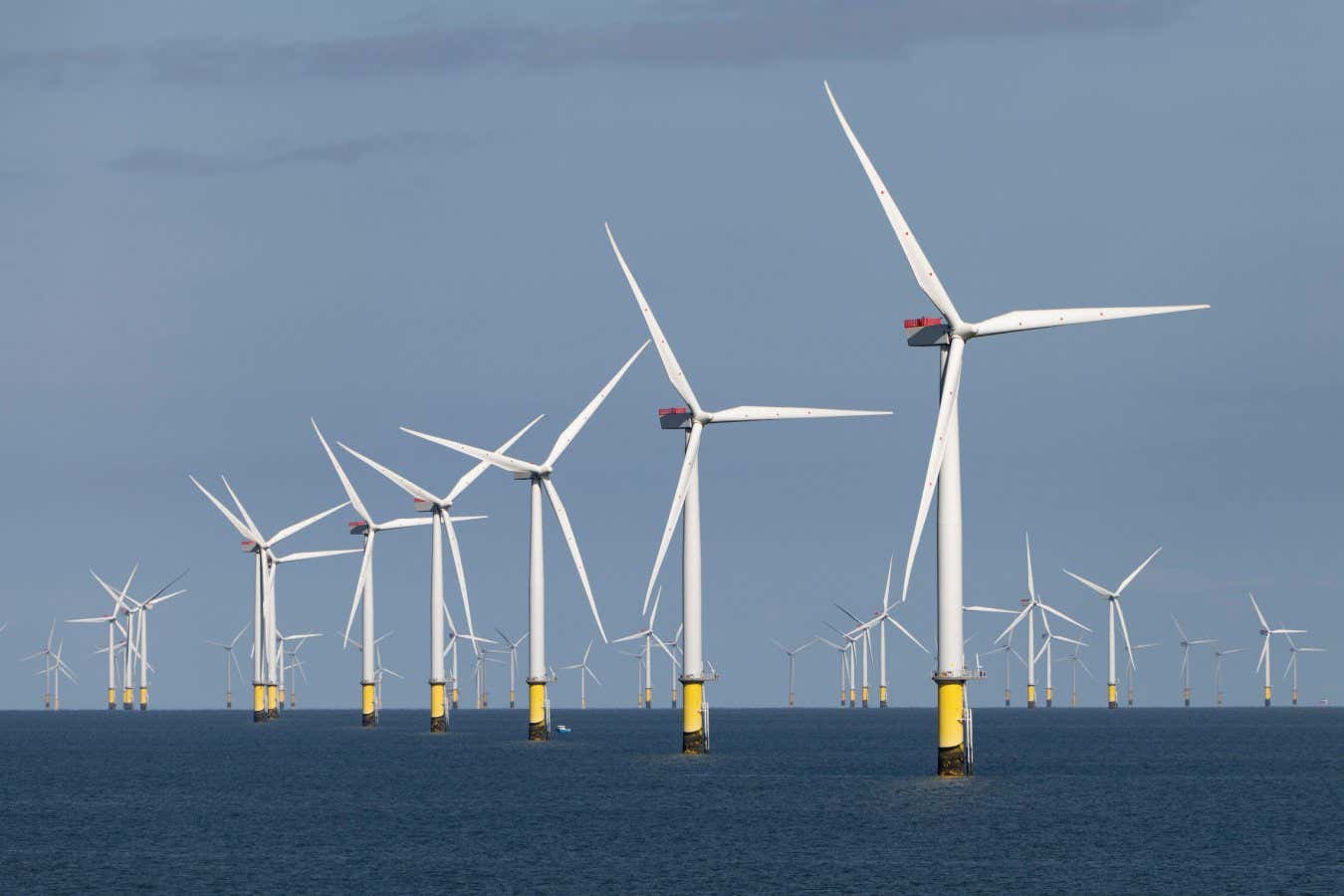
The huge growth in renewable energy across Europe means electricity plants are generating more power than is needed, forcing them to pay energy firms to discharge it – effectively, selling at a negative price. On the face of it, this might seem like a good thing for cash-strapped households, but negative prices don’t necessarily bring down people’s electricity bills, and can also bring a host of downsides, including disrupting the business case for building more renewables.
The price of power is largely determined by the “day-ahead”…
Innovate UK has announced it will award funding to support the development of a floating offshore wind platform for applications in the Celtic Sea.
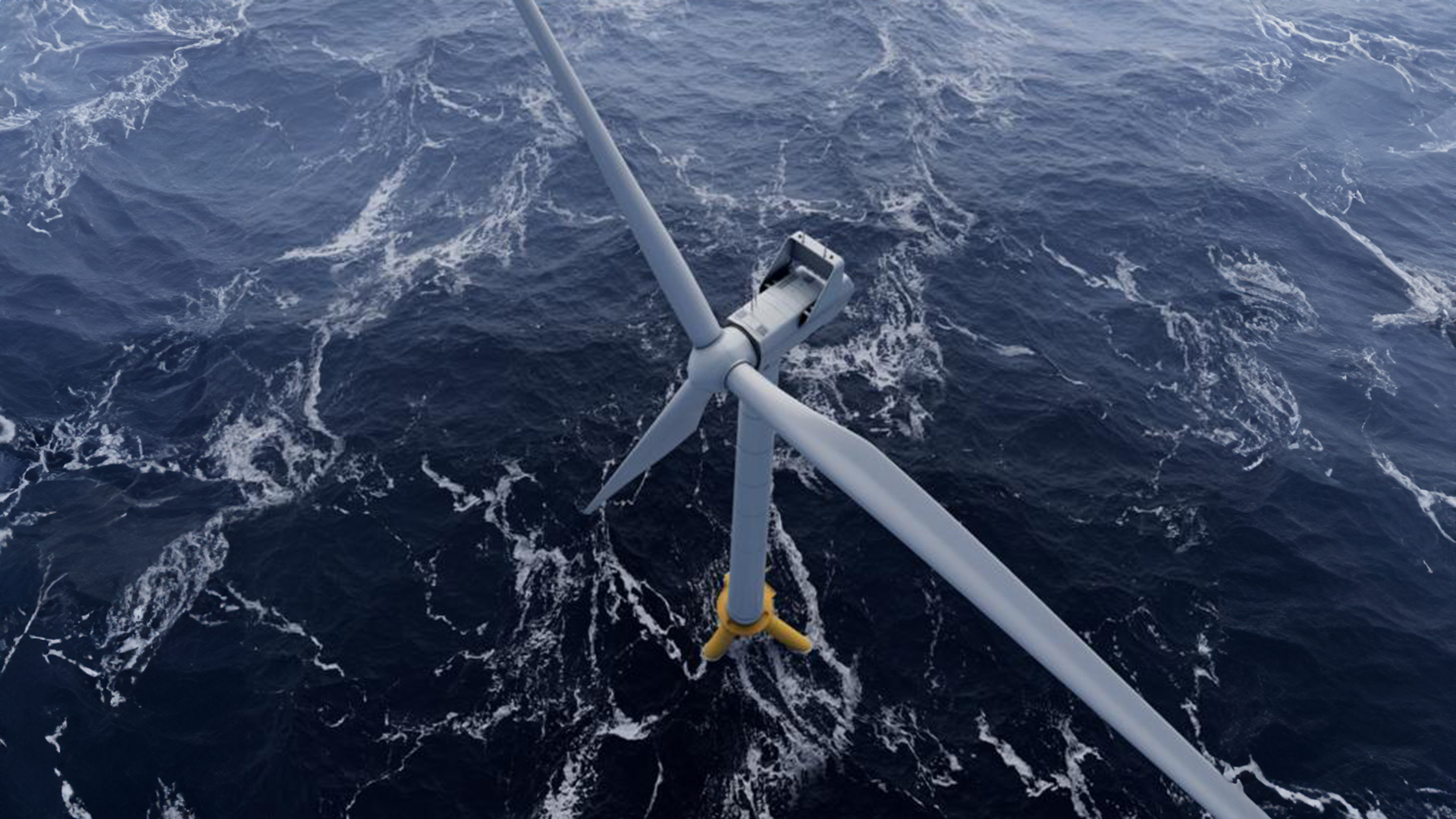
The funding will be utilised to establish the Launchpad project, which will ensure a local supply chain for the development and deployment of the unique and flexible floating offshore wind platform – PelaFlex.
The £800,000 project will be led by Marine Power Systems, with Swansea University’s Department of Mechanical Engineering collaborating with Ledwood Mechanical Engineering, Tata Steel UK, ABP (Associated British Ports) Port Talbot, and the Port of Milford Haven.
The project aims to unblock the marine energy potential of South-West Wales by developing local supply chains and capitalising on local skills and expertise.
Graham Foster, Chief Technology Officer at Marine Power Systems, commented: “We are really excited to receive support through Innovate UK.
“With the deployment of floating offshore wind in the Celtic Sea becoming a reality, the time is absolutely right to work with the local supply chain to optimise the detailed design of our technology and maximise its deliverability.
“A good example of that is that we are confident that through this project, we will be able to optimise our platform design to increase the amount of local steel used to fabricate it from around 10% to over 50%.”
Launchpad aims
Launchpad will enhance PelaFlex’s structural efficiency by focusing on the challenging conditions in the Celtic Sea and reducing material and deployment costs.
This effort includes using strip steel manufactured in Port Talbot, components fabricated by local suppliers, and assembly and deployment through existing ports in southwest Wales.
Design and fabrication support
Swansea University will contribute design input by applying the latest advancements in structural design modelling.
Ledwood, based in Pembrokeshire, will provide feedback to maximise local supplier support for fabrication.
Floating offshore wind platform assembly and deployment
Input from Associated British Ports and the Port of Milford Haven will ensure that the platform can be assembled and deployed from these locations, minimising the required investment.
Mark Davies of Ledwood Mechanical Engineering, added: “Launchpad represents another step forward for the emerging floating offshore wind industry.
As a locally-based engineering company, we are pleased to be working with MPS, Tata Steel, the Port of Milford Haven, ABP Port Talbot and Swansea University to help build a local supply chain by capitalising on the skills, expertise and infrastructure that we have here in South-West Wales.
“This is an exciting time for us, and we hope the region can take advantage of the opportunities that will soon emerge.”
Supporting decarbonisation and industrial development
The project will support Tata Steel UK’s vision to decarbonise Port Talbot’s steel production, including producing green strip steel using an electric arc furnace.
It also aims to position the town as an industrial hub for offshore wind development and deployment.
East Riding of Yorkshire Council has given approval to build the £250m green hydrogen facility, a major boost to the UK’s clean energy portfolio.
The move will position the Humber region as a leading hydrogen hub and help to decarbonise the UK’s leading industrial emitter of CO2.
Meld Energy’s CEO Chris Smith commented: “Meld Energy’s ambitious plans for the Humber are poised to accelerate decarbonisation efforts in the region.
“This outline planning approval is an important milestone for the development of our project, which is the first of several that we will be bringing forward in the Humber and across the UK.
“Our Saltend Chemicals Park project will enable decarbonisation for our customers in the park and set the baseline for accelerating and reducing the cost of the energy transition.
“We couldn’t be more excited with this news and look forward to being able to share more in the coming weeks.”
Meld Energy’s project will join other leading chemical businesses at Saltend Chemicals Park, including BP Petrochemicals Technology, Vivergo Fuels, Yara, Mitsubishi Chemicals UK, Ineos, and Air Products, as well as the Triton Power station.
Benefits of green hydrogen
Green hydrogen presents numerous benefits for both the environment and the economy. Firstly, its production process generates zero greenhouse gas emissions, making it a crucial player in the fight against climate change.
By utilising renewable energy, green hydrogen reduces dependency on fossil fuels, contributing to a cleaner, more sustainable energy system.
Secondly, green hydrogen serves as a versatile energy carrier. It can be used in various sectors, including transportation, industry, and power generation.
For industrial applications, green hydrogen can replace carbon-intensive processes, such as those in steel and chemical production, leading to significant emission reductions.
Additionally, green hydrogen facilitates the storage and distribution of renewable energy. Its ability to be stored for long periods and transported over long distances addresses the intermittency and geographical limitations of renewable sources like wind and solar power.
Economically, the growth of green hydrogen technologies can create new industries and job opportunities.
Investments in hydrogen infrastructure and production can stimulate economic growth, drive innovation, and position countries as leaders in the emerging global hydrogen economy.
Transforming the Humber region
The Humber region is the UK’s largest industrial CO2 emitter, generating over 5% of the UK’s overall emissions and 50% more than the next largest region.
Meld’s green hydrogen production facility will be instrumental in reducing the region’s emissions significantly.
The facility’s green hydrogen will be produced via electrolysis – which employs electricity to split water into hydrogen and oxygen.
This will help to produce 30% of Saltend Chemicals Park’s hydrogen demand and cut a substantial 125,000 tonnes of CO2 annually.
Meld Energy submitted a bid in April for the second round of the government’s Hydrogen Production Business Model funding. Successful applicants will be announced later this year, with the government aiming to support up to 875 megawatts of hydrogen production.
A research team at Stanford University is advancing liquid battery technology for renewable energy storage.
The liquid battery technology, known as liquid organic hydrogen carriers (LOHCs), can expertly store electrical energy in liquid fuels.
This technological breakthrough could prove vital, storing renewable power for the electricity grid to accelerate the green transition.
What are liquid batteries?
Lithium-ion batteries are the commonly used technology employed to store electricity for the grid and power everyday technologies such as smartphones and electric vehicles.
Due to the growing demand for energy storage, researchers are exploring solutions that can supplement lithium-ion technology.
LOHCs emerge as promising candidates, as they can store and release hydrogen using catalysts and elevated temperatures.
In the future, LOHCs could function as a liquid battery, storing energy and efficiently returning it as usable fuel.
Research focus
The research team is exploring using isopropanol and acetone for hydrogen energy storage and release.
Isopropanol, also known as rubbing alcohol, serves as a high-density liquid hydrogen form, allowing for easy storage and transport via existing infrastructure. This form can be utilised in fuel cells or to release hydrogen without emitting CO2.
Production challenges
Producing isopropanol using electricity is currently inefficient. The typical process involves converting protons and electrons from water into hydrogen gas, which a catalyst then transforms into isopropanol.
His system combines protons and electrons with acetone to produce isopropanol without generating hydrogen gas, using iridium as the catalyst.
A significant breakthrough in the research was the discovery of cobaltocene’s effectiveness as a co-catalyst.
Cobaltocene, a cobalt compound traditionally used as a reducing agent, proved to efficiently deliver protons and electrons directly to the iridium catalyst, bypassing hydrogen gas production.
Accelerating the development of LOHCs
Given cobalt’s high demand in batteries, the Stanford team aims to leverage their new insights into cobaltocene’s properties to develop alternative catalysts.
They are investigating the use of more abundant, non-precious metals like iron to create more affordable and scalable LOHC systems.
The team is confident that their liquid battery breakthrough could evolve into an effective solution for the energy storage sector or for individual solar and wind farms.
In an era where sustainable energy is paramount, a new groundbreaking study has provided critical insights into battery health management.
It meticulously examines various aspects of battery health, including design, optimisation, fault detection, and recycling of lithium-ion, lead-acid, and nickel metal hydride (NiMH) batteries.
These types of batteries are crucial components for the next generation of portable devices, electric vehicles, and renewable energy systems.
Addressing the challenges associated with battery performance
As our reliance on electric vehicles and renewable energy systems grows, so does the demand for efficient and sustainable battery technologies.
The challenges of performance degradation, safety concerns, and environmental impact loom large.
The need of the hour is to innovate in battery design, optimisation, and fault detection, and to develop effective recycling strategies to minimise ecological footprint.
The urgency calls for in-depth research to propel battery health management forward and foster sustainable energy storage solutions.
The new study, led by the Industrial Tribology Laboratory, unveils new information about battery health. It presents an in-depth analysis of battery design, manufacturing processes, fault detection strategies, and cutting-edge recycling techniques.
AI and ML can effectively detect battery health
The study underscores the criticality of early fault detection through AI and machine learning, which is vital for preventing battery failures and extending their lifespan.
Innovative methods such as dual-wavelength photoelectric and electrochemical detection for monitoring thermal runaway in real-time are also presented.
The paper evaluates various recycling methods, including pyrometallurgy, hydrometallurgy, mechanical separation, and electrodialysis, for their environmental impact and efficiency, championing sustainable practices.
Dr S H Gawande, the study’s lead author, commented: Our research underscores the critical role of integrating sophisticated technologies like AI and ML for battery health management.
“These innovations are pivotal for bolstering battery reliability and safety.
“Moreover, embracing sustainable recycling practices is fundamental in mitigating the environmental repercussions of battery disposal.”
Overall, the optimisation of battery health and fault detection mechanisms will enhance safety and reliability, which is particularly beneficial for the electric vehicle and renewable energy sectors.
The spotlight on sustainable recycling strategies is set to reduce the environmental impact of battery waste.
Scientists from the National Institute of Technology Silchar have created a scheduling system that may revolutionise EV charging efficiency.
The system elevates power grid efficiency and better utilises energy generated from renewable sources.
By focusing on the charging and discharging times of EVs to better integrate with photovoltaic (PV) energy sources, the system has the potential to make EV charging even more sustainable.
How does the scheduling system work?
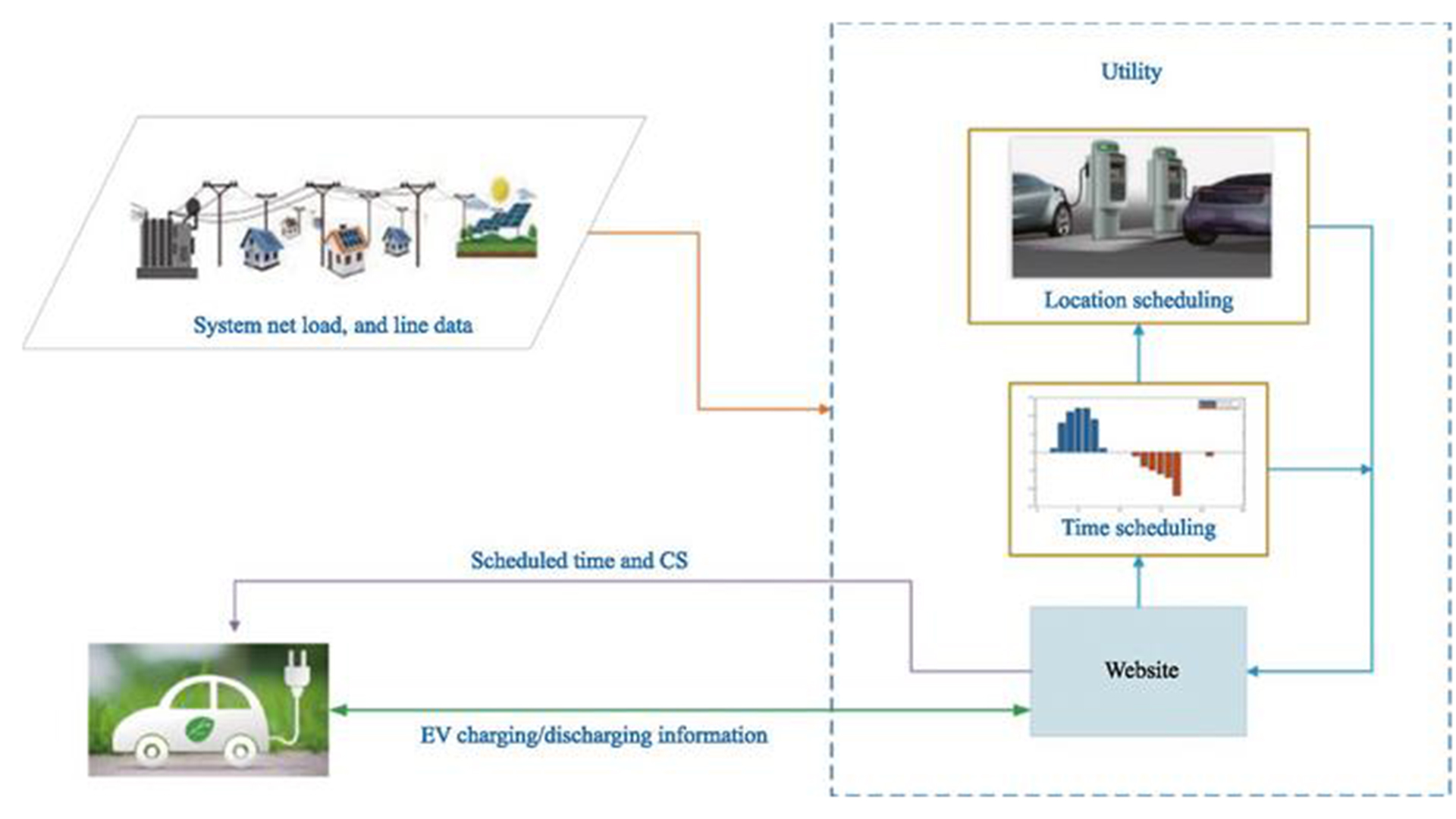
This innovative two-stage algorithm schedules EV charging sessions and manages their distribution across various charging stations to reduce energy loss, prevent power outages, and minimise grid impact.
In the first stage, the algorithm uses a hybrid SARIMA-LSTM model to predict solar energy availability and identify optimal EV charging times.
This synchronisation with peak solar production maximises renewable energy use and reduces dependency on non-renewable sources.
The second stage allocates charging slots to different stations to balance the electrical grid load, maintaining stability and preventing the peaks and troughs associated with unmanaged EV charging.
An advantageous charging/discharging scheduling of electric vehicles in a PV energy enhanced power distribution grid. Credit: GREEN ENERGY AND INTELLIGENT TRANSPORTATION
Successful EV charging simulations
The researchers demonstrated the system through extensive simulations on a 28-bus Indian power distribution network powered by solar energy.
The results demonstrated major improvements in the grid’s peak-to-average load ratio, an indicator of power efficiency.
The system was also shown to reduce total energy consumption and increase voltage stability in multiple test scenarios.
This breakthrough represents a significant milestone in integrating renewable energy and EVs into urban infrastructure.
As cities grow and pursue eco-friendly transportation and energy solutions, adopting intelligent scheduling systems is crucial for boosting EV charging efficiency.
This study provides valuable insights for policymakers, utility companies, and consumers navigating complex energy management in congested urban areas.
The Innovation Platform spoke with André Faaij, Chairman of NERA, about the role of research and collaboration in realising a widespread energy transition in the Netherlands and beyond.
The Dutch government has set the target of halving greenhouse gas emissions by 2030. Recognising the significance of renewable energy in achieving this target, the Netherlands Energy Research Association (NERA) is actively involved in promoting and advancing sustainable energy solutions.
NERA aims to provide sustainable energy for all, supporting universities and research institutions in the development of new technologies that will facilitate a large-scale green transition. To delve into NERA’s role in the Dutch energy transition and provide insights into the research and initiatives driving the sector forward, The Innovation Platform Editor Maddie Hall spoke with NERA Chair André Faaij.
Fostering collaboration and co-operation in the Netherlands energy sector
NERA is typically Dutch in its approach to research, aiming to bring the community together. Closely aligned with the European Energy Research Alliance (EERA), we discuss the research and development agendas of the various bodies, identify gaps, and foster collaboration.
NERA has been able to utilise and build upon EERA’s well-developed infrastructure, with the TNO and many of the universities we support collaborating on EERA’s joint programmes – gathering expert opinions on a variety of subjects in the development of research programmes and proposals.
Regarding national developments in the energy transition, the Netherlands is a busy place. A significant amount of activity is jointly funded by industry and the government. While this has increased the possibilities for research, it has created a busy and somewhat chaotic research landscape that makes the innovation process – from fundamental research to market uptake – inefficient. This has become a key focus of NERA, and we are determined to improve efficiency across the whole innovation system, particularly in regard to research capacity.
NERA’s board consists of university presidents and senior members, providing a vital link to the more political and governance-based discussions around the organisation of research, development, and innovation in the energy field.
In recent years, this has included helping our members to make use of the €20bn National Growth Fund. The first objective is sustainable economic development, allowing for proposals of around €300m and up to €1bn, many of which are centred on energy and circular economy. Examples are a green hydrogen programme and a programme to develop a new generation of solar cells. The latter aims to diversify solar cell technology as well as to establish a new manufacturing industry that can compete with China’s classic PV solar panel industry.
In such a busy research landscape, NERA aims to provide necessary support. Facilitating research initiatives, bringing together partners in innovation, and providing a platform for research will help the industry gain speed and continuity and deliver on research and development.
NERA provides a network for the exchange, communication, and dissemination of information about the wider impact of the research community. Furthermore, it is the national pendant of the European Energy Research Association (EERA), which is an established network and infrastructure in the EU setting.
The importance and challenge of achieving sustainable energy
Every week, a new climate record is broken. Climate change is by far the biggest global challenge we are facing and the primary motivating factor in transitioning as fast as possible to a sustainable energy system. It is crucial that we keep global mean temperature change as low as possible, as failing to do so will be disastrous in terms of economic damage and social disruption.
However, delivering on the total energy transition necessary to mitigate and tackle the dangers of climate change is an immense challenge. It requires the creation of a viable, competitive alternative to fossil fuels, meaning existing green technologies must become more efficient and cheaper, and they must do so in a shorter period of time.
This is certainly achievable with aggressive innovation efforts directed at new and existing technologies such as bio-based products, nuclear energy, and bio- and synthetic, to name a few. A diversified and complementary combination of green technologies will have the capacity to support our energy demand and remove reliance on fossil fuels.
In many areas, Europe is world-leading in its green energy efforts. There is little debate that European countries around the North Sea are leading one of the strongest developments in the global energy field – offshore wind. We also export this technology globally, which strengthens our economies. Besides the overriding argument of tackling, or at least mitigating, climate change, the whole energy transition is a major economic opportunity.
Implementing and achieving sustainable energy solutions is crucial for achieving economic security worldwide. Europe is extremely dependent on foreign energy imports of oil and gas, importing over 90% of its energy supply. While Europe is meeting targets regarding renewable energy, that dependence on imports can and should be reduced to around 10-15% in the long term.
This is possible, given the potential for solar, wind, bioenergy, and other options. This will enable the estimated €1tr/yr currently spent on foreign energy imports to be directed into supporting industries, as well as into the conservation of forestry and agriculture; the latter can play a crucial role in providing sustainable biomass for energy and circular materials.
Establishing domestic and continental energy supplies will provide a more affordable energy system, increased energy security, and stable economic growth.
There is still much to learn, clarify, and legislate on the profitability of green solutions, and this is another challenge to overcome. More sophisticated and stable policy strategies and governance are required to ensure that everyone benefits from this shift.
However, from a macro perspective and in terms of incentivising global investment in green developments, there stands to be a multitude of economic benefits from this energy transition.
Sustainable energy production and consumption in the Netherlands
In the Netherlands, renewable energy currently accounts for approximately 16-17% of the national energy supply, with the largest share coming from biomass, followed by wind and solar. For electricity, in particular, a striking 50% of last year’s energy supply came from renewable sources. There has been a lot of positive progress in increasing energy efficiency, and we are on track to meet the 2030 targets.
Investment in the renewables sector is booming, and we are seeing aspirations and planning for its capacity to grow alongside it. The Netherlands is aiming for over 20 gigawatts in wind power capacity by 2030, a considerable increase from its current output of 5 gigawatts, and while ambitious, the pipeline of projects aiming to achieve this is full.
The same can be said for initiatives in the solar and biomass industries. Thanks to this strong growth and awareness, these targets will not only be met but potentially even surpassed, as the profitability of many of these projects is a competitive alternative to high gas prices.
Electrification has gained momentum over the last few years, with a rapid expansion in the number of electric vehicles and the development of the associated infrastructure. Electric cars are now dropping in price and, in many cases, are cheaper over their lifetime than gasoline cars, making them an affordable alternative.
Overall, we are seeing that sectors keep innovating, scaling up, and advancing their performance, which is driving down the cost factors presented by the purchase of capital and fluctuating prices of critical raw materials.
This is aided by the transition by major utility firms, manufacturing industries, and electricity firms to invest in renewable rather than fossil energy, which is fundamental to achieving green energy goals and sets an example that renewable energy is the future. Those who lag behind will pay the price in terms of missing out on business opportunities.
Key sustainable energy initiatives or policies implemented in the Netherlands The European Emission Trading System (ETS) and Carbon Border Adjustment Mechanism (CBAM) have been hugely influential in both the Netherlands and Europe as a whole. It is one of the most powerful European measures to combat emissions, putting a price on carbon-intensive imports to avoid unstable competition.
In the Dutch arena, we see a complex landscape of support measures across a variety of technologies in research, development, and demonstration. There are dedicated targets, sector-oriented agreements – such as individual industries for the built environment – and a wide range of investment support and benefits.
There has been steady progress in efficiency improvement, especially in industry. Given that the industry is also facing the pressure of high energy prices, increased attention has been paid to developing efficiency standards and streamlining policy, which has helped to reduce energy use per unit of output. Nevertheless, the full transformation of industry to new processes that are more circular and carbon neutral still needs to be realised in the coming decades.
For the built environment, we should now routinely convert 300,000 houses a year to much better insulation and use renewable sources to achieve climate neutrality. We are far from achieving this, as there are additional challenges in involving communities and co-ordinating this effort on a local level. However, many projects are underway that should help us meet this target.
The National Energy System Plan (NPE) System is an important policy step forward. It provides a solid sketch of how the energy system can transform over time within bandwidths and meet the set climate targets.
The plan outlines the Dutch priorities for the energy transition, considering the required action, direction for innovation, investment, and more clarity for the industry. Recently, emphasis has developed to focus on meeting 2050 targets, as focusing on 2030 only may partly conflict with what is needed in the period after that.
Challenges faced in the Netherlands’ transition to a more sustainable energy system
International transport is a major area for improvement for the Netherlands, with Schipol airport and major harbours responsible for heavy gasoline, diesel, and kerosene usage. Solving this challenge will require increased sector organisation and legislation, with targets to be set and faster combined with innovation. Synthetic and biofuels can contribute to this, and we are currently investigating the potential role of green ammonia in the shipping sector.
Another key consideration is grid congestion. Demand for renewable electricity is already exceeding supply, partly due to the crisis in Ukraine and the subsequent soaring gas prices. We have seen a huge increase in the installation of solar panels and heat pumps in an effort to avoid natural gas, which has skyrocketed demand and expansion of grid capacity (as well as flexibility options), which is lagging behind.
While geopolitical factors such as this are difficult to predict, it was certainly possible to foresee that the demand and supply of renewable electricity was going to increase as part of meeting green targets, and this is a lesson to learn from for the coming decades in terms of good planning.
The widespread rollout of green technologies also demands appropriate infrastructure and stable planning. An important consideration when scaling up these technologies is developing the capabilities to source, process, manufacture, and recycle critical raw materials in a circular way. The key to this will lie in designing and planning the entire supply chain, prioritising sustainability at every step. Guidelines and roadmaps must be established to direct areas of research and innovation that can facilitate an efficient and comprehensive scale-up, taking circularity into account.
Developing best practice guidelines and standards is complicated by incredibly complex legal procedures. Objections to building work or sustainable energy development are notorious and are currently a subject of contention and potentially major policy intervention. On a government level, policymakers are considering the legal options to override some complaints to speed up progress. This is a work in progress and requires a balance to be struck in terms of responding and adapting to objections while still rolling out green infrastructure on time.
Dutch research capacity is world-leading, with high-quality innovation, considerable funding, and diverse research efforts across sectors. Our scientific community’s commitment to collaboration (very much including international) and open science is a huge benefit. There is an awareness of key societal needs and the time pressure to deliver on issues such as the energy transition, circular economy, biodiversity, etc.
However, this openness to collaboration and working towards common goals is not reflected at the governance and policy level, where competition, still seen as a leading principle, is encouraged and expected. If we are to deliver timely solutions to the energy transition, we must collaborate, not compete – a concept that the research community is eager to act upon. NERA is part of this debate, encouraging a mission-oriented, faster, and more efficient way of working that fosters collaboration and advocates for an open science attitude to research.
Recent innovations in sustainable energy research
The Netherlands is keen to collaborate within Europe and beyond in its research efforts, and this is clearly reflected in recent achievements.
The biobased arena is full of innovation and industrial activity. In recent years, a Dutch company has developed a biobased alternative for PET, a commonly used plastic. While PET can be fully recycled, having two circular, sustainable options, with the ability to be recycled back to monomers, could potentially reduce the industry’s carbon footprint by 95%.
This is no longer a laboratory idea but a commercial process. It bodes well for subsequent innovation in the biobased field, as the combination of high-quality chemistry, engineering, technology, and industry is proving incredibly effective.
The carbon capture utilisation and storage (CCUS) industry is another sector receiving much attention. The Porthos project intends to transport CO2 from the Port of Rotterdam to be stored offshore and is currently awaiting an investment decision. This world-leading project utilises the chemical industry’s refining capacity to collect CO2 from emitters and store it in an empty gas field in the North Sea.
As the first step to the anticipated larger CO2 infrastructure, the project is developing our knowledge of the geology, technology, and logistics of offshore CCUS. Alongside the storage capabilities, this research also encourages consideration of utilisation options, looking ahead to CO2 chemistry for synthetic fuels or chemicals.
Offshore energy is a continued area of innovation for the Netherlands and Europe in general. Key industry players in Denmark and Germany, combined with Dutch research efforts in offshore logistics and installation, have created a competitive offshore energy industry. In fact, the offshore projects in the North Sea and across Europe have attracted world markets, resulting in collaborations with Korea, Japan, and Taiwan, among others.
This, in turn, has been followed by a strong push for electrolyser technology and investment, as well as a focus on the green hydrogen supply that is a component of scaling up offshore energy.
NERA’s role in transforming the research environment
As an umbrella organisation, NERA considers research development, demonstration, and deployment, identifying gaps and areas for initiative. We act as an intermediary between the research community and governing bodies, communicating the workflow and needs of researchers to improve the environment.
In recent years, NERA has strongly diversified its board, adopting a more interdisciplinary approach. Engineers and natural scientists have dominated classic energy research. However, the total energy transition will be, as the name suggests, a complete societal shift with challenges beyond what can be addressed by scientific research and development alone. An efficient and effective transition will require the input of psychologists, social scientists, and legal experts as part of the discussions. NERA’s network and activities have equally shifted to reflect this.
Conclusion
Despite the time pressure, there remains a lot of criticism around many alternative energy solutions, with many pleading for the few options that are truly sustainable. While, in principle, we can transition solely to solar and wind power, the investment and the infrastructure required to do so would be huge, and the steps needed to convert the power for different uses means this presents an inefficient and, therefore, expensive alternative.
This attitude ignores the immense challenge presented by the green transition. We use a huge amount of energy, and its uses are diverse. To realise a sustainable energy transition, it is very important to have the whole portfolio of options available and understand where each option and combination of options delivers best.
NERA has adopted a ‘technology agnostic’ attitude to energy transition, believing that speed must be the primary objective. With climate targets to meet and increasing pressure to reduce emissions at a reasonable cost, it is crucial that viable alternatives are able to be rolled out on a large scale in a timely manner.
The faster we are able to achieve the transformation to a profitable renewable energy system, the sooner we will see the economic and environmental benefits.
Please note, this article will also appear in the 18th edition of our quarterly publication.
Toronto Metropolitan University researchers are advancing innovative solutions that facilitate a robust, sustainable, and inclusive future where everyone can engage and thrive.
Through local and global partnerships and collaborations, Toronto Metropolitan University (TMU) drives forward new ideas to accelerate a healthy, sustainable, and inclusive future where everyone can participate, learn, and succeed. From global migration to equity in health care to responsible digital technology, research at TMU reaches across borders and disciplines to find innovative and collaborative solutions to the world’s most complex challenges.
This research advances robust cybersecurity, prepares for the future of work, and develops sustainable policy and infrastructure to not only address society’s current needs but also anticipate the needs of tomorrow.
Professor Steven N Liss, Vice-President, Research and Innovation at TMU said: “The world is experiencing an extraordinary era of change. Social, economic, environmental, and digital transformations are occurring more rapidly than ever before, bringing forth challenges that demand bold and creative solutions. These transformations also present unique opportunities to change the way our world works, shaping a brighter future.”
TMU seeks new opportunities to scale and apply our research and innovations in communities worldwide, enter new partnerships, and tackle major global challenges together.
Professor Liss said: “Our world-class researchers exemplify an exceptional ability to collaborate with scholars, governments, and industry organisations beyond our community to advance knowledge, improve lives, and increase economic competitiveness. Through our collaborations with international partners, we have embarked on trailblazing research that brings together diverse perspectives to strengthen our endeavours and accomplish positive, real-world impact.”
Interdisciplinary migration research
Immigration is a cornerstone of economic growth and labour markets worldwide, including Canada. For more than three decades, TMU has been at the forefront of immigration and migration research and education. This leadership paved the way for the university’s ‘Migrant Integration in the Mid-21st Century: Bridging Divides’ research programme, engaging more than 35 research leaders, 100 scholars, and 200 organisations from across Canada and the world.
Led by the international scholar and Canada Excellence Research Chair in Migration and Integration, Professor Anna Triandafyllidou, the programme’s collaborative, interdisciplinary, and transformational research explores global migration and how it intersects with technology adoption, community health, infrastructure, and more. This $98.6m investment by the Government of Canada’s Canada First Research Excellence Fund enables critical insights to improve outcomes for migrants and produce practical solutions that support thriving, equitable, and resilient communities.
Professor Triandafyllidou noted: “The world is experiencing rapid digital change affecting all aspects of how we live, work, and travel, as well as how we participate in society. Bridging Divides research is focused on how advanced digital technologies can be applied to improve immigrants’ integration and make our societies richer, more creative, and more resilient.”
One of the programme’s key research areas identifies the practices that enable migrants to engage in work and explores how they can be scaled up to fit the needs of migrants in Canada and elsewhere. Researchers are examining how the strategic deployment of digital technology can improve immigrants’ economic integration in all forms of work.
For instance, many newly arrived migrants enter the workforce through jobs in the digital platform economy, from gig-based apps for ride services and freelance labour to apps connecting healthcare workers with employers who have available shifts.
Professor Triandafyllidou and her collaborators are examining how migrants use these platforms to create networks and develop employment experiences. They’re also investigating technology’s role in unemployment and underemployment, combating employer bias, training and retraining newcomers, and facilitating foreign credential recognition.
Innovating for health equity
TMU has significantly accelerated its health research, with a particular focus on addressing critical community health issues and filling gaps, such as access and equity.
Professor Karen Soldatic, the Canada Excellence Research Chair in Health Equity and Community Wellbeing, is internationally recognised in her field. She works with a global network of disability, social, and healthcare scholars, institutions, service providers, and civil society organisations on research that aims to provide equitable and accessible community-engaged models of sustainable social, economic, cultural, and emotional well-being.
A vision of person-centred care is at the heart of TMU’s new community-first, intentionally inclusive School of Medicine enterprise. Welcoming its first class in 2025, the medical school is developing critical relationships with health partners and other academic institutions. Agreements with collaborators, such as the Indigenous Primary Health Care Council, highlight TMU’s dedication to advancing equity in medical education and health care.
The medical school is an extension of the university’s strength in health research. It will intersect with top-tier researchers and their work in fields such as biomedical science, psychology, and nursing. Daphne Cockwell School of Nursing Professor Mandana Vahabi is increasing cancer screening accessibility internationally, with a special focus on cervical cancer – one of the leading causes of death among women globally, but preventable with regular testing.
Leading a five-year research project in India, she and researchers from Canada and the Tata Memorial Centre in Mumbai are promoting the uptake of screening among low-income urban and rural women from across eight states. They are using a culturally appropriate arts-based sexual health education approach and HPV self-sampling tests to reach those who are under-screened or have never been tested.
Sustainability research and infrastructure
The environment we live in greatly impacts the health of people, cities, and communities. TMU is a leader in sustainability research and has a robust water research community. A multidisciplinary consortium of researchers and international partners works together to solve complex urban water challenges, from policy to the natural sciences.
A first-of-its-kind research project led by Professor Elsayed Elbeshbishy is set to build greener wastewater systems. Wastewater systems are one of the main contributors to greenhouse gas emissions (GHGs) worldwide, and TMU is at the forefront of solution-based research in this area. Professor Elbeshbishy is working with 16 partners, including municipal governments and industry organisations, on multi-level GHG detection research to measure methane and nitrous oxide using computer simulations, ground and drone sensors, and aircraft and satellite imaging. The comprehensive data, collection will allow researchers to better understand the uncertainties in measurement methods.
Professor Elbeshbishy said: “Governments around the world want to reduce their GHG emissions from different sectors, including wastewater treatment plants. If we’re able to understand why there is a difference in measuring GHGs with different methods, we can minimise the difference, reduce uncertainty in the data and have a measurement tool that we can rely on.”
This project entails numerous additional components that contribute to a better understanding of GHGs, including developing mathematical models to predict GHG emissions from sewer systems and wastewater treatment plants, assessing GHG emission calculators, and creating educational videos and social media content.
Decarbonising communities
Reducing GHGs is critical as the world seeks to lessen the impacts of climate change. TMU researchers are leading the way in developing the innovations and knowledge needed to decarbonise communities.
TMU’s Centre for Urban Energy focuses on developing novel, sustainable, and accessible energy solutions that integrate local, small-scale, and renewable power sources into electricity grids for more adaptable energy infrastructure. Professor Bala Venkatesh is the centre’s founding academic director and an internationally recognised clean energy expert.
Professor Venkatesh works closely with researchers from Europe, the US, South America, and Asia to explore topics that range from policy and regulation to energy storage to smart micropower grids. He has cultivated local and international collaborations, including an ongoing partnership with Tata Power Delhi Distribution Limited, to develop on-the-ground clean energy in Delhi, the world’s second-largest city.
TMU’s Smart Campus Integration and Testing Hub, led by Professor Jenn McArthur, is set to be the world’s first fully digitally enabled building. Digital twins – virtual models of a physical object or system constantly updated with data to reflect physical reality – can be used to optimise buildings and cities around the world to be more sustainable, reducing carbon emissions while ensuring occupants’ comfort and safety.
Professor McArthur is at the leading edge of this field, creating cognitive digital twins that integrate data streams such as sensors into up-to-date digital versions of buildings capable of learning, predicting, and optimising building performance.
To date, Professor McArthur and her team have developed 18 unique pieces of licensable intellectual property for smart campus digital twins. Early results from twinned TMU facilities are promising, showing cost, energy, and other efficiencies.
Off-campus, her cognitive digital twin work has also demonstrated positive changes in different settings. Of one example, McArthur said: “We’ve done work with some optimisation models in multi-unit residential buildings that have shown 25-40% energy savings without any change to equipment, just based on control optimisation.”
Professor McArthur has most recently embarked on a collaboration with European colleagues exploring various areas, including developing city-scale energy models to plan and optimise for decarbonisation.
Developing responsible technology sectors
Technology has brought the world closer together, eliminating barriers in distance, time, and culture. As technology advances, researchers at TMU work to ensure that our digital industries are ethical, equitable, and secure.
Professor Ebrahim Bagheri’s research focuses on the development of artificial intelligence methods and tools that will benefit both society and the global economy. He is the director of Responsible Development of Artifical Intelligence (AI), a multi-sector, multi-institutional, and collaborative training programme. This programme and his research ensure that the next generation of AI talent is aware of and ready to engage with the ethical, legal, and policy concerns involved in using this technology.
Bias and fairness in AI, consumer privacy, and AI trustworthiness are at the core of his research. He and his team address challenges, such as the historical biases encoded in large search engines, to avoid the spread of such biases and stereotypes at scale. This focus is particularly important since search engines process more than eight billion queries per day, shaping the beliefs and decisions of many individuals.
Professor Bagheri and his team have developed various state-of-the-art approaches for quantifying, measuring, and reducing biases in search systems, including bias-aware methods that anticipate and compensate for these issues. They have had successful results, though Professor Bagheri notes that dealing with bias is a multifaceted problem that requires solutions beyond technological development.
With technological advancement comes the growing need for robust cybersecurity. As part of TMU’s commitment to global cyber resilience and fostering innovation, collaboration and excellence in this sector, the university established the Rogers Cybersecurity Catalyst (the Catalyst).
From research fellowships to training and certification programmes to support small and medium businesses with practical cybersecurity resources, the Catalyst empowers individuals and organisations to take on the challenges of cybersecurity to support healthy democracies and thriving societies. More than 7,000 people and 500 businesses across Canada and around the world have benefitted from the Catalyst’s groundbreaking programmes since its inception in 2018.
A new partnership with BlackBerry Limited will bring TMU’s world-class cybersecurity leadership programme to Malaysia. Through this international partnership, TMU will help bolster cybersecurity capacity in the Indo-Pacific region. Participants in the programme will gain access to career mentorship from leading cyber experts and training across skill sets, including regulatory compliance and cybersecurity ethics.
Global impacts
TMU’s innovators create positive global impacts with their novel approaches to the world’s most critical issues, from climate change to health care to cybersecurity. At TMU, we believe cooperation, collaboration, and diverse perspectives are crucial to finding innovative solutions.
We are looking to partner with dynamic collaborators to address the issues facing humanity today and create a more sustainable, equitable, and inclusive future for tomorrow. Novel ideas are needed as we prepare vital sectors to adapt to our changing world.
Research referenced in this article is supported, in part, by funding from: the Canadian Institutes of Health Research (CIHR), the Natural Sciences and Engineering Research Council of Canada (NSERC), the Social Sciences and Humanities Research Council (SSHRC), and the Canada Foundation for Innovation (CFI).
Please note, this article will also appear in the 18th edition of our quarterly publication.
Essam Elnagar, Data analyst at BPIE, a Digital Ambassador at EUSEW, and Mariangiola Fabbri, Head of Research at BPIE, discuss technological advancements that are helping to manage energy demand effectively.
In today’s world, the nexus between energy demand, building energy efficiency, and environmental sustainability is crucial.
As we navigate the complexities of climate change, finding resilient solutions to manage energy demand and enhance building performance is paramount.
This article explores how innovative technologies can drive sustainability, focusing on the pivotal role of resilient cooling systems in shaping a greener future.
Understanding energy demand and building energy performance
Energy demand and building energy performance are integral to achieving sustainability goals. As societies strive for greener futures, it is crucial to comprehend the dynamics of energy usage and how buildings contribute to overall consumption.
According to the International Energy Agency (IEA), current policy settings indicate significant changes in the energy landscape by 2030. Understanding energy demand is the cornerstone of developing effective strategies to mitigate climate and environmental impacts.
Innovations driving sustainable solutions
Innovation in resilient technologies holds the key to reducing energy consumption and environmental footprint. From smart building systems to renewable energy integration, advancements offer promising solutions for a greener future.
Horizon Europe’s work programme emphasises the importance of resilient and sustainable systems, highlighting the need for comprehensive approaches to tackle climate change. Exploring and implementing these innovations is vital for achieving long-term sustainability goals.
The nexus of climate change and energy demand
Climate change intensifies energy demand challenges, posing significant threats to environmental sustainability. As temperatures rise, the demand for cooling systems surges, leading to increased energy consumption and greenhouse gas emissions.
Understanding the interconnectedness between climate change and energy demand is essential for devising effective adaptation and mitigation strategies for both energy usage and the environmental impact of traditional cooling systems.
Resilient cooling systems for building sustainability
Resilient cooling systems are crucial for building sustainability. By integrating efficient cooling technologies, such as smart HVAC (Heating, Ventilation, and Air Conditioning) systems and passive cooling techniques, buildings can significantly reduce energy consumption while maintaining optimal indoor conditions.
As the demand for cooling systems rises with increasing temperatures, resilient cooling becomes increasingly critical in minimising energy usage and greenhouse gas emissions.
Building energy codes, adapted to include metrics for life cycle sustainability, play a vital role in promoting the adoption of resilient cooling systems.
Policy imperatives for advancing sustainable cooling technologies
Governments and policymakers should prioritise a holistic approach to building and renovation, including the adoption and incentivisation of resilient cooling technologies in building codes and regulations.
Creating an enabling framework to support the adoption of resilient cooling solutions is equally important. This involves fostering innovation and research, such as the initiatives led by the Kigali Cooling Efficiency Program (K-CEP), to accelerate the deployment of advanced cooling technologies.
Additionally, establishing support mechanisms, such as the Green Climate Fund can incentivise the implementation of resilient cooling solutions in both new construction and retrofitting projects through financial incentives and subsidies.
Moreover, training, reskilling and upskilling programmes are crucial to secure a qualified workforce. By providing financial support and creating favourable regulatory environments, governments can facilitate the widespread adoption of sustainable cooling technologies and contribute to achieving long-term sustainability goals.
Green ammonia is a new energy vector and a game changer for the hydrogen economy. The CAMPFIRE alliance develops ammonia technologies along the entire value chain for a better tomorrow.
Green ammonia has emerged as a game-changer for the uprising global hydrogen economy. The favourable properties of ammonia overcome many technological hurdles that still exist for hydrogen.
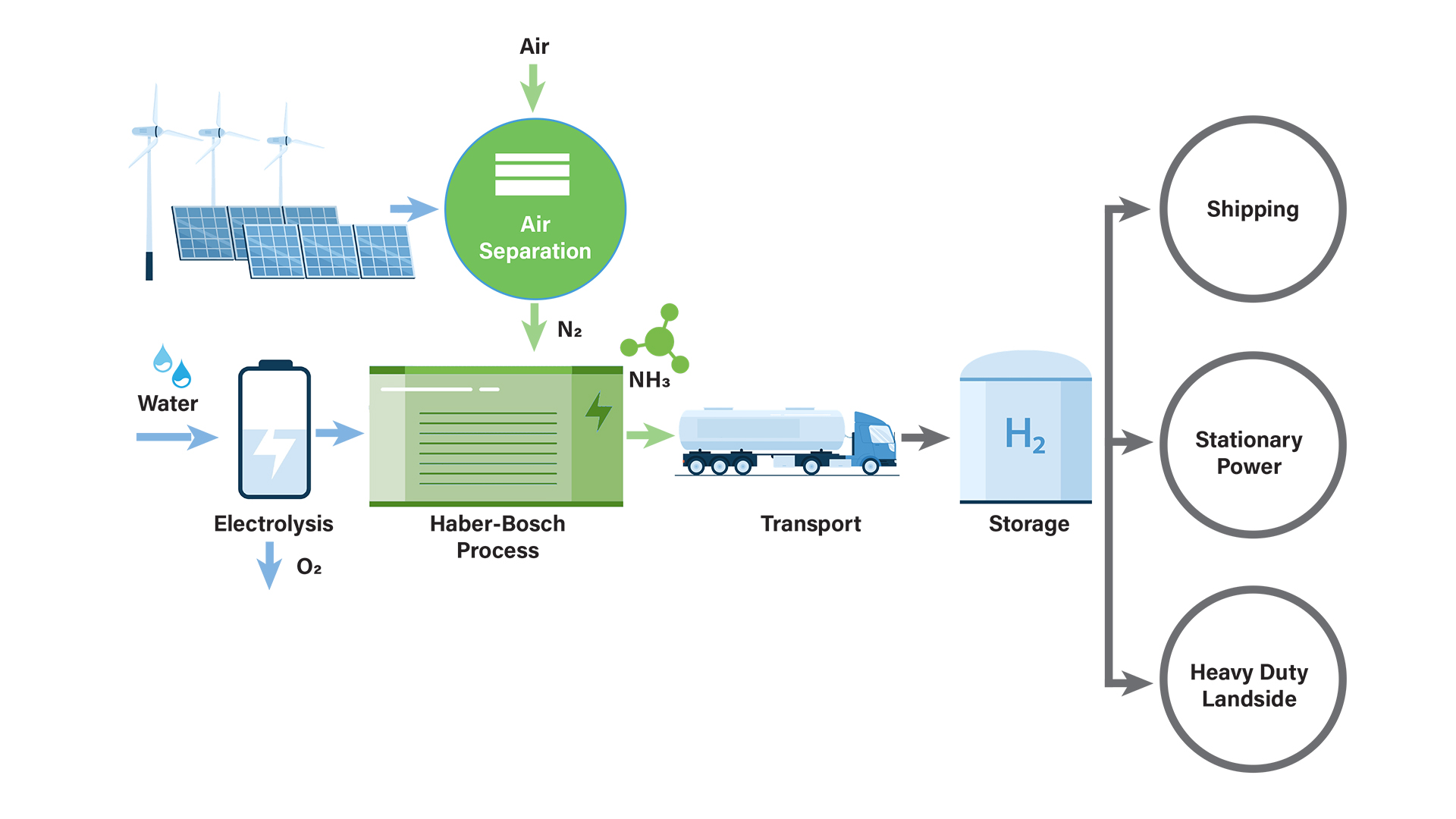
Ammonia is increasingly considered as renewable fuel for shipping, heavy-duty land-based transport, and power generation. With a hydrogen content of around 18%, it offers a great compromise between energy density and production costs and, unlike other synthetic fuels, does not cause any CO2 emissions for the consumer. As a raw material for fertiliser production, around 180 million tonnes of ammonia are already produced annually, and is transported worldwide by pipeline, rail, road, and ship via an established infrastructure. Whilst grey, blue, or turquoise ammonia is produced from natural gas or coal, green ammonia is made by means of renewable energy from atmospheric nitrogen and water.
It is increasingly valued as the major player for the future roll-out of a hydrogen economy, and key to the security of supply in Europe from 2026 onwards. It is truly carbon-free and hydrogen 2.0. Since nitrogen, water, wind and solar are available in abundance, an endless and sustainable supply of ammonia is possible – as fuel and energy storage for a zero-emission future.
The CAMPFIRE alliance
Founded in 2018 as part of the German programme WIR! Wandel durch Innovation in der Region – Regional Development through Innovation of the Federal Ministry of Education and Research, the CAMPFIRE alliance brings together more than 70 partners for the development and implementation of new technologies for the regional production of green ammonia and its use as a marine fuel and energy storage.
The partners are developing innovative products for green ammonia as an energy vector for implementation in renewable energy generation, plant engineering, the chemical industry, shipbuilding and shipping, metal construction, fuel cell and combustion engine producers, lightweight construction, measurement and control technology, and engineering services. They are mostly based in the North-East, but also throughout Germany and Europe. Within the frame of 25 joint projects, technologies are developed for power-to-ammonia and ammonia-to-power.
For small- and medium-scale ammonia production from renewable energy, new catalysts, reactors and plants are developed by the partners ENERTRAG, sunfire, KIT, Gesmex, University of Rostock, INP, and ZBT. New reactor designs involve 3D printed flow guiding elements and shell-and-plate heat exchangers and are coupled with solid oxide or alkaline electrolysers as well as solar thermal technologies for increased efficiency.
Developing ammonia technologies
The focus of the CAMPFIRE alliance is on technologies for direct utilisation of ammonia. Ammonia can be used directly in turbines, fuel cells, and internal combustion engines such as in ship propulsion. To address the poor combustion properties of ammonia, CAMPFIRE partners develop a dual-fuel operation with ammonia and hydrogen as an accelerator. Fuel cells are a class of new marine propulsion technologies.
New Enerday — a SME company in the North-East of Germany developed a solid oxide fuel cell system that can be operated directly with ammonia, offering high efficiencies and currently awaiting its market introduction. In co-operation with partners HanseYachts, autosoft, FVTR, IKEM and ISC as well as research institutes ZBT and INP, an ammonia-cracker-ICE-SOFC marine drive was developed and implemented on board of the yacht ‘Ammonia Sherpa’ in 2023.
The CAMPFIRE cracker-ICE propulsion concept will also be implemented to an inland water way vessel, and ammonia bunkering ship ‘Odin’ in 2026. Currently, a retrofit approach is developed by Tamsen Maritim, Spetrans, DST, DNV, University of Applied Science Stralsund, ISV, KIT, University of Rostock, Liebherr, ABZ Aggregatebau, ELDATA, GaskraftEngineering, FVTR, ZBT, IKEM, and INP for the integration of a cracker-ICE and all required infrastructures.
The propulsion system consists of an ammonia-powered high-speed combustion engine that drives a generator. To improve ignition and efficient conversion of the ammonia in the engine, a cracker is developed by the partner ZBT, which breaks down part of the ammonia into hydrogen and nitrogen, and feeds this mixture to the combustion engine as pilot fuel.
The generator feeds up to 350kWel into a hybrid electric drive train in order to reduce load fluctuations of the cracker-engine unit and to enable distribution to several propeller drives for the shallow-water operation typical of inland waterway vessels. The project also addresses safety, peripheral and tank systems, ship design and training concepts for personnel.
On this base, the partners develop a blueprint for the modification of inland vessels in accordance with project results, the outcome of a parallel economic feasibility study and the procedures required within the existing safety and legal framework. In the future, this blueprint can also be used on seagoing vessels to facilitate the rapid implementation of the new technology for zero-emission shipping and reduce the effects of shipping on climate change.
Partner projects
In the project GreenBalticCruising, CAMPFIRE aims to develop a concept for the Port of Rostock in Northern Germany as a blueprint for a bunker port for green ammonia, ship design and the technological and economic concept for an ammonia-powered cruise ship and a ferry line in the Baltic Sea region. A detailed review of the Baltic Sea countries and suitability of their port structures regarding ammonia was carried out by Port Rostock, DNV and MET to take an important step towards ammonia-based cruise shipping on an international level.
Project partners Carnival Maritim and ZBT conducted a technical evaluation of a new propulsion system for cruise liners consisting of an ammonia cracker and a low-temperature polymer-exchange membrane fuel cell (PEMFC). The overall objective is to open new economic potential for small and medium-sized enterprises (SMEs) in the region by establishing new value chains with equal partnerships in the Baltic Sea Region.
To achieve this goal, partners University of Greifswald, IKEM and INP examined the national strategies for reducing greenhouse gas emissions and the respective climate targets of the neighbouring states, and will identify relevant political, scientific and economic stakeholders. In addition, the legal framework was refined and measures recommended for further development to enable ammonia as a marine fuel in shipping and create new business models through sustainable tourism.
CAMPFIRE partners also develop solutions for stationary energy generation based on combined cracker gas engine CHP for remote off-grid generation. Partners Jenbacher Innio, ZBT, LEC and INP are developing a stationary remote off-grid application in the power range of 1MW.
The development steps include various evaluation steps of critical components of the gas engine, up to the detailed design and implementation of the container CHP plant including the integration of the NH3 cracker and necessary safety equipment. After multi-stage commissioning, various test runs are carried out in which the general mode of operation is tested and operating strategies, including stationary and flexible start/stop operation, are optimised. The focus will be on optimising efficiency and minimising exhaust emissions.
Finally, the results will be used to plan further or comparable plants.
Ammonia refuelling, transport, and storage
CAMPFIRE is also developing ammonia refuelling systems and shoreside and seaside safety systems, including sensor technology for the application in ammonia drives. Based on data on the current supply of fossil fuels, the temporal and spatial demand for green ammonia was forecasted by the partners DST, ISV, Göhler, Elaflex, Dettmer Reederei und Bunker One.
In a first phase of the ramp-up, moderate quantities are initially expected to be supplied to a limited number of ships. For this purpose, a mobile solution in the form of a container module for bunkering the ships, for example by truck, is being developed. As soon as there is a sufficiently large demand for ammonia on the part of the ship fleet, distribution with special bunker ships is advantageous and a corresponding ship design is developed for this purpose. The bunker barge is set to achieve a high safety level in all operating conditions and is flexible in use.
Another project under the CAMPFIRE umbrella focuses on the development of an ammonia-to-hydrogen refuelling station.
A cost-effective fine purification technology for the optimisation of the product gas from an ammonia cracker is key enabling technology developed by partners ZBT, PSL Lasertechnik and Exentis. At its core are CuPd membranes and a novel manufacturing process based on laser welding and 3‑D screen printing for production of the module.
The ultrafine purification system also involves a salt storage tank for ammonia and a high-pressure hydrogen refuelling system. With the determination of the costs for the supply of hydrogen and the derivation of a roadmap for the introduction of ammonia-to-hydrogen refuelling stations in selected regions of Europe.
The future of the ammonia industry
In order to utilise green ammonia as a transport and storage solution for green hydrogen, an efficient infrastructure and a logistics concept geared to the specific framework conditions are required.
Another aim of CAMPFIRE is therefore to develop an economical, sustainable, and ecological logistics and infrastructure concept and to define and investigate associated future scenarios for the transport of green ammonia.
In this context, the needs of industry and transport as well as the already existing and future required sea- and land-based transport facilities, storage, bunkering and transhipment structures are analysed by partners University of Applied Science Wismar, DST, ISC and Dettmer Reederei.
The new concept is based on the evaluation of different scenarios and configurations with regard to the distribution of ammonia in Germany and the associated key figures determined by means of a logistics simulation. The logistics simulation can thus be used to generate essential system knowledge for the construction and coupling of the energy infrastructures. In the future, it can be used to estimate the contribution of ammonia as a transport and storage solution for green hydrogen.
CAMPFIRE partners will continue to develop ammonia technologies as an important key for short-term measures to replace fossil fuels and open economic medium- and long-term avenues for a fast-track decarbonisation of the global energy system. As such, ammonia is an increasingly important global energy carrier for the future economic system. First movers must be supported by strong partnerships across the value chain sharing costs, benefits, and risks.
Please note, this article will also appear in the 18th edition of our quarterly publication.