Tag: Renewable energy

  • EU awards €720m to 7 European renewable hydrogen projects

    EU awards €720m to 7 European renewable hydrogen projects

    [ad_1]

    The European Commission has announced around €720m in funding to support seven European renewable hydrogen projects.

    The renewable hydrogen projects have been selected under the bidding system of the European Hydrogen Bank, with the funds generated through the revenues of the EU Emissions Trading System.

    The projects will be essential in meeting the EU’s targets for producing renewable hydrogen in Europe, with the ambitious goal of producing ten million tonnes by 2030.

    The Commission’s subsidy will enable these projects to bridge the gap between production costs and the market price for hydrogen.

    The renewable hydrogen generated from the projects will be used to power various sectors, such as steel, chemicals, fertilisers, and maritime transport.

    The news follows the recent announcement of the EU’s €424m investment to advance alternative fuel infrastructure.

    Kadri Simson, EU Commissioner for Energy, commented: “The EU is becoming a hub for clean technologies.

    “The results of the first auction of the European Hydrogen Bank prove the high interest from European industry in producing and using hydrogen on our continent.

    “The selected projects will help us to deliver the EU’s 2030 energy and climate targets while creating new opportunities for green jobs and skills.

    “The second hydrogen bank auction later this year is another exciting opportunity for European industry, and I hope to see similar interest then.”

    Boosting renewable hydrogen production in Europe

    The seven projects were successful among a total of 132 bids.

    Each project submitted bids ranging between €0.37 and €0.48 per kilogram of renewable hydrogen produced and will receive funding between €8m to €245m.

    Combined, the projects will produce 1.58 million tonnes of renewable hydrogen over ten years and cut over ten million tonnes of CO2 emissions.

    Where will the projects be located?

    The European renewable hydrogen projects will be located across four countries: Spain, Finland, Portugal, and Norway.

    Projects include:
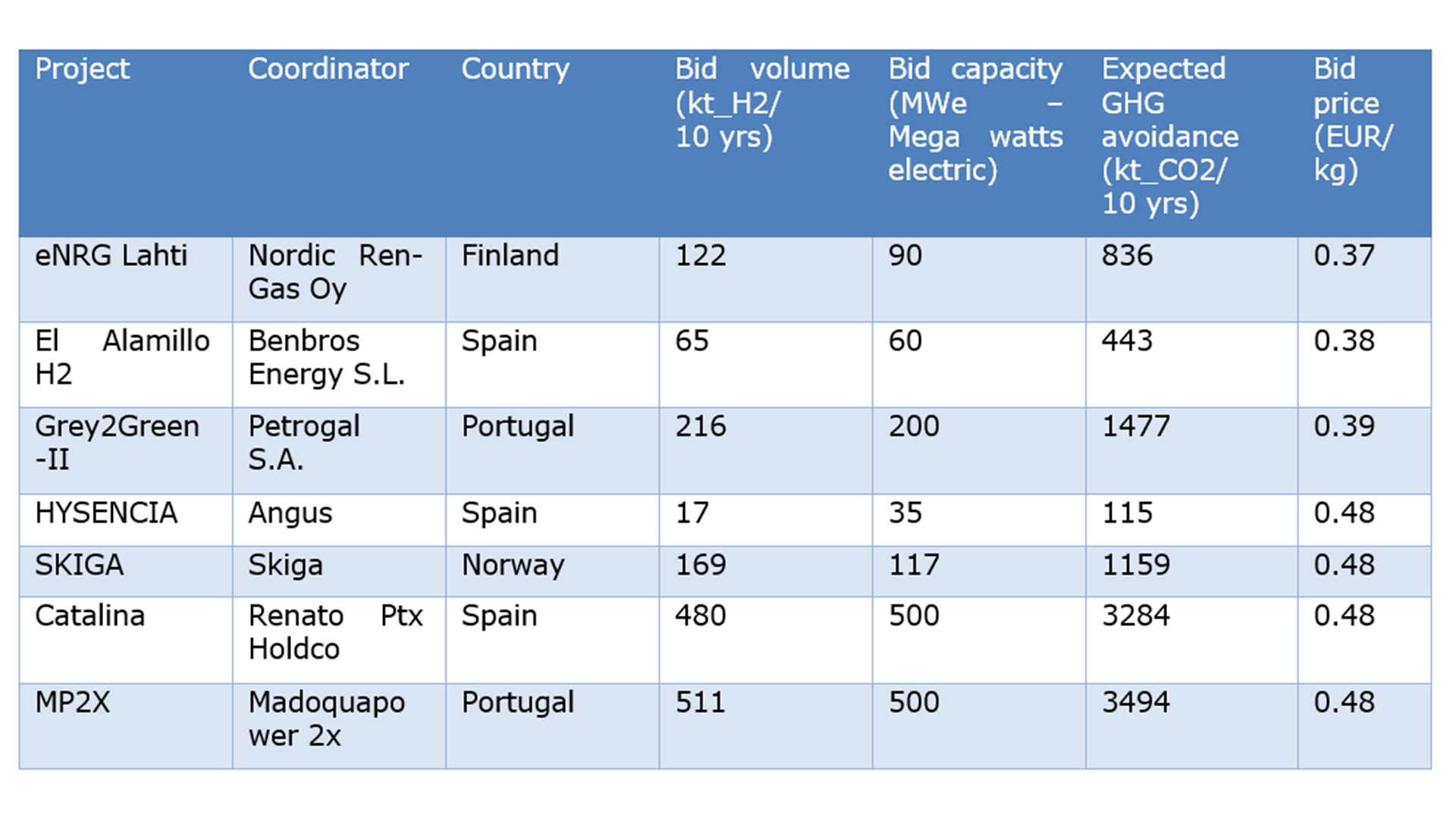
    Maroš Šefčovič, Executive Vice-President for European Green Deal, Interinstitutional Relations and Foresight, added: “The high number of bids and the investments awarded today is a clear signal of confidence in the nascent renewable hydrogen market.

    “There is a strong project pipeline in Europe and a competitive industry. These are encouraging signs for the future of this important net-zero technology.”

    Additional investment from Germany

    Germany has introduced a new ‘Auctions-as-a-service’ programme, allocating €350m in national funding to top-ranked projects that didn’t qualify for EU support but meet eligibility criteria.

    German authorities will choose and announce the winning projects. This programme is open to all EU Member States, allowing them to utilise the EU-level auction platform and allocate national funding to more projects.

    The Commission encourages other Member States to use this service for upcoming auctions.

    [ad_2]

    Source link
  • CSRS develop catalyst for green hydrogen production

    CSRS develop catalyst for green hydrogen production

    [ad_1]

    Scientists from Japan’s RIKEN Center for Sustainable Resource Science (CSRS) have advanced a catalyst for producing green hydrogen.

    The custom-made catalyst enables the green and sustainable extraction of hydrogen from water.

    By manipulating the catalyst’s 3D structure, the CSRS team has significantly improved its stability and lifetime by nearly 4,000%.

    Realising the full potential of green hydrogen production could have profound implications for the energy transition.

    Hydrogen will play an essential role in decarbonising heavy industry, long-haul transport and seasonal energy storage.

    According to the International Renewable Energy Agency, hydrogen could contribute 10% of the mitigation needed to keep global temperature increase to within 1.5°C and 12% to final energy demand.

    Currently, around 47% of hydrogen production globally comes from natural gas, 27% from coal, and 22% as a by-product of oil, meaning only 4% is produced through electrolysis.

    Moreover, only 1% of hydrogen globally is produced using renewable energy. Now, CSRS look to have overcome some of the primary challenges that are slowing down green hydrogen progress.

    Challenges of PEM electrolysis

    Proton exchange membrane (PEM) water electrolysis offers an eco-friendly method to split water into oxygen and hydrogen, which can be stored for future use.

    This hydrogen, when integrated with PEM fuel cells, can power electric vehicles.

    However, PEM electrolysis faces limitations due to its reliance on highly acidic conditions and rare earth metal catalysts like iridium, hindering widespread industrial application.

    Recently, the team pioneered a breakthrough in acid water electrolysis, eliminating the need for rare earth metals by incorporating manganese into a cobalt oxide lattice.

    Despite initial success, stability issues persisted in PEM electrolysers. Now, they’ve enhanced their method, producing a longer-lasting catalyst utilising abundant earth metals.

    Catalysing green hydrogen production

    The researchers developed a novel manganese oxide (MnO2) catalyst, enhancing reaction stability by over 40 times through lattice structure modifications.

    By increasing planar oxygen in the 3D lattice, stronger bonds with manganese were formed, significantly boosting catalytic stability.

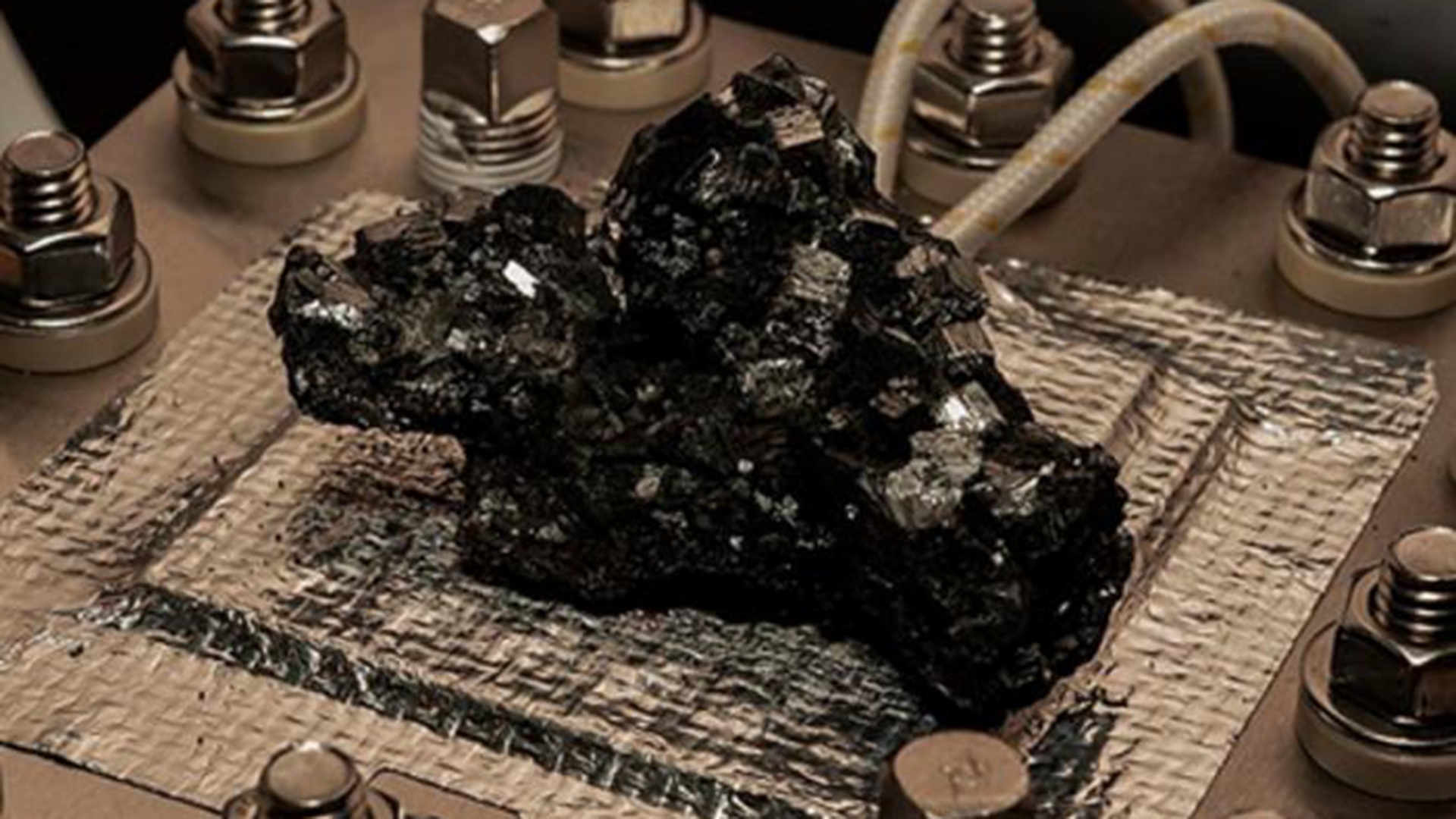
    Proton exchange membrane (PEM) water electrolyser using manganese oxide. Credit: RIKEN

    Testing four manganese oxide variants, the highest achieving 94% planar oxygen maintained critical oxygen evolution in acid for a month at 1000 mA/cm2, transferring 100 times more charge than previous studies.

    In PEM electrolyser tests, they sustained water electrolysis for about six weeks at 200 mA/cm2, producing hydrogen at a rate ten times greater than prior non-rare metal catalysts.

    Despite the need for longer-term stability at industrial scales, the researchers anticipate feasible real-world applications contributing to carbon neutrality.

    They hope their findings can spark interest in sustainable hydrogen as a viable tool in the renewable energy arsenal against climate change.

    [ad_2]

    Source link

  • Offshore wind energy tender to power Denmark’s entire electricity demand

    Offshore wind energy tender to power Denmark’s entire electricity demand

    [ad_1]

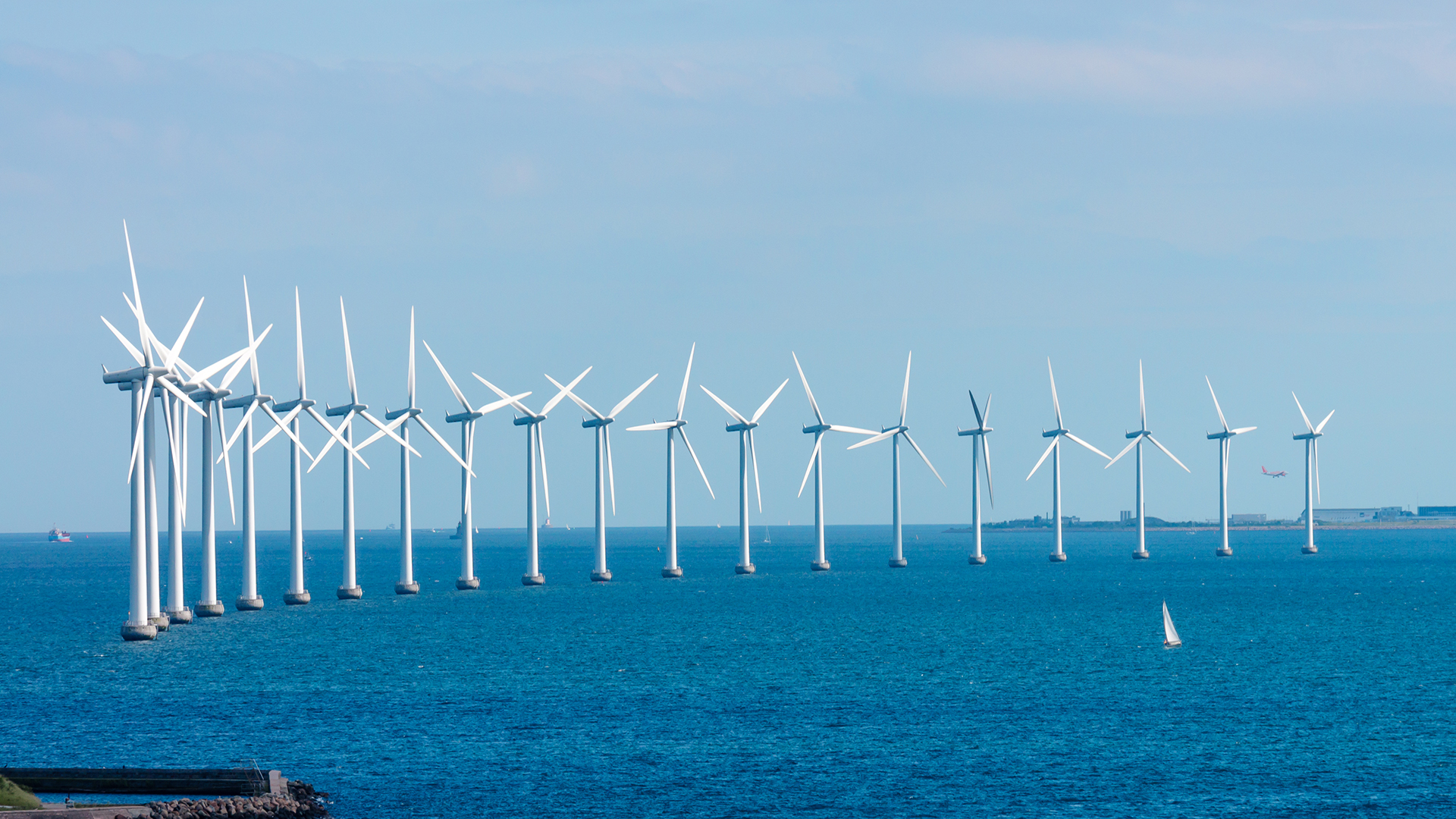
    Denmark has launched a major tender for offshore wind energy that could power the country’s entire electricity demand.

    Currently, Denmark has around 3 GW of offshore wind energy capacity, with 1 GW of offshore wind being able to power around one million European homes.

    Denmark’s recently announced offshore wind tender could award up to 10 GW – more than enough to energise the nation’s population of roughly 5.9 million people.

    The remaining surplus in energy could then be exported to neighbouring countries, providing significant financial benefits.

    The energy could also be used to generate renewable hydrogen and green fuels, which will be essential as Denmark aims to o reduce CO2 emissions by 70% from 1990 levels by 2030.

    Boosting Denmark’s offshore energy capacity

    The offshore energy auction will add 6 GW of power to the Danish electricity grid, with six wind farm areas tendered in the auction.

    Three of these wind farm areas are located in the North Sea, two in the Kattegat and one in the Baltic Sea.

    Developers who are successful in the auction will have the option to install more wind capacity in their tendered areas than the volumes initially outlined by the government.

    The offshore wind farms are scheduled to be completed by 2030, and participants must state the price they are willing to pay to the state over 30 years to win the right to build the farms.

    The auction will feature improved pre-qualification criteria to ensure social and environmental standards.

    This includes guaranteeing compliance with human rights and includes measures to combat social dumping.

    A 20% stake in each of the projects will be owned by the Danish government.

    Economic impacts

    The offshore wind energy tender is expected to generate significant financial and societal benefits for Denmark.

    The auction is expected to attract major investments of over €13bn and create around 12,000 jobs.

    The launch of the tender marks a pivotal moment in Denmark’s journey towards a sustainable future.

    With the potential to power the entire nation and even export surplus energy to neighbouring countries, this initiative underscores Denmark’s commitment to combatting climate change and embracing renewable energy sources.

    [ad_2]

    Source link

  • How Synthetic Bacteria Could Revolutionize Chemical Production

    How Synthetic Bacteria Could Revolutionize Chemical Production

    [ad_1]

    Bacteria and Methanol

    The chemical industry, which heavily relies on fossil resources to produce plastics, dyes, and artificial flavors, consumes over one million tons of these resources daily, contributing to approximately 5% of global emissions. Researchers, led by Professor Julia Vorholt, are working on reducing this dependency by developing synthetic bacteria that can convert ‘green methanol’—created from CO2 and water using renewable energy—into useful chemicals, potentially minimizing the industry’s carbon footprint. Credit: Sean Kilian

    The chemical industry primarily depends on fossil resources like crude oil to manufacture a range of chemicals, including plastics, dyes, and synthetic flavors.

    “Globally, it consumes 500 million tons per year, or more than one million tons per day,” says Julia Vorholt, Professor at the Institute of Microbiology at ETH Zurich. “Since these chemical conversions are energy-​intensive, the true CO2 footprint of the chemical industry is even six to ten times larger, amounting to about five percent of total emissions globally.” She and her team are looking for ways to reduce the chemical industry’s dependence on fossil fuels.

    Green methanol

    Bacteria that feed on methanol, known as methylotrophs, are at the center of these efforts. Containing just a single carbon atom, methanol is one of the simplest organic molecules and can be synthesized from the greenhouse gas carbon dioxide and water. If the energy for this synthesis reaction comes from renewable sources, the methanol is termed “green”.

    “There are natural methylotrophs, but using them industrially remains difficult despite considerable research effort,” says Michael Reiter, a postdoctoral researcher in Vorholt’s research group, which instead works with the biotechnologically well-understood model bacterium Escherichia coli. Vorholt’s team has been pursuing the idea of equipping the model bacterium, which grows on sugar, with the ability to metabolize methanol for several years.

    Complete restructuring of metabolism

    “This is a major challenge because it requires a complete restructuring of the cell’s metabolism,” says Vorholt. Initially, the researchers simulated this change using computer models. Based on these simulations, they chose two genes to remove and three new genes to introduce. “As a result, the bacteria could take up methanol, albeit only in small quantities,” says Reiter.

    They continued to grow the bacteria under special conditions in the laboratory for more than a year until the microbes could produce all cell components from methanol. Over the course of around 1,000 more generations, these synthetic methylotrophs became increasingly efficient, eventually doubling every four hours when fed only with methanol. “The improved growth rate makes the bacteria economically interesting,” says Vorholt.

    Optimization through loss of function

    As Vorholt’s team describes in their recently published paper, several randomly occurring mutations are responsible for the increased efficiency of methanol utilization. Most of these mutations resulted in the loss of function of various genes. This is surprising at first glance, but upon closer inspection, it becomes apparent that the cells can save energy thanks to the loss of function of the genes. For example, some mutations cause the reverse reactions of important biochemical reactions to fail. “This abolishes superfluous chemical conversions and optimizes the metabolic flux in the cells,” the researchers write.

    To explore the potential of synthetic methylotrophs for the biotechnological production of industrially relevant bulk chemicals, Vorholt and her team have equipped the bacteria with additional genes for four different biosynthetic pathways. In their study, they now show that the bacteria indeed produced the desired compounds in all cases.

    Versatile production platform

    For the researchers, this is clear evidence that their engineered bacteria can deliver on what was originally promised: the microbes are a kind of highly versatile production platform into which biosynthesis modules can be inserted according to the “plug-​and-play” principle, prompting the bacteria to convert methanol into desired biochemical substances.

    However, the researchers still need to significantly increase the yield and productivity to enable economically viable use of the bacteria. Vorholt and her team recently received an innovation fund “to further expand plans towards applications and to select products to focus on first,” says Vorholt.

    When Reiter talks about how the cultivation of bacteria in bioreactors can be optimized, he is filled with enthusiasm. “Given the challenges of climate change, it is clear that alternatives to fossil resources are needed,” he says. “We are developing a technology that does not emit additional CO2 into the atmosphere,” says Reiter. And since the synthetic methylotrophs, besides green methanol, do not require any additional carbon sources for their growth and products, they allow “renewable chemicals to be produced that do not burden the environment.”

    Reference: “A synthetic methylotrophic Escherichia coli as a chassis for bioproduction from methanol” by Michael A. Reiter, Timothy Bradley, Lars A. Büchel, Philipp Keller, Emese Hegedis, Thomas Gassler and Julia A. Vorholt, 23 April 2024, Nature Catalysis.
    DOI: 10.1038/s41929-024-01137-0


    [ad_2]

    Source link

  • GEP secures $30m for renewable hydrogen production plant in Brazil

    GEP secures $30m for renewable hydrogen production plant in Brazil

    [ad_1]

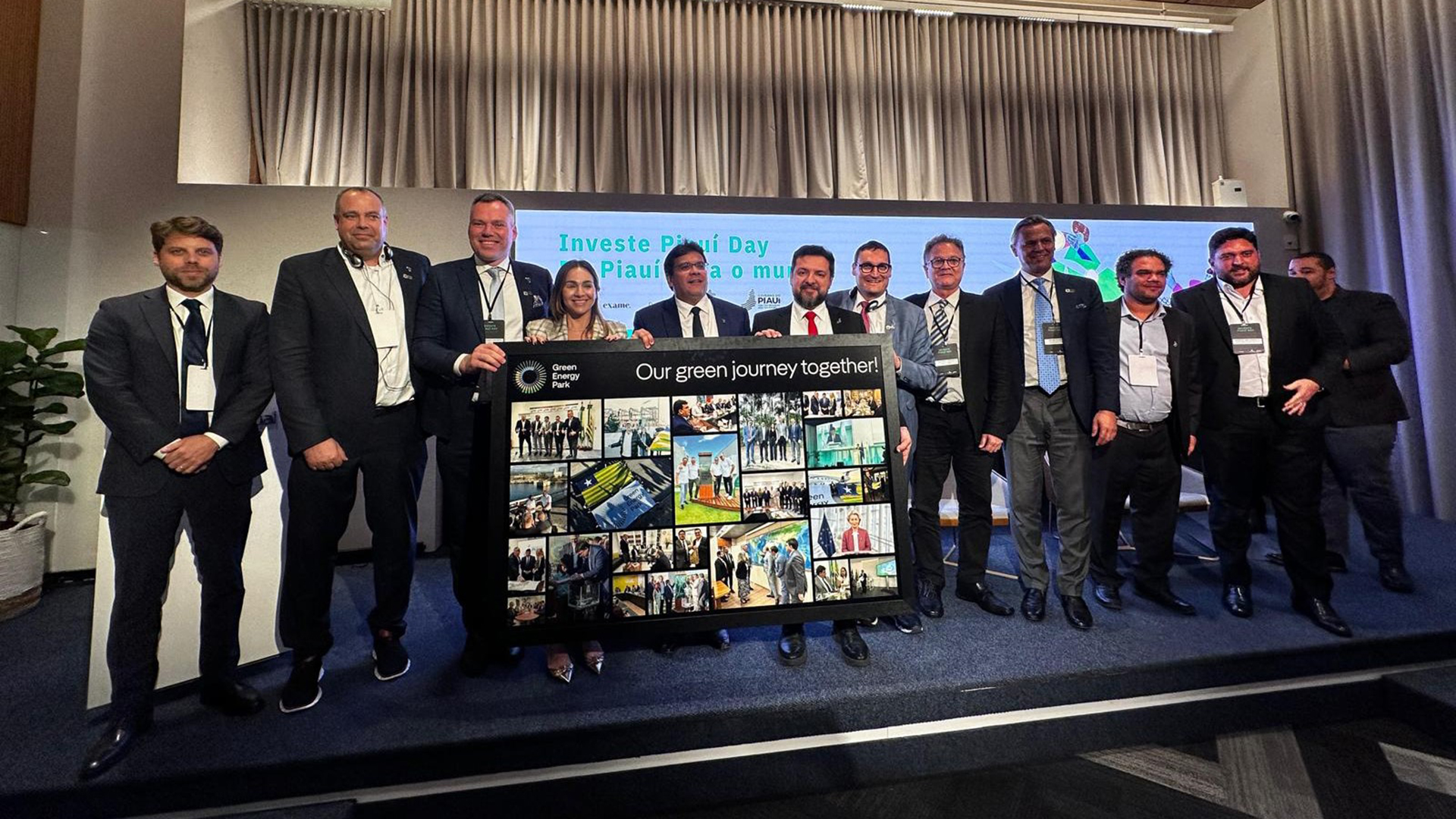
    Green Energy Park has announced it has signed an agreement for $30m funding to develop an industry-leading renewable hydrogen production plant in Piaui, Brazil.

    The company secured Series-A funding to build one of the largest hydrogen and hydrogen derivatives production plants globally and obtained long-term rights to the hydrogen port terminal facilities in Luis Correia, Brazil.

    The sizeable funding injection highlights Green Energy Park’s commitment to driving clean energy sources and showcases significant interest among strategic partners, global off-takers, and financial institutions in the Brazilian renewable hydrogen production plant.

    Bart Biebuyck, CEO of Green Energy Park, explained: “The world is at risk of falling behind its climate goals. The urgency to act is now. Despite the many efforts and programmes to arrest climate change, emissions from fossil fuels, including coal, oil, and gas, have reached a new record in 2023.

    “To achieve Net Zero carbon emissions by 2050, we need to install 6,000 gigawatts of electrolyser capacity around the world. This is a monumental task.

    “The good news is that it can be done. It is not too late to act. But we must act now! Therefore, at Green Energy Park, we are on a singular mission: To produce the lowest-cost renewable hydrogen at the gigawatts scale.

    “To achieve our ambitious goal, we combine cutting-edge hydrogen production technologies with innovative process engineering solutions at one of the most advantageous sites for renewable hydrogen production in the world, in the State of Piaui, Brazil.

    “In short, Piaui is set to become our ground zero of the hydrogen revolution. Therefore, we are incredibly proud of our strong partnership with the State of Piaui on this critical mission.”

    Developing the Piaui renewable hydrogen production plant

    Founded in 2023, Green Energy Park’s ethos is to facilitate renewable hydrogen production in the most cost-competitive locations, initially focusing on North-East Brazil.

    Green Energy Park Piaui represents the company’s first renewable hydrogen plant, and will boast an estimated 10.8 GW of electrolyser capacity once operational.

    The state-of-the-art production facilities for hydrogen and its derivatives at Green Energy Park will showcase cutting-edge process engineering designs drawn from the liquefied natural gas and ammonia industries.

    Leveraging extensive expertise in cryogenic gas handling and storage alongside specialised construction capabilities, Green Energy Park ensures seamless integration and implementation of these advanced technologies.

    Moreover, to establish cost leadership in renewable hydrogen, Green Energy Park procures top-tier renewable electricity, powering electrolyser technologies deployed on purpose-built and standardised production infrastructure.

    Victor Hugo Almeida, CEO of Investe Piaui, said: “The State of Piaui offers some of the best conditions in the world for producing green hydrogen. The State Government and the Governor, Rafael Fonteles, are fully committed to unlocking the great potential of our unique natural resource endowment to the benefit of our citizens, the climate, and, indeed, the world.

    “Green Energy Park provides our State with a tremendous opportunity for a bright future. The world-scale hydrogen project will create thousands of high-quality jobs in our State and will accelerate the green industrialisation of our economy.

    “We want to attract international businesses to build a world-scale hydrogen cluster by creating a favourable investment environment with strong support from the State of Piaui. Therefore, we are implementing an innovative approach to green industrialisation in our country for others to follow in Brazil and beyond.

    “We are incredibly proud that Green Energy Park has chosen Piaui to implement the most advanced hydrogen production facility in the world. The government will fully support the undertaking and is well prepared to help this global flagship project to succeed.”

    Offtake strategy

    Green Energy Park aims to distribute its eco-friendly hydrogen fuel to industry and transportation partners, and it is dedicated to decarbonising challenging sectors of the economy.

    By collaborating closely with partners worldwide, the company pioneers a unique strategy to develop, construct, and manage a vertically integrated hydrogen supply chain.

    Through partnerships with diverse energy consumers, Green Energy Park offers cost-effective solutions to meet their decarbonisation goals.

    [ad_2]

    Source link

  • Wind turbines based on condor wings could capture more energy

    Wind turbines based on condor wings could capture more energy

    [ad_1]

    A curved tip, or winglet, for a wind turbine blade, based on the shape of condor wings

    Khashayar Rahnamaybahambary

    A design modification inspired by the wings of the Andean condor could increase the energy generated by wind turbines.

    Various bird species have upturned tips on the end of their wings, which help maximise lift. Similar features, known as winglets, are commonly used on aircraft wings, but haven’t been tested on the giant turbine blades used in power generation.

    Khashayar Rahnamaybahambary at the University of Alberta in Canada says gathering experimental data on winglet-equipped wind turbines is very difficult because of their size.

    His team designed winglets based on the world’s heaviest flying bird, the Andean condor, which can cover vast distances despite weighing as much as 15 kilograms.

    A computer simulation of air flow through a turbine found that these winglets would reduce drag and enhance efficiency by 10 per cent on average.

    “Another perspective is that winglets enable turbines to capture more wind energy by minimising losses [resistance],” says Rahnamaybahambary.

    Winglets can be retrofitted after turbine production and installed “somewhat like a sock” slipped onto the end of the blade, he says. The researchers are developing an experimental set-up to test a model of the winglet in a wind turbine.

    Peter Majewski, who has recently retired from the University of South Australia, says the findings of the study make sense from an engineering and aerodynamic perspective, but retrofitting existing wind turbines may be impractical because of downtime and cost.

    But for new turbine blades, the addition of winglets in the production process could lead to significant performance improvements, he says.

    Topics:

    • Aerodynamics/
    • Renewable energy

    [ad_2]

    Source link

  • Floating solar can power Africa’s energy goals, study finds

    Floating solar can power Africa’s energy goals, study finds

    [ad_1]

    Research emerging from Politecnico di Milano suggests that floating solar photovoltaics can help Africa meet its energy targets.

    The study highlighted that floating solar can support sustainable development in Africa, addressing climate, water, and energy goals across the continent while supplanting current hydropower reliance.

    Using a cutting-edge energy planning model covering the continent’s entire energy system, the researchers found that installing floating solar at existing reservoirs could produce 10-100% of the electricity expected from Africa’s planned hydropower dams.

    Moreover, they identified that floating solar is cost-competitive with other renewable energy sources used in Africa.

    Wyatt Arnold, lead author of the research, explained: “Floating solar is fast becoming cost-competitive with land-based solar, and our results suggest it could conceivably avoid the need to build many of the dams planned for hydropower across Africa.

    “This would allow nations to meet future electricity demands while sidestepping the damaging environmental and social impacts of large dams.”

    Floating solar vs hydropower

    The study focused on the Zambezi watercourse, revealing insights that challenge conventional approaches to energy development and water management.

    The detailed case study suggests that rather than relying solely on conventional dam projects for energy generation, incorporating floating solar into the mix could offer more efficient capital investment and enhance energy stability.

    By reducing the number of reservoirs and supplementing energy supply with solar, the approach demonstrated a 12% decrease in interannual variability in electricity supply compared to dam-centric solutions.

    Moreover, it proved more resilient against potential long-term drought conditions exacerbated by climate change.

    Professor Andrea Castelletti added: “By embracing floating solar and reducing the reliance on hydropower, developing economies can ensure a more stable energy supply that is robust to hydrological uncertainties brought about by climate change.

    “Moreover, floating solar avoids many of the negative impacts new dams may have on downstream communities and river ecosystems.”

    Integrated resource planning

    The study underscores the importance of integrated resource planning and considering transboundary impacts in sustainable development strategies.

    Traditional energy-water modelling often overlooks such integrated approaches, focusing instead on singular sectors like hydropower.

    However, the research showcases advanced multisector modelling that balances trade-offs across energy, agriculture, environmental protection, and economic development objectives within transboundary river basins.

    The researchers acknowledged potential technical and social constraints on floating solar adoption at certain sites.

    However, the study argues that these impacts would pale in comparison to those of new hydropower dam constructions. The latter can irreversibly disrupt river ecology, displace communities, and exacerbate regional tensions over shared water resources.

    While challenges remain, the study advocates for a shift towards the strategic deployment of floating solar technology, not only to enhance energy stability but also to promote environmental sustainability and social responsibility in energy infrastructure development.

    [ad_2]

    Source link

  • Organic Catalyst Discovery Could Reduce the Cost of Fuel Cells

    Organic Catalyst Discovery Could Reduce the Cost of Fuel Cells

    [ad_1]

    By

    Chemistry Catalyst Concept

    University of Virginia researchers have identified an organic molecule that could serve as a cheaper and sustainable alternative to platinum in fuel cells, promising significant advancements in clean energy technology.

    Atmospheric carbon dioxide levels have reached unprecedented heights, intensifying the need for clean energy solutions as alternatives to fossil fuels. One obstacle that researchers face is that current fuel-cell technology relies on the use of expensive metal catalysts like platinum to convert hydrogen into energy; however, a team from the University of Virginia’s College and Graduate School of Arts & Sciences has identified an organic molecule that could be an effective and less costly substitute for conventional metal catalysts.

    The fuel cells that make electric vehicles and industrial and residential generators possible and that are needed to store energy generated by wind or the sun use metals like platinum to trigger the chemical reaction that splits fuel sources like hydrogen gas into protons and electrons that are then harnessed as electricity.

    Until now, organic substitutes for rare-metal catalysts were not considered practical because the catalysis process causes them to break down into component parts that are no longer useful. In a paper published in the Journal of the American Chemical Society, however, associate professors of chemistry Charles Machan and Michael Hilinski, along with Ph.D. students Emma Cook and Anna Davis, identify an organic molecule composed of carbon, hydrogen, nitrogen, and fluorine that has the potential to be a practical substitute.

    Potential and Stability of the New Catalyst

    The molecule can not only initiate the reduction of oxygen – the reaction that takes place inside the fuel cell – Machan said; it can continue to react with the products of the reaction and then revert to its original state.

    “These molecules are stable under conditions in which most molecules degrade, and they continue to achieve activity that matches the level of transition-metal catalysts,” Machan said.

    Charles Machan and Michael Hiliniski

    Charles Machan (left) and Michael Hilinski (right) have identified an organic molecule that could replace the use of rare and expensive metals in fuel cells. Credit: University of Virginia

    The finding presents a significant step forward in the search for efficient fuel cells that use materials that are more sustainable and less costly to produce and could result in the development of the next generation of fuel cells within the next five to ten years, but the team’s findings are just the beginning.

    “This molecule itself may not make it into a fuel cell,” Machan said. “What this finding says is that there can be carbon-based catalytic materials, and if you modify those with certain chemical groups you can hope to turn them into great catalysts for the oxygen reduction reaction. The eventual goal is to integrate the properties that make this molecule so stable into a bulk material, in order to supplant the use of platinum.”

    Broader Implications and Future Research

    Hilinski, whose research group focuses on organic chemistry, emphasized the importance of the interdisciplinary nature of the research team. “This molecule that we use as a catalyst has a history in my laboratory, but we have always researched its use in chemical reactions that are performed on much larger, carbon-containing molecules – like the active ingredients in medicines,” Hilinski said. “Without Charlie Machan’s expertise, I don’t think we would have made the connection to fuel cell chemistry.”

    The discovery could also have implications for the industrial production of hydrogen peroxide, a household product that’s also used in the production of paper and the treatment of wastewater.

    “The process of making hydrogen peroxide is environmentally unfriendly and very energy intensive,” Machan said. “It requires high-temperature steam reforming of methane to release the hydrogen used to generate it.”

    His team’s findings could also improve the catalytic component of that process, which could have positive impacts on both industry and the environment as well as on water treatment technology.

    Hilinski also pointed out that the discovery and the collaboration that led to it could have impacts that extend well beyond energy storage. “Big picture, one of the most exciting things about this study is that by electrifying the catalyst, we have changed the way it reacts. This is something unexpected that could also be useful for the synthesis of medicines, which my research group is eager to explore.”

    Machan, whose research group focuses on molecular electrochemistry, also credits the interdisciplinary nature of the research team for the discovery.

    “Without Mike Hilinski’s group’s know-how in making stable organic molecules that can undergo the kind of reactions necessary, the work wouldn’t have been possible. This unique organic molecule enabled us to do something that normally only transition metals can do,” Machan said.

    Reference: “Metal-Free Homogeneous O2 Reduction by an Iminium-Based Electrocatalyst” by Emma N. Cook, Anna E. Davis, Michael K. Hilinski and Charles W. Machan, 15 March 2024, Journal of the American Chemical Society.
    DOI: 10.1021/jacs.3c14549


    [ad_2]

    Source link

  • DOE accelerates technology deployment for US power grid

    DOE accelerates technology deployment for US power grid

    [ad_1]

    The U.S. Department of Energy (DOE) has unveiled its latest plans to ramp up the deployment of advanced technologies for the US power grid.

    The DOE’s latest report, ‘Pathways to Commercial Liftoff: Innovative Grid Deployment‘, highlights the potential of commercially available advanced solutions for the US power grid to enhance capacity, reliability, and affordability in alignment with national energy goals.

    The report, which marks the tenth edition of the Liftoff series, initially launched in March 2023, emphasises the immediate availability of multiple advanced grid solutions.

    These solutions encompass a range of technologies, from advanced conductors to dynamic line rating and energy storage.

    They address pressing grid challenges such as rapid demand growth and reliability concerns. Additionally, the report identifies system automation and situational awareness solutions as critical components.

    Jennifer Granholm, US Secretary of Energy, commented: “The majority of the nation’s transmission and distribution lines are drastically overdue for an upgrade, which is why President Biden’s Investing in America agenda is so critical to bring the grid up to date.

    “DOE’s new Innovative Grid Deployment Liftoff report outlines the existing tools that can be deployed in less than five years to modernise the nation’s power sector, making it more secure and reliable to deliver cheaper, cleaner power to American consumers.”

    Unlocking untapped US power grid potential

    The deployment of these technologies holds the potential to significantly boost the capacity of the existing US power grid.

    By individually supporting 20–100 GW of additional peak demand, these solutions address the projected growth estimated by the North American Electric Reliability Corporation (NERC). Moreover, they promise to elevate system reliability, resilience, and affordability.

    Cost-effectiveness and expedited deployment

    The report underscores the economic and rapid deployment potential of advanced grid solutions.

    These solutions are notably less expensive than conventional alternatives and leverage existing infrastructure, making them economically viable and quick to implement.

    The report outlines a feasible lift off timeline, estimating it could occur within three to five years. This timeline relies on the comprehensive integration of advanced solutions into core US power grid investment, planning, and operations by utilities and regulators.

    Additionally, pursuing several large operational deployments across various utility settings can mitigate adoption risks and establish repeatable operational and investment models.

    Aligning with national energy goals

    The deployment of advanced grid solutions aligns closely with the US’ goal of achieving a net-zero emissions economy by 2050.

    By bolstering US power grid capacity, reliability, and affordability, these solutions contribute to the transition toward sustainable energy systems.

    The Pathways to Commercial Liftoff report outlines the transformative potential of advanced grid solutions.

    With their immediate availability, capacity-boosting capabilities, and cost-effectiveness, these solutions offer a pathway to a more resilient, reliable, and sustainable energy future.

    By embracing these innovations, utilities and regulators can accelerate the transition toward a net-zero emissions economy while meeting the evolving needs of consumers.

    [ad_2]

    Source link

  • Geoscientists are using telecom ‘dark fibres’ to map Earth’s innards

    Geoscientists are using telecom ‘dark fibres’ to map Earth’s innards

    [ad_1]

    Fibre optic cables designed to carry telecommunications can also be used to map Earth’s interior

    Connect world/Shutterstock

    Offline telecom cables called “dark fibres” can be used to sense underground seismic waves. Geophysicists are increasingly using such signals to study aspects of Earth’s subsurface, including hidden sources of geothermal energy and earthquake hazards.

    “If a large earthquake happens on the fibre on which we are speaking, the frequencies in my voice would be slightly distorted,” Andreas Fichtner at ETH Zurich in Switzerland told New Scientist on a video call.

    He is referring to…

    [ad_2]

    Source link