


The Northern Hemisphere might be melting and explosive diarrhea is spreading across the US…
But in grim moments like these, it feels more important than ever to have a laugh and rediscover your sense of wonder.
Consider this your Science Survival Guide to the July 4 weekend.
Whether you’re coping with airport delays, hosting a barbeque, dealing with a firework-anxious pet, or trying to avoid an awkward family debate, we’ve got you covered.
Science-backed tips and tricks for July 4
It’s going to get hot this weekend in many places across North America, so it’s best to be prepared.
Make sure you have lots of water and sunscreen… oh, and make sure you apply your sunscreen correctly.
Most of us don’t.
Are you taking any medications? Some drugs can make you more susceptible to the heat, so be extra careful with them.
Even if you stay inside, keep in mind that the Sun can still burn you through a window.
If you’re out in the elements barbecuing, don’t wash the raw chicken first. It’s a common misconception that you need to, and you don’t want to make everyone sick.
If you’re drinking alcohol during the day, also keep in mind that it can make you more susceptible to the heat. Counting your drinks can help slow you down, scientists say.

At nighttime, when the fireworks start, stay a safe distance, no matter how pretty they are. Evidence suggests that loud noises can damage your hearing.
If you happen to have a pet that’s anxious about the fireworks, scientists also have a few tips to keep them calm.
Or maybe it’s you who is anxious. The social stress and family drama can be a lot.
If you need a safe conversation starter, the ScienceAlert team has you covered.
What about dropping one of our favorite science facts and seeing how it lands:
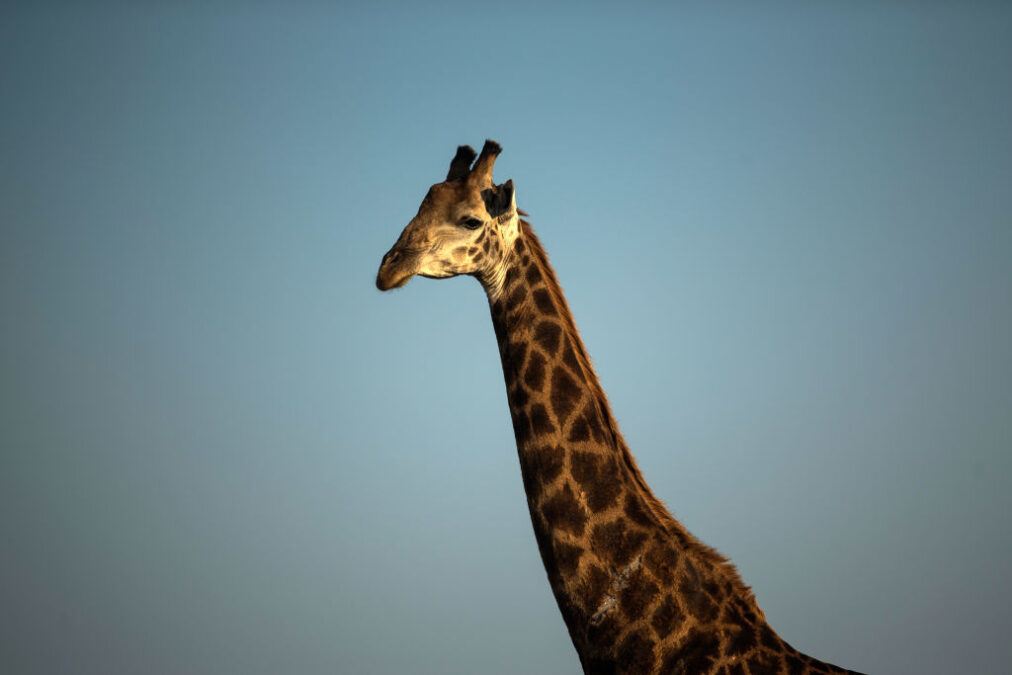
Which animal has more bones in its neck, a giraffe or a human? They actually have the same number!
– Kate Mallord, CEO
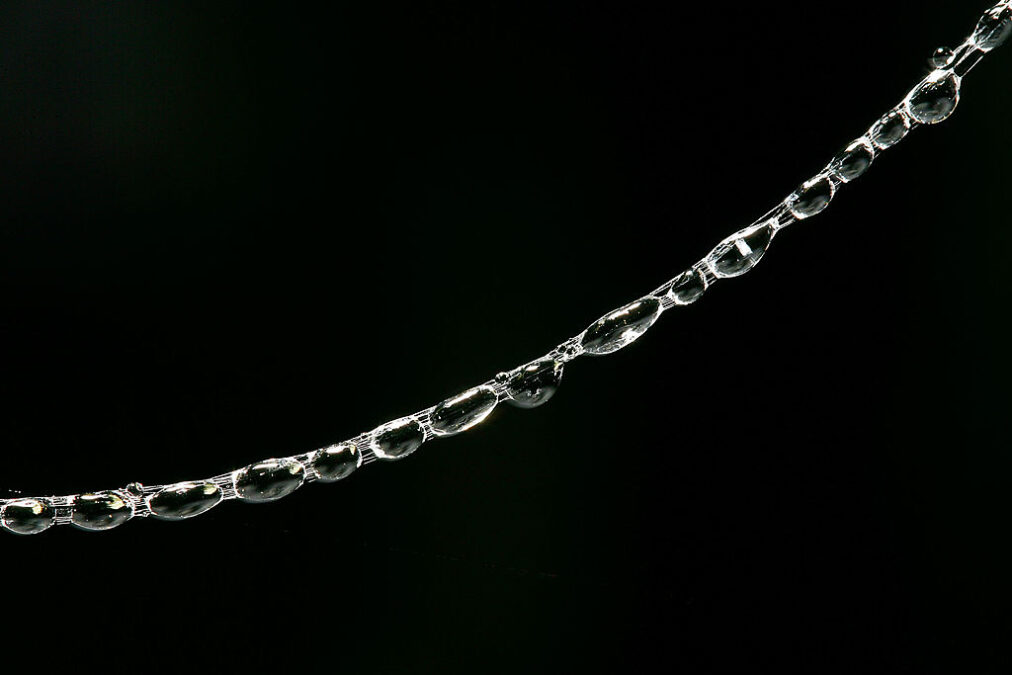
Spider silk is so incredibly fine, just 2 kilograms of it would extend all the way around Earth.
– Peter Dockrill, Managing Editor
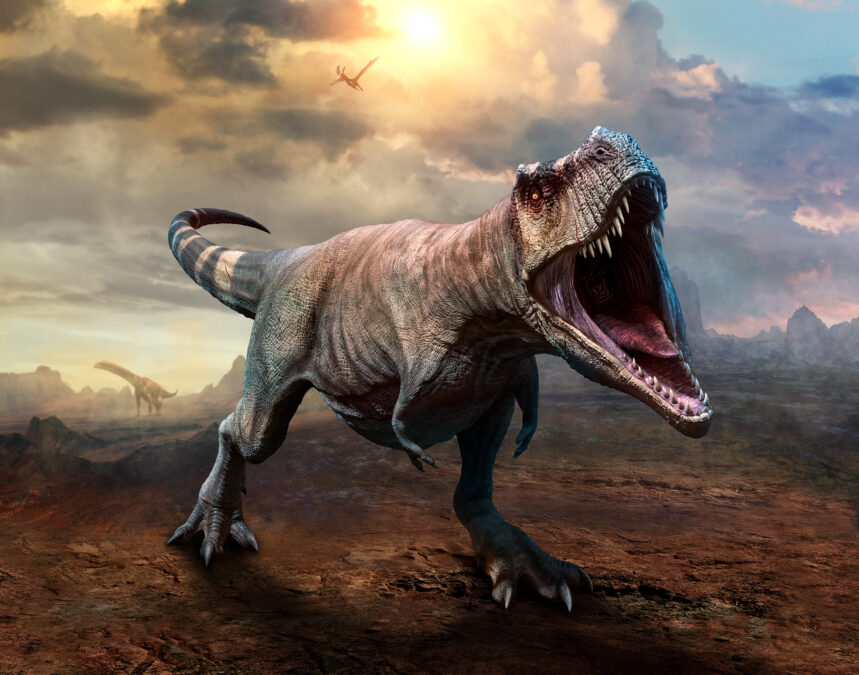
Less time separates humans and T. rex (66 million years) than T. rex and Stegosaurus (79 million years).
– Michael Irving, Copy Editor
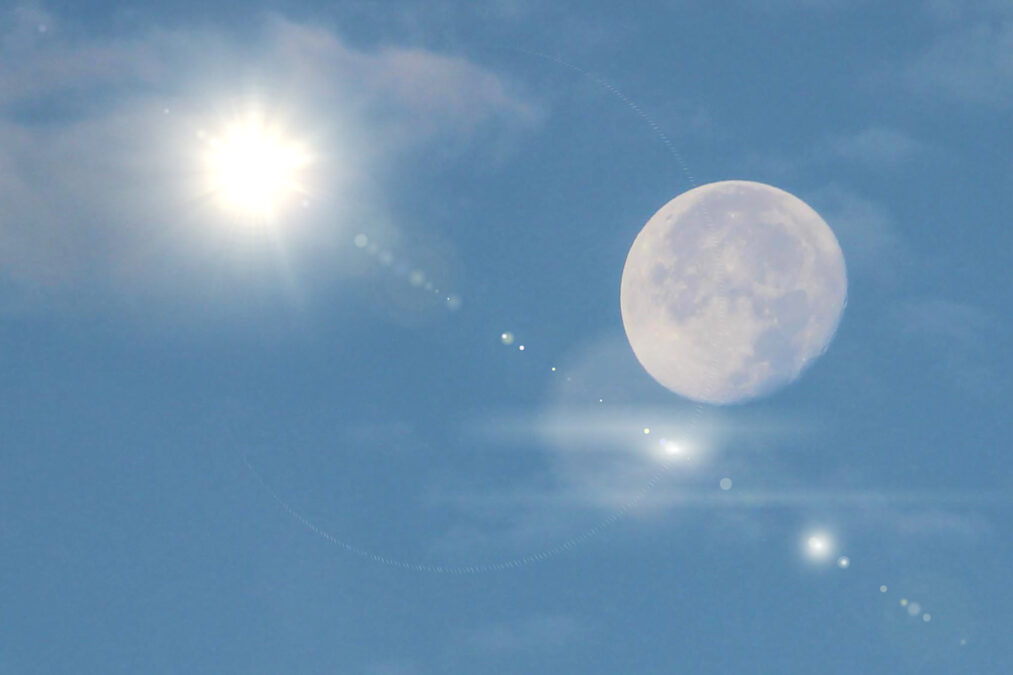
The Sun is about 400 times wider than the Moon, but it’s also about 400 times farther from Earth, which is why they appear almost exactly the same size in our sky. No other planet in the Solar System has this!
– Michelle Starr, Head Journalist
Your brain is nearly 60 percent fat – it’s the fattiest organ in your body. Fatty acids play a key role in how well your brain functions.
– Rebecca Dyer, Assistant Editor

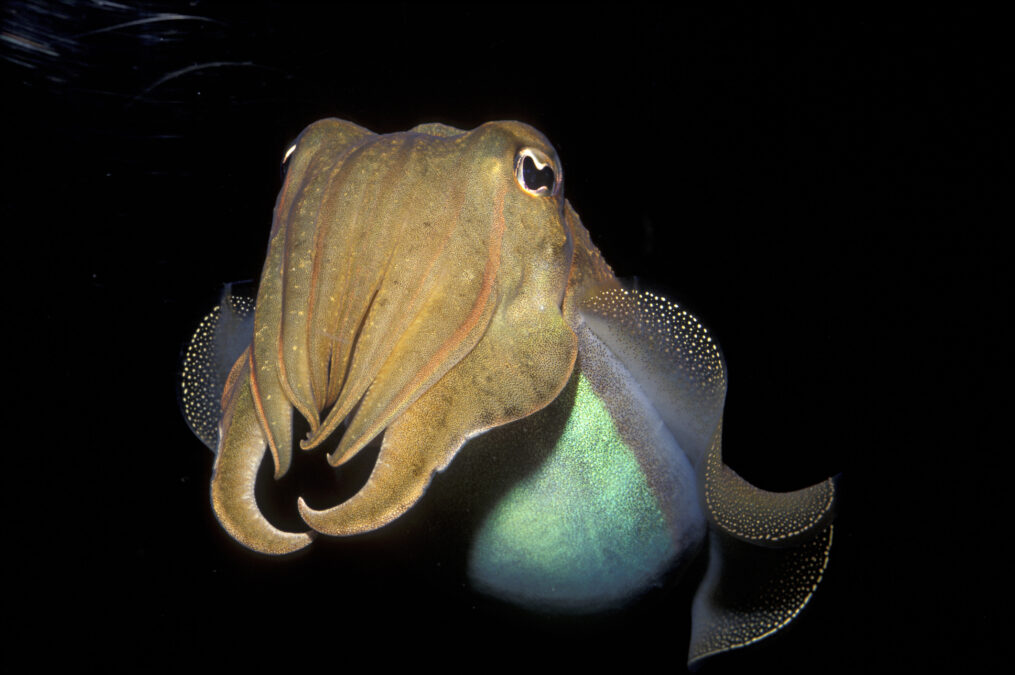
Cuttlefish have a remarkable ability to change the colors displayed on their skin. And yet, they are technically colorblind. Their eyes are sensitive to polarized light – an entirely different way of seeing.
– Jess Cockerill, Journalist and Editorial Assistant
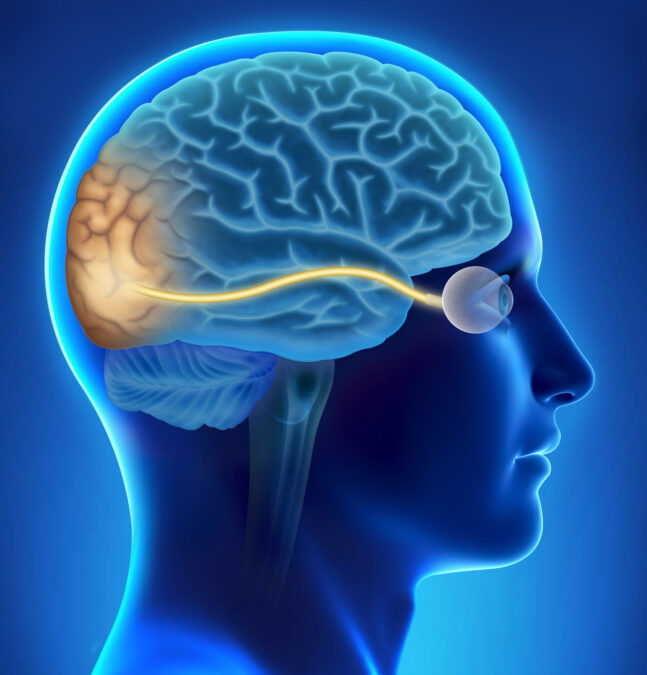
If your peripheral vision were as sharp as your central vision, you’d probably need a visual cortex as large as a classroom to process all the information.
– Carly Cassella, Senior Journalist
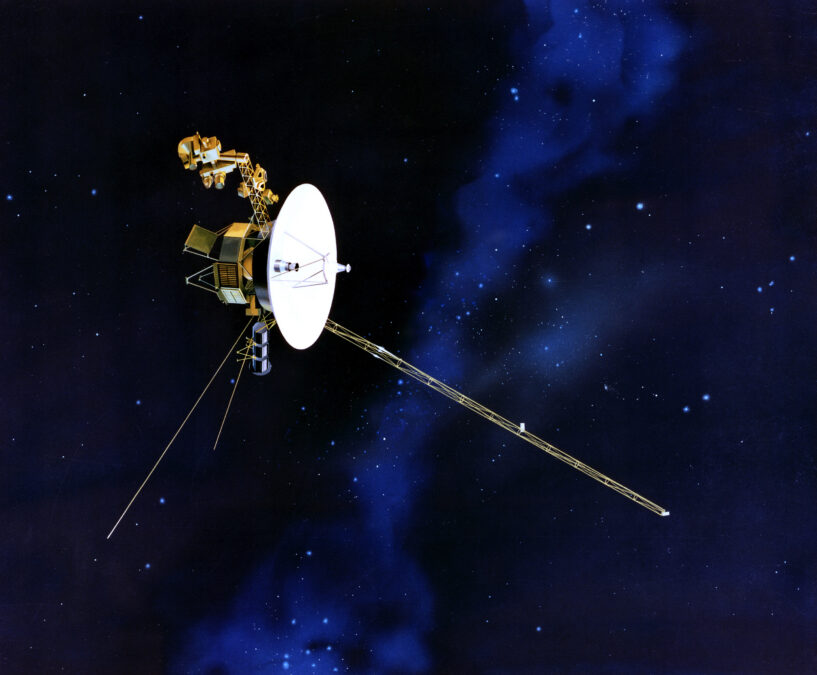
Voyager 1 has been traveling through space since 1977 and still hasn’t made it one light-year away from Earth. In November this year, it will reach one light-day.
– Fiona MacDonald, Co-Founder
During pregnancy, a woman’s body makes nearly 50 percent more blood and up to 100 times more of certain proteins to deal with the intense physiological demands of growing a tiny human.
– Clare Watson, Assistant Editor

This article was fact-checked by Clare Watson and edited by Rebecca Dyer. While we pride ourselves on our process, we are only human. If you spot a mistake, please let us know.