

This July marked 80 years since representatives of 61 states signed the constitution of the World Health Organization (WHO) in New York City. The founders understood that diseases do not respect borders, and that progress depends on countries working towards a common goal.
Africa’s response to this Ebola outbreak shows how to shape global health
Over the past eight decades, working with more than 190 member states and other partners, the WHO has helped to eradicate smallpox, driven progress towards wiping out polio, expanded access to life-saving vaccines and led the global fight against HIV. It has strengthened health-care systems, set health standards and helped to save millions of lives through efforts to improve tobacco control, water and air quality and sanitation.
As a result, people today live more than 25 years longer, on average, than they did 80 years ago. Far fewer women die during pregnancy and childbirth, and many more children survive and thrive past their fifth birthday.
These health gains come down to one choice: cooperation over isolation. Events this year show that the vision behind the WHO constitution is just as necessary today.

When physicians and AI work together, who is accountable? How to lay out medical liability
The current Ebola epidemic in northeastern Democratic Republic of the Congo, cases of measles surging across the Americas and the now-ended hantavirus outbreak are reminders that health threats can emerge anywhere and affect anyone. The COVID-19 pandemic, the most severe health crisis in a century, showed that no country can tackle such health threats alone.
The WHO’s strength lies in its ability to bring together health leaders, scientists and the global health community to tackle shared challenges and find solutions, to set global standards and coordinate action in times of crisis. That value was demonstrated again last year, when member states adopted the WHO Pandemic Agreement. This treaty applies the lessons of COVID-19 to make the world more equitable and better prepared for future pandemics.
But cooperation isn’t enough: countries also need greater capacity to respond to health crises. The WHO’s Universal Health and Preparedness Review helps countries to identify gaps in their ability to respond to health emergencies. Through the Pandemic Fund, the WHO and the World Bank have supported projects in 70 countries to strengthen disease surveillance, laboratory networks, health workforces and coordination across sectors.
Last year also tested global multilateralism, science and solidarity like never before. Sudden, severe cuts to international aid disrupted essential health services in many countries, threatening to reverse decades of progress.
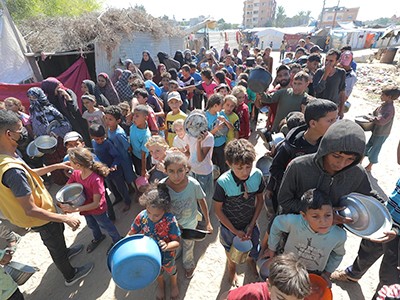
Health of people who are displaced in their own countries is a neglected global crisis
The WHO is supporting these nations to build more sustainable, self-reliant health-care systems. In the short term, we are helping them to design affordable packages of essential health services, introducing or raising health taxes on tobacco, alcohol and sugary drinks, and investing in domestic manufacturing. In the long term, countries can strengthen risk-sharing mechanisms, such as publicly funded health insurance, to better protect people financially.
In 2025, the United States gave notice of its intent to leave WHO. For years, the organization leant too heavily on voluntary funding from a few donors. In 2017, it began a finance reform to broaden its sources of revenue. In 2022, member states agreed to raise their membership fees from 16% to 50% of the core budget over time, a key step towards financial independence. Two increases have been approved since then, with three more due over the next five years.
The reform of the WHO’s financing was part of a wider institutional transformation to sharpen the WHO’s focus on what it does best: providing high-quality science, data and standards to help countries deliver health for all. Before 2019, the way that the WHO developed its guidance and standards was fragmented. We created a science division to modernize how we develop guidelines, expand global research networks and increase investment in digital technology and data systems, including artificial intelligence. In 2015, 85 member states had a national digital health strategy; today, 129 do. The WHO also serves as a hub for health data and digital services, through platforms such as the World Health Data Hub, the Global Health Observatory and the Global Digital Health Certification Network.

Should nicotine be regulated like a narcotic? A Pacific nation makes the case
As the organization enters its ninth decade, digital technologies will be crucial as we adapt to meet the world’s fast-changing needs. The world’s population has more than tripled in 80 years, placing strain on natural and urban environments with consequences for people’s health. Outbreaks and epidemics keep emerging. The health effects of conflict, climate change and displacement are growing. Non-communicable diseases, such as heart disease and cancer, are causing more illness and premature death in every country. Antimicrobial resistance threatens to undo a century of medical progress. Technological advances are creating both opportunities and risks for health.
In short, the need for a science-led, evidence-based, impartial and globally representative health organization has never been greater. Eighty years on, the WHO constitution remains a living promise, and a reminder of why the world still needs a strong WHO.
Competing Interests
The author declares no competing interests.