

Exercise isn’t just good for the body, it could also stave off cognitive decline as you age. Unfortunately, studying the effects of physical activity on the brain can be a little tricky. To that end, a new study published in the Journal of Magnetic Resonance Imaging tried to tease apart the effects of exercise and repetition on switching tasks.
Medical researchers from the National Institute of Advanced Industrial Science and Technology in Japan recruited a group of younger and older adults. They were then loaded into an fMRI machine and asked to complete three different tasks. In the first, the word “shape” popped on a screen followed by a colored object, like a red circle or a blue square. The participants had to ignore the color and identify the shape of the object, then repeat that task for seven more objects. Next, they had to perform an almost identical task, but identify the color. The third round was the switch task, and this is where things got a little crazy. Participants had no idea whether they would be asked to identify the shape or color of eight objects, so they had to adjust on the fly.
Read more: “30 Minutes, 3 Exercises: A Routine for An Aging Brain”
What about the exercise?
Well, the experimental group then had to walk at a brisk pace on a treadmill for half an hour (while the control group sat around). After that, both groups went back into the fMRI machine to do the tests again. This experimental design allowed the researchers to distinguish between the effects of task repetition and the effects of exercise.
So how’d they do?
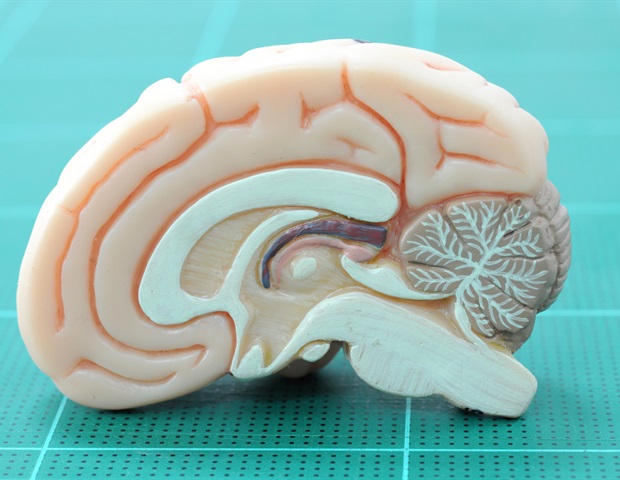
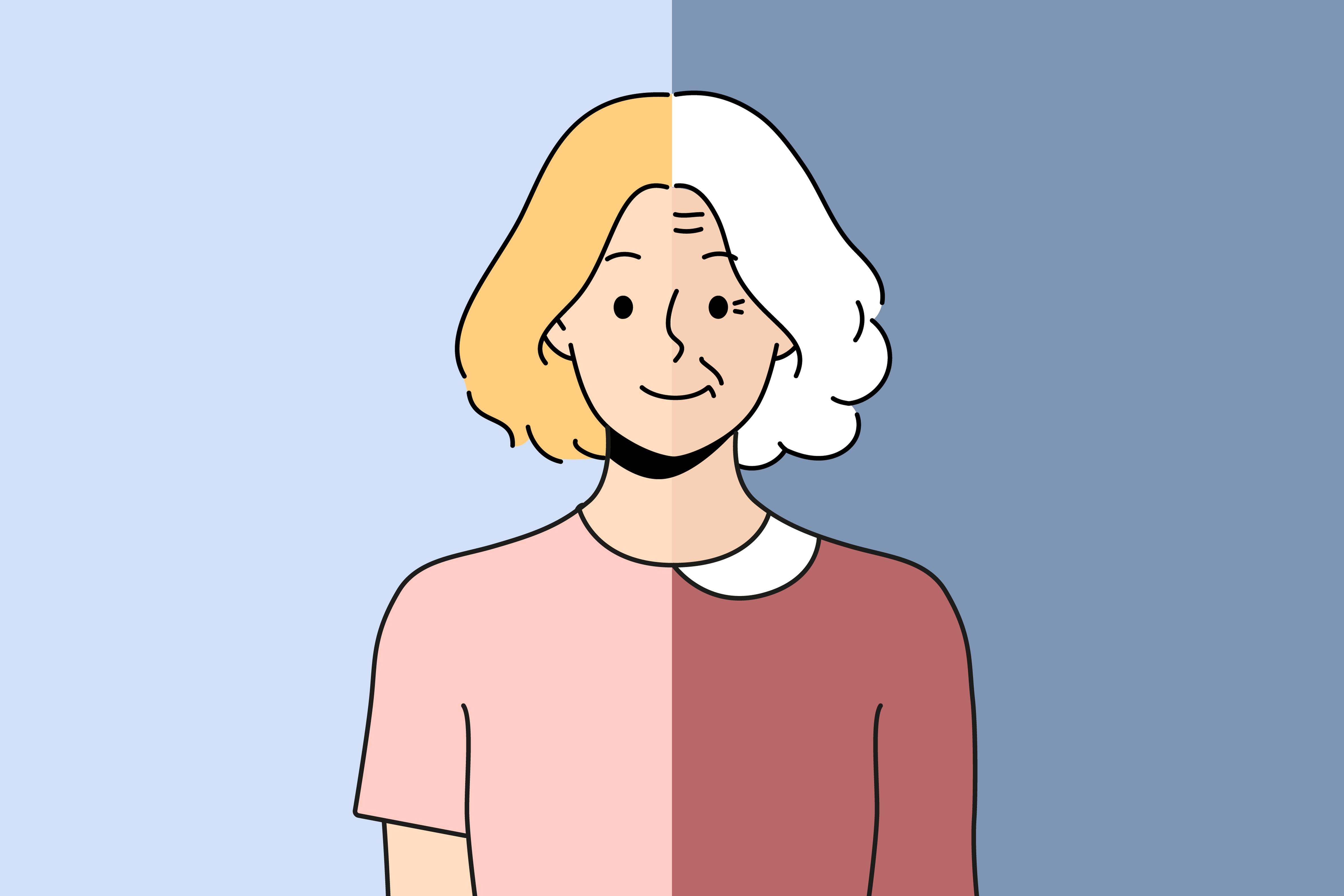
For the young adults, activation in the dorsolateral prefrontal cortex, which is involved in executive function, dropped after walking, indicating the exercise helped maintain brain activity in regions involved in task switching. However, older adults didn’t show this same post-exercise improvement in brain activity. Importantly, exercise didn’t seem to affect the actual scores (how many they got right versus wrong) of either older or younger adults.
Task repetition, on the other hand, did a little more for the old timers. Both groups showed decreased activity in regions of the brain related to working memory, attention, and visual processing, indicating an easier time on their second go-round. But compared to the youngsters, older adults showed significantly more improvement in their reaction time.
What does it all mean?
Well, it seems like some moderate exercise may help fine-tune your brain if you’re younger. And if you’re older, practice makes perfect. Still, it’s just one study with a relatively small sample size, so the main takeaway is that it’s tough to study the effects of exercise on our mysterious cognitive capabilities.
Enjoying Nautilus? Subscribe to our free newsletter.
Lead Image: Simple Line / Adobe Stock