
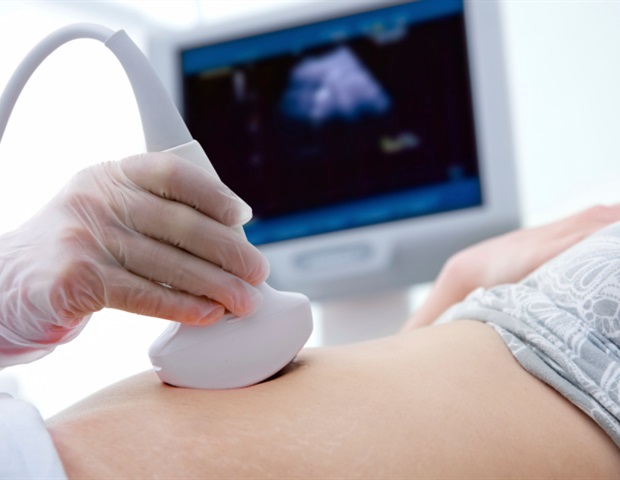


Handheld ultrasound devices’ lower image quality can make small or faint carotid plaque hard to see. Researchers in Hunan Province, China, developed an artificial intelligence (AI) model that sharpens handheld ultrasound images after they are taken. Researchers then tested it in a community screening program of adults aged 40 and older. Here’s what they found:
-
Among 153 carotid plaques in 117 participants, the AI-enhanced images showed 94.8% (145/153) of plaques compared with 87.6% (134/153) on the standard handheld ultrasound images.
-
The 11 additional plaques detected after the AI image enhancement were mainly small or low-contrast plaques with mild vessel narrowing on reference imaging
-
The AI-enhanced images correctly flagged 63.2% of plaques that looked unstable, up from 47.4%, and correctly ruled out stable-appearing plaques about 96% of the time
-
However, the enhanced images still missed more than one-third of plaques with unstable-appearing features, suggesting that the tool should not be used on its own to rule out risk
Why it matters: Using AI to enhance handheld ultrasound images could help clinicians in community and primary care settings decide who needs confirmatory imaging, closer follow-up, or more intensive management of stroke risk factors.
Source:
Journal references:
- Lan, J., et al. (2026). AI-Enhanced Super-Resolution Handheld Ultrasound for Carotid Plaque Detection in Community Screening. The Annals of Family Medicine. DOI: 10.1370/afm.250838. https://www.annfammed.org/content/24/5/437
- Szkwarko, D., et al. (2026). The AI-POCUS Revolution is Here – Are Family Physicians and Our Health Systems Ready? The Annals of Family Medicine. DOI: 10.1370/afm.260558. https://www.annfammed.org/content/24/5/389