





Dermatologists in multiple countries are expressing concern about TikTok influencers promoting what is known by some as ‘the Barbie drug’.
The drug, melanotan II, is banned as a cosmetic product in the United States, the United Kingdom, Australia, Denmark, and other countries.
In most of these countries, it’s illegal to market or sell the drug for use as a tanning product.
But online sales of the drug in the form of an injectable vial or a nasal spray persist. And so do influencer videos promoting its skin-darkening effects.
These social media posts are “genuinely concerning,” says Simone Goldinger, a clinician-researcher in dermatology at the University of Queensland in Australia, because “content creators rarely mention the real risks”.
“What is being sold on social media as a quick, ‘safe’ injectable or nasal-spray tan is an unapproved, prescription-only substance being self-administered with no medical oversight, no quality control, and often no clear idea of what’s actually in the vial,” Goldinger told ScienceAlert.

frameborder=”0″ allow=”accelerometer; autoplay; clipboard-write; encrypted-media; gyroscope; picture-in-picture; web-share” referrerpolicy=”strict-origin-when-cross-origin” allowfullscreen>
Melanotan II was first developed as part of a research program at the University of Arizona that began in the 1980s, in search of sunless tanning agents.
They were exploring synthetic analogs of the peptide α-MSH (alpha-melanocyte-stimulating hormone) – a hormone that our bodies naturally produce to stimulate melanocytes, the pigmented cells in our skin – and came up with melanotan I and II.
Coincidentally, these drugs also worked really well for sexual dysfunction in men. That’s actually one of the major risks with melanotan II: priapism – a painful, relentless erection that lasts hours.
One 55-year-old man found this out the hard way after injecting 2 mg of the drug into his abdomen, according to a case report published in Sexual Medicine in 2021.
“People think having a tan shields them from sunburn or skin cancer, but that isn’t true.” – dermatology researcher Simone Goldinger
The man turned up at the emergency department with an erection that had persisted for 30 hours.
“The patient had used [melanotan II] before for over six years, in an effort to darken his skin each year before summer,” the report’s authors wrote.
“He reports it typically caused him an erection lasting a few minutes after injection, which detumesced spontaneously in prior uses of the drug. He also reported severe nausea with its use, and so each year he injected once before bedtime.”
After attempting some other, less invasive treatment options, the doctors had to put the patient under general anesthetic to irrigate and drain his penis. Only then did the erection subside.
Based on TikTok user posts, many melanotan II users have experienced mild versions of these side effects, but there’s still not enough formal research into the drug to say how common they really are.
The Arizona researchers who created melanotan II weren’t interested in erections, or even the cosmetic elements of a tan. They were looking for a way to protect people with lower skin pigmentation from cancer.
This is at the core of broader concerns about the TikTok trend.
A 2024 study, for instance, found that one in three social media posts about melanotan that mentioned skin cancer claimed the drug protects against it, but there is no evidence that it does.
However, some studies have highlighted melanotan II’s potential involvement in melanoma, the deadliest form of skin cancer, although the research so far is inconclusive.
Melanotan II stimulates pigment cells in the skin to proliferate via receptors that normally switch on in response to UV exposure, explains Goldinger.
“This lets melanotan trick the body into darkening the skin without that [UV] trigger,” she told ScienceAlert.
Avoiding UV is what TikTok users latch onto, but stimulating pigment cells isn’t necessarily harmless.
“From a dermatology standpoint, the biggest concern is the effect on moles,” Goldinger said.
“There are case reports of melanoma developing in people using melanotan, which makes biological sense, as it persistently stimulates pigment cells to proliferate.”

Melanotan II can also make a skin check really confusing.
Because the drug stimulates melanin production, many light-skinned patients have found that their existing moles and marks become darker.
Some have even found that moles proliferate after taking the drug.
All those factors combined make it difficult for dermatologists to distinguish a potential melanoma.
The Australasian College of Dermatologists told ScienceAlert it “shares the concerns of the broader medical community about the use of melanotan II”.
Related: Why Does It Take a While For a Tan to Show Up? Scientists Have Finally Worked It Out
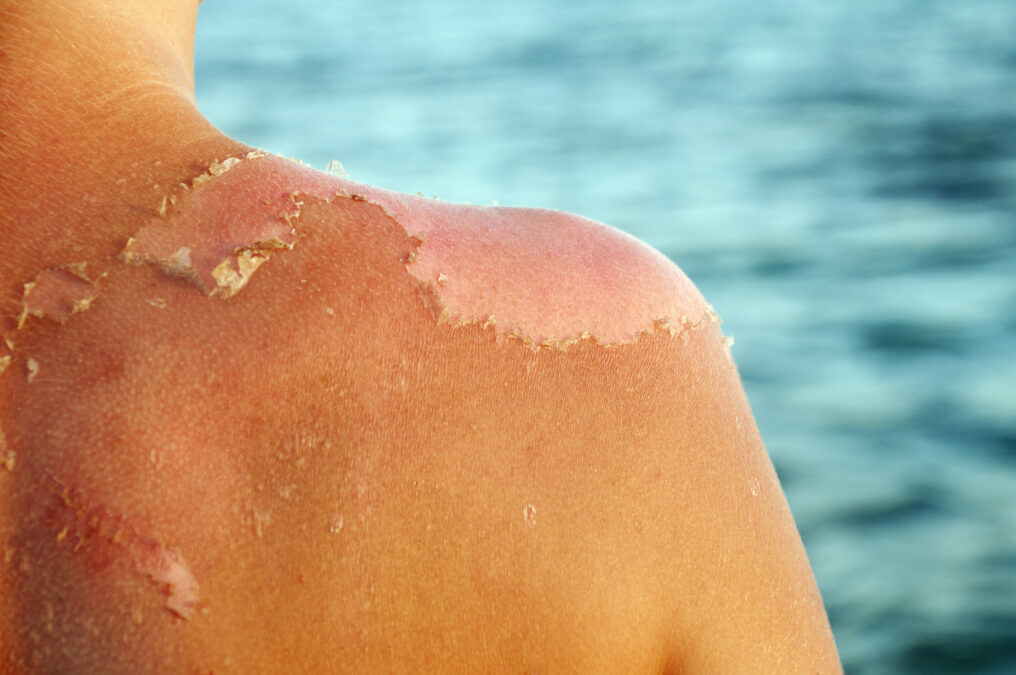
Dermatologists are also concerned that people using melanotan II may incorrectly assume their newly darkened skin will protect them from sun damage.
A study published in 2025, in which researchers interviewed 29 users of the drug, found that “participants were generally unconcerned with long-term adverse effects and instead perceived that [melanotan II] was protective against skin cancer by preventing sunburn”.
Experts are worried these misconceptions could lead people to expose themselves to harmful UV more often: a habit that we know, for sure, can cause cancer.
“It does not protect skin from UV damage,” Goldinger told ScienceAlert.
“This is a common myth – people think having a tan shields them from sunburn or skin cancer, but that isn’t true. Sunscreen is still essential.”
Warnings about melanotan II are nothing new, but the social media buzz continues to grow, revealing gaps in regulation, research, and people’s self-esteem.
You’re already great in the skin you’re in.
This article was fact-checked by Clare Watson and edited by Peter Dockrill. While we pride ourselves on our process, we are only human. If you spot a mistake, please let us know.


