




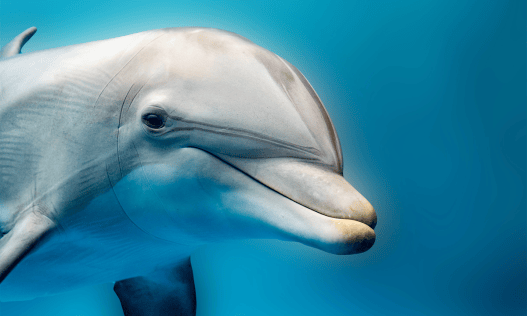
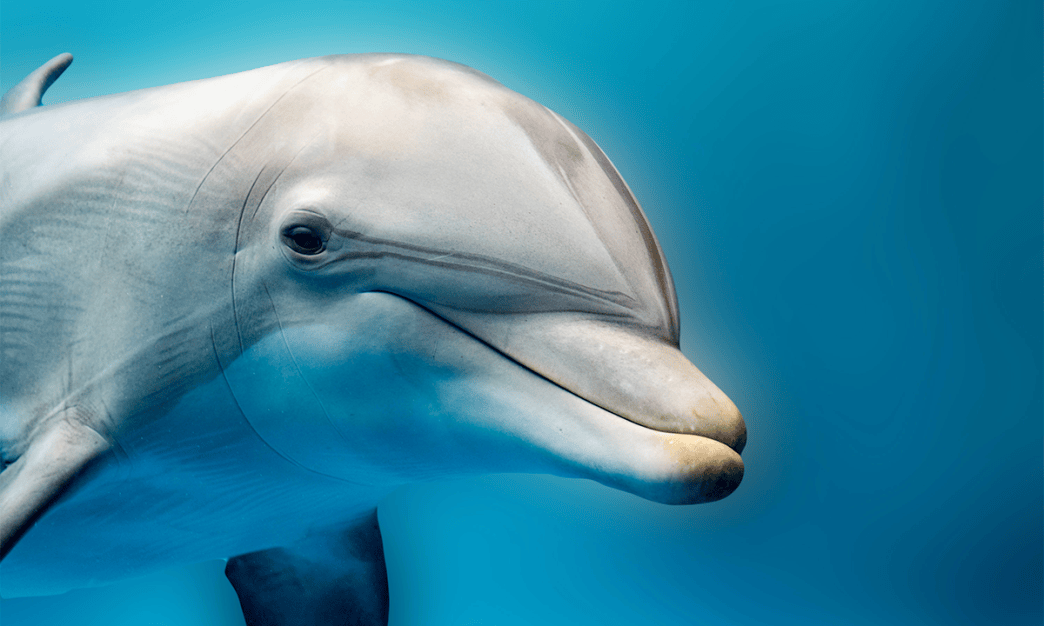
Dolphins are a noisy bunch. They whistle to identify each other and interact socially. And their series of rapid-fire echolocating clicks allow them to feel their way around, acoustically checking out the contours of the underwater landscape and finding prey. These days, however, dolphins have to compete with a ton of different human-made noises, from oil drilling to ship traffic to explosives, that impair their communication.
Adding to the acoustic melee, a paper recently published in PeerJ found that dolphins may be eavesdropping on fishes that make sound, such as drums (Sciaenidae) that croak by vibrating their swim bladders but are known to become quieter in the presence of dolphin sounds.
Florida Atlantic University researchers with the Harbor Branch Oceanographic Institute listened in on dolphins for two months along the Atlantic Coast from Fort Pierce to Jacksonville. A wave glider towed an underwater recording device suspended 4 to 10 meters below the surface, while also measuring currents, depths, and other physical parameters.
Read more: “What Do Dolphins Talk About?”
In 62 hours of ocean sounds compiled from 15-second recordings every five minutes, dolphins were detected either whistling or echolocating (or both) about 1,700 times. The acoustic data, when crossed with aspects of the physical surroundings, revealed nuances in dolphin sound production. The study paves the way for identifying areas of high acoustic importance to dolphins that should be protected from human noise pollution.
“When we combine dolphin vocalizations with the sounds of their prey and the physical characteristics of the ocean,” explained marine biologist and co-author Greg O-Corry-Crowe in a statement, “we begin to see the underwater environment from the dolphins’ perspective.”
They found that dolphins whistled more when close to shore, varying with water temperature and chlorophyll concentrations, among other factors. Because dolphin whistles may carry 12 miles or more, they’re useful in keeping a group together. Their echolocation clicks, on the other hand, were concentrated in two stretches where sound-producing fish are known to abound, including croakers, toadfish, and carangids. And so, the dolphins may be listening to the croaking and other fish sounds to home in on their prey.
“What we’re seeing is a fascinating separation between the acoustic behaviors dolphins use for social life and those they use for finding food,” said O-Corry-Crowe. “Everybody is snooping on everybody else.”
Enjoying Nautilus? Subscribe to our free newsletter.
Lead image: Andrea Izzotti / Adobe Stock