





Carbon dioxide levels are set to surge this year amid a powerful El Niño, a report warns.
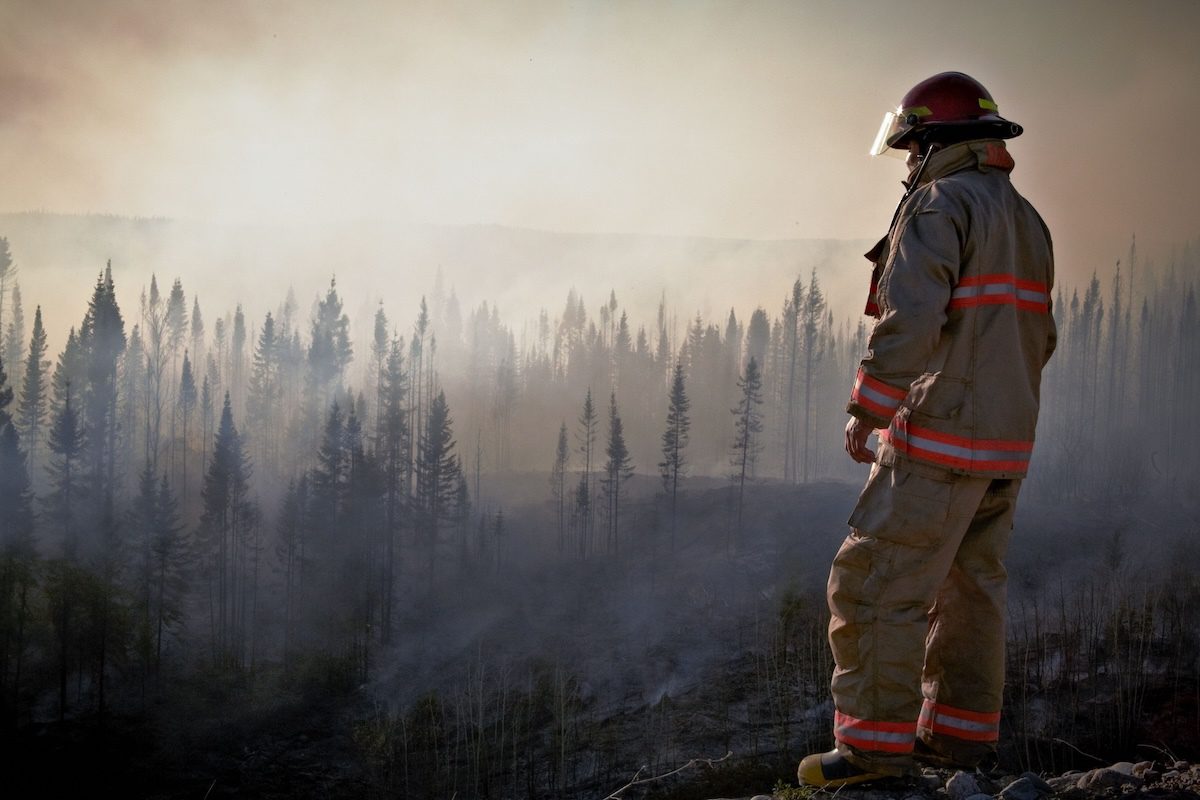
During El Niño, warm waters pool in the eastern Pacific, driving warmer weather across the globe while also fueling heavier rainfall in some places and more drought in others. In regions facing severe heat and drought, plants draw down less carbon dioxide, while soils release more back into the atmosphere. Hotter, drier conditions also spur more wildfires and degrade wetlands and tundra, unleashing still more heat-trapping gas. Warmer oceans also absorb less carbon dioxide.
About half of the carbon dioxide emitted by humans each year is absorbed by natural systems. But during El Niño, natural systems do less to offset our fossil fuel emissions while adding more emissions of their own.
In 2025, concentrations of carbon dioxide rose to record highs, according to the World Meteorological Organization, but the rise was less than in 2024, when the planet was in the midst of an El Niño.
The El Niño now underway is expected to be the strongest in living memory. It “sets the stage for another surge in carbon dioxide levels,” said Ko Barrett, deputy secretary-general of the World Meteorological Organization.
Experts warn that the interplay between fossil fuel emissions, warming, and the breakdown of natural systems has been difficult to forecast. Emissions from the burning forests, melting tundra, and fermenting wetlands are largely absent from the most influential climate models, those that inform climate negotiations. But as Yale Environment 360 recently reported, scientists around the world are now racing to fill in these gaps.
ALSO ON YALE E360
A Missing Piece in Climate Models: Nature’s Own Emissions


