





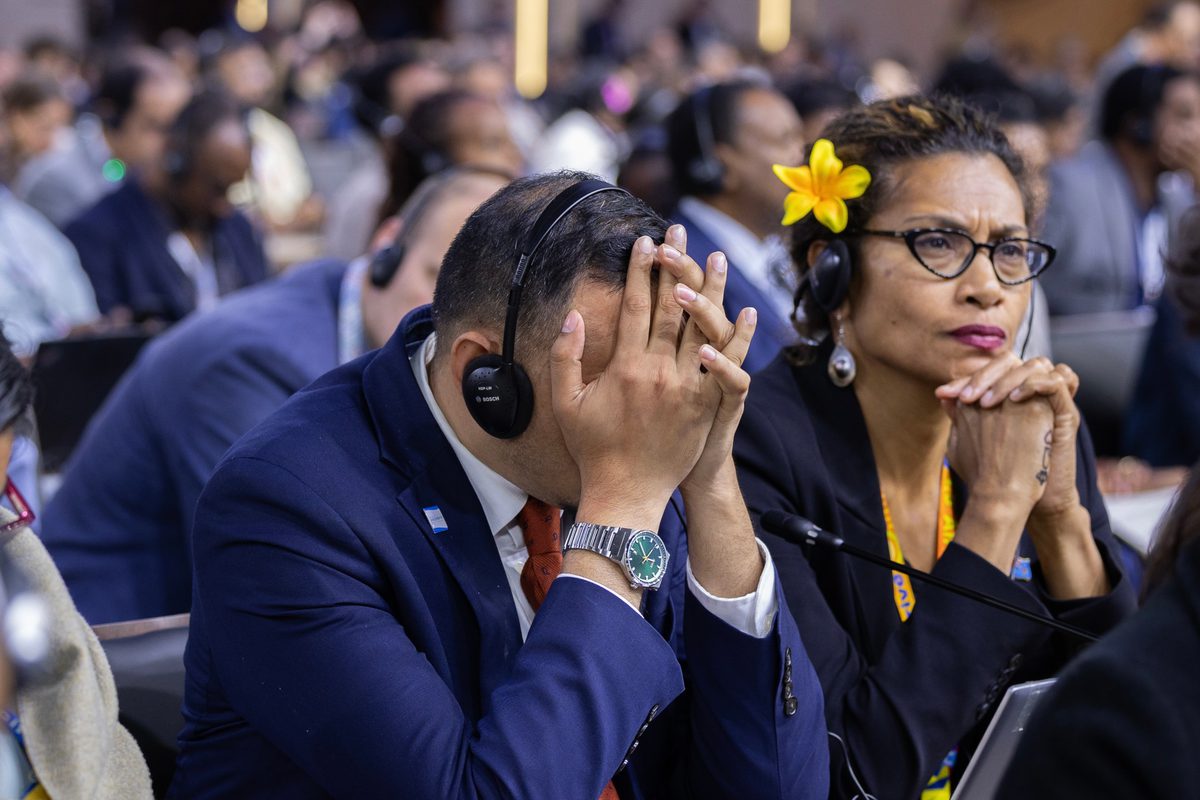


Credit: Gina Rodgers/Alamy
Comments from the jury
“I couldn’t disagree more. I think it’s a shame that scientists need to almost beg their peers to see the value of our work. Most of us invest huge amounts of time, effort and funding into what we do because we genuinely believe it matters. If you truly think your own work is irrelevant unless you can ‘sell it’ to others, then perhaps you’re in the wrong profession.” — Juliana Sanchez Alponti Millar, biologist at the University of York, UK.
“The balancing act of spending your time doing what you think is important and convincing others about the value is tricky and always there — this is a good example of how you need your colleagues and mentors to understand your motivations and the ‘big plan’.’’ — Russ Altman, bioengineer and geneticist at Stanford University in California.
“I completely agree with this. As scientists, we often assume our work will speak for itself, but communication and visibility matter a lot. Many of us also lack marketing and self-promotion skills, even though they can make a huge difference in these situations.” — Mariana Belén Galeano, biologist at the University of Buenos Aires, Argentina.
“The beauty of science is that the scientific process itself sorts out which research is useful. Scientists should do science, publish it and, rather than spend time campaigning for their work, go back and do more science.” — Metin Eren, anthropologist and archaeologist at Kent State University in Kent, Ohio.
“Researchers do need to make their case, but they shouldn’t have to do it alone. Universities must do their part, too: set clear paths to promotion, review progress regularly and make sure managers explain to their staff members how promotion works.” — Timothy Davis, volcanologist at the University of Bristol, UK.
“We are our own best advocates. It’s taken me some time to shed the modesty and be comfortable with promoting my own work and accolades, but a friend once told me ‘no one cares as much about your career as you do,” and that stuck. You have to show people why they should care.’ — Margaret Swift, ecologist at Cornell Atkinson Center for Sustainability and Cornell University College of Veterinary Medicine in Ithaca, New York.


