





A University of Cambridge linguist has uncovered a treasure trove containing the earliest known recordings of Creole language and analyzed them for the first time in a study published in Language Documentation & Description. The recordings were taken by famed Black linguist Lorenzo Dow Turner, who studied Gullah languages spoken by Black Americans living in South Carolina and traveled to Sierra Leone in search of the dialect’s African influences.
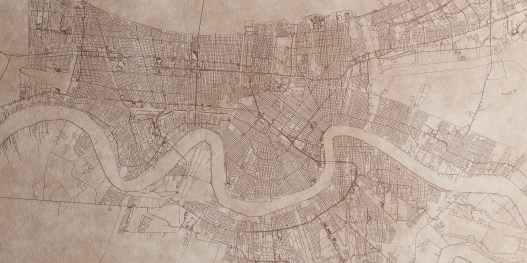
In 1935, Turner hauled equipment weighing over 100 pounds down to New Orleans to capture the voices of Creole speakers living there. He turned to a network of Black doctors to facilitate the sessions, using their waiting rooms as makeshift recording studios. “These were trusted spaces for the participants during the era of Jim Crow segregation, and, crucially, were wired for electricity,” study author Oliver Mayeux, who pieced together Turner’s trip from his notes, said in a statement.
Creole, a rich linguistic gumbo featuring a French base with Indigenous, Spanish, and English peppered in, is virtually extinct today. Turner never got to analyze the recordings himself (potentially because of funding issues), but now they’re offering insights into the dialect that written transcripts can’t provide.
“Turner’s lost recordings contain far more linguistic diversity than the texts we relied upon until now,” Mayeux explained. “This is the language of the levees and cane fields. The language that drifted out from French Quarter saloons along with early jazz music at the turn of the last century.”
According to Mayeux, the language would have been indecipherable to classic French speakers at the time. It differs from its mother language in key respects, with no gender or number agreement and agglutinated nouns (articles and nouns smushed together, like lapolis for “policemen”).
“Africans with little common language were forced onto plantations where French was the language of administration,” Mayeux explained. “Everybody is learning approximations of French and then approximations of approximations. Quite quickly, a new language is born.”
Beyond the technical aspects of the Creole language, the recordings also capture the colorful lives of the participants. One woman, Odelia Edmond, recounted her devilish youth spent hiding in church and snatching veils from brides, her run-ins with a local legend who sold voodoo accoutrement, and her first husband’s untimely demise.
“Edmond is an extraordinary character,” Mayeux said. “I found a newspaper record from when she was arraigned for battery. She had a husband who was murdered, after which she remarried. In the recording she says, ‘I was so glad when they killed him’.”
It’s a compelling portrait of a culture and language that have all but disappeared from Louisiana. Fewer than 10,000 people speak the language today, although this research might give a boost to efforts to revive the dialect.
Enjoying Nautilus? Subscribe to our free newsletter.
Lead Image: Hairem / Shutterstock


