


If you’d like some warm nostalgia, look back to the year before the Covid pandemic arrived. Here are some accolades from home institutions of some of the 2019 Ig Nobel Prize winners.
Centre for Quantum Technologies [Singapore]:
Cockroaches win award for quantum researchers
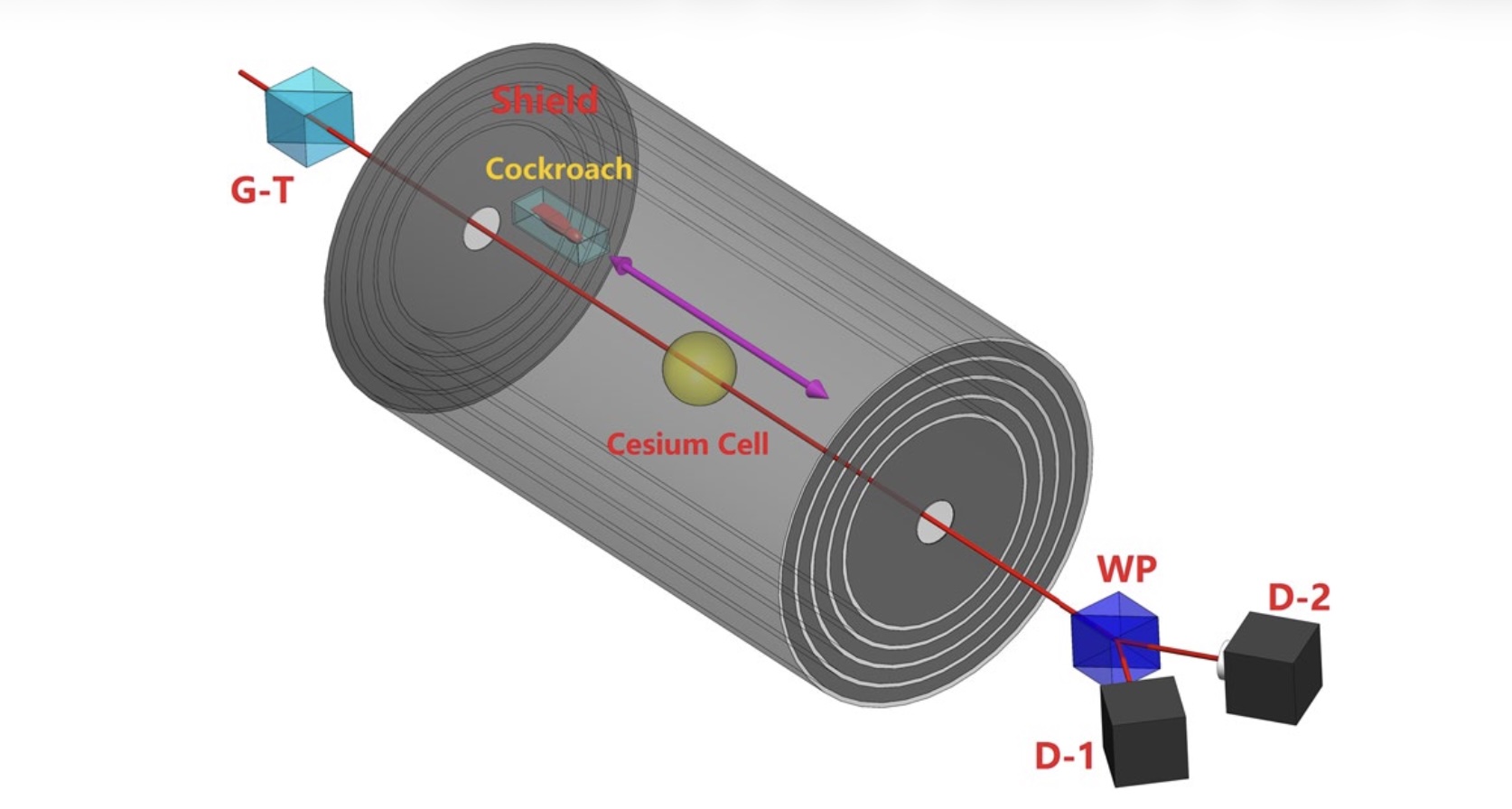
The application of an advanced quantum technology to cockroaches has won an international team of researchers an Ig Nobel Prize. CQT Principal Investigator Rainer Dumke is among the winners announced on 12 September. The Ig Nobel Prizes, a satirical counterpart to the Nobel prizes, have been presented annually since 1991. They are intended to “celebrate the unusual, honor the imaginative — and spur people’s interest in science, medicine, and technology”.
The award was presented for the paper “In-vivo biomagnetic characterisation of the American cockroach”, published in Scientific Reports in March 2018 by Rainer and five collaborators….
Kudos for cracking cubed poo code
A cubed conundrum has for decades baffled bushwalkers and biological scientists alike. New research from the University of Tasmania’s Dr Scott Carver, Dr Ashley Edwards and Dr Alynn Martin – together with Georgia Tech’s Professor David Hu – set out to crack the secret of the unique cubed poo of wombats.
The study has today earned the team a satirical Ig Noble Prize, awarded by Improbable Research, for making people laugh and then think at a ceremony at Harvard University in the US. Dr Carver said that how and why wombats produce cubed faeces has been a fascination to many people for a long time….
Radboud study on Dirty Money wins Ig Nobel Prize
By shaking hands we exchange a polite gesture, but we are exchanging bacteria at the same time. Does this happen without direct hand-to-hand contact too, for example when paying with paper money? Yes, it does! Moreover, some bank notes are much ‘friendlier’ for pathogenic bacteria than others. Andreas Voss, clinical microbiologist at Radboud university medical center and CWZ, and his fellow-researchers in the United States received an Ig Nobel Prize for research into dirty money.
Studying Wombats’ Cubic Poop
Research that makes people laugh and then thinkHow wombats produce the distinctively shaped poop has been of interest to the research teams of Georgia Tech mechanical engineering professor David Hu and Scott Carver, a lecturer in wildlife ecology in University of Tasmania, Australia. Wombats are poised to gain acclaim, because Hu, Carver, and their coworkers just received a 2019 Ig Nobel Prize, awarded by Improbable Research for research that initially makes people laugh and then think….