







No one wants to be woken in the middle of the night, but for some older men with enlarged prostates, nature can call again and again.
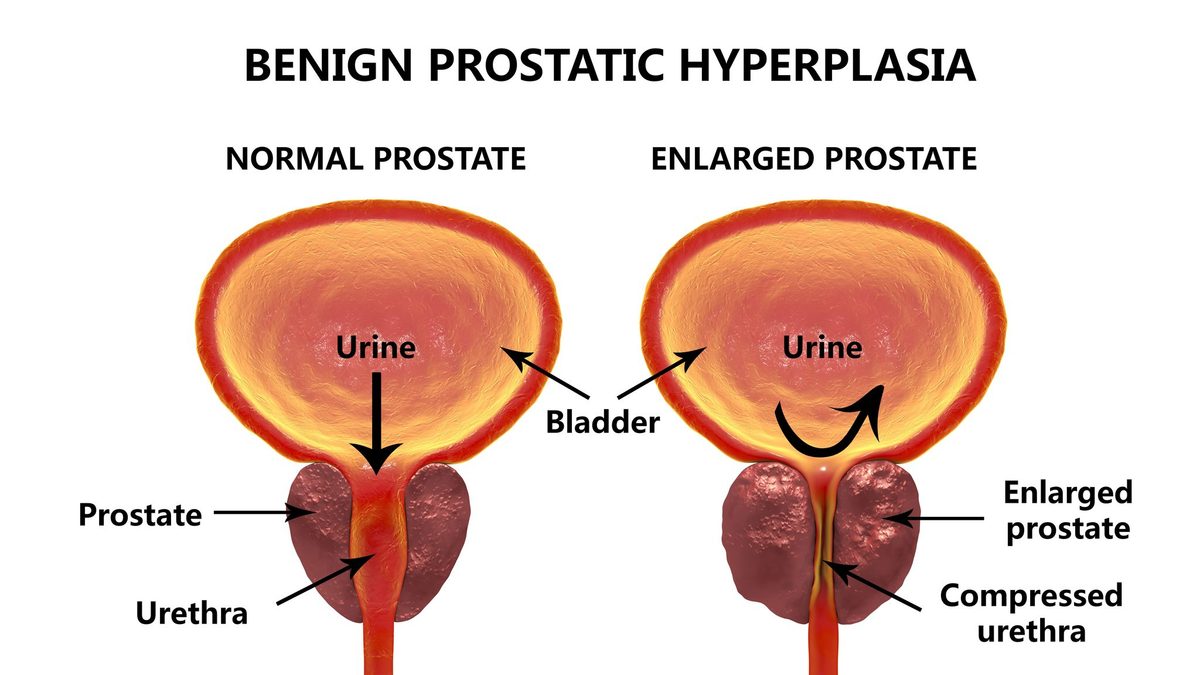
The prostate is a gland that surrounds the neck of the bladder, and if it grows too large, as it sometimes does in older age, it can pinch the urethra, making it harder to empty the bladder.
Over time, this can cause the bladder muscle to become more sensitive and contract before it is full.
Frequent trips to the bathroom at night are common.
Unbeknownst to many, however, there’s a treatment that could offer some relief.
Vibegron (brand name Gemtesa) is a relatively new drug, approved by the United States Food and Drug Administration (FDA) for an overactive bladder in 2020.
The oral medicine is taken daily, and while it does not shrink the prostate, it relaxes the bladder muscle, allowing it to expand and hold more urine before triggering the need to pee.
At the end of 2024, the drug was extended for use among men with overactive bladder symptoms who are already taking medication for an enlarged prostate.
A meta-analysis, involving 1,362 men and including two randomized trials, has now found evidence that this drug combo really can work.
A pooled analysis has revealed that after 12 weeks, men with enlarged prostates using vibegron as an ‘add-on’ therapy experienced slight but significant changes in their urge to pee compared to subjects taking just prostate medication on its own.
On average, adding vibegron to the mix led to 0.8 fewer trips to the toilet per day, one less episode of urinary urgency per day, and 0.3 fewer nighttime trips to urinate.
This may not seem like much in the short term, but it could make a meaningful difference to someone’s quality of life if it lasts in the long run, the authors explain.
Among three study cohorts considered in the meta-review, overactive bladder symptom scores decreased by an average of 2.36 points from the start of the trial when vibegron was used.
This suggests that the medication may provide some relief for patients, but notably, that is below the 3 points required to be considered clinically meaningful.
Perhaps, the authors suggest, if randomized trials went for longer, the benefits would add up.
Some recent findings from a 52-week-long study suggest that may very well be the case.
But unfortunately, because this drug is so new, research is just beginning.
To date, there is great variation among studies testing vibegron in conjunction with treatment for prostate enlargement, including differences in baseline symptom burdens, the dose itself, follow-up duration (8 to 24 weeks), and the type of therapy used for a benign enlarged prostate.
This makes comparing the results challenging.
The most rigorous clinical trial on this topic to date is called the COURAGE trial, including more than 1,000 men in North America and Europe with benign enlarged prostates who needed to urinate at least eight times a day, with at least three episodes of urgency.
The randomized, double-blind, placebo-controlled phase 3 clinical trial funded by Sumitomo Pharma America and its findings on vibegron were published in 2024.
Among men already being treated for benign prostate enlargement, vibegron significantly reduced urinary frequency and urgency compared with placebo.
The benefits started showing after just a few weeks.
But the year-long extension results are even more promising.
At the end of the 24-week trial, a subset of 276 men decided to continue on. They knowingly took vibegron for another 28 weeks.
Among the 142 men who took vibegron for a full year, researchers found an average of 2.4 fewer trips to the toilet per day, nearly 3 fewer episodes of urinary urgency per day, and 1 fewer nighttime trip to urinate, compared with the start of the original trial.
These are promising results, but this part of the trial did not include a placebo group, so it’s not clear how much of a role the drug actually played in these changes in urination.
Like most drugs, vibegron comes with side effects, and it doesn’t work the same for everyone.
Still, it’s a treatment option that patients and physicians may not be aware of.
In the US, a 2022 survey of 200 patients with an overactive bladder and 50 physicians found that more than 70 percent of patients were unaware that combination drug therapy was an option for overactive bladder.
For physicians, the main reasons for not prescribing combination therapy were cost or insurance coverage and a lack of information.
This article was fact-checked by Rebecca Dyer and edited by Rebecca Dyer. While we pride ourselves on our process, we are only human. If you spot a mistake, please let us know.