








The liver is the organ tasked with most of the waste recycling and disposal that needs doing in the body, and a new study suggests that maximizing its clean-up potential could help to prevent disease in the brain and the heart.
That would be particularly beneficial for brain diseases such as Alzheimer’s. Getting drugs into the brain effectively and safely is a real challenge – in part because of the blood-brain barrier – and targeting the liver first to get to the brain second may be a more straightforward route for drugs to take.
In the new study, published in the Journal of Biological Chemistry, researchers from the Keck School of Medicine at the University of Southern California focused on reviving old liver cells that are past their prime and have become less capable of clearing out harmful substances from the blood.
When the study team tested the experimental drug cinaciguat on rats – a drug known to restore certain cellular signaling systems – aged liver cells in the rats regained some of their youthful structure and started to become more effective again.
“We need to do further translational work to see whether our findings might point to new therapies,” says gastroenterologist Laurie DeLeve.
“We’re hopeful, though, because the findings line up with a lot of epidemiological results showing age as a major risk factor for Alzheimer’s and atherosclerosis, and liver damage as a risk factor for Alzheimer’s.”
When it comes to brain health, rejuvenating the liver cells was shown to clear out more excess amyloid-beta proteins from the blood – that’s the protein that builds up dangerously in the brains of people with Alzheimer’s disease.
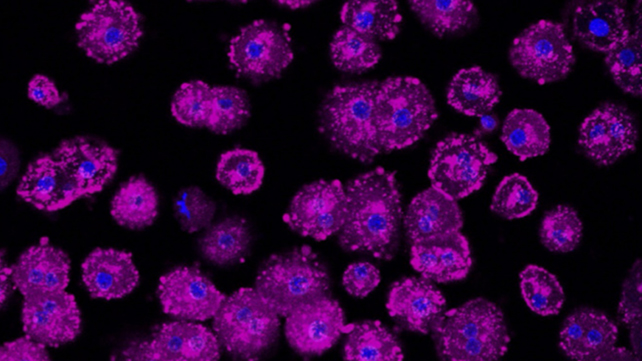
For heart health, levels of low-density lipoprotein (LDL) cholesterol in the blood were also reduced – and too much of this ‘bad’ cholesterol can lead to atherosclerosis, a narrowing of the arteries that increases stroke and heart attack risk. Oxidized LDL, linked to artery damage, was also down.
It’s important to bear in mind that these are early findings. We don’t know yet if this will all work in the same way in humans, or if these changes will actually have an impact on Alzheimer’s or cardiovascular disease risk, but these are encouraging first signs.
“The present work demonstrates that treatment with cinaciguat results in a substantial decrease in circulating levels of amyloid-beta, LDL, and oxidized LDL in a model of healthy aging to levels comparable to those seen in young rats,” write the researchers in their published paper.
Further investigation revealed the biological processes through which cinaciguat was working. First, the drug made older liver cells more porous, allowing a greater volume of harmful substances through so they could be filtered out.
Second, communication signaling between certain liver cells – including hepatocytes, which handle the bulk of the clean-up operations – was found to be improved. Chemical messages that helped blood filtering run smoothly were restored.

frameborder=”0″ allow=”accelerometer; autoplay; clipboard-write; encrypted-media; gyroscope; picture-in-picture; web-share” referrerpolicy=”strict-origin-when-cross-origin” allowfullscreen>
The suggestion is that cinaciguat, or a drug like it, could reduce Alzheimer’s risk and heart disease risk through the liver. To confirm that, future studies will need to measure amyloid-beta protein levels in the brain as well as the blood, and track signs of atherosclerosis over time to see what effect treatments have.
There are lots of potential avenues to explore now, including how this relates to Alzheimer’s, heart disease, and other related health issues that accompany aging (and slowly failing filter cells in the liver).
“We hope that people who are in fields like atherosclerosis research read this, and want to grab the idea for themselves,” says lab technician Sam de Leve, the study’s first author.
“There are six different ways someone could go with this, and we can’t do them all. So please, scoop us. We’d love it.”
The research has been published in The Journal of Biological Chemistry.
This article was fact-checked by Peter Dockrill and edited by Peter Dockrill. While we pride ourselves on our process, we are only human. If you spot a mistake, please let us know.


