



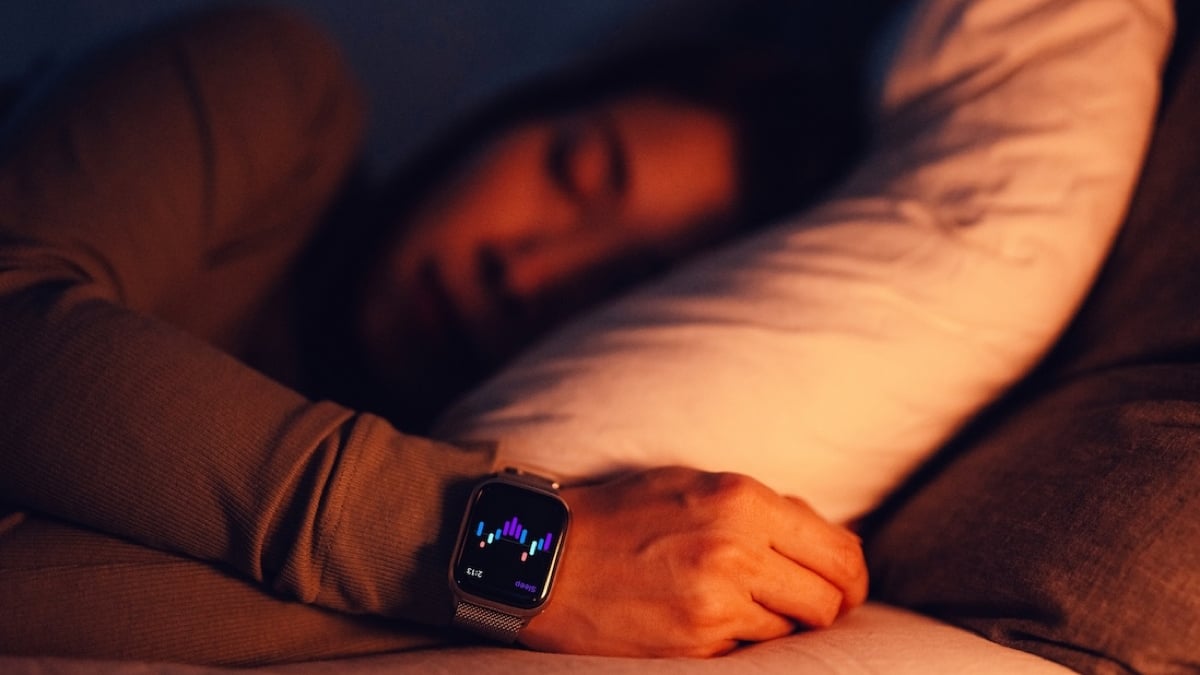
If you have a bad night of sleep and wake up feeling unrefreshed, your sleep tracker may offer little indication as to why.
A recent review of the evidence has found that wrist-worn sleep trackers like Fitbit and the Apple Watch may not know how well you actually slept.
These popular devices can track how long you slept, but they may not capture data that explains how satisfied you were with your sleep or how tired or refreshed you felt the next day.
That’s especially true if you suffer from insomnia.
Pulmonologist Narat Srivali from Duke University and physician-scientist Wisit Cheungpasitporn from the Mayo Clinic have published their results in the journal Sleep Medicine.
“In healthy individuals tracking general wellness, wearables may provide reasonable feedback regarding sleep duration and regularity,” they conclude.
“However, in clinical populations experiencing sleep disturbances or mental health conditions, the poor agreement documented in this review suggests that device measurements may provide misleading information that could delay appropriate clinical intervention.”
The systematic review analyzed data from five prior studies, involving around 2,000 participants.
It found that a person’s perception of their sleep often does not align with their sleep tracker.
Wearable devices explained only 2.5 to 16.2 percent of the difference in subjective sleep quality, which is what is currently used to diagnose insomnia.
Even if someone feels they slept badly, their sleep tracker may disagree.
In the review, participants who reported poor quality sleep scores, either because they struggled to fall asleep, woke frequently, or felt tired the next day, didn’t necessarily receive poor readings from their trackers.
In fact, the devices “failed to capture” the subjective reality, especially among older people and people with insomnia.
 frameborder=”0″ allow=”accelerometer; autoplay; clipboard-write; encrypted-media; gyroscope; picture-in-picture; web-share” referrerpolicy=”strict-origin-when-cross-origin” allowfullscreen>
Multiple studies have validated wearable sleep trackers against polysomnography (PSG) scores, which measure physiological changes during sleep, including the time spent in light, deep, or REM sleep.
But someone can show normal sleep duration and efficiency on PSG tests and still wake up feeling unrefreshed.
That’s why PSG scores on their own are not used to diagnose insomnia. Instead, the sleep disorder is typically assessed based on a patient’s reported symptoms and their sleep diaries.
The relationship between sleep trackers and patient-perceived sleep quality “remains poorly characterized”, argue Srivali and Cheungpasitporn.
“Clinicians increasingly encounter patients who self-monitor sleep with commercial wearables and may present device data,” they write.
“Our results suggest that such data, while potentially useful for tracking sleep duration patterns over time, should not be considered an adequate substitute for validated subjective sleep quality assessment tools.”
Patients who report poor sleep quality despite what their sleep tracker says warrant further clinical evaluation, the review authors add, “rather than reassurance based solely on device data”.
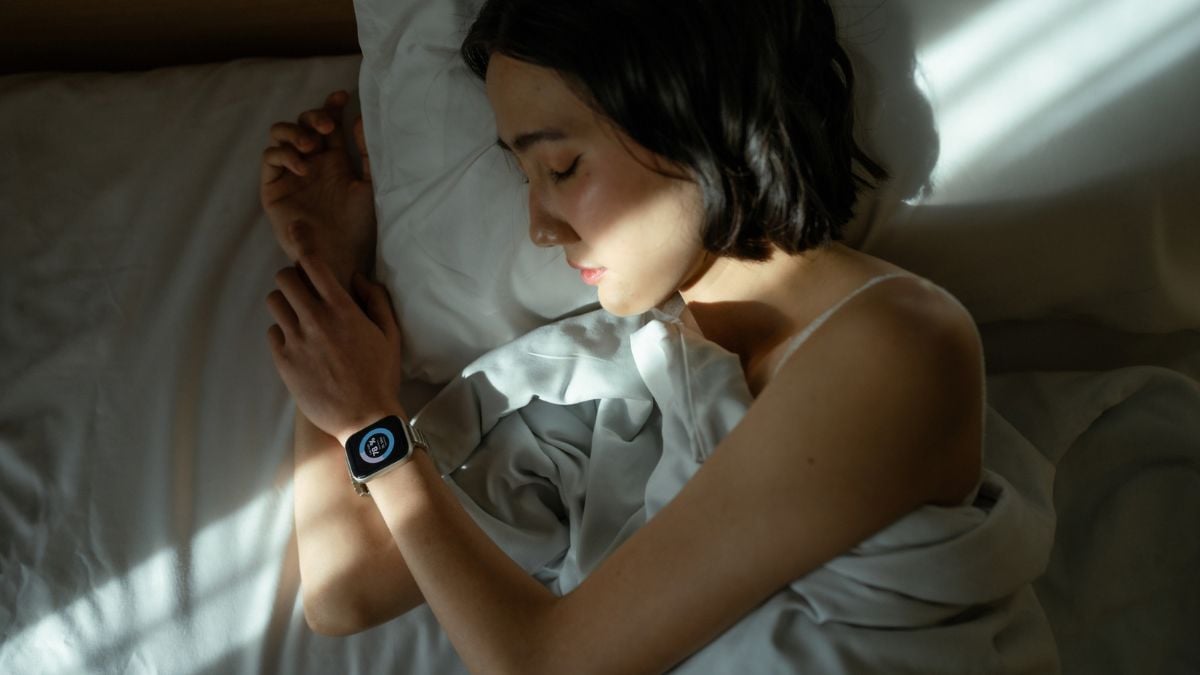
Across all included studies, the agreement between sleep-tracker measurements and subjective sleep-quality assessments was generally poor to moderate.
In one included study, a Fitbit agreed acceptably with laboratory sleep measurements in 82 percent of good sleepers, but only 39 percent of those with insomnia.
That was mostly because Fitbits were not detecting how often participants woke during the night.
They overestimated total sleep time in those with insomnia by about half an hour and overestimated sleep efficiency by about 8 percent.
These devices were also less in sync with how older adults and those with depression felt they had slept.
This suggests there is a disconnect between objective and subjective sleep measurements that sleep trackers are missing.
“An individual with depression may perceive sleep as poor despite objectively normal parameters, while another with fragmented sleep may report satisfaction if expectations are met,” the review authors explain.
“The subjective experience is intimately connected to psychological well-being in ways that movement and heart rate patterns cannot capture.”

Four of the five studies included in the review used Fitbit devices, while only one analyzed the Apple Watch, so it’s possible that other sleep trackers are more reliable measures of sleep satisfaction.
But that remains to be studied.
A recent survey in Norway, for instance, found that of 461 people who use or have used a sleep tracker, few reported improved sleep quality. Participants with insomnia were also more prone to negative thoughts and worries about sleep.
Related: First-of-Its-Kind Study Shows Just One Extra Hour of Sleep a Night Raised College Students’ Grades
The findings of the review suggest that if someone is worried they have a sleep disorder, such as insomnia, a sleep diary may provide more meaningful information to their doctor than their sleep-tracker data.
For those with depression, meanwhile, sleep trackers can hint at signs like ‘sleeping too much’, but the review authors say that apart from that, “they fail to detect most other depression symptoms that self-reported sleep quality successfully identifies.”
For now, users of sleep trackers should know that their devices may have only limited value when it comes to measuring their sleep satisfaction.
They shouldn’t stress over the results.
The study is published in Sleep Medicine.
This article was fact-checked by Clare Watson and edited by Clare Watson. While we pride ourselves on our process, we are only human. If you spot a mistake, please let us know.