





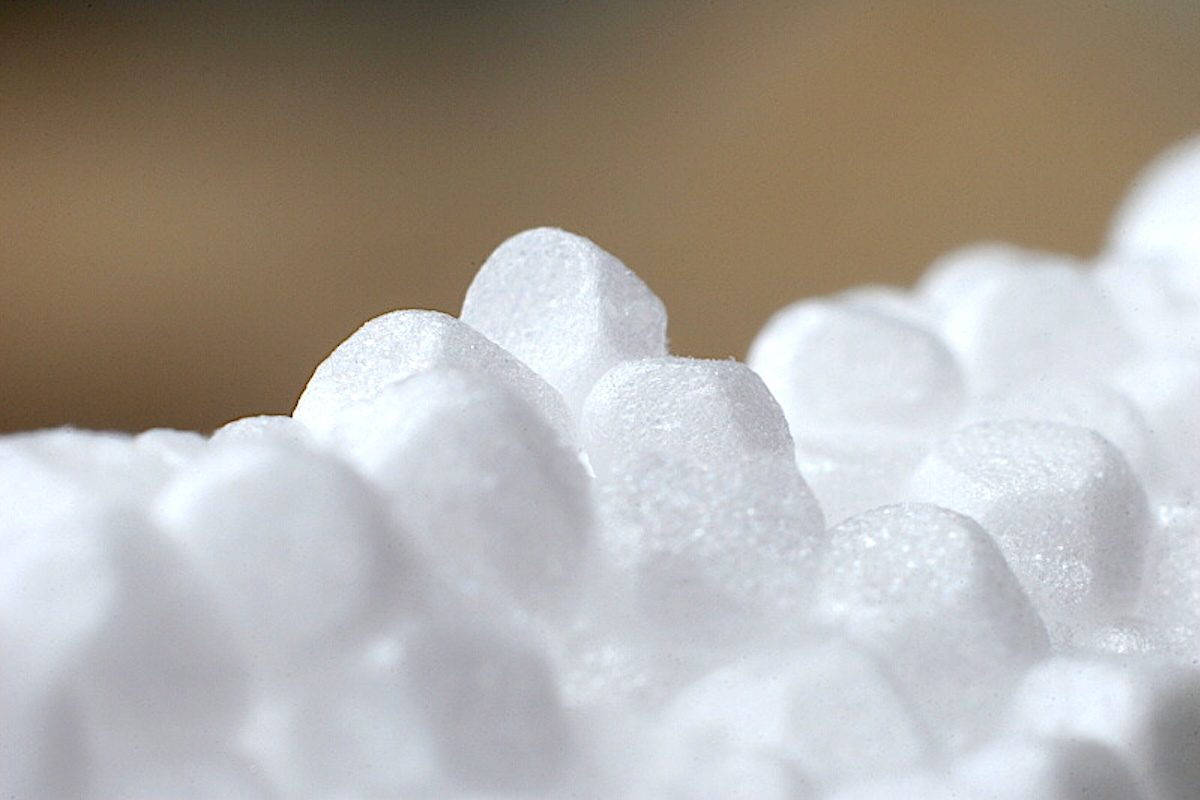
A study found that exposure to polystyrene, the plastic used in Styrofoam cups, spurred the growth of colon cancer in mice. The findings come as researchers grapple with steadily rising rates of colon cancer among young people.
The mice in the study were given a carcinogen that would cause them to develop colon cancer. Some mice were also fed polystyrene particles. Compared with those fed a normal diet, the mice that ate plastic were afflicted with both more tumors and more severe tumors.
The research, published in the journal Molecular Cancer, comes in the wake of a study last year of colorectal tumors. It found the tumors contained a greater variety and concentration of microplastics than healthy tissue nearby.
Tiny shards of plastic may be giving rise to colon cancer by puncturing the colon’s mucus layer, allowing toxins and harmful microbes to reach the wall of the colon, Frank Frizelle, a professor of surgery at the University of Otago in New Zealand, told The Washington Post. “My own thoughts are that it’s going to prove not to be the microplastics themselves — microplastics are going to prove to be a way of getting through the mucus layer,” said Frizelle, a leading expert in colon cancer, who was not involved in the new research.
The global incidence of colon cancer among young people, those under the age of 50, began to take off in the 1990s, though the shift was more pronounced in wealthier countries. Because colon cancer can take decades to develop, researchers have been looking at risk factors that emerged in the 1970s. Several possible explanations have emerged, including the rise of ultra-processed foods, the spread of so-called forever chemicals, our increasingly sedentary lifestyles, and the proliferation of microplastics.
In recent years, scientists have discovered microplastics in the food we eat, water we drink, and air we breathe, as well as in human lungs, placentas, and other organs. But while researchers have shown that the chemicals added to plastic are harmful to human health, they are only beginning to understand what impact the microplastic particles themselves may have.
ALSO ON YALE E360
What Do We Actually Know About the Microplastics Inside Us?


