Scotland Office Minister John Lamont has visited parts of rural Scotland to see how digital farming innovation, funded by more than £21m of UK Government investment, is helping to grow the rural economy.
Minister Lamont took a tour of Scotland’s Rural College (SRUC) Barony Campus near Dumfries to understand how the cash boost from UK Research and Innovation (UKRI) is supporting the milk industry by bolstering the Digital Dairy Chain.
He also called in at nearby Barnbackle Farm, part of Quality Meat Scotland’s Monitor Farm Initiative and one of nine farms involved in a four-year programme to improve sector productivity, profitability, and sustainability in the digital farming industry.
He said: “Driving forward new digital farming schemes like the Digital Dairy Chain is exactly where we need to be to ensure the farming sector remains profitable and sustainable.
“It’s vital as we build on the commitment to keep producing 60% of the food we consume here in the UK.”
Common issues faced in the farming industry
At Quality Meat Scotland’s monitor farm Barnbackle, Minister Lamont heard from the family who run the 500-acre site.
With 150 suckler cows, 20 store cattle, and 700 ewes, the family faces challenges common to many farmers, including rising feed prices. Looking at solutions, including rotational grazing, is something the Monitor Farm Programme will support.
Beth Alexander, Monitor Farm Scotland Programme Manager, said: “The Monitor Farm programme is farmer-led, farmer-driven and aims to enhance the profitability, productivity, and sustainability of Scotland’s digital farming sector.
“Through practical demonstrations and the exchange of best practices, we use farmer expertise to progress the industry and address challenges. This visit presents an excellent opportunity for farmers to engage directly with the government and share their issues.”
How the Digital Dairy Chain will strengthen the digital farming industry
Investment from UKRI’s Strength in Places Fund has been ploughed into SRUC to examine how dairy farmers can best capitalise on the 1.9 billion litres of milk produced in the area.
The Digital Dairy Chain will provide world-class research and business innovation opportunities in advanced, sustainable, high-value digital dairy processing.
The five-year project will deliver advanced manufacturing processes to help businesses develop new products and explore new markets. It’s hoped to create more than 600 new jobs while contributing £60m to the local economy by attracting large dairy processors and boosting industry-focused research.
Minister Lamont explained: “This UK Government investment will really put the area on the world map as a leader in advanced, sustainable, and digital farming.
“It will offer farmers, processors, and producers in the dairy supply chain a valuable resource for support, business development, and industry expertise to take the sector from strength to strength and increase the opportunity for growth.”
New research on rural New Englanders shows that gardening, hunting, fishing and other HWFP activities are important tools for maintaining food security through extreme events, such as pandemics or climate change events.
University of Vermont and University of Maine researchers found that both food insecurity and home and wild food production (HWFP) – gardening, hunting, fishing, foraging, and having “backyard” poultry or livestock – increased significantly during the COVID-19 pandemic, and those who undertook HWFP activities exhibited improved food security 9-12 months later.
The paper, published in Scientific Reports, surveyed over 1,000 individuals in rural Vermont and Maine (the two most rural states in the country) to identify their food security and food sources.
Researchers hope that policymakers will consider how HWFP might lead to a more resilient food system. “Home and wild food production is not a silver bullet, but it is a potential solution set that has been largely overlooked,” said Meredith Niles, Associate Professor at the University of Vermont, who led the study.
Programs that support HFWP are often overlooked by policymakers, but the research suggests that these activities could bolster food security, especially during ever more frequent crisis situations.
“Even during normal times, there are many barriers to food access especially for people experiencing poverty. When the COVID-19 pandemic began, there were additional barriers including travel restrictions, stay at home orders, and disruptions to the supply chain,” said Rachel Schattman, Assistant Professor of Sustainable Agriculture at the University of Maine. “While there were a variety of food assistance programs, no one had really looked at how self-provisioning things like hunting, gardening, canning, foraging and raising backyard animals contributed to food security.”
There was anecdotal evidence in the early days of the pandemic about people starting gardens and stories about canning jar shortages, but Niles says this paper brings quantitative data to back up those stories. “We were able to actually show, at a large scale with significant data, that people who did home and wild food production, especially gardening, in the early part of the pandemic, were more likely to be food secure 9 to 12 months later,” said Niles. “It’s exciting because we haven’t really seen this scale of data before and over multiple time points to assess this issue.”
“We’ve suspected that producing some of your own food through hunting, fishing, foraging, gardening helps people’s food security. This is the best evidence yet that we have that producing your own food makes a difference,” said Sam Bliss, postdoctoral fellow at the University of Vermont who was involved in the research.
One key takeaway from this report was that individuals who were newly food insecure during the pandemic seemed to be the best at recovering from food insecurity with home and wild food production, as compared to those food insecure also before the pandemic. “Our team is really interested to understand why chronically food insecure people in particular don’t seem to be able to use home and wild food production in the same way to improve food security as other people,” said Niles. “We have some information on the barriers they face and are exploring other work to assess how to overcome these issues.”
“We need policies and programs that make producing your own food more accessible to the people who could stand to benefit the most from it,” said Bliss.
Source:
Journal reference:
Niles, M. T., et al. (2024). Home and wild food procurement were associated with improved food security during the COVID-19 pandemic in two rural US states. Scientific Reports. doi.org/10.1038/s41598-024-52320-z.
With the new legislation for CAP 23, Olof Gill answered our questions about how CAP will impact European farmers and what support it offers.
With farmers facing more and more issues both within the industry and environmentally, the European Commission has established the Common Agricultural Policy 2023 (CAP 23) legislation to provide European farmers with support through disasters, environmental support, and financial support.
Olof Gill, Spokesperson of the European Commission for Agriculture and Trade, answered some of our questions regarding the new legislation.
How does CAP 2023-27 align with the European Green Deal and Biodiversity Strategy to ensure agricultural practices will contribute to environmental sustainability and biodiversity?
CAP 23 reflects a greener approach, striving to be the most environmentally and climate-focused CAP to date. To receive full payments, farmers are required to meet an enhanced set of standards covering the environment, climate, food safety, plant protection products, animal welfare, and working conditions. This conditionality principle applies to nearly 90% of the utilised agricultural area in the EU, emphasising the mainstreaming of sustainable farming practices.
In support of environmental goals, the Plans allocate a significant 32% of the total CAP budget (approximately €98bn) to voluntary actions. For instance, Italy designates over €10bn for climate and environmental interventions, compensating farmers for adopting practices that are more environmentally and climate-friendly. These include the use of fertilisers and pesticides, for example, or soil conservation practices.
These efforts highlight CAP’s commitment to promoting environmental sustainability and biodiversity while encouraging farmers to adopt practices that are more sustainable.
How will CAP balance providing income support through direct payments with encouraging farmers to adopt sustainable and environmentally friendly practices?
On average, agricultural income is only 45% of the average wage in the economy, with variations between different agricultural sectors and farming systems. In 2020, CAP support accounted for 23% of EU farm income on average. It proves key to maintaining agricultural activity and jobs in remote rural areas, slowing down land abandonment and rural depopulation.
To receive full CAP payments, farmers must respect an enhanced set of requirements and standards for the environment, climate, health, animal welfare, and decent working conditions. This principle of conditionality applies to close to 90% of the utilised agricultural area in the EU and plays an important role in mainstreaming sustainable farming practices.
Under CAP legislation, farmers will have to work to guidelines, but will be provided with much support
Besides income support, how does the CAP contribute to rural community development and job creation in both upstream and downstream sectors of agriculture?
CAP goes beyond income support, making substantial contributions to rural community development and job creation in both upstream and downstream sectors of agriculture.
With a dedicated focus on the social and economic fabric of EU rural areas, CAP 23 invests in precision farming, innovation, and farmer training across the EU.
In concrete terms, CAP allocates nearly €25bn (8% of the total budget from 2023 to 2027), significantly boosting the economic landscape of EU rural areas. Initiatives such as installation aid and higher investment rates target the attraction of 377,000 new young farmers, fostering innovation and job creation in the upstream agriculture sector.
Indeed, we aim at having 377,000 new young farmers during this programming period, thanks to several tools such as the support income for young farmers, the installation aid for young and new farmers, higher rate for investments, support to farm transfers via the co-operation tool, or even intergenerational exchange of knowledge.
The CAP framework offers multiple opportunities to support rural areas in creative ways beyond agricultural activities. Several Member States take advantage of these opportunities to support social services, natural parks, renewable energy production, rural mobility systems or business creation in sectors other than farming.
The Horizon Europe fund, with over €3bn, supports research and innovation in agriculture, forestry, and rural areas; and provides a substantial financial backing for technological advancements, creating job opportunities in downstream sectors.
Strategic partnerships, like Circular Bio-based Europe, showcase a dedication to job creation and environmental protection. Supported by CAP, precision farming technologies optimise resource use, enhancing crop yields and generating jobs in related sectors.
In summary, the CAP’s multi-faceted approach actively promotes rural community development and job creation across the entire agricultural value chain.
How will transparency and accountability be ensured in the management of CAP funds at the national level, and what measures will track the impact of CAP financing on income support and rural development?
The Commission has solid rules and procedures in place to protect the EU budget and to make sure every euro is well spent.
Under shared management, EU countries are responsible for implementing and controlling the various schemes under CAP legislation. The Commission’s role is to ensure that Member States manage CAP funds in a sound way, that taxpayers’ money is spent properly, and that the EU does not pay for projects or claims that do not comply with the established rules.
EU countries execute payments to farmers and other beneficiaries through national or regional paying agencies, and these agencies undertake a rigorous system of checks before payments are made.
The Commission also conducts audits several times a year and claims back to Member States the amount that has not been paid in compliance with EU rules due to errors or, more rarely, fraud.
Regarding the evaluation of the current CAP for farmers and the agricultural sector, the Commission has already published a first evaluation report in November 2023, which assesses the impact of the Strategic Plans for delivering on the goals of the Common Agricultural Policy (CAP) 2023-2027, particularly those linked to environment, climate, and societal expectations such as animal welfare.
The report confirmed that the CAP Strategic Plans aim to deliver the most ambitious CAP ever from an environmental and climate perspective.
There will also be annual performance reports and interim and final evaluations in 2026 and 2031, respectively. In line with its transparency and monitoring requirements, the European Commission also provides detailed information on all CAP Strategic Plans online, with a summary of all Plans, a catalogue of CAP interventions, and dashboards on result indicators and financial allocations.
Please note, this article will also appear in the seventeenth edition of our quarterly publication.
Bill Gates and other wealthy individuals who spend vast sums on research often back some types of solution over others.Credit: Halil Sagirkaya/Anadolu/Getty
The Bill Gates Problem: Reckoning with the Myth of the Good BillionaireTim Schwab Metropolitan Books (2023)
Global wealth, power and privilege are increasingly concentrated in the hands of a few hyper-billionaires. Some, including Microsoft founder Bill Gates, come across as generous philanthropists. But, as investigative journalist Tim Schwab shows in his latest book, charitable foundations led by billionaires that direct vast amounts of money towards a narrow range of selective ‘solutions’ might aggravate global health and other societal issues as much as they might alleviate them.
In The Bill Gates Problem, Schwab explores this concern compellingly with a focus on Gates, who co-founded the technology giant Microsoft in 1975 and set up the William H. Gates Foundation (now the Bill & Melinda Gates Foundation) in 1994. The foundation spends billions of dollars each year (US$7 billion in 2022) on global projects aimed at a range of challenges, from improving health outcomes to reducing poverty — with pledges totalling almost $80 billion since its inception.
Schwab offers a counterpoint to the prevailing popular narrative, pointing out how much of the ostensible generosity of philanthropists is effectively underwritten by taxpayers. In the United States, for example, 100,000 private foundations together control close to $1 trillion in assets. Yet up to three-quarters of these funds are offset against tax. US laws also require only sparse scrutiny of how charities spend this money.
CRISPR-edited crops break new ground in Africa
Had that tax been retained, Schwab reasons, the government might have invested it in more diverse and accountable ways. Instead, the dispersal of these funds is being driven mainly by the personal interests of a handful of super-rich individuals. By entrenching particular pathways and sidelining others, philanthropy is restricting progress towards the global Sustainable Development Goals by limiting options (see also strings.org.uk).
Many Gates foundation programmes are shaped and evaluated using data from the US Institute for Health Metrics and Evaluation (IHME), which was founded — and is lavishly funded — by the foundation. Schwab suggests that such arrangements could be considered conflicts of interest, because in-house ‘evaluations’ often tend to justify current projects. In the case of malaria, for instance, the numbers of bed nets distributed in tropical countries — a metric tracked by the IHME — can become a proxy for lives saved. Such circularity risks exaggerating the efficiency of programmes that aim to tackle high-profile diseases, including HIV/AIDS, potentially at the expense of other treatable conditions for which solutions might remain unexplored (see also Philip Stevens’s 2008 book Fighting the Diseases of Poverty).
Limited scope
Similarly restricted views exist in other areas, too. In the energy sector, for instance, Gates flouts comparative performance trends to back exorbitantly expensive nuclear power instead of much more affordable, reliable and rapidly improving renewable sources and energy storage. In agriculture, grants tend to support corporate-controlled gene-modification programmes instead of promoting farmer-driven ecological farming, the use of open-source seeds or land reform. African expertise in many locally adapted staples is sidelined in favour of a few supposedly optimized transnational commodity crops.
Furthermore, the Gates foundation’s support for treatments that offer the best chances of accumulating returns on intellectual property risks eclipsing the development of preventive public-health solutions, Schwab notes. For example, the foundation promotes contraceptive implants that control women’s fertility, instead of methods that empower women to take control over their own bodies. Similarly, the foundation often backs for-profit, Internet-based education strategies rather than teacher-led initiatives that are guided by local communities.
Throughout its history, the Gates foundation’s emphasis on ‘accelerating’ innovations and ‘scaling up’ technologies, as noted on its website (gatesfoundation.org), obscures real-world uncertainties and complexities, and ignores the costs of lost opportunities. For example, Gates’s aim to eradicate polio is laudable. But pharma-based actions are slow — and can come at the expense of practical solutions for less ‘glamorous’ yet serious scourges, such as dirty water, air pollution or poor housing conditions.
Transparency is scarce on whether charitable investments in vaccine companies might benefit philanthropists or their contacts.Credit: Simon Maina/AFP/Getty
Thus, by promoting interventions associated with the technological processes of extraction, concentration and accumulation that underpinned his own corporate success, Gates helps to tilt the playing field. His foundation tends to neglect strategies built on economic redistribution, institutional reform, cultural change or democratic renewal. Yet in areas such as public health, disaster resilience and education, respect for diverse strategies, multifaceted views, collective action and open accountability could be more effective than the type of technology-intensive, profit-oriented, competitive individualism that Gates favours.
Schwab traces the origins of this ‘Gates problem’ to the 1990s. At that time, he writes, Gates faced hearings in the US Congress that challenged anti-competitive practices at Microsoft and was lampooned as a “monopoly nerd” in the animated sitcom The Simpsons for his proclivity to buy out competitors. By setting up the Gates foundation, he pulled off a huge communications coup — rebranding himself from an archetypal acquisitive capitalist to an iconic planetary saviour by promoting stories of the foundation’s positive impact in the media.
Genetic modification can improve crop yields — but stop overselling it
Yet since then, Schwab shows, Gates has pursued a charitable monopoly similar to the one he built in the corporate world. He has shown that in philanthropy — just as in business — concentrated power can manufacture ‘success’ by skewing news coverage, absorbing peers and neutralizing oversight. For instance, Schwab documents how the voices of some non-governmental organizations, academia and news media have been muted because they depend on Gates’s money. While dismissing “unhinged conspiracy theories” about Gates, he describes a phenomenon that concerned activists and researchers call the “Bill chill”. By micromanaging research and dictating methods of analysis, the foundation effectively forces scientists to go down one path — towards the results and conclusions that the charity might prefer.
These issues are exacerbated by Gates applying the same energy that he used in business to coax huge sums from other celebrity donors, which further concentrates the kinds of innovation that benefit from such funding. But Schwab has found that transparency is scarce on whether or how Gates’s private investments or those of his contacts might benefit from his philanthropy. Questions arise over the presence of people with personal ties to Gates or the foundation on the board of start-up companies funded by the charity, for example.
Bigger picture
One minor gripe with the book is that although Schwab excels in forensically recounting the specific circumstances of Gates’s charitable empire, he is less clear on the wider political forces at work or the alternative directions for transformation that have been potentially overlooked. Schwab often implies that Gates’s altruism is insincere and rightly critiques the entrepreneur’s self-serving “colonial mindset” (see, for example, S. Arora and A. Stirling Environ. Innov. Soc. Transit.48, 100733; 2023). But in this, Gates is a product of his circumstances. As Schwab writes, “the world needs Bill Gates’s money. But it doesn’t need Bill Gates”. Yet maybe the real problem lies less in the man than in the conditions that produced him. A similar ‘tech bro’ could easily replace Gates.
The challenges facing scientists in the elimination of malaria
Perhaps what is most at issue here is not the romanticized intentions of a particular individual, but the general lack of recognition for more distributed and collective political agency. And more than any single person’s overblown ego, perhaps it is the global forces of appropriation, extraction and accumulation that drive the current hyper-billionaire surge that must be curbed (see also A. Stirling Energy Res. Soc. Sci.58, 101239; 2019).
Resolution of the Bill Gates problem might need a cultural transformation. Emphasis on equality, for instance, could be more enabling than billionaire-inspired idealizations of superiority. Respect for diversity might be preferable to philanthropic monopolies that dictate which options and values count. Precautionary humility can be more valuable than science-based technocratic hubris about ‘what works’. Flourishing could serve as a better guiding aim than corporate-shaped obsessions with growth. Caring actions towards fellow beings and Earth can be more progressive than urges to control. If so, Schwab’s excellent exposé of hyper-billionaire ‘myths’ could yet help to catalyse political murmurations towards these more collective ends.
Fungi can cause disease in both humans, animals, and plants. Every year, 1.5 million people die from fungal infections, and fungal attacks in food crops threaten food production. To protect ourselves, we have developed chemical agents – in the form of medicines or pesticides – that kill harmful fungi. The most effective remedy against fungal infections is a group of substances collectively known as azoles.
It is vital that the azoles we use against pathogenic fungi have a good effect.”
Ida Skaar, senior researcher, Norwegian Veterinary Institute
Azoles are indeed frequently used – as medicine for humans and animals, to prevent fungal diseases in food crops and on golf courses, to preserve wood, to prevent mould in flower bulbs and silage, and to preserve ornamental plants. The list is long. This frequent use causes researchers to worry because the harmful fungus develops resistance.
A little-explored topic
Antibiotic resistance is a well-known issue that raises concern among many. In comparison, fungicide resistance is a little-explored, but very relevant, topic. The World Health Organization (WHO) has, among other organisms, singled out the fungus Aspergillus fumigatus as a fungus that can pose a health threat in the future. A. fumigatus is a common fungus found everywhere, and it poses little threat to healthy people. For people with a compromised immune system, it can cause infections that need to be treated. In such cases it is vital that the medicine, which is usually based on azoles, is effective.
“A. fumigatus that is resistant to azoles is an increasing global problem,” Skaar says.
“We do not know how the situation in Norway is, but with the wetter and warmer climate that we can probably expect in the future, the problem will become greater.
“Knowledge about the situation in Norway is absolutely necessary. We must be proactive and have the necessary knowledge before the problem becomes too serious. We must, among other things, know how much resistance we have, in what way the fungus develops resistance, and in which environments resistance is likely to arise (so-called hotspots).
One Health – everything is connected
Skaar leads the project NavAzole which aims to map and understand the development of azole resistance in Norway. This knowledge is needed to make wise decisions to keep the resistance level as low as possible. This requires cooperation between different sectors.
“Azole resistance concerns several sectors. We must therefore keep the One Health perspective in mind when working with it. This means that we must acknowledge the important connection between human health, animal health, and the surrounding environment. We need to consider all the application areas of azoles, and investigate hotspots for resistance development, and how resistance is spread further,” the senior researcher elaborates.
Looking for resistance in soil dwelling fungi
A potential hotspot for resistance development is the use of azole-based pesticides in agriculture. In the project, NIBIO will work with this issue.
Andrea Ficke is a researcher from NIBIO, working with fungal diseases in cereals. She explains how a cereal field can be a hotspot for resistance development:
“A. fumigatus is a soil dwelling fungus that also exists in the field. In conventional agriculture, the crops are sprayed against various fungal diseases, and many of the fungicides are based on azoles. Some of the fungicides will end up in the soil and can affect A. fumigatus. In the same way that a high use of antibiotics can lead to bacteria developing resistance, regular exposure to azoles can lead to resistance in A. fumigatus. “
In the project, the researchers therefore want to investigate whether they find resistant A. fumigatus in cereal fields that are sprayed with azole-based fungicides, and whether there is a correlation between resistance development in plant pathogenic fungi and resistance development in A. fumigatus.
“We are going to study two fungi that cause the leaf blotch diseases septoria leaf blotch (Zymoseptoria tritici) and septoria nodorum blotch (Parastagonospora nodorum). These diseases can lead to a considerable loss of crops,” Ficke explains.
Ficke has been working on leaf blotch diseases in cereals for 10-12 years. During these years, she has not observed a worrying increase in resistance to fungicides. So far, Skaar’s research group has also not found resistant A. fumigatus in fields. However, this does not mean that we can rest on our laurels, quite the contrary.
Preventive work is important
“In Norway, we are very fortunate not to have major problems with fungicide resistance in crops,” Ficke says.
Although Skaar has found more resistant A. fumigatus in various Norwegian environments than expected, she also believes that the problem is relatively small in Norway. “But you don’t have to go further than to Denmark before the situation is more serious, ” she adds.
Both researchers emphasize the importance of focusing on this issue in Norway.
“The preventive efforts we put in are crucial. We must understand the extent of the problem in Norway, and we must implement measures that can reduce the development of resistance. The use of integrated pest management plays an important role in this, by reducing unnecessary use of fungicides. In addition, one should consider in which situations it is necessary to use fungicides. “
“Norway excels at avoiding unnecessary use of antibiotics, and we should focus equally on avoiding unnecessary use of fungicides. When resistance becomes properly established, it is very difficult to eradicate. Therefore, we must be proactive,” the researchers conclude.
How do fungi develop resistance?
In all fungal populations, there exists a certain genetic variation. This variation can make some “individuals” more tolerant to the exposure to fungicides than others. When the population is exposed to fungicides, these “individuals” will survive, and can reproduce. The resistance to fungicides is genetic, and thus hereditary. Random mutations can also occur in the DNA of the fungus, making it resistant. In this way, the use of the same type of fungicide over a long time will select for fungi that are increasingly resistant. The faster the fungi reproduce the faster resistance can occur.
Different fungicides have different strategies to kill or inhibit fungi. An “individual” that has developed resistance to one type of fungicide is not necessarily resistant to a fungicide that works in a different way. Therefore, it is important to avoid one-sided use of fungicides with the same mode of action. In addition, in plant production, one should use integrated pest management (IPM) to reduce the need for fungicides (and other pesticides).
New research reveals that recycled food waste may be contaminated with pharmaceutical residues. The good news is that fungi cultivated in biogas digestate show minimal absorption of these contaminants. On February 16, Astrid Solvåg Nesse will defend her PhD dissertation at the Norwegian University of Life Sciences (NMBU).
When food waste or sewage sludge is processed in a biogas plant, it produces energy-rich biogas and a byproduct known as biogas digestate or slurry. This digestate contains many nutrients and can be used as fertilizer in agriculture. Additionally, it can serve as food for soil microorganisms, contributing to improved soil structure and overall soil health.
The challenge with using biogas digestate as fertilizer is that it may contain substances that can be pollutants, such as residues of pharmaceuticals and impregnating agents. These substances can be taken up by plants or leach into rivers and lakes, potentially harming organisms living in and off the soil.
While this issue is well-known and partly well-researched for sewage sludge, there has been relatively little research in Norway on the pollutants present in food waste.
In her doctoral thesis, NIBIO researcher Astrid Solvåg Nesse collected and examined biogas digestates of food waste and sewage sludge from all public biogas plants in Norway.
Recycled organic material in the form of biogas digestate can be effectively used as fertiliser, as long as it does not contain substances we prefer not to have in the soil. What I have done is to investigate the types of pollutants that may be found in digestate of food waste and compared it with the content in digestate of sewage sludge. I have also examined the risk of using contaminated biogas digestate to produce edible fungi.”
Astrid Solvåg Nesse, NIBIO researcher
Analyzed digestate for various substances
Through detailed analyses, Nesse found that several of the biogas digestate samples of processed food waste contained almost as much pharmaceutical residues as digestate of sewage sludge.
“It was quite surprising,” says the researcher. “I don’t know why this is the case, but one theory is that it may be related to poor source sorting. For example, people who have mistakenly disposed of pharmaceutical residues along with their food waste.”
The researcher also analysed the digestate for per- and polyfluoroalkyl substances (PFAS). PFAS are a group of man-made chemicals widely used in products such as Teflon pans and water-repellent textiles.
“PFAS are highly stable in the environment, and some are also toxic and can accumulate in humans and animals,” Nesse explains. “Our analyses showed that for most PFAS, there were higher concentrations in biogas digestate from sewage sludge than in that of food waste.”
Contaminated digestate for fungi cultivation
In addition to analyzing biogas digestate for pollutants, Nesse conducted several growth experiments with digestate cultivated fungi. The aim was to investigate whether mushroom cultivation could be a way to utilize contaminated recycled organic waste.
“Initially, biogas digestate is suitable for cultivating mushrooms and other edible fungi. However, it is important to control how much of the contaminants in the digestate end up in the mushrooms,” Nesse explains.
The results showed that the fungi absorbed very little of both pharmaceuticals and perfluorinated substances. Instead, these substances remained in the growth medium.
“However, we found that the amount of contaminants in the growth medium decreased significantly over time,” the researcher says. “It is therefore possible to produce edible mushrooms on contaminated digestate, while simultaneously reducing the contamination in the digestate. The used growth medium can then be well-suited for further use as fertilizer, for example, in agriculture’.”
Advocating for the importance of healthy soil, Vineland Research and Innovation Centre explains its role in the future of food security, conservation and agricultural sustainability.
Vineland Research and Innovation Centre is a uniquely Canadian results-oriented organisation dedicated to horticulture science and innovation. Delivering innovative products, solutions, and services, the Centre provides an integrated and collaborative cross-country network that advances Canada’s research and commercialisation agenda.
As part of this dedicated effort, Vineland advocates for improving and maintaining soil health, sustainability and food security. Crucial to global agricultural productivity, water conservation, and a sustainable food supply, our soil must be protected. Experts from the Centre elaborate on the how and why.
How do soil carbon levels impact soil health and agricultural productivity, and how does this affect sustainability?
Soil health is defined as the ongoing ability of soil to function as a vital ecosystem for plants, animals, and humans. It is a living, breathing system determined by physical (e.g. texture, bulk density), chemical (e.g. available nutrients) and biological factors (e.g. organic matter, soil respiration). Soil carbon, a vital aspect of the biological property, is crucial in soil health, productivity and sustainability.
Carbon naturally exists in all soils, but levels vary based on factors such as production practices, soil disturbance, and texture. Enhancing microbial life using organic matter input and improved production practices helps build soil carbon, an essential component for agricultural productivity and farm sustainability. Soil carbon:
Serves as a food source for micro-organisms, promoting mineralisation and returning nutrients to the soil for plant use and growth;
Provides soil structure, aiding in the formation of aggregates that improve water-holding capacity, infiltration, and erosion resistance; and
It acts as a storage system for nutrients and water, regulating their release to plant roots, preventing leaching, loss, and erosion, thereby protecting aquatic habitats, which can become contaminated with excess nutrients and sediment from soil erosion.
Prioritising the development of soil carbon enhances sustainable farming by reducing fertiliser and irrigation needs, fostering plant growth and sequestering atmospheric carbon dioxide.
How does the use of absorbent soil contribute to water conservation and soil erosion prevention?
Water conservation and soil erosion are interconnected. To better understand their relationship, let’s revisit the essence of soil. Soil is comprised of four key components: Minerals (e.g. sand, silt, clay), organic material, water, and air. When we look at healthy soil, 50% of the soil should consist of water and air, often referred to as ‘open space’, ‘pore space’ or, more specifically, ‘soil porosity’. One cubic metre of healthy soil can store up to 0.5m³ of water (or 500L).
Healthy soil can act like a sponge, absorbing and storing rainwater for prolonged periods. This stored water then becomes accessible to plants. This is critical for plant growth, especially for the newly planted, establishing vegetation facing water limitations, which can determine their success or failure.
Compacted soil prevents water from entering pore spaces, leading rainwater to become surface runoff or stormwater runoff. As it travels downhill, it carries loose soil particles, causing soil erosion and soil loss. Massive erosion results in muddy streams flowing into rivers. To minimise soil erosion, a focus on upstream soils is crucial. Enhancing porosity by reducing soil compaction enables the absorption of rainwater into the soil, decreasing surface runoff and the risk of erosion.
Improving soil health, including absorbency, in urban environments can save on costs for watering and tree replacement programmes, while contributing toward the establishment of healthy and resilient urban trees that can grow to canopy height and contribute vital ecosystem services, including heat mitigation, urban cooling, air filtration, and shading.
What are the key characteristics of soil that promote healthy tree growth, and how do you study this?
Good soil health results from the proper balance of physical, chemical, and biological properties that mutually regulate one another, forming a sustainable foundation for plant growth. Degradation of one soil parameter adversely affects the others, as evident in soils with low organic matter. Soil organic matter, comprising living organisms and organic residues, enhances soil porosity and reduces bulk density, facilitating increased water and air entry. This environment supports micro-organisms that break down organic matter and release nutrients, like nitrogen, for plant uptake. The absence of organic matter leads to negative impacts, such as nutrient deficiency, heightened compaction and reduced soil microbial activity.
Trees are large, long lived organisms that require greater soil volume, investment during the three to five-year establishment phase, and long-term maintenance as compared to other ornamental and landscape plants. Where soil is heavily compacted, low in organic matter, or has typical urban issues like high salt content resulting from the use of de-icing salts, trees often cannot penetrate and establish adequate root systems to support effective growth, limiting their ability to become large, healthy trees. Poor soil health often leads to the gradual decline and eventual removal of newly planted trees in the urban environment, typically occurring over five to ten years as the tree exhausts the limited resources available in unmaintained urban soil and eventually dies.
The need to understand tree establishment and its interaction with soil health was the impetus to develop the TreeCulture Research Park. This state-of-the-art facility was designed to allow researchers to study trees and soil under semi-controlled conditions. Most research involving trees occurs either in the field, where conditions can be pretty unpredictable, or in the lab, where researchers work to replicate real-world conditions by building and testing model systems in benchtop experiments. The TreeCulture Research Park offers the best of both, allowing scientists to conduct research trials and experiments at scale while controlling inputs and testing specific soil treatments under natural environmental conditions.
Each tree is planted into a specially designed tree compartment buried below ground and filled with particular soil mixtures that are being trialled and tested before use in real-world applications. Compartments measure 4.5×4.5m wide and 1m deep, giving tree roots plenty of space to extend and grow. All compartments are outfitted with soil sensors, measuring everything from soil temperature, moisture and pH to oxygen content and water availability. Sensors collect soil data continuously and transfer information to the cloud, which our research team monitors and analyses. The inaugural research experiment assesses the effectiveness of low-impact developments to optimise stormwater infiltration and storage and maximise tree establishment and growth.
What are the key considerations in breeding crops for adaptation to Canadian climates and growing conditions?
Climate change has presented several additional challenges for growers. Whether it is the extreme heat, drought, unexpected frost events, or new and emerging pests and diseases, growers are looking to newer, adapted varieties to help withstand these pressures. Here at Vineland, we take a unique approach to breeding that combines the considerations from the entire value chain and cutting-edge scientific expertise & tools. These tools include:
Development of a consumer preference map:
A statistical model that links discrete sensory attributes & their contribution to consumer preference or product optimisation. This tool is used in the selection process to identify material predicted to have high consumer acceptance;
Biochemical selection tools:
Using a process of biochemical selection, we can incorporate traits like the aroma volatile profiles of consumer-preferred varieties into modern cucumber genetics; and
Deep Variant Scanning (DVS) technology quickly turns off genes in practically any seed-crop species. This can create new traits such as stress tolerance and disease resistance. Based on mutagenesis, this technique is recognised globally as a non-GMO technology.
In turn, an adapted crop should have the ability to respond to these pressures to minimise losses. In the case of fresh food, an adapted variety should have the appearance, taste, aroma, and texture preferred by consumers. Furthermore, the adapted variety must perform well throughout harvesting, packaging, and shipping to enable it to perform in the retail environment and maintain its freshness and visual appeal. For processed crops, a new variety should meet the parameters of the food processors (e.g. size, shape, nutritional content) so that minimal modifications to their equipment are required. With the growing demands of food production, developing adapted varieties is one consideration to tackling food security, while an alternative approach is reducing waste.
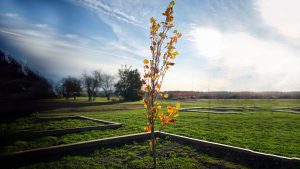
A tree grows in Vineland’s Tree Culture Park
What is critical when determining the waste streams for various agricultural products and considering how to repurpose said waste into more productive processes?
Several factors determine the viability of repurposing fruit and vegetable by-products (e.g. skins, peels, stalks, grade-outs) into value-added products. These considerations include:
Volume of by-products available;
Availability and seasonality of the by-products (year-round or specific time period);
Perishability of the by-product;
Purity of the by-product stream (mixed or single ingredient);
Quality of the by-product stream (food grade or non-food applications);
Minimal transportation from the grower facility to the processing facility;
Potential functionality of upcycled by-product (fibre, enzyme activity, nutrients); and
Potential applications and implementation into value-added products (e.g. food ingredients, fruit and vegetable powders, coatings, soil amendments, nutrient supplements).
Each by-product stream needs to be evaluated individually for its optimal upcycling use. Vineland recently assessed underutilised by-products from the top seven Canadian horticultural crops — carrots, apples, potatoes, field tomatoes, greenhouse tomatoes, cucumbers, and onions. Our findings identified crops with limited processing markets ideal for by-product streams, including unavoidable waste from produce processing.
However, linking producers with companies who can utilise these by-products remains a challenge. This is where Vineland’s R&D support for product development, market analysis, and supply chain connections can help fill an important gap.
How can the life cycle assessment (LCA) results inform decision-making related to sustainable food systems?
The entire food system operates through various stages and involves multiple players in a complex network. Each stage contributes to environmental footprints, including greenhouse gas emissions, energy, and water usage. The global food supply chain is responsible for 13.7 billion tonnes of CO2 (26% of total anthropogenic emissions), utilising 50% of habitable land, 70% of global freshwater, and 78% of global eutrophication (Ritchie, n.d.).
Amidst the challenge of increasing food demand due to population growth and climate change impacting agriculture, there’s a pressing need to reduce the food system’s environmental impact. Recognising this environmental burden is a crucial initial step toward achieving a sustainable food system.
Life cycle assessment is a science-based method to map and gauge the environmental impact of food across the agri-food system, effectively painting a complete picture of the ecological burden. More specifically, this analysis can articulate sustainable food systems in several ways, including:
Mapping the food journey through various life cycle models, such as cradle-to-grave or cradle-to-farm gate, based on specific requirements;
Systematically measuring the environmental burden associated with the food system, including carbon footprint, greenhouse gas emission intensity, acidification, depletion of abiotic resources, ecotoxicity (freshwater, marine, terrestrial), eutrophication, human toxicity, and ozone layer depletion;
Identifying the life cycle stage with the highest environmental footprint, offering insights for decision-making on food imports, domestic production, and emission reduction strategies;
Pinpointing environmental footprint hotspots aids in developing effective mitigation strategies, using the initial LCA as a baseline for future studies; and
Farmers adopting measures to minimise environmental footprints aligns with climate action and emission reduction goals set by governments, making them competitive in the downstream value chain, including distributors and retailers. This approach is relevant to the food processing industry and agribusiness.
Important linkages for sustainable food production: Soil health and food security
The poor establishment, growth and survivorship of trees in our landscapes, or underperforming crops in agricultural fields are indicative of soil health declines. The challenges affecting our urban forest parallel those of the agricultural and horticultural production industries, where an overuse of soil resources and general lack of investment in soil health has contributed toward agricultural soils that are highly compacted and lacking organic matter with poor infiltration and insufficient water and nutrients to support plant growth and productivity.
Compounded by the effects of climate change, these agricultural soils are subject to the same fate as our urban landscapes, where a lack of basic resources will limit root development, plant growth, productivity, and survival to the point at which vegetation, in this case the crops that make up our food, may fail to meet our widespread production and consumption needs. Where trees are large and long-lived, they have the unique capacity to demonstrate the impact of soil health over time in a way that short lived annual crops do not. What we see in our trees is demonstrative of the impacts we are likely to see in our food over successive crop cycles, with gradual declines in productivity and yield occurring year to year, rather than within a single tree.
Accordingly, Vineland’s history of soil health research, is increasingly relevant to our food and crop security- where building soil’s physical, chemical and biological health at a landscape level will contribute toward more sustainable, resilient and interconnected systems that support survival, establishment and growth of plants.
Please note, this article will also appear in the seventeenth edition of our quarterly publication.
The University of Missouri has launched the Digital Agriculture and Extension Centre (DAREC) to boost research, education, and outreach in smart agriculture.
Formed by a partnership between the MU College of Agriculture, Food and Natural Resources, MU Extension, and the United States Department of Agriculture Agricultural Research Service, the centre will leverage smart agriculture to help farmers and other agricultural producers move toward a future of sustainable agriculture.
Emerging digital technologies and AI will be examined for their potential to increase agricultural productivity and profitability. Key areas in agriculture, such as crop production, soil health, precision livestock farming, and engineering innovations, will also be explored with industry partners and agencies.
“The skills needed for today’s farmers are not the same as they were five to ten years ago, and it’s important for us to train the next generation of farmers to adapt and make use of existing and future technologies,” said Shibu Jose, associate dean for research at CAFNR.
“We want to investigate the next generation of technology,” added Jianfeng Zhou, one of the centre’s co-directors and an MU associate professor of plant science and technology.
“For both teaching and research purposes, it’s helpful to adopt the next-generation tools designed to improve the efficiency of agriculture.”
One component of the centre will be a field demonstration site located at MU’s South Farm called the MU Digital Farm. The farm will be part of the Central Missouri Research, Extension, and Education Centre.
“By demonstrating new digital technologies at the digital farm, we will be able to document their benefits and use that information to show farmers and other stakeholders how to use these digital tools, many of which have already been developed but are not fully adopted yet by the agriculture industry,” Zhou said.
The centre hopes to accelerate the adoption of smart agriculture by building trust and confidence in farmers and other stakeholders by being proactive in its outreach efforts.
“The Digital Agriculture Research and Extension Centre will work with our MU Extension specialists to put new digital agriculture technologies into the hands of Missouri farmers,” said Rob Kallenbach, associate dean of extension at CAFNR. “The information, demonstrations, training and research that will come out of this centre will benefit our Missouri agricultural industry for years to come.”
The centre is planning a symposium for this spring.
The United States Department of Agriculture (USDA) recommends that adults consume about 300 grams of cooked pulses weekly. Lentils, a type of pulse, are known for their high dietary fiber and protein content, as well as the presence of certain bioactive compounds like polyphenols.
To date, few studies have investigated the long-term impact of lentil consumption at the USDA-recommended dose. Moreover, pulse intervention studies have rarely evaluated the gastrointestinal (GI) symptoms that may arise in response to pulse consumption.
About the study
The present randomized clinical trial assessed dynamic lipidemic, glycemic, and inflammation responses during a 12-week dietary intervention of seven midday meals totaling 980 or zero grams of cooked green lentils every week on the health of 18-70-year-olds at a greater risk of developing chronic metabolic disorders.
Included males and females had a waist circumference of 40 or 35 inches or more, respectively, as this is an accepted proxy for central adiposity. Furthermore, all study participants had non-fasting serum triglyceride (TG) levels exceeding 1.69 mmol/L or 150 mg/dL.
Surveys were administered once a week to assess how lentil consumption impacted GI symptoms and satiety throughout the 12-week intervention. At baseline, anthropometric measurements and each participant’s written consent were obtained.
Habitual dietary patterns and specific diet components were also reported to detect differences between meal groups. At visit two, postprandial serum TG levels were measured to ensure that the study participants continually met the inclusion criteria.
During the 12-week dietary intervention period, study participants were asked to complete a high-fat meal challenge, wherein they consumed a 50-gram oral fat load. Blood samples were collected after fasting and hourly for five hours postprandially for blood marker assessment.
General linear models were used to assess physical and biological changes across both groups from pre- to post-intervention. Linear mixed-effects models were used to determine the impact of timing and meals on satiety measures and GI symptom severity.
Study findings
A total of 38 overweight and obese adults with a mean age of 47.2 years and body mass index (BMI) of 34.4 kg/m2 completed the 12-week intervention. From pre- to post-intervention, anthropometric metrics did not change in either meal group.
Throughout the study period, total fiber consumption averaged 17.3 g and 22.9 g in the lentil and control groups, respectively. While sodium intake increased among lentil consumers, dairy and refined grain consumption decreased among controls.
For lentil recipients, daily average legume consumption significantly increased from baseline at 0.1 to 0.6 cups, which increased their Healthy Eating Index (HEI) scores in four domains. Those who consumed lentils also had higher total, insoluble, and soluble fiber intake.
The mean response rates to the satiety and GI surveys were 89.6 and 90.8% for the control group, respectively, and 89% and 89.4% for the lentil group, respectively. While satiety measures did not vary by meal groups, GI symptom severity responses for both groups were rated as none or mild among 87.7%, with only 10% and 2.3% rating them as moderate or severe, respectively, throughout the 12-week intervention.
Twelve weeks of daily lentil consumption decreased fasting measures of lipid metabolism, including total and low-density lipoprotein (LDL) cholesterol levels. In addition, long-term lentil consumption improved postprandial glucose and inflammation responses to a high-fat meal challenge.
A potential explanation for this observation is that fiber binds bile acids, thereby preventing their return to the liver and stimulating the production of hepatic bile acids. The body replenishes hepatic cholesterol levels through cholesterol uptake from the blood, which decreases serum cholesterol levels.
Another mechanism by which lentils likely helped reduce serum cholesterol is through saponins, which are bioactive compounds that regulate lipid metabolism and prevent cholesterol absorption. Habitual lentil consumption could also lower total saturated fat intake, a diet component that increases cholesterol levels.
Conclusions
The study findings indicate that 12 weeks of lentil consumption in individuals at a higher risk of developing metabolic disease could reduce fasting cholesterol levels, as well as improve postprandial glucose and systemic inflammatory responses.
Lentil consumption exceeding the USDA recommended dose did not cause GI distress. Importantly, these metabolic improvements were independent of changes in anthropometric measures, thus suggesting a direct impact of lentil consumption on metabolism.
Thus, increased lentil consumption could be a safe and effective dietary strategy to improve metabolic health in high-risk populations. Future studies are needed to investigate the impact of prolonged consumption of other pulses on metabolic health.
Journal reference:
Chamberlin, M. L., Wilson, S. M., Gaston, M. E., et al. (2023). Twelve Weeks of Daily Lentil Consumption Improves Fasting Cholesterol and Postprandial Glucose and Inflammatory Responses—A Randomized Clinical Trial. Nutrients16(3); 419. doi:10.3390/nu16030419
A study published in the journal PNAS claims that urban green space has only a moderate effect on air pollution control and that street-level vegetation can actually increase air pollution by restricting ventilation.
Air pollution is a leading cause of respiratory diseases and premature death globally. Among various air pollutants, small-diameter (2.5 µm) particulate matter (PM) is estimated to cause approximately ten million excess deaths worldwide. The World Health Organization (WHO) considers air pollution as the most significant environmental threat to human health.
About 70% of all health complications arising from air pollution can be attributed to greenhouse gases emitted by human activities (anthropogenic emissions). Major strategies that have been taken into consideration for reducing anthropogenic emissions include cleaner energy production, efficient discharging of industrial smoke, reduced dependency on fossil fuel vehicles, and sustainable agriculture practices.
The literature has given immense attention to the utilization of vegetation as a passive abatement method for outdoor air pollution and the installation of physical-chemical filters as an active abatement method for indoor air pollution.
In this study, scientists have investigated the effect of urban green space on ambient air pollution.
Study design
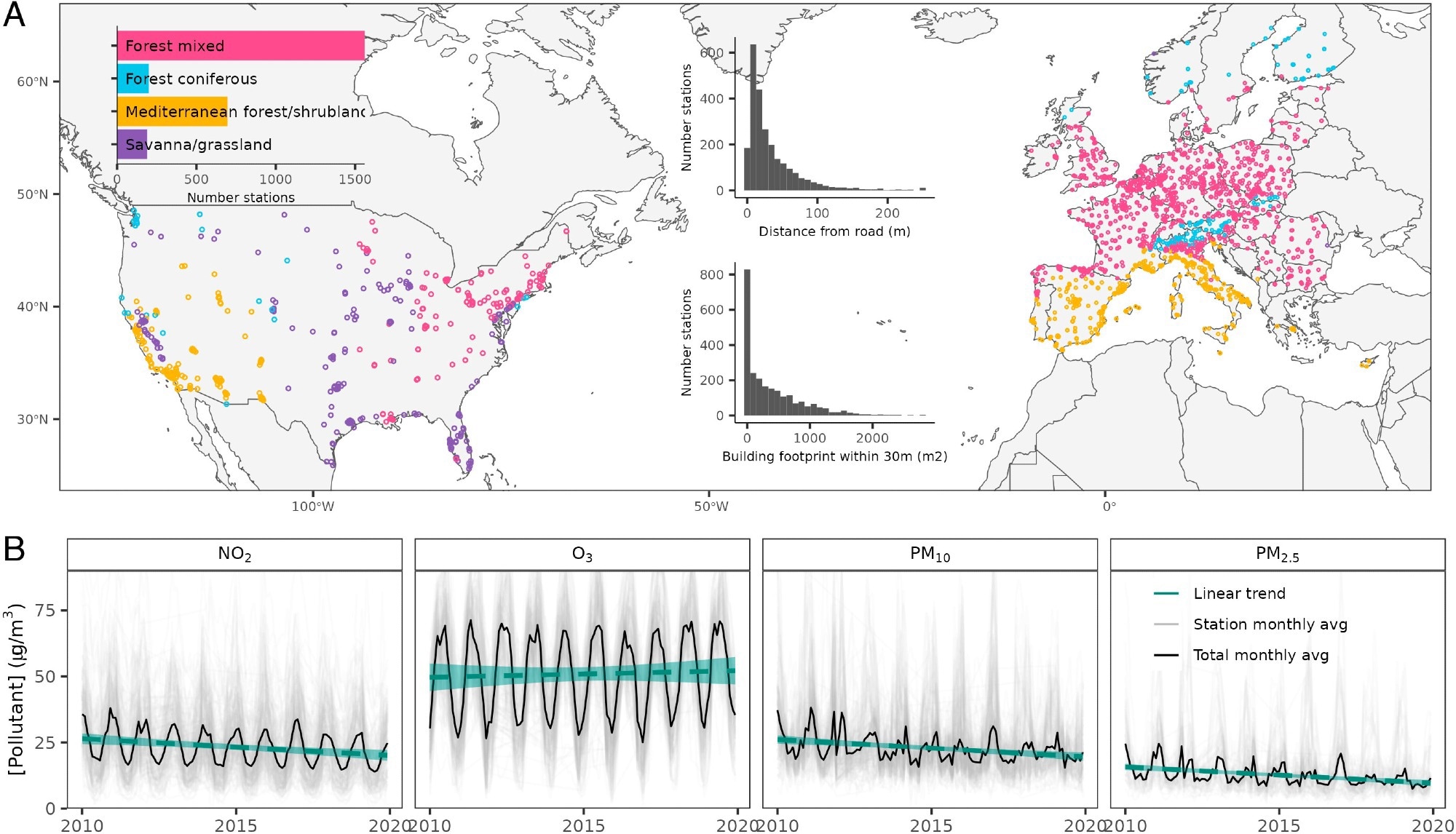
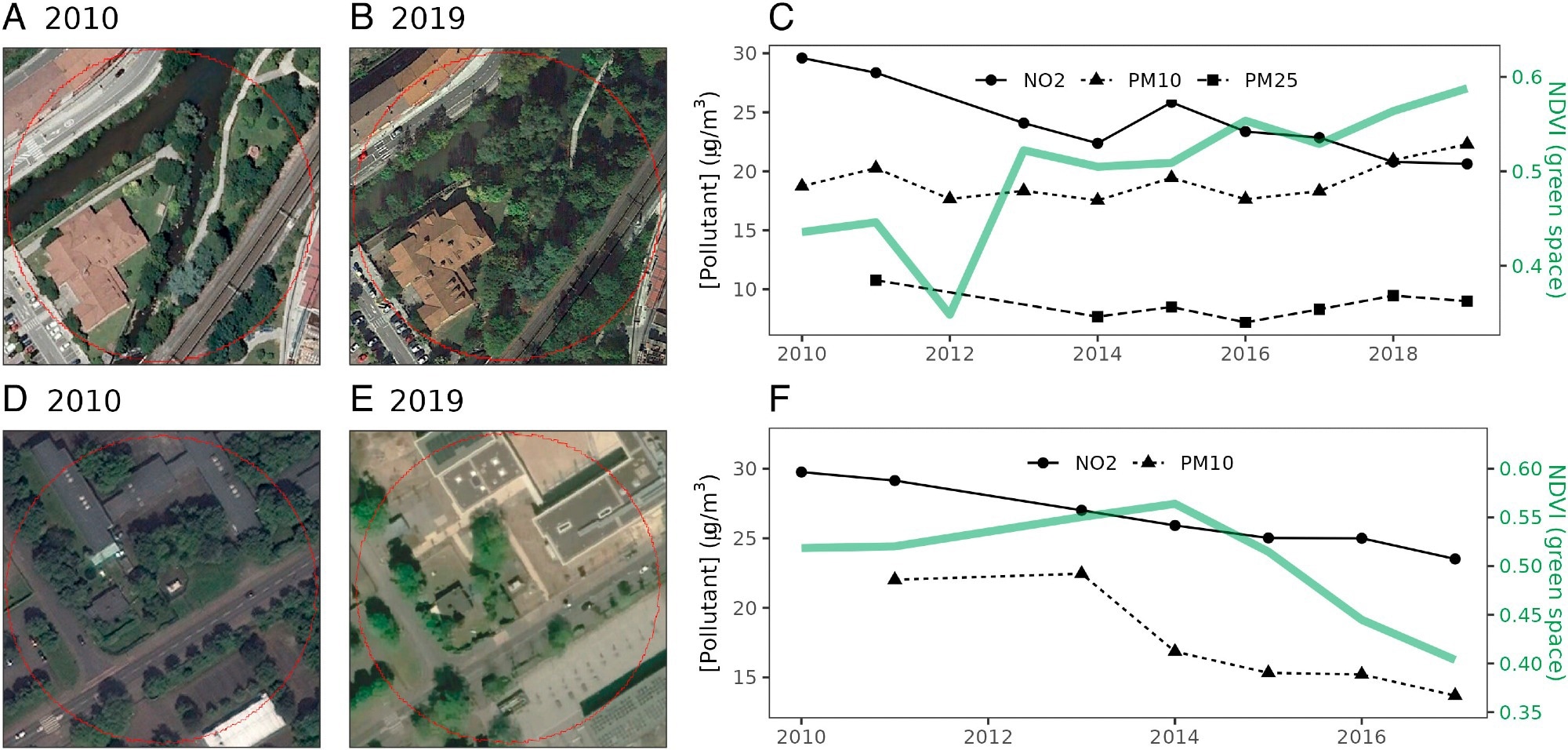
The scientists utilized 2,615 air quality monitoring stations over Europe and the United States to derive annual concentrations of major air pollutants (NO2, PM10, PM2.5, and O3) between 2010 and 2019. They determined the changes in urban green space around each air quality station using moderate-resolution satellite data and very high-resolution aerial imagery.
They conducted a series of appropriate statistical analyses to determine the association between urban green space and air quality after adjusting for changes in anthropogenic emissions and climate.
Important observations
Air quality station-derived data showed a decline in NO2 (nitrogen dioxide), PM10, and PM2.5 between 2010 and 2019, which was relatively consistent across the United States and Europe. In contrast, an induction in O3 concentration in the ambient air was observed during the same period. Overall, these observations indicate that recent strategies to reduce anthropogenic emissions might be useful in controlling air pollution.
Distribution of the air quality–monitoring stations across biomes in Europe (n = 2,127) and the United States (n = 488) (A). Inset histograms show the proximity of stations to roads and the building footprint within 30 m. Air pollutant time series along with linear trends are shown in (B).
Considering biome-specific vegetation types, the study found that stations situated within the forest biome exhibit the highest decline in air pollutants, especially PM, compared to those situated in the Mediterranean shrubland and savanna/grassland biomes. This might be due to higher pollutant deposition and dispersion capacity of forest vegetation than Mediterranean shrubland. Another possibility could be that dry environments in Mediterranean shrublands may facilitate long-range aerosol transport of dust and smoke.
The study further analyzed how changes in total urban green space and tree cover can impact air quality at the street, borough, and city levels. The analysis revealed a weak and highly variable effect of green space changes on air pollution, particularly at the street level. This could be because of the fact that planting vegetation, especially tall vegetation, near emission sources, such as across streets, can reduce microscale ventilation and subsequently increase the concentrations of pollutants in the air.
Considering the changes in tree cover, the analysis revealed a negative association with air pollution at both the borough level and city level. This association was particularly evident for O3 and PM. Overall, the study found that an induction in tree cover has a significantly higher effect in reducing air pollution than total green space augmentation.
Furthermore, the study found that the effect of urban green space on air quality was negligible in magnitude than climatic drivers, including wind speed, precipitation, and humidity. These climatic drivers showed a negative association with all types of air pollutants except for O3.
Example of an extreme increase (A−C) and decrease (D−F) in green space within a 60-m buffer (street-level) of two air quality–monitoring stations. Aerial photographs from Google Earth Pro shown for reference.
Study significance
The study finds that urban green space is not always a good strategy to improve air quality and reduce air pollution. According to the findings, the effect of green space on air quality can widely vary depending on the type of green space (total green space vs. tree cover), spatial scale (street-level versus borough-level versus city-level), and biome (forest versus Mediterranean shrubland).
One interesting finding of the study is that increased vegetation along roadsides can actually increase air pollution by restricting the ventilation of vehicle-emitted pollutants. The aerodynamic effects of green space can be effective in channeling pollutants away from pedestrians. However, in areas with unfavorable aerodynamic conditions, the pollutant dispersion effect of green space can overshadow its pollutant deposition effect.