Tag: Agriculture

  • How supply chains can weather the unexpected

    How supply chains can weather the unexpected

    [ad_1]

    Ilario Ingravallo, Mission Lead for Reducing Risk for a Fair & Resilient Food System at EIT Food, explains how supply chains can be strengthened to bolster food system resilience.

    One in ten of us went hungry in 2023, some 780 million people worldwide. As it stands, this is already a sobering figure; yet is made even more foreboding given that by 2050, the world will need to feed almost 10 billion people.

    It’s clear that decisive action is urgently needed to ensure that we can provide safe and nutritious food for generations to come.

    But the global food system is vulnerable to multiple interconnected threats, which must be tackled to both meet the demands of a growing population whilst ensuring the health of our planet.

    Climate change is already having a significant impact on global food production, as rising temperatures, extreme weather events, and changes in water availability reduce crop yields and threaten the livelihoods of farmers and food producers.

    The rising demand to feed the world has led to an increase in more intensive farming practices, which in turn have led to natural resources becoming scarcer, including freshwater, fertile and healthy soils and biodiversity.

    Finally, food systems have suffered from external disruptions affecting production and supply chains: conflict, pandemics and economic shocks.

    These factors have left the global food system increasingly vulnerable to shock, weakening food security for many. Indeed, 2.3 billion people were categorised as moderately or severely food insecure in 2021.

    Creating a more resilient food system

    To ensure the food security of our current and future populations, the food system must become fairer and more resilient.

    But how can we achieve this?

    Firstly, by strengthening the resilience of the food system at every stage of the value chain. We need to consider how to help supply chain actors manage unprecedented challenges by providing specific new solutions, technology and approaches.

    However, as well as addressing short-term crises, we must also address the food system more holistically, driving systemic change to support long-term food security. Crucially, the transformation to a better food system must be a collaborative, system-wide effort that is underpinned by innovation, equitable business models and the adoption of sustainable and resilient food production.
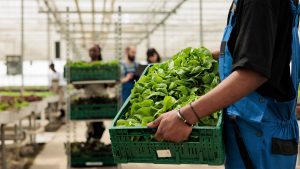
    © shutterstock/DC Studio

    From producers and retailers to policy and legislation, we need collaboration across the food value chain, with all actors working together to create a more secure and sustainable food future. Equitability must be at the heart of this transformation to move towards a future where food systems are both fair and resilient.

    Dealing with unpredicted challenges: Five key solutions to strengthening supply chains

    1. Supply chain mapping and risk management

    One of the pillars of risk management is prediction. Being able to predict when disruptions and crises will occur and their severity, allows for more time to make proactive, informed decisions. For example, more accurate predictions of climate patterns can allow producers to plan harvest times, water use and fertiliser use, reducing their vulnerability to the foreseen changes ahead.

    Through innovation and technology, predictions such as these have become increasingly advanced. As we expect climactic disruption to continue with the rise of global temperatures, further investment in the research and development of these prediction methods is now crucial for the future of farming and food security.

    2. Diversification

    Just six crops account for 75% of global plant-derived energy intake: rice, wheat, corn, potato, soybeans and sugarcane. This overreliance on a handful of major crops increases the vulnerability of the food value chain to shocks such as disease, drought, and conflict.

    For example, the war in Ukraine has triggered significant disruption to Europe’s grain supply, a staple of the European diet.

    However, by diversifying our crops, the resilience of primary producers can be enhanced, and the intensity of shocks can be minimised as we have alternative options to hand when one is compromised.

    3. Advanced technology

    In times of crisis, we must use all available tools at our disposal, and in the case of food security, technological advancements across the board can be applied to promote resilience.

    Educating and empowering farmers is essential to increasing the adoption of innovative technologies, and EIT Food’s GROW is one example of a capacity-building project which equips farmers with the necessary knowledge and skills to become entrepreneurs in the agricultural landscape.

    Adaptable and agile operations are also achieved through building a resilient infrastructure into our systems.

    Firstly, through improvements to the physical infrastructure of the food supply chain such as transport, but also through enhanced digital infrastructure to allow traceability, transparency, and amplified communication.

    4. Data availability

    Harnessing big data to enhance efficiencies across the food value chain can help producers to maximise the use of natural resources and minimise the environmental impact of food production.

    For example, precision agriculture optimises farm management, allowing producers to use data to determine exact quantities of crop needs, such as irrigation and the nutritional content of soil. The EIT Food co-funded LINKDAPA project allows farmers to utilise big data in a low-cost and simple way by reducing the impact of fertilisers whilst still maintaining profitability.

    5. Adaptable and agile operations

    Today, the global food system is long and complex, with many actors across the food value chain. With this increased complexity has come greater vulnerability. Developing new innovations and products alone is not enough: businesses must be sufficiently agile to take up new technology, approaches, and innovations to navigate disruptions and ensure seamless operations.

    An example of this is the EIT Food programme WE Lead Food, which opens again for applications on 8 March 2024. The programme enables women in the food sector to gain valuable leadership competencies, whilst also fostering collaboration across networks, thereby strengthening resilience amongst individual businesses. When leaders collaborate and learn from other leaders with shared or similar experiences, businesses can become more resilient to change and shocks.

    Transforming food systems for a sustainable future

    These interventions have the potential to be incredibly impactful, but alone, they are not enough to build the resilience we need. As well as addressing specific challenges, we also need a systemic vision of food system transformation that fosters resilience at every level, from farm to fork.
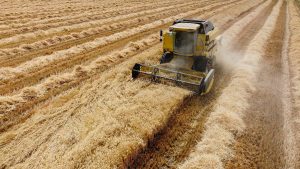
    © shutterstock/mehmetkrc

    Firstly, we need to promote innovation that strengthens the roots of our food chain and improves the sustainability of primary production. One issue is that intensive farming methods strain natural resources and environmental health. Consequently, degraded soils, low biodiversity and over-extracted water levels result in the loss of natural capacity to absorb environmental shocks. Regenerative agriculture methods, on the other hand, enhance ecosystem services, increasing resilience to shocks and promoting overall environmental health.

    We also need to support a shift to healthier and more sustainable diets. Consumption levels and our global overreliance on animal protein place a large strain on land and natural resources. Encouraging consumers to eat seasonally and adopt plant-forward diets can ease pressure on land and water use. The urban integration of shorter supply chains can also enable consumers to access local food more easily. EIT Food hosts a free online course which aims to empower consumers by providing them with a broader context on the food supply chain in times of crisis and why shorter ones, where possible, are needed.

    Finally, we need to develop solutions and practices that foster a circular and resource-efficient food system, aiming to reduce food loss and waste. With a third of all food going to waste, reducing this loss will have a profound impact on the environmental strain created by food production and the pressures of feeding a growing population.

    Additionally, through innovation, there are new opportunities in the valorisation of food waste. EIT Food RisingFoodStar Kern Tech is an Austrian startup which repurposes food waste by creating novel products from surplus fruit pits, while EIT Food’s Phenoliva initiative valorises surplus olive oil by extracting a food antioxidant, and has even led to the creation of dedicated startup Gaia Tech.

    To feed growing populations and achieve a more resilient food system, a system-wide transformation is needed alongside solutions to specific challenges. By transforming our food system, not only can we strengthen our ability to navigate challenges ahead, but create a more equitable future that provides healthy, nutritious food for all, while protecting the planet we all call home.

    [ad_2]

    Source link
  • Le French Gut”project to Propel Metagenomics Research

    Le French Gut”project to Propel Metagenomics Research

    [ad_1]

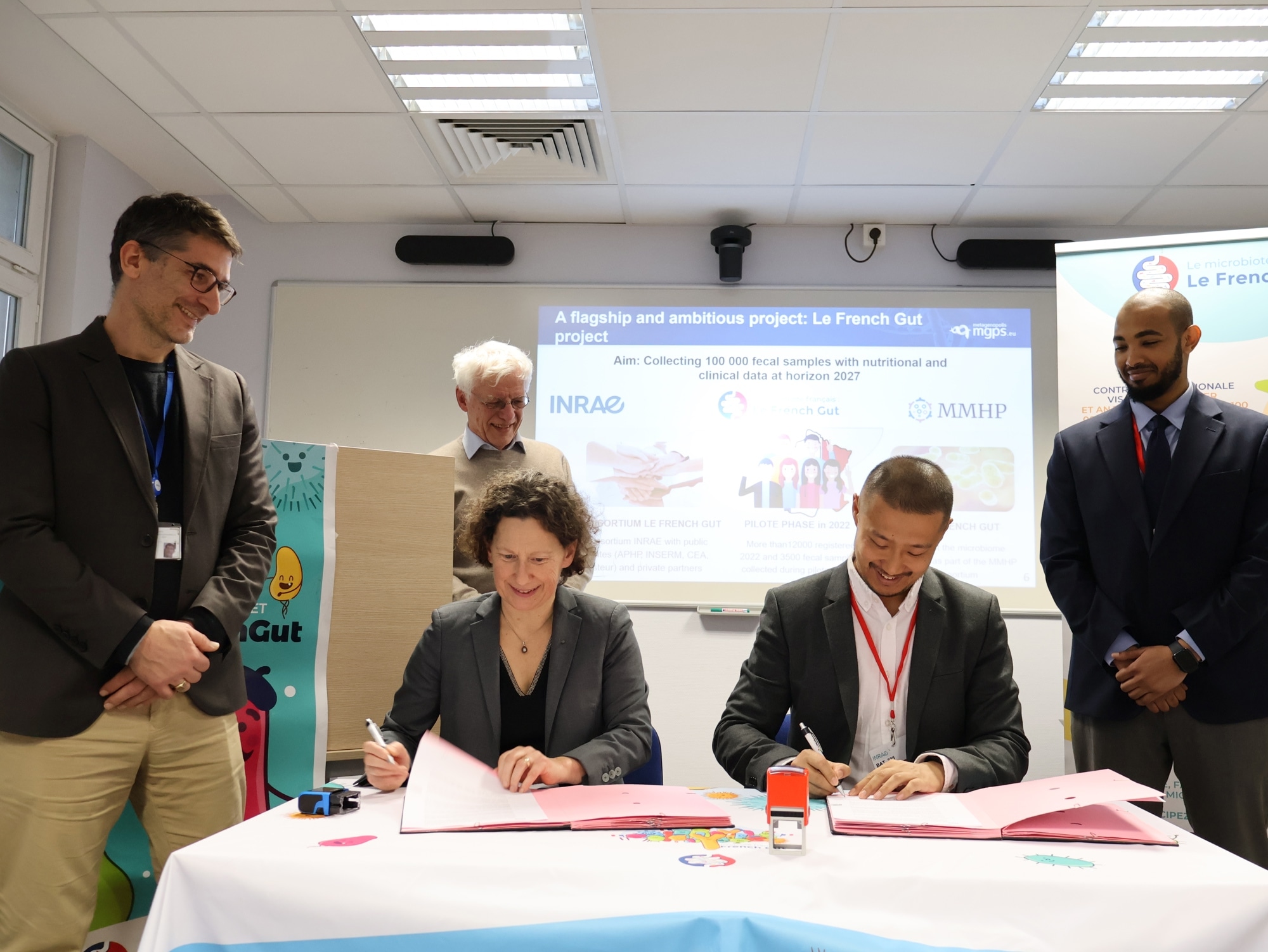
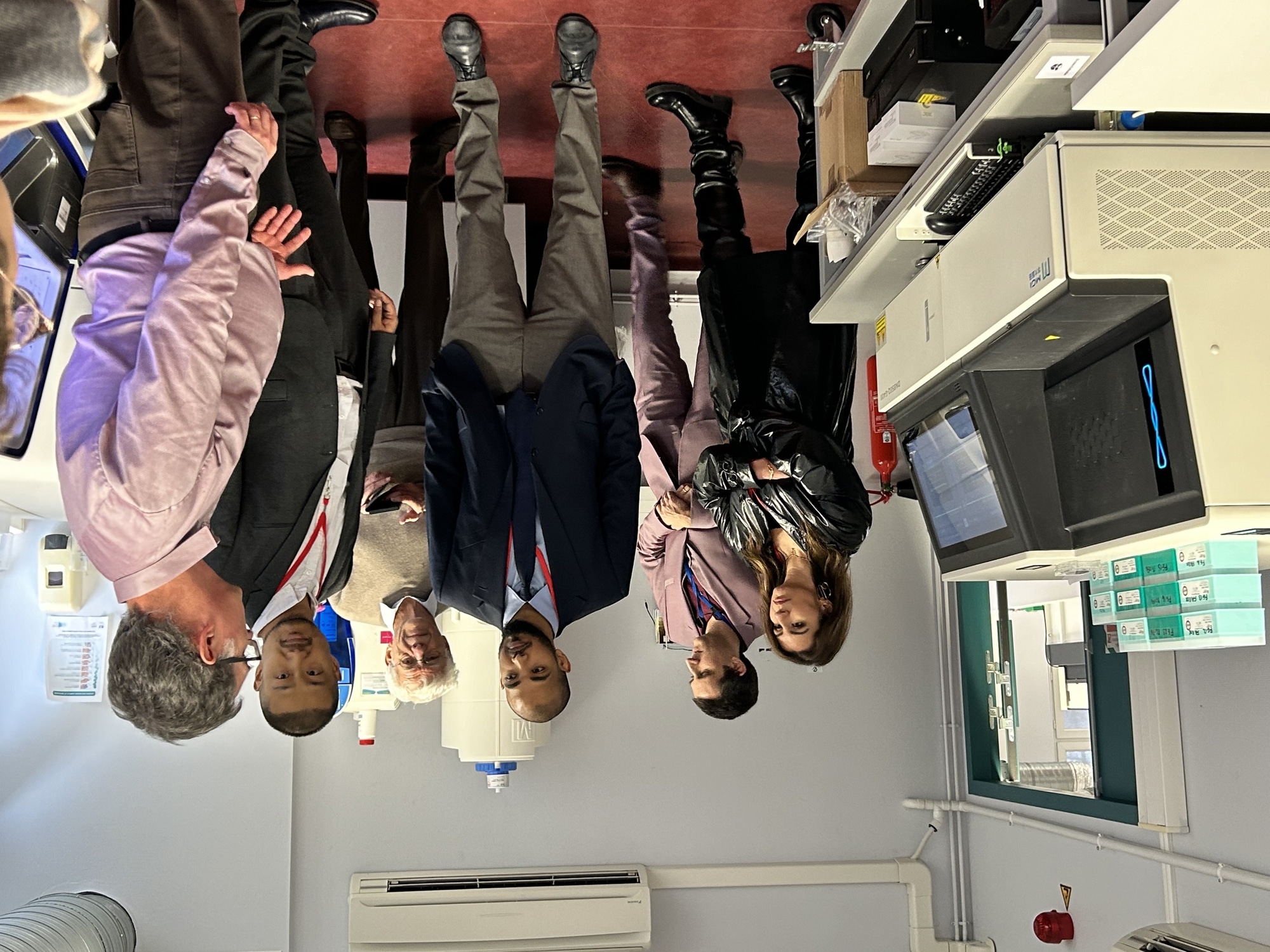
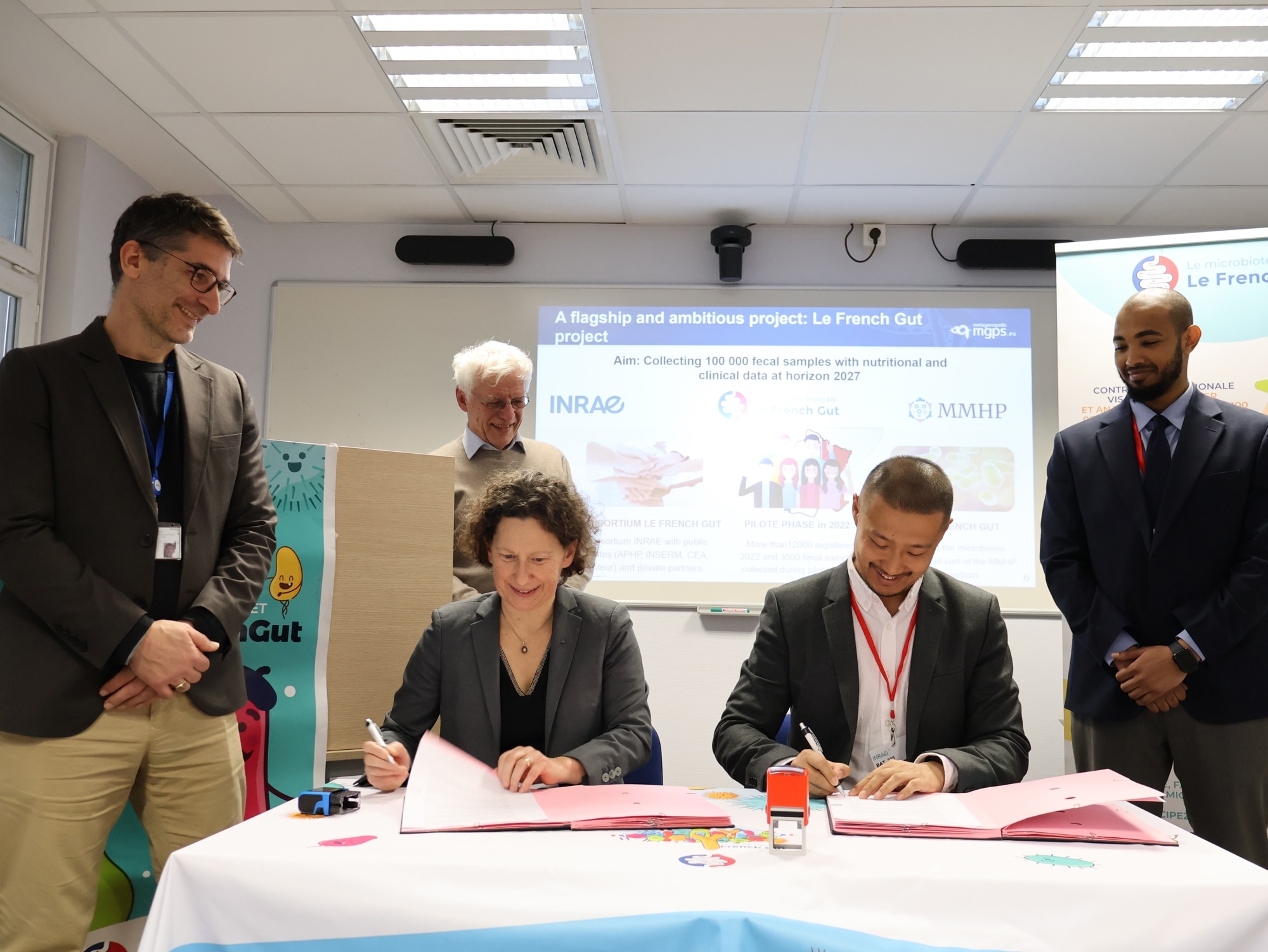
    Jouy-en-Josas, France, 6 February 2024 – MGI, a company committed to building core tools and technology to lead life science, announced today a collaboration agreement with MetaGenoPolis, a unit within the renowned National Research Institute for Agriculture, Food and the Environment (INRAE) in France, following MetaGenoPolis’ selection as a core lab under the Million Microbiomes from Humans Project (MMHP). Through this agreement, MetaGenoPolis will be equipped with MGI’s ultra-high throughput DNBSEQ-T7 sequencer.  MetaGenoPolis will serve as a platform for processing samples from the project Le French Gut and for other researchers within the Million Microbiomes from Humans Project (MMHP).

    Image Credit: ©INRAE

    “We are excited about the opportunity to further advance research in metagenomics sequencing,” said Dr. Yong Hou, General Manager of MGI Europe and Africa. “We look forward to supporting MetaGenoPolis in their valuable work in the project Le French Gut by equipping them with our accurate and reliable high-throughput pipeline, which will ultimately contribute to MMHP.”

    The agreement underscores the commitment of both MGI and MetaGenoPolis to facilitate innovation in metagenomic research as part of MMHP and the project Le French Gut. The two parties aim to leverage cutting-edge technology, particularly in microbiology and metagenomics, to co-develop new applications and enable the consortium’s scientific collaboration and research. In addition, as a core lab within the MMHP framework, MetaGenoPolis is set to enhance its research capabilities with help from MGI’s state-of-the-art technology and to contribute to international standards in metagenomics sequencing across different sample types through this collaboration.

    “We are delighted to partner with MGI to further our research objectives in MMHP and Le microbiote français – Le French Gut,” said Alexandre Cavezza, Executive Director of MetaGenoPolis. “This collaboration will not only strengthen our capabilities, but also reinforce our commitment to advancing scientific research in this field.”

    “The inclusion of MetaGenoPolis as a core lab within the MMHP framework marks a significant milestone in our efforts to drive metagenomics research,” added Professor Stanislav Dusko Ehrlich, Co-Chair of the MMHP Consortium. “Their partnership with MGI will play a crucial role in supporting MMHP by providing essential infrastructure and expertise to process samples and generate valuable data.”

    Image Credit: ©INRAE

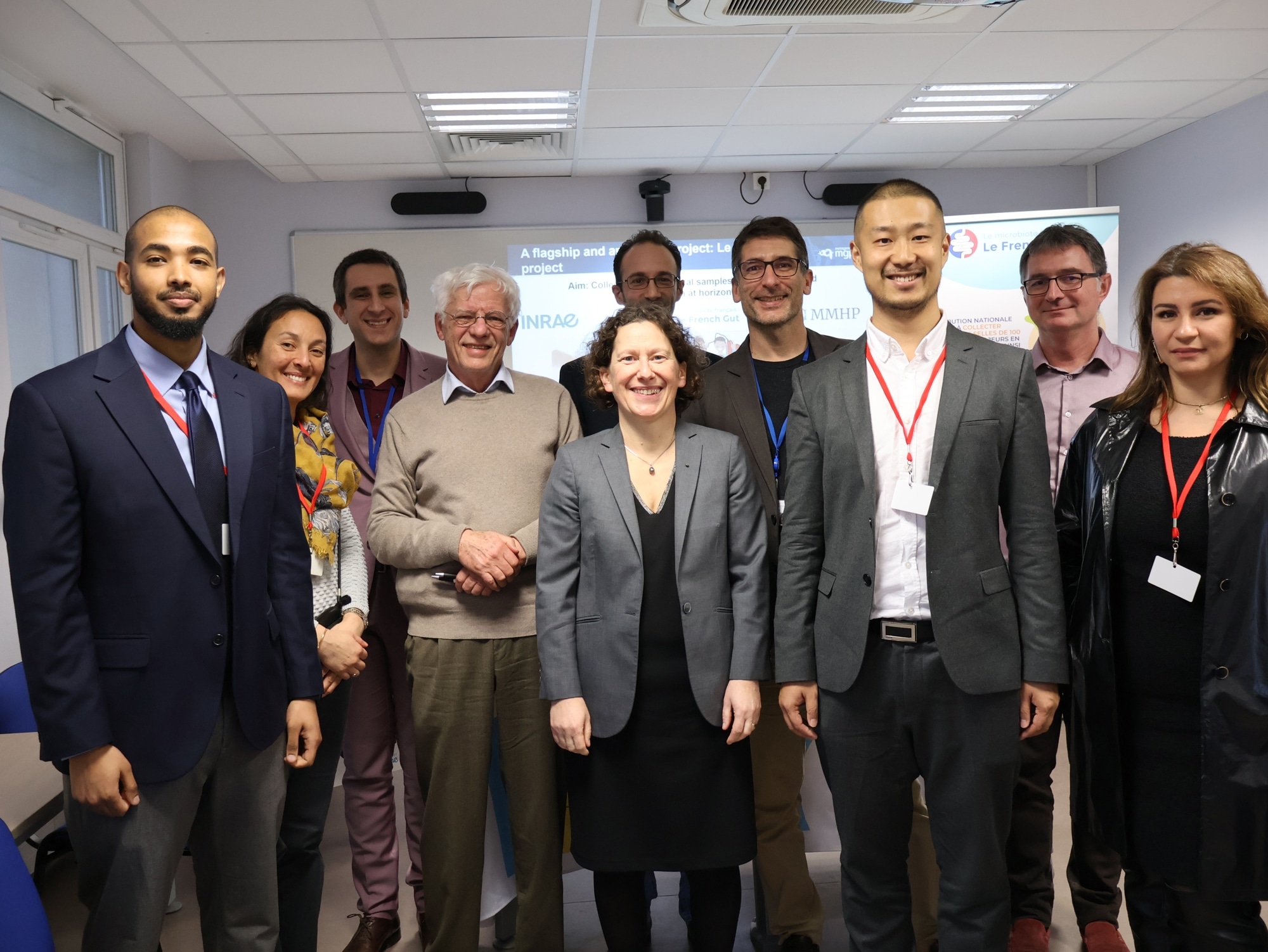
    Launched in 2019, MMHP is a global effort aimed to sequence and analyze one million microbial samples from intestines, mouth, skin, reproductive tract and other organs to form a microbiome map of the human body and build the world’s largest database of human microbiomes. Part of the MMHP’s global initiative, Le microbiote français – Le French Gut project was launched in 2022 to better define the gut microbiota of the healthy population and its deviation in chronic diseases. It will collect 100,000 stool samples and their associated nutritional and clinical data by 2027.

    ​​​​​​​

    Image Credit: ©INRAE

    About MetaGenoPolis (MGP)

    MetaGenoPolis (MGP) is an INRAE unit specializing in gut microbiota research applied to human and animal health and nutrition, with the aim of accelerate science and innovation. Funded by the Investing in the Future Program (winner in 2012 and 2019), MGP was coordinator of two major projects that have advanced the science of microbiota: the MetaHIT project and IHMS project. MetaHIT project published the first catalog of human intestinal microbial genes and the IHMS project helped standardize the analysis of microbial DNA. The scientific excellence of MGP in the analysis of gut microbiota and its and its implications for health and nutrition has been widely recognized in the international scientific community since 2010. https://mgps.eu/

    About INRAE

    INRAE, the French national research institute for l’agriculture, l’alimentation et l’environnement, is a major player in research and innovation created on January 1, 2020. The result of a merger between INRA and IRSTEA, INRAE brings together a community of 12,000 people, with 273 research, service and experimental units in 18 centers across France. The institute ranks among the world’s leading research organizations in agricultural and food sciences, plant and animal sciences, and ecology-environment. It is the world’s leading research organization specialized in “agriculture-food-environment”. INRAE’s ambition is to be a key player in the transitions needed to meet the world’s major challenges. Faced with population growth, climate change, resource scarcity and declining biodiversity, the institute is building solutions for multi-performance agriculture, quality food and sustainable management of resources and ecosystems. https://www.inrae.fr/

    About MGI

    MGI Tech Co. Ltd. (or its affiliates, together or individually referred as “MGI”), headquartered in Shenzhen, is committed to building core tools and technology to lead life science through intelligent innovation. Based on its proprietary technology, MGI focuses on research & development, production and sales of sequencing instruments, reagents, and related products to support life science research, agriculture, precision medicine and healthcare. MGI is a leading producer of clinical high-throughput gene sequencers*, and its multi-omics platforms include genetic sequencing*, medical imaging, and laboratory automation. MGI’s mission is to develop and promote advanced life science tools for future healthcare. For more information, please visit the MGI website or connect with us on Twitter, LinkedIn or YouTube.

    [ad_2]

    Source link
  • Innovative coating solution enhances hygiene and reduces corrosion in food storage

    Innovative coating solution enhances hygiene and reduces corrosion in food storage

    [ad_1]

    In a collaborative effort to improve the food industry, Dr. Mustafa Akbulut, professor of chemical engineering, and Dr. Luis Cisneros-Zevallos, professor of horticultural science, have developed a two-step coating solution for galvanized steel that is more hygienic and reduces the risk of corrosion.

    Galvanized steel containers and surfaces are used for harvested produce because of their durability, strength and lower cost compared to stainless steel. However, bacteria residing in storage containers can cause corrosion.

    The new coating will reduce corrosion by at least 70 percent, Akbulut said.

    This material is more durable and doesn’t experience corrosion. The surface itself can repel the bacteria so it doesn’t get germs stuck on it. Normal steel tends to collect pathogens and microorganisms, but the coated steel is overcoming that issue. These are the main benefits of this technology.” 


    Dr. Mustafa Akbulut, professor of chemical engineering

    The coating method for galvanized steel exhibits superhydrophobicity and antifouling capabilities, effectively inhibiting the attachment of fungi, bacteria and mud. This research was published in the Journal of Food Engineering.

    “This will have an impact because the people that consume fruits and vegetables trust that they’re buying something safe, and it will not affect their health,” Cisneros-Zevallos said. “Right now, the industry does their best to reduce those risks, but you will hear about outbreaks of these contaminations and people getting sick. There are sometimes reported deaths because of these events.”

    During the coating process, the material properties, structural properties and mechanical strength of steel do not change. Only the very top layer of the steel is coated, since that is where food comes in contact with the surface, Akbulut said. 

    Research shows that this coating decreases bacterial strains over seven days and reduces adherence to Aspergillus, a foodborne fungi. 

    This coating technology can potentially be used on grain storage silos, along with other food-related storage units and containers, according to the article. This is a significant boon to the multidisciplinary fields of food engineering, safety and processing.

    The galvanized steel coating will also benefit agricultural farmland, according to Akbulut.

    “Many of the food-produced commodities come to the industrial setting in some sort of soil, debris or mud,” Akbulut said. “So, even if the produce is washed, these commodities can cause contamination. With this technology, we are reducing mud-related contamination.”

    With the information gathered from the research, Cisneros-Zevallos said they could eventually adapt and utilize these technologies to revolutionize fewer outbreaks and positively impact the food industry.

    “Our goal is to make the industry adopt this,” Cisneros-Zevallos said. “Processors will benefit in the sense that they will be handling something that they can deliver in a trustful way to consumers, and consumers will benefit because they will have something that will be safe for them.”

    From the field to the consumer, contamination can be minimized by using these kinds of surfaces and avoiding cross-contamination, as explained by Cisneros-Zevallos. 

    “With this research, we are ensuring that the technological developments from other fields are being pursued and implemented in agriculture,” Cisneros-Zevallos said. “The agricultural field is catching up with other technologies. This coating directly impacts our daily life and the food we’re trying to make safer.”

    Contributors to the research include doctoral students Wentao Zhou, Shuhao Liu, and William DeFlorio from the Artie McFerrin Department of Chemical Engineering, along with Professor Jun Kyun Oh and doctoral students Sang Ha Song and Hayoung Choi in the Department of Polymer Science and Engineering, Dankook University.

    A Food Manufacturing Technologies Program grant and Specialty Crop Research Initiative grant from the USDA National Institute of Food and Agriculture supported this work.

    This work is also partially supported by the National Research Foundation of Korea grant funded by the Korean government. The Department of Polymer Science and Engineering was supported through the Research-Focused Department Promotion & Interdisciplinary Convergence Research Project as a part of the University Innovation Support Program for Dankook University in 2022.

    Source:

    Journal reference:

    Zhou, W., et al. (2024). Nanostructured antifouling coatings for galvanized steel food storage and container surfaces to enhance hygiene and corrosion resistance against bacterial, fungal, and mud contamination. Journal of Food Engineering. doi.org/10.1016/j.jfoodeng.2023.111784.

    [ad_2]

    Source link

  • Study links ultra-processed foods to gut health risks

    Study links ultra-processed foods to gut health risks

    [ad_1]

    In a recent review published in the journal Nature Reviews Gastroenterology & Hepatology, researchers synthesized the current knowledge on how food additives and ultra-processed foods (UPFs) affect gut health.

    As UPFs and food additives become more common in diets worldwide, they have been implicated in adverse gut outcomes like alterations to microbial communities and intestinal permeability, leading to chronic inflammation or diseases such as inflammatory bowel disease (IBD), irritable bowel syndrome (IBS), and colorectal cancer. However, human intervention studies on this topic are limited.

    Study: Ultra-processed foods and food additives in gut health and disease. Image Credit: Lightspring / ShutterstockStudy: Ultra-processed foods and food additives in gut health and disease. Image Credit: Lightspring / Shutterstock

    Identification of UPFs

    To classify foods as UPFs, nutritionists use criteria related to how different an item is from the original unprocessed ingredient, how it is processed, whether additives have been used, whether it is commercially produced instead of homemade and whether it is used for appearance or convenience.

    However, different classification systems make comparisons challenging; the most prevalent has been adopted by the United Nations Food and Agriculture Organization and includes powdered and packaged foods, carbonated soft drinks, and sweetened breakfast cereals as UPFs. However, some foods, like wholemeal bread and plant-based alternatives to meat, are widely considered healthy but meet the criteria for UPFs.

    UPF consumption and gut health

    While UPFs are prevalent, there are wide variations across individuals and countries. In the United States, UPF consumption accounts for 59.7% and 67% of energy intake in American adults and young people, respectively.

    Individual characteristics associated with consuming more UPFs include female sex, younger age, lower income, lower education, living alone,  being overweight or obese, lower physical activity, and screen use at mealtimes.

    People who consume more UPFs have more free sugars, saturated fats, and energy in their diets but less dietary fiber, protein, and many micronutrients. Vegetarians and vegans are more likely to consume UPFs, while those who follow Mediterranean diets consume less.

    Controlling for dietary quality and nutrient intake, evidence of associations between UPF consumption and disease exists. However, UPF intake from fruit yogurts, fortified breakfast cereals, and wholemeal bread is healthier than the same level of UPF consumption from ready meals, burgers, and pastries.

    Cohort studies have found that UPF consumption is associated with higher mortality and morbidity from cancer, cardiovascular disease, and type 2 diabetes mellitus. Observational studies show relationships with depression, metabolic syndrome, overweight, and obesity. These effects likely stem from processing and not the nutrient and energy content of UPFs.

    Additionally, cohort studies that examined UPF consumption and IBD (ulcerative colitis and Crohn’s disease) found that those who consumed more UPFs faced the highest risk. Similar results were found looking at Crohn’s disease alone but not ulcerative colitis. One cohort study found significant associations between UPF consumption and IBS and functional dyspepsia but not functional diarrhea or constipation. UPF intake has also been implicated in distal colon cancer in men and colorectal adenoma.

    Due to methodological inconsistencies, including the use of self-reported dietary data, there may be biases in the results, and comparisons between studies and the use of meta-analytic methods are limited. The adverse health outcomes associated with UPFs may be driven by their effect on the gut microbiome, but this has been explored in only two studies.

    Effects of food additives

    Food additives include sweeteners, colors, stabilizers, emulsifiers, thickeners, and gelling agents. There is considerable overlap between UPFs and food additives since an item that contains a commercial food additive is considered a UPF. Mechanistic studies on the effect of food additives on the microbiome have included animal and in vitro studies, with few investigations on human populations.

    In vitro studies show that emulsifiers such as polysorbate 80 can cause small intestinal bacterial overgrowth, while carboxymethylcellulose (CMC) can translocate bacteria across the in vitro epithelia. This could lead to chronic inflammatory disease, which has been demonstrated in studies on mice. Consumption of CMC and polysorbate 80 was also associated with tumor development and anxiety-like behaviors in mice.

    Artificial sweeteners, which pass through the gastrointestinal tract but are not digested, come into direct contact with gut microbiota, but this has not been well-studied in humans. However, in vitro and animal studies suggest that sweeteners like aspartame, sucralose, and saccharin can modify the microbiome, disrupt gut permeability, reduce colonic length, and increase mortality.

    However, these were short-term studies with far higher doses than those used by humans. An observational study on humans found no differences in microbiota consumption after four days of sweetener consumption but did not control for background diet and dose-response relationships.

    A randomized controlled trial found that constipation, diarrhea, burning, and postprandial discomfort increased after five weeks of sweetener consumption, while epigastric pain, early satiety, and abdominal pain were lower in a control group on a sweetener-restricted diet.

    Conclusions

    There are clear indications that UPFs and food additives lead to adverse health outcomes, but methodological inconsistencies and gaps in human trials must be addressed. The authors highlight the need for high-quality evidence to interpret the effects of dietary interventions. As UPF availability and consumption increase, public health policy should target UPF reformulation and consumer behavior.

    Journal reference:

    • Ultra-processed foods and food additives in gut health and disease. Whelan, K., Bancil, A.S., Lindsay, J.O., Chassain, B. Nature Reviews Gastroenterology & Hepatology (2024). DOI: 10.1038/s41575-024-00893-5, https://www.nature.com/articles/s41575-024-00893-5

    [ad_2]

    Source link

  • Innovative molecular tools for tracking microbial inoculants in soil

    Innovative molecular tools for tracking microbial inoculants in soil

    [ad_1]

    Researchers from CREA (Italy) have developed an aptamer-based technology to track the fate of microbial inoculants used in agriculture.

    Microbial-based products such as fertilisers (now named microbial biostimulants by EU legislation) and biopesticides may support plant nutrition and protection under abiotic and biotic stress conditions and are expected to play a key role in agricultural sustainability in the future. In the last decades, they have received considerable attention from researchers, manufacturers, and farmers, mainly because they might help to reduce the use of chemicals in agriculture, and their application is steadily increasing. Currently, the world market of products containing micro-organisms stands at around $10bn and $3bn for biopesticides and biostimulants, respectively.

    However, the inoculation of the soil with such beneficial micro-organisms may affect its native microbial populations, with effects that depend on the soil’s chemical and physical characteristics and the environmental conditions (i.e., climate, agronomic practices, cropping systems, etc.). Furthermore, considering the pivotal role of soil microbial diversity for life-supporting functions, changes occurring to the soil microbial structure after applying microbial-based formulations may affect the overall soil health status with effects which can impact crop productivity, quality, and human health.

    Thus, the field application of such products requires their registration at the EU and national levels, together with an indication by the manufacturer of various specifications and analytic methods, making it possible to trace their destiny in the environment and prove their medium- and long-term effectiveness. These aspects are closely connected with the ability of the micro-organism to adapt and persist in the (soil) environment. In this framework, which encompasses scientific, commercial, and regulatory aspects, the development of tools to monitor the introduced microbial species is of paramount importance, particularly to ensure a correct risk assessment in relation to the environment and human health.

    The EXCALIBUR project

    The EXCALIBUR project aims at deepening our understanding of the mechanisms underlying the soil microbiome changes composition and functioning upon bioinoculant application in horticulture, thus providing a soil biodiversity-driven management strategy for farmers. Innovative fermentation and formulation processes have also been carried out to optimise the efficacy of several novel multifunctional bioinoculants. New potentially commercial products were thus developed, and the results we got so far from the field trials showed that these products could support the common practices that are currently used in horticulture by achieving the same performance level but reducing chemical inputs. Most of the effort is now put into the assessment of soil biodiversity dynamics as well as plant-soil-microbe interactions. Several innovative actions are ongoing, such as the development of predicting models, the biodiversity-based Decision Support System (DSS), or molecular diagnostic kits for a quick but reliable assessment of soil health status. However, one of the project’s main goals was the development of a tool to detect the abundance and monitor the persistence (fate) of the bio-inocula that are applied to the soil, using DNA-based techniques for targeting species-specific gene sequences. Such a tool is considered essential for farmers, confirming successful inoculations and the persistence of bio-inocula in the soil, as well as for regulatory purposes.

    Current detection approaches for microbial inoculants

    Earlier detection approaches from culture-dependent tools, such as direct microscopic examination, plate profiling, and Fluorescent in Situ Hybridisation (FISH), have provided essential insights into the detection and localisation of target microbial inoculants in soil. These approaches led the way to culture-independent tools addressing the analysis of target microbial species of bioinocula and evaluating the bioinocula effect on microbial communities’ structure and diversity.

    The rapid development of DNA and RNA-based analytical methods offered new opportunities to monitor microbial inoculants’ survival and interactions within a specific soil community. Indeed, a high degree of resolution is fundamental to evaluate the success or failure of bacteria or fungi inoculation, tracing the ‘introduced DNA’ in a mixture of genomes from thousands of different native organisms. Culture-independent methods have also effectively characterised the soil microbial assemblages in space and time, evaluating their functional and trophic interactions. Recent research in the ‘omic’ era has expanded our knowledge and understanding of microbial community assembly, but tracing the bioinocula in the soil is still not a straightforward task. Many methods have been developed to enable inventories of microbial species composition and a good understanding of dynamics and processes of biodiversity in bulk or rhizospheric soil, but generally are not suitable to follow the fate of a single species. For example, ‘DNA barcoding’ has been widely used across all life forms, including micro-organisms, to distinguish a species from another. The barcode is derived from a PCR amplicon of a target sequence used to identify (or barcode) a micro-organism distinguishing it from other species. However, DNA barcodes are not error-free, and single-species barcoding needs to be designed based on robust genetic distances to obtain unique and highly discriminant markers. The genetic variability of individual strains, sometimes closely related but different in genomic traits, is exploited to discriminate the individual species but may as well provide inaccurate identifications. Markers based on sequences characterised by amplified regions (SCAR) have been widely used as molecular probes for tracking the fate of fungi. SCAR markers are based on universal primers, i.e., sequences universally present with highly conserved flanking regions, which, however, can discriminate only at genera or species group levels but not at species level within a pool of micro-organisms. However, markers suitable to monitor or discriminate the introduced bioinocula from native soil strains should be species-specific.

    In this context, the EFSA (European Food Safety Authority) is working to establish methods helpful in evaluating the risk and traceability of micro-organisms introduced into soil. The most significant difficulty in the research and development of molecular markers to be used in soil relies on the fact of being able to identify markers that are species- or strain-specific, i.e., which can discriminate a species or a strain thereof, from another one in the soil, which represents a heterogeneous and highly complex matrix. Indeed, billions of micro-organisms, many of which are unknown, reside in a gram of soil. Therefore, new strain-specific detection methods are needed.

    An aptamer-based detection tool

    In EXCALIBUR, researchers Loredana Canfora and Andrea Manfredini from CREA proposed an aptamer-based detection tool as these are successfully applied for clinical purposes and, only more recently, in monitoring food and heavy metal contamination. Still, they have never been used for agroindustry. Aptamers are emerging biosensors based on ssDNA or RNA capture probes that can bind various target ligands with high affinity and are cheaper and more sensitive than antibodies. An aptamer, advantageously enables recognition of the target strain at a cellular level without any need to extract nucleic acids, resulting in a considerable lowering of costs compared to the known methods, both in terms of man-hours and in terms of consumable materials. Furthermore, the use of an aptamer makes it possible to perform an innovative in situ analysis, never carried out in the field of soil microbial inoculants’ traceability.

    The idea was thus to select at least one of them by ‘systematic evolution of ligands by exponential enrichment’ (SELEX) method for the diagnostic traceability of microbial-based inocula in soil. The method was developed and validated for the detection of the micro-organism Bacillus subtilis, a bacterial species widespread in soil having the potential function of plant growth stimulation or protection, and exploited in several formulations for agricultural applications. The complete genome of the target strain B. subtilis PCM/B00105 was sequenced to select the species-specific aptamers. Based on a bioinformatic analysis, a specific region of the genome was identified, on which a pair of primers was designed for the selection of discriminating aptamer candidates. The choice and selection of the gene region on which to design the pair of primers were decisive for the efficient and successful definition of unique aptamers (Italian patent n. 102022000022590). To validate the results obtained in vitro, an experiment with soils inoculated with a formulation containing the B. subtilis PCM/B 00105 strain was carried out. It was necessary to optimise the method of extracting the cells from soil samples, as impurities and interferences of soil compounds and soil texture can affect the extraction efficiency. The technique for detecting the micro-organism B. subtilis by means of employing an aptamer-based approach is advantageously transferrable onto a mobile device, for example, using a biosensor.

    Lab-on-a-chip

    As high-affinity ligands, aptamers can be chemically modified to increase their degree of affinity. This latter characteristic makes aptamers like antibodies, but they are more stable compared to the latter, do not induce immune responses, are capable of being immobilised on inert supports and are not thermolabile. Thus, aptamers can be easily transferred onto a nanoscale ‘lab-on-a-chip’ microfluidic system as opposed to other biomarkers/biosensors that are limited to being applied on a laboratory scale and entail higher costs and very long analytical times. In the EXCALIBUR project, we are trying to develop a biosensor chip-based (lab-on-a-chip, LoC) consisting of the aptamer immobilised and exploiting surface acoustic wave (SAW) technology.

    Conclusions

    Despite the challenges posed by the soil complex matrix, the successful implementation of modern methods for traceability and monitoring of microbial inoculants in soil is a crucial step towards a better understanding of ecological systems and the correct adoption of practices involving the use of microbial-based products. Knowledge of soil ecology will enable the widening of the opportunities derived from the use of microbial products and ultimately help us protect our environment. By adopting this advanced approach, we can promote environmentally friendly practices essential for preserving our planet’s delicate balance. Moreover, it may be successfully used to monitor any target organism, such as B. subtilis in soil, being practical to optimise bioinoculant application methods, support regulatory processes and foster the shift of agricultural production toward more sustainable cropping systems. In conclusion, using new methods for traceability and monitoring micro-organisms in soil is a vital investment in our future and will benefit future generations.

    References

    Malusà E, Berg G, Biere A, Bohr A, Canfora L, Jungblut AD, Kepka W, Kienzle J, Kusstatscher P, Masquelier S, Pugliese M, Razinger J, Tommasini MG, Vassilev N, Meyling NV, Xu X, Mocali S (2021). A holistic approach for enhancing the efficacy of soil microbial inoculants in agriculture: from lab to field scale. Glob J Agric Innov Res Dev, 8:176–190. https://doi.org/10.15377/2409-9813.2021.08.14

    Beegum S, Das S (2022) Nanosensors in agriculture. Editor(s): Sougata Ghosh, Sirikanjana Thongmee, Ajay Kumar, In Woodhead Publishing Series in Food Science, Technology and Nutrition, Agricultural Nanobiotechnology, Woodhead Publishing, Sawston, UK Pages 465–478, ISBN 9780323919081. https://doi.org/10.1016/B978-0-323-91908-1.00012-2

    Manfredini A, Malusà E, Costa C, Pallottino F, Mocali S, Pinzari F, Canfora L (2021) Current methods, common practices, and perspectives in tracking and monitoring bioinoculants in soil. Front Microbiol 12:698491. https://doi.org/10. 3389/fmicb.2021.698491

    Manfredini, A., Malusà, E. & Canfora, L. Aptamer-based technology for detecting Bacillus subtilis in soil. Appl Microbiol Biotechnol 107, 6963–6972 (2023). https://doi.org/10.1007/s00253-023-12765-0

    Song MY, Nguyen D, Hong SW, Kim BC (2017) Broadly reactive aptamers targeting bacteria belonging to different genera using a sequential toggle cell-SELEX. Sci Rep 7:43641. https://doi.org/10.1038/srep4 3641

    Co-authors

    Loredana Canfora

    Andrea Manfredini

    Eligio Malusà

    Stefano Mocali

    Please note, this article will also appear in the seventeenth edition of our quarterly publication.

    [ad_2]

    Source link

  • Machine learning reveals huge potential benefits of sustainable fertilizer use

    Machine learning reveals huge potential benefits of sustainable fertilizer use

    [ad_1]

    • RESEARCH BRIEFINGS

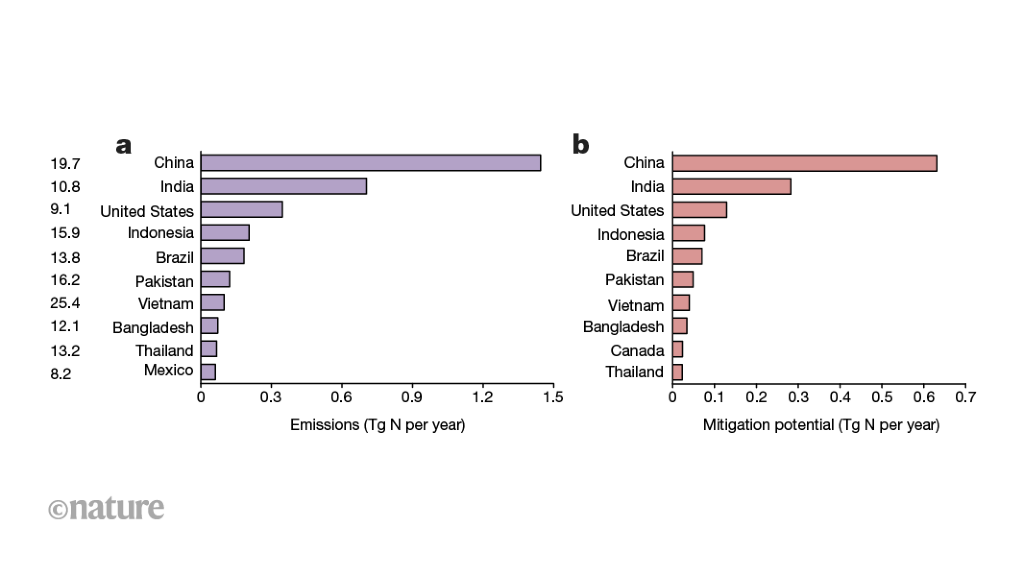
    Agricultural fertilizers are the main global source of ammonia emissions, which harm human health and reduce farmers’ profits. An analysis using big data and machine learning reveals that locally optimized fertilizer-management and tillage practices could slash ammonia emissions from rice, wheat and maize cultivation by up to 38%.

    [ad_2]

    Source link

  • Government announces major innovation boost for British farming

    Government announces major innovation boost for British farming

    [ad_1]

    The Prime Minister has announced a major new package of support for rural communities to protect British farming for the next generation.

    Speaking at the National Farmers Union annual conference in Birmingham, he announced a £220m package of funding for technology and innovation to protect British farming for centuries to come.

    The speech also outlined government plans to boost the UK’s food security.

    Sunak made a bid to win farmers’ trust, telling them that he believed food security “was a vital part of our national security.”

    The NFU broadly welcomed the plans but said they included no actual new money.

    Farming protest groups say more needs to be done to protect British farming from competition posed by cheaper imports.

    Farmers are facing more and more issues

    This comes as British farmers are struggling with rising costs, low supermarket prices, and a new post-Brexit farm payments scheme that many say has focused on environmental policy over food productivity.

    Farmers also believe they have to go through too much bureaucracy to access government grants while being undercut by cheaper food imports from countries with lower welfare standards than the UK.

    New technology to protect British farming

    Funding will be injected into future-focused technology and productivity schemes to ensure farmers can access new equipment, including kits which increase automation to reduce reliance on overseas workers.

    It will also fund cost-saving energy measures, such as rooftop solar, to safeguard land for food production.

    The multi-million-pound funding pot will also increase support for processing, packing and retailing in British farming.

    The funding doubles investment in productivity schemes, growing the grant offer from £91m last year to £220m next year to keep up with demand for the scheme from farmers.

    Ensuring a fair and secure supply chain

    The PM has also announced plans to ensure all British farmers and producers are treated fairly, with new regulations set to be laid in Parliament for the dairy sector, ensuring they have reasonable and transparent contracts.

    british farming
    © shutterstock/Anton Veselov

    Similar regulations for the pig sector will come later this year, with the egg sector expected to follow.

    A new supply chain fairness review of the poultry sector is also set to be launched, and DEFRA is expected to consult stakeholders on whether the sheep and beef sectors should follow.

    Underlining the importance of British Farming, the Prime Minister will tell the audience that the Government will publish an annual Food Security Index at the next Farm to Fork Summit this spring.

    The Farm to Fork food-security summit will also become an annual event.

    Sunak concluded: “We don’t celebrate British farmers enough, and so on behalf of the nation, I just wanted to say thank you, and I’ve got your back.”

    [ad_2]

    Source link

  • Behavioural, ecological and socio-economic tools for modelling agricultural policy

    Behavioural, ecological and socio-economic tools for modelling agricultural policy

    [ad_1]

    Agricultural policies are complex things that must take into account the various changing situations in different areas, and the BESTMAP project will provide a framework to do just that.

    The BESTMAP project focuses on developing a flexible, interoperable, and customisable framework that will consider farmers’ needs and effectively model agricultural policy impacts on natural, social and cultural assets in rural areas.

    Existing impact assessment models do not appropriately address the complex farmers’ decision-making processes and ignore the wider impacts of agricultural policy on natural, social, and cultural assets in rural areas. Through a bottom-up approach, BESTMAP’s new modelling framework has the potential to transform the design and monitoring of future EU rural policies, promoting a sustainable future for the EU agricultural sector.

    Here, we briefly present the conceptual framework of BESTMAP and discuss the lessons learned from this Horizon 2020 project towards an operational pan-European policy impact modelling tool.

    Spatially explicit biophysical and socio-economic models were developed in five case studies — the Mulde river basin in Germany, Catalonia in Spain, the Bačka region in Serbia, the Humber in the UK, and South Moravia in Czechia. The aim of modelling was to enable the estimation and mapping of the effects of selected agri-environmental measures on biodiversity (farmland birds), water quality, soil carbon, food production and net farm-added value.

    The Farming System Archetypes (FSA) used for modelling represent a generalised typology of farming systems assumed to have similar responses to agricultural policy changes. The FSA framework defines main farm characteristics based on two dimensions: Farm specialisation and economic size. Both dimensions were calculated and mapped for every farm within the case studies using data from the IACS/LPIS data collected by each Member State. Farms belonging to the same FSA are assumed to have similar decision patterns regarding the adoption of Agri-Environmental Schemes (AES).

    Additionally, agent-based models were parameterised to explain the adoption of AES by individual farms. The outputs of these models were used to parameterise farm-level regression models, and a novel approach was developed to assess how well these models can be transferred across FADN regions. All outputs were translated into policy-relevant indicators and integrated into policy notes and an online dashboard for data visualisation and decision-making.

    For more information about the outputs of BESTMAP project visit www.bestmap.eu

    Scaling up the BESTMAP approach

    In the BESTMAP upscaling phase, meta-models were created for ecosystem services (ESS) in NUTS3 regions within each case study area. These meta-models used the case study ecosystem service model results as response variables, incorporating expert-opinion-based initial sets of potential explanatory factors from environmental and economic predictors. Employing variable selection techniques refined these variables for each ecosystem service in each NUTS3 region.

    The resulting meta-models predicted outcomes for NUTS3 regions across all case study areas, with the coefficient of determination (R2) gauging prediction accuracy. R2 values were then plotted against the differences between case study NUTS3 regions regarding key environmental and socioeconomic variables (the ‘Minkowski distance’) per Ecosystem Service (ESS). This approach helped assess the ‘transferability’ of ESS results to non-case study NUTS3 regions in Europe. Results meeting specific criteria indicated a high level of confidence, allowing the transfer of findings to new regions based on their Minkowski distance.

    Some NUTS3 regions in Europe were challenging to predict using the existing methodology due to substantial Minkowski distances from the current case studies. This suggests that for future iterations of BESTMAP, new case studies in different locations would be essential. To optimise resource allocation, additional case studies should ideally encompass and closely represent regions not adequately covered in the initial BESTMAP project. This section aims to identify potential locations and determine the required number of representative future case studies if BESTMAP were to be replicated.

    The methodology was split into two parts. The first involved establishing the representativeness of all NUTS3 regions in relation to each other, while the second involved identifying regions where confidence levels were inadequate for the transfer of ecosystem service outcomes based on the existing BESTMAP case studies.

    Representativeness of all NUTS3 regions in relation to each other

    Hierarchical clustering was utilised to identify NUTS3 regions that were well-represented by others. This technique groups similar regions based on multiple variables. Each data point begins as an individual cluster and is subsequently merged into larger clusters, ultimately forming a dendrogram – a tree-like structure. Dendrograms indicate which regions exhibit the highest degree of similarity and provide an overall picture of how all the regions are connected.

    agricultural policy, bestmap project
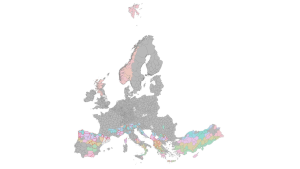
    Fig. 1: Cluster combinations that remain after any NUTS3 regions that met the transferability threshold criteria at more than five times per ESS were excluded and those that remain after any NUTS3 regions that met the transferability threshold criteria at more than three times per ESS and NUTS3 regions in Turkey were excluded (regions outlined in red). The latter areas represent locations where additional case studies should be placed in addition to the current BESTMAP case studies to ensure transferability coverage of ESS models for Europe. The dark grey areas represent removed areas (labelled ‘NA’) because existing BESTMAP case studies sufficiently covered them, and the light grey areas represent BESTMAP’s current case studies (labelled ‘cCS’)

    Identifying regions for future case studies

    The location of the most useful future case studies required the identification of areas that are not currently sufficiently covered, as determined by the transferability criteria. To identify such regions, any NUTS3 region that met the transferability criteria more than five times for any one of the ESS was excluded.

    The resulting map was reduced to 166 cluster combinations. It highlighted different regions where transferability confidence is low, based on the current BESTMAP case studies. These identified regions serve as potential locations for future case studies in order to be able to cover all of Europe in terms of transferring ESS models run at the case study level.

    To create a more defined shortlist consisting of five or fewer suitable locations, as addressed by the BESTMAP project, a more refined criterion was employed: Any NUTS3 region that met the transferability criteria more than three times for any one of the ESS was excluded from the map, which gave fewer but more distinct regions. By conducting this further analysis, we identified regions that align with the current project’s goals and have the potential for successful implementation (see Fig. 1). This process suggested future case studies might be in northern Spain, north-west Italy, central Italy, Montenegro/Albania, and Bulgaria.

    It is important to note that the outlined methodology represents the initial phase in identifying new case study regions. Equally important is the involvement of local stakeholders, including government officials and communities, to acquire insights into the unique challenges and opportunities specific to each region. These challenges may encompass issues such as obtaining relevant regional-level data, such as LPIS (Land Parcel Identification System) data. The ultimate objective is to select regions that not only align with project criteria but also have the potential for long-term impact and sustainability.

    Development and validation of a Europe-wide nutrient run-off model

    In BESTMAP, unique ESS models were developed for each case study region. To scale these up and enhance agricultural policy relevance, approaches to assess the transferability of these local ESS models to all other parts of Europe were developed.

    BESTMAP has also assessed an alternative approach, applying a single model across Europe, using Europe-wide data sources to parameterise the model. Specifically, we carry out a Europe-wide application of the InVEST Nutrient Delivery Ratio model (NDR) for estimating run-off of nitrogen (N) and phosphorus (P) from agricultural land. This NDR model was also applied in the case studies.

    Model output was validated against within-river nutrient concentrations measured under the European Environment Information and Observation Network (Eionet), a partnership network of the European Environment Agency.

    agricultural policy, bestmap project
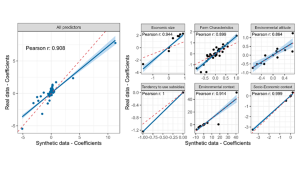
    Fig. 2: The LASSO features’ coefficients in the analyses with the real data vs. the same features’ coefficients in the analyses with the synthetic data for all predictors and the predictors relevant to each of the six hypotheses. Each point represents a feature, and the blue line is a linear model fit of Real vs. Synthetic coefficient values. Pearson r correlation coefficients are given in each panel. The red dashed line is the line of unity

    The model had a relatively high accuracy in predicting both N and P concentrations in rivers, but with discrepancies at lower predicted values of N and at higher predicted values of P. Further analysis of these discrepancies will allow us to suggest improvements to the models and their parameterisation. The models showed that nutrient losses are large from grasslands with a high stocking rate, such as in the Netherlands, Ireland, western Denmark and parts of France and Germany. Low amounts of nutrient loss are found in regions without widespread intensive agriculture such as in parts of Scandinavia and southern Europe.

    Data needs for biophysical modelling in agricultural landscapes

    While the situation has slightly improved over recent years with the advent of novel datasets, such as those derived from remote sensing (such as COPERNICUS), the challenges persist, especially when it comes to the availability of data for biophysical modelling in agricultural areas. The complexities of agricultural systems demand detailed and up-to-date information on soil characteristics, weather patterns, land use changes, and crop dynamics.

    In many regions, the insufficient sharing of relevant data, the absence of standardised formats, and the reluctance of stakeholders to contribute information continue to hinder the development and refinement of effective biophysical models. It is crucial to prioritise overcoming these data limitations, as enhancing data availability not only benefits the scientific community but also empowers farmers. Improved access to data enables farmers to make well-informed decisions, especially when considering significant changes in their practices.

    During the BESTMAP project, significant data sharing challanges were overcome. In particular, with data coming from the Farm Accountancy Data Network (FADN). Here we highlight a few recommendations:

    1. Improving the usefulness of the Farm Sustainability Data Network (FSDN) by including more detailed information on land management, precise land-use aspects such as intensity, farming practices, pesticide application, fertiliser application, agricultural yields per crop and area, and land tenure (owned/leased land);

    2. Improving access to spatial FSDN data to allow access to micro-level anonymised data;

    3. Improving compatibility of FADN/FSDN to other European data, in particular LPIS/IACS system; and

    4. Addressing issues related to the sampling/regions used in FSDN – i.e. including better representation of organic farms and involving smaller farms.

    Piloting synthetic FADN generation

    The Farm Accountancy Data Network (FADN) is a comprehensive database that captures pivotal characteristics within the agricultural landscape and is thus highly suitable for exploring the above questions and hypotheses.

    However, including personal and confidential information poses a challenge for widespread utilisation due to privacy concerns and legal considerations surrounding protecting sensitive data. In navigating this delicate balance between widespread utilisation and confidentiality, the integration of synthetic data emerges as a promising technological solution, safeguarding sensitive data, improving the accuracy of Machine Learning models, and mitigating bias.

    We harvested the Synthetic Data Vault library (SDV), a comprehensive set of tools that covers the entire analytical pathway, including data preparation, modelling, sampling, quality evaluations and visualisation to generate synthetic data that mimics FADN data.

    The results are encouraging: The analysis based on synthetic data retained a similar number of features, conserved the overall ranking of hypotheses-focused models, produced coefficients that are strongly correlated to the coefficients of real data (see Fig. 2), conserved similar frequencies of features we consider essential, and conserved high correlation between coefficients even within a single feature. This suggests we have found a good balance between information content and confidentiality.

    Improving agri-environmental policy in Europe

    Based on the project results BESTMAP proposes several strategies for improving the effectiveness of Agri-Environmental Schemes (AES) in the EU.

    • Improving spatial targeting: BESTMAP proposes the use of archetype analysis to help understand spatial patterns in AES adoption and tailoring policies to specific farming contexts. This approach can enhance AES effectiveness by customising schemes to different farming systems.
    • Local co-development of AES: Involving farmers in designing AES can increase uptake and align agricultural actions with environmental goals. Co-design processes allow for testing and optimising measures in the field, maximising ecological and economic benefits.
    • Better advisory support: Farmers have indicated a lack of relevant advice when it comes to AES application and implementation. Providing accessible and free advisory services can reduce bureaucratic burdens, equip farmers with necessary skills, and guide them in choosing suitable AES. Advisory services should cover ecological advice and administrative support.
    • Revisiting AES payments: Current payment levels based on income foregone may not align with farmers’ decision-making. Higher payment rates reflecting the value of ecosystem services could increase AES uptake. A reevaluation of the payment approach is suggested to allow for payments that support public goods through public funding that goes beyond damage compensation.
    • Improving Monitoring of AES Success: Consistent monitoring guidance, stakeholder interactions, and adaptive planning are essential for assessing AES impacts effectively. More comprehensive monitoring data is required to inform future policy decisions.
    • New Vision for AES Design: BESTMAP proposes a more adaptive and multi-scale approach to EU agricultural policy, integrating bottom-up AES developed with farmers’ input, enhanced advisory services, targeted top-down AES, and improved monitoring within a flexible policy cycle.

    Please note, this article will also appear in the seventeenth edition of our quarterly publication.

    [ad_2]

    Source link

  • Nitrogen in agriculture reduced in new research

    Nitrogen in agriculture reduced in new research

    [ad_1]

    New research from the VIB-UGent Centre for Plant Systems Biology has reduced nitrogen in agriculture by targeting microogranisms in soil.

    Reducing nitrogen in agriculture is crucial for meeting the goals set by the European Climate Law and the European Nitrate Directive.

    However, reducing greenhouse gas emissions by 2030 and lowering the use of nitrogen in agriculture poses significant challenges.

    To overcome these challenges and promote sustainable agriculture, the researchers focused on targeting microogranisms in the soil, particularly bacteria and archaea, that compete with plants for nitrogen.

    The work has been published in Frontiers, Trends in Microbiology, and the Journal of Environmental Management.

    Nitrogen’s role in agriculture

    Plants need nitrogen in the soil to grow.

    However, these plants compete with microogranisms that use nitrogen in the soil. Bacteria and archaea convert nitrogen into nitrites and nitrates through a process called nitrification.

    The nitrites and nitrates leach into the soil, groundwater, and recreational water, making them unusable for agricultural purposes. This negatively impacts biodiversity and water quality.

    Nitrates can also be converted into nitrous oxide, a greenhouse gas.

    Farmers often fertilise excessively to ensure their crops have enough nitrogen, but this has a negative impact on the environment.

    How to stop nitrification

    To efficiently use nitrogen in agriculture, researchers must identify substances that block nitrification by microogranisms.

    When soil organisms consume less nitrogen, more is available for plants. This reduces the need for fertilisation.

    The importance of archaea

    The team have expanded on previous work, focusing on archaea.

    “The importance of these archaea for nitrogen consumption in the soil was long ignored. Current commercial inhibitors against bacteria are not only limited, they are also ineffective against archaea,” said Dr Fabian Beeckman, postdoctoral researcher at the Beeckman lab (VIB-UGent).

    “To increase the efficiency of nitrification inhibition, we looked for nitrification inhibitors against archaea.”

    To identify nitrification inhibitors in archaea, the team developed two test methods. The researchers also examined nearly 50,000 molecules for their functional use.

    Dr Hans Motte, project coordinator, said: “Not only have we described nitrification inhibitors for archaea, but we have also shown that a combination of inhibitors against bacteria and archaea yields the best results.”

    The team believe that the result will now provide the pathway to find the best inhibitors to reduce nitrogen use in agriculture.

    The shift to sustainable agricultural systems

    Efficient nitrogen management is a goal under the European Nitrate Directive, underlying the researchers’ commitments to sustainability.

    Currently, all nitrification inhibitors are synthetic molecules. However, with the team’s new testing methods, the search for natural nitrification inhibitors can now take shape.

    Professor Tom Beeckman, group leader of the Beeckman lab, concluded: “In the next step, we can look at plants that produce and excrete these products themselves in the soil. This opens the door to more efficient organic farming and sustainable agricultural systems.”

    [ad_2]

    Source link

  • How science is helping to farmers find a balance between agriculture and solar farms

    How science is helping to farmers find a balance between agriculture and solar farms

    [ad_1]

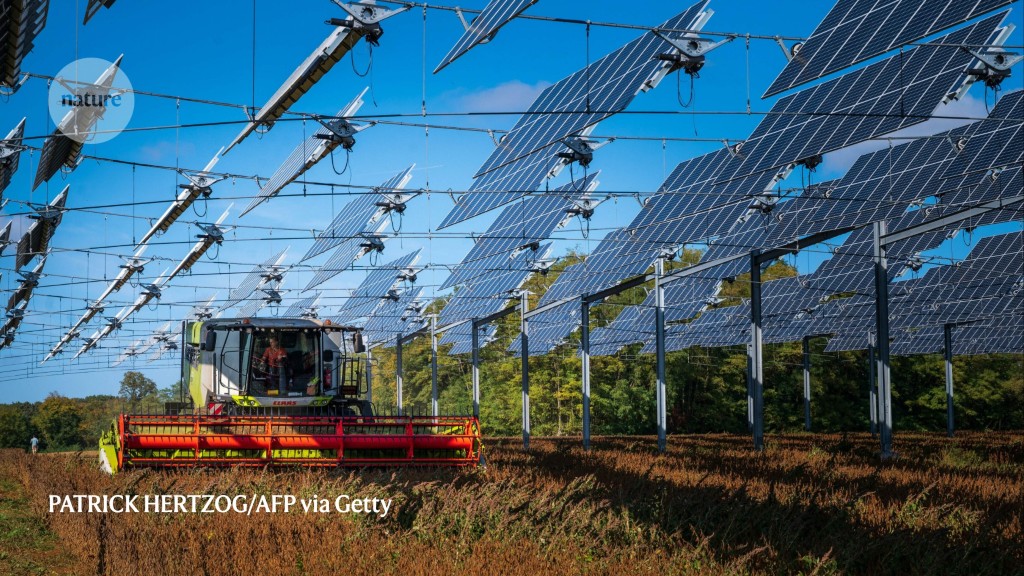
    A combine harvester in a field, under hanging solar panels.

    A farmer drives a combine harvester under hanging solar panels on an agrivoltaic site in Amance, France.Credit: PATRICK HERTZOG/AFP via Getty

    In March 2023, the French government passed a law requiring all solar projects on farmlands to provide some sort of service to agriculture: from improving yields to protecting crops from frost or heatwaves. The decree, entitled ‘On Accelerating the Production of Renewable Energies’, hopes to address a rising call to protect agriculture from an increase in the amount of land being used to harvest solar energy rather than crops.

    This trend has become common, thanks to the shrinking costs and growing profitability of the photovoltaic technology behind solar panels. In France, a landowner could make between 10 and 100 times more money per hectare renting out their land to an energy company than they’d make from conventional farming. This puts the future of agricultural land at risk.

    The bill hopes to build a compromise — aiming to meet the demands from energy companies to install solar panels, without damaging the yield of land used for food production. More laws on the issue are being drafted, including one that specifies the penalty that landowners might face for not meeting productivity targets.

    The government’s target to generate 100 gigawatts of solar power by 2050 looms large in discussions, but in a country where the agricultural lobby holds immense political power, any debate is fraught with political tensions. Furthermore, the changing balance between market forces in France might signal economic shifts elsewhere. As solar projects get cheaper to build, and as many of the world’s economies cry out for more renewable energy, how will conventional farmlands cope?

    And ongoing protests by farmers across Europe, particularly in France, might affect the coming debates around the use of solar technologies on farmland. Distrust of the new rules, as well as calls for better prices and access to affordable farmland, have fuelled the strikers’ outcry.

    According to the French Agency for Ecological Transition, solar projects contributed 16 gigawatts to the French grid in 2022. So far, only 1.3 gigawatts is expected to come from photovoltaics built on agricultural enterprises, some of which are still under construction. Around 61.4 gigawatts(45% of the country’s electricity) comes from nuclear power. Today, renewable energies account for only 20% of the total energy consumed in France, and the government has pledged to reach 33% by 2030. It also plans to comply with the more ambitious European Union’s target of 42.5% of energy from renewables by 2030.

    French researchers have been investigating how solar panels can be installed without damaging the growth of crops for decades. Farms make up half of France’s land, by far the easiest host for solar-power projects compared with the urban regions, forests or protected natural areas that blanket the rest of the country.

    Christian Dupraz and his team of agronomists at the French National Research Institute for Agriculture, Food and Environment (INRAE) in Montpellier research the benefits of temporary shade for plants, and how solar-based systems can help. In Occitania, in the south of France, the team has been experimenting with various ways of mitigating harsher temperatures caused by global warming. Shade structures equipped with solar panels are part of one such technique. With this system, nicknamed agrivoltaic by Dupraz, panels rise over crops to protect them from sunlight when required, rather than simply replacing farmland acreage.

    “Crops don’t use all the Sun’s rays. Their needs depend on life cycle, and some stages — such as grain filling and end of the production cycle — need less light than others,” Dupraz says. The panels also provide protection against weather hazards that come and go, such as night frosts, hail and heatwaves. The technical challenge is therefore to create structures that can harness the Sun’s energy as well as being smart enough to adapt to the needs of the crops growing beneath them.

    Agronomical tracking model

    Several companies are working on these models, including Sun’Agri, based in Lyon, France, which has operated a joint research programme with Dupraz’s team for more than ten years. Damien Fumey, an agronomist at Sun’Agri, says that fields in southern France equipped with mobile solar panels saw increased yields in perennial crops such as vines or fruit trees.

    INRAE also created a national cluster of 56 partners, including energy companies, for agriphotovoltaic research in February 2023. The director, agronomist Abraham Escobar-Gutiérrez, points to a 2023 Applied Energy publication1, which concluded that lucerne crops (Medicago sativa) — beansprout-like plants — alongside mobile panels showed slightly higher yields than those elsewhere, thanks to reduced evapotranspiration and the plant’s adaptation to shaded conditions.

    Although the agriphotovoltaic model seems to be an attractive compromise on the surface, it’s less appealing to the energy industry, because it produces lower electricity yields than do panel systems, which simply prioritize their placement to the Sun. Critics also point to the costs of such systems. Escobar-Gutiérrez estimates that a sophisticated agronomical tracking system is ten times more expensive than a standard solar farm.

    Another battle rages around the proportion of land that can be covered by solar panels. Energy companies are lobbying the French government to legalize covering up to 40% of farm plots in solar panels, in the name of the profitability. Agronomists counter that anything more than 25% will jeopardize agricultural production. Dupraz says that “by accepting a high coverage of panels while forbidding agronomic losses, the law could be unenforceable”.

    Japan — another country attempting to find a balance between sustainable agriculture and a green electricity transition — has chosen to regulate yield losses rather than land coverage. Since 2013, Japanese regulations have required farmers with solar panels in their field to comply with a yield reduction of less than 20% compared with the average yield of the surrounding farmland. Christian Doedt, a researcher at the Institute for Sustainable Energy Policies (ISEP) in Tokyo, says that Japanese farmers have concerns regarding this rule, especially about the threat to those who don’t comply. “The yield requirement of 80% and the legal possibility of dismantling agrivoltaics projects that don’t fulfil it are still a huge barrier to the expansion of agrivoltaics in Japan,” Doedt says.

    Fighting for the light

    And although legislation is being drafted, for some farming areas it is already too late. As solar panels started to become commercially affordable around 2000, many of the vast greenhouses that grew fruit and vegetables in France’s farmlands got kitted out with them by enterprising farmers. In 2018, the local authorities of the French department of Pyrénées-Orientales estimated that two-thirds of the greenhouses equipped with photovoltaic panels had been completely emptied of crops.

    Last year’s law aims to redress the balance and prevent this from occurring in the future. “Before the law of 2023, photovoltaic projects in agriculture were highly disparate across the country, with some local authorities allowing all projects to go ahead, and others systematically blocking them in the name of agriculture. The law is trying to find a bridge between the two,” explains Benoit Grimonprez, rural-law researcher at the University of Poitiers, France. Escobar-Gutiérrez says that he ‘is optimistic’.

    Whereas France and Japan’s regulatory approaches are motivated by protecting the quality and supply of food, a different market-driven trend is emerging in the United States and Germany, supported by the energy lobbies that want to have access to land at the lowest cost, says Dupraz. Germany accepts a one-third loss of yield in farms with solar-panel systems. But further legal and economic battles might arise in the coming years in countries with similar conflicts about land use.

    In some countries, there’s space for everyone. “The situation is different in countries with large uncultivable and unproductive areas, such as Spain and the USA,” Dupraz adds.

    [ad_2]

    Source link