Tag: Agriculture

  • Sustainable food systems should be established through new agricultural standards

    Sustainable food systems should be established through new agricultural standards

    [ad_1]

    Helmholtz Centre for Environmental Research has found that EU agricultural trade policies should be renegotiated globally to establish sustainable food systems.

    The cultivation of soya, palm oil, coffee, cocoa, sugar, or hazelnuts in their countries of origin outside Europe is sustainable in only a minority of instances.

    For example, rainforests are cleared, and valuable grasslands are used for palm oil and cocoa plantations. As well as this, harmful pesticides are used in the cultivation of cocoa and hazelnuts.

    The EU has expressed its share of responsibility for preventing negative consequences for biodiversity and the climate.

    It is committed to the principle of Policy Coherence for Development. Accordingly, the EU wants to achieve the UN Sustainable Development Goals within the EU and support developing countries in implementing them.

    In the EU Green Deal and the Farm to Fork Strategy, the EU Commission has committed to promoting the transformation towards sustainable food systems.

    Now, the research team is proposing a new approach to navigating the complex agricultural trade policies between the EU and exporting countries. The approach analyses the relevance and leverage effect of individual imported foods for the EU and country of origin.

    Establishing the importance of trade for each agricultural product

    The research team’s new approach uses the ‘relevance’ criterion to describe the proportion of an agricultural product from a country of origin in total imports into the EU.

    The ‘leverage’ criterion established by the team describes how important the proportion of an agricultural product imported into the EU is for the country of origin in the overall value chain or agricultural production.

    Dr Yves Zinngrebe, UFZ environmental policy expert and lead author of the research, said: “We can thus describe the importance of trade with the EU for each agricultural product and exporting country and consider measures that could make these trade relations more sustainable.”

    The team analysed the relevance and leverage effect of the most important agricultural imports for three dimensions: the economic value that these imports have for the country of origin, the footprint as a measure of land consumption for the cultivation of the imported goods, and the deforestation required for the production of imported goods.

    Soya, palm oil, cocoa, and coffee account for over 80% of the land deforested for the cultivation of EU products

    The researchers found that soya, palm oil, cocoa, and coffee are responsible for over 80% of the land deforested for EU product cultivation.

    © shutterstock/Martin Nabert

    They also discovered that much of the EU’s influence is focused on a few groups of countries with specific export profiles. These include the MERCOSUR countries of Argentina, Brazil, Paraguay, and Uruguay in particular, because trade with these countries (especially in soya) accounts for 22% of the trade value, 33% of the required land area, and 40% of the imported deforestation.

    These are joined by Malaysia, Indonesia, and Papua New Guinea, which specialise in palm oil cultivation, and some countries in Africa, Latin America, and Vietnam, which specialise in cocoa and coffee.

    “The EU could achieve a great deal if it focused on soya, palm oil, coffee, and cocoa when establishing sustainable trade relations,” said Zinngrebe.

    Greater sustainability in global food systems

    The EU holds significant influence in certain small sugar-producing nations like Mauritius, Fiji, Barbados, and the Bahamas.

    Although their overall significance to the EU is minimal, the proportion of land dedicated to EU exports is notably high (20–40%), underscoring the EU’s potential responsibility in establishing sustainability standards. This leverage is also considerable for Eastern European countries such as Ukraine and Russia, as well as Central Asian nations like Kazakhstan, which supply large quantities of grains to the EU.

    Crops such as wheat, maize, barley, sunflowers, rapeseed, and linseed from these regions constitute nearly 70% of the imported footprint.

    “If the EU hopes to ensure greater sustainability in global food systems, it should use its relationships primarily with trading partners for which the leverage is particularly high,” said Professor Sebastian Lakner, agricultural economist at the University of Rostock and final author of the study.

    “The aim here is to develop new agricultural standards or regulations together with our trading partners, which provide benefits to both the countries of origin and the countries of consumption.”

    The role of EU supply chain law

    The EU’s supply chain law is important in enhancing the transparency of the production conditions of traded goods, including the extent of deforestation or previous land usage.

    It is imperative for the EU to reduce the impact of highly significant agricultural products like soya and palm oil, which contribute significantly to deforestation in partner countries.

    This could involve regulating demand by promoting sustainable livestock farming or adopting a low-meat diet.

    EU has lost some of its influence

    However, past experiences, such as with palm oil, highlight the delicate nature of global trade.

    Despite efforts to enforce sustainable cultivation, the EU faced market share losses as other countries like India and China gained prominence in the global market.

    “The EU thus gambled away parts of its influence because the demand for palm oil continues. It no longer has as much influence on making this trade more sustainable because the proportion of palm oil imported into the EU is no longer as high,” said Zinngrebe.

    This means that the EU no longer holds as much leverage.

    If the EU wants to implement policy coherence globally, it must support countries in developing sustainable food production systems.

    [ad_2]

    Source link

  • Turning plants blue with gene editing could make robot weeding easier

    Turning plants blue with gene editing could make robot weeding easier

    [ad_1]

    Aerial view of different coloured fields near the Werribee river in New South Wales, Australia

    Changing the colour of crops could make it easier to distinguish desired plants from weeds

    John Martin – Fotografo/Alamy

    Common crops, like wheat or maize, could be genetically altered to be brightly coloured to make it easier for weeding robots to do their job, suggest researchers.

    Weeding reduces the need for herbicides, but the artificial intelligence models that power weeding robots can struggle to differentiate between crops and weeds that are a similar shape and colour.

    To get round this problem, Pedro Correia at the University of Copenhagen in Denmark and his colleagues have suggested that crop genomes could be adapted to express pigments such as anthocyanins, which make blueberries blue, or carotenoids, which make carrots orange.

    Crops could also be grown to have unusually shaped leaves or to have characteristics that are invisible to the naked eye but detectable by sensors, such as in the infrared spectrum, they say.

    Correia says AI’s struggles with weeding could be exacerbated as wild species are adapted for agriculture to capitalise on their abilities to cope with a changing climate. This type of novel domestication can create crops that are more environmentally sustainable and higher yielding, but they may also be harder to distinguish from their unchanged ancestors.

    “We’re trying to change very few genes to make them more productive,” says Correia. “If we can change maybe one or two more genes to make them more recognisable, so that you can use robots to weed them, it’d be great.”

    Charles Fox at the University of Lincoln, UK, says there is a precedent for deliberately changing the colour of crops; orange carrots weren’t common until growers selectively bred a stable variety. But he thinks genetic modification probably isn’t the easiest way of improving the effectiveness of weeding robots.

    “Any other way of doing it is probably going to be a lot easier and a lot less controversial, because people generally don’t like things to be genetically engineered,” says Fox. “It sounds like a huge amount of effort.”

    Correia says they aren’t suggesting creating new things or adding genes from animals. The work would involve altering the genomes of crops so they include genes for pigments that are already produced in other plants. “We are just making a few changes in the crops so that they can also have it,” he says. “We must test everything, and test for side effects and so on, but I think it’s pretty much possible.”

    Topics:

    [ad_2]

    Source link

  • Humans and their livestock have sheltered in this Saudi Arabian cave for 10,000 years

    Humans and their livestock have sheltered in this Saudi Arabian cave for 10,000 years

    [ad_1]

    A first-of-its-kind study in northwestern Saudi Arabia suggests that humans and their livestock have been using a cave for shelter sporadically for up to 10,000 years. The finding1 offers insight into the region’s history and ecology.

    In the past decade, satellite data and fossil finds have suggested that the Arabian Peninsula was not always an arid desert. Periods when the region contained lakes and lush greenery might have drawn people and animals there from Africa, according to the study’s authors.

    “Today, it’s a fairly harsh environment,” says study co-author Mathew Stewart, a zooarchaeologist at Griffith University in Brisbane, Australia. Across the surface of Saudi Arabia, “the fossil record is just horrendous”, he says. Wind and scorching heat reduce bones and artefacts to dust, making them difficult to study.

    But in 2018, Stewart and his colleagues described an 88,000-year-old finger bone from the Saudi Arabian desert2 — one of the oldest human fossils found outside of Africa. And in 2020, they described footprints on a lake shore dating back around 120,000 years3. These suggested that the region had stories to give up.

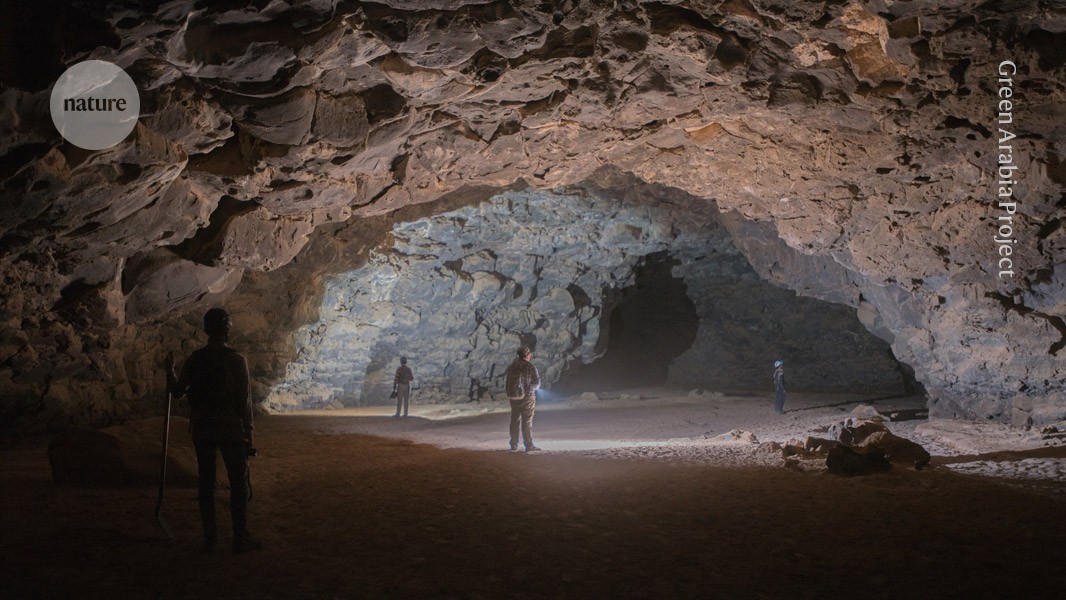
    The researchers turned to caves under Harrat Khaybar, a vast basalt plain pocked with volcanic craters in northwestern Saudi Arabia. The caves were made by lava as it flowed from nearby volcanoes, forming rocky tunnels as it cooled.

    A researcher digging in a square trench.

    The researchers excavated a one-square-metre site near the entrance of the cave.Credit: Green Arabia Project

    An excavation near the entrance of one cave produced more than 600 animal and human bones and 44 stone-tool fragments. The oldest stone tools dated back to as many as 10,000 years ago, and the oldest human bone fragments were almost 7,000 years old. The study was published on 17 April in PLoS ONE1.

    The distribution of samples suggests that people did not live in the cave for long periods, but stayed there occasionally. Nearby rock art depicts people with goats and sheep. The drawings are difficult to date, but they support the fossil evidence that people used the cave as a place to rest and shelter their herds. Even today, farmers seek shade and water in underground lava tubes for themselves and their animals, says Stewart.

    According to Melissa Kennedy, an archaeologist at the University of Sydney in Australia, the finding suggests that herders have travelled across Harrat Khaybar from oasis to oasis on the same paths for thousands of years.

    Across Harrat Khaybar are paths spanning hundreds of kilometres, some flanked with stone tombs dating back around 4,500 years. Kennedy says the routes were probably used even earlier than the dating of the tombs would suggest. “People are very lazy,” says Kennedy. “You find the easiest route and you stick to it.”

    Ahmed Nassr, an archaeologist at the University of Ha’il in Saudi Arabia, says the discovery is significant. “This discovery opens new windows into Arabian research in prehistory,” he says. He hopes that further geographical surveys will be conducted in Saudi Arabia, because they could reveal more such cave sites. “There are many areas that are unexplored.”

    [ad_2]

    Source link

  • Pretzel study reveals eating patterns

    Pretzel study reveals eating patterns

    [ad_1]

    The size of an individual snack piece not only influences how fast a person eats it, but also how much of it they eat, according to a new study led by researchers at Penn State. With nearly a quarter of daily calorie intake in the United States coming from snacks, these findings may have implications for helping people better understand how eating behavior impacts calorie and sodium intake.

    The team of food scientists investigated how the size of pretzels influences eating behavior -; overall intake, eating rate, bite size and snacking duration -; and found that people eat larger pretzels quicker with larger bites. They also found that while people ate smaller pretzels slower and with smaller bites, and ate less overall, they still had higher intake of sodium. Their results are available online now and will be published in the June issue of Appetite.

    Seventy-five adults participated in the study, eating snacks three different times in the Sensory Evaluation Center. The oversized snack was about 2.5 servings of one of three sizes of pretzel -; small, medium or large. To calculate eating rate and bite size, the researchers video recorded each snacking session, noting how many minutes each participant spent snacking and the number of bites. They also measured how much each participant ate in both weight and calories.

    When participants were given the same amount of food, how much they ate -; in both snack weight and calories -; depended on unit size, with study participants consuming 31% and 22% more of the large pretzels compared to the small and medium sized pretzels, respectively. Size of the pretzel also influenced eating rate and bite size, with the largest pretzel size yielding the fastest eating rate and largest mean bite size.

    The researchers also reported that, after accounting for eating behavior, the pretzel size alone did not significantly affect how much a person ate, suggesting the eating behavior the different pretzel sizes prompted was driving total intake. Their results suggest larger pretzel size induces a person to eat more quickly and take bigger bites.

    Together, these findings indicate that unit size influences intake by affecting eating behavior and they show that food characteristics such as unit size can be leveraged to moderate snack intake, explained corresponding author John Hayes, professor of food science and director of the Penn State Sensory Evaluation Center.

    The study suggests that food structure -; texture, size and shape -; can be used to modulate eating behavior and food intake. Food geometry, specifically unit size, is of particular utility for snack foods. We’re interested in how the material properties of foods can be harnessed to help people eat less without impacting their enjoyment.”


    John Hayes, professor of food science and director of the Penn State Sensory Evaluation Center

    The relationship between pretzel size and sodium intake was obvious but previously overlooked, noted Madeline Harper, a graduate student in food science and lead author on the study. She explained that eating more smaller pretzels likely results in higher sodium consumption. The smaller size has more surface area for the same weight, so the researchers hypothesize that more total salt on the surface means that a snacker would consume more sodium eating them.

    “So, we’re suggesting that if you’re trying to watch your calorie intake or are trying to reduce the amount that you’re eating in a snack, then maybe a smaller pretzel would meet your needs better, because of the inherent way the size of the pretzel affects your eating rate,” she said. “But if you’re more worried about hypertension or the amount of sodium you’re consuming, the larger pretzel might be better for you, because you’ll consume less sodium in that treatment, even though you might consume more grams of pretzel.”

    Paige Cunningham, postdoctoral scholar in the Department of Food Science and the Department of Nutritional Sciences at Penn State, and Ciaran Forde, professor and chair in Sensory Science and Eating Behaviour Group in the Division of Nutrition, at Wageningen University, contributed to the research.

    The U.S. Department of Agriculture’s National Institute of Food and Agriculture supported this research.

    Source:

    Journal reference:

    Harper, M. M., et al. (2024). Unit size influences ad libitum intake in a snacking context via eating rate. Appetite. doi.org/10.1016/j.appet.2024.107300.

    [ad_2]

    Source link

  • City-country mortality gap widens amid persistent holes in rural health care access

    City-country mortality gap widens amid persistent holes in rural health care access

    [ad_1]

    In Matthew Roach’s two years as vital statistics manager for the Arizona Department of Health Services, and 10 years previously in its epidemiology program, he has witnessed a trend in mortality rates that has rural health experts worried.

    As Roach tracked the health of Arizona residents, the gap between mortality rates of people living in rural areas and those of their urban peers was widening.

    The health disparities between rural and urban Americans have long been documented, but a recent report from the Department of Agriculture’s Economic Research Service found the chasm has grown in recent decades. In their examination, USDA researchers found rural Americans from the ages of 25 to 54 die from natural causes, like chronic diseases and cancer, at wildly higher rates than the same age group living in urban areas. The analysis did not include external causes of death, such as suicide or accidental overdose.

    The research analyzed Centers for Disease Control and Prevention death data from two three-year periods — 1999 through 2001 and 2017 through 2019. In 1999, the natural-cause mortality rate for people ages 25 to 54 in rural areas was only 6% higher than for city dwellers in the same age bracket. By 2019, the gap widened to 43%.

    The researchers found the expanding gap was driven by rapid growth in the number of women living in rural places who succumb young to treatable or preventable diseases. In the most rural places, counties without an urban core population of 10,000 or more, women in this age group saw an 18% increase in natural-cause mortality rates during the study period, while their male peers experienced a 3% increase.

    Within the prime working-age group, cancer and heart disease were the leading natural causes of death for both men and women in both rural and urban areas. Among women, the incidence of lung disease in remote parts of the nation grew the most when compared with rates in urban areas, followed by hepatitis. Pregnancy-related deaths also played a role, accounting for the highest rate of natural-cause mortality growth for women ages 25 to 54 in rural areas.

    The negative trends for rural non-Hispanic American Indian and Alaska Native people were especially pronounced. The analysis shows Native Americans 25 to 54 years old had a 46% natural-cause mortality rate increase over those two decades. Native women had an even greater mortality rate jump, 55%, between the two studied time periods, while the rate for non-Hispanic White women went up 23%.

    The rural-urban gap grew in all regions across the nation but was widest in the South.

    The increased mortality rates are an indicator of worsening population health, the study authors noted, which can harm local economies and employment.

    As access to and quality of health services in rural areas continue to erode, rural health experts said, the USDA findings should spur stronger policies focused on rural health.

    Alan Morgan, CEO of the National Rural Health Association, said he found the report “shocking,” though, “unfortunately, not surprising.”

    The disparity warrants greater attention from state and national leaders, Morgan said.

    The study does not address causes for the increase in mortality rates, but the authors note that differences in health care resources could compromise the accessibility, quality, and affordability of care in rural areas. Hospitals in small and remote communities have long struggled, and continued closures or conversions limit health care services in many places. The authors note that persistently higher rates of poverty, disability, and chronic disease in rural areas, compounded by fewer physicians per capita and the closure of hospitals, affect community health.

    Roach said his past job as an epidemiologist included working with social vulnerability indexes, which factor in income, race, education, and access to resources like housing to get a sense of a community’s resilience against adverse health outcomes. A map of Arizona shows that rural counties and reservations have some of the highest vulnerability rankings.

    Janice C. Probst, a retired professor at the University of South Carolina whose work focused on rural health, said many current rural health efforts are focused on sustaining hospitals, which she noted are essential sources of health care. But she said that may not be the best way to address the inequities.

    “We may have to take a community approach,” said Probst, who reviewed the report before its release. “Not how do we keep the hospital in the community, but how do we keep the community alive at all?”

    The disparities among demographics stood out to Probst, along with something else. She said the states with the highest rates of natural-cause mortality in rural areas included South Carolina, Mississippi, Georgia, Alabama, and others that have not expanded Medicaid, the joint federal and state health insurance program for low-income people, though there are efforts to expand it in some states, particularly Mississippi.

    It’s an observation the USDA researchers make as well.

    “Regionally, differences in State implementation of Medicaid expansion under the 2010 Affordable Care Act could have increased implications for uninsured rural residents in States without expansions by potentially influencing the frequency of medical care for those at risk,” they wrote.

    Wesley James, founding executive director of the Center for Community Research and Evaluation, at the University of Memphis, said state lawmakers could address part of the problem by advocating for Medicaid expansion in their states, which would increase access to health care in rural areas. A large group of people want it, but politicians aren’t listening to their needs, he said. James also reviewed the report before it was published.

    According to KFF polling, two-thirds of people living in nonexpansion states want their state to expand the health insurance program.

    Morgan added the study focused on deaths that occurred prior to the covid-19 pandemic, which had a devastating effect in rural areas.

    “Covid really changed the nature of public health in rural America,” he said. “I hope that this prompts Congress to direct the CDC to look at rural-urban life expectancies during covid and since covid to get a handle on what we’re actually seeing nationwide.”

    In Arizona, the leading cause of death for people 45 to 64 in 2021 in both rural and urban areas was covid, according to Roach.


    Kaiser Health NewsThis article was reprinted from khn.org, a national newsroom that produces in-depth journalism about health issues and is one of the core operating programs at KFF – the independent source for health policy research, polling, and journalism.

    [ad_2]

    Source link

  • Dietary choices are linked to higher rates of preeclampsia among Latinas

    Dietary choices are linked to higher rates of preeclampsia among Latinas

    [ad_1]

    For pregnant Latinas, food choices could reduce the risk of preeclampsia, a dangerous type of high blood pressure, and a diet based on cultural food preferences, rather than on U.S. government benchmarks, is more likely to help ward off the illness, a new study shows.

    Researchers at the USC Keck School of Medicine found that a combination of solid fats, refined grains, and cheese was linked to higher rates of preeclampsia among a group of low-income Latinas in Los Angeles. By contrast, women who ate vegetables, fruits, and meals made with healthy oils were less likely to develop the illness.

    The combination of vegetables, fruits, and healthy oils, such as olive oil, showed a stronger correlation with lower rates of preeclampsia than did the Healthy Eating Index-2015, a list of dietary recommendations designed by the U.S. Department of Agriculture and the Department of Health and Human Services.

    The study, published in February by the Journal of the American Heart Association, yielded important information on which food combinations affect pregnant Latinas, said Luis Maldonado, the lead investigator and a postdoctoral scholar at the Department of Population and Public Health Sciences at USC Keck. It suggests that dietary recommendations for pregnant Latinas should incorporate more foods from their culture, he said.

    “A lot of studies that have been done among pregnant women in general have been predominantly white, and diet is very much tied to culture,” Maldonado said. “Your culture can facilitate how you eat because you know what your favorite food is.”

    Preeclampsia is estimated to occur in about 5% of pregnancies in the U.S. and is among the leading causes of maternal morbidity, according to the Centers for Disease Control and Prevention. It typically occurs during the third trimester of pregnancy and is associated with obesity, hypertension, and chronic kidney disease, among other conditions.

    There isn’t a way to cure or predict preeclampsia. The disease can damage the heart and liver and lead to other complications for both the mother and the baby, including preterm birth and even death.

    Rates of preeclampsia have increased in the past two decades nationally. In California, rates of preeclampsia increased by 83% and hypertension by 78% from 2016 to 2022, according to the most recent data available, and the conditions are highest among Black residents and Pacific Islanders.

    Maldonado said 12% of the 451 Latina women who participated in the study developed preeclampsia, a number almost twice the national average. More than half of the participants, who averaged 28 years old, had pre-pregnancy risks, such as diabetes and high body mass index.

    Maldonado and his team used data from the Maternal and Developmental Risks from Environmental and Social Stressors Center, a USC research group that studies the effects of environmental exposures and social stressors on the health of mothers and their children.

    The subjects, who were predominantly low-income Latinas in Los Angeles, completed two questionnaires about their diet during the third trimester of their pregnancy. The researchers identified two significant patterns of eating: one in which the most consumed foods were vegetables, oils, fruits, whole grains, and yogurt; and a second in which the women’s diet consisted primarily of solid fats, refined grains, cheese, added sugar, and processed meat.

    Women who followed the first eating pattern had a lower rate of preeclampsia than those who followed the second.

    When Maldonado and his team tested for a correlation between lower rates of preeclampsia and the Healthy Eating Index-2015, they found it was not statistically significant except for women who were overweight before pregnancy.

    The Healthy Eating Index includes combinations of nutrients and foods, like dairy and fatty acids. Maldonado said more research is needed to determine the exact profile of fruits, vegetables, and oils that could benefit Latina women.

    When it comes to diet, the right messaging and recommendations are vital to helping pregnant Latinas make informed decisions, said A. Susana Ramírez, an associate professor of public health communication at the University of California-Merced.

    Ramírez has conducted studies on why healthy-eating messages, while well intended, have not been successful in Hispanic communities. She found that the messaging has led some Latinos to believe that Mexican food is unhealthier than American food.

    Ramírez said we need to think about promoting diets that are relevant for a particular population. “We understand now that diet is enormously important for health, and so to the extent that any nutrition counseling is culturally consonant, that will improve health overall,” Ramírez said.

    This article was produced by KFF Health News, which publishes California Healthline, an editorially independent service of the California Health Care Foundation. 


    Kaiser Health NewsThis article was reprinted from khn.org, a national newsroom that produces in-depth journalism about health issues and is one of the core operating programs at KFF – the independent source for health policy research, polling, and journalism.

    [ad_2]

    Source link

  • Pregnancy’s effect on ‘biological’ age, polite birds, and the carbon cost of home-grown veg

    Pregnancy’s effect on ‘biological’ age, polite birds, and the carbon cost of home-grown veg

    [ad_1]

    Download the Nature Podcast 03 April 2024

    In this episode:

    00:35 Pregnancy advances your ‘biological’ age — but giving birth turns it back

    Growing a baby leads to changes in the distribution of certain chemical markers on a pregnant person’s DNA, but new research suggests that after giving birth, these changes can revert to an earlier state.

    Nature News: Pregnancy advances your ‘biological’ age — but giving birth turns it back

    08:07 Bird gestures to say ‘after you’

    A Japanese tit (Parus minor) will flutter its wings to invite their mate to enter the nest first. Use of these sorts of gestures, more complex than simply pointing at an object of interest, was thought to be limited to great apes, suggesting that there are more non-vocal forms of communication to be found in the animal kingdom.

    Scientific American: Wild Birds Gesture ‘After You’ to Insist Their Mate Go First

    13:34 The carbon cost of home-grown veg

    Research have estimated that the carbon footprint of home-grown food and community gardens is six times greater than conventional, commercial farms. This finding surprised the authors — keen home-growers themselves — who emphasize that their findings can be used to help make urban efforts (which have worthwhile social benefits) more carbon-efficient.

    BBC Future: The complex climate truth about home-grown tomatoes

    20:29 A look at next week’s total eclipse

    On 8th April, a total eclipse of the Sun is due to trace a path across North America. We look at the experiments taking place and what scientists are hoping to learn.

    Subscribe to Nature Briefing, an unmissable daily round-up of science news, opinion and analysis free in your inbox every weekday.

    Never miss an episode. Subscribe to the Nature Podcast on Apple Podcasts, Spotify or your favourite podcast app. An RSS feed for the Nature Podcast is available too.

    [ad_2]

    Source link

  • Study finds elevated sodium consumption in heart disease patients

    Study finds elevated sodium consumption in heart disease patients

    [ad_1]

    Individuals with heart disease stand to gain the most from a low-sodium diet but, on average, consume over twice the recommended daily sodium intake, according to a study being presented at the American College of Cardiology’s Annual Scientific Session.

    Sodium is an essential nutrient, but consuming too much can raise blood pressure, which damages blood vessels and forces the heart to work harder. Excess sodium can also cause the body to retain fluid, exacerbating conditions like heart failure. The current U.S. Dietary Guidelines put out by the U.S. Department of Agriculture recommends most adults limit their sodium intake to less than 2,300 mg/day, which is equivalent to about 1 teaspoon of table salt. For individuals with cardiovascular diseases, the limit is even lower at 1,500 mg/day, according to guideline recommendations from the ACC and the American Heart Association.

    This new study found that among a sample of more than 3,100 people with heart disease, 89% consumed more than the recommended daily maximum of 1,500 mg of sodium and, on average, study participants consumed more than twice this amount. Limiting sodium intake is a fundamental lifestyle modification shown to reduce the likelihood of subsequent major adverse cardiovascular events, researchers said. Their findings underscore the challenges many people face in keeping within recommended sodium limits, regardless of other factors such as socioeconomic status.

    Estimating sodium quantities in a meal can be challenging. Food labels aid in dietary sodium estimation by providing sodium quantities in packaged food. Yet, adhering to a low sodium diet remains challenging even for individuals with cardiovascular disease who have a strong incentive to adhere.”


    Elsie Kodjoe, MD, MPH, internal medicine resident at Piedmont Athens Regional Hospital in Athens, Georgia, and study’s lead author

    The study used data from patients diagnosed with a heart attack, stroke, heart failure, coronary artery disease or angina who participated in the National Health and Nutrition Examination Survey (NHANES) between 2009–2018.

    Researchers estimated sodium intake based on questionnaires in which participants were asked to report everything they had consumed in 24 hours. According to the results, study participants with cardiovascular disease consumed an average of 3,096 mg of sodium per day, which is slightly lower than the national average of 3,400 mg/day reported by the U.S. Centers for Disease Control and Prevention.

    “The relatively small difference in sodium intake suggests that people with cardiovascular disease are not limiting their intake very much compared with the general population and are also consuming more than double what is recommended,” Kodjoe said. “To make it easier for patients to adhere to dietary guidelines, we need to find more practical ways for the general public to estimate dietary sodium levels or perhaps consider a reduction in the sodium content of the food we consume right from the source.”

    The researchers also compared sodium intake among people in different socioeconomic groups, but they did not find any significant differences between wealthier and less affluent participants after accounting for age, sex, race and educational attainment.

    Individuals can take proactive measures to lower their sodium intake, Kodjoe said. This includes preparing more meals at home where they have greater control over the sodium content and paying close attention to food labels, particularly targeting foods with sodium levels of 140 mg or less per serving. Researchers suggested that better education around the benefits of limiting sodium could also help motivate more people to follow the recommendations.

    “Cardiovascular disease is real, and it is the number one cause of morbidity and mortality worldwide according to the World Health Organization,” Kodjoe said. “Adhering to sodium guidelines is one of the easier strategies individuals could readily adopt to reduce hospitalizations, health care costs, morbidity and mortality associated with cardiovascular disease.”

    One limitation of the study is that sodium intake was estimated based on food recall questionnaires, rather than 24-hour urine sodium measurements, which is considered the gold standard method. NHANES has included 24-hour urine sodium measurements in its data gathering methods in recent survey cycles, so future studies using this data could provide a more accurate assessment of sodium intake among people with cardiovascular disease.

    [ad_2]

    Source link

  • Hydrogen vehicles to decarbonise UK farming and construction

    Hydrogen vehicles to decarbonise UK farming and construction

    [ad_1]

    The UK Government has announced plans to introduce hydrogen vehicles in the agriculture and construction industries.

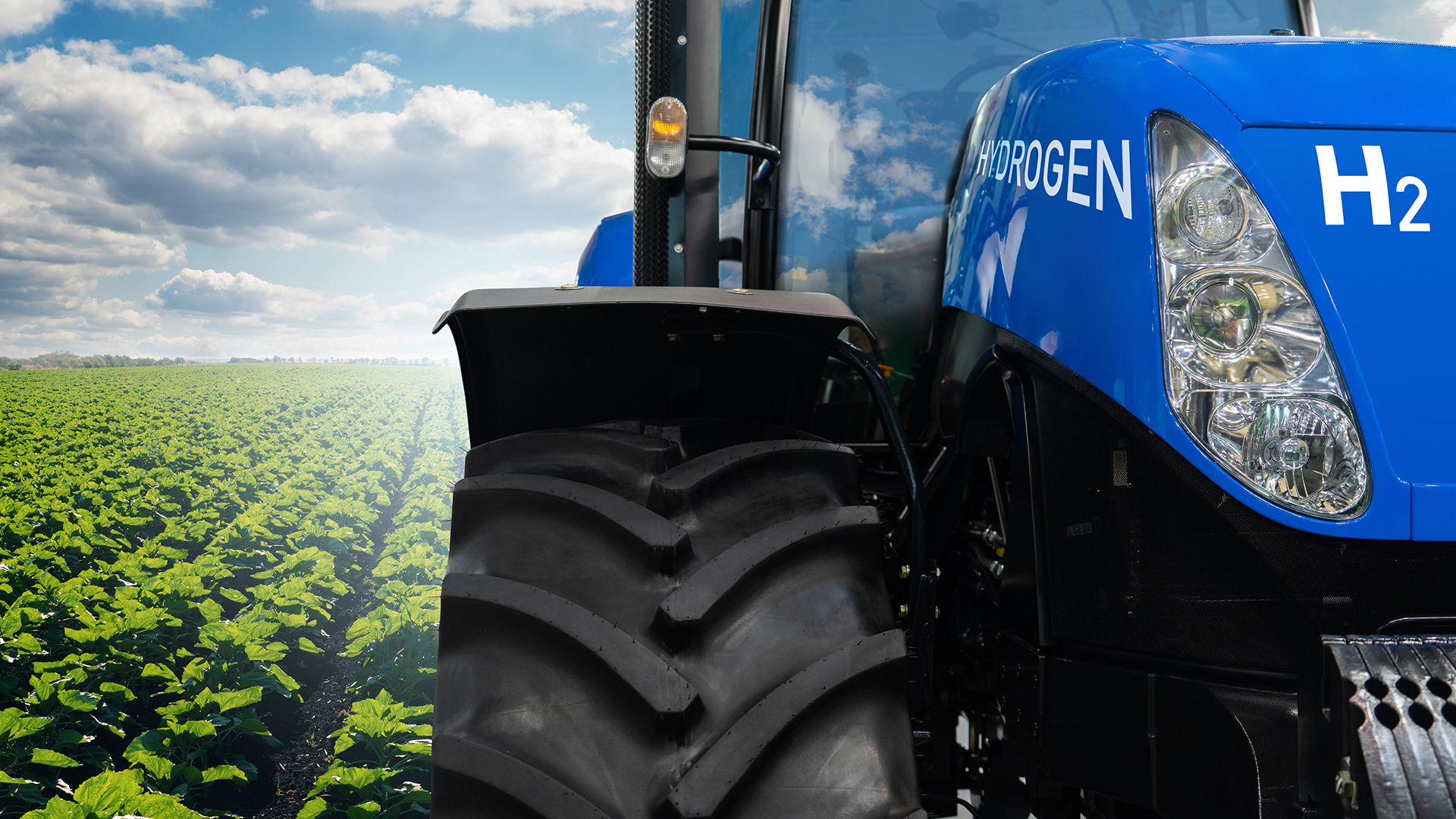
    In a consultation launched today, the government has detailed new regulations that will see hydrogen vehicles, such as tractors, diggers, and forklifts, rolled out to help these sectors go greener.

    Agriculture and construction produce significant carbon emissions. Hydrogen vehicles can significantly help decarbonise industries that are critical to the UK economy.

    The new regulations will allow hydrogen-powered tractors, diggers, and forklifts to be used on UK roads, with the consultation running for four weeks, closing on 24 April.

    Anthony Browne, the UK’s Technology and Decarbonisation Minister, explained the importance of the move: “Allowing hydrogen-powered tractors, diggers and forklifts to use our roads is a common-sense move to help reduce emissions.

    “These proposals are an important part of our plan to decarbonise transport in the UK, with skilled jobs in British companies helping roll out this cutting-edge hydrogen technology, making it more affordable and commonplace.”

    Benefits of hydrogen vehicles

    The rumble of tractors and digger excavators are vital sounds in agriculture and construction, but they also contribute significantly to greenhouse gas emissions.

    Hydrogen fuel cell technology offers a promising solution, bringing a wave of environmental and operational benefits to these crucial industries.

    Unlike traditional diesel or petrol engines, hydrogen vehicles produce zero tailpipe emissions. This translates to cleaner air on farms and construction sites, improving the health of workers and surrounding communities. Additionally, it helps combat climate change by reducing greenhouse gas footprints.

    Hydrogen fuel cells operate quietly compared to combustion engines. This creates a calmer work environment for operators and reduces noise pollution for nearby residents and wildlife. This can be particularly advantageous in noise-sensitive areas or during night time operations.

    Modern hydrogen fuel cells offer a range comparable to traditional diesel vehicles, allowing farmers and construction crews to work a full shift without needing to refuel. Refuelling times are also projected to be similar to diesel or gasoline, minimising downtime.

    Hydrogen vehicles also deliver high torque and power, which is ideal for the demanding tasks encountered in farming and construction. Whether it’s pulling heavy loads, operating hydraulic machinery, or navigating uneven terrain, hydrogen vehicles can provide the muscle needed for the job.

    Hydrogen fuel production can be linked to renewable energy sources like solar or wind power, creating a truly sustainable transportation cycle. This aligns with the growing focus on eco-friendly practices in both agriculture and construction.

    UK commitment to hydrogen infrastructure

    The consultation launch follows the government’s authorisation of construction equipment manufacturer JCB with a special order last year, allowing the testing of hydrogen-powered diggers on UK roads.

    The current proposals aim to extend this permission indefinitely throughout the sector, enabling manufacturers to efficiently increase the production of sustainable equipment, particularly where battery electric power is not feasible.

    Hydrogen, alongside electric power, stands out as one of the numerous sustainable fuel options capable of expediting decarbonisation efforts.

    Initiatives like the government-backed Tees Valley Hydrogen Hub demonstrate the practical utilisation of green hydrogen across the transportation sector, fostering job creation, apprenticeships, and economic growth in the region.

    [ad_2]

    Source link

  • The complex polyploid genome architecture of sugarcane

    [ad_1]

    Genome sequencing

    Illumina libraries

    Illumina libraries for this manuscript were sequenced on a combination of Illumina X10, HiSeq and NovaSeq platforms. HipMer assembly and selfed progeny (Extended Data Fig. 1a): sequencing libraries were constructed using an Illumina TruSeq DNA PCR-free library kit using standard protocols. Libraries were sequenced on an Illumina X10 instrument using paired ends and a read length of 150 base pairs.

    Single flow-sorted chromosome libraries

    Sequencing libraries were constructed using an Illumina TruSeq DNA Nano library kit using standard protocols. Libraries were sequenced on either the Illumina HiSeq2500 or NovaSeq 6000 instrument using paired ends and a read length of 150 base pairs.

    Remaining Illumina libraries

    Illumina Tight Insert Fragment, 400 bp–2 ug of DNA was sheared to 400 bp using the Covaris LE220 and size selected using the Pippin (Sage Science). The fragments were treated with end-repair, A-tailing and ligation of Illumina compatible adaptors (IDT) using the KAPA-Illumina library creation kit (KAPA Biosystems). The prepared libraries were quantified using KAPA Biosystems’ next-generation sequencing library qPCR kit (Roche) and run on a Roche LightCycler 480 real-time PCR instrument. The quantified libraries were then prepared for sequencing on the Illumina HiSeq sequencing platform using a TruSeq Rapid paired-end cluster kit, v.2, with the HiSeq 2500 sequencer instrument to generate a clustered flowcell for sequencing. Sequencing of the flowcell was performed on the Illumina HiSeq 2500 sequencer using HiSeq Rapid SBS sequencing kits, v.2, following a 2 × 250 indexed run recipe.

    PacBio libraries

    Continuous long-read PacBio sequencing primer was then annealed to the SMRTbell template library and sequencing polymerase was bound to them using a Sequel Binding kit v.2.1. The prepared SMRTbell template libraries were then sequenced on a Pacific Biosystem Sequel sequencer using v.3 sequencing primer, 1 M v.2 single-molecule real-time cells and v.2.1 sequencing chemistry with 1 × 600 sequencing video run times. PacBio HiFi sequencing was performed using circular consensus sequencing (CCS) mode on a PacBio Sequel II instrument. High molecular weight DNA was either needle-sheared or sheared using a Diagenode Megaruptor 3 instrument. Libraries were constructed using SMRTbell Template Prep Kit v.2.0 and tightly sized on a SAGE ELF instrument (1–18 kb). Sequencing was performed using a 30 h video time with 2 h pre-extension and the resulting raw data was processed using the CCS4 algorithm.

    RNA-seq libraries

    Illumina RNA-Seq with poly(A) selection plate-based RNA sample preparation was performed on the PerkinElmer Sciclone NGS robotic liquid handling system using Illumina’s TruSeq Stranded mRNA HT sample prep kit using poly(A) selection of mRNA following the protocol outlined by Illumina in their user guide: https://support.illumina.com/sequencing/sequencing_kits/truseq-stranded-mrna.html, and with the following conditions: total RNA starting material was 1 ug per sample and eight cycles of PCR were used for library amplification. The prepared libraries were quantified using KAPA Biosystems’ next-generation sequencing library qPCR kit and run on a Roche LightCycler 480 real-time PCR instrument. Sequencing of the flowcell was performed on the Illumina NovaSeq sequencer using NovaSeq XP v.1 reagent kits and an S4 flowcell, following a 2 × 150 bp indexed run recipe.

    Chromosome in situ hybridization

    Chromosome mitotic metaphase preparations and fluorescence in situ hybridization were performed as described in ref. 13. The S. spontaneum retro-transposon specific oligo probe was designed by Arbor Biosciences using their proprietary software based on the retro-transposon sequences as described in ref. 50. Probes were either labelled with fluorochromes ATTO 488 or ATTO 550.

    Single flow-sorted chromosome preparation

    Stems of adult plants were cut into single-bud segments, cleaned and soaked in 0.5% carbendazim solution for 24 h, placed in a plastic tray, covered with wet perlite and incubated at 32 °C in the dark, until the roots were approximately 1.5 cm long. For cell-cycle synchronization and accumulation of metaphases, the segments were washed in ddH2O, then transferred to a plastic tray filled with 150 ml 0.1 × Hoagland solution containing 3 mmol l−1 hydroxyurea and incubated at 25 or 32 °C for 18 h in the dark. After a 2 h recovery treatment, the roots were immersed in 2.5 µmo l−1 amiprophos-methyl solution and incubated for 3 h at 25 or 32 °C. Suspensions of intact chromosomes were prepared by mechanical homogenization of root tips fixed with 3% formaldehyde and 0.5% Triton X-100, and stained with 4′,6-Diamidino-2-phenylindole dihydrochloride (DAPI)51. The instrument used for flow sorting was a FACSAria II SORP flow cytometer (BD Biosciences) and Beckman Coulter MoFlo AstriosEQ cell sorter (Beckman Coulter). The software used was FACSDiva v.6.1.3 (BD Biosciences) and Summit v.6.2.2 (Beckman Coulter). For chromosome sorting, initial gating was set on dotplots DAPI-A versus FSC-A and the final sorting gate was set on DAPI-A versus DAPI-W dotplots to exclude chromosome doublets (Supplementary Fig. 15). The identity of flow-sorted fractions was determined by fluorescence microscopy of chromosomes sorted onto microscope slides51. The analysis revealed that chromosomes could be separated into a few size fractions and while the sorted populations were 100% pure chromosomes, it was not possible to sort individual sugarcane chromosomes. To overcome this problem and prepare samples of chromosome-specific DNA for sequencing, single copies of chromosomes were sorted and their DNA amplified52. This strategy for preparing sugarcane chromosomes for flow cytometry was first described in ref. 51 and is a modification of the protocol described in ref. 53.

    Optical map construction

    Ultra-high molecular weight (uHMW) DNA was isolated from agarose-embedded nuclei as previously described in ref. 54 with some modifications. Approximately 2 g of young, healthy R570 leaves were collected and fast-frozen in a 50 ml conical tube, ground in a mortar with liquid nitrogen and briefly incubated in Bionano homogenization buffer (HB+; Bionano Plant DNA isolation Kit; Bionano Genomics). Cell debris was filtered out by sequentially passing the homogenate through 100 µm and 40 µm cell strainers. Nuclei in suspension were pelleted by centrifugation at 2,000g at 8 °C for 20 min, resuspended in 3 ml homogenization buffer HB+ and subjected to discontinuous density gradient centrifugation as described in the Plant Tissue DNA Isolation Base Protocol (Revision D; Bionano Genomics). The nuclei-enriched interphase layer was recovered, pelleted and embedded in low-melting-point agarose using a 90-µl CHEFgel electrophoresis plug mould (Bio-Rad). The resulting plug was incubated twice, for a total of 12 h at 50 °C, in Bionano Lysis buffer supplemented with 1.6 mg ml−1 Puregene Proteinase K, washed four times in Bionano Wash Buffer and five times in TE buffer. The uHMW nDNA was recovered by melting and digesting the plug with agarase at 43 °C, followed by drop dialysis. In total, approximately 9 µg uHMW DNA was recovered at a concentration of 136 ng µl−1 and used for subsequent genome mapping processes.

    Genome mapping was performed using the Bionano Genomics Direct Label and Stain chemistry in a Bionano Saphyr instrument, using the method described in ref. 55, with a few modifications. Approximately 800 ng of uHMW DNA was used per reaction and a total of eight flow cells were loaded to collect molecules with a total combined length of 3,499,160 Mbp. A subset of 1,650,737 molecules with a minimum length of 450 kb, and N50 of 547 kb were selected for assembly. The final total combined length of the filtered subset was 1,097,878,758 bp, with estimated effective coverage of assembly of ×101.2.

    Genome assembly was performed using the Bionano Genomics Access software platform (Bionano Tools v.1.3.8041.8044; Bionano Solve v.3.3_10252018), running the pipeline v.7981 and RefAligner v.7989. Two separated assemblies were performed using the optArguments_nonhaplotype_noES_BG_DLE1_saphyr.xml parameters. The initial assembly was performed without complex multi-path region (CMPR) cuts and produced 570 maps with a N50 length of 36.444 Mbp and total map length of 7,654.039 Mbp. One additional assembly was performed using the CMPR cut option, which introduces map cuts at potential duplications to reduce potential homeolog and phase switching. CMPR-cut-enabled assembly generated 1,512 maps with N50 length of 9.546 Mbp and total map length of 9,282.351 Mbp.

    PacBio HiFi Bionano hybrid scaffolds were generated using the Bionano Genomics Access software (Tools v.1.3) and the DLE-1 configuration file hybridScaffold_DLE1_config.xml using auto-conflict resolution. In total, the genome was captured in 122 hybrid scaffolds (Scaffold N50 = 78.823 and maximum scaffold size of 131.769 Mbp. The total scaffold length was 5,074 Mbp, with 4.9 Mbp of sequence remaining un-scaffolded.

    Genome assembly overview

    Complete representation of all sequences in the 10 Gb genome of R570 was impossible without artificially duplicating collapsed sequences, of which there are many. To scaffold the contigs into chromosomes, we applied five complementary techniques (Supplementary Data). First, we used the Bionano optical map to initially order contigs into long-range scaffolds. Second, scaffolds were clustered into homeologous groups based on 237 linkage groups constructed from approximately 1.8 million simplex markers that were assayed from 96 self-pollinated progeny. Third, additional clustering was performed using genetic markers derived from single flow-sorted chromosome libraries sequenced from R570 (refs. 52,53). After making initial joins, both simplex and single-chromosome genetic markers were re-aligned putative chromosomes to investigate misjoins, which were broken and corrected. Fourth, we resolved overlapping scaffolds by checking for redundant collinear sets of Sorghum bicolor gene models mapped against the contigs using pblat56 with default parameters. Finally, we manually evaluated chromatin linkages from 558 Gb (approximately ×56) Hi-C data to manually verify joins made between scaffolds during chromosome construction (Extended Data Fig. 1a). The highly contiguous primary assembly (5.04 Gb, 12.6 Mb contig N50; 67 chromosomes) also includes optical scaffolds (‘os’; n = 20) and unanchored scaffolds (n = 56). The primary assembly contains 0.1% gaps with an LTR assembly index21 (LAI; measure of intact LTR elements) of 22.82, indicating the assembly is high quality and complete. Where possible, the alternate assembly (3.73 Gb, 2.1 Mb contig N50; comprised of nearly identical haplotypes in the primary assembly; discussed in Supplementary Data), was physically anchored to the most similar chromosome in the primary assembly based on best unique alignments using minimap2 (v.2.20-r1061)57. Contigs and scaffolds that did not have a single best unique alignment were left unanchored. It should be noted that this sequence similarity-based grouping does not suggest that contigs on alternative scaffolds with the same name (for example, Chr6E and Chr6E_alt) necessarily come from the same biological haplotype. Thus, we provide the alternate scaffolds to represent the complete population of sequences in R570, and not as a source for global comparisons against the primary or other reference genomes.

    Collapsed haplotypes

    To determine which regions of the genome were perfectly identical and collapsed into a single haplotype (in contrast to the alternate assembly that contains nearly identical haplotypes, which could be distinguished by the assembler but most often not by unique HiFi read placements), PacBio HiFi reads were re-aligned back to the assembly using minimap2 (ref. 57) (parameters: -M 0 –secondary=no –hard-mask-level -t 30 -x asm5). Read coverage (script: combinePAFsAndCount.R) was calculated using script: relative to the median depth (37) per 10 kb window, ignoring repetitive regions where the median coverage was greater than five (greater than ×185 raw coverage). Depth classifications (×0–4) were calculated from the median coverage ranges (×0 (0–0.25), ×1 (0.25–1.4), ×2 (1.4–2.3), ×3 (2.3–3.5), ×4 (3.5–5.0)), based on histogram peaks. Depth classifications per 10 kb window were converted to their run-length equivalent using the script: convertCountsToRLEs.R. To ensure accurate representation of haplotypes, NucFreq54 was used to analyse regions where haplotypes were collapsed (×2–4 depth regions; approximately 1.2 Gb of primary genome sequence). In summary, HiFi reads were aligned to the combined primary and alternate assembly using pbmm2 (v.1.1.0; parameters: –log-level DEBUG –preset SUBREAD –min-length 5,000 –sort). Samtools58 was then used to merge individual bam files (from each HiFi sequencing run) and exclude unmapped reads and supplementary alignments. (samtools view -F 2308). The NucFreq output coverage bed (obed) file was converted to run-length equivalents (script: RLEruns.R), where alternate base calls were greater than 20% of the combined coverage. To ensure adequate coverage for analysis, regions with outlier depth ranges beyond the 10th and 90th percentiles were excluded. Additionally, repetitive regions of the genome (95% repetitive, masked with a 24mer and 10 kb regions where greater than 90% of bases were annotated as retrotransposons (from LAI analysis) were also excluded using BEDtools59 subtract. Of the approximately 1.2 Gb considered, approximately 4.8 Mb of sequence (0.4% of considered regions; 0.1% of bases within constructed primary chromosomes) appear to contain non-identically collapsed haplotypes, mainly driven by high depth collapsed regions (×2–3 depth regions = 0.3% of bases; ×4 depth regions = 1.5% of bases).

    Genome annotation

    Gene models were annotated using our PERTRAN pipeline (described in detail in ref. 60 using approximately 3.7 B pairs of 2 × 150 stranded paired-end Illumina RNA-seq and 31 M PacBio Iso-Seq CCSs reads. In short, PERTRAN conducts genome-guided transcriptome short read assembly via GSNAP (v.2013-09-30)61 and builds splice alignment graphs after alignment validation, realignment and correction. The resulting approximately 1.5 M putative full-length transcripts were corrected and collapsed by genome-guided correction pipeline, which aligns CCS reads to the genome with GMAP61 with intron correction for small indels in splice junctions if any and clusters alignments when all introns are the same or 95% overlap for single exon. Subsequently 1,763,610 transcript assemblies were constructed using PASA (v.2.0.2)62 from RNA-seq transcript assemblies above. Homology support was provided by alignments to 17 publicly available genomes and Swiss-Prot proteomes. Gene models were predicted by homology-based predictors, FGENESH+ (v.3.1.0)63, FGENESH_EST (similar to FGENESH+, but using expressed sequence tags (ESTs) to compute splice site and intron input instead of protein/translated open reading frames (ORFs) and EXONERATE (v.2.4.0)64, PASA assembly ORFs (in-house homology constrained ORF finder) and from AUGUSTUS (v.3.1.0)65 trained by the high confidence PASA assembly ORFs and with intron hints from short read alignments. We improved these preliminary annotations by comparing sequences and gene quality between R570 subgenomes by aligning high-quality gene models between subgenomes and forming gene models from intragenomic alignments. We compared scores between these intragenomic homology-based models and the PASA assemblies; higher-scoring homology supported models that were not contradicted by transcriptome evidence were retained to replace existing partial copy. The selected gene models were subject to Pfam analysis and gene models with greater than 30% Pfam TE domains were removed. We also removed (1) incomplete, (2) low-homology-supported without full transcriptome support and (3) short single exon (less than 300 BP CDS) without protein domain nor transcript support gene models. Repetitive sequences were defined using de novo by RepeatModeler (v.open1.0.11)66 and known repeat sequences in RepBase.

    Comparative genomics

    Syntenic orthologs among the R570 primary annotation, S. bicolor (v.3.1)67, S. spontaneum (genotype AP85-441)32, Setaria viridis (v.2.1)68 and the R570 monoploid path16 were inferred via GENESPACE (v.0.9.4)23 pipeline using default parameters (analysis script: genespaceCommands.R). In brief, GENESPACE compares protein similarity scores into syntenic blocks using MCScanX69 and uses Orthofinder (v.2.5.4)70 to search for orthologs/paralogs within synteny constrained blocks. Syntenic blocks were used to query pairwise peptide differences among progenitor alleles, determine divergence among progenitor orthologs using S. bicolor syntenic anchors and search for progenitor specific orthogroups (scripts, PID_calc.R; GENESPACE_orthogroupParsing.R; Jupyter Notebook: r570_orthogroupProgenitorAnalysis_forSupp.ipynb).

    Structural variants

    To identify the large structural rearrangements (inversions, translocations and inverted translocations) and local variations (insertions and deletions), each homeologous chromosome group (B, C, D, E, F, G) was aligned to chromosome A using minimap2 (v.2.20-r1061)57 with parameter setting ‘-ax asm5 -eqx’. The resulting alignments were used to identify structural variations with SyRI (v.1.6)71 and annotation gff3 was used to obtain genes affected by variations between homeologous chromosomes.

    Orthogroup diversity

    Calculation of mean pairwise differences among progenitor specific homeologs was performed by first extracting all pairwise combinations of progenitor assigned alleles within orthogroups that were anchored by an S. bicolor ortholog. Among these, 25,000 peptide pairs per progenitor were randomly selected and pairwise aligned using R package Biostrings (v.2.70.2)72. Pairwise identity calculation was based on matches/alignment length (PID2; script PID_calc.R). Multiple sequence alignments among syntenic orthogroups for sugar transport gene candidates were performed using MAFFT (v.7.487)73 and were visualized using ggmsa74 (script MSAalignmentPlots.R). Fold scores for each peptide were calculated using ESMfold (v.2.0.1)75.

    Resistance gene analogues

    RGAs were annotated on scaffolds larger than 10 megabases with NLR-Annotator (v.2)38 using default parameters. The 4,116 predicted RGAs (Supplementary Table 11) were assigned to progenitors by intersecting the location of each motif with progenitor assignment blocks (Supplementary Table 6).

    Progenitor divergence

    To determine the neutral substitution rate between S. officinarum and S. spontaneum, 45,000 random ortholog pairs were extracted from all pairwise combinations of progenitor assigned alleles (n = 193,815) within S. bicolor anchored orthogroups. Peptide sequence pairs were aligned using MAFFT (v.7.487)73 and converted into coding sequence (CDS) using pal2nal (v.13)76. Pairwise synonymous mutation rates (Ks) among sequences were calculated using seqinr (v.4.2-16)77, finding a single synonymous (ks) mutation peak at 0.012 (Supplementary Fig. 13). Assuming a neutral nuclear mutation rate of 0.383 × 10−8 to 0.386 × 10−8 (ref. 78), S. officinarum and S. spontaneum diverged approximately 1.55–1.56 million years ago.

    Bru1 genetic and physical maps

    We developed a map-based cloning approach adapted to the high polyploid context of sugarcane to target the durable major rust resistance gene Bru1. Haplotype-specific chromosome walking was performed through fine genetic mapping exploiting 2,383 individuals from self-progenies of R570 and physical mapping exploiting two BAC libraries44,79. The high-resolution genetic map of the targeted region included flanking markers for Bru1 (at 0.14 and 0.28 cM), 13 co-segregating markers and the partial BAC physical map of the target haplotype included two gaps44; Fig. 3b. To complete the physical map of the target Bru1 haplotype, we constructed a new BAC library (using enzyme BamHI) using a mix of DNA from four brown-rust-resistant individuals from the R570 S1 population. The BAC library contained 119,040 clones with an average insert size of 130 kb and covered 3.2-fold the target haplotype and 1.6-fold the total genome.

    BAC-ends and BAC subclones from the four BACs (CIR009O20, 022M06, CIR012E03 and 164H22) surrounding the two remaining gaps (‘left’ and ‘right’) in the physical map of the Bru1 haplotype were isolated and used for chromosome walking (as described in ref. 44). Two BACs (CIRB251D13 (150 kb) and CIRB286F09 (130 kb)) were identified and sequenced to fill the right gap. Five BACs (CIRB009N07 (100 kb), CIRB114G05 (100 kb), CIRB127D08 (125 kb), CIRB210D07 (105 kb) and CIRB236L05 (150 kb)) reduced the size of the left gap by 35 kb, but an unsized gap remained. The R570 genome assembly spanned the entirety of the Bru1 target haplotype region with one contig, closing the left gap (99,750 bp) enabling all candidate genes in the region to be investigated (Fig. 3b).

    Bru1 candidate genes

    The target gap-filled haplotype that represented 0.42 cM and 309 kb was manually annotated, predicting a total of 13 genes (Fig. 3b and Supplementary Table 13). Nine of these genes were also present on all or some of the hom(e)ologous BACs/haplotypes in the R570 genome27. Three of the curated genes were present only in the insertion specific to the Bru1 haplotype. Other whole-genome annotated genes (SoffiXsponR570.03Dg024000; SoffiXsponR570.03Dg024100; SoffiXsponR570.03Dg024600; SoffiXsponR570.03Dg024700) in the region were short, mono-exonic peptides that either contained no protein domains or appeared to be annotated transposable elements, and thus were not supported in the curated candidate gene list (Supplementary Table 13). Among the 13 predicted genes, we searched genes that presented high homology with genes already shown to be involved in resistance mechanisms. We identify five such genes, four genes encoding serine/threonine kinases (genes 1, 5, 7 and 8) and one gene encoding an endoglucanase (gene 13). Annotation of these genes was refined manually through phylogenetic analysis that included genes with high homology from other plants present in databases and search of conserved functional protein domains.

    Gene 13, which encodes an endoglucanase, comprised 3 exons and two introns with a genomic size of 1.8 kb for a predicted transcript of 1.5 kb. Sequence alignment and phylogenetic analyses performed with beta-1-4 endoglucanase and beta-1-3 endoglucanase from monocots and dicots showed that gene 13 belongs to the beta-1-4 endoglucanase. This gene presents high homology (greater than 60%) with beta-1-4 endoglucanase from other plants and has the highest homology (88% of identity, 100% coverage) with the orthologous Miscanthus gene (CAD6248271.1). Beta-1-4 endoglucanases are involved in cell development80 in particular on elongation of the cell wall81 but have not been reported as involved in disease resistance. This suggested that this gene is not a good candidate for being Bru1.

    Gene 1 is composed of eight exons and seven introns. Its genomic size is 4.3 kb and the CDS size is 882 bp. The protein encoded by the gene has 96.5 % identity (100% coverage) with a kinase involved in cell division control in Sorghum (XP_002451427.1) and therefore, it did not appear to be a good candidate.

    Gene 5 is composed of six exons and five introns. Its genomic size was 1.1 kb and the predicted CDS size 534 bp. Alignment of its amino acid sequence with Interpro conserved protein domain database showed that only part of the protein (exons 4 to 6) has homology with subdomains VIb to XI of the serine/threonine kinases. This serine/threonine kinase was thus not complete, lacking some of the functional subdomains and appeared to be a pseudogene. Therefore, it did not appear to be a good candidate.

    Gene 7 is composed of six exons and five introns, and gene 8 has four exons and three introns. Both present homology with receptor-like kinases. Annotation of conserved protein domains showed that gene 7 has all the 12 subdomains of kinases and thus could encode a functional protein, while gene 8 encompasses only part of these sub domains (I to VII) and could correspond to a pseudokinase. The classification with the ITAK database (http://itak.feilab.net/cgi-bin/itak/index.cgi) revealed they both belong to the RLK-PELLE-DSLV family45, the same family to which belong the barley stem rust resistance gene (RPG1 (ref. 46)) and the wheat yellow rust resistance gene (Yr15 (ref. 47)) shown to be a tandem kinase-pseudokinase (TKP). In addition, the third intron of gene 7 has a very large size of approximately 11 kb, including a large TE, a particular structure shared with RPG1 and Yr15 TKPs. Bru1, like RPG1 and Yr15, is among the relatively rare resistance genes that confer durable fungal resistance. This tandem kinase-pseudokinase (TKP7 and TKP8) is therefore a solid candidate for Bru1.

    Reporting summary

    Further information on research design is available in the Nature Portfolio Reporting Summary linked to this article.

    [ad_2]

    Source link