In 1996 the United States hit peak potato. Americans were eating 64 pounds of the vegetables each year—more than at any point since modern records began in 1970. A record-breaking harvest had flooded the country with so many spuds that the government had to pay farmers to give them away. In the White House, the Clintons were foisting potatoes—fried, marinated, boiled, garlicked—onto princesses and presidents at official dinners.
“It was a crazy time,” says Chris Voigt, whose long career as a potato-pusher started in the potato frenzy of the late 1990s. “Literally you could buy buckets of french fries.” But as Voigt made his way up in the potato industry, all the way to executive director of the Washington State Potato Commission, the American potato was undergoing a dramatic shift in fortunes.
The average American is now eating 30 percent fewer potatoes than during the vegetable’s heyday, down to an all-time low of 45 pounds per year. The drop in consumption of fresh potatoes—for boiling, roasting, mashing, and steaming—has been even faster. In 2019, frozen potato consumption overtook fresh potatoes for the first time, opening up a gulf that has continued to widen since the pandemic. Most of those frozen potatoes are eaten as french fries.
This has seen potato fields become battlegrounds for the future of food in America. In December 2023, reports emerged that US dietary guidelines might change to declassify potatoes as a vegetable, mirroring the approach taken in Britain. There was such an uproar that US Department of Agriculture secretary Thomas Vilsack was forced to write a letter reassuring senators that his agency had no such plans.
That reclassification may have failed, but the potato has had a spectacular fall from grace. Once this miraculous nutrient-dense vegetable was the fuel of human civilization. Now the spud in the US has become synonymous with a garbage, industrialized food system that pours profits into a handful of companies at the expense of people’s health.
America’s favorite vegetable is facing a Sophie’s Choice moment. Should we accept that fresh spuds have lost the fight against the tide of fries, hash browns, and waffles, or is there hope for a potato renaissance? Can the humble spud achieve the rehabilitation it deserves?
The white potato is a criminally underrated food. Compared with other carb-loaded staples like pasta, white bread, or rice, potatoes are rich in vitamin C, potassium, and fiber. They’re also surprisingly high in protein. If you hit your daily calorie goal by eating only potatoes, then you’d also exceed your daily goal for protein, which is 56 grams for a man aged 31–50.
Chris Voigt knows this because for 60 days in 2010 he ate nothing but potatoes. And a little oil. And one time some pickle juice. But the point is, for two months Voigt didn’t just survive on potatoes, he thrived. By the end of his diet Voigt had lost 21 pounds, his cholesterol was down 41 percent, and he’d stopped snoring. “I think I’ve personally proven that the potato is highly nutritious, no matter how you eat—whether you boil it or fry it, cook it in the oven, or steam it,” Voigt says.
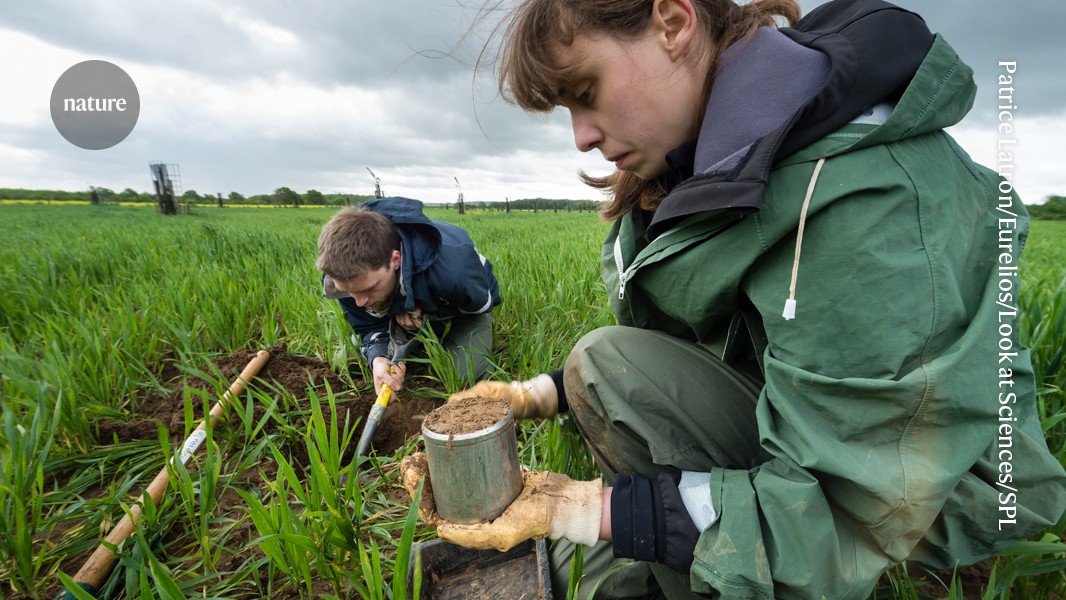
Scientists can measure the carbon-storage capacity of various types of soil.Credit: Patrice Latron/Eurelios/Look at Sciences/Science Photo Library
When it comes to carbon, humanity has two pressing problems. First, there’s too much of it in the atmosphere. The atmospheric concentration of carbon dioxide has increased by about 50% since the start of the industrial age, from 280 parts per million to nearly 420 parts per million in 2023 (see go.nature.com/2j4heej). Much of that comes from the combustion of fossil fuels, but agriculture is a major contributor. Each year, around 13.7 billion tonnes of CO2 or equivalent greenhouse gases is released into the atmosphere by agricultural processes, with more than one-quarter of global greenhouse-gas emissions arising from food production1.
The second carbon problem is that there isn’t enough of it in the soil. Soil carbon has been drastically depleted around the world, thanks to intensive farming practices that have been developed to feed the growing population. One estimate suggests that around 133 billion tonnes of carbon — about 8% of total organic soil carbon — has been lost from the top 2 metres of soil since the advent of agriculture some 12,000 years ago. Around one-third of that loss has occurred since the Industrial Revolution in the 1800s2.
This imbalance means that agriculture has an ace up its sleeve: although it’s currently a carbon source, it also has the potential to be a carbon sink, which could alter the planet’s climate-change trajectory (see ‘Green horizons’). It’s not only possible, but it’s relatively easy to recharge soil organic carbon stocks by supporting and enhancing the natural processes that draw and convert CO2 into soil carbon.
Source: FAOSTAT for 2021 and model projections for future years
The latest Intergovernmental Panel on Climate Change (IPCC) synthesis report3 puts carbon sequestration in agriculture as one of the highest potential contributions to reducing net emissions. At around 3.5 gigatonnes of CO2 or its equivalent greenhouse gases per year, this is greater than the emissions from the entire European Union in 2022 — exceeded only by a conversion of current energy supplies to solar or wind energy, or reduced destruction of natural ecosystems. The challenge is to ensure that this happens fast enough, and at a low enough cost, for it to make a substantial contribution to achieving global net-zero carbon emissions by 2050.
The agricultural techniques that can help to increase soil carbon sequestration aren’t necessarily complex. But with the looming deadline of net-zero carbon emissions by 2050, as set by the Paris climate agreement, the pressure is on scientists to identify the most efficient, effective and rapidly scalable methods for soil carbon sequestration and how these can help to achieve the dual goals of mitigating climate change and improving soil health.
Carbon farming
Soil organic carbon is the result of the CO2 that plants have extracted from the atmosphere and incorporated into their structure, especially root systems, being used to nourish other living organisms in the soil.
Nature Spotlight: Agricultural sciences
“Before soil carbon was even a thing from a climate-change perspective, people were promoting the increase of organic matter in the soil to improve its fertility, to improve water-holding capacity and resilience to droughts, and to prevent erosion,” says Peter Smith, a soil scientist at the University of Aberdeen, UK, and science director of Scotland’s ClimateXChange centre in Edinburgh, UK. “Nobody disagrees that increasing the amount of soil organic matter is a good thing,” Smith says.
The good news is that increasing soil carbon isn’t high tech. Evolution has already done most of the hard work by giving plants the ability to extract CO2 from the atmosphere through photosynthesis, turning it into carbohydrates and oxygen. The plants assimilate that carbon into their cells and tissues, which eventually become integrated into the soil when the plant sheds matter in the form of leaves, branches, flowers or fruit, or when it is consumed by other organisms, or when the plant dies and decomposes.
The biggest barrier to this process is humans and the bad habits that we have developed to squeeze better short-term yields out of soil. One of these is tilling, particularly the deep ploughing that is commonly used to prepare the soil for planting. “A century ago, one of the things that made the prairie regions across the globe so fertile is that when we tilled them, the organic matter degraded and that released tremendous amounts of nutrients and produced bountiful crops,” says David Burton, a soil scientist at Dalhousie University in Halifax, Canada. That process breaks up the soil, including the root systems of the crops and grasses, causing the release of CO2 into the atmosphere. Tilling also destroys the structure of the soil and increases the risk of erosion by wind or water, which can in turn cause more CO2 to be released.
Agricultural practices such as ploughing release carbon dioxide into the atmosphere.Credit: Jonas Gratzer/LightRocket/Getty
Therefore, one way to potentially keep that carbon in the soil is to reduce or eliminate tilling in what’s called no-till or zero-till agriculture. Instead of turning over large amounts of soil to plant seeds or seedlings, farmers use equipment that creates either a narrow channel or a hole into which the seed or seedling can be planted. The residue of the previous season’s crop — stubble, stalks and stems, for example — is left in the soil and on the surface. The idea is that this reduces the disturbance of the soil structure and leaves more of the soil organic carbon in place.
Although carbon sequestration through no-till is promising, the evidence is mixed. Research suggests that the amount of soil carbon sequestered with no-till farming varies with climate and soil type. One analysis found evidence that the greatest increase in soil carbon with no-till agriculture occurred in warmer and wetter climates rather than in cooler and drier climates4. However, less tilling does mean less fuel consumption — because farmers don’t have to plough as often and as deep — and therefore lower emissions. For example, the use of low-till farming in the United States is estimated to have saved the equivalent of around 3,500 million litres of diesel annually, enough to offset the annual CO2 emissions of around 1.7 million cars5.
Another method to increase the retention of soil carbon is to grow cover crops alongside the main crop, instead of manually pulling up or poisoning weeds that appear. This keeps the root structure and its soil carbon contribution intact and in place. A study of two Australian vineyards found that allowing grasses to grow in between the rows of grape vines was associated with a nearly 23% increase in soil organic carbon over a 5-year period compared with the conventional method of using herbicide to control grass growth6. The practice is gaining momentum in North American vineyards , and it is already well established in European ones, where cover crops such as clover and barley have been shown to improve soil carbon levels while reducing weeds7.
There is also a growing interest in the carbon sequestration potential of adding inorganic, or mineral carbon, to agricultural soils through a process called enhanced weathering. This involves adding ground-up silicate rock, such as basalt, to the soil. The minerals in the rock dust — mainly magnesium and calcium — interact chemically with CO2 in the atmosphere to form carbonates, which remain in the soil in a solid form or dissolve and gradually drain out to the ocean through the water table8.
A four-year study, which was published in February, of the US corn-belt region found that applying crushed basalt to maize (corn) and soya bean fields was associated with sequestration of an extra 10 tonnes of CO2 per hectare per year, while also increasing crop yields by 12–16%9. “It’s one of the most intensively managed areas of agricultural land in the world, so if it works there, then you’ve got kind of instant scalability,” says study co-author David Beerling, a biogeochemist and director of the Leverhulme Centre for Climate Change Mitigation at the University of Sheffield, UK.
Deforestation is another major contributor to agricultural sector carbon emissions, particularly in cattle farming10, in which forests are bulldozed to create pastures for animals. Agroforestry — the integration of trees into farming systems — is one way to mitigate this problem. Growing trees and shrubs among crops and pastures not only increases carbon sequestration in the soil and the tree biomass, but also provides further benefits including wind-breaks and shade for cattle. Agroforestry is well established in many parts of the world, including in tropical areas where trees provide shade for crops such as coffee beans.
As promising as soil carbon sequestration looks on paper, it has a limit, says Smith. “If we’re chucking it all up from geological sources, the biological sinks aren’t enough to suck up all that carbon,” he says. It’s also finite — there is a limit to how much carbon an area of land can sequester. The question is: what is that limit?
Measure, monetise, incentivize
Soil scientist Rattan Lal, director of the Lal Carbon Center at Ohio State University in Columbus, says that if the world switches to non-fossil-fuel sources of energy, it will be possible to achieve a long-term positive soil carbon budget in which more carbon is absorbed by agriculture than is generated by it. “By 2100, the [carbon] sink capacity of the land is about 150 to 160 gigatonnes of carbon, and another of the same amount for trees,” Lal says. That amounts to around two gigatonnes of carbon per year that could be sequestered in soils. Other studies suggest that number could be as high as 4–5 gigatonnes of carbon per year11. Given global emissions now sit at around 35 gigatonnes per year, this is a substantial proportion12.
Even at the lower estimate, if the entirety of that atmospheric carbon removal is realized, Lal’s research suggests it could reduce global atmospheric concentrations of CO2 by around 157 parts per million13, which would completely remove all the extra CO2 emitted since the start of the Industrial Revolution. “Agriculture could be a part of the solution,” he says.
Soil scientist Rattan Lal at Ohio State University in Columbus says that a switch to non-fossil fuels should make it possible for more carbon to be absorbed by agriculture than is generated by it.Credit: The Ohio State University
However, the soil-science community is divided over whether sequestering carbon in soils could be part of the climate-change remedy, says Alex McBratney , a soil scientist and director of the Sydney Institute of Agriculture at the University of Sydney, Australia. Even today, there are some people who think it’s simply too difficult because of the challenge of measurement.
Soil carbon content varies a lot geographically, even over short distances, so getting a reasonably accurate measurement at a point in time means taking lots of samples — and that can add up financially. Soil carbon also fluctuates naturally, depending on weather conditions and other factors. And the change in soil carbon levels over time might also be small relative to the overall amount of carbon in the soil, which makes it harder to record a significant change.
Soil carbon levels also change slowly. “We would say, as a rule of thumb, that it probably takes of the order of five years to show observable differences … that you can detect against the background of this natural variation,” McBratney says. Combined with variability, this makes it challenging to show that extra soil carbon has been sequestered, especially in a cost-effective manner.
Cultivating change
Despite the uncertainties of soil carbon sequestration, it is a hot topic when it comes to emission reductions. Governments have leapt enthusiastically, and sometimes prematurely, into capitalizing on the possibility of buying and selling carbon credits from agriculture. These are credits earned from reducing carbon emissions that can be used to offset carbon emissions from other sources or sectors — a win-win situation, given the added benefits of improving soil health.
Marit Kragt, an agriculture and resource economist at the University of Western Australia in Perth, became interested in soil carbon sequestration shortly after the Australian government introduced the Carbon Farming Initiative act in 2011. Her concerns were that the policy had been formulated with little scientific or economic data on, for example, the best practices for sequestering soil carbon, the impact of climate, the cost to farmers and whether soil carbon sequestration would truly increase overall soil carbon.
This cost-benefit analysis will be crucial to overcoming the sociocultural barriers to change. There is resistance to changing farming practices, particularly when the advice to do so comes from scientists or policymakers, says Kragt. “Sociocultural change is actually really important in any society, but is often forgotten,” she says. “When you have a group of people advocating for something and they’re not part of the farming community or trusted peers, there is push back.”
However, Kragt says that most farmers who implement carbon-positive farming techniques don’t do it for the credits. “I think most people that have taken up carbon farming practices will have done so because they wanted to regenerate their environment,” she says. Many farmers are also concerned about climate change because they can see the impact on their livelihoods. “They have seen the bushfires, droughts and extreme heat that’s affecting their harvests, so they know that something needs to change.”
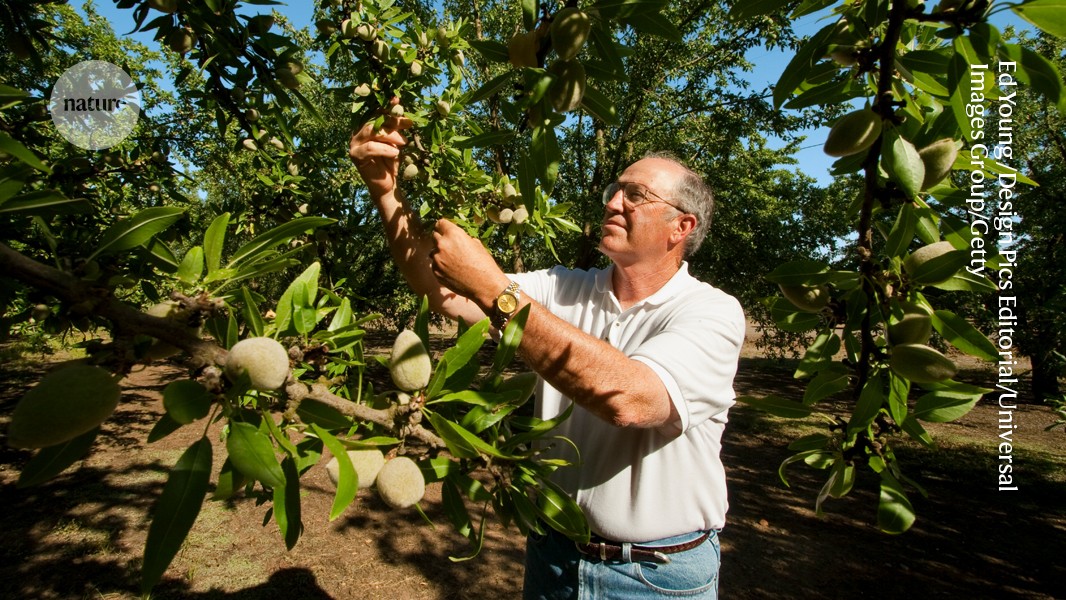
Almond farmers in California are under pressure to reduce the amount of water they use.Credit: Ed Young /Design Pics Editorial/Universal Images Group/Getty
From the Dust Bowl era of the 1930s in North America to the droughts in Ethiopia in the 1980s, Australia in the early 2000s and Syria, Iraq and Iran in 2020, the spectre of water shortages has long hung over the world’s farmlands. When rain fails to arrive season after season, crops wither and cattle starve, and famine and conflict often follow. Climate change brings a whole new level of unpredictability to the rainfall that farmers rely on, either to water their crops directly, or to feed the rivers, lakes, ground water and snowpack from which they draw water for irrigation. And that means agriculture is having to adapt — quickly.
But crops that have been cultivated in the same place or cattle that have occupied the same rangelands for centuries can’t just be packed up and moved to a new area when rain patterns change. Instead, producers — and the governments that rely on them to nourish the populace and the economy — are having to rethink what is really involved in future-proofing an industry that humanity can’t live without. Some of the solutions lie in engineering crops to be more drought tolerant, or choosing crop varieties that are inherently better able to survive in drier conditions. But they also lie in an approach that requires economic and agricultural flexibility.
Nature Spotlight: Agricultural sciences
The Intergovernmental Panel on Climate Change has forecast that the percentage of the world’s population exposed to extreme drought will increase from 3% to 8% by 2100. If global warming exceeds 3 °C above pre-industrial levels, around 170 million people — mostly in low- and middle-income countries — face extreme drought.“I can see that Africa, Latin America and the Mediterranean continues to become drier,” says Hideki Kanamaru, a natural-resources researcher at the United Nations Food and Agriculture Organization in Rome. “These are particular areas of concern [because they] overlap with the historical trend of droughts.”
Modelling suggests that rainfall will generally increase at higher latitudes — towards the poles — but decrease over subtropical areas. Over the past century, there has been a trend towards more rainfall in eastern North and South America, northern Europe, and northern and central Asia. However, there has been less rainfall overall in the Sahel, southern Africa, the Mediterranean and southern Asia. Climate change is also likely to alter monsoon rain patterns, which many agricultural regions rely on for predictable rainfall.
However, this isn’t the only water-scarcity threat faced by producers. Amal Talbi, a hydrogeologist and water-resources management specialist at the World Bank in Washington DC, says that drought can also arise from economic water scarcity.
Whereas physical water scarcity is when there is not enough water to meet the needs of agriculture or other uses that need fresh water, economic water scarcity is when, “you have the water, but you don’t have access to the water because you don’t have the infrastructure,” Talbi says. This distinction is important because the approach to solving these problems is very different.
Flexible food strategies
Physical water scarcity can be tackled in several ways. The first is to use less water overall: “Either you reduce your irrigation area, or you change the crops, so you use crops that use less water,” Talbi says. The second is to boost water sources with methods such as wastewater reuse or desalination plants.
Another method is to be flexible with what crops are grown and when, and then use this to make the most of both water and market demand. This is the approach taken by Jordan, one of the most water-scarce nations. Receiving less than 50 millilitres of rainfall per year, the country is facing an even drier future, with its freshwater supplies per person now just 3% of what they were two decades ago, owing in part to climate change. Despite this, agriculture contributes around 30% of the country’s gross domestic product.
Severe droughts in eastern Australia in 2019 meant farmers had to feed cattle with fodder imported from the other side of the country.Credit: David Gray/Getty
Jordan’s answer to worsening water shortages is to focus on growing high-value, water-intensive crops for export, such as strawberries and tomatoes, in the central and northern Jordan Valley region. Although this area gets some rainfall, farmers also have access to the Jordan River and the King Abdullah Canal, an irrigation project that provides water to the Jordan Valley.
It might seem illogical to grow water-hungry crops in a water-deprived landscape, but Talbi says it makes more sense than growing a crop such as wheat. “For the same land, what you would get in terms of these foods — exporting them, getting that money and then buying wheat — you will have much more than if you were using wheat in that area,” she says. Jordan also has another advantage: its climate means that those high-value seasonal products ripen earlier than they do in regions such as Spain and Portugal, so Jordan gets them to European markets ahead of other producers. “In a way, it is among the best countries in the region in terms of managing the water scarcity, given that they have so little options,” Talbi says.
Morocco has a more complex water scenario to negotiate because different parts of the country experience different rainfall. Its largest crop is wheat, followed by barley, but it also produces high-value, water-hungry crops such as tomatoes, potatoes, citrus fruits and watermelon. Farmers and businesses there, like those in Jordan, grow high-value crops in irrigated areas where the water supply can be more carefully controlled and is therefore reliable, and save the less water-hungry crops for the rain-fed regions. “Roughly 50% of the time Morocco has a low rainfall, 50% it has good rainfall, so it has high variability,” Talbi says. When rainfall is good, they plant wheat and grains, and when it isn’t they maximize their irrigated high-value crops and use this money to buy wheat and to compensate the grain farmers.
Change in the times
Another factor that influences physical water availability is changes to the timing of previously predictable climatic patterns. In the northwest United States — Oregon, Washington and Idaho — wheat, tree fruit such as apples and cherries, and potatoes are the dominant crops. These are watered by a combination of rain and irrigation, the latter of which relies on the annual snowpack melting and delivering a flush of water to rivers and lakes in the Columbia River basin.
But rainfall patterns are changing, says Georgine Yorgey, the associate director of the Center for Sustaining Agriculture and Natural Resources at Washington State University in Mount Vernon. “We’re going to hold less water in snowpack, more precipitation falling as rain at shoulder times of year and in shoulder elevations, and then also earlier snowmelt,” Yorgey says. And that has implications for planting and harvesting. “We have more of a mismatch between when the water comes and when the water is needed.”
The timing of a crop’s sensitivity to water stress — when it is likely to have the greatest impact — varies between crops, Kanamaru says. “The last stage — ripening through harvest stage — they are not so sensitive to water stress,” he says. “The next critical stage is planting to early vegetation and the most critical stage is during reproduction.” If rainfall patterns change, it could mean that the timing of planting and harvesting of crops has to change. It’s not a new strategy in agriculture, but one that is being considered much more broadly in the face of shifting temperatures and rainfall patterns. One study has found evidence that the sowing of spring crops such as maize (corn), rice, sorghum and soya bean can shift by 10–30 days across different regions (S. Minoli et al. Nature Commun. 13, 7079; 2022). Another project in Australia found that moving the planting window for sorghum forward by four weeks reduced the risk of high summer temperatures causing heat stress during flowering (see go.nature.com/3vp3dt3).
However, being flexible and tailoring each year’s agricultural focus to rainfall works only with crops that are planted and harvested in yearly cycles. It’s less viable for longer-lived crops, such as tree nuts, as California’s almond industry is discovering. The almond sector has quadrupled in size in the past 20 years, and is now the fourth largest agricultural commodity in the state, supplying around 80% of the world’s almonds. This expansion comes at a water cost: in 2021, the crop consumed 520 billion gallons more water than it did in 2017.
Strawberry farmers in Morocco grow the crop in irrigated areas where the water supply is carefully controlled but reliable.Credit: Youssef Boudlal/Reuters
In the past two years, drought has forced a reckoning, and there are now calls for the almond industry to reduce in size to preserve the state’s water supply in times of shortage. An almond tree can take around seven years to become fully productive, so it’s an industry that can’t just turn on a dime. As a result, producers are facing some tough decisions about its future viability in a drier, hotter climate.
Cattle are a lot more mobile than an almond tree, but even in a country with grazing lands as vast and expansive as Australia’s, droughts have had devastating effects on this agricultural sector. “There were genuine shortages of feed for livestock. We had farmers in the eastern side of Australia with very hungry livestock, having to pay very high prices to ship grain and fodder from the other side of the country because there was none in eastern Australia,” says Neal Hughes in Geelong, Australia, who is an economist at the Australian Bureau of Agricultural and Resource Economics and Sciences — a national government research agency.
Australia is usually a significant exporter of grain around the world, accounting for around 13% of all global wheat exports. But during the last devastating drought, which culminated in the Black Summer bush fires of 2019 and 2020, Australia’s contribution to wheat exports dropped drastically, and the nation even ended up having to import small amounts of grain to meet domestic needs, Hughes says. It was a shot across the bow of a country with an economy that is heavily dependent on its natural resources, warning that climate change could threaten a long-cherished status quo.
An issue of access
Economic water insecurity is a very different challenge, because solutions require a cross-disciplinary approach. A big issue is that the water exists, but requires efficient and affordable irrigation to enable farmers to get to it. In regions such as West Africa and the Sahel, the cost of irrigation is astronomical compared with that in other nations, Talbi says. For example, to irrigate one hectare in the Sahel can cost up to US$20,000, whereas doing the same in China might be around $600–700 per hectare, she says.
One reason is that the supply chain for irrigation equipment is not yet established in Africa, so these products must be imported. Getting irrigation set up not only where it’s needed, but how it’s needed is also a challenge. Pumps and infrastructure can’t simply be parachuted in for free, Talbi says. Those systems have to be built from the ground-up if they are to be sustainable in the long term.
Water isn’t the only challenge that agriculture faces in a climate-changed future, but historically it has been the most devastating, accounting for at least half of agricultural losses, Kanamaru says. And that’s only going to get worse. “Climate change is an additional amplifier to the long-standing problems of managing water,” he says.
Finding solutions will require a holistic approach. “There are many parameters: variables we can modulate in this complex balance between demand and supply of water,” he says. “But I think we need to take a step back and look at the water budget of the whole hydrological cycle.”
Cashew nut shells contain an acid that can be made into biofuel
Janet Horton/Alamy Stock Photo
As the shipping industry hunts for ways to slash greenhouse gas emissions, companies are experimenting with cleaner fuels made from cashew shells and other types of biomass to power their vessels. But it is unlikely there will be enough of such biofuels to make much difference for an industry that consumes hundreds of millions of tonnes of fossil fuels each year.
“The shipping industry has been on this walk through the desert just trying to find stuff that works in their existing infrastructure,” says …
The UK farming and food industry has received a significant boost, with the government announcing major backing.
Announced by the Prime Minister at the Farm to Fork Summit, the package of measures will support workers in the UK farming sector to boost domestic food security, technological innovation, increase economic growth, and cultivate the next generation of farming and food leaders.
A new Blueprint for Growing the UK Fruit and Vegetable Sector was also revealed, outlining how industry and the government will collaborate to increase food production and drive investment in the sector, which provides more than £4bn to the country’s economy.
Environment Secretary Steve Barclay said: “Food security is vital to our national security, which is why today’s summit is so important, bringing together government and key representatives from the farming and food sector at Downing Street.
“Today’s announcements will turbocharge the growth of our horticultural sector, supporting the building of cutting-edge glasshouses and innovative farming techniques to put British fruit and vegetables on our plates all year round.
“We will continue to invest in and support farmers to produce the best of British food to strengthen our food security, championing innovation in the sector.”
Growing the UK farming and food sector
The government says its new plan will ensure the industry has access to affordable, sustainable energy and water and will cut ‘red tape’ around planning to make it quicker and easier to build glasshouses.
It also includes substantial investment to boost innovation, with Defra aiming to double the amount of funding given to horticulture businesses by up to £80m compared to the EU legacy Fruit and Vegetable Aid Scheme.
Extended Farming Recovery Fund
The government will extend the Farming Recovery Fund to aid farmers impacted by flooding.
Temporary adjustments will be made for farmers and land managers struggling to meet the Environmental Land Management Schemes due to wet weather conditions.
Funding for internal drainage boards
An additional £75m will be allocated to internal drainage boards (IDBs) to expedite recovery from the winter 2023-24 storms.
This funding will also provide opportunities to modernise and upgrade assets, enhancing resilience for farms and rural communities.
Ensuring fairness in the food supply chain
To promote fairness across the food supply chain, the government will implement regulations to improve equity in the fresh produce and egg sectors.
Farming Minister Mark Spencer added: “This government will always back British farmers. Food production is the primary purpose of farming, and our farmers and food producers work hard to keep the nation fed despite challenges, including flooding.
“Supporting our farmers and food producers is at the heart of our plans, and we are committed to working with them.
“We are pressing on with our plan by investing in food security and resilient farming businesses, providing business advice, and cutting unnecessary red tape.
It is an exciting time, and we are investing in innovation, ensuring the sector has the labour it needs, further embedding fairness in the supply chain, and making sure the sector is attracting the best and brightest.”
A new study has found that relying on water storage will not be enough to compensate for declines in future water availability in western agricultural communities.
Western agricultural communities in the US are heavily reliant on mountain snowpacks and their gradual melt for water storage and supply, and climate change is expected to upend the reliability of this natural process.
Many communities in this part of the country are examining ways to adapt to a future with less water.
Water management systems were designed to store winter precipitation and release it downstream during drier months.
However, climate change is altering snowmelt patterns in ways that will make it difficult for existing systems to meet the needs of downstream water users.
As the world’s largest user of freshwater, western agriculture is at particularly high risk from these changes.
In contrast, water conservation strategies such as reducing total crop acreage, periodic crop fallowing, and shifting toward higher-value crops can help manage these risks.
Water conservation strategies can help restore capacity in agricultural communities
By identifying agricultural communities considered at risk from looming changes in snowfall and snowmelt patterns, the researchers found that water conservation measures like changes in crop type and extent were more stable adaptive strategies than changes to reservoir capacity.
By the end of the century, many areas could have less than half the water they have historically relied on to refill their reservoirs, but changing the types and extent of their crops could help by restoring an average of about 20% of reservoir capacity.
The research team included scientists with the diversity of expertise needed to capture the complexities of water systems while balancing concerns for locally focused adaptation.
“A lot of decisions about water are made at the local level, but there’s this big disconnect between that reality and the macro-scale level of most research on this topic,” explained Beatrice Gordon, who led the study.
“We really wanted to understand what the future could look like at the scale that most agricultural communities manage their water resources.”
Building a risk assessment framework
To find out how risk management practices could work on a community-level scale, the researchers built a comprehensive risk assessment framework based on guidance from the Intergovernmental Panel on Climate Change (IPCC).
They gathered historical data on irrigation water supply, agricultural water demand, snow storage and snowmelt patterns, and more for each of the 13 communities.
They then used projections for the future climate through 2100 to understand how supply and demand dynamics may change in the near future.
The researchers selected western agricultural communities located in headwaters areas, making them both subject to significant changes in future climate and sentinels for the future of the West.
Several are located in the Upper Colorado River Basin, which feeds into the river’s main stem—a water system that supports more than 40 million people.
“A lot of these areas are providing downstream water to other communities,” Gordon said. “So, if they have an increase in demand and a decrease in supply, it impacts not only that area but also the areas that rely on that water downstream.”
The study results show that there will be a stark decline in how much many of these communities will be able to refill their reservoirs in just a few decades, with some seeing declines to about half of the water they were historically able to store.
Mara Galeano Carraro of the Soil Association discusses the importance of biodiversity in ensuring a healthy diet and agricultural sustainability.
It’s too easy to fall into the trap of this food or thing is ‘good for you’ and this one is ‘bad for you’. Whilst our logical category-sorting brains might like to neatly place foods, items, and often people into neat little categories, nature has more of a smorgasbord approach to things.
Biodiversity in relation to a healthy diet
The most recent research on diet and health points to the importance of a varied and balanced diet, where we eat all kinds of foods in moderation, both in terms of the diversity of foods on our plates and the amount that we eat at any given time.1 This gives us some indication that our bodies, the ecosystems that they are in their own right, prefer diversity over sameness day in and day out.
So much money has been spent in past decades trying to convince the purchasing consumer that one particular kind of food is better or far worse for you than another. Whole food groups have been villainised just as quickly as they were held in the highest dietary esteem. We were told that protein is what you need most, and then fat and carbs would kill you.2 In reality, the human body requires all the major food groups: fats, proteins, and carbs in order to survive, as well as many micronutrients, minerals, and vitamins. None are empirically worse than the other; we now know that true health in relation to diet comes down to your digestion and what happens to these foods once you start to ingest them.3
A huge portion of the picture that has only recently started coming into view relates to how we support our intestinal ecosystems as we choose what we eat. In this field, it is becoming increasingly apparent that our inherited microbiomes are ancient and that they live in the most harmony with a balanced and varied diet containing lots of plants and minimally processed produce – as would have been our diet for many centuries.
Biodiversity in relation to agricultural sustainability and seasonality
As for how that varied diet is produced, we have become as blasé about cultivating crops with the use of industrially produced pesticides, herbicides, and fertilisers as we have become blasé about nuking our insides with antibiotics at any sign of disease. If we compare our intestinal flora with a more macroscopic ecosystem in a nearby location, say your nearest wood or nature reserve, every time you embark on a course of antibiotics, you could imagine a small bomb being dropped amongst the trees.4
Cultivating crops with industrially produced chemicals is not altogether that different. To maintain a healthy-balanced ecosystem, whether that be on the inside or outside of your body, you need to allow many different life forms to thrive – you require a certain amount of biodiversity. Killing whole groups of organisms weakens the entire system, interrupts the flow of energy and nutrients, and makes it more vulnerable to disease.5
Within the agroecological systems of farming, we support biodiversity, which is key. No biological system can remain resilient when it isn’t diverse. That is why we support agroecology, agroforestry, permaculture, and smaller-scale farming where a mixture of organisms co-habit, where some are farmed, and others are not. A diversity of crops not only allows for a probability insurance against failure of any one crop, but it also allows for resistance against disease and adds natural fertility back to the soil.6,7
Finally, this sort of agriculture and consuming produce coming within a reasonably local range means that what you will be eating will be mainly seasonal or preserved from previous months of the year. Either way, you will not be eating the same ingredients all year round each week. This marks a certain respect for the seasonality of the diversity that you are cultivating.
Finally, not only do we advocate for biodiversity within the systems of agriculture that make for sustainable production, but we also champion diverse and alternative routes to market. It’s well documented that farmers and producers rarely receive fair prices when they sell to large retailers such as supermarkets.8 Therefore, by building diverse supply chains and buying directly from producers, local food systems can be resilient to global market price fluctuations and weather events in other regions of the world.9
Diversity in terms of people, their choices, community and mental health
Who is involved in producing, processing, preparing, and choosing food is also not to be taken for granted. We live in a very multicultural world. Food is essential to all human beings, and we believe that we should all have the right to choose to eat sustainably, healthily, and culturally appropriately. Which seeds are sown is determined by whether they will grow and whether their fruits will be eaten. Therefore, we should take note of the many different voices in our spaces and find out what they would like to eat.
Giving people access to grow their own food has been shown to have remarkable benefits in terms of community cohesion and personal mental health.10,11 Not everyone can grow their own or spare the time and energy to join community projects; however, if spaces are inclusive and accessible, then more people can partake and reap the benefits. Suppose diversity in our natural world within and outside our bodies is clearly so important to overall health and wellbeing. Why would we not prioritise existing in more diverse spaces and conversations?
Medical models could be a solution to current unsustainable agricultural practices and meet increasing global food demands.
Researchers in the Department of Civil and Environmental Engineering at Carnegie Mellon University are using findings from medical models and digital twin technologies to understand the new field of plant nanobiotechnology.
In a new study published in Nature Nanotechnology, researchers highlight that plant nanobiotechnology approaches can be used to deliver nanoforms of active agents, such as micronutrients or plant protection products, to specific biological targets.
A gap in the market for new agricultural technologies
Currently, agriculture accounts for 14-28% of global greenhouse gas emissions and 70% of all freshwater withdraws.
This, combined with extreme weather events, rampant crop pests, and rapidly degrading soil, underlines the need for new agricultural practices and technologies.
Researchers highlight that plant nanobiotechnology approaches can be used to deliver nanoforms of active agents, such as micronutrients or plant protection products, to specific biological targets.
As a result, plants become more resilient against disease and harmful environmental factors like extreme heat or salt contents in soil, increasing crop yield and overall efficiency.
Challenges associated with implementing medical models
Because plant nanobiotechnology is still in its nascent stages, researchers are still unaware of many of the challenges to implementing new medical models.
“We found that the challenges of using nanocarriers to deliver nutrients in plants parallel those in nanomedicine, which has the advantage of being an established and well-studied field,” explained Greg Lowry, civil and environmental engineering professor at UC Riverside.
“We found that the challenges of using nanocarriers to deliver nutrients in plants parallel those in nanomedicine, which has the advantage of being an established and well-studied field.”
Using digital twins to target nutrient delivery in plants
The study also explored the potentially transformative approach of creating digital twins of plants for assessing the efficacy of different medical models.
Their unique ability to analyse a structure and its surrounding conditions, process the information, and use it to inform, predict, and modify what happens in the physical world has revolutionised the way researchers process data.
Just as medical researchers use digital twin models to simulate how medicines interact with and move within the body, Lowry and his team used ‘digital plants’ to facilitate the design of nanocarriers that target nutrient delivery to selected plant organs.
In doing so, nanocarriers would be better equipped to deliver essential active agents where and when they’re needed most, increasing their effectiveness, resilience to adversity, and overall agricultural output.
Lowry concluded: “The delivery of active agents in plants will transform agriculture, but there are critical technical challenges that we must first overcome to realise the full range of its benefits.
“I’m optimistic about the future of medical models and the beneficial impacts they will have on our ability to sustainably produce food.”
Agricultural trade policies are integral to keeping people fed and economies going. How will these policies need to change to reflect new challenges globally, from climate change to population growth?
In the intricate web of global trade, agricultural products stand out as vital commodities that not only feed nations but also shape economies and livelihoods worldwide. The significance of agricultural trade extends far beyond mere transactions; it’s a delicate balance between supply and demand, influenced by various factors, including trade policies, land management practices, and the looming spectre of climate change. In this article, we delve into the multifaceted realm of agricultural trade policy, exploring its significance, key players, collaborative efforts, and sustainability imperatives.
Significance of global agricultural trade
Global agricultural trade serves as the backbone of food security, ensuring a steady supply of diverse products to meet the demands of a growing global population. It facilitates access to food in regions where local production falls short and enables surplus-producing countries to leverage their resources effectively. By fostering interdependence among nations, agricultural trade promotes economic growth, stability, and mutual prosperity.
Rising demand, expanding markets, and advancements in transportation and communication technologies have driven growth. However, challenges such as trade barriers, price volatility, and supply chain disruptions underscore the need for robust trade policies and international co-operation.
Crucial players and collaborative efforts
Several countries wield significant influence in the global agricultural trade network, with the United States, China, the European Union, Brazil, and India occupying central positions. Collaboration among these key players is paramount, especially in the context of recent trade policy agreements such as the Comprehensive and Progressive Agreement for Trans-Pacific Partnership (CPTPP) and the African Continental Free Trade Area (AfCFTA). These agreements aim to reduce trade barriers, streamline regulations, and promote fair competition, fostering a more efficient and inclusive global trade environment.
Effective land and soil management are fundamental pillars of global agricultural policy, as they directly impact productivity, sustainability, and resilience in the face of environmental challenges. Sustainable land practices, including conservation agriculture, agroforestry, and precision farming, are essential to preserving soil health, minimising erosion, and mitigating the negative effects of land degradation. Embracing innovative technologies and implementing robust regulatory frameworks are key to promoting responsible land stewardship on a global scale.
The European Union’s Soil Deal represents a significant milestone in advancing soil protection and sustainable land management within its member states. This ambitious initiative seeks to address soil degradation, contamination, and biodiversity loss through a combination of regulatory measures, financial incentives, and knowledge-sharing initiatives. By promoting soil health and resilience, the EU aims to safeguard agricultural productivity, enhance ecosystem services, and mitigate climate change impacts across the continent.
The EU Soil Deal includes a range of policy instruments, such as the Common Agricultural Policy (CAP) reform, the Farm to Fork Strategy, and the European Green Deal, which collectively aim to promote sustainable farming practices, reduce chemical inputs, and enhance soil carbon sequestration. Moreover, the EU Soil Observatory provides a platform for monitoring soil quality, sharing best practices, and facilitating scientific research to support evidence-based policymaking.
Impact of climate change on agricultural trade policy
Climate change poses unprecedented challenges to global agricultural trade, disrupting traditional production patterns, exacerbating resource scarcity, and increasing the frequency of extreme weather events. In response, trade policies are evolving to prioritise resilience, adaptation, and mitigation strategies that align with broader sustainability goals. Initiatives such as carbon pricing, sustainable certification schemes, and climate-smart agriculture are gaining traction, signalling a growing recognition of the interconnectedness between trade, climate, and food security.
In conclusion, navigating the complex terrain of global agricultural trade requires a multifaceted approach that balances economic imperatives with environmental sustainability and social equity. By fostering collaboration, embracing innovation, and prioritising responsible stewardship of land and resources, policymakers can ensure that agricultural trade remains a catalyst for prosperity and resilience in an increasingly interconnected world.
Please note, this article will also appear in the 18th edition of our quarterly publication.
Between climate change, disease, loss of soil health, and more, the agricultural sector is facing a myriad of challenges – urban farming could solve these issues.
Urban farming is simply the practice of farming foods in an urban setting, towns, cities, etc.
UK Urban Agritech’s (UKUAT) Founder and Chairman, Mark Horler, sat down with The Innovation Platform’s Assistant Editor, Matt Brundrett, to discuss their work and the world of urban farming.
What benefits does urban farming offer for urban residents and the environment?
What urban farming ultimately does is position food-growing closer to where people live. Much of our food is imported into the UK, and this is especially true of fresh produce. Long, complex supply chains are well-established but are vulnerable to acute shocks and disruptions. In the longer term, our food systems often rely on production in areas that are likely to be affected by chronic challenges such as climate change. Moreover, people are disconnected from food in the broader sense – often not knowing where and how their food is produced or by whom.
Urban agritech offers some degree of solutions and support for all of these problems. In the first instance, growing food more locally (hyper-local, as it is called) reduces the risk of short-term supply shocks, though some questions remain about how to scale up and down the supply of produce and the supply of consumables required for production. Dramatically scaling up urban and peri-urban farming could also reduce the chronic longer-term risks to supply in that it could partially or wholly replace entire supply chains for some produce. If this also serves to reduce emissions from the transport of produce, that is also an added benefit! Perhaps most importantly, growing food where people live aids transparency, traceability and, crucially, trust in food production. End consumers often highlight this as a notable benefit of urban farming, although questions remain about how to reach price parity with conventional produce.
Which crops are commonly grown in urban farming, and how does this contribute to local food security?
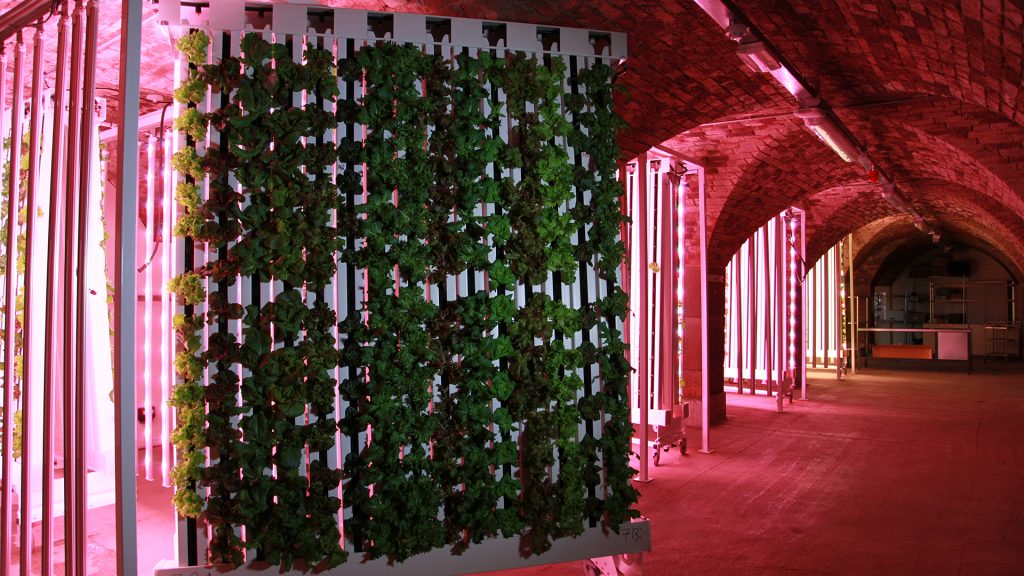
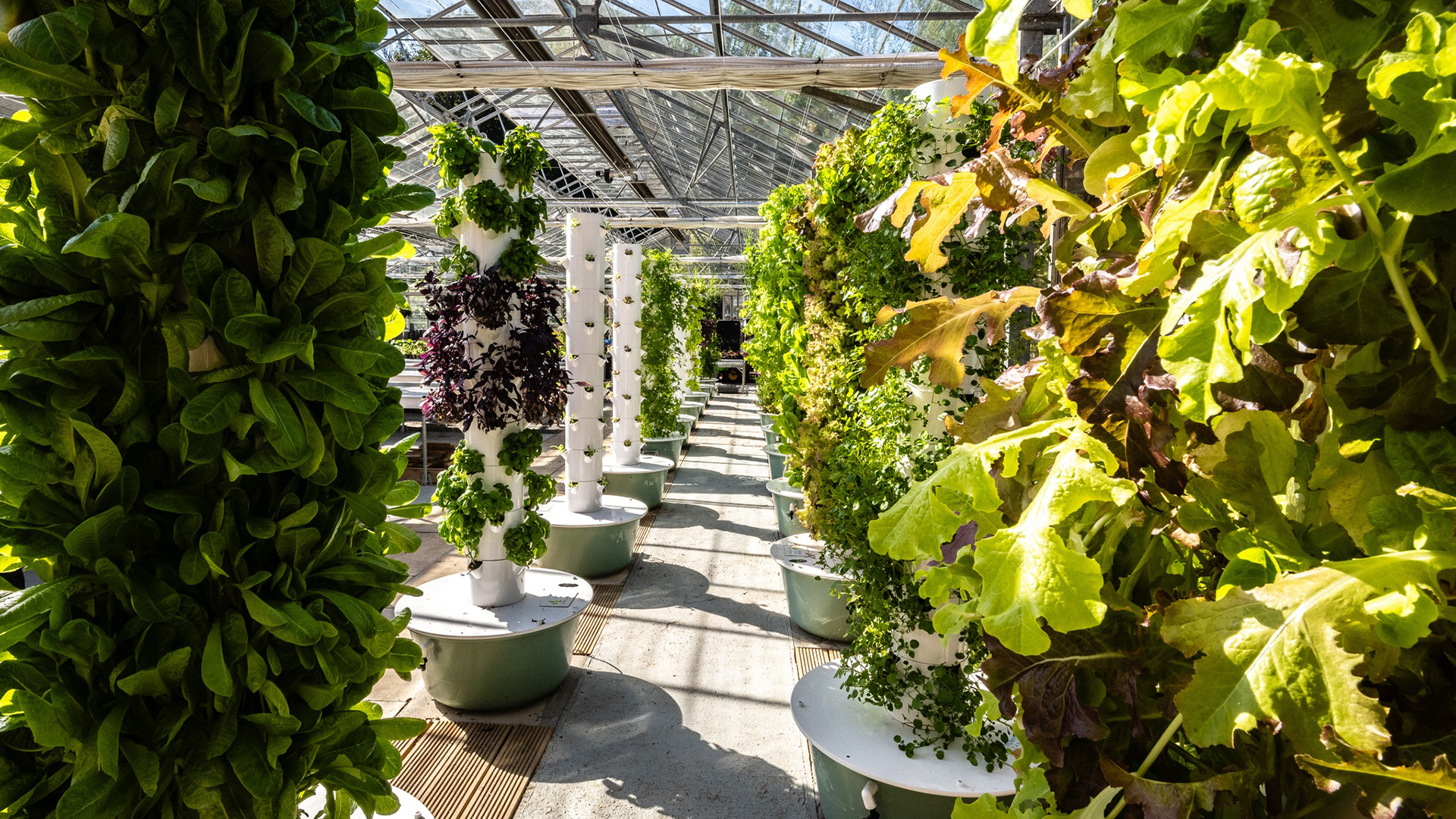
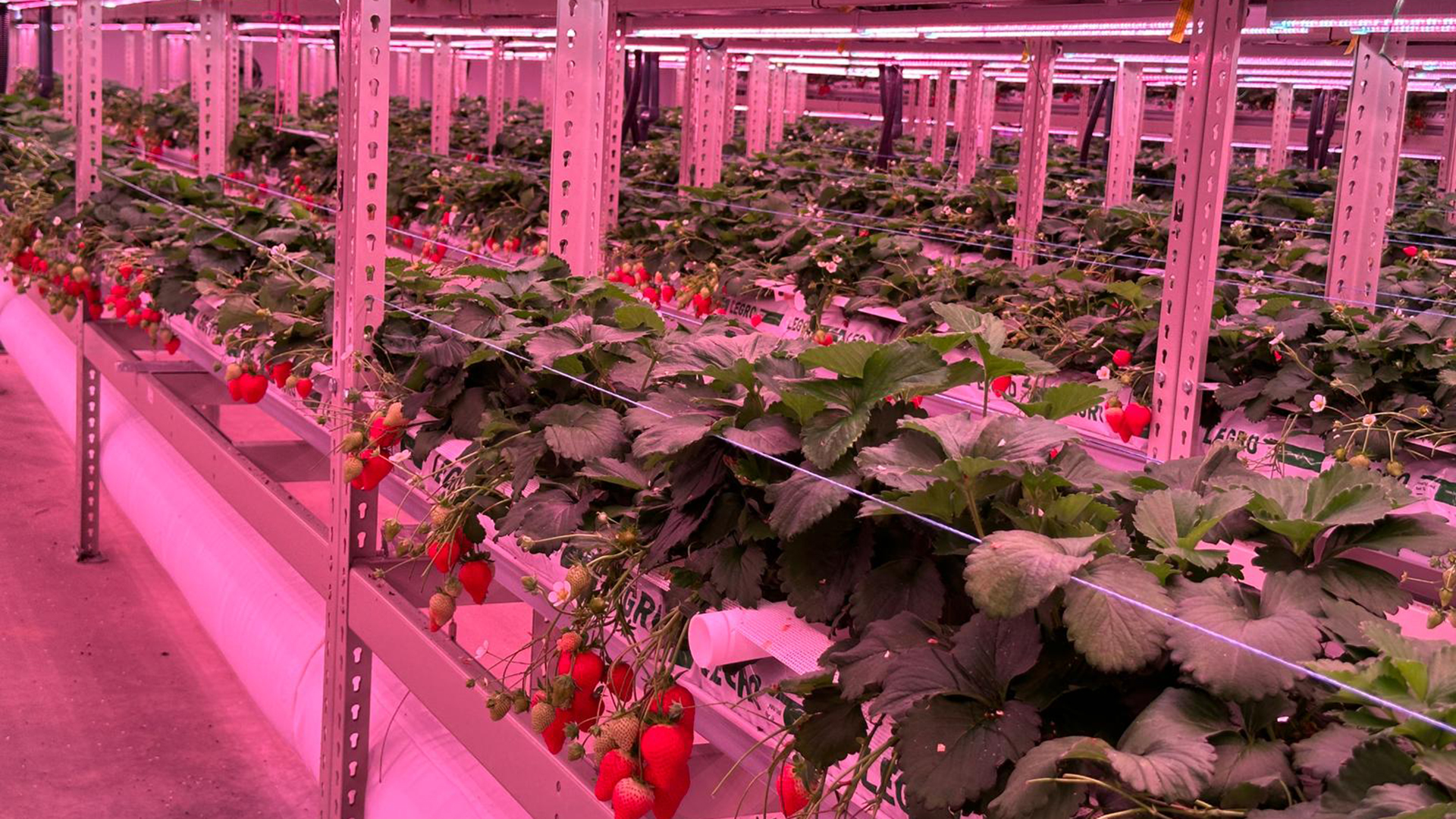
The most commonly grown crops in the urban vertical farms are leafy greens such as salad crops, herbs, microgreens, and more exotic crops such as edible flowers. Gourmet mushrooms have also been a popular choice for prospective urban growers. In greenhouse environments, crops such as tomatoes, aubergines, peppers, chilis and others of a similar kind are often grown alongside the leafy greens they have in common with the vertical farms. There is an ever-increasing interest in soft fruits, too, most notably strawberries, but increasingly also considering the potential of other berries and related crops.
There are two ways to think about food security. In the first instance, crops grown in urban areas can help to provide nutritional security, especially with regard to particular micro-nutrients which may otherwise be lacking in local diets. This has important potential health implications, and there is, therefore, a strong argument for public procurement of such crops, for example, in schools and hospitals, so that those benefits might be best realised. It is also worth noting that a key component of a good food policy is to provide safe, healthy, nutritious and culturally appropriate food. By giving people access to healthy food that is culturally appropriate to them, market demand can be met whilst at the same time ensuring all people get what they need.
The area of food security as a whole is more nuanced since staple crops are not currently grown in urban farms and are not likely to be so anytime soon. That said, urban farms, and especially large-scale peri-urban farms, may be able to support resilience in the food system. If supplies of crops from elsewhere, particularly those with long and complex supply chains, are disrupted by climate change, geopolitics, foodborne pathogen outbreaks, and other such concerns, there is a real risk of supply shortages. Urban farming can offer a potential solution to address such a situation, though consideration is required of how urban production might be scaled up and down to meet fluctuating needs. It is also vital that, if urban farming is to realise its full potential, it must be at or near price parity with conventional produce from elsewhere, lest it become solely the preserve of the well-off.
How do urban farmers overcome space limitations to maximise yields and efficiency?
A key benefit of urban agritech lies in the efficient use of space and resources. Controlled Environment Agriculture generally uses much less in the way of inputs, such as water and fertilisers, than more conventional agricultural approaches. Furthermore, the number of crops grown in any given space can be greatly increased – both through increasing plant density and, in the case of vertical farming in particular, by stacking layers vertically. Furthermore, since these growing environments are carefully controlled and less subject to challenges of weather, pests and so on, yields may consistently be significantly higher per given land area than in conventional growing outdoors.
That said, there is a substantial challenge in terms of resource use around the energy consumed by more technological approaches to urban farming. Whilst these growing operations are very efficient in terms of their space use and productivity, they are still reliant on energy to a greater or lesser degree. This is particularly true in urban areas. In other areas, farms might be co-located with renewables, but the more urban the setting, the less likely this is, and farms are likely to be grid-dependent as a result. Until such time as renewables come to dominate the grid, this means accepting at least some degree of fossil fuel dependency. However, as grids decarbonise over time, this is expected to be a decreasing problem, and indeed, renewably powered farms may ultimately be less carbon intensive than their conventional peers.
It should also be noted that Building Integrated Agriculture is an important set of solutions in this respect. Urban farms often find themselves competing for space with other land uses, buildings, etc. By integrating urban agriculture into existing buildings and designing it into new buildings, this competition may be alleviated. Any given building can, therefore, have multiple uses, with food growing occupying spaces and utilising resources that would otherwise be wasted.
What role does technology play in modern farming practices?
There are a number of ways in which certain technological developments have enabled and helped to drive the advance of urban agritech in recent years. The first and perhaps primary of these was the development and subsequent wide availability of LED grow lights. Because these are much more efficient than other lights (such as HPS, fluorescent, halide), they have made it much easier to grow indoors in urban and peri-urban areas. This happened remarkably quickly, with some initial debate pretty quickly giving way as the superiority of LEDs became clear and prices continued to fall.
Another major driver has been and continues to be automation, particularly in the ways in which it is entwined with other technologies. Moving crops around the growing space, climate control, nutrient dosing, and plant morphological analysis, all involve some degree of automation. As control systems become ever smarter, this is likely to be a continuing trend. One area of particular interest in the coming years is robotics. Though many advancements have been made, the tech is still emerging and awaiting a tipping point in AI-assisted imaging, soft product handling, and price. Nevertheless, as labour remains one of the two largest op-ex costs in any indoor farm (the other being energy), the trend will likely continue.
Looking to the future, the biggest trends in technologies for the sector are likely to be based around sustainability, resilience, and integration. In the area of materials, substrates have been an innovation area of late, given the energy intensity embodied in rock wool and the carbon impact of peat, resulting in coir and novel designs formed in bioplastics becoming more prevalent. Digital twinning and renewable energy integrations will likely go hand-in-hand both to reduce absolute energy use and to increase use efficiency, as well as to help make the case for renewable energy and storage projects themselves. Heat exchange between CEA farms and neighbouring properties with excess or insufficient heat also offers a promising case for integrations (glasshouses tend to need heat, and vertical farms tend to have too much), as are situations where CO2 needed by plants and oxygen produced by them can be exchanged with facilities requiring the opposite. Similarly, circular material and resource flows will increase efficiency and reduce resource use as a whole, for example, the conversion of waste organic material (both from within the farm and local economy) into fertiliser. Lastly, one big area of research at present is in the microbiome. Indoor farms have traditionally (and perhaps naively) tried to create and maintain an inert environment in the grow space, but now the optimisation of microbial activity in the rootzone is receiving notable attention, with a view towards improving conditions for the plant and excluding any undesirable microbes which might otherwise thrive in the absence of competition.
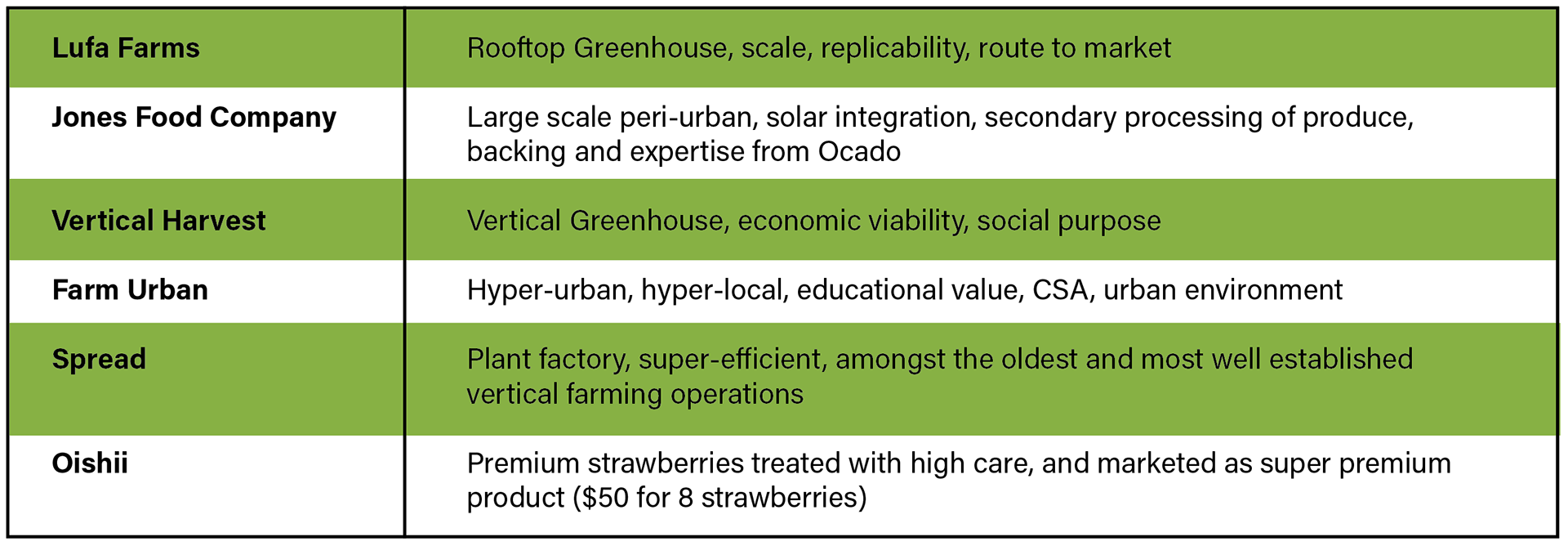
Can you provide examples of successful projects globally, and what lessons can be learned from them?
How can urban farming initiatives address challenges like soil quality, water management, and pest control in urban settings?
Urban agritech offers substantial potential benefits around water management. Controlled environment agriculture systems typically use less water and fertilisers. Some CEA and more TCEA settings use recirculating systems in a closed loop, but this is not easy to implement in small settings due to the complexity of the setup and the highly specialised knowledge that it requires. In addition, they actually use very little water in the first place due to the efficiency of the use of water within the systems themselves.
This means that there is little or no run-off from these farms into water systems. Furthermore, some urban farms can help with stormwater management by collecting, holding, and utilising water that would otherwise fall on hard urban surfaces and immediately run off or gather.
In controlled environment agriculture, with sufficient biosecurity controls in place, there is relatively little risk from pests. This aids the successful growing of crops, of course, but it also means that little or no pesticides, fungicides and other harmful chemicals need to be used. If pest problems do occur, integrated pest management approaches can be used to minimise or remove any need for the use of toxic substances.
Since urban agritech is most often soilless in its growing methods, the impact on soil management is limited. However, there is an argument that urban farming can contribute to land sparing in other environments – i.e. by growing in urban areas, we can free up land currently under cultivation elsewhere.
Please note, this article will also appear in the 18th edition of our quarterly publication.