More subtly, heat influences volatile compounds that turn into gas—that’s the “nose” you get when tasting wine—which break down under higher temperatures. “The profiles tend to get pushed to what sensory scientists would call the ‘cooked’ side of the spectrum: more jammy, or like cooked fruit,” says Gambetta. “This can be a good thing. Some people like wines like this and it’s fine. So it all has to do with the identity of a region.”
The ideal climate for winemaking is warm days and cool nights, with conditions heating and cooling the grapes. But climate change is altering that cycle in dramatic ways. “It’s actually the nights that are warming faster than the days,” says Forrestel. “You don’t get the cooling of the fruit in the nighttime. And then when you exceed ideal temperatures during the day, you actually have degradation of a lot of the compounds that are important.”
Even in the absence of drought, higher temperatures make the plants lose more water. That, in turn, reduces the yield of grapes, meaning a winemaker would end up with less juice to work with. Paired with drought, yields decline even further. “You take Bordeaux, where I work, the rainfall has been pretty steady if you look over the past 100 years,” Gambetta says. “But the fact that the temperatures are going up and up and up, that drives more water use out of the agricultural system.”
Vineyards can also receive too much water. As the atmosphere warms, it can hold more moisture, which is supercharging rainstorms, hence the catastrophic flooding we’re already seeing around the world. If too much rainwater sits in a vineyard for too long, it deprives the vines’ roots of oxygen.
Still, the grape plant is surprisingly hardy: Without supplemental irrigation, typical Mediterranean varieties like grenache can churn out good yields and make good wines with as little as 14 inches of rain a year. A vine might be able to ride out a drought with lower yields, or by dropping its leaves, known as defoliation. That won’t kill the vine itself, so it can bounce back once rains return.
But as climate change makes droughts more common and more intense, some winemaking regions are feeling the strain. “In 2022, which was outrageous by all definitions in Europe—in Portugal, and parts of Spain—they had seriously stunted vines, defoliated vines,” says Gambetta. “Then you can get into this dangerous territory where you have not only really catastrophic effects that season, but you can get carryover effects to subsequent seasons.”
To adapt, vineyards can of course begin irrigating. But that comes with added costs, and potentially puts strains on local freshwater supplies: If drought has gripped a region, everyone else is going to need more water, too. And even then, the plants will have to contend with Europe’s intensifying heat waves.
Another option is for vineyards to shift north as the climate warms. Indeed, the new paper notes that in the northerly regions of Europe and North America, suitable land for winemaking could increase between 80 to 200 percent, depending on the amount of eventual warming. Winemaking is now booming in the southern UK, for instance, as well as in Oregon and Washington state in the US.
New research highlights the potential of rose essential oil (REO) as a natural and effective alternative to chemical pesticides in protecting tomato plants from pests. Demonstrating dual benefits, REO reduces pest damage and promotes predator attraction without harmful side effects, offering a sustainable solution for organic farming practices.
Researchers have discovered that rose essential oil stimulates defense genes in tomatoes and draws in predators of herbivores, thereby protecting the plants.
Plants-derived essential oils (EOs) find applications in various industries, such as detergents, cosmetics, pharmacology, and food additives. Moreover, EOs have an exceptional safety profile, and their numerous bioactivities greatly benefit human health. Beyond these benefits, EOs have also been found to illicit insect-repellent responses by inducing neurotoxic effects.
Terpenoids are abundant in plant EOs and have garnered widespread attention as they can regulate plant defense responses by regulating the expression of defense genes. For example, soybean and komatsuna plants, when grown near mint, experience a significant improvement in defense properties and become resistant to herbivores. This phenomenon occurs through a process known as “eavesdropping,” wherein volatile compounds are released from the mint plant. These volatile compounds trigger the activation of defense genes, protecting against potential herbivore threats.
Seeking Alternatives to Chemical Pesticides
Today, applying chemical pesticides is the method of choice for crop protection, but the damage they cause to the environment and ecosystems, along with the need to increase food productivity, stresses the need for safer alternatives. Thus, there is an urgent need for investigation of plant defense potentiators. In this regard, the availability of EOs makes them attractive candidates as environmentally friendly plant defense activators. However, there is a lack of sufficient proven examples to meet the demand.
To address this, a research team led by Professor Gen-ichiro Arimura from the Department of Biological Science and Technology at the Tokyo University of Science (TUS) assessed the efficacy of 11 EOs in activating tomato defense responses. “EOs used as fragrances for various purposes contain odor components, which may have the ability to work like volatile compounds in conferring pest resistance. We aimed to investigate the effects of these EOs on plants’ insect pest resistance,” says Prof. Arimura. The team’s findings were recently published in the Journal of Agricultural and Food Chemistry.
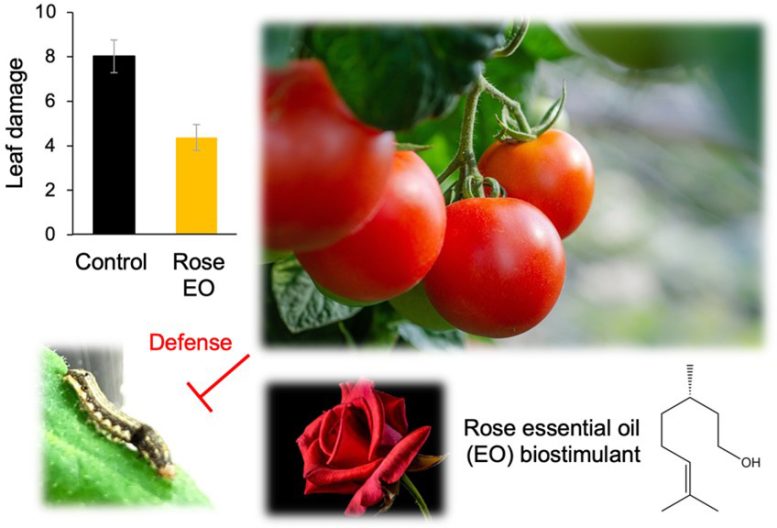
Researchers at TUS have discovered that rose essential oil (REO) activates tomato pest-defense genes and attracts herbivore predators. Therefore, REO could be used as an environmentally friendly pesticide in organic farming. Credit: Gen-ichiro Arimura from Tokyo University of Science (TUS), Japan
The team profiled the effects of terpenoid-enriched EOs on tomato plants. They applied ethanol-diluted solutions of 11 different EOs to the soil of potted tomato plants, performed molecular analyses to study the gene expression inside leaf tissue, and observed that rose EO (REO) increased the transcript levels of PIR1 and PIN2, the genes involved in plant defense. Additionally, tomato plants treated with REO exhibited reduced leaf damage caused by the Spodoptera litura (a moth species) larvae and Tetranychus urticae (a mite pest).
Furthermore, to explore the possibility of broader application, the researchers conducted a field experiment to measure REO activity in field conditions. They observed a 45.5% reduction in tomato pest damage compared to the control solution. The researchers believe that REO could serve as a viable alternative to pesticides during the winter and spring seasons when pest infestation is less severe and could potentially reduce pesticide usage by almost 50% during summers.
Dual Function of Rose Essential Oil
Explaining the research findings, Prof. Arimura says, “REO is rich in β-citronellol, a recognized insect repellent, which enhances REO’s efficacy. Owing to this, damage caused by the moth larvae and mites was significantly minimized, confirming REO as an effective biostimulant. The findings also showed that a low concentration of REO did not repel T. urticae but attracted Phytoseiulus persimilis, a predator of these spider mites, thus exhibiting a dual function of REO.”
Overall, the study highlights the role of β-citronellol-enriched EO in activating defense genes in tomato leaves. Additionally, it provides evidence that REO is an effective biostimulant for enhancing plant defense against pests, which is also safe as it does not lead to phytotoxicity or leave any toxic residues behind. “Our study suggests a practical approach to promoting organic tomato production that encourages environmentally friendly and sustainable practices. This research may open doors for new organic farming systems. The dawn of potent environmentally friendly and natural pesticides is upon us,” concludes Prof. Arimura.
Reference: “Novel Potential of Rose Essential Oil as a Powerful Plant Defense Potentiator” by Eiki Kaneko, Kenji Matsui, Ruka Nakahara and Gen-ichiro Arimura, 18 March 2024, Journal of Agricultural and Food Chemistry. DOI: 10.1021/acs.jafc.3c08905
The study was funded by the Japan Society for the Promotion of Science.
Organic farms appear to inadvertently cause greater pesticide use on surrounding fields with conventional agricultural practices
Danielle Balderas/Shutterstock
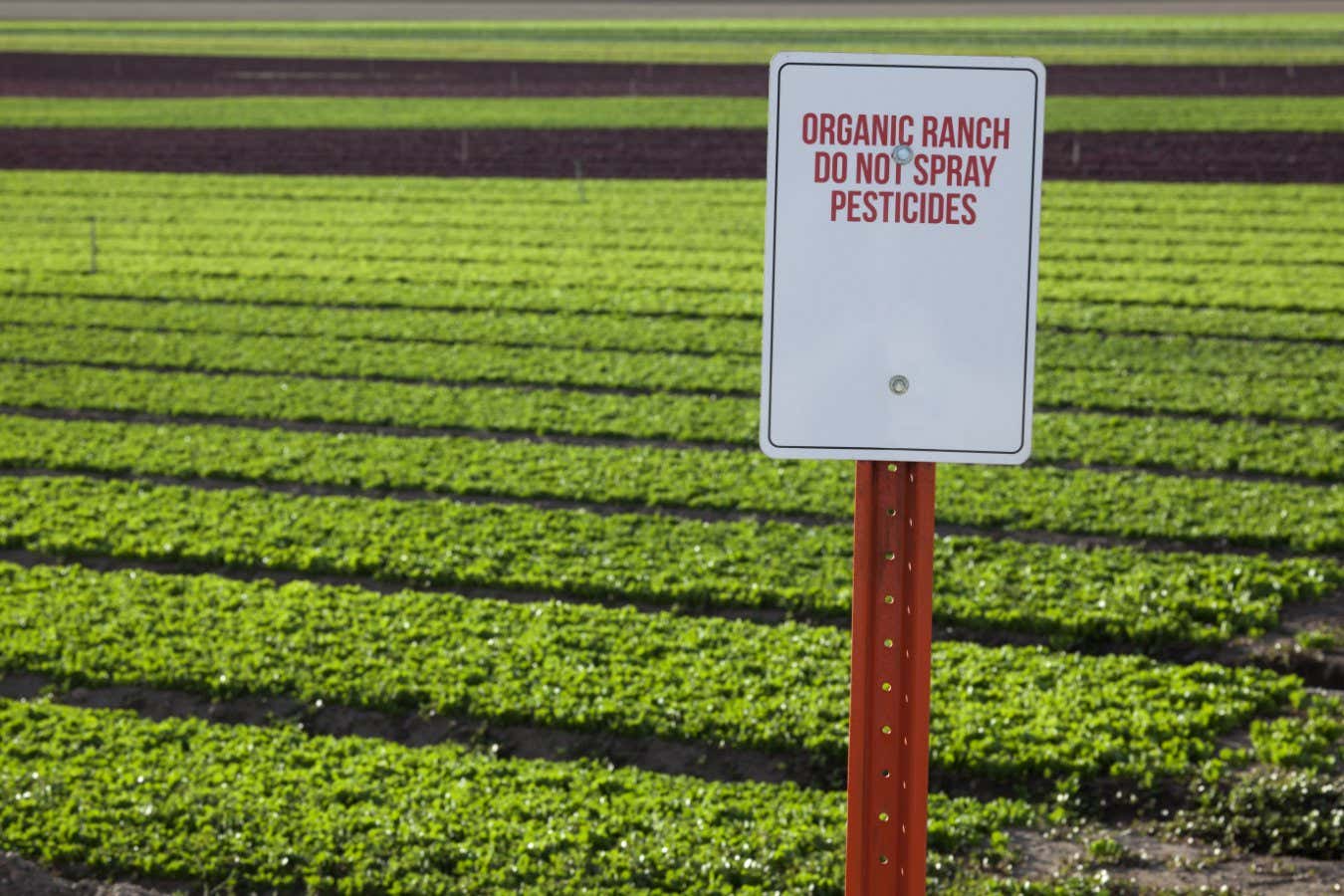
Organic farmers dedicate their working lives to producing food with minimal help from pesticides, but in curbing the use of chemicals on their own land, they may unwittingly be triggering a spike in pesticide use over their neighbour’s fence.
Ashley Larsen at the University of California, Santa Barbara, and her colleagues assessed land-use and pesticide data across 14,000 fields in Kern County, California. This is one of the largest crop-growing counties in the state, with produce including almonds, grapes, carrots and pistachios.
The team found that when organic farmland is surrounded by conventional agriculture, the neighbouring farmers seem to increase their pesticide use, with a 10 per cent rise in organic cropland being linkedto a 0.3 per cent increase in total pesticide use on conventional fields. Most of this is driven by increased use of insecticides, the researchers found.
This may be because more insects – pests or otherwise – tend to be present on organic land and “spill over” into neighbouring conventional farmland, prompting these farmers to increase their pesticide use. “Pests arrive and seed a new outbreak, and they [farmers] increase pesticide use,” Larsen told reporters during a press briefing. The effect appears to be strongest when neighbouring fields are within 2.5 kilometres of the organic “focal field”.
Conversely, the researchers noted that the presence of organic farmland is linked to a reduction in pesticide use on neighbouring organic fields, with a 10 per cent increase in the area of surrounding organic cropland being associated with a 3 per cent decrease in total pesticide use on organic focal fields. This may be because the larger area of organic farmland allows for a bigger and more stable community of beneficial insects.
Organic agriculture only covers about 2 per cent of land globally, but in Kern County, about 5.5 per cent of the agricultural area is organic.
When organic agriculture makes up a high proportion of farmland – perhaps20 per cent or more – net pesticide use decreases regardless of where the organic fields are sited, say the researchers.
But when relatively small areas of organic farmland – such as in Kern County – are evenly dispersed through the landscape, net pesticide use may in fact be higher than when no organic farmland is present.
“Our simulations suggest that at low levels of organic agriculture in the landscape, we can actually see an increase in net insecticide use,” said Larsen.
However, this impact can be entirely mitigated by clustering organic farmland together to minimise potential pest spillover, she said. “It might be worth considering, at the policy level, how to incentivise spatial clustering of new organic fields to basically leverage the pest control benefits of organic and limit any potential costs of organic on conventional growers.”
This could include subsidy payments for farmers to convert more of their land in certain areas to organic practices, or even the creation of buffer zones between organic and non-organic land.
Robert Finger at ETH Zurich in Switzerland says the findings demonstrate the need for policy-makers to consider land-use policy at the “landscape scale” to maximise the environmental benefits of organic farming. “Fundamentally, just thinking about single fields or single farms is not enough,” he says.
In a recent study published in Nature Communications, researchers developed a modular synthetic biology toolkit for Aspergillus oryzae, an edible fungus used in fermented foods, protein production, and meat alternatives.
Food production is estimated to account for a third of greenhouse gas emissions worldwide, contributing to biodiversity loss, environmental degradation, and new diseases.
Transitioning from industrial animal agriculture to alternatives is necessary to mitigate the planetary impact and sustainably feed the global population. Microbial food production offers improved safety and efficiency, more precise production control, and reduced animal suffering.
Filamentous fungi are a diverse group of microbes, including mushrooms and molds, and are highly advantageous for microbial food production.
Besides, their naturally high secretion capacity makes them potent hosts for protein production. In addition, owing to its filamentous structure that mimics the animal muscle structure, fungal biomass (mycelia) can be formulated into alternatives to meat (mycoprotein).
The study and findings
In the present study, researchers developed a modular synthetic biology toolkit for A. oryzae, a safe and edible fungus with a history of palatable consumption.
They created an alternative, easy-to-use clustered, regularly interspersed short palindromic repeats (CRISPR)–CRISPR-associated protein 9 (Cas9) approach, compatible with existing reagents.
This approach involved transforming CRISPR-Cas9 ribonucleoprotein complexes directly instead of encoding single-guide RNAs (sgRNAs) and Cas9 from a plasmid.
Moreover, the DNA template used to fix double-strand breaks contained an orotidine-5′-phosphate decarboxylase gene (pyrG) marker for positive and negative selection.
The system was designed such that a successful loop out of pyrG could only occur upon integrating the fixing template at the site of interest, wherein identical 300 bp sequences will flank it.
Ectopic integrations due to non-homologous end joining (NHEJ) in this system cannot loop out or survive on media with 5-fluoroorotic acid. A vital feature of this design was the recyclability of the pyrG marker upon insertion at the correct locus.
Further, candidate-neutral loci in A. oryzae were investigated to integrate genes for overexpression. The researchers explored the intergenic regions in the A. oryzae RIB40 genome and ranked the expression of two genes surrounding them.
A list of candidate loci predicted for high gene expression was generated, and ten regions were selected for further analysis.
Next, the team integrated green fluorescent protein (GFP) cassettes under the control of a strong, constitutive promoter (pTEF1) and examined fluorescence on the conidia of looped-out strains.
Of the ten loci, nine exhibited highly efficient integration, and GFP expression was detected from eight of these. All loci demonstrated higher expression than the positive control.
Next, the researchers aimed to establish a synthetic expression system (SES) in A. oryzae. To this end, they evaluated the ability of a characterized synthetic transcription factor (sTF) to drive the expression of mCherry from a core promoter (Cp).
They genetically integrated the sTF and induced a low basal expression under a Cp from A. niger. Separately, an mCherry cassette with 6x upstream activating sequences (UAS) was integrated at a different genomic location upstream of the Cp.
The team observed mCherry expression in conidia and mycelia. Both the sTF and UAS were required for the activity. Next, the team aimed to bioengineer an edible mycelium, focusing on the bioactive amino acid ergothioneine.
They speculated that its production could be increased by modulating the expression of endogenous ergothioneine biosynthetic genes in A. oryzae.
Orthologs of Egt1 and Egt2, enzymes from Neurospora crassa implicated in ergothioneine biosynthesis, were identified in A. oryzae.
The orthologs were then inserted at neutral loci; both genes were expressed under a bidirectional promoter or separately at different locations. Ergothioneine levels in the mycelium were low in RIB40, the background strain.
However, its levels were 11- and 21-fold elevated in bidirectional and separate promoter strains compared to RIB40. Ergothioneine levels in the bidirectional promoter stain were similar to those in oyster mushrooms. By contrast, its levels were 1.5-fold higher in the separate promoter strain.
There were no differences in protein content between engineered and wild-type strains. Nevertheless, a slight growth defect was observed with ergothioneine overproduction.
Next, the researchers applied these tools to enhance the sensory properties of the edible biomass. They targeted heme biosynthesis, as heme gives meat its (red) color and flavor upon cooking.
They identified potential heme biosynthetic genes in A. oryzae and targeted the expression of five predicted rate-limiting enzymes. Additionally, two copies of soy leghemoglobin were expressed as a potential heme sink, as high levels of free heme could be cytotoxic.
The biomass of the engineered strain was four-fold higher than that of the non-engineered strain.
Upon harvesting, the biomass was red compared to off-white in RIB40. This color difference persisted after cooking, enhancing the meat-like appearance of the fungal biomass.
The engineered mycoprotein contained all essential amino acids. Protein content or growth yield was not lower in the engineered strain.
Conclusions
The researchers developed a synthetic toolkit to integrate and regulate genes and pathways. They leveraged this toolkit and engineered A. oryzae mycoprotein to (over)produce ergothioneine at levels far greater than in natural dietary sources, i.e., mushrooms.
Additionally, the mycelia were engineered to overproduce heme for enhanced color and flavor. Notably, this work represents an early prototype; further evaluations of sensory attributes, food safety, consumer acceptance, and regulatory landscape are required.
In a recent review article published in The Lancet Microbe, researchers synthesized what is currently known about fungal adaptations to rises in global temperatures.
Their conclusions indicate that fungi may become more thermotolerant and adapt to erstwhile inhospitable environments even as climate change promotes the emergence of novel pathogens. The effects of these changes will be felt most by socially vulnerable groups, and mitigation requires targeted and sustained collective effort.
Pathogenic fungal species have adapted quickly to increasing temperatures and show signs of greater potency and virulence. While most fungi have a low thermal tolerance, which prevents them from surviving mammalian body temperatures, new pathogens like Candida auris are heat tolerant and adapt to human body temperatures.
Concurrently, a decrease in average body temperatures among people in the United States has been observed, possibly due to reduced chronic infections and inflammation alongside better living standards. Thus, climate change may increase fungal pathogenicity in humans by aligning the temperature preferences of fungi and prospective human hosts.
Modifications to fungal ecosystems
Climate change’s shifts in weather patterns continue to disrupt ecological systems and shift the global distributions of disease reservoirs, pathogens, and hosts. Models predict that changes to fungal communities will favor the expansion of saprotrophic fungi.
As pathogenic fungi adapt to one environmental stressor, like rising temperatures, they can withstand others, like heavy metals, radioactive isotopes, and pH stress. This allows them to spread through acidic environments and polluted wastelands. The evolutionary pressures exerted by the heat-island effect in urban areas appear to promote faster fungal adaptation.
Contaminated water bodies may be a source of fungal infections and threaten healthcare systems. Many fungi can degrade plastic while being pathogenic to humans, including Aspergillus and some species of mucormycetes. Thus, microplastic accumulation could encourage fungal growth and resistance to antifungals.
Previously, endemic fungal diseases like histoplasmosis and coccidioidomycoses have increased their geographical ranges. Plant pathogens are also increasing and represent a significant threat to food security. While the use of fungicides has increased in farming, there have been reported cases of antifungal resistance.
Fungal outbreaks after natural disasters
Climate change has increased the intensity and frequency of natural disasters worldwide, which may, in turn, trigger fungal disease outbreaks. This can take place through multiple pathways.
Since disasters damage urban areas and natural habitats, they create settings conducive to the growth of fungi and increase the possibility of exposure to fungal pathogens. For example, injuries like lacerations caused during disasters create points of entry for pathogenic fungi, and wounds can be contaminated, leading to infection by mold. Wildfires can also alter pH values in soil and communities of microbes, increasing cases of eye irritation, asthma, fungal disease, and respiratory symptoms.
Fire plumes and storms can carry fungal spores over large distances, leading to the colonization of novel environments. These can lead to increases in respiratory infections, asthma, and inflammation if they are inhaled. Flooding has also been associated with increases in invasive molds and severe fungal infection outbreaks.
However, there are concerns that fungal outbreaks after natural disasters could be underreported. Preventing and mitigating these issues requires ensuring that living areas are adequately ventilated and that affected areas are intensively cleaned.
Affected communities must be educated so that they can avoid persistent exposure to mycotoxins and mold spores. Adequate resources are needed to identify vulnerable populations and provide them with the necessary protection, and funds must also be set aside for continued research and documentation.
Conclusions
As the effects of climate change are felt around the world, mycologists and public health researchers are raising concerns that rising temperatures promote the emergence of novel pathogenic fungi and modify the distribution and spread of diseases.
Some fungi are more thermotolerant than before and are now pathogenic to humans. Other fungal pathogens were confined to specific areas but are increasing their range due to temperature shifts or the dispersal of spores by winds or fire plumes. Traumatic injuries caused by natural disasters can increase fungal infections.
Fungal pests show signs of increased resistance to fungicides even as fungicide use increases to protect agriculture – this threatens public health and agriculture.
This article represents a call to action. Funding is required to mitigate vulnerable communities’ risks, launch effective public awareness campaigns, strengthen healthcare systems, and improve access to healthcare. Research and collaborative action are key to identifying ways to manage existing and emerging challenges in a quickly changing world.
Journal reference:
Impact of climate change and natural disasters on fungal infection. Seidel, D., Wurster, S., Jenks, J.D., Sati, H., Gangneux, J., Egger, M., Alastruey-Izquierdo, A., Ford, N.P., Chowdhary, A., Sprute, R., Cornely, O., Thompson, G.R., Hoenigl, M., Kontoyiannis, D. The Lancet Microbe (2024). 10.1016/S2666-5247(24)00039-9, https://www.thelancet.com/journals/lanmic/article/PIIS2666-5247(24)00039-9/fulltext
In a recent review published in Nature Reviews Microbiology, researchers discussed the impact of climate change, weather, and other anthropogenic factors on vector-borne illness spread globally.
Hematophagous arthropods like ticks, mosquitoes, and sandflies transmit vector-borne infections to animals and humans, primarily affecting individuals in subtropical and tropical areas. Weather alterations can affect vectors’ reproduction, survival, and ability to transfer pathogens.
Multi-scale climatic changes characterized by changing weather trends over decades may alter vector-borne illness transmission. Climate changes could lead to less predictable and stable weather patterns, with various adverse effects on humans and the environment beyond natural climatic variability.
These impacts may include ecosystem collapses, species extinctions, and extreme weather events of increased frequency and intensity.
Climate changes may also affect the risk and predictability linked to vector-borne pathogens, making the situation more complex and potentially ambiguous. Climate change can significantly impact vector-borne diseases.
About the review
In the present review, researchers explored the influence of climate changes and human activities on vector-borne diseases.
Impact of climate changes on vector growth and vector-borne pathogen transmission
Weather and environment considerably affect vector biology, including developmental rates, survival, lifespan, biting, fecundity, and replication.
Extreme weather events such as heavy rainfall, wind, floods, or temperature fluctuations can severely disrupt dipteran vectors, like mosquitoes with a brief life cycle.
Ticks have a longer life cycle, lasting months or years. Extreme weather patterns, including El Niño and La Niña, significantly affect vector activity and the likelihood of disease transmission.
The El Niño-Southern Oscillation (ENSO) predictability enables forecasting increasing vector-borne illness risks and developing mitigating solutions.
Droughts and floods cause alterations in vector-borne disease transmission, with varying timeframes, locations, and habitats. Intense precipitation can make aquatic ecosystems more conducive to vectors, increasing malaria, dengue fever, and chikungunya infection risks.
Floodwater mosquitoes, like Aedes ochraceus and Aedes vexans, can spread Dirofilaria immitis and Rift Valley fever virus (RVFV).
Drought is a primary climatic driver of West Nile virus (WNV) outbreaks in the United States, affecting transmission by increasing infection prevalence due to reduced bird reproduction or altered patterns of host-vector interaction.
Climate change can increase vector-borne illness risk, notably in mosquitoes such as Aedes albopictus and Aedes aegypti.
Temperature is the primary parameter utilized in climate change models for vector-borne infections, although other elements like precipitation and humidity influence their reproduction and survival.
Effects of land usage on climate change and vector-borne diseases
Land use changes, defined by activities like agriculture, resource extraction, and urban growth, can significantly contribute to climatic change by reducing biodiversity and carbon capture and storage.
Vector-borne illnesses are vulnerable to land utilization and cover changes since they influence vector and host populations, predators, adult and larval habitats, microclimate appropriateness for pathogens and vectors, and vector-host interaction rates.
Deforestation can interrupt vector-borne illness transmission cycles by increasing exposure to vectors in domestic animals and humans. Abiotic environmental circumstances can have varying effects on vector ecology, depending on vector species and the microclimates formed by deforestation.
Deforestation can also impact dipteran vectors by changing water quality, raising temperatures, lowering humidity, and destroying natural larval habitats.
Agricultural transformation offers various societal benefits but can also impact vector-borne infection risk. For example, irrigation equipment for rice farming alters malaria, dengue fever, and Japanese encephalitis risks.
Vector species ecology determines the impact of agricultural transformation and can negatively or positively influence the abundance and distribution of vectors and infections. Livestock agriculture can influence vector-borne illness dynamics by boosting blood meal availability and producing competent reservoir hosts for zoonotic diseases.
Inadequate waste management in urban areas can increase arthropod-borne illnesses by providing ideal larval homes for vectors.
Technical solutions for vector and disease management in agricultural settings are crucial in addressing conflicts between agricultural and population health policies in the face of fast global change.
Conclusions
Based on the study findings, climate change can considerably impact vector-borne infection risk and associated burden worldwide. Recent infection surveillance efforts and population health capacity developments may address this hazard.
However, further research is required to lessen the vector-borne disease burden in the face of climatic change. Researchers must address healthcare access inequities and vector-borne illness surveillance, especially among middle- and low-income nations.
Low-cost serological, molecular, and genomic methods should be employed to study disease dissemination and identify vulnerable populations.
Cost-effective vector control approaches such as deploying Wolbachia-infected Aedes aegypti mosquitoes can halt national disease transmission.
Affordable and effective vaccinations can influence the fight against vector-borne illnesses; however, their limited availability and administration can leave areas susceptible to disease recurrence.
“Some of the oldest organisms on Earth are cyanobacteria: they have a fossil record dating back 3,500 million years. These photosynthesizing life forms have experienced extreme environmental events — from very cold periods to atmospheric pollution to mass extinctions. By studying their resilient nature, we can find solutions for how to adapt to the climate changes we’re experiencing now.
My main research programme focuses on using microorganisms, including cyanobacteria, microalgae, fungi and yeasts, to improve agricultural crops in the face of prolonged droughts, pests and a lack of arable soil. In 2017, I founded a biotechnology company, Spiral Blue Food Spa, to identify, isolate and cultivate microorganisms that can help to improve crop growth and reduce water consumption.
So far, my team and I have isolated almost 500 strains of cyanobacteria, from the Chilean Andes and elsewhere. Some of these can be used in biofertilizers, biopesticides and other agricultural products. For instance, we use cyanobacteria under certain conditions to produce antifungal peptides for agriculture, proteins for the food industry and antioxidants for the pharmaceutical industry.
In this picture, I am in my laboratory in Chincolco, Chile, observing three species of cyanobacteria — Arthrospira platensis, Limnospira maxima and Spirulina major — that Spiral Blue Food Spa is cultivating.
To understand the macrouniverse, we need to understand the microuniverse. Microorganisms shape entire ecosystems, in part through decomposition, nutrient cycling and their interactions with other organisms. My ultimate goal is to share my knowledge of the microuniverse with local community members in Chile, so they can develop more resilient and sustainable agricultural practices.”
This interview has been edited for length and clarity.
Cóilín Nunan, Policy and Science Manager at the Alliance to Save Our Antibiotics, discusses antibiotic overuse in farming, and advocates for stricter regulations and fundamental changes in farming practices to mitigate antibiotic resistance.
Since their introduction to human medicine in the 1940s, antibiotics have become a cornerstone of modern medicine and helped save enormous numbers of lives. Antibiotics are not only used to treat patients that have a bacterial infection, they are essential for preventing infections in those undergoing life-saving procedures like cancer chemotherapy, organ transplants or caesareans, or other types of major surgery.
Unfortunately, according to the World Health Organization, the rise of antibiotic resistance, which occurs when bacteria evolve to resist the action of antibiotics, threatens many of the gains of modern medicine. The WHO says it is one of the top global public health and development threats.
Impacts of antibiotic resistance
Antibiotic resistance is not merely a threat for the future, it is already here today and having a major impact. According to the first comprehensive assessment of the global impact of antibiotic resistance, published in 2019 in the journal The Lancet, the deaths of 1.27 million people a year are directly attributable to antibiotic resistance, and 4.95 million deaths a year are associated with antibiotic resistance.
Increasing levels of resistance are due to the use and overuse of antibiotics. Excessive antibiotic use increases the selective pressure on bacteria to evolve resistance, as sensitive bacteria are killed off, and resistant ones survive, multiply and spread.
The main cause of resistance in most human infections is the use of antibiotics in human medicine, but we know that the overuse of antibiotics in intensive livestock farming is also contributing.
When antibiotics are overused in farm animals, bacteria in their guts, or on their skin, develop resistance, and these can spread to humans through the food chain, the environment, or by direct contact. This occurs for a wide variety of infections, including typical food-poisoning bacteria, like Salmonella or Campylobacter, the increasingly resistant E. coli, which is responsible for thousands of deaths in the UK each year, or for well-known superbugs like MRSA or Clostrdium difficile.
In many countries, data on antibiotic use is poor, but it is estimated that globally, about two-thirds of all antibiotics are used in farm animals, with the percentage in the UK being lower at about 30%. Much of this farm antibiotic use is inappropriate and avoidable. Far too often antibiotics are given to groups of animals, in feed or drinking water, to control the spread of diseases which occur in the stressful and unhygienic conditions in which many intensively farmed animals are kept. This occurs particularly for pigs and poultry, but also in some countries in cattle.
Stop the overuse of antibiotics in livestock farming
The Alliance to Save Our Antibiotics is an alliance of health, medical, civil-society and animal-welfare groups that was founded by Compassion in World Farming, the Soil Association and Sustain, to campaign to stop the overuse of antibiotics in livestock farming.
Our latest report, published in February, shows that some significant progress towards reducing farm antibiotic use is being made in the UK, and in many other European countries, but that far more needs to be done to achieve truly responsible use.
UK farm antibiotic use has fallen by 59% since 2014, which is good news, but unfortunately 75% of that use is for group treatments. This means that antibiotic use is still not sufficiently targeted and that these hugely important medicines are still being used to prop up farming systems which are causing too many animals to fall sick.
In Norway, Iceland, Sweden and Finland, the European countries with the lowest farm antibiotic use, group treatments only account for between 10% and 27% of total use. One reason for this is that these Nordic countries have some higher animal-welfare standards, particularly in the pig industry, and this means that illness is not as widespread and treatments can be more frequently aimed at individual animals.
Improvements to the UK’s regulation of farm antibiotic use
Fortunately, some improvements to the regulation of farm antibiotic use are expected. The UK Government recently announced it is introducing new legislation, which will probably come into force later this year. This legislation will be largely based on rules the European Union adopted in 2022.
Routine farm antibiotic use will be prohibited, and preventative use will be restricted to exceptional cases, which are welcome actions.
Unfortunately, the UK rules will still be significantly weaker than the EU’s. In particular, the UK government is refusing to ban purely preventative group treatments, as the EU did in 2022. This is a major loophole which will allow some farms to keep on misusing antibiotics.
The new UK legislation will also ban using antibiotics to compensate for poor hygiene, inadequate animal husbandry, or poor farm management practices, as the EU has already done. On paper, this sounds like excellent news, and it would be if implemented in practice.
Problems with current farming practices
However, as our report shows, many current farming practices are actually causing animals to fall sick and are linked with antibiotic overuse. High levels of stress, poor hygiene, inappropriate diets, and high numbers of farm animals kept indoors in close confinement, all contribute to the emergence and easier spread of intestinal and respiratory disease and to the need for antibiotic use. The early weaning of piglets, which can be legally weaned as early as 21 days, can cause post-weaning diarrhoea and is a major reason for high antibiotic use in the pig industry.
Modern breeds are often selected to increase productivity, but this can lead to numerous health and welfare problems and higher antibiotic use. The growth rate of modern broiler chickens has quadrupled since the 1950s, and intensively farmed chickens are now slaughtered when they are just 28 to 42 days old. Data from the Netherlands shows that fast-growing chickens receive 6 to 9 times more antibiotics than slower-growing birds because of their health problems.
Sows are being bred to produce ever-increasing numbers of piglets. The most productive UK sows now produce an average of 17.16 piglets a litter and 37.56 live piglets a year. Such hyper-prolific sows may not have enough teats and can struggle to produce enough milk for all their piglets, making early weaning necessary.
British dairy cows produced an average of 8,163 litres per cow in 2022, up from 5,151 litres in 1990, and compared with a global average of about 2,500 litres. Genetic selection for high milk yield is positively correlated with the incidence of lameness, mastitis, reproductive disorders, and metabolic disorders, conditions frequently requiring antibiotic treatment.
Unfortunately, despite the overwhelming evidence showing that modern farming practices, and poor hygiene and high levels of stress are associated with more disease and greater need for antibiotics, the government is yet not planning any improvements to minimum husbandry standards. This raises serious questions about whether we can really expect the use of antibiotics to compensate for poor hygiene and inadequate animal husbandry to end when the new legislation comes into force.
Our approach to farming needs to change
Stricter rules on farm antibiotic use, at least as stringent as the EU’s, are needed, but ultimately, to address the many causes of farm-animal ill health, we need to fundamentally change our approach to farming.
Farm animals deserve to be kept in far less stressful conditions, where their health and happiness are given real priority. And consumers will also need to accept that protecting our antibiotics, and farming animals more humanely, will mean less, but higher-quality and healthier animal foods.
If you ever watch a duck float across a pond, gobbling up the vegetation coating the surface, that bird is way ahead of its time. The buoyant greenery is azolla, a tiny fern that grows like crazy, doubling its biomass as quickly as every two days to conquer small bodies of water. The duck doesn’t know it—and who could blame it, really—but azolla may soon spread across human civilization, becoming food for people and livestock, fertilizer for crops, and even biofuel.
“I’m not out here saying everybody should go eat this stuff right away,” says research technologist Daniel Winstead, who’s studying azolla at Penn State. “There’s a lot of work that needs to be done. But boy, it’s got so much potential.”
The main reason you wouldn’t want to go scoop some azolla out of a pond and eat it duck-style is, first of all, yuck. But also, previously studied species of azolla are typically high in polyphenols, a family of compounds found in many types of plant. In small quantities, polyphenols act as antioxidants, meaning they help remove certain harmful substances from the body. But in azolla quantities, polyphenols may interfere with the body’s ability to absorb nutrients. At such levels, not only are they not nutritious, they’re anti-nutritious.
But there’s a species—Carolina azolla, native to the southeastern United States—that doesn’t have this drawback. Testing for polyphenolic content, Winstead found this azolla to have much, much lower levels than other species, actually more in line with the mainstay fruits and vegetables Americans eat. And when Winstead prepared Carolina azolla in three different ways—fermentation, boiling, and pressure cooking—he found this reduced the polyphenolic content still further, by 62, 88, and 92 percent, respectively. (According to chefs, azolla is “crisp and juicy,” tasting “somewhat of earth, metal, minerals, mushrooms, moss, and grass.”)
This, Winstead believes, could be the key to making azolla a common food worldwide. “You could use those cooking methods on these other species of azolla from Asia,” says Winstead, who described the findings in a recent paper. “That would reduce polyphenol content to a level that was not limiting.”
Compared to other vegetables, Carolina azolla is high in zinc, manganese, iron, calcium, and potassium, and is relatively high in protein (though has less than a grain like barley). And that’s from wild azolla. “Wheat, rice, barley, soybeans—all these things have been domesticated and cultivated, choosing for attributes like nutrition,” says Winstead. “So just imagine if people did that for azolla, if you could create an azolla strain that creates a whole bunch of precursors for biodiesel. You could create another one that creates tons of protein.”
Again, Winstead isn’t suggesting that anyone go out and harvest their local pond for azolla. But with further research, azolla has the potential to become a more extensively cultivated crop, especially if scientists can breed it to express even more nutrients. They’ll also need to further vet the plant to make sure it isn’t toxic in other ways. “I think there is a real possibility for its use as a foodstuff in the future, provided there is extensive research on possible toxin content due to their symbiotic cyanobacteria,” says Winstead. “Corn is currently used as biofuel, livestock feed, and a foodstuff, and I think azolla holds a similar potential.”
Applied Microbiology International (AMI) has issued a warning to the UK Government about microbiological considerations in the Sustainable Farming Incentive (SFI).
However, AMI has sounded the alarm, emphasising the critical need for microbiological insights in shaping the UK’s agricultural landscape, particularly concerning initiatives like SFI.
The sustainable farming initiative was reviewed by experts in the Food Security Advisory Group and the Healthy Land Advisory Group, which has identified potential microbiological issues.
AMI is now urging the UK Government to take action to mitigate these risks and ensure truly sustainable farming practices across the nation.
Aim of the Sustainable Farming Incentive
The Sustainable Farming Incentive is a prominent environmental land management scheme in the UK, offering financial benefits to farmers adopting environmentally friendly practices.
Earlier this year, Defra Secretary Steve Barclay unveiled substantial updates to the SFI during the Oxford Farming Conference, branding it the most significant upgrade to UK farming schemes post-Brexit.
These updates include enhancements such as increased payments for participating farmers, introducing around 50 new actions, updating existing actions, and introducing 21′ premium payments’ for actions with the most substantial environmental impact.
In light of these updates, the AMI Policy Team engaged experts from advisory groups to evaluate the SFI’s compatibility with microbiological perspectives.
They assessed whether the scheme adequately considers microbiological factors and their implications on farming practices, aiming to ensure its effectiveness and alignment with broader environmental goals.
The policy team explained: “It became apparent from our experts that it majorly lacked microbiological considerations, which greatly reduces the potential benefits that could be reaped from the initiative since microorganisms are ubiquitous in the agricultural environment and have known roles that relate to and directly impact environmental health, resilience, and food production.”
Winter cover crop concerns
The experts expressed specific concerns regarding the inclusion of multi-species winter cover crops as one of the actions listed in the SFI.
They emphasised the need for greater nuance in this action, highlighting that different types of cover crops can have varied effects on subsequent crop species planted.
For instance, while brassicas are recommended as one of the cover crop species in the SFI, certain brassica species can harbour pathogens detrimental to subsequent brassica species, such as oilseed rape.
Additionally, brassicas do not support arbuscular mycorrhizal fungi, which are beneficial to plant health.
Therefore, while brassicas may be harmless in some contexts, they could be less beneficial or even harmful in others. However, the current SFI framework fails to consider these potential impacts.
AMI also explained that there is a missed opportunity with this action because it informs farmers that they must destroy winter cover crops at the end of the season, eliminating their sustainable recycling potential through composting or use in biofuel production.
Risk of pathogens
The policy team highlighted a gap in the management of hedgerows, emphasising the absence of guidance on handling cut hedgerow material.
They underscored the importance of addressing this issue by pointing out that certain weed species in hedgerows can harbour crop pathogens.
To mitigate the risk of pathogen transmission from weeds to crops, they recommended that farmers be informed of this risk and that a management protocol for cut material be incorporated into the SFI.
Additionally, the team suggested refining the approach to providing winter bird food on arable and horticultural land. They proposed a more nuanced consideration of the subsequent crop types to be planted alongside winter bird food.
Citing evidence indicating a potential risk of pathogen transmission from wintering birds to humans, they advised against planting crops like ready-to-eat vegetables in the rotation following wintering bird food. Instead, they recommended opting for crops that are cooked before consumption, as they pose a lower transmission risk.
Focus on soil health
AMI extensively deliberated on the initiatives concerning soil health and identified opportunities for enhancing our understanding of the soil microbiome and overall soil health. These insights will be elaborated upon in a forthcoming report that AMI plans to release later this year.
AMI has also underscored the pressing necessity of incorporating more robust transdisciplinary input into the formulation of policy decisions and initiatives.
This approach is advocated to mitigate the risk of policies inadvertently leading to adverse effects or necessitating subsequent revisions.