Tag: Protein

  • Seafood is a potentially underestimated source of PFAS exposure, study shows

    Seafood is a potentially underestimated source of PFAS exposure, study shows

    [ad_1]


    The findings stress the need for more stringent public health guidelines that establish the amount of seafood people can safely consume to limit their exposure to perfluoroalkyl and polyfluoroalkyl substances, the researchers report in the journal Exposure and Health. This need is especially urgent for coastal regions such as New England where a legacy of industry and PFAS pollution bumps up against a cultural predilection for fish, the authors write.

    Our recommendation isn’t to not eat seafood-;seafood is a great source of lean protein and omega fatty acids. But it also is a potentially underestimated source of PFAS exposure in humans.”


    Megan Romano, study’s corresponding author and associate professor of epidemiology at Dartmouth’s Geisel School of Medicine

    “Understanding this risk-benefit trade-off for seafood consumption is important for people making decisions about diet, especially for vulnerable populations such as pregnant people and children,” Romano said.

    The study paired an analysis of PFAS concentrations in fresh seafood with a statewide survey of eating habits in New Hampshire. National data indicate that New Hampshire-;along with all of New England-; is among the country’s top consumers of seafood, which made the state ideal for understanding the extent of people’s exposure to PFAS through fish and shellfish.

    “Most existing research focuses on PFAS levels in freshwater species, which are not what people primarily eat,” said Romano, who studies the effects of PFAS and other endocrine-disrupting chemicals in drinking water on New England communities. “We saw that as a knowledge gap in the literature, especially for a New England state where we know people love their seafood.”

    The study also drew on New Hampshire’s extensive data on the sources and effects of PFAS, which are a staple of consumer products such as plastics and nonstick coatings. The molecular stability that makes PFAS versatile also makes them nearly indestructible, leading them to be called forever chemicals.

    In humans, PFAS are associated with cancer, fetal abnormalities, high cholesterol, and thyroid, liver, and reproductive disorders. The chemicals have accumulated in soil, water, and wildlife, and studies have shown that nearly all Americans have measurable amounts in their blood.

    “PFAS are not limited to manufacturing, fire-fighting foams, or municipal waste streams-;they are a decades-long global challenge,” said study co-author Jonathan Petali, a toxicologist with the New Hampshire Department of Environmental Services. “New Hampshire was among the first states to identify PFAS in drinking water. We’re a data-rich state due to years spent investigating the impacts of PFAS and trying to mitigate exposure.”

    The researchers measured the levels of 26 varieties of PFAS in samples of the most consumed marine species: cod, haddock, lobster, salmon, scallop, shrimp, and tuna. The seafood studied was purchased fresh from a market in coastal New Hampshire and originated from various regions.

    Shrimp and lobster clocked the highest concentrations with averages ranging as high as 1.74 and 3.30 nanograms per gram of flesh, respectively, for certain PFAS compounds, the researchers report. Concentrations of individual PFAS in other fish and seafood measured generally less than one nanogram per gram.

    The prevalence of PFAS in the environment makes it difficult to know exactly where and how the chemicals enter the marine food chain, the researchers report. Some shellfish may be especially vulnerable to the buildup of PFAS in their flesh due to feeding and living on the seafloor, as well as their proximity to sources of PFAS that are near the coast. Larger marine species may ingest PFAS by eating smaller species that, like shellfish, are prone to having the compounds accumulate in their systems. 

    Buttressing the study is a survey of 1,829 New Hampshire residents the researchers conducted to gauge how much seafood Granite Staters eat-;and it’s a lot.

    The survey found that men in New Hampshire eat just over one ounce of seafood per day and women eat just under one ounce. Both are higher than what the National Health and Nutrition Examination Survey found for men and women in the Northeast, and more than 1.5 times the national average for both. Daily intake for New Hampshire children aged 2 to 11 years old was about 0.2 ounces, the highest end of the range for children nationwide.

    About 95% of adults the researchers surveyed reported they ate seafood within the past year, and 94% of that group consumed fish or shellfish within the previous month. More than two-thirds of those respondents ate seafood within the past week.

    But people in New Hampshire do not eat seafood uniformly. More than half of the people who ate seafood in the week before the survey lived on the state’s coast or near the border with Massachusetts. More than 60% of people with a household income below $45,000 per year reported consuming seafood at least once per week, whereas people with higher household incomes reported eating seafood less often.

    Of the species the researchers tested for PFAS, shrimp, haddock, and salmon were consumed by more than 70% of the adults who ate seafood once a month or more. Lobster was eaten by just over 54% of these adults. Salmon, canned tuna, shrimp, and haddock were the most commonly consumed species among children.

    Federal guidelines for safe seafood consumption exist for mercury and other contaminants, but there are none for PFAS, said Celia Chen, a co-author of the study and a research professor in the Department of Biological Sciences at Dartmouth.

    “Top predator species such as tuna and sharks are known to contain high concentrations of mercury, so we can use that knowledge to limit exposure. But it’s less clear for PFAS, especially if you start looking at how the different compounds behave in the environment,” said Chen, who leads several federally funded projects examining how and where PFAS accumulate in aquatic food webs in New Hampshire and Vermont.

    The establishment of safety guidelines would help protect people who are especially susceptible to pollutants, said Kathryn Crawford, the study’s first author and an assistant professor of environmental studies at Middlebury College.

    “Seafood consumption advisories often provide advice for those individuals that is more conservative than for the rest of the population,” said Crawford, who began the project as a postdoctoral researcher in the Romano Lab at Dartmouth. “People who eat a balanced diet with more typical, moderate amounts of seafood should be able to enjoy the health benefits of seafood without excessive risk of PFAS exposure.”

    Source:

    Journal reference:

    Crawford, K.A., et al. (2024) Patterns of Seafood Consumption Among New Hampshire Residents Suggest Potential Exposure to Per- and Polyfluoroalkyl Substances. Exposure and Health. doi.org/10.1007/s12403-024-00640-w.

    [ad_2]

    Source link

  • KAIST researchers propose microbial food production from sustainable raw materials

    KAIST researchers propose microbial food production from sustainable raw materials

    [ad_1]

    The global food crisis is increasing due to rapid population growth and declining food productivity to climate change. Moreover, today’s food production and supply system emit a huge amount of carbon dioxide, reaching 30% of the total amount emitted by humanity, aggravating climate change. Sustainable and nutritious microbial food is attracting attention as a key to overcoming this impasse.

    KAIST (President Kwang Hyung Lee) announced on April 12th that Research Professor Kyeong Rok Choi of the BioProcess Engineering Research Center and Distinguished Professor Sang Yup Lee from the Department of Chemical and Biomolecular Engineering published a paper that proposes a direction of research on ‘microbial food production from sustainable raw materials.’

    Microbial food refers to various foods and food ingredients produced using microorganisms. Microbial biomass contains a large amount of protein per unit in dry mass, comparable to that of meat, and emits the smallest amount of carbon dioxide and is required to produce a unit mass compared to various livestock, fish, shellfish, and crops. Since the amount of water and space requirement is small, it can be an eco-friendly, sustainable and highly nutritious food resource.

    Fermented foods are the most readily available microbial foods around us. Although the proportion of microbial biomass in fermented foods is small, compounds with relatively low nutritional value, such as carbohydrates, are consumed during the fermentation process, and as microorganisms proliferate, the content of nutrients with higher nutritional value, such as proteins and vitamins, increases.

    Various food compounds isolated and purified from biomass or culture media obtained through microbial culture are also a branch of microbial food. Examples that can be found around us include various amino acids, including monosodium glutamate, food proteins, enzymes, flavoring compounds, food colorings, and bioactive substances.

    Lastly, the most ultimate and fundamental form of microbial food can be said to be microbial biomass or extracts produced through microbial culture and foods cooked using them. A representative example is single-cell protein, which collectively refers to microbial biomass or microbial proteins extracted from it.

    In this paper, the researchers comprehensively covered various non-edible raw materials and strategies for using them that can be used to produce microbial food in a more sustainable way. Furthermore, it covers various microbial foods that are actually produced in the industry using the relevant raw materials and their characteristics, as well as prospects for the production and generalization of sustainable microbial foods.

    Microbial foods produced from various sustainable raw materials will soon be commonly encountered at our tables.”


    Research Professor Kyeong Rok Choi, first author of the paper

    Second author Seok Yeong Jung, a doctoral student, also said, “Microbial foods of the future will not be limited foods consumed only out of a sense of obligation to the environment, but will be complete foods that are consumed by choice because of their nutritional value and taste.” In addition, Distinguished Professor Sang Yup Lee said, “It is time for the industry and academia, as well as the public and private sectors, to cooperate more closely so that more diverse microbial foods can be developed and supplied in order to create a sustainable society for ourselves and our descendants.”

    This paper was published online on April 9 in ‘Nature Microbiology’ published by Nature.

    This research was conducted under the development of platform technologies of microbial cell factories for the next-generation biorefineries project (project leader KAIST Distinguished Professor Sang Yup Lee) supported by the Ministry of Science and ICT and the Cooperative Research Program for Agriculture Science and Technology Development (Project leader KAIST Research Professor Kyeong Rok Choi) of the Agricultural Microbiology Project Group (Director, Professor Pahn-Shick Chang) supported by the Rural Development Administration.


    Source:

    Journal reference:

    Choi, K. R., et al. (2024). From sustainable feedstocks to microbial foods. Nature Microbiology. doi.org/10.1038/s41564-024-01671-4.

    [ad_2]

    Source link

  • Insilico Medicine’s AI-driven approach yields promising PTPN2/N1 inhibitor for cancer immunotherapy

    Insilico Medicine’s AI-driven approach yields promising PTPN2/N1 inhibitor for cancer immunotherapy

    [ad_1]

    In recent years, cancer immunotherapy, exemplified by PD-1 and its ligand PD-L1 blockade, has made remarkable advances. But while immunotherapy drugs offer new treatment possibilities, only about 20% to 40% of patients respond to these treatments. The majority either don’t respond or develop drug resistance. Researchers are now looking for ways to enhance the scope of tumor immunotherapy in order to benefit a wider range of patients. 

    One such avenue is through the protein tyrosine phosphatase non-receptor type 2 (PTPN2) and its close superfamily member, PTPN1, identified in previous research as crucial modulators involved in the regulation of immune cells signaling pathways that promote tumorigenesis by attenuating tumor-directed immunity. While promising, the development of PTPN2/PTPN1 inhibitors has faced challenges as a result of unfavorable pharmacokinetics due to the highly cationic active site and the relatively shallow nature of the protein surface.

    In a significant milestone, researchers at Abbvie discovered the dual PTPN2/N1 inhibitor ABBV-CLS-484 through structure-based drug design and optimization of drug-like properties. Now, clinical stage artificial intelligence (AI)-driven drug discovery company Insilico Medicine (“Insilico”) has initiated a program with a fast-follow strategy to design a novel PTPN2/N1 inhibitor with drug-likeness properties and in vivo oral absorption, supported by the Company’s generative AI drug design engine Chemistry42. The research was published in the European Journal of Medicinal Chemistry on April 5.

    Scientists inputted the structure of the known PTPN2/N1 inhibitor as a reference compound to Chemistry42 as a starting point and generated a series of novel PTPN2/N1 inhibitors based on ligand-based drug design strategy. They further optimized and synthesized the most promising molecules and obtained candidates with desirable ADME properties. Insilico’s compound demonstrated enhanced oral absorption, systemic exposure, and equivalent biological activities compared to the reference compound in in vitro studies. Furthermore, Insilico’s compound demonstrated the same efficacious dose as the reference compound in murine model. 

    One of the most significant advances in the research was validating the fast follow ability of Chemistry42, the molecular generation and design engine of Pharma.AI, which allows users to rapidly improve existing molecules with more desirable properties. In this paper, we reported a novel PTPN2/PTPN1 inhibitor demonstrating nanomolar inhibitory potency, good in vivo oral bioavailability, and robust in vivo antitumor efficacy. Further investigation is currently ongoing.”


    Xiao Ding, PhD, vice president and head of medicinal chemistry of Insilico Medicine

    Insilico Medicine is a pioneer in using generative AI for drug discovery and development. The Company first described the concept of using generative AI for the design of novel molecules in a peer-reviewed journal in 2016. Then, Insilico developed and validated multiple approaches and features for its generative adversarial network (GAN)-based AI platform and integrated those algorithms into the commercially available Pharma.AI platform, which includes generative biology, chemistry, and medicine and has been used to produce a robust pipeline of promising therapeutic assets in multiple disease areas, including fibrosis, cancer, immunology and aging-related disease, a number of which have been licensed. Since 2021, Insilico has nominated 18 preclinical candidates in its comprehensive portfolio of over 30 assets and has advanced six pipelines to the clinical stage. In March 2024, the Company published a paper in Nature Biotechnology that discloses the raw experimental data and the preclinical and clinical evaluation of its lead drug – a potentially first-in-class TNIK inhibitor for the treatment of idiopathic pulmonary fibrosis discovered and designed using generative AI currently in Phase II trials with patients. 

    Source:

    Journal reference:

    Zheng, J., et al. (2024) Synthesis and structure-activity optimization of azepane-containing derivatives as PTPN2/PTPN1 inhibitors. European Journal of Medicinal Chemistry. doi.org/10.1016/j.ejmech.2024.116390.

    [ad_2]

    Source link

  • Unveiling the key role of RNA modification in HIV-1 survival and replication

    Unveiling the key role of RNA modification in HIV-1 survival and replication

    [ad_1]

    A chemical modification in the HIV-1 RNA genome whose function has been a matter of scientific debate is now confirmed to be key to the virus’s ability to survive and thrive after infecting host cells, a new study has found.

    This change to HIV-1 RNA, a tiny chemical modification on the adenosine building block of RNA known as m6A, is a common RNA editing process in all life forms that involves altering gene expression and protein production. The functional effect often represents a cellular solution but, in some cases, leads to disease.

    By developing technological advances to observe a full length of HIV-1 RNA, researchers at The Ohio State University discovered the m6A modification occurs nearly exclusively at three specific locations on the HIV-1 RNA genome – out of the total 242 potential sites that can harbor an m6A – and these three m6As are crucial in viral replication. The finding suggested that redundancy was built into the system, and further analyses suggested that is, indeed, the case with HIV-1.

    “These sites are very important for producing virus proteins and for producing viral genomic RNA,” said senior study author Sanggu Kim, associate professor of veterinary biosciences and an investigator in the Center for Retrovirus Research at The Ohio State University.

    “An intriguing question is, why does HIV maintain multiple m6As? Our conclusion is that m6A is so important that HIV wants to have multiples to have redundancy. If it loses one or two, it’s OK. If it loses all three, it’s a problem.”

    Though any drug development associated with this work is years away, Kim said the finding suggests targeting the site-specific m6A modifications could be the basis of designing an important new treatment for HIV infection.

    The study is published today (April 11, 2024) in the journal Nature Microbiology.

    HIV-1, the most common type of the human immunodeficiency virus, attacks immune cells and uses them to make copies of itself. An estimated 1.2 million people in the United States have HIV, according to the 2023 report from the Centers for Disease Control and Prevention.

    The virus is a good example of why research on RNA modification has been getting a lot of attention in recent years, Kim said. Once thought of as the “middle guy” between DNA’s genes and life-sustaining proteins, RNA is now known to contain not just genetic information, but also to possess functional significance – in part because of the chemical modifications that accompany its messenger task.

    Especially because HIV is an RNA virus with a very compact RNA genome, it has to encode all of the survival information within its RNA genome – it’s using not only nucleotide sequences, but all of the chemical and structural features of RNA as codes to execute its infection of host cells. We know every aspect of RNA function is very important, but we don’t really know how exactly these chemical and structural modifications of RNAs regulate virus infection.”


    Sanggu Kim, associate professor of veterinary biosciences and investigator in the Center for Retrovirus Research at The Ohio State University

    Though the m6A (short for N6-methyladenosine) modification was known to exist in HIV-1, previous studies had produced conflicting results about whether it helped or harmed the virus, primarily because its location was unknown and efforts to understand its effect were based on knocking out host cell genes rather than mutating the virus genome itself.

    Kim and colleagues used – and refined – a technique called nanopore direct RNA sequencing to view a full length of HIV-1’s RNA genome, which is tricky to observe because RNA is a notoriously unstable and complex molecule.

    The team first discovered the three m6A modifications and their specific locations. From there, the researchers analyzed individual RNA molecules with distinct ensembles of m6A modifications, including those with multiple m6As and those with just one of the three m6As. They found that any ensemble of m6A modifications, regardless of the number or the position of m6As, produced similar functional changes. Removal of all three, however, caused devastating effects to viruses – a dead giveaway that these m6As are redundant.

    “Until now we didn’t know which exact nucleotides are modified and how they function, and how it’s important for viruses or how it’s important for cells. Our paper addresses the keys to these important questions,” Kim said.

    “Why would HIV need all three modifications if they’re functioning in the same way?” he said. “Our study is the first to show that HIV-1 utilizes this unique, important mechanism at the RNA level for its evolutionary benefit.”

    Almost all existing HIV drugs block virus replication, but no medications inhibit viral RNA and protein production. There is more to learn about the RNA modification in HIV-1, but Kim said the work hints at the potential to develop therapies that could target these later steps.

    This research was funded by the National Institutes of Health, U.S. Department of Defense, U.S. Department of Energy and the C. Glenn Barber Fund Trust.

    Co-authors include Alice Baek, Ga-Eun Lee, Sarah Golconda, Anastasios Manganaris, Shuliang Chen, Nagaraja Tirumuru, Hannah Yu, Shihyoung Kim, Christopher Kimmel, Olivier Zablocki and Matthew Sullivan of Ohio State, Asif Rayhan and Balasubrahmanyam Addepalli of the University of Cincinnati, and Li Wu of the University of Iowa.

    Source:

    Journal reference:

    Baek, A., et al. (2024). Single-molecule epitranscriptomic analysis of full-length HIV-1 RNAs reveals functional roles of site-specific m6As. Nature Microbiology. doi.org/10.1038/s41564-024-01638-5.

    [ad_2]

    Source link

  • Understanding the mechanisms behind embryonic diapause in hungry mouse mums

    Understanding the mechanisms behind embryonic diapause in hungry mouse mums

    [ad_1]

    It’s challenging to sustain a pregnancy when food is short, or conditions are otherwise tough. That’s why many mammalian embryos can postpone their growth to get through periods of environmental stress and then re-enter development when conditions improve. This stalling of development is known as embryonic diapause, and understanding the mechanisms behind it might help improve infertility treatments, such as embryo freezing. Now, researchers at the Center for Excellence in Brain Science and Intelligence Technology, the Chinese Academy of Sciences in Shanghai, China, have discovered how nutrient depletion is sensed by embryos growing in hungry mouse mums to induce diapause. They publish their study in the journal Development on 11 April 2024.

    Lack of food is a known trigger of embryonic diapause, but it has not been clear how nutrient depletion in the mother’s diet is sensed by the embryo. “Seasonal starvation is one of the universal environmental stresses in nature,” explained Professor Qiang Sun, who led the study. “However, the regulatory process of diapause in early-stage embryos is not fully understood. So, we decided to examine whether nutrient deprivation induces embryonic diapause.”

    By comparing hungry and well-fed pregnant mice, the team discovered that embryos in the hungry mice did not implant into the uterus and their growth paused at an early timepoint, when the embryo comprises a hollow ball of cells called the blastocyst. These embryos remained viable and could start developing again when transplanted into a well-fed mother.

    To work out which nutrients were important to induce diapause, the researchers grew early-stage mouse embryos in dishes that contained different nutrients. They found that embryos grown in dishes lacking protein or carbohydrates paused their development, whereas the embryos exposed to normal nutrient levels did not stall and kept on developing. The scientists then went on to reveal that nutrient sensors in the embryo can detect drops in protein or carbohydrate levels, which triggers the entry into diapause.

    The finding that embryos grown without protein or carbohydrates can pause their development means that they can survive longer in the lab. In the future, this finding might lead to improvements in fertility treatments, which currently include approaches such as embryo freezing. “We think our study can inspire the development of new methods for human embryo preservation,” said Professor Sun. “Embryo cryopreservation is a widely used approach, but there is still no consensus on when cryopreserved embryos can be thawed and transferred into the uterus. Many clinical studies have shown that traditional frozen embryo transfer can increase the risk of problems during pregnancy. Therefore, it is necessary to develop alternative methods to preserve embryos.”

    Studies focusing on diapause may even have long-term implications for cancer treatments.

    Dormant cancer cells which persist after chemotherapy resemble the diapaused embryos. Consequently, we hypothesize that delving into the mechanism of diapause may have positive implications for cancer treatment and decreasing the chances of relapse.”


    Professor Qiang Sun

    Source:

    Journal reference:

    Ye, J., et al. (2024). Nutrient deprivation induces mouse embryonic diapause mediated by Gator1 and Tsc2. Developmentdoi.org/10.1242/dev.202091.

    [ad_2]

    Source link

  • A closer look at Cucumis and Momordica

    A closer look at Cucumis and Momordica

    [ad_1]

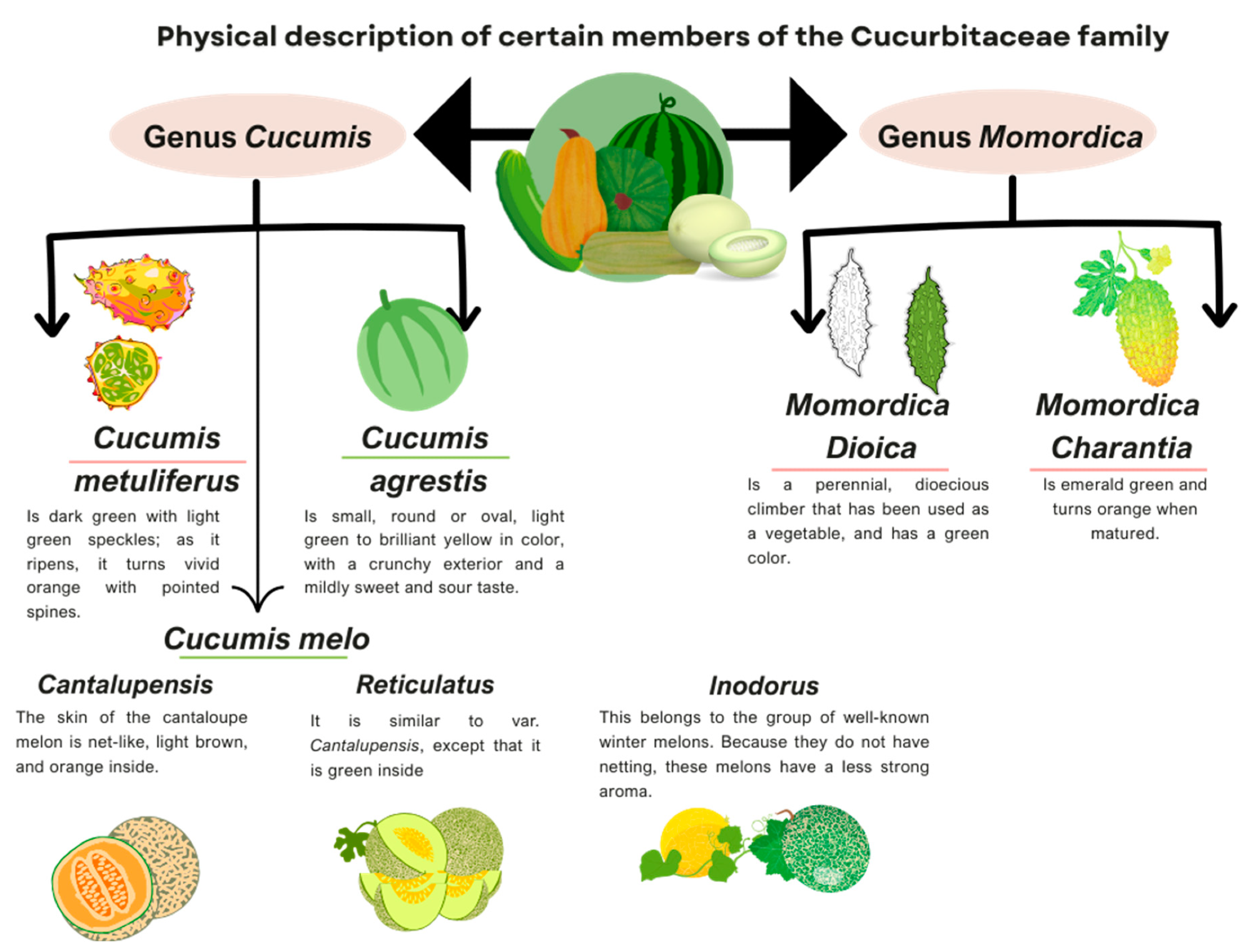
    In a recent study published in the journal Foods, researchers review the biological activities of Cucumis and Momordica, two plant species belonging to the Cucurbitaceae family.

    Study: Importance of Certain Varieties of Cucurbits in Enhancing Health: A Review. Image Credit: Kotcha K / Shutterstock.com

    Background

    The Cucurbitaceae family comprises about 115 genera and 960 species of different fruits and vegetables, which are rich sources of proteins, vitamins, minerals, dietary fibers, and many bioactive compounds. Based on their morphological, cytological, and floral characteristics, these plants are classified into two primary subfamilies: Cucurbitoidea and Zanoniodeae.

    Cucumis L. is a genus of the Cucurbitaceae family. It is commonly consumed fresh or used in various foods and beverages. It is also used in various topical formulations and pharmaceutical vitamin A and C products.

    Momordica species of the Cucurbitaceae family are cultivated in tropical regions and often have a bitter taste due to the presence of alkaloid phytochemicals. Bioactive compounds and trace elements found in these plants are useful for treating various health conditions, including asthma, fever, neuropsychological, dermatological, and digestive disorders.

    Physical description of the members of the Cucurbitaceous family discussed in this articlePhysical description of the members of the Cucurbitaceous family discussed in this article

    Health properties of Cucumis metuliferus

    Cucumis metuliferus, which is commonly known as Kiwano or horned melon, grows mostly in tropical regions, including Nigeria and South Africa. Polysaccharides present in the Cucumis metuliferus peel have immunomodulatory, ferrous ion-chelating, and prebiotic activities.

    The Cucumis metuliferus pulp contains high amounts of potassium salts and low amounts of sodium salts, as well as rutin and lutein, which have antioxidant, anti-inflammatory, anti-viral, and platelet aggregation-inhibiting activities.

    C. metuliferus extract can exert hypoglycemic effects by inhibiting the activities of key enzymes like β-glucosidase or α-amylase involved in glucose metabolism. The hydroethanolic extract of Cucumis metuliferus can exert antioxidant, anti-inflammatory, and antidiabetic effects due to the presence of ursolic acid.

    The anti-inflammatory properties of C. metuliferus methanolic extracts primarily depend on the high phenol and flavonoid content of these fruits. These extracts may also reduce nephrotoxicity and increase total white blood cell (WBC) counts in animals.

    Health properties of Cucumis agrestis

    Cucumis agrestis is generally consumed as a vegetable and contains multiple phytoconstituents, including alkaloids, tannins, flavonoids, carbohydrates, proteins, glycosides, steroids, triterpenoids, and phenolic acids.

    The hydroalcoholic extract of Cucumis agrestis is associated with anti-diabetic and anti-hyperlipidemic properties. Comparatively, the methanolic fruit extract has shown strong antioxidant activity, which makes it a potential adjuvant candidate for the treatment of liver cancer.

    Health properties of Cucumis melo L.

    Cucumis melo is a rich source of vitamin C, vitamin E, polyphenols, carotenoids, and phytochemicals, all of which are associated with potential cardiovascular, diuretic, digestive, and antiparasitic benefits.

    Cucumis melo var. cantalupensis, commonly known as rock melon, exhibits high provitamin A activity and may, therefore, prevent chronic inflammation. Rock melon pulp and peel extracts have also shown efficacy in preventing edema formation.

    Cucurbitacin B from Cucumis melo var. Cantalupensis has demonstrated anti-proliferative and pro-apoptotic activities against lung cancer cells by inhibiting inflammatory processes.

    Cucumis melo var. reticulatus or Galia melon is a rich source of phenolic compounds, flavonoids, minerals such as magnesium, phosphorus, sodium, potassium, polyunsaturated fatty acids, and essential amino acids.

    Cucumis melo L. inodorus is a rich source of vital nutrients and minerals, such as magnesium, potassium, iron, vitamins C, A, and B6, calcium, pantothenic acid, omega-3, omega-6, and zinc. Some varieties of this melon have been shown to effectively manage insulin resistance and adipose tissue inflammation, as well as protect the cardiovascular system.

    Health properties of Momordica charantia

    Momordica charantia, which is a bitter melon, is a rich source of proteins, carbohydrates, dietary fibers, vitamins, minerals, and bioactive compounds like gallic acid, tannic acid, catechin, caffeic acid, p-coumaric acid, ferulic acid, and benzoic acid.

    Glucan endo-1,3-beta-glucosidase (BG-4) extracted from Momordica charantia seeds is associated with strong trypsin-inhibiting and anti-inflammatory activities, particularly in the context of impaired glucose metabolism.   

    Phenolic compounds present in Momordica charantia can exert anti-diabetic effects by inhibiting intestinal carbohydrate absorption, stimulating insulin secretion, and protecting the islets of Langerhans from degradation. In fact, a novel insulin receptor-binding protein isolated from Momordica charantia exhibits gastric resistance and hypoglycemic activities.

    Momordica charantia extracts have shown antibacterial activity against K. pneumoniae and B. licheniformis, with water extracts showing stronger activity than ethanolic extracts.

    Among variations of Momordica charantia, previous studies have reported the antibacterial activity of var. muricata against Escherichia coliKlebsiella pneumoniaPseudomonas aeruginosaMicrococcus luteus, and Staphylococcus aureus, whereas var. charantia has shown antibacterial activity against S. aureusP. aeruginosa, and E. coli.   

    Momordica charantia extracts have shown anticancer activity against breast, lung, and colon cancer cells. In ovarian cancer, Momordica charantia extracts elicit anti-proliferative, anti-metastatic, and pro-apoptotic effects through its protein kinase-activating activity.

    Momordica dioica is a rich source of many bioactive compounds, fats, carbohydrates, and dietary fibers. Previously, Momordica dioica has demonstrated anticancer activities against ovarian and cervical cancers. In fact, the purification and isolation Momordica dioica proteins have supported recent advancements in peptide-based drug delivery.

    Journal reference:

    • Romo-Tovar, J., Cerda, R. B., Chavez-Gonzalez, M. L., et al. (2024). Importance of Certain Varieties of Cucurbits in Enhancing Health: A Review. Foods. doi:10.3390/foods13081142 

    [ad_2]

    Source link

  • A balanced take on microbes and disease outcomes

    A balanced take on microbes and disease outcomes

    [ad_1]

    In a recent review published in the journal PNAS, researchers examined the germ theory from a non-centric perspective on infection outcome, considering the variables that influence illness severity while drawing on a known understanding of microbial pathogenesis, evolutionary biology, and pathogen-host interactions.

    The germ theory revisited: A noncentric view on infection outcome. Image Credit: ImageFlow / ShutterstockThe germ theory revisited: A noncentric view on infection outcome. Image Credit: ImageFlow / Shutterstock

    Background

    The germ-disease theory, created in the nineteenth century, is a critical medical paradigm claiming that pathogenic microbes cause infectious diseases. However, this explanation is microorganism-centric, failing to explain varying disease severity and symptomatic profiles among individuals. While the microorganism is necessary to produce illness, it cannot solely determine the infection outcome. As a result, the theory must consider the host’s status fluctuations, which considerably impact infection outcomes.

    Recent research questions the theory, giving rise to the full-blown host theory, which holds that infectious illnesses are caused by inherited or acquired immunodeficiencies in the host. According to this hypothesis, viruses are passive environmental triggers, and disease development results from pre-existing host immunodeficiencies. These inadequacies can be covert or overt, depending on diagnostic procedures used to identify critical diseases.

    About the review

    In the present review, researchers investigated the relative relevance of pathogenic microbes and hosts in determining infection outcomes, revealing a non-centric perspective that acknowledges essential roles for both the pathogenic microorganism and the host in defining infection outcomes.

    Pathogens and virulence

    Pathogens are germs that can cause illness among immunocompetent and healthy hosts; nevertheless, asymptomatic carriership occurs when pathogens infect or colonize hosts without causing symptoms. Examples include Helicobacter pylori and severe acute respiratory syndrome coronavirus 2 (SARS-CoV-2), which can cause asymptomatic infections in 40% to 80% of cases. Mycobacterium tuberculosis is the most prominent example of pathogens producing asymptomatic carriership, with one-fourth of the worldwide human population latently infected but exhibiting no symptoms of illness.

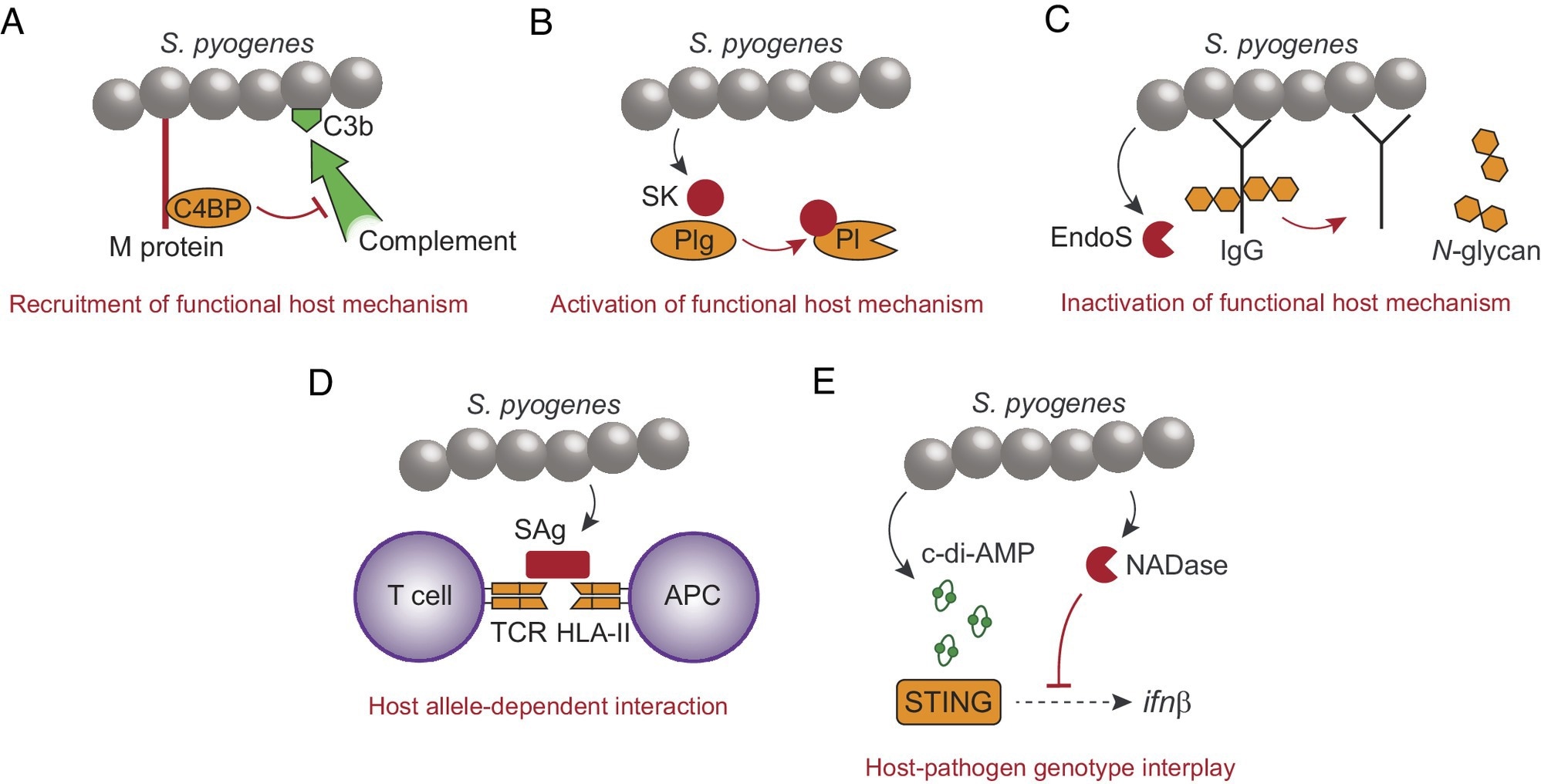
    Examples demonstrating the evolved ability of S. pyogenes to promote disease in immunocompetent individuals. (A) The surface M protein recruits human C4BP to inhibit complement opsonization (C3b) of the bacterial surface. (B) Secreted streptokinase (SK) binds to human Plg, which causes a conformational change of Plg into a plasmin (Pl) active state. (C) The secreted endoglycosidase EndoS inactivates effector functions of IgG by cleaving off N-glycans from the Fc-region. (D) Secreted superantigen (SAg) causes antigen-independent T cell activation by cross-linking the TCR with HLA-II on antigen presenting cells (APC). SAgs have different affinity for different fully functional HLA-II haplotypes. (E) The STING responds to S. pyogenes-derived c-di-AMP to induce transcription of the interferon β gene, which is inhibited by the enzymatic activity of bacterial NADase. Human STING and S. pyogenes NADase exhibit polymorphisms affecting their relative ability to respond to c-di-AMP and to suppress interferon transcription, respectively.Examples demonstrating the evolved ability of S. pyogenes to promote disease in immunocompetent individuals. (A) The surface M protein recruits human C4BP to inhibit complement opsonization (C3b) of the bacterial surface. (B) Secreted streptokinase (SK) binds to human Plg, which causes a conformational change of Plg into a plasmin (Pl) active state. (C) The secreted endoglycosidase EndoS inactivates effector functions of IgG by cleaving off N-glycans from the Fc-region. (D) Secreted superantigen (SAg) causes antigen-independent T cell activation by cross-linking the TCR with HLA-II on antigen presenting cells (APC). SAgs have different affinity for different fully functional HLA-II haplotypes. (E) The STING responds to S. pyogenes-derived c-di-AMP to induce transcription of the interferon β gene, which is inhibited by the enzymatic activity of bacterial NADase. Human STING and S. pyogenes NADase exhibit polymorphisms affecting their relative ability to respond to c-di-AMP and to suppress interferon transcription, respectively.

    In contrast, opportunistic microbes cannot cause illness in usual settings but can be pathogenic in the case of compromised host steady-state conditions. For example, Clostridium difficile, a spore-forming bacteria, can cause symptomatic illness when treated with antibiotic medications, which reduces the microbiota and allows Clostridium difficile germination to develop a footing. Commensal Candidal fungi can also cause illness in regular settings, but only in the case of immunosuppression, as observed in individuals with HIV-associated immunodeficiency syndrome (AIDS).

    Virulence, a pathogen’s capacity to generate illness symptoms or pathology, is vital to infection outcomes. According to evolutionary theory, a pathogen’s Darwinian fitness is often maximized at an intermediate degree of virulence, resulting in fitness costs and benefits. This idea gains support by controlled laboratory tests and epidemiological research on human illnesses such as AIDS.

    Host-pathogenic microbe interactions and genetic variability

    Streptococcus pyogenes, a bacterium often present in humans, can cause asymptomatic carriership and symptomatic illnesses such as septic shock and necrotizing infections in soft tissues. Streptococcus pyogenes’ surface M proteins are polymorphic virulence factors that impart phagocytic resistance and prevent complement opsonization, recruiting the serum C4b-binding protein (C4BP) and enabling, allowing rapid bacterial proliferation in blood.

    A secreted Streptococcus pyogenes protein, streptokinase, preferentially binds with and stimulates human plasminogen (Plg), promoting proteolytic actions and bacterial spread. Transgenic mice infection revealed the importance of this relationship in virulence, revealing that Streptococcus pyogenes activates fibrinolytic pathways to cause illness.

    The association of bacterial virulence characteristics with the genetic diversity of the host is critical. Superantigens (SAgs) of streptococcal species form cross-links with T-cell receptors (TCRs) to human major histocompatibility complex (MHC) class II molecules, causing antigen-independent T-lymphocyte activation. Fully functional human leukocyte antigen II (HLA-II) variations considerably affect infection outcomes. Type I interferon (IFN) signaling protects Streptococcus pyogenes-infected mice against host-damaging inflammation.

    Uncommon mutations that profoundly impact infection outcomes cause Casanova’s inborn immunity defects. More frequent alleles with lesser effects play a primary role in the phenotypic variance in infection outcomes, maintained by balanced selection. In addition to host genetic diversity, pathogens exhibit enormous genetic variation, and the combination of host and pathogen genotypes considerably impacts disease severity.

    Based on the review findings, microbes have evolved to flourish in extreme conditions such as polar ice, scorching vents, sulfur-acidic lakes, and immunocompetent hosts. Pathogens have developed methods to avoid host defenses, allowing them to infect and produce clinical illness in immunocompetent humans. The review stresses that the host and the pathogen’s genetic diversity can impact infection outcomes, implying that both species play active roles. The researchers’ proposed full-fledged host theory is disproven in favor of a non-centric approach, recognizing crucial roles for the causal bacterium and the host in determining infection outcome.

    [ad_2]

    Source link

  • Meat or not to meat? Study challenges health claims of plant-based substitutes

    Meat or not to meat? Study challenges health claims of plant-based substitutes

    [ad_1]

    Plant-based meat analogs (PBMA) have grown in popularity, but few studies have assessed their health effects. A recent American Journal of Clinical Nutrition study analyzed the effects of animal-based meat diets (ABMD) relative to PBMA diets (PBMD) on cardiometabolic health. This study was conducted in Singapore and included adults with an elevated risk of diabetes.

    Study: Plant-based meat analogues (PBMAs) and their effects on cardiometabolic health: An 8-week randomized controlled trial comparing PBMAs with their corresponding animal-based foods. Image Credit: dropStock / ShutterstockStudy: Plant-based meat analogues (PBMAs) and their effects on cardiometabolic health: An 8-week randomized controlled trial comparing PBMAs with their corresponding animal-based foods. Image Credit: dropStock / Shutterstock

    Background

    Plant-based diets (PBDs) have been shown to positively impact cardiometabolic health due to the presence of a wide range of bioactive constituents, e.g., vitamins, dietary fibers, carotenoids, and so on. Despite the advantages, long-term compliance by habitual omnivores can be complex because meat consumption is deeply rooted in culture, history, and societal norms.

    PBMAs, developed from sustainable plant-based sources, aim to ape the organoleptic attributes of their animal-based counterparts. With their growing popularity, it is important to critically evaluate their health effects relative to a typical omnivorous diet. In particular, there is a scarcity of research within an Asian dietary context.

    About this Study

    Addressing the aforementioned gap in the literature, the current study aimed to assess the impacts of ABMD and PBMD on cardiometabolic health among Singaporeans with an elevated risk of type 2 diabetes mellitus (T2DM). The central hypothesis was that substitutions with PBMA would lead to better cardiometabolic health and lower risks stemming from non-communicable diseases.

    This was an 8-week parallel design randomized controlled trial with 89 participants. Among them, 44 were instructed to switch to fixed quantities of PBMAs, and the remaining switched to animal-based meats corresponding to the PBMAs. The primary outcome variable was LDL-cholesterol, and the secondary outcomes comprised other risk factors for cardiometabolic diseases (e.g., glucose and fructosamine) and dietary data. Within a sub-population, the secondary outcome also consisted of a measure of ambulatory blood pressure at baseline and post-intervention and continuous glucose monitoring for 14 days.

    Study Findings

    No significant effects were noted on the lipid-lipoprotein profile; however, both dietary regimes were associated with lower fructosamine and higher HOMA-β over time. No apparent differences were noted between the ABMD and the PBMD groups. The results did not show any clear benefits of PBMD on cardiometabolic health relative to ABMD.

    The subpopulation that underwent glucose monitoring reported more effective glycemic management in the ABMD group. Ambulatory blood pressure also showed modest improvements after an ABMD but not a PBMD. These findings suggest that the health benefits of PBDs should not be conflated with PBMDs. This is because PBMDs are distinct from PBDs in terms of nutrition and impact on cardiometabolic health.

    When comparing PBMAs with their corresponding animal-based foods, vast differences were noted in the macro- and micro-nutrient profiles. The ABMD group showed higher dietary protein, and in terms of micronutrients, PBMAs were higher in sodium. Potassium and calcium were also found to be higher in some PBMAs.

    The better results concerning the glycemic index in the ABMD group could be driven by the lower carbohydrate and higher protein consumption relative to the PBMD group. Here, protein bioavailability was not assessed, but existing research has shown weakened absorption and digestion of PBMA proteins compared to animal-based meats. This leads to differential insulin secretion and production of gut hormones.

    The selection and assessment of widely available and popular contemporary PBMAs is a key strength of this study. The mode of intervention was also flexible to enable the assessment of broader dietary consequences following a switch to PBMD. Furthermore, the strictly regulated setting, where provision and consumption of food happened at specific times, contributed to the influence of confounders to be minimized. 

    Conclusions

    In sum, despite the growing popularity of PBMAs as a source of alternative protein, the results documented here do not support the hypothesis of superior cardiometabolic health benefits linked to PBMDs relative to an omnivorous diet comprising animal-based meats. 

    Incorporating PBMAs into the diet could affect nutritional intake and potentially compromise glycemic management. This implies that the health benefits of PBDs should not be conflated with PBMD because PBMDs are distinct from PBDs in terms of their nutrition and impact on cardiometabolic health.

    The results documented here provide a stimulus and motivation for the food industry to research and develop the next generation of PBMAs with greater nutritional attributes and bioaccessibility. The current focus is on organoleptic properties, and expanding the remit to consider nutrition and sustainability is expected to benefit producers and consumers alike.

    Journal reference:

    • Kiat Toh. et al. (2024) Plant-based meat analogues (PBMAs) and their effects on cardiometabolic health: An 8-week randomized controlled trial comparing PBMAs with their corresponding animal-based foods. The American Journal of Clinical Nutrition. DOI: 10.1016/j.ajcnut.2024.04.006, https://www.sciencedirect.com/science/article/pii/S0002916524003964

    [ad_2]

    Source link

  • Research identifies how leukemia develops resistance to first line treatments

    Research identifies how leukemia develops resistance to first line treatments

    [ad_1]

    Relapses in a common form of leukemia may be preventable following new research which has identified how the cancer develops resistance to first line treatments.

    New research published in iScience by researchers from the University of Birmingham, the Institute of Cancer Research (ICR), Newcastle University, the Princess Maxima Centre of Pediatric oncology and the University of Virginia identified changes in a mutated form of acute myeloid leukemia (AML) samples from patients who relapsed after receiving FLT3 inhibitor treatment.

    The team found that the resistant cancer had up-regulated multiple other signalling pathways to overcome the drug’s action, and that the genetic change was able to be replicated in lab tests.

    These experiments revealed that by targeting RAS family proteins, using a small molecule inhibitor developed from a chemical library screen using the paratope of an inhibitory intracellular antibody by Terry Rabbitts’ team at the Weatherall Institute of Molecular Medicine University of Oxford and the ICR, increased signalling no longer rescued the cells from cell death.

    The team identified that the transcription factors AP-1 and RUNX1 were at the heart of mediating drug resistance. The two factors cooperate and bind to their target genes together, but only in the presence of growth factor signalling. The drugs targeting FLT3 rewire the cell, resulting in the upregulation of other signalling pathway associated genes, which then restored AP-1 and RUNX1 binding. Drugging RAS, which is a key component in multiple signalling pathways, prevented this restoration of RUNX1 binding, and therefore signalling from growth factors no longer rescued the cancer cells from death.

    Professor Constanze Bonifer from the Institute of Cancer and Genomic Sciences at the University of Birmingham, who has just taken up a position at the University of Melbourne, and is one of the senior authors of the paper said:

    The pharmaceutical industry had high hopes that drugs targeting aberrant growth factor receptors such as the FLT3-ITD would prevent people from relapse. However, cancer cells are smart, and rewire their growth control machinery to use other growth factors present in the body. Targeting RAS family members prevents the cancer from rewiring and using different signalling pathways to escape cell death.”

    Targeting RAS blocks rewiring

    The small molecule inhibitors used to target RAS in this study were developed using intracellular antibody technology. This technology involves screening a large number of antibody fragments to identify those which bind to the target protein in cells and prevent their protein-protein interactions. Small molecule inhibitors are can be screened from chemical libraries that interact with the parts of the target protein where these antibody fragments bind (the paratope). Due to the unparalleled natural specificity of these antibody fragments, this technology (called Antibody derived or Abd technology) can be used to target difficult to drug proteins and identify new parts of the protein which can be targeted to prevent protein-protein interactions.

    Professor Terry Rabbitts from the Institute of Cancer Research who developed these drugs said:

    The strength of the Antibody-derived technology approach is that intracellular antibodies can selected to essentially any protein. In turn, their specific binding sites can be employed to select chemical compounds for drug discovery against hard to drug proteins. Mutant RAS was considered undruggable, but the Abd technology facilitated the development of the RAS-binding compounds used in the current study of cancer cell re-wiring. Abd technology will allow development of a new generation of drugs to hard-to-drug and intrinsically disordered proteins.

    AML with a FLT3-ITD mutation occurs in nearly 30% of all patients and is a highly aggressive disease with a poor prognosis. This genetic change causes the expression of a mutant growth factor receptor which is always active and therefore cancer cells expressing it grow uncontrollably. While inhibitors which specifically target the FLT3 protein are now in use in the clinic, patients treated with these inhibitors frequently relapse.

    This work was funded by Leukaemia Research UK, the Medical Research Council, Blood Cancer Research UK, the Royal Society, the Wellcome and Cancer Research UK. The first author, Daniel Coleman is a John Goldman Fellow of Leukaemia UK.

    Source:

    Journal reference:

    Daniel J.L., et al. (2024). Pharmacological inhibition of RAS overcomes FLT3 inhibitor resistance in FLT3-ITD+ AML through AP-1 and RUNX1. iScience. doi.org/10.1016/j.isci.2024.109576.

    [ad_2]

    Source link

  • Researchers elucidate how gene mutation mechanism causes autism

    Researchers elucidate how gene mutation mechanism causes autism

    [ad_1]

    Researchers show how mutations of gene transcription and chromatin regulation-related genes cause autism.

    The loss-of-function mutation of KMT2C, a gene involved in histone modification, leads to the development of autism and other neurodevelopmental deficits. However, the precise mechanism of the disease progression is still unknown. Now, researchers from Japan have developed an animal model and elucidated the mechanism by which mutation in genes involved in chromatin modification causes autism. They have also discovered a drug that can be used in the treatment of autism.

    Autism spectrum disorder (ASD) encompasses neurodevelopmental conditions where patients display repetitive behavior and impaired sociality. Genetic factors have been shown to influence the development of ASD. Additionally, recent studies have shown that the genes involved in chromatin modification and gene transcription are involved in the pathogenesis of ASD. Among the many genes implicated in this process, the gene KMT2C (lysine methyltransferase 2c), which codes for a catalytic unit of H3K4 (histone H3 lysine 4) methyltransferase complex, has been identified to be associated with the development of autism and other neurodevelopmental disorders. Previous studies have shown that haploinsufficiency (a condition where, of the two copies of the gene, only one remains functional) of KMT2C is a risk factor for ASD and other neurodevelopmental disorders. However, the molecular mechanism through which the loss-of-function mutation in KMT2C leads to these conditions remains unclear.

    To address this knowledge gap, researchers from Juntendo University, RIKEN, and the University of Tokyo in Japan aimed to provide answers to these questions in a benchmark study published in the journal Molecular Psychiatry on 26 March 2024. The research team included Professor Tadafumi Kato from the Department of Psychiatry and Behavioral Science at Juntendo University Graduate School of Medicine, Dr. Takumi Nakamura and Dr. Atsushi Takata from the RIKEN Center for Brain Science, and Professor Takashi Tsuboi from Graduate School of Arts and Sciences, The University of Tokyo.

    To get to the bottom of KMT2C‘s role in ASD pathogenesis, the team developed and analyzed genetically engineered strain mice (Kmt2c+/fs) having a frameshift mutation that models the KMT2C haploinsufficiency. They then performed various behavioral analyses, in which they observed that the mutant mice exhibited lower sociality, inflexibility, auditory hypersensitivity, and cognitive impairments, which are all ASD-related symptoms.

    Next, they performed transcriptomic and epigenetic profiling to understand the basis of the molecular changes observed in the mutant mice. What they discovered was remarkable: the genes associated with increased ASD risk showed higher expression in these mutant mice.

    This was somewhat unexpected. KMT2C mediates H3K4 methylation, which is thought to activate gene expression, and thereby KMT2C haploinsufficiency was expected to cause reduced expression of target genes.”


    Dr. Atsushi Takata, RIKEN Center for Brain Science

    To gain mechanistic insights into their finding, the researchers carried out chromatin immunoprecipitation, a technique to determine the location on the DNA where the protein interacts with it. They found an overlap between KMT2C and the differentially expressed genes exhibiting reduced expression, suggesting that KMT2C haploinsufficiency leads to ASD-related transcriptomic changes through an indirect effect on gene expression.

    Further, to identify the cell types that contribute more to the pathological changes seen in the mutant mice, the researchers performed single-cell RNA sequencing of newborn mice brains. They observed that the altered genes associated with ASD risk were predominant in undifferentiated radial glial cells. However, a gross change in the cell composition was not observed, implying that the transcriptomic dysregulation does not severely impact cell fate.

    Finally, the researchers tested the effects of vafidemstat, a brain penetrant inhibitor of LSD1 (lysine-specific histone demethylase 1A), that could ameliorate histone methylation abnormalities. They found that vafidemstat improved the social deficits in the mutant mice and had an exceptional rescuing effect by changing the expression levels of the differentially expressed genes to their normal expression level. This finding showed that vafidemstat is a valid drug for mutant mice and can potentially help restore the normal transcriptomic state.

    What sets this discovery apart is that it challenges the commonly held belief that ASD disability may not be cured and demonstrates the efficacy of vafidemstat in improving ASD-like phenotypes. The results open doors to future research to strengthen the foundation for the pharmacologic treatment of ASD and other neurodevelopmental disorders. Prof. Kato concludes, “Our research shows that drugs similar to vafidemstat may be generalizable to multiple categories of psychiatric disorders.”

    Source:

    Journal reference:

    Nakamura, T., et al. (2024). Transcriptomic dysregulation and autistic-like behaviors in Kmt2c haploinsufficient mice rescued by an LSD1 inhibitor. Molecular Psychiatry. doi.org/10.1038/s41380-024-02479-8.

    [ad_2]

    Source link