Tag: Science

  • Mapping molecular arrangements to pave the way for better catalytic systems

    Mapping molecular arrangements to pave the way for better catalytic systems

    [ad_1]

    Mapping molecular arrangements to pave the way for better catalytic systems
    Eric Stach of the School of Engineering and Applied Science and colleagues used neural networks to better identify the characteristics of catalysts that drive the creation of liquid fuels from sunlight. Shown here: The arrangement of a catalyst molecule, as observed under cryogenic conditions. The bright spots represent individual or small groups of molecules immobilized on a surface and the cryogenic temperature helps minimize clustering caused by the electron beam during imaging, allowing scientists to study the molecule’s distribution more accurately. Credit: Sungho Jeon

    The Stach Group in Penn Engineering has led a collaborative team identifying how chemical catalysts drive the creation of liquid fuels from sunlight, paving the way for more efficient removal of greenhouse gases from the atmosphere.

    “Imagine standing in a desert under a clear, starlit sky,” says Eric Stach, Robert D. Bent Professor of Engineering at the University of Pennsylvania. “With just your naked eye, you might spot the shimmering band of the Milky Way or the fuzzy glow of Andromeda. But without a telescope and other sophisticated tools, it’s nearly impossible to distinguish individual stars or truly understand their arrangement in the cosmos.”

    Stach likens this experience to the challenge the team faced in trying to visualize molecular catalysts, the microscopic structures key to chemical reactions like converting carbon dioxide (CO2) into usable fuels, on surfaces of semiconductor materials.

    These catalysts, which contain heavy metal atoms, are scattered across surfaces in ways that are crucial to their performance, yet, like stars in the night sky, “their precise placement and clustering are difficult to discern with conventional techniques,” Stach says.

    To that end, Stach and his collaborators at the University of North Carolina at Chapel Hill (UNC) and Yale University—working together as part of the Center for Hybrid Approaches in Solar Energy to Liquid Fuels— combined atomic-resolution imaging with machine learning analysis to better characterize the distribution of molecular catalysts.

    The team published their findings on the determination of the conditions, behaviors, and qualities of different catalysts in the journal Matter.

    “The project brought together researchers with complementary expertise in imaging, molecular synthesis, catalysis, and surface chemistry,” says Jillian L. Dempsey of UNC. “The collaboration was essential for visualizing how individual catalysts are distributed across semiconductor photoelectrodes.”

    By providing a new understanding of how molecular catalysts behave on semiconductor surfaces, the team’s findings pave the way for more efficient catalytic systems. Advances could accelerate developments in renewable energy technologies, such as CO2 conversion and hydrogen production, and offer insights applicable to a wide range of industrial processes.

    “The elegance of our approach really lies in a simple yet powerful idea,” says Sungho Jeon, a postdoctoral researcher in the Stach Group and co-first author of the paper. “If you want to correlate variables, like how molecular coverage and distribution influence catalyst performance, you first have to measure them accurately.

    “Our work shows how to precisely and robustly measure surface coverage, quantify distributions, and see how changing conditions, like the type of molecule or functionalization process, alters those properties.”

    Making an atomic map

    The team used High-Angle Annular Dark-Field Scanning Transmission Electron Microscopy (HAADF-STEM) carried out at the Singh Center for Nanotechnology at Penn. This generates images with atomic-level resolution by highlighting the contrast between heavy atoms, such as rhenium or platinum, and their lighter surroundings. While techniques like HAADF-STEM provide extraordinary detail, they only capture small regions at a time and give researchers massive datasets that can be tricky to analyze manually.

    Discover the latest in science, tech, and space with over 100,000 subscribers who rely on Phys.org for daily insights.
    Sign up for our free newsletter and get updates on breakthroughs,
    innovations, and research that matter—daily or weekly.

    “Enter Sungho’s convolutional neural networks (CNNs),” Stach says. “It’s a type of machine learning that excels at pattern recognition. Sungho trained CNNs to detect individual atoms in HAADF-STEM images, which let us see them to systematically map the surface coverage and distribution of catalysts across their supports.”

    This allowed the researchers to not only quantify the number of immobilized molecules but also understand whether they were clustered, evenly spaced, or randomly scattered—insights critical for optimizing catalytic performance.

    Why does this matter? The spatial arrangement of catalysts can dramatically influence their efficiency and selectivity. Molecules that are too densely packed might interfere with each other, reducing their effectiveness. Conversely, evenly dispersed catalysts can increase reaction rates and improve outcomes.

    “Understanding these details is a game-changer,” says Stach. “It’s the first step toward designing catalytic systems with precision, tailoring their structure to enhance their function.”

    Do not destroy

    The team also overcame major practical hurdles, like the fragility of molecular catalysts under the intense electron beams used for imaging. They developed sample preparation methods and stabilization techniques to protect the molecules, ensuring the images accurately reflected real-world conditions.

    Stach explains that there was an initial concern that the high-energy electrons would “destroy everything” upon impact, potentially “knocking atoms around like pinballs,” rendering the images unreliable and making it impossible to accurately determine their true arrangement. So, the researchers employed new sample preparation techniques, including backfilling the surface with stabilizing molecules to minimize electron beam damage.

    “We had to convince ourselves—and reviewers—that what we were imaging was real and not an artifact of the imaging process,” says Stach. He notes that this ensured that the molecular catalysts’ true distribution was captured without distortion. Through this approach, the researchers uncovered distinct patterns in how catalysts interacted with their surfaces.

    The researchers observed that some molecules, like the CO2-reducing Re-Phen, tended to cluster, while others, such as the hydrogen-evolving Pt-Porph, exhibited more dispersed arrangements. These differences, they found, were influenced by variables such as the choice of attachment group and the functionalization process used to bond the molecules to the surface.

    “This work would not have been possible without the combined expertise of researchers across institutions,” says Nilay Hazari of Yale. “Each team brought unique skills that enabled us to perform these imaging experiments. The superb instrumentation at Penn, in particular, was crucial to our success.”

    The clustering of catalysts like Re-Phen was found to potentially hinder catalytic efficiency due to interactions between neighboring molecules, while dispersed arrangements optimized performance.

    Looking ahead, the team is already exploring how this methodology can be adapted to study catalysts on more complex surfaces, such as “porous materials that offer greater surface area but pose additional imaging challenges,” Stach says. “We would’ve never bothered with something this tricky a couple of years ago, but the information we got from this paper’s already paying tremendous dividends in the preliminary data.”

    More information:
    Sungho Jeon et al, Statistical analysis of HAADF-STEM images to determine the surface coverage and distribution of immobilized molecular complexes, Matter (2024). DOI: 10.1016/j.matt.2024.11.013

    Provided by
    University of Pennsylvania


    Citation:
    Mapping molecular arrangements to pave the way for better catalytic systems (2024, December 10)
    retrieved 10 December 2024
    from https://phys.org/news/2024-12-molecular-pave-catalytic.html

    This document is subject to copyright. Apart from any fair dealing for the purpose of private study or research, no
    part may be reproduced without the written permission. The content is provided for information purposes only.


    [ad_2]

    Source link

  • New antidote could save lives from deadly hydrogen sulfide gas

    New antidote could save lives from deadly hydrogen sulfide gas

    [ad_1]

    A novel heme-model compound that treats lethal gas poisoning
    These compounds can act as powerful antidotes to treat carbon monoxide, hydrogen cyanide, and hydrogen sulfide poisoning without any risk of side effects. Credit: The authors

    Hydrogen sulfide, a colorless gas that smells like rotten eggs, is produced naturally from decaying matter. This gas is lethal to breathe in, and hydrogen sulfide present in high concentrations can cause death very rapidly.

    Its relative density is also greater than air, causing it to accumulate at lower altitudes and posing an enormous threat to workers at sites, such as manholes, sewage systems and mining operations.

    Why is hydrogen sulfide so dangerous? It binds strongly to the heme-containing cytochrome c oxidase (CcO) enzyme and blocks the cellular process of aerobic (oxygen-dependent) respiration.

    What is even more concerning is that, as of now, there is no identified antidote that can treat hydrogen sulfide poisoning. Hence, there is an urgent need to develop therapeutic agents that can be stored for long durations and are effective against hydrogen sulfide poisoning immediately.

    A study led by Professor Hiroaki Kitagishi at Doshisha University and published online on December 10, 2024, in Scientific Reports has proposed a novel antidote for hydrogen sulfide poisoning.

    Atsuki Nakagami, Ph.D. students in the Department of Applied Chemistry at the Graduate School of Doshisha University, Dr. Qiyue Mao, Specially Appointed Assistant Professor at Doshisha University, Associate Professor Masaki Horitani at the Faculty of Agriculture, Saga University, and Professor Masahito Kodera at the Faculty of Science and Engineering, Doshisha University, also contributed to the results of this study.

    They decided to tackle this problem by using artificial heme-model compounds that would have a higher affinity towards hydrogen sulfide than the native hemes present in our bodies.

    Providing more context to their approach, Prof. Kitagishi explains, “We have developed and studied synthetic heme-model compounds (hemoCDs) over the last two decades. The series of hemoCDs, which consist of porphyrin and cyclodextrins, is our original heme-model system that realizes the biological functions of hemes (like hemoglobin) while using completely synthetic materials.”

    Previously, Prof. Kitagishi and his collaborators used two novel hemoCDs dubbed “hemoCD-Twins”—met-hemoCD-P and met-hemoCD-I—to successfully treat carbon monoxide and hydrogen cyanide poisoning in mice.

    In this study, they decided to test if these two complexes had the potential to “scavenge” hydrogen sulfide in an aqueous medium. Interestingly, they found that met-hemoCD-I in particular had a very high affinity for hydrogen sulfide under normal physiological conditions—almost 10 times higher than that of human met-hemoglobin.

    Met-hemoCD-I was able to convert toxic hydrogen sulfide into nontoxic sulfite and sulfate ions, indicating that it could be used to treat hydrogen sulfide poisoning.

    A novel heme-model compound that treats lethal gas poisoning
    Met-hemoCD-I detoxified hydrogen sulfide by converting it into the less harmful compounds sulfite and sulfate. Credit: The authors

    To test this antidote, they injected hydrogen sulfide-treated mice with met-hemoCD-I. The results were very promising—mice injected with met-hemoCD-I showed improved survival rates compared to mice that were not given the antidote. Additionally, CcO activity in the brain and heart tissues (which had decreased because of poisoning) recovered and returned to normal.

    Discover the latest in science, tech, and space with over 100,000 subscribers who rely on Phys.org for daily insights.
    Sign up for our free newsletter and get updates on breakthroughs,
    innovations, and research that matter—daily or weekly.

    Another aspect of met-hemoCD-I that makes it a very promising antidote is its demonstrated safety—it was found that injected met-hemoCD-I was excreted in the urine of the rats without undergoing any chemical decomposition in their body.

    The results of this study show that hemoCD-Twins could be used as a powerful antidote to treat carbon monoxide, hydrogen cyanide, and now hydrogen sulfide poisoning without the risk of any side effects.

    Explaining their vision for this treatment, Prof. Kitagishi says, “Using hemoCD-Twins, we can provide one powerful solution for multiple gas poisoning, even if the cause of poisoning is unknown. Worldwide, we still do not have an actual solution for accidentally occurring gas poisoning—we would like to supply hemoCD to fulfill this unmet medical need.”

    In the future, they hope to bring this rapid and effective treatment to clinics and other medical settings. “We will proceed with non-clinical and clinical trials in cooperation with medical doctors in order to implement this compound as a therapeutic agent actually used in the world,” adds Prof. Kitagishi.

    We are confident that this antidote will prove invaluable for improving the safety of workers and rescue personnel around the world.

    More information:
    Nakagami, A., et al. Detoxification of hydrogen sulfide by synthetic heme model compounds, Scientific Reports (2024). DOI: 10.1038/s41598-024-80511-1

    Provided by
    Doshisha University


    Citation:
    New antidote could save lives from deadly hydrogen sulfide gas (2024, December 10)
    retrieved 10 December 2024
    from https://phys.org/news/2024-12-antidote-deadly-hydrogen-sulfide-gas.html

    This document is subject to copyright. Apart from any fair dealing for the purpose of private study or research, no
    part may be reproduced without the written permission. The content is provided for information purposes only.


    [ad_2]

    Source link

  • Nature inspires self-assembling helical polymer

    Nature inspires self-assembling helical polymer

    [ad_1]

    Nature inspires self-assembling helical polymer
    Scientists at Hiroshima University developed brand-new helical supramolecular polymer chains from chirally twisted macrocyclic monomers. Credit: Takeharu Haino, Hiroshima University. The image is from the original paper published in Angew. Chem. Int. Ed. 2024, e202416770. 10.1002/anie.202416770

    Helical structures are ubiquitous across biology, from the double-stranded helix of DNA to how heart muscle cells spiral in a band. Inspired by this twisty ladder, researchers from Hiroshima University’s Graduate School of Advanced Science and Engineering have developed an artificial polymer that organizes itself into a controlled helix.

    They published their results on Oct. 24 in Angewandte Chemie.

    “Motivated by elegant biological helical structures, considerable effort has been devoted to developing artificial helical organizations with defined handedness for wide potential applications, including memory, sensing devices, chiral stationary phases, asymmetric catalysts and spin filtering,” said corresponding author Takeharu Haino, professor at Hiroshima University’s Graduate School of Advanced Science and Engineering.

    “The helical supramolecular polymer presented here is a new type of helical polymer.”

    Polymers are a broad class of materials characterized by the large molecules that comprise them. They can be found in nature as proteins and more, including DNA, and in a number of industrial roles, including as synthetic components of plastics.

    The molecules of a supramolecular polymer typically interact to form non-covalent bonds, which are highly directional and prompt specific behaviors depending on their arrangement.

    The polymer that the Hiroshima University team developed is known as a pseudo-polycatenane, which contains mechanical bonds in addition to the non-covalent bonds. Mechanical bonds can be broken via force without disrupting the chemical structure of the non-covalent bonds—an attractive property when developing materials that require precise control.

    Typically, such helical structures are categorized as “one-handed,” meaning their twist turns in one direction only. As such, the way they interact with other materials is dictated by the direction of their twist. If researchers can control whether that twist is left- or right-handed, so to speak, then researchers can control how the polymer behaves when applied in different scenarios.

    “Helical polymers are potentially useful for various purposes; however, the synthesis of helical polymers with preferred handedness had remained challenging,” Haino said.

    “Here, we present a novel synthetic method for helical polymers with preferred handedness via supramolecular polymerization controlled by complementary dimerization of the bisporphyrin cleft units.”

    Bisporphyrin cleft units are molecular components that can join up with other components to form molecular complexes, including polymers. By strategically inducing joining of these units—dimerization—the researchers can pre-emptively determine the handedness of the resulting polymer.

    “The proposed novel strategy for controlling the handedness of supramolecular helical pseudo-polycatenane polymers paves the way for the study of supramolecular polymer materials with functions directed by controlled helicity and mechanical bonding,” Haino said.

    “Our goal is to apply these new helical supramolecular polymers to material separation and catalysis—or the acceleration of chemical reactions—and to create a new functional chemistry of helical supramolecular polymers.”

    More information:
    Naoka Fujii et al, Controlled Helical Organization in Supramolecular Polymers of Pseudo‐Macrocyclic Tetrakisporphyrins, Angewandte Chemie International Edition (2024). DOI: 10.1002/anie.202416770

    Provided by
    Hiroshima University


    Citation:
    Nature inspires self-assembling helical polymer (2024, December 10)
    retrieved 10 December 2024
    from https://phys.org/news/2024-12-nature-helical-polymer.html

    This document is subject to copyright. Apart from any fair dealing for the purpose of private study or research, no
    part may be reproduced without the written permission. The content is provided for information purposes only.


    [ad_2]

    Source link

  • An Augmented Reality Program Can Help Patients Overcome Parkinson’s Symptoms

    An Augmented Reality Program Can Help Patients Overcome Parkinson’s Symptoms

    [ad_1]

    In 2018, Tom Finn took his father, Nigel, to a physiotherapy appointment. Nigel was living with vascular dementia, which can present with symptoms similar to Parkinson’s disease, a progressive neurological disorder characterized by motor symptoms such as tremors, stiffness, and trouble balancing. He was losing the ability to walk.

    The physiotherapist told Finn about cue markers—colored lines laid on the floor that can help Parkinson’s patients overcome difficulty walking. Finn was unconvinced. He couldn’t see how some lines on the floor would help his father. But when they got home, he laid some colored exercise bands down in the kitchen and watched in amazement as his dad easily marched back and forth across them.

    The technique, called external cueing, works by using visual, auditory, or tactile prompts—colored tape on the ground, playing a metronome, or physical vibrations—to engage neural pathways not affected by the disease. “It can help people focus their attention and help them take that first step and overcome the freeze,” says Claire Bale, associate director of research at Parkinson’s UK, a research and support charity in the UK.

    While Finn—who worked in marketing and video production in London—was struck by the effectiveness of this simple intervention, he thought it too basic to actually be helpful. But augmented reality glasses from the likes of Magic Leap had just started coming to market, and he wondered whether they might be able to project virtual lines onto the ground to act as cues. He founded a startup, Strolll, to try to make that vision a reality.

    Two years later, Strolll had no staff and about £50 in the bank, according to Jorgen Ellis. Ellis, a New Zealander with a background in furniture startups, had come to the UK looking for his next venture and wanted to get involved with something he felt passionate about. His grandfather had lived with Parkinson’s for over a decade, and when he met Finn through a mutual contact, he immediately saw the promise of the technology. He came onboard as CEO and started by trying to demonstrate that AR-based cueing was scientifically valid.

    Ellis and Finn soon found a group of academics at VU University in Amsterdam, led by Melvyn Roerdink, who were working on something similar. Strolll acquired their intellectual property, and with Roerdink on board as chief innovation officer they began to develop and test the technology, now called Reality DTx.

    Instead of physical bands like Finn used, Strolll’s AR software simulates colored lines on the floor in front of the wearer, with each line disappearing as they clear it. A clinical trial (supported by Strolll) confirmed the cueing technology was feasible and found promising outcomes.

    It could also help with rehabilitation exercises amid a shortage of physiotherapists: The software includes AR games like whack-a-mole and basketball, but designed around functional movements that help people with Parkinson’s. Mark Ross—who was diagnosed with Parkinson’s eight years ago at the age of 36 and is now Strolll’s head of brand and creative strategy—says these games can help overcome the apathy and depression that’s also a symptom of the disease. “You might know that you’ve got to exercise … but that’s not going to help you get off your chair,” he says. So the fact that it’s gamified makes doing the exercises much more alluring.

    The Magic Leap headset the software runs on costs around £3,000 ($3,800), and Strolll charges upwards of £300 a month for its services—but Ellis argues this is more cost-effective than 30 half-hour sessions of in-person physical therapy. Ultimately, the company’s goal is to be the “most used rehabilitation software in the world,” says Ellis. They even have a specific timeline in mind: 7 million minutes of rehab with the Strolll device in a week by New Year’s Eve 2029. By then, Ellis hopes Strolll could be in use for all kinds of neurological conditions, from stroke to multiple sclerosis. There is, he says, an “almost unlimited opportunity.”

    This article appears in the January/February 2025 issue of WIRED UK magazine.

    [ad_2]

    Source link

  • Climate Change Is Destroying Monarch Butterflies’ Winter Habitat

    Climate Change Is Destroying Monarch Butterflies’ Winter Habitat

    [ad_1]

    every year, at the beginning of November, one of the most impressive natural spectacles in the world takes place in Michoacán, Mexico. Hundreds of millions of migrating monarch butterflies settle in the forested massifs of the country’s Monarch Butterfly Biosphere Reserve, roughly 100 kilometers west of Mexico City. Having flown south for eight months, beginning their journey in the northern United States or southern Canada, they hibernate here for the winter before mating in the spring.

    After flying for more than 4,000 kilometers, the butterflies land in the oyamel fir trees of the Ejido el Rosario region, where for weeks they congregate, protecting themselves from the wind and the cold nights. Without these trees, the butterflies would not be able to survive their exhausting journey.

    The oyamel fir grows in a very small climatic space, one that is humid yet cold. “Its distribution is very limited to the highest mountains in central Mexico,” says Cuauhtémoc Sáenz Romero, a professor at the Universidad Michoacana de San Nicolás de Hidalgo. Sáenz Romero is the lead author of a recent study that anticipates that this forest will gradually deteriorate to the point of disappearance as a result of climate change, endangering the butterflies.

    For the roosting monarchs, the oyamel canopy acts as a buffer to the local temperature and humidity, Sáenz Romero explains. “During the day, under the shade of the oyamel, the environment stays 5 degrees Celsius cooler than outside. It is a protection against high temperatures. At night it is the other way around, resulting in a 5 degree Celsius warmer environment.” The density of the canopy also protects against winter rain. “If the temperature drops below zero and the butterflies get their wings wet, they can freeze. That’s why these trees represent such a particular habitat,” says Sáenz Romero.

    After awaking from hibernation and mating in central Mexico, the insects fly north to Texas in the United States, where they lay their eggs. “For all this, they need energy reserves to return, which they don’t have to spend on fighting the cold in the wintering sites,” he explains.

    This fine balance for their survival is provided only by the oyamel firs. However, some models indicate that a climate conducive to them will have disappeared in this area by 2090. “Due to rising temperatures, we are observing a process of forest decline,” says Sáenz Romero, who is leading an initiative to establish new overwintering sites for the monarchs, which are on the red list of threatened species.

    [ad_2]

    Source link

  • Is the telescope pointing the right way?

    Is the telescope pointing the right way?

    [ad_1]

    Nature, Published online: 10 December 2024; doi:10.1038/d41586-024-03859-4

    This week’s excerpts from Nature’s archive feature reviews of a visit to the Lick Observatory in California and a children’s adaptation of a book on anthropology.

    [ad_2]

    Source link

  • Why the genetic-testing revolution left some people behind — and what to do about it

    Why the genetic-testing revolution left some people behind — and what to do about it

    [ad_1]

    Mary-Claire King sitting on a lab bench next to a microscope and a computer

    Evolutionary geneticist Mary-Claire King did not anticipate the impact of her discovery.Credit: Rina Castelnuovo/New York Times/Redux/eyevine

    When Mary-Claire King embarked on a painstaking 17-year-long hunt for a gene linked to breast cancer, she had no inkling that its discovery would be saving lives some three decades later.

    King, an evolutionary geneticist, was trying to solve the mystery of why breast cancer was common in some families. This was during the 1970s, decades before the first human genome was sequenced. In the absence of modern tools such as PCR tests, sequencing and mapping genes took a heroic effort. Cancer researchers at the time were mostly studying tumour-causing viruses, but several individuals having the disease across generations of the same family suggested that considerable danger could lurk in the human genome, too.

    “The worldwide impact of something like this just never crossed my mind,” says King, who is at the University of Washington in Seattle. “I was absolutely gobsmacked.” King named the gene BRCA1. Since then, it has become clear that mutations in BRCA1 are responsible for about 35% of hereditary breast cancers, and that genetic variants of it and a related gene called BRCA2 are also linked to ovarian, prostate and pancreatic cancers. Drugs have been developed that target cancers with these variants, and genetic tests are available to identify people who are at risk.

    But looking back on the impact of BRCA1’s discovery also highlights how far there still is to go. Too few people have access to genetic tests and, even when they do, they have few options to reduce their risk of cancer. Researchers must advocate for and study ways to improve access and to expand the cancer-prevention options available to people who carry BRCA1 and BRCA2 mutations.

    BRCA1 encodes a protein that is important for repairing damaged DNA. Although King identified the BRCA1 gene and pinpointed its location1 in 1990, the team that first sequenced it in 1994 included researchers at the precision-medicine firm Myriad Genetics in Salt Lake City, Utah2. Myriad promptly applied for patents on the gene and used this intellectual property to prevent competitors from developing tests for cancer-associated BRCA1 mutations. The high price tag of Myriad’s genetic tests kept them out of many people’s reach, until a landmark US Supreme Court decision in June 2013 found that such gene patents were invalid.

    Following the court’s decision, test prices in the United States plummeted from around US$3,800 to $250, as other providers surged into the field. Yet, testing remains limited, despite studies3 finding that expanding BRCA1 and BRCA2 testing to all women could be cost-effective, particularly for those screened between the ages of 20 and 35. There are several reasons for this, including limited health-care access and concerns about privacy. Lack of awareness among primary-care physicians about genetic testing and conflicting guidelines from professional organizations about who should be tested contribute, too. For now, however, even in places where testing is an option, it is often made available only to those at high risk of carrying a cancer-associated form of BRCA1, including people with a high rate of cancer in their family (see ‘Testing times’).

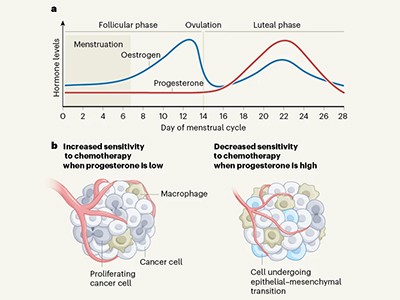
    Testing times: Chart showing that the percentage of patients with breast cancer who received genetic testing within one year of their diagnosis increased from around 37% in 2011 to about 68% in 2020.

    Source: Ref. 4

    Many who are eligible do not get tested for BRCA1 and BRCA2 mutations: one US study4 found that only about 35% of eligible individuals with ovarian cancer and 56% of eligible people with breast cancer had been tested. Other problems limit the tests’ practical benefits, too. Reports provided to physicians and people with cancer are often unnecessarily complicated, because they list not only mutations known to increase risk, but also any other unusual DNA sequences in the genes — even if their relevance is unknown. Many tests also provide data on genes unrelated to cancer, launching fresh medical odysseys for people already dealing with a cancer diagnosis. When King accompanied a friend diagnosed with breast cancer to a clinical appointment, the attending doctor waved off suggestions for BRCA1 testing. “The difficulty with genetic tests,” they said, “is that they simply beget more tests.”

    Simplifying tests and equipping medical staff with the knowledge to interpret the results could improve uptake. People who learn that they carry worrisome BRCA1 mutations need better options to either prevent cancer from developing or intercept it at an early stage. This is particularly crucial for reducing the risk of ovarian cancer and aiding its early detection. Whereas mammograms can detect some breast tumours early, there is no equivalent test for ovarian cancer, which is often diagnosed at late stages. At present, cancer detection and prevention are typically achieved by careful monitoring or, in some cases, surgery to remove the breasts and ovaries. “When I see a 25-year-old woman newly found to have a BRCA1 mutation, I’m mostly having the same conversations now that I did long ago for her options for risk reduction,” says Susan Domchek, a breast-cancer specialist at the University of Pennsylvania Perelman School of Medicine in Philadelphia. “We have a lot of work to do.”

    To improve on this, researchers must develop better means of detecting cancers early, and learn more about the biology of early tumours and why some will go on to become malignant whereas others do not. They must also investigate ways to treat people at earlier stages — an effort that will require learning more about early cancers’ biological hallmarks. By contrast, most treatments are first developed for and tested in people who have advanced disease.

    By filling the gaps on testing and giving people with harmful mutations better ways to reduce their risk, BRCA1 and BRCA2 testing could become a model for how genetic tests for other cancer risk factors should be implemented. Then, King’s crucial discovery will save even more lives.

    [ad_2]

    Source link

  • What should we do if AI becomes conscious? These scientists say it’s time for a plan

    What should we do if AI becomes conscious? These scientists say it’s time for a plan

    [ad_1]

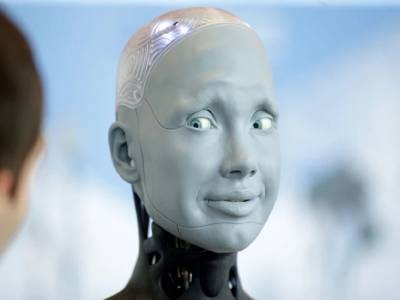
    An AI-integrated robot carries on a conversation and detects the emotions on the face of the people interacting with it.

    Some researchers worry that if AI systems become conscious and people neglect or treat them poorly, they might suffer.Credit: Pol Cartie/Sipa/Alamy

    The rapid evolution of artificial intelligence (AI) has brought to the fore ethical questions that were once confined to the realms of science fiction: if AI systems could one day ‘think’ like humans, for example, would they also be able to have subjective experiences like humans? Would they experience suffering, and, if so, will humanity be equipped to properly care for them?

    A group of philosophers and computer scientists are arguing that AI welfare should be taken seriously. In a report posted last month on the preprint server arXiv1, ahead of peer review, they call for AI companies to not only assess their systems for evidence of consciousness and the capacity to make autonomous decisions, but also to put in place policies for how to treat the systems if these scenarios become reality.

    They point out that failing to recognize that an AI system has become conscious could lead people to neglect it, harming it or causing it to suffer.

    Some think that, at this stage, the idea that there is a need for AI welfare is laughable. Others are sceptical, but say it doesn’t hurt to start planning. Among them is Anil Seth, a consciousness researcher at the University of Sussex in Brighton, UK. “These scenarios might seem outlandish, and it is true that conscious AI may be very far away and might not even be possible. But the implications of its emergence are sufficiently tectonic that we mustn’t ignore the possibility,” he wrote last year in the science magazine Nautilus. “The problem wasn’t that Frankenstein’s creature came to life; it was that it was conscious and could feel.”

    The stakes are getting higher as we become increasingly dependent on these technologies, says Jonathan Mason, a mathematician based in Oxford, UK, who was not involved in producing the report. Mason argues that developing methods for assessing AI systems for consciousness should be a priority. “It wouldn’t be sensible to get society to invest so much in something and become so reliant on something that we knew so little about — that we didn’t even realize that it had perception,” he says.

    People might also be harmed if AI systems aren’t tested properly for consciousness, says Jeff Sebo, a philosopher at New York University in New York City and a co-author of the report. If we wrongly assume a system is conscious, he says, welfare funding might be funnelled towards its care, and therefore taken away from people or animals that need it, or “it could lead you to constrain efforts to make AI safe or beneficial for humans”.

    A turning point?

    The report contends that AI welfare is at a “transitional moment”. One of its authors, Kyle Fish, was recently hired as an AI welfare researcher by the AI firm Anthropic, based in San Francisco, California. This is the first such position of its kind designated at a top AI firm, according to authors of the report. Anthropic also helped to fund initial research that led to the report. “There is a shift happening because there are now people at leading AI companies who take AI consciousness and agency and moral significance seriously,” Sebo says.

    [ad_2]

    Source link

  • Engineered cells take drugs deep into the brain ― and nowhere else

    Engineered cells take drugs deep into the brain ― and nowhere else

    [ad_1]

    • RESEARCH HIGHLIGHT

    Altered T cells, which have the ability to cross the blood–brain barrier, can deliver drugs straight to brain tumours.

    [ad_2]

    Source link

  • What’s next for Syria’s science? A view from Nature’s reporter who was a refugee

    What’s next for Syria’s science? A view from Nature’s reporter who was a refugee

    [ad_1]

    Hello Nature readers, would you like to get this Briefing in your inbox free every day? Sign up here.

    Coloured MRI scans of frontal sections through two brains.

    Magnetic resonance imaging scans showing the brain of a 25-year-old (left) and a 74-year-old (right).Credit: Zephyr/Science Photo Library

    Researchers have identified thirteen proteins in blood associated with large ‘brain age gaps’ — the difference between a person’s brain age and their chronological age. They analysed proteins in blood samples from 4,696 people and compared them with the same people’s brain ages according to their brain scans. Some of the proteins identified are known to be involved in movement, cognition and mental health. “These proteins are all promising therapeutic targets for brain disorders, but it may take a long time to validate them,” says neurologist Wei-Shi Liu.

    Nature | 5 min read

    Reference: Nature Aging paper

    Google scientists have demonstrated that, with the right error-correction techniques, quantum computers can perform calculations with increasing accuracy as they are scaled up. The newest chip, Willow, has performed ‘below threshold’ quantum calculations — a key milestone in the quest to build quantum computers that are accurate enough to be useful. “This work shows a truly remarkable technological breakthrough,” says quantum physicist Chao-Yang Lu.

    Nature | 5 min read

    Reference: Nature paper

    Research content is valuable grist to the mill of large language models — and a new tracker is cataloguing the deals struck by scholarly publishers to provide it. So far, the Generative AI Licensing Agreement Tracker includes the details of agreements made by publishers including Wiley, Sage and Taylor & Francis, some of which are worth tens of millions of US dollars. “We wanted to shine some light on not just the individual deals, but also what the overall pattern was starting to look like — and provide a source for the community,” says Roger Schonfeld, who works at a higher-education consulting firm and co-created the tracker.

    Nature | 6 min read

    Reference: Generative AI Licensing Agreement Tracker

    Nature’s 10: the people who shaped science

    Portrait of Muhammad Yunus sitting at a desk in an office

    Credit: Fabeha Monir/Bloomberg/Getty

    After weeks of deadly demonstrations toppled Bangladesh’s autocratic government in August, the students at the heart of the revolution had one demand: invite Nobel Peace prizewinning economist Muhammad Yunus to lead the nation. Yunus is best known for showing that microcredit — small loans — can transform lives for the poorest people in society if administered fairly. Yunus’s challenge is enormous: to deliver on the students’ demands to end corruption, protect civil rights and provide equal opportunity in employment and education — and secure justice for the families of those killed in the protests.

    Nature | 5 min read

    Read more from Nature’s 10: a series of profiles about the people behind 2024’s key scientific developments.

    Features & opinion

    Citizens in Damascus celebrate after Assad fled the country and Damascus was taken over by the National Syria Army.

    Celebrations at Umayyad Square, Damascus, on 8 December 2024, after Bashar Al-Assad fled the country, reportedly to Moscow.Credit: Ugur Yildirim/dia images via Getty

    “It is impossible to overstate the feeling of freedom,” writes Nature reporter Miryam Naddaf, a former Syrian refugee, of the fall of Bashar al-Assad. Yet “for Syria’s scientists there is a mountain of work to be done”. Forensic scientists will be needed to help investigate mass graves, the use of chemical weapons and others of the Assad regime’s crimes. And there is the monumental task of rebuilding Syria’s education and research infrastructure. “It will need all the external help it can get,” says Naddaf.

    Nature | 4 min read

    The amount of DNA recovered from ancient times has soared in recent years, but much of it isn’t being properly archived, write an evolutionary historian, a bioinformatician and an anthropologist. An analysis of 42 studies revealed that thousands of sequences hadn’t been uploaded to public databases because they didn’t match the reference genome that the researchers were looking for. And those data that are shared can lack key details, such as when an organism lived — partly because the systems for recording metadata are not designed with ancient DNA in mind. “With ancient remains, samples are always limited and often rare,” note the authors. “Second tries are not always possible.”

    Nature | 10 min read

    QUOTE OF THE DAY

    Nobel-prizewinning biochemist Richard Roberts has co-drafted a letter, signed by more than 75 other Nobel laureates, which urges senators not to confirm Robert F. Kennedy Jr — who has spread misinformation about vaccines, among other health topics — as head of the US Department of Health and Human Services. (The New York Times | 5 min read)

    [ad_2]

    Source link