Tag: Science

  • Researchers modify traditional poison used by Asian fishermen for potential neurological drugs

    Researchers modify traditional poison used by Asian fishermen for potential neurological drugs

    [ad_1]

    Taming a plant-derived toxin
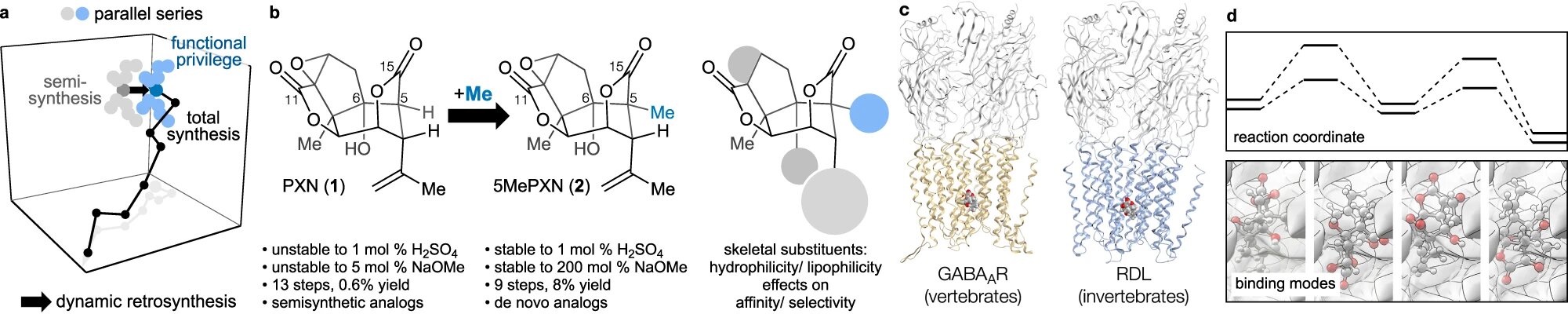
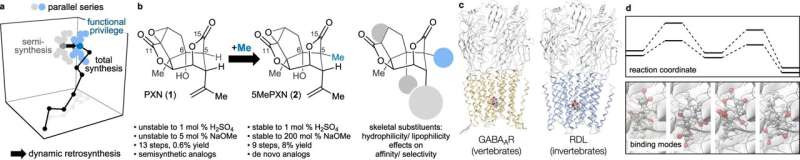
    Overview: target modification to explore functionally privileged chemical space. a Chemical space plot of parallel series to explore the effects of a scaffold uniquely accessible through total synthesis; (b) C5 methylation increases stability to base and acid, increases yield, decreases required steps and increases receptor selectivity; (c) Assay against GABAA and RDL receptors, representative of vertebrate (e.g. human) and invertebrate (e.g. insect) ligand-gated ion channels (LGICs), respectively. Left: rat GABAA homology model from PDB 6×40 template with sequence from R. norvegicus, gold. Right: fly RDL homology model from PDB 6×40 template with sequence from D. melanogaster, blue. d Computational analyses provide models for increased stability and selectivity of the 5MePXN series. PXN picrotoxinin, 5MePXN 5-methylpicrotoxinin. Credit: Nature Communications (2023). DOI: 10.1038/s41467-023-44030-3

    Picrotoxinin, a plant-derived toxin that Asian fishermen traditionally have used to paralyze and catch fish, has long been seen as a possible starting point for new human therapeutics and other neuroactive products.

    Yet little progress has been made due to picrotoxinin’s chemical instability and toxicity and the difficulty of making and modifying its complex structure. However, chemists at Scripps Research have found a relatively easy way to make versions of picrotoxinin with improved properties.

    In a study published in Nature Communications, the researchers showed that close chemical variants of picrotoxinin that contain a single small modification have better chemical stability, are much easier to make and modify, and are safer for humans. This opens the door to developing new neurological drugs, safer pesticides, and even anti-parasite treatments.

    “Just a small alteration to the natural product gives it properties that have been elusive for decades,” says study senior author Ryan Shenvi, Ph.D., a professor in the Department of Chemistry at Scripps Research.

    The first author was Guanghu Tong, Ph.D., a postdoctoral research associate in the Shenvi Lab during the study.

    Picrotoxinin comes from the seeds—often called “fishberry” seeds because of their use by fishermen—of Anamirta cocculus, a plant found in parts of Southeast Asia and India. The toxin potently blocks the activity of neuronal receptors found in most higher organisms.

    In mammals, these are called GABAA receptors, and they exist throughout the brain, largely to prevent other neurons from becoming overactive. Even at small doses, picrotoxinin’s blocking of these receptors can cause seizures and fatally disrupt the nerve signals that control breathing.

    It might seem contradictory that chemists would turn to poisons for making new medicines, but many plant toxins, in addition to hitting desirable targets, already have good drug-like properties such as getting to their targets via oral dosing.

    In the case of picrotoxinin, chemists would like to modify it to develop drugs for psychiatric and neurological disorders, safe and effective pesticides and anti-parasite drugs, and laboratory tools to manipulate GABA precisely A receptors. The problem has been that picrotoxinin’s other chemical properties, such as its synthetic difficulty and tendency to react with ordinary solvents, have made it extraordinarily hard to tame.

    Shenvi’s lab uses organic chemistry techniques to overcome such challenges and find ways to improve natural products. For years, he and his team have been focusing on molecules that target GABAA receptors, and in 2020, they reported the shortest-ever organic synthesis of picrotoxinin.

    In that study, they found they could much more easily synthesize a compound that was almost the same as picrotoxinin. 5Me-picrotoxinin, as they called it, could still bind to GABAA receptors and only differed from its chemical cousin by the addition of a cluster of atoms—called a methyl group—at a key position on the molecule. Given this one structural change, Shenvi’s team investigated 5Me-picrotoxinin’s novel properties for the new study.

    The team synthesized two parallel sets of picrotoxinin and 5Me-picrotoxinin variants, determining how the absence or presence of the methyl group changes the molecule’s stability and receptor binding selectivity.

    They discovered that the methylated version is chemically much more stable, with a bloodstream half-life that seems to be nearly triple that of ordinary picrotoxinin. They also found that 5Me-picrotoxinin is much less prone to reactions with common solvents, including alcohols and acids. Co-authors Shuming Chen, Ph.D., assistant professor of chemistry at Oberlin College, and her lab member Anna Crowell explained this using computational modeling.

    Another surprise was that the methylated version has lower potency against mammalian GABAA receptors while retaining high potency against insect versions of the receptor—just what one would want for a safe insect-killing compound.

    “The fact that picrotoxinin targets a family of receptors including GABAA receptors has been known for several decades, but this is the first time we’ve been able to change its selectivity for those receptors,” Tong says.

    The experiments with picrotoxinin variants and insect receptors were conducted by collaborating researchers at Corteva Agriscience, developers of pest-control products. Models built for the study by Corteva computational chemist Avery Sader, Ph.D., suggest further ways to modify 5Me-picrotoxinin to make it more selective for insect pests and thus safer for humans.

    The researchers plan to continue synthesizing and investigating new variants of 5Me-picrotoxinin for their potential to be developed into new medicines and other products.

    More information:
    Guanghu Tong et al, C5 methylation confers accessibility, stability and selectivity to picrotoxinin, Nature Communications (2023). DOI: 10.1038/s41467-023-44030-3

    Provided by
    The Scripps Research Institute


    Citation:
    Researchers modify traditional poison used by Asian fishermen for potential neurological drugs (2023, December 21)
    retrieved 31 December 2023
    from https://phys.org/news/2023-12-traditional-poison-asian-fishermen-potential.html

    This document is subject to copyright. Apart from any fair dealing for the purpose of private study or research, no
    part may be reproduced without the written permission. The content is provided for information purposes only.


    [ad_2]

    Source link

  • An integrated approach to discovering stable and low cost electrocatalysts

    An integrated approach to discovering stable and low cost electrocatalysts

    [ad_1]

    Research News—An Integrated Approach to Discovering Stable and Low Cost Electrocatalysts
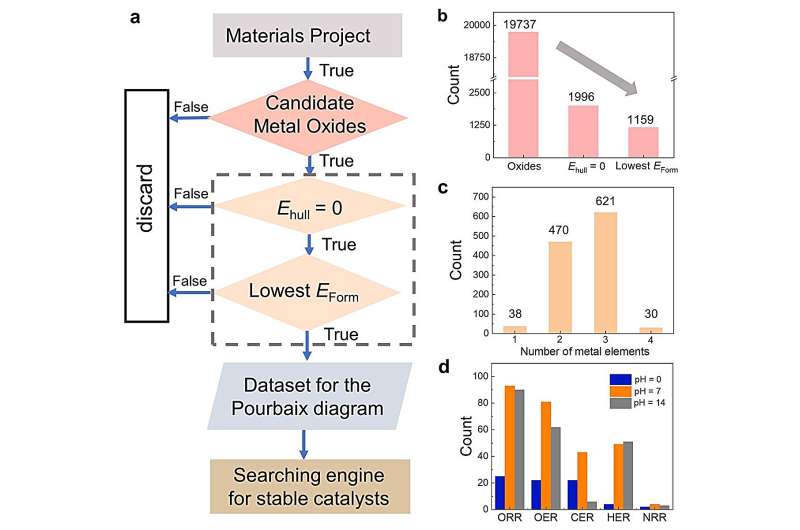
    A workflow of the data mining process to identify aqueous stable metal oxides (MOs). a) Flow chart of the data mining process for identifying stable MOs from the Materials Project database. b) The number of MOs after each screening step and c) bulk-stable MOs sorted by the number of metal elements. d) The number of aqueous stable MOs under different conditions. Credit: Hao Li et al

    A group of researchers has investigated whether data mining could accelerate the identification of low-cost metal oxide electrocatalysts, speeding up the world’s transition away from fossil fuels.

    Details of the research were published in the journal Advanced Science on December 7, 2023.

    The world’s dependence on fossil fuels has driven scientists to explore renewable energy sources. Electrochemical conversion technologies, such as fuel cell powering, water electrolysis, and metal-air batteries, offer promising strategies to transition towards a sustainable energy future. However, the reliance on precious metals in many electrocatalytic reactions poses economic and environmental challenges.

    Metal oxides have the potential to change this owing to their stability and lower cost than precious metals, particularly under alkaline electrocatalytic conditions. Yet, the search for these metal oxides is resource-intensive, with scientists relying on the trial-and-error process.

    “With data mining a viable solution to this problem, we set out to probe the opportunities and challenges of adopting this strategy for finding metal oxides,” says Hao Li, associate professor at Tohoku University’s Advanced Institute for Materials Research (WPI-AIMR) and corresponding author of the paper.

    Research News—An Integrated Approach to Discovering Stable and Low Cost Electrocatalysts
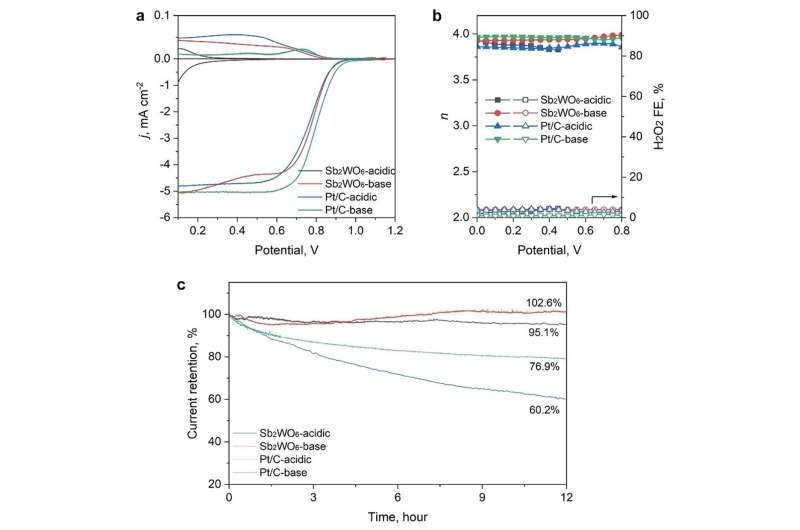
    ORR activity and stability in acidic and alkaline electrolytes. a) ORR LSV curves, and b) the calculated electron transfer number (n) and H2O2 Faradaic efficiency obtained in acidic and alkaline electrolytes. c) Chronopotentiometry curves of the catalyst in different electrolytes collected for 12 h. Credit: Hao Li et al

    To do so, Li, along with his colleagues, leveraged the extensive data available in the Materials Project database, identifying 68 promising stable metal oxide electrocatalysts under specific conditions.

    They noted that the database promoted Sb2WO6 as a stable metal oxide in acid. This is based on the aqueous stability diagram—a graphical representation that illustrates the thermodynamic stability of different chemical species in an aqueous solution as a function of pH and the electric potential. According to the diagram, Sb2WO6 is stable under the oxygen reduction reaction (ORR) in acidic media but rather unstable under high-pH ORR conditions. However, the researchers found that this contradicted subsequent experimental observations in alkaline ORR conditions.

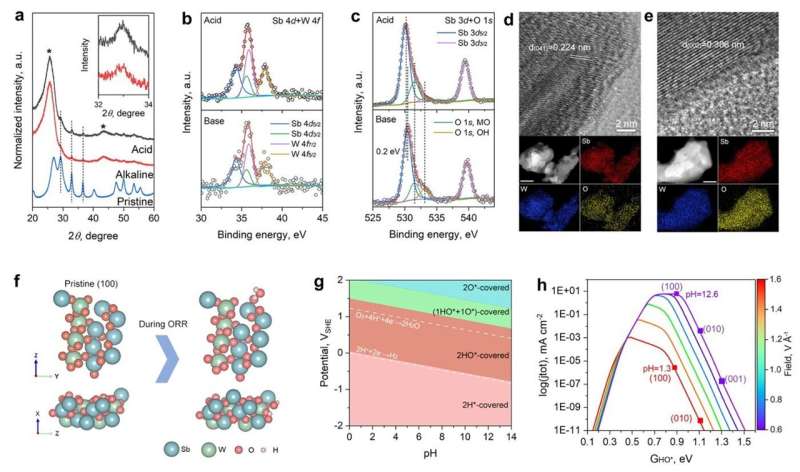
    Further post-catalysis characterizations, electrochemical surface state analyses, and pH-field coupled microkinetic modeling revealed that the Sb2WO6 surface undergoes electrochemical passivation under ORR potentials and forms a stable and 4e-ORR active surface.

    Research News—An Integrated Approach to Discovering Stable and Low Cost Electrocatalysts
    Post-stability test characterization and theoretical insights. a) XRD patterns. Inset shows a magnified region of the (310) peak. High-resolution XPS spectra in b) Sb 4d + W 4f and c) Sb 3d + O 1s regions. HR-TEM image and EDX elemental mapping results of post-test catalyst in d) acidic and e) alkaline electrolytes. The scale bar for EDX mapping results is 50 nm. f) The stoichiometric pristine surface of Sb2WO6 (100) and its identified electrochemistry-induced surface state under ORR conditions from different views. g) Calculated surface Pourbaix diagram of Sb2WO6. h) pH-dependent microkinetic modeling of the ORR process at 0.8 VRHE. Credit: Hao Li et al.

    Overall, the study’s findings indicate that while data mining holds promise, further refinement is necessary for widespread adoption. “A refined strategy needs to be developed that takes into account the electrochemistry-induced surface stability and activity,” emphasized Li.

    In the future, the researchers hope to explore other electrocatalysts for the oxygen evolution reaction and hydrogen evolution reaction by combining data mining, surface state analysis, and activity analysis.

    More information:
    Xue Jia et al, Identifying Stable Electrocatalysts Initialized by Data Mining: Sb2WO6 for Oxygen Reduction, Advanced Science (2023). DOI: 10.1002/advs.202305630

    Provided by
    Tohoku University


    Citation:
    An integrated approach to discovering stable and low cost electrocatalysts (2023, December 21)
    retrieved 31 December 2023
    from https://phys.org/news/2023-12-approach-stable-electrocatalysts.html

    This document is subject to copyright. Apart from any fair dealing for the purpose of private study or research, no
    part may be reproduced without the written permission. The content is provided for information purposes only.


    [ad_2]

    Source link
  • Thianthrenium chemistry allows reactivity switch of a nucleophilic amino acid into a versatile intermediate

    Thianthrenium chemistry allows reactivity switch of a nucleophilic amino acid into a versatile intermediate

    [ad_1]

    Thianthrenium chemistry allows reactivity switch of nucleophilic amino acid into a versatile intermediate
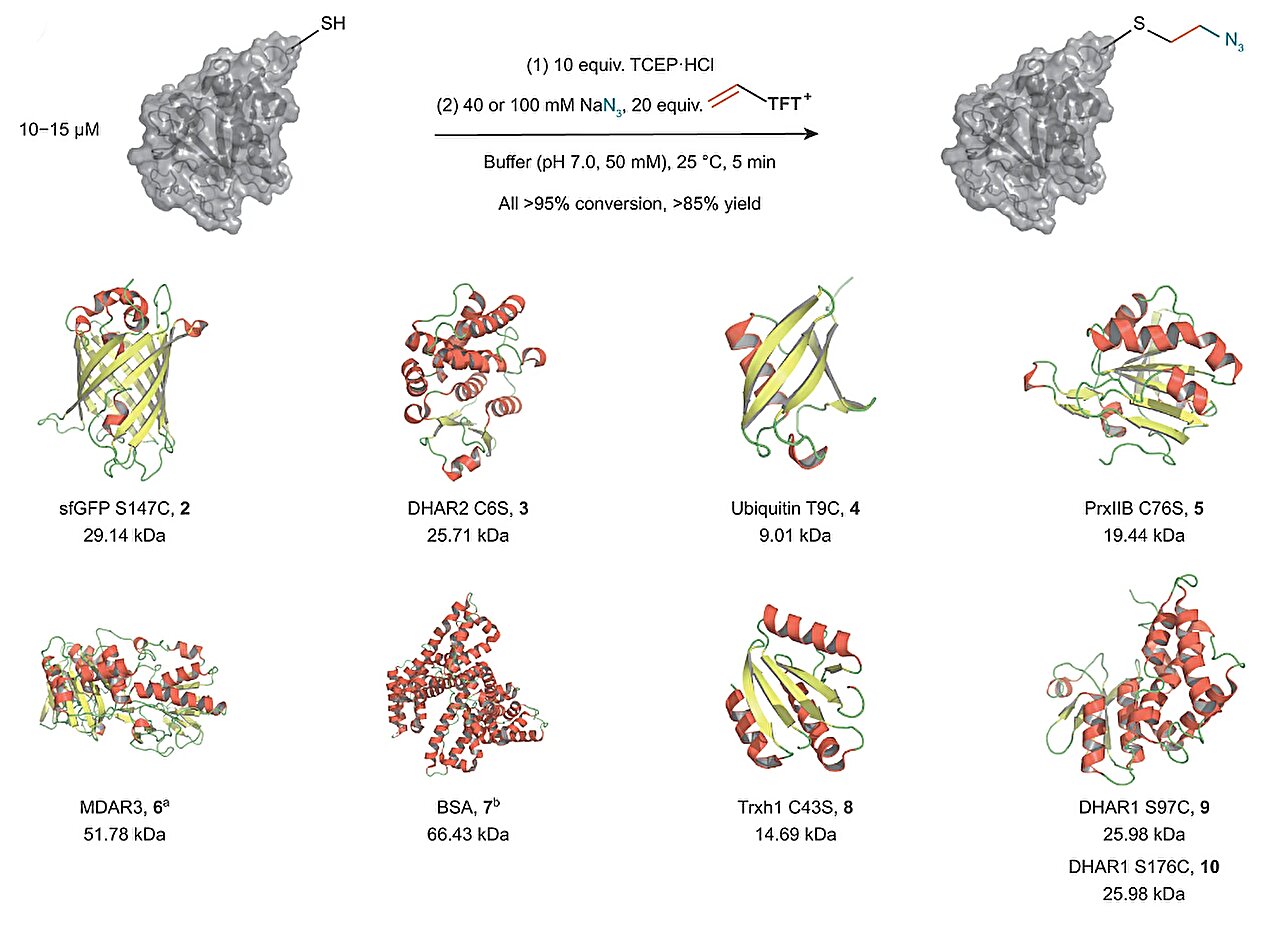
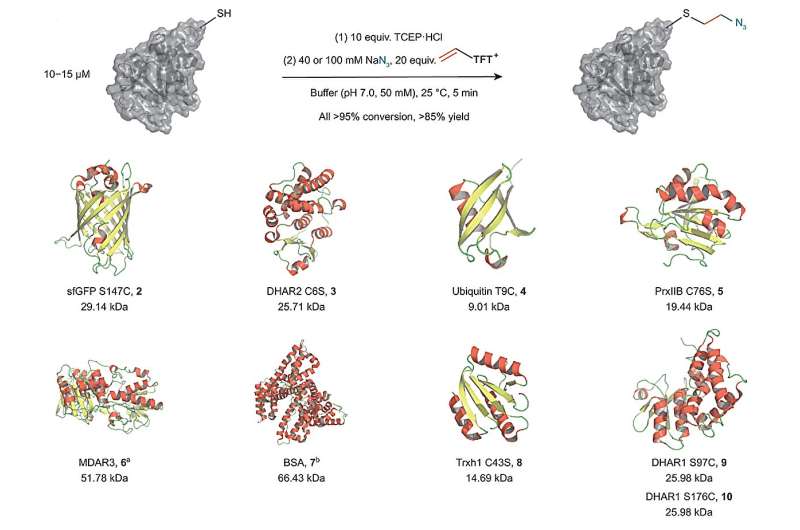
    Scope of vinyl thianthrenium salts as bioconjugation reagents. a, Scope of proteins used for conjugation reactions with NaN3. Credit: Nature Chemistry (2023). DOI: 10.1038/s41557-023-01388-7

    Chemical diversification of proteins is an important concept in the study of biological processes and the complex structures of the proteins themselves. Researchers from the Max Planck Society have now published their fascinating findings concerning an amino acid in Nature Chemistry.

    Chemical diversification of proteins involves using quick and mild reactions that selectively target a specific amino acid and therefore a building block of proteins. Cysteine is a prominent example and can currently be modified in two ways. The first way requires the synthesis of electrophiles for each and every desired modification, e.g., a fluorescence probe that allows for following the molecule in very complex biological mixtures.

    The second way turns cysteine itself into a chemical linchpin, which can then be diversified. Until now, this has been carried out in multistep syntheses. These methods have the drawback that the linchpin cannot be introduced in presence of external reagents required for its diversification. That is often accompanied by a limited choice of reagents for the functionalization as the linchpin needs to persist in solution during purification processes and has therefore an intrinsically decreased reactivity.

    A new technique by the research group of Tobias Ritter, director at the Max-Planck-Institut für Kohlenforschung, is intriguing because it enables the introduction of a highly reactive intermediate in a one-pot process based on a single electrophile. Additionally, this method allows for a broad diversification of the new intermediate even in the presence of external reagents.

    In their study, the Ritter group found a way to utilize vinyl thianthrenium salts to transform cysteine into a highly reactive episulfonium electrophile in situ. That approach allows to connect cysteine with various other external nucleophiles in a single one-pot process without the need for additional steps. The method enables the scientists to link different biorelevant functional groups to proteins using a short and stable ethylene linkage very close to the protein’s surface. Hence, providing a new and attractive way to add labels or functionalities that alter the chemical environment of a protein.

    When there are no external nucleophiles added, other amino acids can react with the episulfonium intermediate in an intramolecular reaction. That reactivity allows for protein-protein ligation and macrocyclization of linear peptides. While the first approach allows to study protein complexes and their often altered biological activity, the second approach makes the peptides more stable towards biological degradation if used, for example, as a drug.

    Additionally, the synthesis of vinyl thianthrenium salts from ethylene gas allowed the Ritter group to synthesize reagents with a different composition of isotopes. Those isotope-labeled compounds possess the same reactivity as the non-labeled derivatives but slightly differ in their molecular weight. Hence, they can be utilized in state-of-the-art mass spectrometry proteomics research to extract quantitative information from whole cellular systems. Overall, the method using vinyl thianthrenium salts is showcased as a useful and broadly applicable tool in the field of chemical biology.

    More information:
    Philipp Hartmann et al, Chemoselective umpolung of thiols to episulfoniums for cysteine bioconjugation, Nature Chemistry (2023). DOI: 10.1038/s41557-023-01388-7

    Provided by
    Max Planck Society


    Citation:
    Thianthrenium chemistry allows reactivity switch of a nucleophilic amino acid into a versatile intermediate (2023, December 21)
    retrieved 31 December 2023
    from https://phys.org/news/2023-12-thianthrenium-chemistry-reactivity-nucleophilic-amino.html

    This document is subject to copyright. Apart from any fair dealing for the purpose of private study or research, no
    part may be reproduced without the written permission. The content is provided for information purposes only.


    [ad_2]

    Source link
  • ‘Goldilocks system’ boosts efficiency of nickel-catalyzed reactions

    ‘Goldilocks system’ boosts efficiency of nickel-catalyzed reactions

    [ad_1]

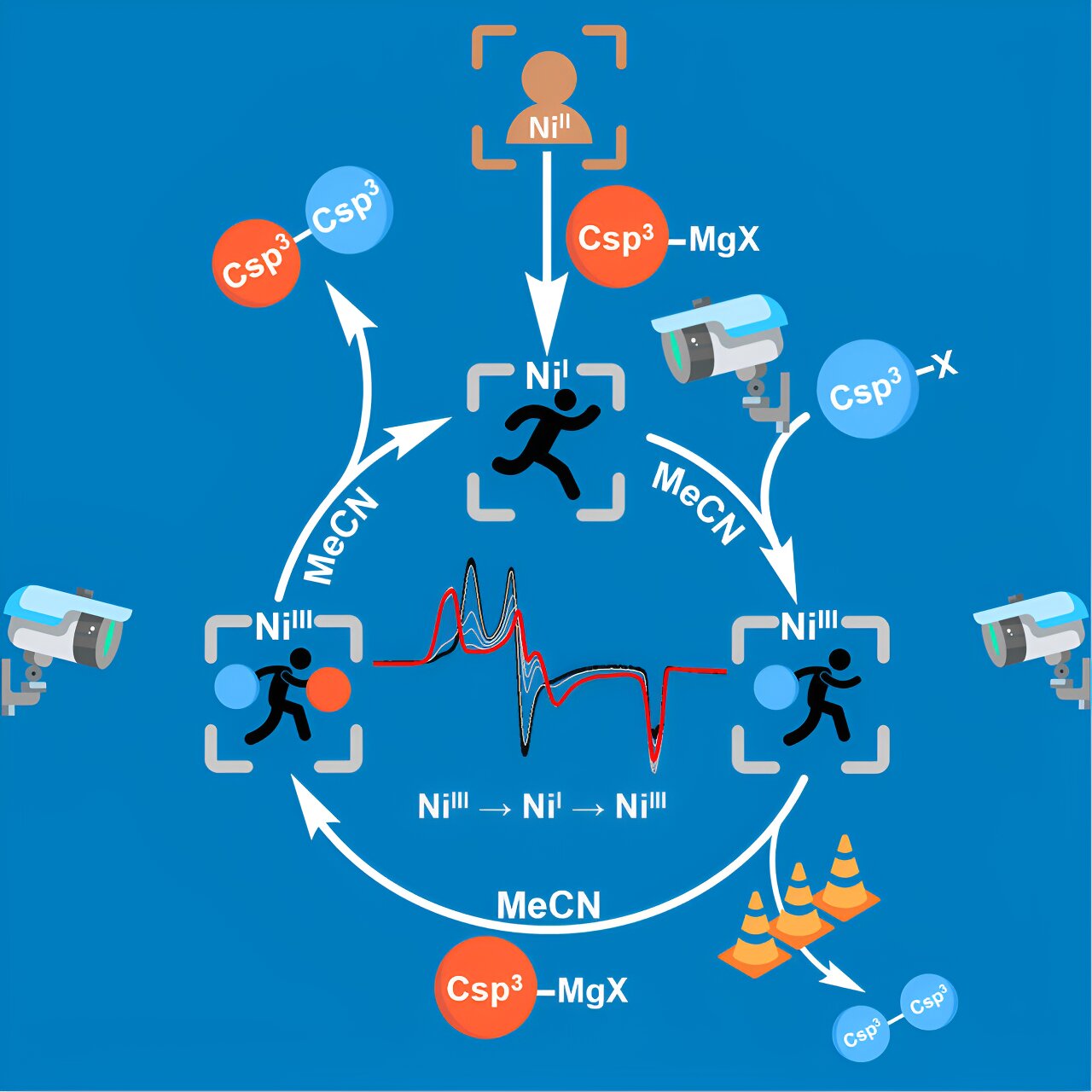
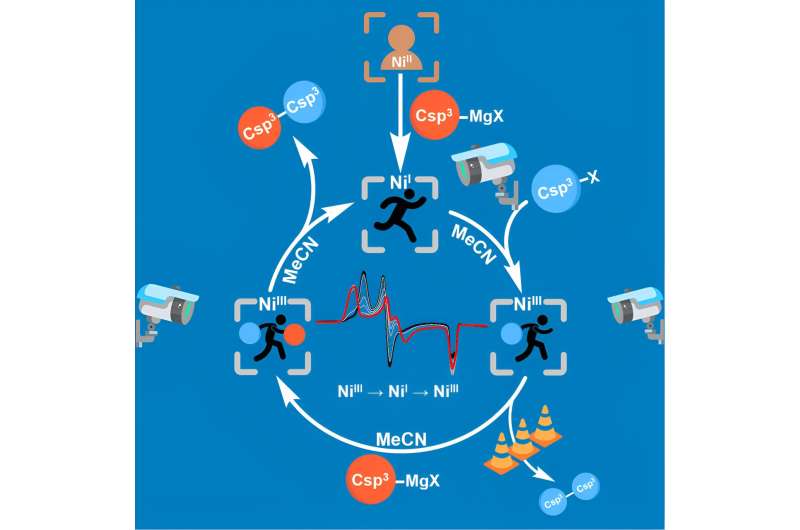
    Study: 'Goldilocks system' boosts efficiency of nickel-catalyzed reactions
    Credit: Chem (2023). DOI: 10.1016/j.chempr.2023.11.008

    In the search for cheaper, greener alternatives to routinely used precious metal catalysts like palladium, nickel has become an increasingly popular choice in the last two decades for organic chemists assembling fragments of molecules for a variety of chemical applications, especially transformations called cross-coupling reactions.

    It turns out, nickel catalysts are very good at putting together the carbon-carbon bonds that form the basic building blocks of complex molecules in organic chemistry—especially C-C bonds between alkyl groups.

    “It is a hot area in the context of organic methodology,” said Liviu M. Mirica, a professor of chemistry at the University of Illinois Urbana-Champaign, whose research group over the last decade has been studying nickel-catalyzed reactions.

    Despite the increasing popularity, scientists do not entirely understand the mechanisms of nickel-catalyzed reactions, especially cross-coupling reactions, and a more fundamental understanding of how they work could make them more useful and efficient.

    Researchers in the Mirica lab have developed the ability to “see” each individual step of the nickel-catalyzed reaction and the roles of each participant in action, like a slow-motion replay.

    As the researchers explain in a recently published paper in the journal Chem, their work has revealed unambiguous evidence of how nickel-catalyzed reactions work, but their research has also revealed an unexpected player in the action. The solvent, acetonitrile, increased the amount of product generated by the reactions in their study.

    “We dissect at a very fine level every single step in this catalytic cycle, which allowed us to see this beneficial role of acetonitrile, which has not been observed before,” said Mirica, whose research team—former graduate student Dr. Leonel Griego and current graduate student Ju Byeong Chae, co-first authors of this work—dissected the catalytic cycle through mechanistic studies involving EPR spectroscopy, electrochemical methods, and radical trap studies.

    “That also allows us to find beneficial additives or uncover roles that were not observed before and that’s exactly what happened with this solvent, acetonitrile, which is not a solvent that’s commonly used by organic chemists in this type of cross-coupling reaction.”

    Study: “Goldilocks system” boosts efficiency of nickel-catalyzed reactions
    University of Illinois Urbana-Champaign chemistry Professor Liviu M. Mirica, left, and graduate student Ju Byeong Chae pose with a graphic illustrating the magical effect of their “Goldilocks system” in nickel-catalyzed cross-coupling reactions. Credit: UIUC Department of Chemistry

    According to the research team, acetonitrile and the ligand system they created in their lab form a perfectly balanced combination and exhibit “a magical effect” that can be employed by organic chemists to benefit a wide range of nickel-mediated organometallic transformations.

    Their mechanistic study shows that the acetonitrile not only stabilizes the nickel in various stages of the reaction, but it stabilizes it in just the right amount, while also actually promoting the key step of the catalytic reaction called reductive elimination.

    “So, acetonitrile is the Goldilocks solvent in that system that stabilizes just the right amount but also promotes the right type of reaction,” Mirica said.

    At each step of a nickel-mediated catalytic reaction, there are reactive intermediates in which nickel adopts different oxidation states. The Mirica group has developed the ability to make special types of ligands, which are molecules that bind to a central metal atom and allow for the fine-tuning of the stability of the nickel intermediates, which is vital for studying useful catalytic reactions. Typically, in synthetic chemistry, more stable means less reactive, so there is a balance between the two that is important for a reaction.

    Where Mirica and his research team have been focusing most recently—and this paper is a great example—is developing ligand systems that make the intermediates slightly more stable, which allows researchers to study the mechanics in detail, but they have also made the intermediates catalytically active, which makes them useful for chemistry.

    “So, this is the real sweet spot,” Mirica said, referring to their “bulky” ligand and acetonitrile creating a Goldilocks system that is “just right.”

    The ligand, he said, is just bulky enough to protect the nickel center from other side reactions, but not too bulky to prohibit the binding of the two molecular fragments you want to stitch together. And the acetonitrile solvent further assists to support the reactive intermediates that are neither too stable nor too reactive.

    “It’s a very fine balance of stabilizing intermediates but also promoting the reactivity but only promoting the desired reactivity,” Mirica said. “So, it’s not only the ligand, but the solvent mixture and the right reaction conditions that allow us to actually improve the yield.”

    Chae said they also discovered there is a chemical equilibrium at work. The product yield depends on the amount of acetonitrile. Chae explained that previous acetonitrile-nickel studies theorized that the solvent was a player in only part of the cycle.

    “What we found here is that acetonitrile is involved in all catalytic intermediates. That’s what is different from the previous studies. Once we figured out the mechanism and the role of acetonitrile, we have been able to improve the catalytic product formation in a logical way,” he said. “So, I think that’s the beauty of our study.”

    Mirica said Chae is now exploring a wider range of substrates and a wider range of ligands to improve their “Goldilocks” system and to see what other transformations could be possible.

    “The long-term goal that organic methodology is focusing on is developing more straightforward ways, more streamlined methods, of building more complex molecules and putting together fragments to build that complexity. So, you can make more useful pharmaceuticals, or more complex molecules for materials science applications. [Nickel-mediated catalysis] is a very fundamental way of putting molecules together,” Mirica said.

    More information:
    Leonel Griego et al, A bulky 1,4,7-triazacyclononane and acetonitrile, a Goldilocks system for probing the role of NiIII and NiI centers in cross-coupling catalysis, Chem (2023). DOI: 10.1016/j.chempr.2023.11.008

    Journal information:
    Chem


    Provided by
    University of Illinois at Urbana-Champaign


    Citation:
    ‘Goldilocks system’ boosts efficiency of nickel-catalyzed reactions (2023, December 21)
    retrieved 31 December 2023
    from https://phys.org/news/2023-12-goldilocks-boosts-efficiency-nickel-catalyzed-reactions.html

    This document is subject to copyright. Apart from any fair dealing for the purpose of private study or research, no
    part may be reproduced without the written permission. The content is provided for information purposes only.


    [ad_2]

    Source link
  • Ultra-small, shape-shifting GEMS offer an easier and cheaper way to improve MRI imaging

    Ultra-small, shape-shifting GEMS offer an easier and cheaper way to improve MRI imaging

    [ad_1]

    NIST's Ultra-small, Shape-shifting GEMS Offer an Easier and Cheaper way to improve MRI Imaging
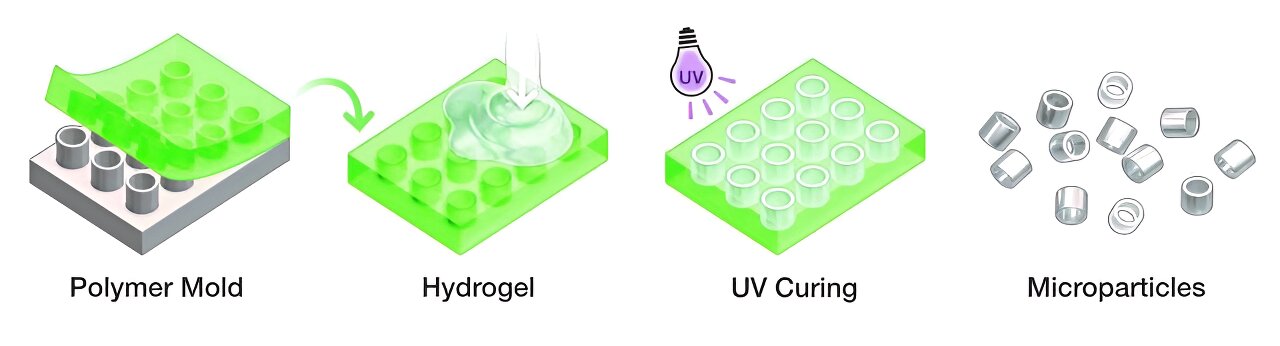
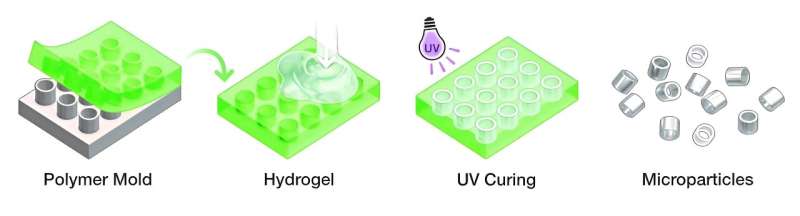
    A hard silicon master mold is used to create a flexible polymer mold, which is flipped over and filled with hydrogel. The hydrogel is then cured with UV light, producing the cylindrical microparticles. Credit: S. Kelley/NIST

    Microscopic magnetic probes that change shape in response to their environment may greatly enhance magnetic resonance imaging (MRI). However, producing the probes, which are still experimental and have not yet been used in humans, has required access to a clean room and expertise in nanofabrication, limiting their widespread use.

    Now, researchers at the National Institute of Standards and Technology (NIST) have taken these shape-shifting probes, known as geometrically encoded magnetic sensors, or GEMS, a step further by unveiling a novel fabrication method that is not only faster and cheaper but eliminates the need for specialized instruments.

    The scientists reported their work online Dec. 19 in ACS Sensors.

    Instead of building the tiny probes layer by layer in a nanofabrication facility, the team constructed them using a precision master mold. This technique allows researchers to make GEMS in their own laboratories using inexpensive materials and readily available equipment.

    NIST scientists Gary Zabow and Samuel Oberdick and their colleagues focused their efforts on building GEMS shaped like tiny hollow cylinders because that shape can be easily fabricated with a mold. For their master mold, the scientists constructed an array of hollow cylinders made of hard silicon, each only about 100 micrometers in diameter—about ten times larger than a red blood cell.

    NIST's Ultra-small, Shape-shifting GEMS Offer an Easier and Cheaper way to improve MRI Imaging
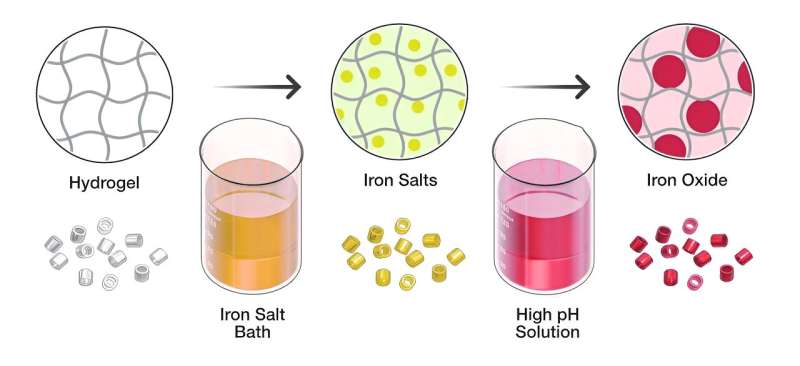
    The microparticles are soaked in a bath of iron salts, permeating the hydrogel with iron salts. They are then transferred to a high pH solution, which transforms the iron salts in the hydrogel into magnetic iron oxide particles. Credit: S. Kelley/NIST

    The team then demonstrated how researchers with such a master mold could complete the multi-step fabrication process. First, the scientists made a soft-mold “negative” of the master by pouring a liquid polymer on top of the hard silicon mold, allowing it to solidify, and then peeling it off. This created a pliable mold with an array of cylindrical hollow cavities.

    In the next step, the scientists filled each cavity with a liquid precursor to a hydrogel—a network of cross-linked polymers that can absorb large amounts of water. The hydrogel, which had been engineered to shrink or swell in response to changes in acidity or other properties in its microenvironment, is a key component of the GEMS. Engineered hydrogels are inexpensive and easy to make.

    After hardening the hydrogels by exposing them to ultraviolet light, the NIST team turned them out of their soft mold, similar to popping ice-cubes out of a silicon tray. The cylindrical hydrogels were then immersed in a bath of iron salts and transferred to a basic solution, which converted the iron salts absorbed by the hydrogels into magnetic oxide particles.

    The strength of each hydrogel’s magnetic field has a direct bearing on MRI, which manipulates the tiny magnetic fields of protons to image internal structures in the human body. Protons behave like spinning magnetized tops, each initially pointing in a random direction.

    NIST's Ultra-small, Shape-shifting GEMS Offer an Easier and Cheaper way to improve MRI Imaging
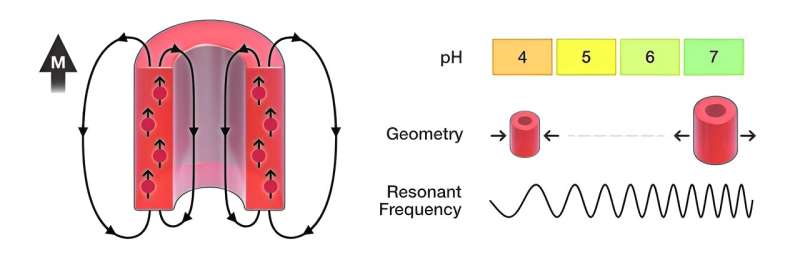
    When placed in a strong external magnetic field (labeled M), the iron oxide particles become magnetized, causing the microparticles to develop their own local magnetic field. The microparticles shrink and swell with changes in acidity, which strengthens or weakens this local field and therefore how much the field influences the resonant frequency of protons during an MRI scan. Credit: S. Kelley/NIST

    An MRI machine aligns the magnetic field of the protons with its own strong magnetic field and then disrupts that alignment by tickling the protons with a pulse of radio waves at a resonance frequency that causes the protons to alternately “relax” into their original states and then become aligned again. As the protons cycle back and forth between the two states, they emit radio waves, which are translated into MRI images.

    Meanwhile, the hydrogels change their shape in response to changes in local conditions, and as a result their magnetic field strengthens or weakens.

    The changing magnetic field of the GEMS shifts the resonance frequency of the protons that lie in or near the probes. By measuring the shift, MRI can detect how the GEMS have altered their shape in response to a specific property in their local environment.

    GEMS that are built with the soft-mold process can be tailored to change their shape to a host of environmental properties, allowing researchers to use the probes to explore a range of biomedical conditions, Oberdick said.

    More information:
    Samuel D. Oberdick et al, Shaped Magnetogel Microparticles for Multispectral Magnetic Resonance Contrast and Sensing, ACS Sensors (2023). DOI: 10.1021/acssensors.3c01373

    Provided by
    National Institute of Standards and Technology


    This story is republished courtesy of NIST. Read the original story here.

    Citation:
    Ultra-small, shape-shifting GEMS offer an easier and cheaper way to improve MRI imaging (2023, December 20)
    retrieved 31 December 2023
    from https://phys.org/news/2023-12-ultra-small-shape-shifting-gems-easier-cheaper.html

    This document is subject to copyright. Apart from any fair dealing for the purpose of private study or research, no
    part may be reproduced without the written permission. The content is provided for information purposes only.


    [ad_2]

    Source link
  • Using carbonated water in chromatography makes for a greener process, new study finds

    Using carbonated water in chromatography makes for a greener process, new study finds

    [ad_1]

    Using carbonated water in chromatography makes it a greener technique, new study finds
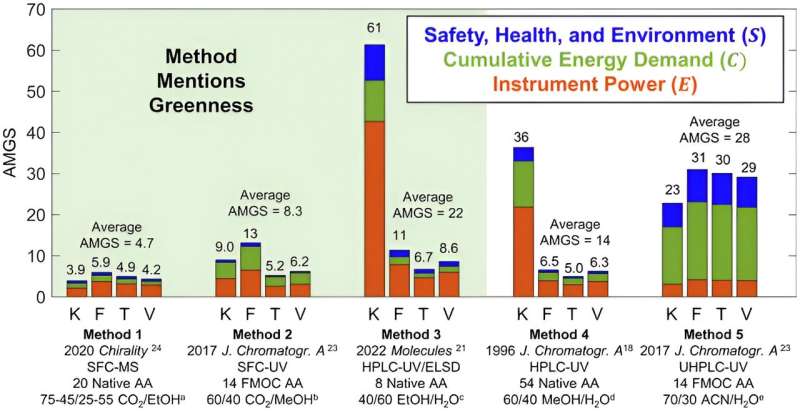
    Analytical Method Greenness Score (AMGS) evaluation of previously published methods. Contributions from instrument power (E), cumulative energy demand (C), safety health, and environment (S) are stacked (bottom to top) so that the bar’s total magnitude represents the method’s AMGS. The impact of additives was not considered. The analysis time was considered equal to the retention time of the second enantiomer, except for methods 2 and 5, where run times were provided. aMethod 1 requires TFA as an additive and an additional solvent for the makeup pump containing 90/10 MeOH/H2O at a flow rate of 0.25 mL min−1. bFormic acid (2% in MeOH) was used as an additive. cAcetic acid was used as an additive at a pH of 3.9. dAcetic acid was used for lysine at a pH of 3.9. eFormic acid (2%) was used as an additive. Credit: Green Chemistry (2023). DOI: 10.1039/D3GC03005A

    Editors and reviewers of the journal Green Chemistry have highlighted a new study from the University of Texas at Arlington investigating how to make common chemical techniques more environmentally friendly as one of its “hot” articles for 2023.

    UTA scientists led by Daniel W. Armstrong, the Welch Distinguished Professor of Chemistry and Biochemistry, found that using carbonated water in chromatography makes this relatively common chemical technique more environmentally benign.

    A technique that works by taking a mixture and separating it to examine the individual components, chromatography is widely used to test athletes’ urine for performance-enhancing drugs, analyze crime scene evidence such as blood and cloth, test the ingredients in food, or measure the amount of alcohol in drinks, among many other uses. A single chromatograph produces about a liter of liquid waste, with some major pharmaceutical companies operating more than 1,000 chromatographic studies per day.

    Using carbonated water in chromatography can reduce the technique’s Analytical Method Greenness Score (AMGS). The smaller the score, the more environmentally friendly the process is, Armstrong said.

    “Our research shows that the use of simple carbonated water plus minimal mathematical processing and optimal column geometries produces the lowest AMGS scores yet reported,” Armstrong said. “This shows that switching to carbonated liquids instead of other liquids when possible will help make the process of chromatography safer for the environment.”

    The team also found that using carbonated liquids is just as fast and efficient as other liquids used in chromatography.

    “Using 38 amino acids as a test class of molecules, the utility of carbonated liquids as a green alternative was presented at speeds, efficiencies and resolutions never reported,” Armstrong said. “Future work will involve applying what we learned regarding carbonated liquids in chromatography to other methodologies, such as mass spectrometry.”

    This study also corrected the original AMGS equation and extended it to cover more realistic separations including chiral amino acids. The research also noted that this same approach would be useful for NASA, which has special interests in developing lightweight and small instruments for extraterrestrial in situ chiral/achiral chemical analysis.

    Co-authors include M. Farooq Wahab, a research engineering scientist, as well as two students: Troy T. Handlovic and Bailey C. Glass. Handlovic received a Bachelor of Science in chemistry and Master of Science in pharmaceutical chemistry from Fairleigh Dickinson University in Madison, New Jersey, before coming to UTA to pursue his doctoral degree. Glass, who is from Arlington, is a sophomore undergraduate research assistant studying biochemistry with plans to continue studying chemistry in graduate school.

    More information:
    Troy T. Handlovic et al, Optimization of analytical method greenness scores: a case study of amino acid enantioseparations with carbonated aqueous systems, Green Chemistry (2023). DOI: 10.1039/D3GC03005A

    Provided by
    University of Texas at Arlington


    Citation:
    Using carbonated water in chromatography makes for a greener process, new study finds (2023, December 20)
    retrieved 31 December 2023
    from https://phys.org/news/2023-12-carbonated-chromatography-greener.html

    This document is subject to copyright. Apart from any fair dealing for the purpose of private study or research, no
    part may be reproduced without the written permission. The content is provided for information purposes only.


    [ad_2]

    Source link
  • Adding a small amount of solid carbon to copper boosts its conductivity

    Adding a small amount of solid carbon to copper boosts its conductivity

    [ad_1]

    An electrifying improvement in copper conductivity
    Xiao Li, a materials scientist, holds samples of highly conductive metal wires created on the patented Shear Assisted Processing and Extrusion platform. Credit: Andrea Starr | Pacific Northwest National Laboratory

    A common carbon compound is enabling remarkable performance enhancements when mixed in just the right proportion with copper to make electrical wires. It’s a phenomenon that defies conventional wisdom about how metals conduct electricity.

    The findings, reported in the journal Materials & Design, could lead to more efficient electricity distribution to homes and businesses, as well as more efficient motors to power electric vehicles and industrial equipment. The team has applied for a patent for the work, which was supported by the Department of Energy (DOE) Advanced Materials and Manufacturing Technologies Office.

    Materials scientist Keerti Kappagantula and her colleagues at DOE’s Pacific Northwest National Laboratory discovered that graphene, single layers of the same graphite found in pencils, can enhance an important property of metals called the temperature coefficient of resistance.

    This property explains why metal wires get hot when an electric current runs through them. Researchers want to reduce this resistance while enhancing a metal’s ability to conduct electricity. For several years, they have been asking whether metal conductivity can be increased, especially at high temperatures, by adding other materials to it. And if yes, can these composites be viable at a commercial scale?

    Now, they’ve demonstrated they can do just that, using a PNNL-patented advanced manufacturing platform called ShAPE.

    When the research team added 18 parts per million of graphene to electrical-grade copper, the temperature coefficient of resistance decreased by 11 percent without decreasing electrical conductivity at room temperature. This is relevant for the manufacturing of electric vehicle motors, where an 11 percent increase in the electrical conductivity of copper wire winding translates into a 1 percent gain in motor efficiency.

    “This discovery runs counter to what’s generally known about the behavior of metals as conductors,” said Kappagantula. “Typically, introducing additives into a metal increases its temperature coefficient of resistance, meaning they heat up faster at the same current levels compared to pure metals. We are describing a new and exciting property of this metal composite where we observe enhanced conductivity in a manufactured copper wire.”

    Microstructure is key to graphene enhancement

    Previously, the research team performed detailed structural and physics-based computational studies to explain the phenomenon of enhancing the electrical conductivity of metals using graphene.

    In this study, they showed that the solid-phase processing used to extrude the composite wire leads to a uniform, near pore-free microstructure punctuated with tiny flakes and clusters of graphene that may be responsible for decreasing coefficient of resistance of the composite.

    “We showed that flakes and clusters must both be present to make better conductors for high-temperature operations,” Kappagantula said.

    Co-authors Bharat Gwalani, Xiao Li, and Aditya Nittala took advantage of a PNNL-designed testbed that measures electrical properties with high precision and accuracy to validate the improved conductivity, as reflected in the team’s detailed experimental analysis. Li and Md. Reza-E-Rabby developed the tooling and process envelopes for the solid-phase friction extrusion process that led to the patent.

    Toward more efficient copper motors and wiring for urban buildings

    When applied to any industrial application, the new copper-graphene composite wires will provide great design flexibility, according to the research team.

    “Anywhere there’s electricity, we have a use case,” Kappagantula said.

    For example, coiled copper wire forms are used in the core of electric motors and generators. Motors today are designed to operate within a limited temperature range because when they get too hot, the electrical conductivity drops dramatically. With the new copper-graphene composite, motors could potentially be operated at higher temperatures without losing conductivity.

    Likewise, the wiring that brings electricity from transmission lines into homes and businesses is typically made of copper. As the population density of cities increases, demand for power follows suit. A composite wire that is more conductive could potentially help meet that demand with efficiency savings.

    “This technology is a beautiful solution for copper wiring in high-density urban settings,” Kappagantula added.

    The research team continues its work to customize the copper-graphene material and measure other essential properties, such as strength, fatigue, corrosion, and wear resistance, which are crucial to qualify such materials for industrial applications. For these experiments, the research team manufactures wires about the thickness of a US penny (1.5 millimeters).

    More information:
    Bharat Gwalani et al, Unprecedented electrical performance of friction-extruded copper-graphene composites, Materials & Design (2023). DOI: 10.1016/j.matdes.2023.112555

    Provided by
    Pacific Northwest National Laboratory


    Citation:
    Adding a small amount of solid carbon to copper boosts its conductivity (2023, December 20)
    retrieved 31 December 2023
    from https://phys.org/news/2023-12-adding-small-amount-solid-carbon.html

    This document is subject to copyright. Apart from any fair dealing for the purpose of private study or research, no
    part may be reproduced without the written permission. The content is provided for information purposes only.


    [ad_2]

    Source link
  • Sustainable, more efficient synthesis route of hyaluronic acid polymers for biomedical applications

    Sustainable, more efficient synthesis route of hyaluronic acid polymers for biomedical applications

    [ad_1]

    Sustainable, more efficient synthesis route of hyaluronic acid polymers for biomedical applications
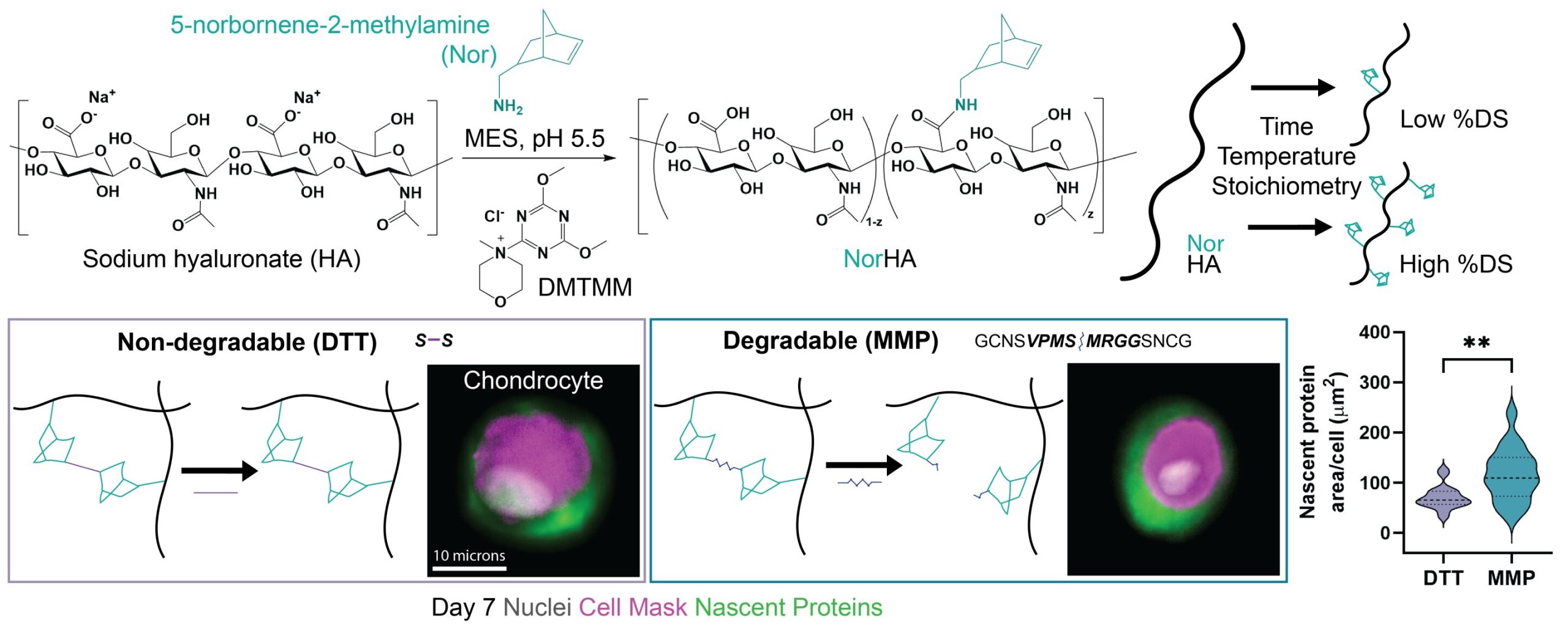
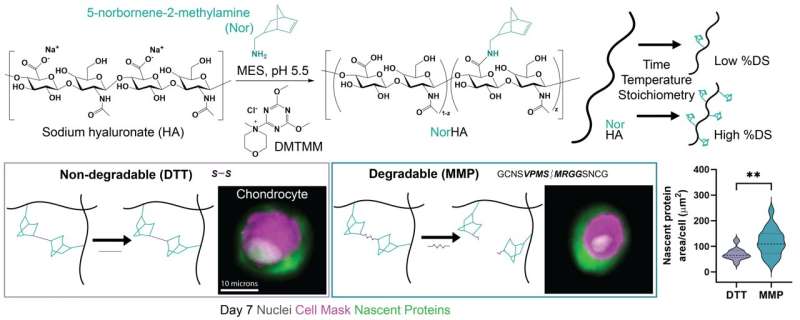
    DMTMM-based synthesis of norbornene-modified hyaluronic acid polymers to tailor hydrogel properties and to probe cell-hydrogel interactions. Credit: Eleanor Plaster, University of Michigan

    Hydrogels—polymer networks with high water content—can act as a tissue mimic, providing conditions for a viable culture of embedded cells, with various applications in biomedical engineering such as tissue engineering and regenerative medicine.

    Hydrogel networks are often formed by chemically modifying polymers, such as hyaluronic acid, a polymer present in the extracellular matrix surrounding cells, with other molecules, such as norbornene, to form a crosslinked polymer network. Previously published methods coupled norbornene to hyaluronic acid using dimethyl sulfoxide, an organic solvent dangerous to both the environment and the user.

    University of Michigan researchers developed a new synthesis route to modify hyaluronic acid with norbornene for use in hydrogels using a water-soluble coupling agent, DMTMM, eliminating the need for harmful organic solvents.

    The results of the study are published in Carbohydrate Polymer Technologies and Applications.

    “By eliminating the need for organic solvents that are harmful to cells, we have developed a synthesis that is better suited for tissue engineering applications,” said Eleanor Plaster, a doctoral student in biomedical engineering and first author of the study.

    In addition to increasing the sustainability of hydrogel synthesis, the new synthesis route decreases the reaction and purification time needed to obtain the product. While previous methods using dimethyl sulfoxide required a multistep reaction and several weeks of purification, the DMTMM method occurs in one step and only requires two to three days of purification.

    “Our newly developed synthesis method increases the ease of production, allowing labs to make their own polymer more efficiently. It may also allow other groups not previously equipped to synthesize this polymer to perform the reaction themselves instead of outsourcing it,” said Plaster.

    Using a water-based coupling agent also increases the applicability for use in biomedical applications, as organic solvents are not compatible with cells. The researchers confirmed that cells are viable in norbornene-modified hyaluronic acid synthesized using DMTMM, enabling this material to be used for cell culture for tissue engineering applications.

    “The synthesis route that Eleanor has pioneered in our lab not only significantly expedites the research process but also has wide-ranging applicability across various polymers and modifications. I am enthusiastic to witness the future directions she will steer this research towards,” said corresponding author Claudia Loebel, assistant professor of materials science and engineering.

    More information:
    Eleanor M. Plaster et al, DMTMM-mediated synthesis of norbornene-modified hyaluronic acid polymers to probe cell-hydrogel interactions, Carbohydrate Polymer Technologies and Applications (2023). DOI: 10.1016/j.carpta.2023.100360

    Provided by
    University of Michigan College of Engineering


    Citation:
    Sustainable, more efficient synthesis route of hyaluronic acid polymers for biomedical applications (2023, December 20)
    retrieved 31 December 2023
    from https://phys.org/news/2023-12-sustainable-efficient-synthesis-route-hyaluronic.html

    This document is subject to copyright. Apart from any fair dealing for the purpose of private study or research, no
    part may be reproduced without the written permission. The content is provided for information purposes only.


    [ad_2]

    Source link
  • Screen-printed pesticide detection

    Screen-printed pesticide detection

    [ad_1]

    pesticides
    Credit: Pixabay/CC0 Public Domain

    Researchers have developed an innovative method for detecting harmful organophosphorus (OP) chemicals, presenting a significant advancement in environmental monitoring for pesticide contaminants. They provide details in the International Journal of Intelligent Enterprise.

    With the escalating impact of agriculture and industrialization on the environment, there is an increasing need for effective detection of environmental contaminants. Sumit Mor, Saveena Solanki, and Vikas Dhull of the Maharshi Dayanand University in Haryana, India, have used an interesting approach to creating sensors with a specific focus on monitoring these compounds. The team synthesized nanoparticles and modified a screen-printed gold electrode by layering a mixture of zinc oxide nanoparticles (ZnO NPs) and single-walled carbon nanotubes (c-SWCNTs) to form ZnO NPs/c-SWCNTs/SPAuE.

    The team adds that the integration of the enzyme acetylcholinesterase, which is affected by organophosphorus compounds on to the modified electrode, along with the application of cellulose acetate to prevent enzyme leaching and electrode fouling, gave them a highly efficient biosensor for detecting organophosphorus compounds in a range of samples. The researchers demonstrated rapid response times of less than 14 seconds. The sensor is reusable and remains stable in storage thanks to the protective cellulose acetate layer.

    The practical implications of this strategy could go beyond environmental monitoring. The biosensor could be used for on-site analysis. It could also be adapted to detecting other contaminants from the food and textiles industries, and even in medical diagnostics.

    As the world population grows, its impact on the environment intensifies. This research represents a step towards improving environmental monitoring, which would improve our management and control of these important chemicals to safeguard the environment and vulnerable ecosystems as well as human health.

    More information:
    Sumit Mor et al, An intelligent pesticide screening strategy using screen-printing technology, International Journal of Intelligent Enterprise (2023). DOI: 10.1504/IJIE.2024.135442

    Citation:
    Screen-printed pesticide detection (2023, December 20)
    retrieved 31 December 2023
    from https://phys.org/news/2023-12-screen-printed-pesticide.html

    This document is subject to copyright. Apart from any fair dealing for the purpose of private study or research, no
    part may be reproduced without the written permission. The content is provided for information purposes only.


    [ad_2]

    Source link