Tag: The Innovation Platform Issue 17

  • Leading the quest for lithium in Canada

    Leading the quest for lithium in Canada

    [ad_1]

    Amid soaring global demand, Brunswick Exploration is spearheading exploration for lithium in Canada, aiming to solidify the nation’s pivotal role in the green economy.

    As governments worldwide continue to announce lofty targets for decarbonising our society, global markets for metals and minerals deemed critical for the transition to green energy have shifted significantly. Metals once overlooked now find themselves in high demand, with the lightest among them, lithium (Li), taking centre stage.

    Over the past two years, the demand for lithium has skyrocketed and is expected to continue growing rapidly. The surge is fuelled by the demand for electric vehicles (EVs), whose lithium-ion batteries require considerable amounts of this critical metal, and here in North America, we have seen significant investments going into both new and existing EV battery plants, positioning lithium as a key part of the modern green economy.

    These developments have been met with well-deserved enthusiasm and support – however, a glaring question needs to be answered: Where is all this lithium going to come from?

    As demand escalates and current lithium mines progress through their anticipated operational mine life, it becomes increasingly clear that we do not currently have sufficient known lithium resources to meet this demand. The World Economic Forum expects demand to reach over two million tons a year by 2030, and our deposits currently produce only a fraction of the necessary amount. It is therefore crucial for us to find new deposits and to find them as quickly as possible.

    Brunswick Exploration (BRW) is based out of Montreal. It is Canada’s largest lithium grassroots exploration company, with one of the most extensive land packages of staked claims spanning the country.

    Our approach is to conduct large-scale grassroots exploration aggressively and systematically for hard rock lithium in Canada to find as many deposits as quickly as possible and solidify Canada’s role in supplying the global markets with the resources needed to decarbonise effectively.

    What drives us at Brunswick Exploration is not just our expansive exploration ambitions but our notable efficiency and effectiveness in this field. We can prospect vast swaths of land over a relatively short period using state-of-the-art technologies, including portable XRF and LIBS multi-element geochemistry, for rapid target discrimination. These allow us to assess a potential area of interest in minutes and proceed to the next, covering more terrain in a shorter time frame than any other company in Canada.

    The year 2023 was transformative for BRW as we commenced multiple drilling programmes across Canada, continuing to conduct aggressive grassroots lithium prospecting in tandem. We completed our grassroots exploration programme and made three significant lithium discoveries. Our 2024 programme will concentrate on drilling these properties to better define their potential.

    With hundreds of areas tested, our three major discoveries of the year, Mirage, Elrond, and Anatacau Main, all located in the James Bay region of Quebec, confirmed that our approach is the best one possible for lithium exploration.
    The Mirage project

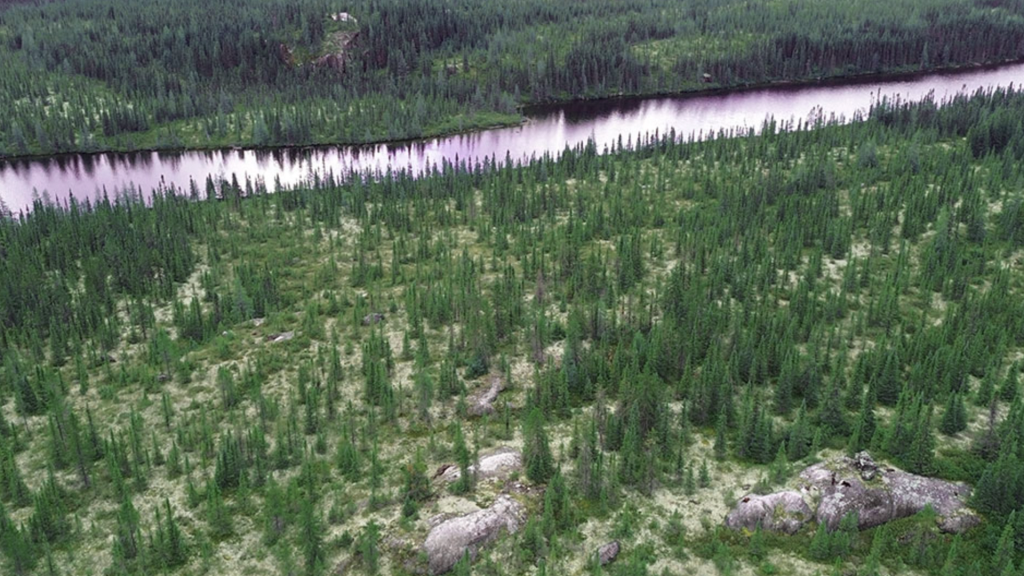
    Now a pillar of Brunswick Exploration’s portfolio, Mirage emerged as a site of major potential when, in the summer of 2023, BRW discovered several high-grade spodumene outcrops over a 2.5km trend, as well as an adjacent three kilometres spodumene boulder train that has different mineralogy than the discovered outcrops.

    The property comprises 427 claims with a total surface area of 21,230 hectares (staked and optioned claims), located roughly 40km south of the Trans-Taiga Highway in Quebec’s James Bay region.

    In 2023, we completed a 5,090m drilling campaign, and it has yielded significant high-grade lithium results, including bonanza grades of up to 2.57% Li2O over 25.8m (MR-1) and substantial thick intercepts, reaching up to 50.6m at 1.06% (MR-3), all above a 100m vertical depth. As a result of these promising findings, BRW launched an extensive winter drilling campaign in January 2024.

    The lithium exploration potential at Mirage extends well beyond the currently known targets. Over 12km of untested strike potential remains, including a new spodumene-bearing outcrop discovered three kilometres northeast of the main lithium bearing-pegmatite dyke swarm. To date, only 60% of the targets have been drill-tested, revealing new blind discoveries of dykes in the drilling process.

    The total extent of the known lithium trend at Mirage now spans over nine kilometres and remains open in all directions, highlighting its significant potential for further discoveries and developments.

    The Elrond project

    The Elrond Project comprises 136 claims with a total surface area of 7,048 hectares, located roughly 12km east of the Billy Diamond Highway in Quebec’s James Bay region. The Elrond Project is part of the Mythril Option agreement with Midland Exploration Inc., whereby BRW can earn a maximum of 85% interest.

    In October 2023, another major discovery, the Arwen showing, was made at the Elrond project. This new site, characterised by a spodumene-bearing pegmatite outcrop, spans an area of over 250x100m. The outcrop showcases a particularly higher-grade zone, where the concentration of spodumene reaches up to 30% in an area of 75x15m. It is marked by well-formed spodumene crystals reaching up to 30cm in length.

    In 2024, we will launch a smaller drill campaign at Elrond to test the Arwen discovery which remains open in all directions, indicating vast potential for further exploration and development.

    The Anatacau Main project

    In Autumn 2022, BRW signed an option agreement with Osisko Development Corp. (TSX-V: ODEV) to acquire a 90% interest in the Anatacau property, located in the James Bay-Eeyou Istchee region of Quebec. In the summer of 2023, BRW discovered a significant lithium pegmatite outcrop, measuring at least 100x15m, known as the Anais showing. The outcrop is within a larger cluster of pegmatite dykes, all of which contain high-grade lithium mineralisation.

    The Anais showing consists of several parallel pegmatite dykes with visible spodumene mineralisation. The largest dyke found to date is exposed over a 15m wide by 100m long outcrop. The mineralisation varies between 5% and 50% spodumene throughout the pegmatite, with quartz, feldspars, and accessory muscovite. Spodumene crystals are light grey and up to 20cm long. BRW believes the pegmatite dykes are structurally controlled and dip steeply towards the north-west with gentle folding and stacking.

    To date, BRW has collected over 19 surface grab samples across the Anais showing, all of which returned high-grade values ranging from 1.2 to 3.8% Li2O. Most of the samples graded above 2% Li2O, among which the highest grades (>3% Li2O) are found within the Main dyke, in massive spodumene-rich bands. BRW is planning a maiden drill programme in 2024 to test the Anais pegmatite as well as a property-wide prospecting and geochemical programme.
    Next steps for the exploration of lithium in Canada

    As we move into 2024, our focus will intensify on advancing the drilling of these three promising discoveries while continuing our aggressive approach to the exploration of hard rock lithium in Canada at an unparalleled rate.

    The success of Western economies in their efforts to meet their decarbonisation goals depends critically on our ability to substantially boost the lithium supply, particularly here in North America. Clearly, the current known lithium resources are insufficient to meet the demand for battery-grade lithium, and Brunswick Exploration is committed to changing that.

    With our innovative approach to exploration, it’s no wonder that BRW has been named to the TSX Venture 50 for a second time in 2024 as one of the Exchange’s top-performing companies.

    For more information about Brunswick Exploration, follow us on Instagram, X, LinkedIn, and Facebook, and visit our website to sign up for our mailing list and receive all our latest news and developments.

    Please note, this article will also appear in the seventeenth edition of our quarterly publication.

    [ad_2]

    Source link
  • A deep dive into Rincon Resources’ West Arunta project

    A deep dive into Rincon Resources’ West Arunta project

    [ad_1]

    Rincon Resources’ exploration of Australia’s newest critical mineral province, the West Arunta Region, has yielded highly promising results thus far.

    Rincon Resources is an Australian minerals exploration company with a keen eye on Western Australia’s mineral-rich landscapes, where it has set its sights on unlocking the untapped potential for big copper and rare earth element (REE) deposits.

    Boasting a portfolio of highly prospective projects, Rincon is making notable progress, particularly within the dynamic West Arunta region, which is fast earning acclaim as one of Australia’s most exciting critical mineral provinces.

    This article offers detailed insight into Rincon’s West Arunta Project, shedding light on its promising copper and REE prospects while highlighting recent developments that underscore its trajectory towards success.

    Discovering West Arunta’s mineral wealth

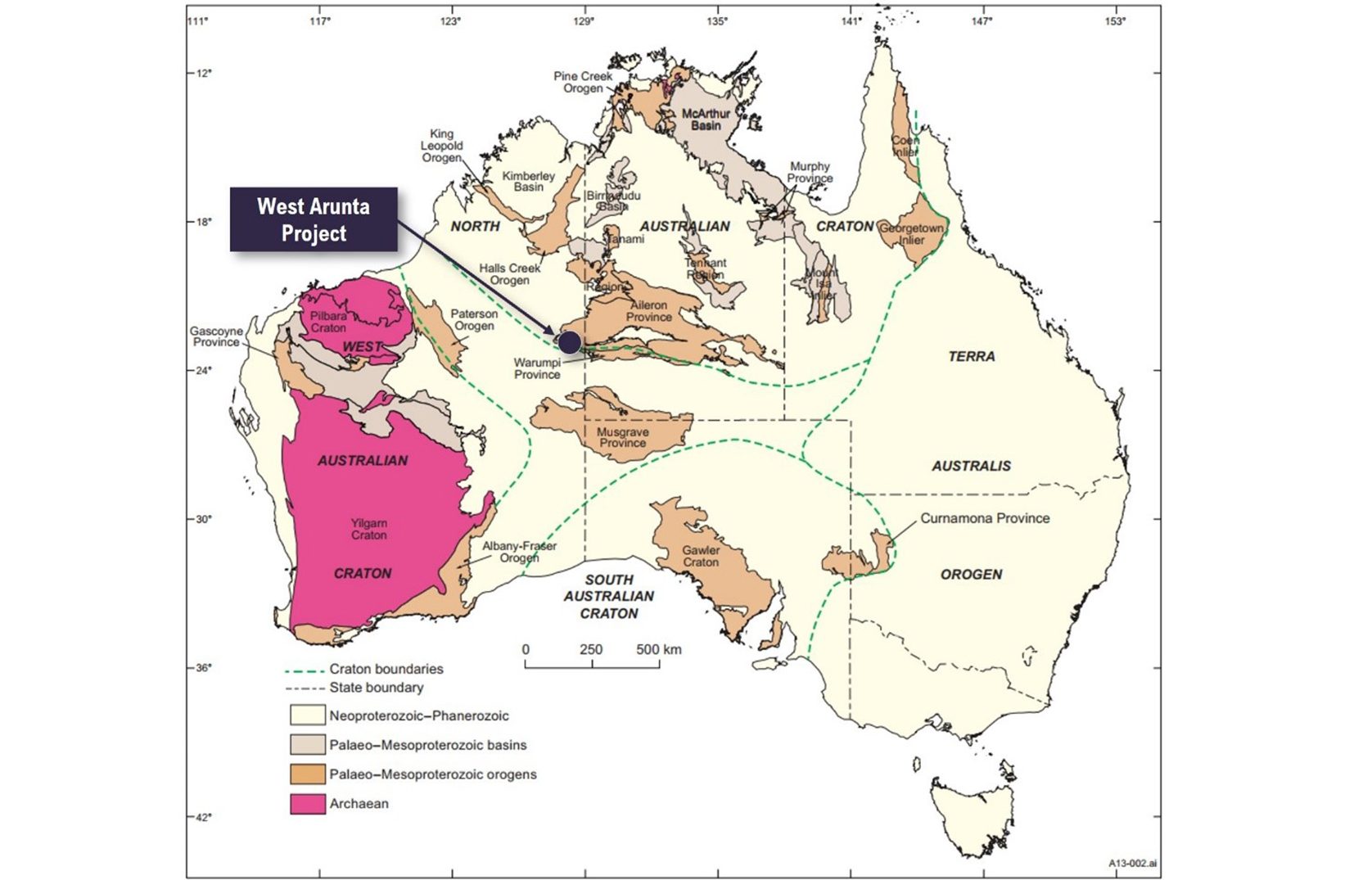
    Rincon’s West Arunta Project, spanning over 260km², is located along the Central Australian Suture, a major zone of structural complexity that separates the Aileron and Warumpi Provinces and marks the southern margin of the North Australian Craton (Fig. 1).

    west arunta
    Fig. 1: Simplified tectonic map of Australia showing craton boundaries and significant regions of Archean and Paleo-Mesoproterozoic rocks. Geological regions after Hutchison (2012); craton boundaries after Cawood and Korsch (2008)

    Renowned for its geological significance, this region has witnessed a recent surge in exploration activity, highlighted by WA1 Resources’ 2022 discovery of the massive high-grade ‘Luni’ niobium/REE deposit, which, alongside its well-documented copper, gold, and uranium prospects, has catapulted the area into the spotlight.

    Historic exploration and potential at West Arunta

    The West Arunta Project brags a rich history of exploration, supported by Ashburton Minerals’ pivotal and recent advancements of widespread significant copper mineralisation at Pokali, validating it as an Iron Oxide Copper-Gold (IOCG) system during the mid-2000s.

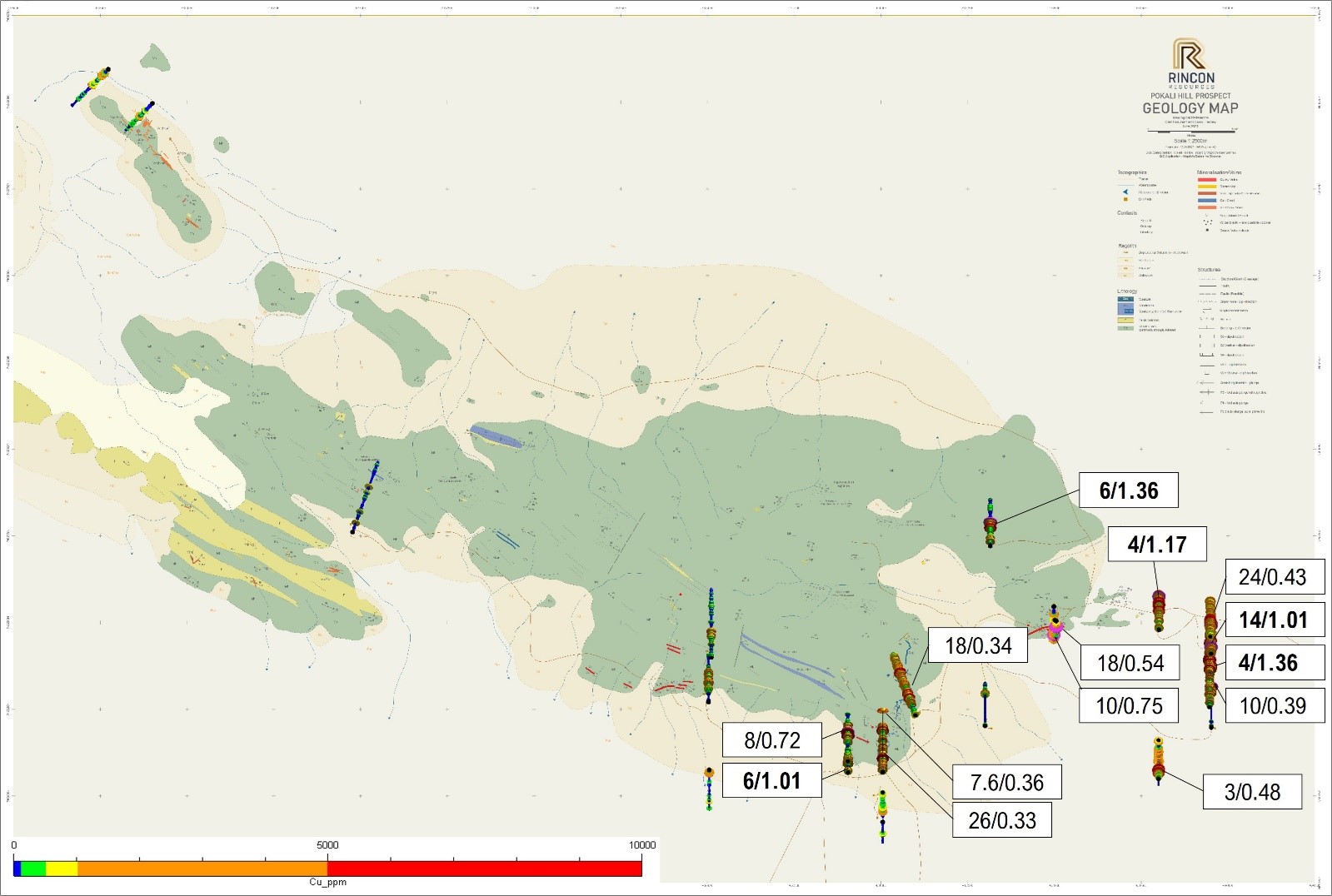
    Notable historical drilling results include: 14m @ 1.01% Cu from 168m (PKC024), contained within a mineralised zone of 62m @ 0.39% Cu, and 6m @ 1.36% Cu from 100m within a mineralised zone of 32m @ 0.46% Cu (PKC023).

    Unearthing potential in 2021

    In 2021, amidst negotiations with the Kiwirrkurra People for land access, Rincon focused on establishing the groundwork for a robust exploration campaign. This involved conducting photo-geological mapping, site reconnaissance, rock-chip sampling, and target generation, as well as acquiring, re-processing, and interpreting historical geophysical datasets.

    The photo-geological mapping exercise unveiled more than twenty initial target areas warranting further investigation, whilst geophysical data re-processing and interpretation offered new and valuable insights into the project’s structural framework, guiding Rincon’s early exploration approach.

    Paving the way for 2022

    Building upon its 2021 technical successes, Rincon expanded its project landholding by acquiring additional exploration licenses and secured its first co-funding grant of $150,000 through the Western Australian Government’s Exploration Incentive Scheme (EIS) for a maiden diamond drilling programme, demonstrating its dedicated pursuit of regional exploration advancement.

    west arunta
    Fig. 2: Drilling by Ashburton Minerals identified widespread copper mineralisation (>= 0.3% Cu) at Pokali East/South (6/1.36 = 6 @ 1.36% Cu)

    Following the eventual execution of a Land Access Agreement with the Kiwirrkurra People, the company promptly commenced a heritage clearance survey, a vital precursor to the planned EIS co-funded diamond drilling programme. The West Arunta Project was gearing up for a significant exploration phase in late 2022.

    Progressing through 2022

    Rincon intensified its focus on IOCG-style copper mineralisation, elevating thirteen of its initial twenty targets for further investigation. Central to this effort was the Pokali Prospect, where plans were now well underway for an inaugural RC and diamond drilling campaign to test two high-priority gravity targets at the earliest opportunity.

    The final step before turning the drill bit was obtaining a Ministerial Entry Permit and a Consent to Mine endorsement from relevant Government departments. These were received in October 2022, ultimately too late to commence drilling that year, but permitted the company to conduct its first site reconnaissance visit and an airborne geophysics survey.

    Advancements in 2023: The hunt for REEs commences

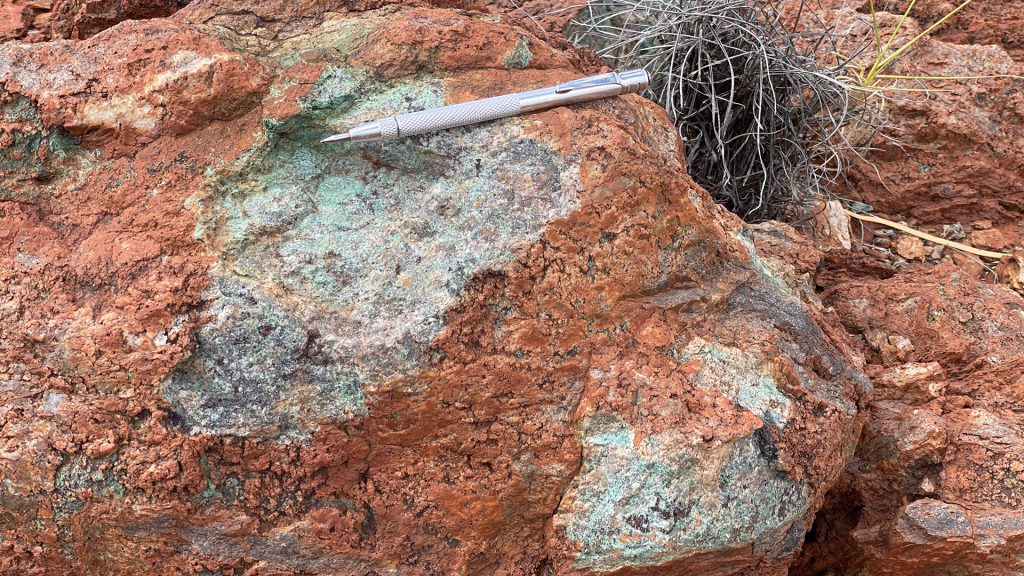
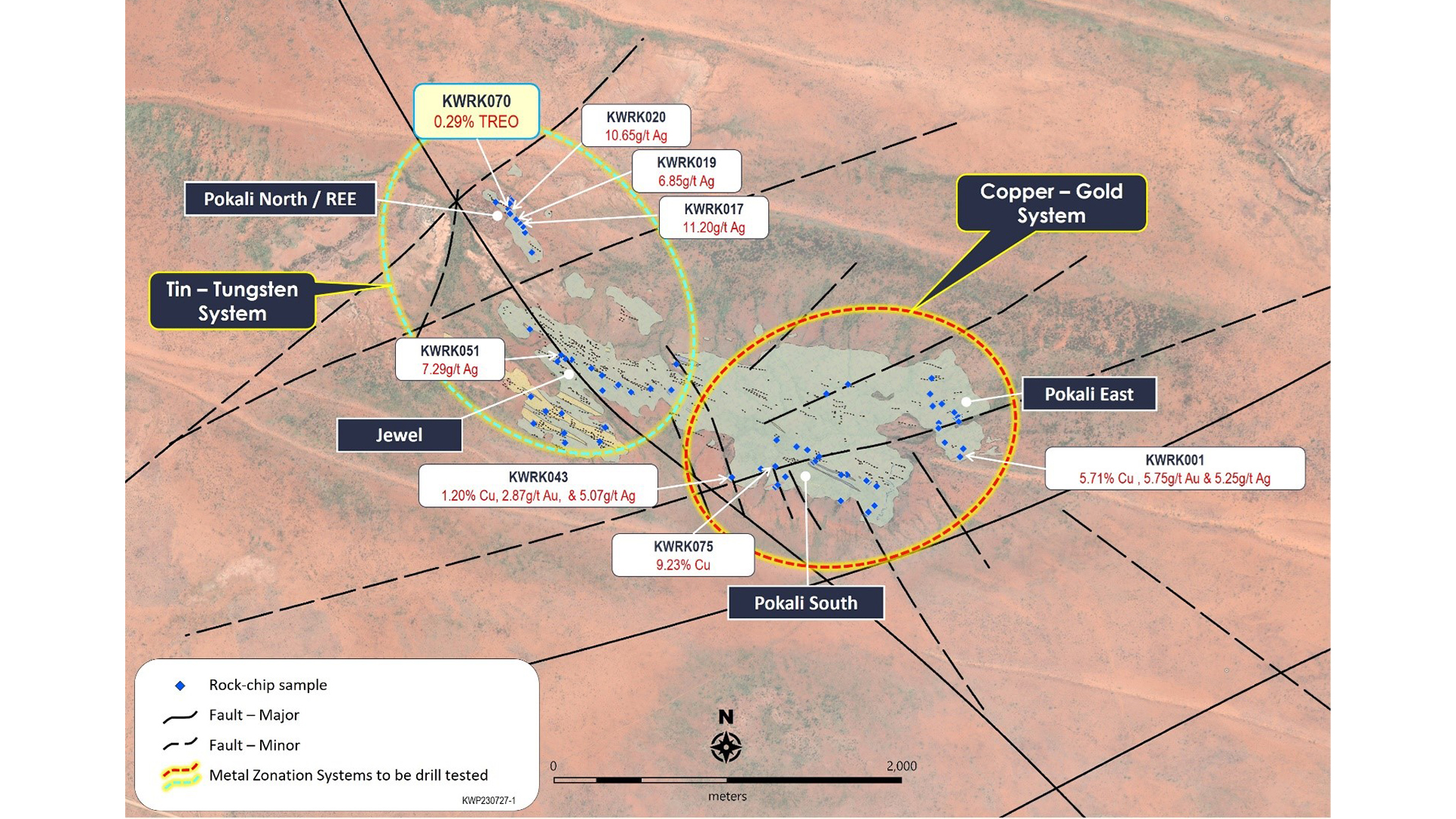
    Entering 2023, Rincon’s operations regained momentum as results from an airborne geophysics survey identified several new anomaly areas east of Pokali. Mapping and rock-chip sampling efforts also unveiled significant gold, copper, and silver findings at Pokali East, alongside a promising new REE zone of interest at Pokali North. Notable rock-chip results reported by the company include:

    Pokali East

    KWRK075 – 9.23% Cu
    KRWK001 – 5.71% Cu, 5.75g/t Au & 5.25g/t Ag
    KWRK043 – 1.20% Cu, 2.87g/t Au & 5.07g/t Ag

    Pokali North

    KWRK094 – 0.48% TREO
    KWRK104 – 0.43% TREO
    KWRK070 – 0.29% TREO
    KWRK107 – 0.26% TREO
    KWRK017 – 11.2g/t Ag
    KWRK020 – 10.7g/t Ag

    The initial REE result of 0.29% (2,900 ppm) TREO at Pokali North spurred the company to adopt a dual exploration strategy focusing on both copper and REEs. Remarkably, the REE anomalism is also proximally adjacent to the high-grade copper mineralisation at Pokali East, together forming a combined copper/REE system spanning over five kilometres in strike length, emphasising the significant scale of the system.

    In light of the new findings showcasing the extensive and diverse mineralisation throughout the entire outcropping area of Pokali, the company enlisted an independent expert geochemist to review and interpret both its new and existing geochemical datasets.

    Unsurpisingly, the review confirmed there was a massive hydrothermally driven mineralisation system at Pokali, characterised by two distinct and discrete metal zonations derived from separate fluid source types, oxidising (Pokali East) or reducing (Pokali North).

    A copper-gold-silver dominant system exists at Pokali East, as expected. This is contrasted by a tin-tungsten dominant system at Pokali North.

    west arunta
    Fig. 3: Pokali Prospect showing target areas, metal systems, significant rockchip results and REE trends

    Put simply, there was at least two separate magmatic intrusion events that pumped in mineralising fluids dominantly enriched with copper-gold-silver or tin-tungsten respectively.

    Notwithstanding this, Rincon also thinks there’s a seperate carbonatite intrusion not far away from Pokali North that delivered the REE enrichment, thought to be overprinting the tin-tungsten system.

    The excitement on the Rincon team is now growing exponentially with the potential of discovering a major deposit!

    Unforeseen challenges and silver linings

    Following the completion of a second heritage clearance survey in September 2023, the company swiftly mobilised to the site in late November to begin its highly anticipated diamond drilling programme to test two deep high-priority gravity targets beneath the metal zonation areas with the aim of discovering rich lodes of copper, gold, or REE’s.

    Unfortunately, despite careful planning, Rincon encountered unforeseen challenges during on-site preparations for drilling. The onset of Australia’s northern wet season forced the deferral of the programme into 2024.

    Despite the setback, Rincon remained steadfast in its commitment to delivering value. Positive results from additional rock-chip sampling completed just ahead of the planned drilling programme reinforced the project’s potential, with additional positive REE results confirming new subtle REE trends that appear to coincide with key structural corridors (Fig. 3).

    Pioneering ahead

    Entering 2024, Rincon Resources sets the stage for significant developments at the West Arunta Project, with the eagerly anticipated diamond drilling programme scheduled to commence in late February. Moreover, Rincon has plans to conduct high-resolution ground gravity, induced polarisation, and passive seismic surveys, along with regional site reconnaissance mapping and sampling over several other priority targets within its project area throughout 2024.

    Rincon remains resolutely committed to unlocking the abundant potential of copper and REEs in Western Australia’s mineral-rich landscapes, with its West Arunta Project emerging as a standout early exploration play. The journey thus far, characterised by successes, hurdles, and resilience, paves the way for an opportune new phase in the exploration of copper and REEs within one of Australia’s most auspicious mineral provinces.

    Please note, this article will also appear in the seventeenth edition of our quarterly publication.

    [ad_2]

    Source link
  • Funding the future: Horizon Europe in Canada

    Funding the future: Horizon Europe in Canada

    [ad_1]

    With an extra boost via Horizon Europe, the Innovation, Science, and Economic Development Department discusses Horizon Europe in Canada and the future in scientific research.

    Canada’s agreement with the European Commission opens up Horizon Europe to Canada, the latest programme funding science and research initiatives to better the planet. The Canadian Government’s Department of Innovation, Science, and Economic Development (ISED) spoke with The Innovation Platform to detail this huge funding opportunity, the significance of global collaboration, and the promise of exceptional research.

    How will advancing Horizon Europe in Canada benefit its innovation and economic development goals?

    Canada is committed to working with like-minded countries to address global challenges through science- and evidence-based solutions. International research and innovation collaborations contribute to Canada’s ability to confront these challenges and seize opportunities, as well as boost our reputation as a research leader. Increased research collaboration is also a significant economic driver through commercialisation activities and talent attraction.

    To create more international opportunities for Canadian researchers, innovators, and businesses to pursue their discoveries, the Government of Canada is supporting increased collaboration through developing Horizon Europe in Canada, the world’s largest research and innovation funding programme involving countries around the globe.

    In November 2023, the Government of Canada closed substantive negotiations with the European Commission to join Horizon Europe as an associate country under Pillar II, which is focused on global challenges such as climate, health, culture and inclusive societies, and digital industries. While Canadians could already participate in all Horizon Europe project calls open to international partners, they can now access a broader range of research opportunities and benefits in Pillar II, as research and innovation community members of an associated country.

    Since December 2023, the European Commission has been reviewing applications from Canadian researchers and innovators as full-fledged associate members of consortia in Horizon Europe Pillar II project calls to ensure Canadians do not miss funding opportunities. Awards will only be issued once the association treaty has been provisionally applied, which is expected to occur in mid-to-late 2024. This will also make accessing funds quicker and more streamlined.

    For more information, please visit the Government of Canada’s website on Horizon Europe.

    What specific opportunities does the Horizon Europe extension offer for Canadian researchers, innovators, and businesses?

    By collaborating closely with international partners through Horizon Europe, Canada’s talented research and innovation community can develop solutions to some of the world’s most pressing challenges.

    Developing Horizon Europe in Canada provides opportunities for Canadian researchers and innovators to showcase their expertise on the international stage, potentially leading to the implementation and commercialisation of tangible solutions to global challenges. For example, about 35% of Horizon Europe funding targets efforts to combat climate change. As an associate member, Canadian researchers will have increased access to research opportunities and can play an even more significant part in the global response to international challenges.

    © shutterstock/lunopark

    The benefits of associating also include leading projects, receiving direct funding, and collaborating with European and other international partners in various research and innovation areas. This allows the Canadian research and innovation community to propose projects, initiate consortia, and have a greater say in shaping the direction, objectives, and outcomes of Horizon Europe projects. Canadian researchers also benefit from Horizon Europe through increased collaboration and networking, as well as new opportunities to expand their work’s reach and citation impact.

    Can you highlight any collaborative initiatives or partnerships Canada plans to pursue through Horizon Europe?

    With a budget of €95.5bn over seven years (2021 to 2027), Horizon Europe will give talented Canadian researchers and innovators access to new opportunities to collaborate more closely with international partners and to develop solutions to pressing global challenges, from human health and climate change to social inclusion.

    While the Government of Canada encourages Canadians to participate in all Horizon Europe calls that are open to international applicants, efforts will focus on supporting Canadians to apply for opportunities in Pillar II since Canada will be an associated country in this category.

    Pillar II funding is centred around six ‘clusters’ that offer collaborative initiatives and partnership opportunities. These six clusters include:
    1.   Health;
    2.   Culture, Creativity and Inclusive Society;
    3.   Civil Security for Society;
    4.   Digital, Industry and Space;
    5.   Climate, Energy and Mobility; and
    6.   Food, Bioeconomy, Natural Resources, Agriculture and Environment.

    The Horizon Europe Association Agreement will significantly enhance Canadian participation in Pillar II. For context, Horizon 2020, Horizon Europe’s predecessor, funded more than 7,500 collaborative projects with participants from 149 countries. Canada’s participation in Horizon 2020 ranked third among non-associated non-EU countries.

    To get a sense of the projects being funded, browse the EU funding and tender opportunities portal under the programme category Horizon Europe.

    How does Canada intend to ensure equitable participation of diverse Canadian stakeholders in Horizon Europe projects?

    Canada sought to associate with Pillar II of Horizon Europe in light of the opportunities it presents to a wide diversity of members of the Canadian research and innovation community. Academics, industrial researchers, small-to-medium-sized enterprises, non-profit and charity sector entities, and other researchers and innovators in Canada can all apply to Horizon Europe. While the European Commission administers the programme, the Canadian government has a role to promote the opportunities to diverse research communities.

    Funding is allocated following a peer-review process similar to the one used in domestic Canadian research funding decisions. Funding amounts vary by project. Consortia members receive a lump sum per project, meaning that the recipients decide how funds will be spent among consortia partners: The European Commission provides guidance on eligible costs, which all consortia members are expected to respect and comply with.

    © shutterstock/symbiot

    In particular, the programme has strategic orientations to guide funding allocation, including supporting a more resilient, inclusive, and democratic society, being prepared for and responsive to threats and disasters, addressing inequalities and providing high-quality health care, and empowering all citizens to act in the green and digital transitions.

    In addition, one of the six clusters in Pillar II is Culture, Creativity and Inclusive Societies. This cluster funds projects that will help promote a model of inclusive and sustainable growth. It helps to enhance trust in, and promote innovation of, democratic governance, as well as combat inequalities, unemployment, marginalisation, discrimination, and radicalisation. The activities funded under this cluster will help guarantee human rights, foster cultural diversity, and empower people through social innovation.

    What measures are in place to assess the impact of Horizon Europe in Canada on its innovation ecosystem and economic growth?

    Through the Department of Innovation, Science and Economic Development, the Government of Canada will work with the European Commission and Canadian applicants to support Canadian participation in Pillar II projects, track success rates, and the impact of Canada’s participation in Horizon Europe.

    The Government of Canada and the European Commission are working towards the prompt signature and implementation of Canada’s association in Pillar II of Horizon Europe and will provide more information once the domestic approvals process is complete.

    How does Canada plan to navigate potential challenges or barriers to participation in Horizon Europe, and what strategies are in place to maximise the benefits for Canadian stakeholders?

    The Government of Canada will support applicants to ensure they are set up for success when applying to this programme. By establishing national contact points in Canada, applicants will have access to guidance, practical information, and assistance on participation of Canada in Horizon Europe. These subject matter experts will have a strong awareness of domestic and international expertise in each of the six clusters of Pillar II. They will be responsible for informing, advising, assisting, training, raising awareness, and strengthening co-operation among stakeholders, among other roles within the network.

    The Government of Canada and the European Commission are working towards the prompt signature and implementation of Canada’s association in Pillar II of Horizon Europe and will provide more information once the domestic approvals process is complete.

    Please note, this article will also appear in the seventeenth edition of our quarterly publication.

    [ad_2]

    Source link
  • Solving the battery supply chain puzzle

    Solving the battery supply chain puzzle

    [ad_1]

    With the expected five-to-ten-fold increase in demand for electric vehicles in the US by 2030, the US Government is committed to establishing a domestic battery supply chain that will require a complete overhaul of the industry.

    The obvious problem with this initiative is a battery supply chain barely exists in the United States today, and the majority of the focus has been on building end-value chain gigafactories, with 35 major projects currently planned or in construction, with minimal intentionality regarding essential raw materials in situ and early-stage processing.

    Into the void comes US Strategic Metals (USSM), which fashions itself as a unique one-stop shop green battery metals platform willing to do the hard yards in the ground as well as take on the significant challenges of processing and recycling.

    Stacy Hastie, Co-Founder and CEO, recently said: “The last time the world experienced a global energy revolution – from coal to oil – in the early 20th Century, the US was the global leader in this transition. That leadership position helped fuel the American Century and build a more stable, democratic world. Today, the stakes are just as high. America’s abundance of strategic battery metals cannot be leveraged without building a sustainable, closed-loop battery industry – the clock is ticking.”

    And the point is well taken: In the race for a sustainable future, the US is currently chasing its rivals. US production of battery raw materials does not approach present domestic demand. In fact, over 90% of battery raw materials are currently sourced and processed from foreign suppliers. This problem is the result of decades of lagging investment, little domestic urgency, and self-inflicted global battery supply chain vulnerabilities. Today, there is a vital need for a secure, closed-loop battery metals sourcing, processing and recycling solutions in the US.

    USSM looks to be that green battery platform that creates an end-to-end domestic producer. With a rare combination of strengths, including in-house IP and particularly flexible processing technology; expansive natural resource endowment; fortuitous location and permitting situation on a remediated site with room to grow; and an internationally experienced and highly focused team, USSM relishes the opportunity to solve the critical battery materials puzzle.

    Bringing clean, ethical, low-carbon processing to the United States

    As most Innovation Platform readers are well aware, cobalt (Co) and nickel (Ni) are two of the most important critical minerals required for the production of lithium-ion batteries. As of 2023, approximately 70% of the global cobalt raw material supply came from the Democratic Republic of the Congo (DRC) and approximately 40% of the global nickel supply from Indonesia. Mining practices in the DRC have become highly scrutinised globally. Indonesia, a new and growing player on the world stage for battery metals, has its own issues. In December, a tragic explosion at a smelter resulted in 18 fatalities. Neither country has a Free Trade Agreement with the United States, and both are in consideration for the list of Foreign Entities of Concern.

    This leads us to the question of China, the single largest player in the industry with controlling stakes in battery metal mines around the world and an outsized role in the processing of these metals. The global supply chain for EV batteries virtually runs through China, with estimations showing that 80% of the DRC’s cobalt output is owned/controlled/processed by Chinese firms. And some 90% of all Co and Ni for Li-ion batteries destined for the US market touch China somewhere along the supply chain.

    Mining and refining cobalt and nickel overseas has raised environmental, social and governance (ESG) concerns. High-Pressure Acid Leach (HPAL) and legacy Pyrometallurgy in unregulated jurisdictions contribute significantly to air and water pollution, destruction of ecosystems, infringement on indigenous rights, greenhouse gas emissions, high carbon energy use and poor working conditions. Most HPAL operations in Indonesia are coal-fed for energy, yielding up to three times more greenhouse gases, according to S&P Global.

    An environmentally friendly alternative in a regulated jurisdiction is imperative, and the US Government has taken notice. The current US Administration authored two key pieces of legislation with the intent to drive the growth of domestic production of critical minerals: the Bipartisan Infrastructure Law and the Inflation Reduction Act. Additionally,  the U.S. Department of Defense (DOD) has earmarked federal dollars for critical minerals in the Defense Production Act. Cobalt, nickel and lithium (Li) are among the list of strategic metals considered in the ‘National Interest’, and the money is starting to flow to new projects.

    USSM is currently working with the DOD and the U.S. Department of Energy to further applications for funding from the Defense Production Act and the Bipartisan Infrastructure Law and hopes to take advantage of key portions of the Inflation Reduction Act, which will all be important to compete fairly with the many state-sponsored actors across the competitive landscape.

    USSM’s unique strengths make it a global market leader in reliable, ethically sourced, and environmentally friendly strategic metals for US and global markets. USSM has a team of experienced professionals and substantial domestic resources, and through a culture of innovation, USSM is building the capacity to meet the growing needs of renewable energy industries while ensuring a reliable, domestic battery supply chain.

    From humble beginnings

    US Strategic Metals acquired the Madison Mine in 2018. It’s an existing private mine that operated from 1844 to 1961. In 2003, the U.S. Environmental Protection Agency. (EPA) designated the area as a Superfund site due to the erosion of waste piles or tailings from past mining and initiated clean-up efforts. As part of the acquisition, USSM partnered with local government and the EPA to execute a five-year clean-up plan from 2018.

    battery supply chain

    In 2020, the geologic and block models were updated to survey mine reserves, including a pre-feasibility study on a well-drilled resource with management estimates of reserves that include historic core and churn hole data. The mine life is currently projected at 17 plus years, and is growing daily.

    USSM’s business model for the site initially was to clean up and reclaim metal-rich historical tailings from the old mine and to make a mixed metal concentrate product. In 2019, USSM constructed an onsite concentrator and started successfully processing material for shipment to Canadian smelters. However, the market for electric vehicles and demand for critical battery metals forced the management team to take another look at the trajectory of the business.

    Evolution of the business model: From environmental clean-up to processor/recycler

    In 2020, USSM decided to create a flexible, integrated processing facility to upgrade the concentrate further.

    As USSM’s background was affiliated with environmental clean-up and their governing ethos is ‘being good stewards of the land’, it made sense to pursue environmentally friendly Hydrometallurgical technology. This resulted in the construction of a pilot plant in 2021 where they tested and developed their wholly owned proprietary technology called ‘Metalox®’.

    The Metalox technology produces battery-grade products with high margins and low CO2 emissions. A life cycle assessment of the technology indicates Metalox will create a meaningful improvement over the current industry standard for the targeted stages of battery materials processing and refining. In fact, Metalox is expected to produce 61% and 45% lower CO2 emissions for cobalt and nickel, respectively, versus industry benchmarks established.

    But perhaps the most important virtue of the Metalox technology is its flexibility. Through three years of test work on many different feed sources, the technology has proven effective and efficient in converting solids to liquids with high recoveries. This flexibility led to the introduction of recycled battery Black Mass into the feed mix and another improvement to the flow sheet.

    Black Mass is the new frontier in urban mining, and USSM partnered with recycling experts on a long-term feed contract, which will allow USSM to expand into the recycling business. The capital expenditure plan is completed, and construction is ongoing for a first-of-its-kind combined concentrate and recycling hydrometallurgical plant that will produce nickel and cobalt sulfate, copper cathode, and  lithium carbonate.

    First mover advantage is a major positive, with plans to begin commissioning through the end of the year and commercial start-up by the middle of 2025. Phase 1 is set to handle 240 tonnes per day and will yield 3,800 tonnes of Co, 21,000 tonnes of Ni and 6,400 tonnes of Cu contained metal as well as 16,000 tonnes of Lithium Carbonate after a full ramp-up in 2026.

    Experienced leadership, significant funding to date and vital local support

    US Strategic Metals has a particularly qualified and experienced leadership team with a track record of success in the environmental cleanup, critical minerals, battery metals, mining, and processing industry.  CEO Stacy Hastie has an extensive background in environmental cleanup operations. The Board consists of industry leaders like Chairman Randy Waterfield, who was the former Chairman of YPO, and Willy Strothotte, the former Chairman and CEO of Glencore and Mike Patterson, Co-founder of HPS Investment Partners. The leadership of the technical team comes from the Mutanda mine in the DRC, which for many years was the largest cobalt mine in the world. Operations and commercial teams are run by proven operators with industry bona fide statuses from US Silica and Glencore, respectively.

    On December 18 2023, USSM announced it had reached nearly $500m in funding and commitments. The most recent financings included a $230m commitment from affiliates of Appian Capital Advisory LLP with initial funding of a $120m secured term loan facility and a $70m secured royalty financing arrangement.  Past funding commitments included approximately $120m from HPS Investment Partners and $50m from valuable offtake and sourcing partner Glencore International AG, all of which proved the capability to raise capital in a difficult environment.

    battery supply chain

    Importantly, the state of Missouri strongly supports this project.

    Mike Parson, Missouri Governor, said: “We congratulate USSM on securing this investment to expand its critical minerals recycling and processing operations in Fredericktown. Not only will this investment create good-paying job opportunities in the region, but it will also strengthen supply chains and allow Missouri and the nation to be less reliant on nations like China. The demand for domestic battery production and critical mineral exploration is on the rise, and this investment proves Missouri is well-positioned to capitalise on that opportunity and emerge as a national leader.”

    Securing a more sustainable future

    US Strategic Metals is committed to securing ethically sourced materials that are crucial for the national and global economy of the future.  At the flagship facility in Madison County, MO, USSM is completing important environmental remediation while unlocking new economic vitality at a long-dormant site and creating stable and long-term jobs in a rural and economically challenged area for the green economy. As a company, USSM is committed to ESG:

    Environmental

    Committed to implementing technologies and processes that minimise the impact on the environment, such as pollution prevention measures, resource recovery activities, and other environmental best practices, such as diverting end-of-life batteries from landfills to sustainable resource recovery.

    Social

    Committed to the highest standards for employee health and safety and building a workplace that promotes diversity, inclusion, and respect. A promise to promote and cultivate a diverse work environment and the fair treatment of all employees by empowering a team of diverse and talented professionals from all over the world.

    Governance

    Committed to integrating strong governance and risk management oversight across all aspects of the business, as well as to ethical business conduct, integrity, and corporate responsibility. Creating an ethical, secondary source of critical battery materials through resource recovery as well as providing reliable and transparent data that guide mitigation strategies on risk and opportunities through the use of lifecycle and sustainable benefits assessments.

    Through a combination of compelling factors: Resource endowment, clean, flexible technology, location at the centre of a robust and burgeoning battery supply chain, having permits already in place, a skilled and experienced team, and capital requirements met, USSM is ready to become the green battery platform the US needs to win the race for a sustainable future.

    Please note, this article will also appear in the seventeenth edition of our quarterly publication.

    [ad_2]

    Source link
  • Cancer treatment: Prioritising patient-centric care

    Cancer treatment: Prioritising patient-centric care

    [ad_1]

    Denis Lacombe, CEO of the EORTC, explains the importance of patient-centric clinical research in cancer treatment and the commitment of the organisation to improving quality of life.

    Cancer treatment has long been a challenge in the field of medicine, but it is one the world continuously rises to with innovative and persistent research dedicated to solutions.

    At the European Organisation for Research and Treatment of Cancer (EORTC), the mission is to improve cancer patients’ survival and quality of life. The EORTC is a non-governmental organisation, utilising 60 years of experience to run an extensive, international academic programme spanning over 30 countries.

    The Innovation Platform Editor Maddie Hall sat down with Denis Lacombe, CEO of the EORTC, to discuss the organisation’s dedication to patient-centric clinical research and the pragmatic clinical trials that are transforming the future of cancer treatment.

    Denis Lacombe

    Objectives of the organisation

    The primary objective of the EORTC is to leave no one behind. As such, the organisation addresses clinical situations that have been comparatively neglected, such as rare cancers or elderly patients. We are also unique in our attempt to tackle a large variety of different cancers in different organs.

    Our scientific strategy centres around treatment, choosing to maximise our expertise in this area while other organisations focus on cancer prevention and early detection. Through multidisciplinary clinical trials, we take a comprehensive approach to cancer treatment, addressing drugs, radiation, surgery, and the research fundamental to each, establishing EORTC as Europe’s largest cancer clinical trial organisation.

    Ongoing and recent projects

    At any given time, EORTC runs over a hundred clinical cancer trials, meaning that we are consistently watching a clinical trial mature and come to fruition. Whether this is by improving our knowledge of a specific cancer or directly informing doctors and patients about changing treatment, the organisation is continually advancing the standard of patient-centric care.

    There are about ten clinical trials and other programmes supported by the European Union (EU) at any time. EORTC does not receive structural support from the EU but applies on a competitive basis.

    One ongoing programme that is proving hugely successful is IMMUcan, which is geared to access the biological material of approximately 3,000 cancer patients with five different types of cancer. IMUCAN aims to use this data, alongside innovative technology,
    to understand the microenvironment of cancer cells.

    Three pragmatic trials have recently been approved under the Horizon programme: A large clinical trial addressing brain tumours, retroperitoneal sarcoma, and the optimisation of hormone therapy for metastatic prostate cancer. These initiatives aim to address patient-centric clinical questions. Increasingly, trials are considering quality of life, patient-reported outcomes, and even patient preferences as an objective.

    Treatment optimisation and pragmatic trials

    The optimisation of treatments is a significant part of our current research strategy. When a drug comes to the market, it is not apparent which patients would benefit from the treatment and which would not. Similarly, the optimal dose, duration, or how to integrate it best in existing treatment approaches may not yet be documented or fully informed. Consequently, much research is needed on how treatments can be optimised to avoid unnecessary toxicity without benefit. The substantial costs of cancer treatments are relevant in this respect, as effort should be taken to ensure that collective resources are not spent on treating a patient unduly with a drug used, for instance, at a dose with more toxicity than necessary. EORTC is taking a de-escalation approach, addressing overtreatment, and decreasing toxicity to improve patient quality of life. We are increasingly attempting this in the context of pragmatic clinical trials. For instance, we are discussing with stakeholders and regulators the potential to adopt a more economical and efficient approach to data collection, allowing us to collect and analyse only the side effects of relevance.

    Treatment optimisation is patient-centric; since we are not assessing drugs’ efficacy but aiming at obtaining a more favourable ratio between benefits and risks, the eligibility criteria for pragmatic clinical trials are much broader and closer to the real-world experience of treating the patient population. These trials do not
    intend to register a treatment or establish a new therapeutic system. Instead, they aim to inform doctors, patients, and healthcare systems how best to utilise therapeutic interventions. This allows us to ask pragmatic questions like:
    •    Can we reduce the dose?
    •    What is the optimal duration of treatment?
    •    Can this be part of a combination treatment?

    More specifically, rare and ultra-rare cancers are also often unaddressed, and trial designs have adapted to such clinical situations. A lot of methodological research is required to assess the practicalities.

    The question of feasibility is also a high priority at EORTC since these pragmatic trial programmes run differently from the classic regulatory trials. This is a factor that we have consistently discussed with international partners, such as the National Cancer Institute (NCI) in the US, as well as the European Medicine Agency (EMA). The result has been the creation of the Cancer Medicines Forum, a partnership between EMA and EORTC designed to consider the optimisation of new anticancer agents beyond their licensing. It helps discuss with all stakeholders, including the commercial sector, as EORTC considers treatment optimisation a spectrum that should be addressed comprehensively and where the commercial sector can target some of the optimisation questions concerning a treatment from its inception.

    Embracing new technologies to improve patient-centric care

    An essential aspect of EORTC is our multidisciplinary approach, meaning we have services dedicated to technological research. A recent focus has centred around imaging technology, with our imaging platform enabling us to conduct specific research on the backbone of our pragmatic clinical trials and garner the information we need to specialise in cancer treatment.

    The advantage of pragmatic trials is that, though we aim for as realistic an environment as possible, it remains controlled. Consequently, we retain the ability to control the data and the quality. This allows us to learn and understand new technologies, how they
    work, and eventually, how they can be modified for tailored treatments.

    © shutterstock/fizkes

    Embracing new technologies requires collaboration with the technology industry. We are currently collaborating with a technology company on a minimal residual disease programme. When a disease has not yet metastasised, there are still circulating cells and DNA; this programme aims to identify these as soon as possible to orient treatment. Our role is to validate the new approaches developed from clinical research to test their utility and, ultimately, their clinical relevance.

    Global partnerships

    The organisation is, in itself, already an international collaboration with extensive reach. Historically, EORTC has coordinated large global trials in partnership with organisations with a similar independent agenda. We have a long history of collaboration with organisations such as NCI), with whom we are currently joining forces to conduct the aforementioned trial on retroperitoneal sarcoma.

    Thanks to global partnerships, conclusions can be drawn much faster, enabling quick access to a large pool of patients. They grant us insight into research from all over the world, with multiple investigators searching for solutions at once, making programmes scientifically richer and more relevant.

    Similarly, EORTC has had several very successful collaborations with clinical trial groups in Canada, Australia, and Japan. Each has been an incredibly enriching experience; programmes are typically embraced by the majority, indicating the importance and relevance of the research. These global partnerships create a healthy learning environment, sharing culture, language, and cancer treatment standards.

    For instance, we have an extensive fellowship programme, welcoming fellows from across the globe to spend up to three years in our Brussels office. Fellows join us, transfer knowledge, and learn about clinical research in our clinical environment. These fellows facilitate many of the programme’s successes, possessing a detailed understanding of our capacities and limitations, as well as improving future collaboration.

    We join forces internationally, not only to coordinate specific clinical trials but also to conduct methodological research programmes, where we address questions such as: How could we do that better? For 20 years, EORTC, the NCI, and the clinical trial group in Canada have partnered on the RECIST programme. This aims to assess the efficiency of anticancer agents and how we can measure tumour shrinkage. Global partnerships such as this represent to the majority of the oncology community that we can conduct excellent methodological research, but clinical research that is trustworthy for future applications
    by others.

    Alongside the clinical and methodological partnerships, we work with other organisations on cancer policy. Collaboration is a significant branch of EORTC, stimulated in every area of cancer treatment with which we engage. There is so much more that can be achieved when organisations join forces and compile resources; this is how we ultimately affect change.

    EORTC in 2024: Prioritising patient-centric care

    Our primary objective is to continue delivering this multidisciplinary clinical trial agenda for patients and doctors. In challenging times, with regulation changes and an unstable economic environment, we must continue prioritising patient-centric care. The effects of the Coronavirus pandemic persist, so EORTC aims to maintain this independent agenda and ensure our sustainability through fundraising and continued application for EU grants.

    On 5 April 2024, we are holding a workshop about treatment optimisation at the EMA. We hope events such as these, combined with our global partnership, will increase the visibility of this concept and enable us to work with stakeholders on new cancer policies.

    In particular, we would like to address how to better care for rare and ultra-rare cancer patients, recognising the challenges this patient population faces in accessing new drugs and treatments rarely registered for them. This will be an essential priority in 2024 and beyond in our attempt to solve this unmet need.

    Europe is ageing, and cancer remains primarily a disease affecting the second half of life. Thus, an essential aspect of our current and future scientific strategy will concern elderly patients. Drugs are developed to treat the average adult patient population, meaning we lack the data on how to treat the elder stages of life. In some years, we will take their place; we must understand how to treat our parents, grandparents, and eventually ourselves efficiently.

    EORTC is striving for the future of cancer treatment. As an organisation, we place significant emphasis on the next generation of clinical investigators, with the expertise and the facilities to provide an environment that can teach the skills not taught at medical school. Through courses, conferences, and workshops, we aim to establish the future generation of scientists and enable them to begin their careers with a pre-existing level of understanding.

    Please note, this article will also appear in the seventeenth edition of our quarterly publication.

    [ad_2]

    Source link

  • Innovative molecular tools for tracking microbial inoculants in soil

    Innovative molecular tools for tracking microbial inoculants in soil

    [ad_1]

    Researchers from CREA (Italy) have developed an aptamer-based technology to track the fate of microbial inoculants used in agriculture.

    Microbial-based products such as fertilisers (now named microbial biostimulants by EU legislation) and biopesticides may support plant nutrition and protection under abiotic and biotic stress conditions and are expected to play a key role in agricultural sustainability in the future. In the last decades, they have received considerable attention from researchers, manufacturers, and farmers, mainly because they might help to reduce the use of chemicals in agriculture, and their application is steadily increasing. Currently, the world market of products containing micro-organisms stands at around $10bn and $3bn for biopesticides and biostimulants, respectively.

    However, the inoculation of the soil with such beneficial micro-organisms may affect its native microbial populations, with effects that depend on the soil’s chemical and physical characteristics and the environmental conditions (i.e., climate, agronomic practices, cropping systems, etc.). Furthermore, considering the pivotal role of soil microbial diversity for life-supporting functions, changes occurring to the soil microbial structure after applying microbial-based formulations may affect the overall soil health status with effects which can impact crop productivity, quality, and human health.

    Thus, the field application of such products requires their registration at the EU and national levels, together with an indication by the manufacturer of various specifications and analytic methods, making it possible to trace their destiny in the environment and prove their medium- and long-term effectiveness. These aspects are closely connected with the ability of the micro-organism to adapt and persist in the (soil) environment. In this framework, which encompasses scientific, commercial, and regulatory aspects, the development of tools to monitor the introduced microbial species is of paramount importance, particularly to ensure a correct risk assessment in relation to the environment and human health.

    The EXCALIBUR project

    The EXCALIBUR project aims at deepening our understanding of the mechanisms underlying the soil microbiome changes composition and functioning upon bioinoculant application in horticulture, thus providing a soil biodiversity-driven management strategy for farmers. Innovative fermentation and formulation processes have also been carried out to optimise the efficacy of several novel multifunctional bioinoculants. New potentially commercial products were thus developed, and the results we got so far from the field trials showed that these products could support the common practices that are currently used in horticulture by achieving the same performance level but reducing chemical inputs. Most of the effort is now put into the assessment of soil biodiversity dynamics as well as plant-soil-microbe interactions. Several innovative actions are ongoing, such as the development of predicting models, the biodiversity-based Decision Support System (DSS), or molecular diagnostic kits for a quick but reliable assessment of soil health status. However, one of the project’s main goals was the development of a tool to detect the abundance and monitor the persistence (fate) of the bio-inocula that are applied to the soil, using DNA-based techniques for targeting species-specific gene sequences. Such a tool is considered essential for farmers, confirming successful inoculations and the persistence of bio-inocula in the soil, as well as for regulatory purposes.

    Current detection approaches for microbial inoculants

    Earlier detection approaches from culture-dependent tools, such as direct microscopic examination, plate profiling, and Fluorescent in Situ Hybridisation (FISH), have provided essential insights into the detection and localisation of target microbial inoculants in soil. These approaches led the way to culture-independent tools addressing the analysis of target microbial species of bioinocula and evaluating the bioinocula effect on microbial communities’ structure and diversity.

    The rapid development of DNA and RNA-based analytical methods offered new opportunities to monitor microbial inoculants’ survival and interactions within a specific soil community. Indeed, a high degree of resolution is fundamental to evaluate the success or failure of bacteria or fungi inoculation, tracing the ‘introduced DNA’ in a mixture of genomes from thousands of different native organisms. Culture-independent methods have also effectively characterised the soil microbial assemblages in space and time, evaluating their functional and trophic interactions. Recent research in the ‘omic’ era has expanded our knowledge and understanding of microbial community assembly, but tracing the bioinocula in the soil is still not a straightforward task. Many methods have been developed to enable inventories of microbial species composition and a good understanding of dynamics and processes of biodiversity in bulk or rhizospheric soil, but generally are not suitable to follow the fate of a single species. For example, ‘DNA barcoding’ has been widely used across all life forms, including micro-organisms, to distinguish a species from another. The barcode is derived from a PCR amplicon of a target sequence used to identify (or barcode) a micro-organism distinguishing it from other species. However, DNA barcodes are not error-free, and single-species barcoding needs to be designed based on robust genetic distances to obtain unique and highly discriminant markers. The genetic variability of individual strains, sometimes closely related but different in genomic traits, is exploited to discriminate the individual species but may as well provide inaccurate identifications. Markers based on sequences characterised by amplified regions (SCAR) have been widely used as molecular probes for tracking the fate of fungi. SCAR markers are based on universal primers, i.e., sequences universally present with highly conserved flanking regions, which, however, can discriminate only at genera or species group levels but not at species level within a pool of micro-organisms. However, markers suitable to monitor or discriminate the introduced bioinocula from native soil strains should be species-specific.

    In this context, the EFSA (European Food Safety Authority) is working to establish methods helpful in evaluating the risk and traceability of micro-organisms introduced into soil. The most significant difficulty in the research and development of molecular markers to be used in soil relies on the fact of being able to identify markers that are species- or strain-specific, i.e., which can discriminate a species or a strain thereof, from another one in the soil, which represents a heterogeneous and highly complex matrix. Indeed, billions of micro-organisms, many of which are unknown, reside in a gram of soil. Therefore, new strain-specific detection methods are needed.

    An aptamer-based detection tool

    In EXCALIBUR, researchers Loredana Canfora and Andrea Manfredini from CREA proposed an aptamer-based detection tool as these are successfully applied for clinical purposes and, only more recently, in monitoring food and heavy metal contamination. Still, they have never been used for agroindustry. Aptamers are emerging biosensors based on ssDNA or RNA capture probes that can bind various target ligands with high affinity and are cheaper and more sensitive than antibodies. An aptamer, advantageously enables recognition of the target strain at a cellular level without any need to extract nucleic acids, resulting in a considerable lowering of costs compared to the known methods, both in terms of man-hours and in terms of consumable materials. Furthermore, the use of an aptamer makes it possible to perform an innovative in situ analysis, never carried out in the field of soil microbial inoculants’ traceability.

    The idea was thus to select at least one of them by ‘systematic evolution of ligands by exponential enrichment’ (SELEX) method for the diagnostic traceability of microbial-based inocula in soil. The method was developed and validated for the detection of the micro-organism Bacillus subtilis, a bacterial species widespread in soil having the potential function of plant growth stimulation or protection, and exploited in several formulations for agricultural applications. The complete genome of the target strain B. subtilis PCM/B00105 was sequenced to select the species-specific aptamers. Based on a bioinformatic analysis, a specific region of the genome was identified, on which a pair of primers was designed for the selection of discriminating aptamer candidates. The choice and selection of the gene region on which to design the pair of primers were decisive for the efficient and successful definition of unique aptamers (Italian patent n. 102022000022590). To validate the results obtained in vitro, an experiment with soils inoculated with a formulation containing the B. subtilis PCM/B 00105 strain was carried out. It was necessary to optimise the method of extracting the cells from soil samples, as impurities and interferences of soil compounds and soil texture can affect the extraction efficiency. The technique for detecting the micro-organism B. subtilis by means of employing an aptamer-based approach is advantageously transferrable onto a mobile device, for example, using a biosensor.

    Lab-on-a-chip

    As high-affinity ligands, aptamers can be chemically modified to increase their degree of affinity. This latter characteristic makes aptamers like antibodies, but they are more stable compared to the latter, do not induce immune responses, are capable of being immobilised on inert supports and are not thermolabile. Thus, aptamers can be easily transferred onto a nanoscale ‘lab-on-a-chip’ microfluidic system as opposed to other biomarkers/biosensors that are limited to being applied on a laboratory scale and entail higher costs and very long analytical times. In the EXCALIBUR project, we are trying to develop a biosensor chip-based (lab-on-a-chip, LoC) consisting of the aptamer immobilised and exploiting surface acoustic wave (SAW) technology.

    Conclusions

    Despite the challenges posed by the soil complex matrix, the successful implementation of modern methods for traceability and monitoring of microbial inoculants in soil is a crucial step towards a better understanding of ecological systems and the correct adoption of practices involving the use of microbial-based products. Knowledge of soil ecology will enable the widening of the opportunities derived from the use of microbial products and ultimately help us protect our environment. By adopting this advanced approach, we can promote environmentally friendly practices essential for preserving our planet’s delicate balance. Moreover, it may be successfully used to monitor any target organism, such as B. subtilis in soil, being practical to optimise bioinoculant application methods, support regulatory processes and foster the shift of agricultural production toward more sustainable cropping systems. In conclusion, using new methods for traceability and monitoring micro-organisms in soil is a vital investment in our future and will benefit future generations.

    References

    Malusà E, Berg G, Biere A, Bohr A, Canfora L, Jungblut AD, Kepka W, Kienzle J, Kusstatscher P, Masquelier S, Pugliese M, Razinger J, Tommasini MG, Vassilev N, Meyling NV, Xu X, Mocali S (2021). A holistic approach for enhancing the efficacy of soil microbial inoculants in agriculture: from lab to field scale. Glob J Agric Innov Res Dev, 8:176–190. https://doi.org/10.15377/2409-9813.2021.08.14

    Beegum S, Das S (2022) Nanosensors in agriculture. Editor(s): Sougata Ghosh, Sirikanjana Thongmee, Ajay Kumar, In Woodhead Publishing Series in Food Science, Technology and Nutrition, Agricultural Nanobiotechnology, Woodhead Publishing, Sawston, UK Pages 465–478, ISBN 9780323919081. https://doi.org/10.1016/B978-0-323-91908-1.00012-2

    Manfredini A, Malusà E, Costa C, Pallottino F, Mocali S, Pinzari F, Canfora L (2021) Current methods, common practices, and perspectives in tracking and monitoring bioinoculants in soil. Front Microbiol 12:698491. https://doi.org/10. 3389/fmicb.2021.698491

    Manfredini, A., Malusà, E. & Canfora, L. Aptamer-based technology for detecting Bacillus subtilis in soil. Appl Microbiol Biotechnol 107, 6963–6972 (2023). https://doi.org/10.1007/s00253-023-12765-0

    Song MY, Nguyen D, Hong SW, Kim BC (2017) Broadly reactive aptamers targeting bacteria belonging to different genera using a sequential toggle cell-SELEX. Sci Rep 7:43641. https://doi.org/10.1038/srep4 3641

    Co-authors

    Loredana Canfora

    Andrea Manfredini

    Eligio Malusà

    Stefano Mocali

    Please note, this article will also appear in the seventeenth edition of our quarterly publication.

    [ad_2]

    Source link

  • Developing Canada’s critical minerals processing capabilities

    Developing Canada’s critical minerals processing capabilities

    [ad_1]

    Determined to complete the battery value chain that is crucial to Canada’s net-zero future, BMAC is conducting an analysis of Canada’s critical minerals processing capabilities.

    Determined to realise Canada’s net zero future, in 2022, the Battery Metals Association of Canada (BMAC) released a roadmap for Canada’s battery value chain. In collaboration with the Energy Futures Lab, Accelerate ZEV, and The Transition Accelerator, this roadmap presents a national strategy to enable Canada to leverage its abundant mineral resources while also driving its net-zero future. Critical materials go together with the green transition, with a thriving electric vehicle market necessitating an abundance of materials such as nickel, lithium, rare earths, and cobalt, to name a few.

    Canada is rich in its quantity and variety of critical materials and could easily become a leading global supplier with the development of refining and production capacities. The roadmap is a comprehensive analysis of the Canadian battery supply chain and its potential, including specific timetables and targets for production, as well as a detailed action plan of the intricacies, challenges, and steps to be taken.

    Direction of the roadmap

    The action plan targets four goals, the first of which considers maximising the development and refining of Canada’s critical materials. This is a crucial aspect of Canada’s Critical Minerals strategy, aiming to improve access and increase supply by supporting the exploration of new projects, which can take up to 15 years, while also expanding the development of existing projects.

    Goal two pertains to the chemical step of the battery supply chain, proposing the development of a world-leading processing industry. The third focus similarly considers the midstream of the battery production chain, evaluating Canada’s manufacturing potential and the opportunities to further engage in and improve production lines. Recognising the ever-increasing demand for batteries and new battery technologies, this is an area in which Canada, with its extensive innovative capabilities, could flourish.

    The roadmap’s fourth and final goal is recycling and completing the battery supply chain. A truly sustainable battery chain requires the circularity of resources. BMAC’s roadmap discusses the value of establishing a closed-loop battery recycling industry that will enable Canada to sustain the supply chain – and the demand it intends to meet – in the long term.

    Regarding all four goals, BMAC seeks to understand the realities of efficient and competitive implementation: The required investment, technological advances, and potential legislation. Such a comprehensive discussion highlights Canada’s potential to establish a successful, integrated battery supply chain that will attract foreign investment and foster innovation while striving towards a global net-zero economy.

    The focus on Canada’s critical minerals processing capabilities

    The roadmap concluded by presenting its findings, identifying and prioritising the next steps. One of the key findings was the need to develop mid-stream critical minerals processing capabilities that would address Canada’s current gap in the supply chain. For instance, lithium processing transforms the mineral extracted from spodumene and brines into battery-grade lithium.

    Currently, the world’s lithium processing capabilities are dominated by Asia, requiring mined lithium to be exported for refining and processing before being imported for battery manufacture. The lack of domestic processing capacity in Canada is complicating the supply chain. With such a wealth of mineral resources, the logical next step is developing a world-leading chemical industry, therefore completing the supply chain from extraction to production. This will enable Canada to maximise its resources, support Canadian battery firms and create new export potential.

    The analysis

    In response to this finding, BMAC is now conducting an analysis of critical minerals processing capabilities in Canada. The aim is to identify the ideal methods to successfully implement material processing capacities in a globally competitive and preferably net-zero manner.

    The analysis will focus on eight key materials: Lithium, nickel, copper, graphite, iron, phosphate, vanadium, and rare earth elements (REEs).

    The eight key materials

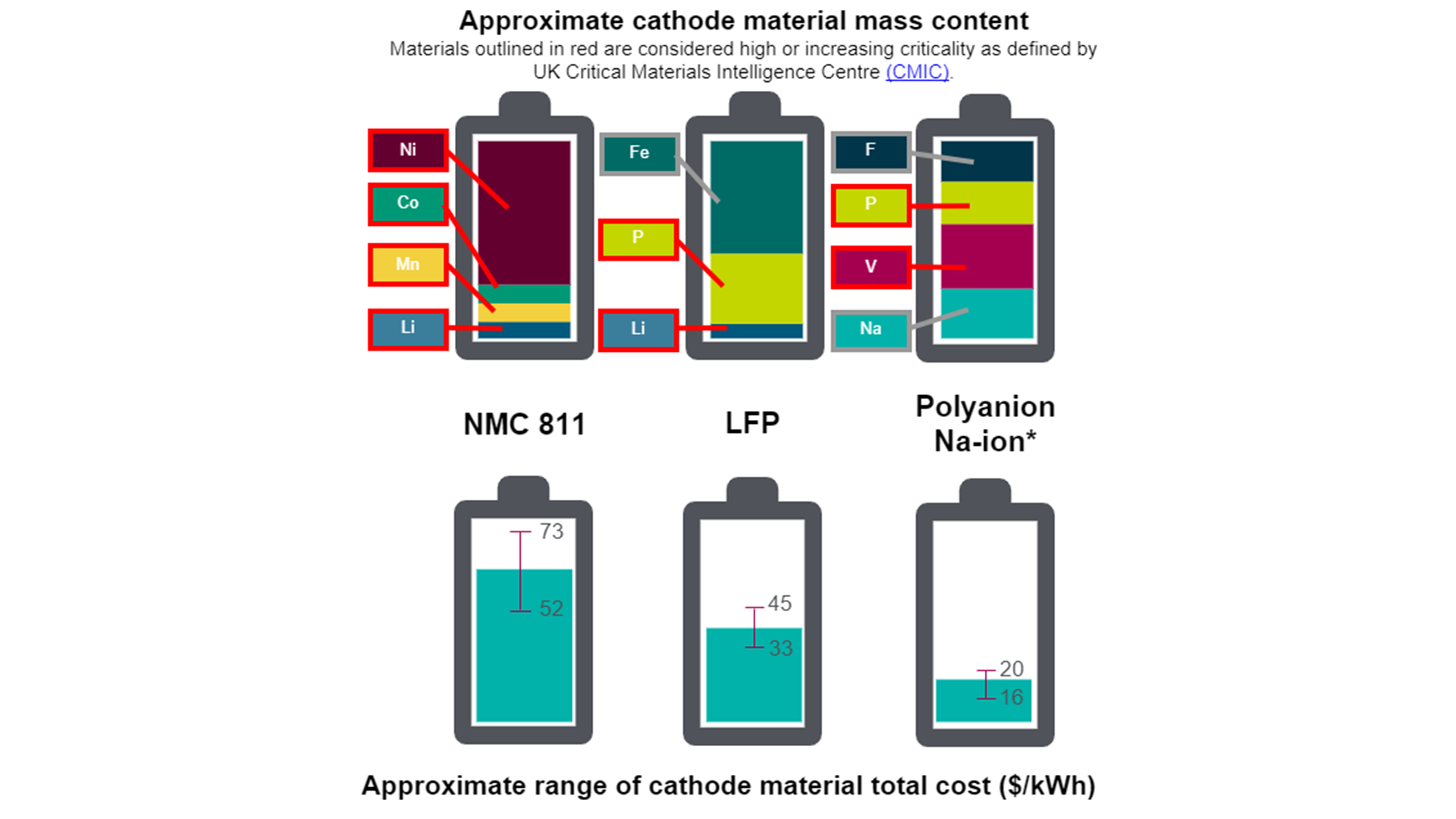
    There is a degree of uncertainty around which battery chemistries will dominate the market in the future. Those currently in use, like the nickel-rich higher energy batteries, require substantial amounts of nickel and cobalt, which are expensive to source. The move to lithium-iron-phosphate batteries in the electric vehicle industry is less costly but cannot provide the same energy density. Plenty of innovation is still required, and Canada can be best prepared by investigating a variety of materials that are likely to be employed in new applications.

    For each of the chosen materials, BMAC has recruited specific industry experts to provide input on the ideal processing methods and technologies pertaining to the types and grades of the materials in Canada. Through a series of interactive online workshops, BMAC has engaged with expert feedback before utilising their knowledge through vetting the resultant flowsheets.

    These critical materials will be evaluated against key questions to determine where and how would be most efficient and sustainable to process them.

    What are the opportunities for Canada to process those  critical materials?

    A significant factor to consider is where there is active mining or exploring mining potential in Canada. Those places already in operation may be best placed for critical minerals processing possibilities, limiting the distance domestic materials travel for refining and processing.

    Where are the optimal regions geographically to do it?

    The criteria for identifying the optimal regions for processing capabilities have not yet been determined. Moreover, there is likely not a single set of criteria but multiple considerations that will vary between metals. However, each group of metals experts will provide a set of recommendations. This is only the beginning, as BMAC will also be doing follow-up work to further examine and define potential opportunities, specifically regarding the development of battery hubs in Western Canada.

    © shutterstock/Fahroni

    What are the least carbon-intensive approaches?

    The roadmap aims to establish a competitive yet sustainable battery metals supply chain. Though crucial to our net-zero future, existing battery supply chains are carbon-intensive and detrimental to the environment. BMAC recognises that the future of battery supply chains lies with a reduction in carbon footprint and that strengthening Canada’s position in the global battery market should be conducted in a manner that will also secure its longevity. To achieve this, the analysis intends to address areas for improvement across the supply chain and identify strategies to mitigate the carbon intensity of processing each of the key materials, addressing areas such as technology, travel, and energy efficiency. In itself, developing critical minerals processing facilities in Canada would create a local supply chain, drastically reducing the carbon footprint of extracted metals that are exported for processing.

    Separately, another project BMAC seeks to initiate involves ESG modelling and calculations for the Canadian value chain. These calculations have great complexity, so the analysis will begin by considering the carbon element. Eventually, this work could investigate the other potential impacts of developing processing facilities, including the ramifications on local communities, the economy and future legislation.

    What is the ideal flow of the materials from extraction to production?

    Consideration of the ideal flow of materials is a crucial part of every production and co-ordination process, referring to the efficient movement of materials throughout the entire supply chain. Essentially, ideal flow equals the lowest impact yet most competitive design, avoiding delays, reducing costs, and increasing efficiency. This will strive to discover the solutions with the lowest environmental impact – working towards the net zero goal and proving the most cost-effective and efficient.

    Each material has unique aspects that require it to be addressed individually and comprehensively – as is most easily demonstrated by Canada’s lithium deposits.

    © shutterstock/Juan Roballo

    Canada has significant lithium resources in the form of both spodumene and brine. The east is home to primarily hard rock spodumene deposits, which are mined before undergoing leaching and purification to produce battery-grade lithium. In the West, brine-based lithium resources hold lithium dissolved in water. Direct lithium extraction (DLE) is revolutionising the brine-based lithium industry, and a variety of startups are positioned to mass-produce lithium by 2025-2027.

    Consequently, in its analysis of lithium, BMAC’s work is intended to address the development of these two completely disparate processes. Flowsheets for both hard rock and brine-based lithium will be produced since the supply from both will likely be necessary in order to meet increasing demand. Therefore, the report will not recommend one source over the other, but instead, it will identify whether one is more suitable than the other for specific processes.

    Outcome

    The roadmap wanted to address what was required to both replicate Canada’s existing 10% share of the North American automotive market and meet the government mandate of 100% ZEV light-duty vehicles by 2035. Developing Canada’s  critical minerals processing capabilities is crucial for achieving these goals, as well as for enabling a sustainable value chain.

    It is difficult to determine a specific timeline for completing a local value chain in Canada. Several unknown factors are responsible for this, primarily that we do not yet know the battery chemistries Canada will produce and, therefore, the demand for the relevant materials. Arguably, the value chain does not need to be wholly completed for all key materials, as there is likely to be cross-border collaboration in the production of EVs across North America.

    BMAC’s metals strategies will identify the opportunities for developing Canada’s mid-stream processing capacities, identifying key regions and ideal processes that can be implemented to bridge the gap, and take materials from extraction through production.

    The analysis hopes to provide comprehensive flowsheets that can direct Canada’s battery value chain. BMAC anticipates these strategies will be released around mid-2024, with the follow-up work of the value chain opportunities for Western Canada completed by the end of the year.

    Please note, this article will also appear in the seventeenth edition of our quarterly publication.

    [ad_2]

    Source link

  • The right time, place and way to boost copper supply

    The right time, place and way to boost copper supply

    [ad_1]

    Highland Copper is uniquely positioned to take advantage of the widely expected copper cycle. The company has structured its business to proactively advance its two scalable, US-based copper projects to boost supply.

    Quite simply, demand for copper is far outstripping projected supply.

    Traditional sources of demand, like construction and transportation, remain strong, while new sources of demand, like electric vehicle batteries, wind, and solar, have emerged, further driving demand.

    The right time for copper production

    Copper is at the forefront of metals needed for use in green technologies. As the most efficient and affordable electrical conductor, it is the perfect material for electric car infrastructure and charging stations. While conventional vehicles contain some copper, hybrid electric and battery-powered cars require three times more than internal combustion engine vehicles.

    Key economies worldwide are adopting clean energy initiatives, continuing to drive demand. Increased environmental legislation worldwide, combined with ambitious targets set by car producers and consumers alike, is seeing demand for copper soar. The ongoing focus on Environmental, Social and Governance (ESG) and zero emissions should see the demand continue.

    At the same time, copper supply is reducing. Existing deposits are being depleted faster than new mines can come onstream. Lower grades are being mined at increasingly expensive costs. Over the last decade, the industry has suffered from a lack of exploration investment.

    A fundamental imbalance between supply and demand leads to a squeeze on global copper inventories. Only by developing the next generation of copper mines can the industry meet today’s demand, let alone the demand in the future.

    Copper supply in the US: The right place for production

    The US, and particularly Michigan, are critical to Highland’s success. The copper supply deficit is even more pronounced in the US. This triggered the US Department of Energy to designate copper as a Critical Material in 2023. Domestic copper supply in the US will reduce reliance on imports, which have become more challenging as geopolitics change.

    Michigan specifically focuses on electrification and mobilisation to support the electric vehicle industry in-state. With its strong industrial history, Michigan is focused on retaining and attracting new businesses, particularly ones that will bring jobs to local economies. Highland Copper recently announced that it is in consideration for a $50m grant from the State of Michigan. This highlights the priority that Michigan is placing on electrification.

    Regionally, Highland Copper is welcome in the Western Upper Peninsula with formal support letters received from all key municipalities, townships, and counties. The Upper Peninsula has a rich history of mining, and the Copperwood project has the capacity to revitalise the area significantly.

    copper supply
    © shutterstock/Alexander Lukatskiy

    Michigan also has a stringent, but fair process for permitting mines. Highland copper has already received its permits for the first of its two projects, Copperwood. Along with their joint venture partner, the permitting process is underway for its second project, the past-producing White Pine project.

    Producing copper in the right way

    Highland Copper is permitted and welcome in Michigan because it has designed its project in an environmentally friendly manner.

    Copperwood is designed as an underground mine, meaning it is expected to have a modest surface footprint compared to open pit mines. The process plant will be an enclosed building, further considering light and noise emissions.

    Highland Copper has elected not to draw water from Lake Superior. The process water solution was redesigned as part of the 2023 Feasibility Study to accumulate precipitation and spring run-off for the process plant. As a result, Copperwood will not need to draw water from Lake Superior.

    Highland is setting up a wetland preservation area of 717 acres, which will be protected in perpetuity. This preserved area outweighs the wetland impacted during construction many times over, and is larger than the total surface footprint of the project.

    Water that comes into contact with the mine will be treated by reverse osmosis through a water treatment plant, ensuring it is clean when returned to the freshwater supply. Monitoring by both Highland and the State will continue throughout operations and for a significant period after closure.

    The company has placed financial assurance with the State of Michigan to assist with any needed remediation. Critically, all site work completed in 2023 was done with no environmental incidents or safety accidents.

    Importantly, the construction of Highland’s projects will support the green energy transition and US resource independence while also generating a significant economic boost for the local Michigan economy. It is estimated that there will be 300 jobs created during construction and 380 while in operation, in addition to the indirect benefits of having a mine in the region.

    Highland Copper takes its environmental and local community commitments seriously.

    Structured to succeed

    Mining is a capital-intensive business and requires investment from multiple sources. Highland Copper’s key shareholders include major mining investment funds and private equities, who have supported the company through the exploration, resource definition, and technical studies phases of both Copperwood and White Pine projects.

    The 100% owned and fully permitted Copperwood project is Highland’s priority. Copperwood has completed a 2023 Feasibility Study reflecting an initial 11-year mine life projected to produce 67 million pounds of copper annually. There is considerable opportunity to increase the mine life by converting the significant inferred resource base.

    The project can potentially be a near-term producer and aid in the growing US copper supply deficit. Along with the potential state funding, Highland is well capitalised to progress Copperwood and advance to a construction decision. It has started early-site preparation work and is undergoing trade-off studies to improve the economics further.

    copper supply
    © shutterstock/Negro Elkha

    During 2023, Highland put a joint venture in place for its second asset, the White Pine project. White Pine also has a current 2023 Preliminary Economic Assessment reflecting a 22-year mine life projected to produce 90 million pounds of copper annually.

    A large battery metal private equity firm, Kinterra Copper acquired 66% of the project in July 2023. Given the scale and longer-dated nature of the project, Kinterra is well-placed to advance White Pine. With their considerable technical and financial capacity, they have put a strong team in place and are currently drilling White Pine in anticipation of preparing a Feasibility Study. Simultaneously, they are initiating environmental baselining as they prepare to enter the permitting process.

    Highland’s potential to be a key supply source of copper in the US

    If built in sequence, Copperwood and White Pine can potentially be a key supply source to the US and Michigan. In a perfect scenario, the copper produced in Michigan would feed directly into the electric vehicles produced by GM and Ford.

    Resource independence is critical to the US, and there is a strong case to be made that projects like Copperwood and White Pine simply need to be built.

    Please note, this article will also appear in the seventeenth edition of our quarterly publication.

    [ad_2]

    Source link
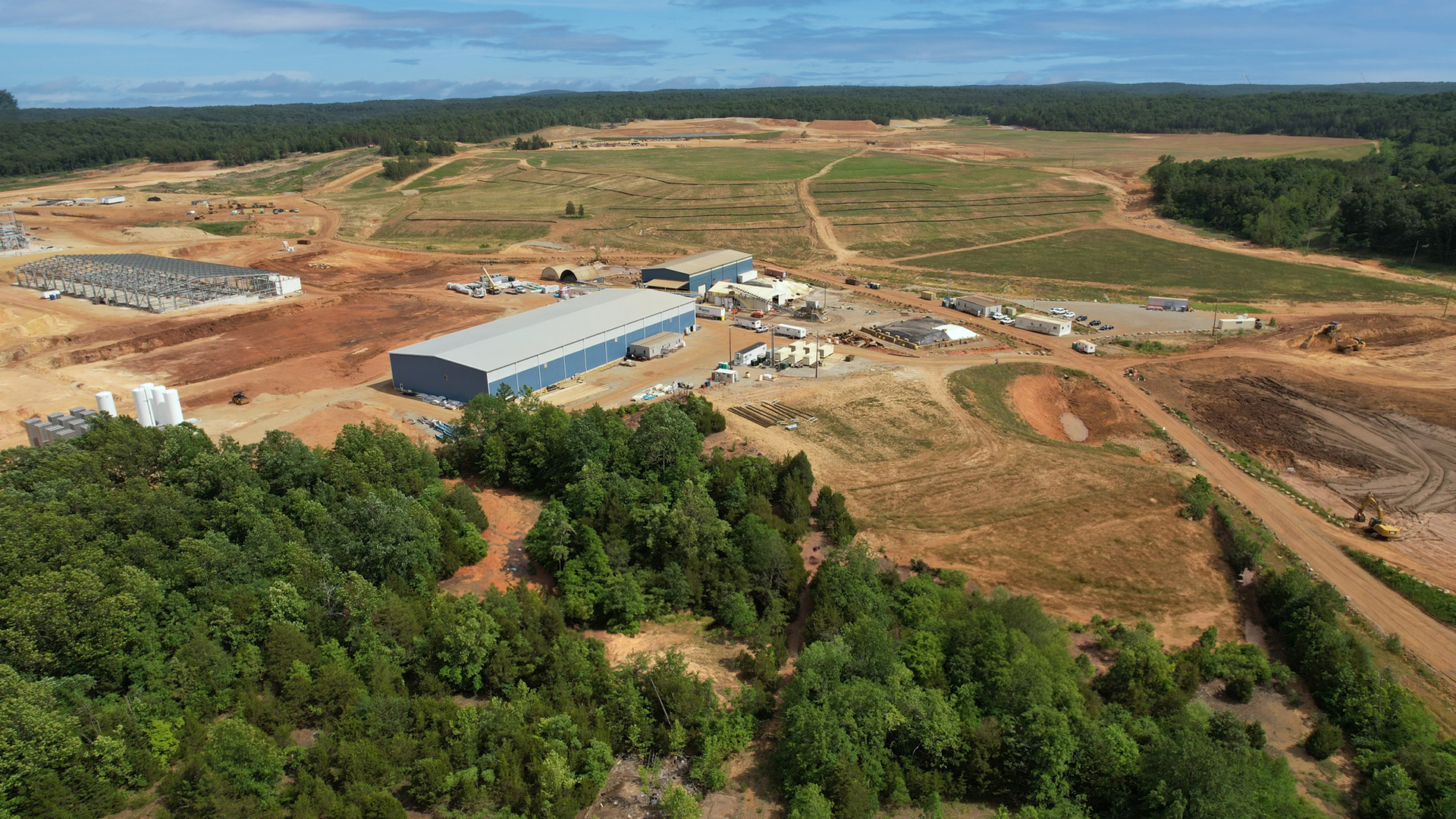
  • The power behind sustainable lithium production and processing

    The power behind sustainable lithium production and processing

    [ad_1]

    Technological development can boost lithium production, avoid energy use and emissions, and provide control in the lithium value chain. Max Luedtke, Global Business Line Manager Mining, and Eduardo Lima, Global Solutions Architect at ABB, explain.

    Lithium has become one of the world’s most precious commodities in just a few decades. It is a critical component in everything from electric vehicles (EVs) to smartphones – and a driving force behind the global energy transition from fossil fuels to renewables such as solar photovoltaic (PV) and wind.

    Until the mid-2010s, for most minerals, the energy sector represented a small part of total demand. According to the International Energy Agency (IEA), in a scenario that meets the goals of the 2015 Paris Agreement (the IEA Sustainable Development Scenario), clean energy technologies’ share of total lithium demand increases over the next two decades to almost 90%. EVs and battery storage have already displaced consumer electronics to become the largest applications for the metal.

    This shift has profound economic and geopolitical implications around price volatility and security of supply, not to mention reducing emissions of greenhouse gases (GHGs) during lithium production.

    Wind farms and EVs often require more minerals to build than their fossil fuel based counterparts. A typical electric car requires six times the mineral inputs of a conventional car, and an onshore wind plant needs nine times more mineral resources than a gas-fired plant. Since 2010, the average amount of minerals required for a new unit of power generation capacity has risen by 50%.

    In addition, as intermittent energy sources like solar PV and wind continue to grow their share in the overall energy mix, so the need to supply mines with continuous clean electricity using innovations such as power microgrids and battery energy storage systems (BESS) becomes ever more critical.

    This article will discuss what this means for mine operators and specialist technology companies that design automation and electrification technologies. Through industry collaborations and contracts, these companies help to optimise lithium production and profitability, avoid GHG emissions, downtime and costs, and facilitate a new approach to power provision that relies on a holistic view of the entire mine energy ecosystem.

    lithium processing plant
    Credit: Ioneer

    De-risking and optimising lithium production

    To improve methods of lithium extraction, ABB believes collaboration with technology providers, OEMs and mine operators at the earliest possible stage in the mine life cycle is the best way to de-risk process plant development, improve efficiency, reduce energy use and emissions, and save on capital expenditure and operating expenditure (OPEX).

    The company then uses electrification and automation technologies, and those of its partners, to deliver a solution architecture across the entire value chain, encompassing the hardware and software stack, visualisation and analytics tools, and operations: Electrification, maintenance, processing and sustainability.

    Let’s take, as an example, the Ioneer Ltd. lithium-boron deposit being developed at the Rhyolite Ridge Lithium-Boron Project in Nevada, US, where ABB is managing process automation, power management and electrical distribution for our Australian-listed customer. ABB is providing its integrated automation and electrification solutions, including site services, to drive optimisation and digital transformation of the mine’s processing plants from the outset.

    The site, with the only known lithium-boron deposit in North America and one of only two such deposits in the world, is considered to be globally significant. It requires specific systems engineering and optimisation technologies and expertise. ABB’s package includes plant-wide process automation and instrumentation systems for the power generation, acid, and lithium-boron processing plants. ABB’s involvement supports ioneer’s move towards long-life, cost-effective sources of lithium and boron that are vital for the global energy transition.

    This holistic approach, whereby a single vendor provides a portfolio of solutions – from the steam turbine generator and medium and low-voltage electrical distribution to power management and process automation – offers the client an overview of the entire ecosystem rather than separate automation, electrification and instrumentation packages from multiple technology suppliers.

    The ABB Ability™ System 800xA distributed control system (DCS) orchestrates power and process control and a high-integrity safety system. The latter is particularly important in the chemical processing of lithium. Using System 800xA to optimise power generation is a real differentiator in that many mines employ cogeneration, meaning they generate their own steam. Using the platform, customers can reuse this steam to generate power, optimising operational performance and long-term OPEX.

    Integrated power management and storage

    Lithium operations are often situated in remote locations far from established infrastructure and power grid systems. Limiting the environmental impact of these types of mines is exacerbated by the fact that extractive projects are becoming more energy-intensive, with 60–70 MW operations the norm rather than the exception.

    Again, engaging with a trusted technology supplier at the earliest possible stage of both greenfield and retrofit mine power projects is essential to ensure the external grid is robust enough to transfer sufficient quantities of power 24/7 and that the internal network addresses the specific operational demands of the mine, from hoisting and grinding to hauling and material handling.

    The challenge for technology providers is to develop solutions integrating renewables with power management and storage systems to provide stable power distribution. For example, ABB customers may have a diesel generator that powers an on-site data centre and servers. Replacing this with a UPS (uninterruptible power supply) and battery storage system has the dual benefit of avoiding GHG emissions from the enterprise while simultaneously ensuring the all-important security of supply.

    Decarbonising lithium production from pit to port – and onwards throughout the entire lithium-ion battery value chain – begins with the electricity transformation of off-grid mining to BESS and renewable sources of electricity. Many progressive mining companies are also investing in fully electric or hybrid-electric vehicles and trolley systems to cut diesel usage, costs, and pollution.

    At Boliden’s Aitik copper mine in northern Sweden, the DCS acts as an OT platform connecting multiple aspects of the operation. By expanding System 800xA from the processing plant to the mine itself – and integrating both into a single platform – ABB can connect haul truck trolley systems to the same automated platform that runs the enterprise, part of a trend towards hardware or control systems that handle all the on-site power generation, including renewables integration and off-grid storage.

    Case studies: Australia and Chile

    To cater to this new reality, ABB provides powertrains for mine vehicles and equipment, battery storage, modular battery containers, and independent microgrid solutions. In this sense, the company is adopting more of a power management role, providing services such as recessionary energy storage, power behaviour modelling, and reliable grid connection.

    ABB’s eMine™ portfolio is designed to facilitate the transition to all-electric mines by integrating electrification and automation technologies to optimise everything from grinding to vehicles to conveyors – resulting in more efficient, sustainable energy and resource consumption.

    In the US, ABB is engaged with an Australian company that is establishing and operating a greenfield lithium mine and chemical plant. This is another example of how early project engagement enables ABB to tailor and integrate automation, electrification, and instrumentation solutions, as well as execute engineering work to optimise the various packages. Meanwhile, in Chile, the company is working on a brownfield lithium brine project, supplying automation solutions for process control.

    Geographically, many countries not only want to mine lithium but also establish a connected battery production chain, including gigafactories, an example being ABB’s collaboration with Northvolt in Sweden. So, the role of the technology vendor is also changing in another way, in that it is no longer just about providing specific technology products to a single customer, but developing solutions for the entire lithium value chain, from miners to chemical processors and automobile manufacturers.

    A change of mindset

    In conclusion, the energy transition from fossil fuels to renewables continues and necessitates not only new technology solutions but also new mindsets and ways of working, both from mining companies and technology specialists. Mine stakeholders and shareholders are pushing companies to look after sustainability on greenfield and brownfield sites using innovations such as advanced process control.

    Until relatively recently, many mining companies were happy to keep automation to a minimum, as long as they continued to hit their key performance indicators for production. Now, sustainability and digitalisation are key, specifically how automation and electrification can be deployed to reduce their carbon footprint.

    Technology is the enabler of this change. The mining sector is becoming less risk averse, particularly in the lithium space, as junior mining companies with a more agile mindset enter the market. In this sense, the energy and technology transition must be supported by the transformation of processes, people, and culture to attract a new generation of environmentally aware, digitally literate talent, ensuring that reserves of lithium for Li-ion batteries are mined efficiently, safely, and sustainably.

    As we have mentioned, partnering with a specialist technology vendor at the earliest possible stage in the project life cycle is critical to ensure that automation, electrical, and instrumentation solutions not only take into account the needs of the individual mine, but also encompass the entire mine life cycle, from pit to port. This will not only help reduce emissions and energy use, but also help build the sustainable lithium supply chains of the future, ensuring that this critical resource can fulfil its vital role in the energy transition, and contribute to a safer, cleaner world for future generations.

    Please note, this article will also appear in the seventeenth edition of our quarterly publication.

    [ad_2]

    Source link
  • Are sodium-ion batteries the solution for EVs?

    Are sodium-ion batteries the solution for EVs?

    [ad_1]

    An alternative technology offers the opportunity to overcome some of the biggest challenges that have faced EV (electric vehicles) battery manufacturers. Dr Hadi Moztarzadeh, Head of Technology Trends, the Advanced Propulsion Centre UK (APC), reflects on whether sodium-ion batteries have the potential to dislodge lithium in popularity.

    The electric vehicle (EV) industry is continually driving towards a cleaner, more sustainable future, and at the heart of this transformation lies the choice of energy storage technology. Lithium-ion batteries (Li-ion), primarily nickel manganese cobalt (NMC), have been the leading choice for many years when it comes to powering EVs, but the emergence of sodium-ion (Na-ion) technologies introduces an intriguing alternative chemistry.

    Proponents of sodium have touted the technology as being cheaper, more environmentally friendly, and easier to source, with fewer supply chain challenges than lithium-ion.

    However, the truth is not as simple as that. Our recent report titled ‘Automotive Battery Value Chains,’ delved into some of these advantages of sodium-ion to ascertain just how useful the technology might be to UK manufacturers, both in the present and over the long-term.

    Reduction of supply chain risks

    While sodium-ion batteries leverage the abundance of sodium, the overall cost-effectiveness of the technology remains an open question. The materials and manufacturing processes associated with sodium-ion batteries may require optimisation to achieve cost parity with lithium-ion batteries.

    Given the quantities of critical minerals contained within popular lithium-based technologies – which can be as much as 30% of the overall weight in an NMC battery – any alternative that could eliminate, or at the very least significantly reduce, is going to be met with interest by industry. That is because it would, in part, help to reduce the cost of raw materials used, therefore helping to either increase profit margins for manufacturers, and/or lower the cost of vehicles to the end consumer (perhaps both), enabling a more competitive price point in comparison to traditional internal combustion engine (ICE) vehicles.

    EVs are already grappling with higher upfront costs compared to ICE vehicles, so any reduction in costs would be a welcome boon towards wider adoption.

    Adding to the argument for UK industry is the reduction in supply chain risk and export miles. Reports indicate that China could control up to one-third of the world’s lithium supply and processing by 2025, as well as having a leading share in many other critical minerals and rare earth elements (REEs).

    As the COVID-19 pandemic made starkly apparent, this has the potential to cause significant supply chain issues. Sodium on the other hand, is a much more abundant element with a less costly processing for battery grade material, so there would be potential for the UK to either produce and process its own, or source it from closer partners (both physically and economically), therefore further reducing costs, for example via transport savings, and de-risking the supply chain.

    Furthermore, while sodium-ion batteries vary in cathode chemistries, each having a different baseline cost, in general, the total material cost is lower per kWh than lithium-based chemistries. Material costs for sodium-ion batteries are expected to be more stable in cost in comparison to lithium-ion batteries.

    However, as an APC report shows, it may not be as straightforward as it appears on the surface.

    Concerns with sodium-ion batteries

    One of the primary concerns surrounding sodium-ion batteries is their energy density, a critical parameter in determining the driving range of electric vehicles. In comparison to their well-established lithium-ion counterparts, sodium-ion batteries tend to exhibit lower energy density.

    The lower energy density translates to a reduced driving range for EVs using sodium-ion batteries, making them less practical for long-distance travel without frequent recharging. This limits the applications for which sodium can currently be used across the automotive industry.

    As the chart below shows, as it stands, demand for low-cost chemistries such as sodium-based ones could come from two/three-wheeler vehicle markets and urban utility vehicles such as delivery vehicles. Lithium-based technologies, such as LF(M)P, meets the needs for the bulk of applications, especially high-volume cars, and vans.

    Overall, therefore, the cost difference between sodium-ion chemistries and LF(M)P chemistries is potentially very small. Given the potential performance advantage of LF(M)P, cost difference does not make sodium-ion a clear winner.

    While research and development efforts are underway to enhance the energy density of sodium-ion batteries, achieving a level that matches or exceeds lithium-ion batteries remains a formidable task. Until this hurdle is overcome, the widespread adoption of sodium-ion batteries in EVs may be limited, especially in applications where extended driving range is a top priority.

    This is not to say that it will be that way forever though, which will create an interesting and complex decision for manufacturers as the technology develops and improves, especially when it comes to making choices that will future proof their operations for many years to come.

    The importance of cycling and charging

    Efficient charging and discharging rates are essential for the practicality of EVs where quick refuelling (or recharging) is a key factor for consumer acceptance. Sodium-ion batteries, while promising, may not yet meet the rapid charging and discharging expectations set by lithium-ion batteries. The inherent limitations in the kinetics of sodium-ion electrodes can result in slower charge and discharge rates.

    For sodium-ion batteries to become a competitive option for EVs, significant advancements are required to optimise the charging and discharging kinetics. Improvements in this area would not only enhance the overall performance of sodium-ion batteries but make them more appealing to consumers who prioritise quick and convenient recharging.

    Are sodium-ion batteries really better for the environment?

    While one of the main draws for sodium-ion batteries is the reduction or elimination of critical minerals, including cobalt and lithium, that are often cited as environmentally challenging to mine and produce, that does not mean that sodium does not face challenges of its own in this arena.

    Sodium is abundant and widely available, though the specific materials used in sodium-ion batteries, such as high-performance cathodes and anodes, may face scalability and resource availability difficulties. As demand for EVs continues to rise, the scalability of sodium-ion battery production becomes a crucial factor in determining their feasibility as a widespread energy storage solution.

    Additionally, the extraction and processing of certain materials used in sodium-ion batteries may still pose environmental challenges like those faced by lithium-ion batteries. It is true that sodium-ion batteries present a more environmentally friendly alternative to lithium-ion batteries in terms of raw material availability, but the overall environmental impact needs careful consideration.

    With this in mind, last year, the APC looked at the life cycle of many of the critical materials used in today’s battery technologies in their ‘Battery End of Life Recycling value chain report.’

    Lithium has a first mover advantage

    One of the greater hurdles to overcome for any future adoption of sodium-ion would be simply in ‘name recognition.’ Companies are often keen to use new advancements when the advantages are clearly shown, but there is something to be said for technologies that are tried, tested, and trusted, as lithium currently is.

    Sodium-ion is still in the early stages of development compared to lithium-ion. The maturity of a technology is crucial for its successful integration into consumer products, particularly in sectors like electric vehicles, where reliability and performance are non-negotiable.

    The market adoption of sodium-ion batteries in EVs will depend on factors such as the successful resolution of technical challenges, improvements in energy density, and the development of a robust supply chain. As of now, lithium-ion batteries have a significant head start in terms of technological maturity and market acceptance, posing a substantial barrier for sodium-ion batteries to overcome.

    sodium-ion batteries
    shutterstock/Fahroni

    What does the future hold for sodium-ion batteries?

    Clearly sodium-ion batteries show promise as an alternative energy storage solution for electric vehicles, yet they are not without their challenges and limitations. The issues related to energy density, charging, and discharging rates, material availability, technology maturity, cost considerations, and environmental impact collectively present hurdles that must be addressed for them to become a mainstream choice in the electric vehicle sector.

    Ongoing research and development efforts are critical to overcoming these challenges and unlocking the full potential of sodium-ion battery technology. As the automotive industry continues its journey toward sustainability, it may play a role in the evolving landscape of energy storage, but careful consideration and further advancements are necessary for it to become a competitive and widely adopted option for powering the electric vehicles of the future.

    For the meantime, as shown in the APC’s ‘Automotive battery Value Chains’ report (listen to the accompanying podcast), UK manufacturers would be well-served to continue to invest in lithium-ion technologies, particularly NMC(A) and lithium iron phosphate (LFP), at least in the short to medium term.

    Please note, this article will also appear in the seventeenth edition of our quarterly publication.

    [ad_2]

    Source link